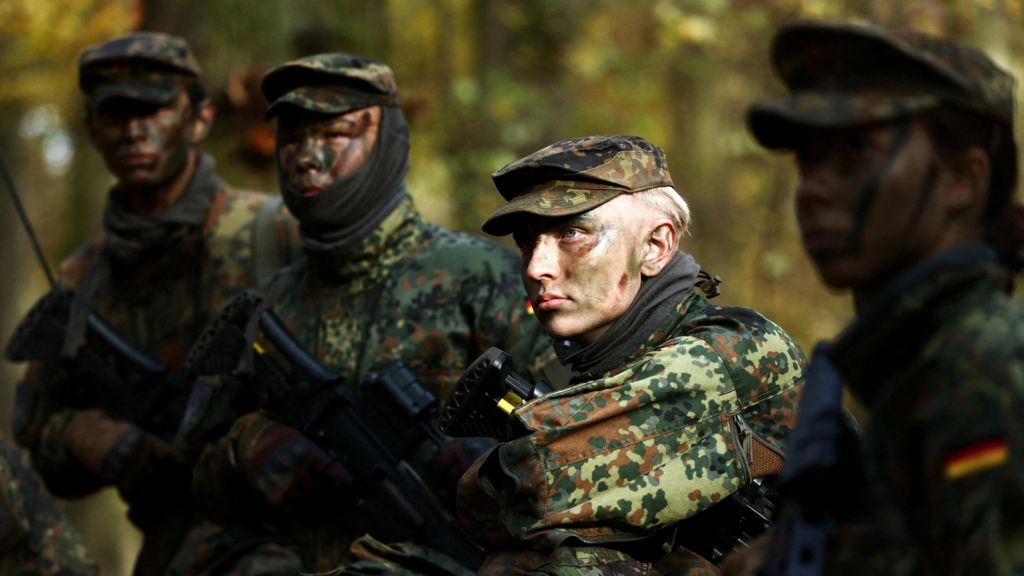
Against the backdrop of shifting European security dynamics following Russia’s full-scale invasion of Ukraine, Germany has moved to roll back a little-noticed provision of its newly reinstated military service framework that sparked widespread public pushback in recent days.
The Military Service Modernization Act, which entered into force on January 1 this year, was designed to strengthen German and European defense capabilities in response to heightened regional security threats stemming from the ongoing war in Ukraine. In principle, the legislation brings back compulsory conscription after years of an all-volunteer force, though active conscription will only be triggered if voluntary recruitment falls short of the German armed forces’ targets.
Under the law’s original fine print, a previously little-publicized requirement mandated that all German males aged 17 and older secure prior official approval before taking any trip or extended stay abroad lasting longer than three months. This provision flew under the public radar until a major German newspaper broke the story last week, igniting a fierce public debate over civil liberties and the scope of the new conscription framework. As of this week, the rule has never actually been enforced against any German citizen, defense officials confirmed.
On Monday, German Defense Minister Boris Pistorius, a member of the Social Democratic Party, announced a broad exemption to the controversial requirement in comments to the German Press Agency (DPA). Pistorius emphasized that regardless of age — whether 17, 45, or any age between those thresholds — all military-age men retain full freedom of movement, and no advance approval is currently required for international travel of any length. Extended stays abroad also will not need to be reported to defense authorities, he added.
“During this peacetime period, there will be no permission procedures. We are suspending the permission requirement as long as military service is voluntary,” Pistorius stated. He added that the German government will develop tailored emergency protocols to activate the rule only in the event of a national security crisis, framing the original inclusion of the provision as a legitimate precautionary measure to prepare for unforeseen security contingencies.
The new law has already rolled out preliminary steps toward its goal of expanding Germany’s military capacity: since January, all 18-year-old Germans have received a mandatory questionnaire for men (voluntary for women) asking about their willingness to serve in the armed forces. Starting in July 2027, all 18-year-old men will also be required to complete a mandatory medical fitness examination to assess their eligibility for potential military service, should conscription be activated in the future.
This military expansion aligns with the top security priority laid out by German Chancellor Friedrich Merz, who has publicly stated his goal to build the most powerful conventional military force across Europe, in a bid to bolster collective European defense amid ongoing regional tensions.