分类: politics

  • Some key figures about Nepal’s parliamentary election

    Some key figures about Nepal’s parliamentary election

    KATHMANDU, Nepal — Nepal commenced pivotal parliamentary elections on Thursday, marking a significant political transformation triggered by a youth-led uprising that toppled the previous administration. This electoral event occurs merely three years after the nation’s last national vote, following substantial political turmoil that culminated in governmental collapse in 2025, subsequently establishing an interim government that mandated fresh elections.

    The Election Commission reports approximately 18.9 million registered voters participating in this democratic process, demonstrating a notable increase of nearly one million voters compared to the November 2022 elections. Gender distribution reveals 966,000 male voters and 924,000 female voters, with an additional 200 individuals registered under the ‘others’ category, encompassing gender-diverse and LGBTQ+ community members.

    The substantial voter registration surge reflects heightened political engagement among youth, particularly those who spearheaded the September 2025 uprising that precipitated early elections. This movement has emerged as a central campaign issue, with political parties actively courting younger demographics through anti-corruption platforms and governance reform promises.

    Voters will directly elect 165 representatives to the House of Representatives, Parliament’s powerful lower chamber. The remaining 110 seats in the 275-member legislature will be allocated through proportional representation, where political parties appoint lawmakers based on their electoral vote share. Nepal’s political history demonstrates a pattern of coalition governments, with multiple parties typically combining forces to secure parliamentary majorities amid considerable instability—the nation has witnessed 15 different governments over the past two decades.

    This election presents a critical challenge to Nepal’s traditionally dominant parties—the Nepali Congress and the Communist Party of Nepal (Unified Marxist–Leninist)—both of which faced public discontent after participating in the ousted government. The National Independent Party, established in 2022, has gained substantial traction during campaigning, featuring former Kathmandu Mayor and ex-rapper Balendra Shah as its prime ministerial candidate.

  • China removes three retired generals from national advisory body

    China removes three retired generals from national advisory body

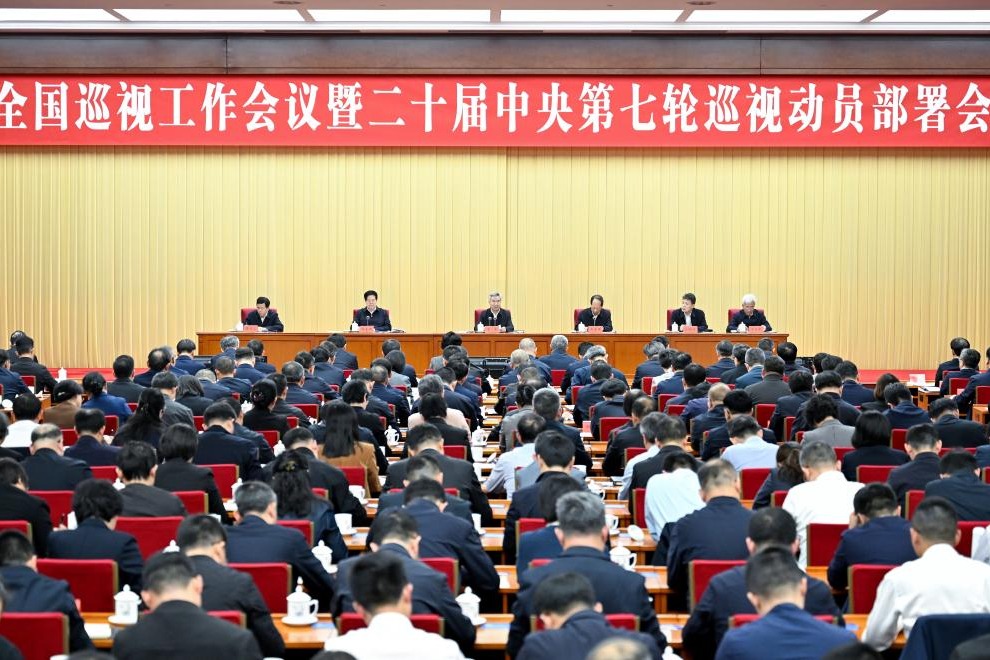
    In a significant political development preceding China’s annual Two Sessions meetings, the Chinese People’s Political Consultative Conference (CPPCC) has formally removed three high-ranking retired military officials from its ranks. The dismissed generals include Han Weiguo, former commander of the People’s Liberation Army Ground Force; Gao Jin, inaugural commander of the now-dissolved Strategic Support Force; and Liu Lei, former political commissar of the army.

    The CPPCC, China’s top political advisory body, conducted the removals through a formal vote on Monday, though authorities provided no specific explanation for the decisions. These actions represent unusual mid-term dismissals, as CPPCC delegates typically serve fixed five-year terms set to conclude in March 2028.

    This development marks the latest escalation in President Xi Jinping’s ongoing anti-corruption campaign within military ranks, which has intensified considerably in recent weeks. The removals follow a pattern of high-profile dismissals that have reshaped China’s military leadership structure, including last Thursday’s announcement of 19 officials being sacked, nine of whom were military figures.

    Han Weiguo, 70, commanded the PLA ground forces from 2017 until his retirement in 2021. Notably, both his successors have similarly been removed from their positions within the past two weeks. Liu Lei, also 70, served as political commissar during Han’s command tenure, while Gao Jin, 67, previously led the Central Military Commission’s Logistic Support Department before retiring in 2022.

    The timing of these dismissals, immediately before China’s most prominent annual political gathering where approximately 3,000 delegates convene, signals continued consolidation of military oversight and political alignment under President Xi’s administration.

  • ‘Memories vary’: WFH chaos, Trump loom large over savage Liberal election review

    ‘Memories vary’: WFH chaos, Trump loom large over savage Liberal election review

    A confidential internal review commissioned by Australia’s Liberal Party to analyze its historic 2025 election defeat has been forcibly made public after Prime Minister Anthony Albanese tabled the document in parliament. The comprehensive assessment, compiled by party elders Pru Goward and Nick Minchin over several months, delivers a stark examination of strategic missteps and leadership challenges that contributed to the Coalition’s devastating loss.

    The report reveals profound internal dissatisfaction, with over two-thirds of surveyed party members expressing frustration with campaign management, policy confusion, and communication failures. It particularly highlights how Opposition Leader Peter Dutton became successfully characterized as ‘Trump-like’ by political opponents, a comparison that resonated negatively with Australian voters. This perception was exacerbated by policies including the proposed abolition of working-from-home arrangements and plans to cut 40,000 public service positions—measures that proved so unpopular they were subsequently reversed.

    Notably, the document indicates significant ambiguity regarding accountability for the controversial work-from-home policy, stating that ‘memories vary on who approved’ the initiative, which reportedly bypassed proper party room consultation. The review further notes that while Donald Trump’s re-election in the United States was initially welcomed within party circles, his subsequent implementation of sweeping public service cuts and global tariffs ultimately damaged the Australian opposition’s standing as voters drew unfavorable comparisons.

    The comprehensive assessment makes seventeen specific recommendations for organizational reform, including enhanced opportunities for ‘capable, talented women,’ improved internal review processes, and the establishment of a traveling advisory team to provide diversified counsel to the opposition leader. It emphatically states that the party ‘must never again allow the Parliamentary Leader and Office to effectively run the campaign’ alone.

    Opposition Leader Angus Taylor had previously defended the decision not to release the review, stating the party needed to ‘look forward and not backwards,’ though he acknowledged the election represented a ‘bad outcome’ with valuable lessons to be learned.

  • UN chief renews call for de-escalation, immediate cessation of hostilities in Middle East

    UN chief renews call for de-escalation, immediate cessation of hostilities in Middle East

    United Nations Secretary-General Antonio Guterres has dramatically escalated his diplomatic efforts to contain the rapidly deteriorating security situation across the Middle East, issuing renewed demands for immediate de-escalation and cessation of hostilities throughout the region.

    During Monday’s daily press briefing at UN headquarters, spokesperson Stephane Dujarric confirmed that Guterres’ position remains consistent with his urgent weekend address to the Security Council. “What is needed now in the region more than anything is a way out,” Dujarric emphasized, conveying the Secretary-General’s grave assessment of current conditions.

    The UN chief has maintained relentless diplomatic engagement over the past 48 hours, conducting high-level consultations with multiple regional leaders including Qatar’s Emir Sheikh Tamim bin Hamad Al Thani and Omani Foreign Minister Sayyid Badr bin Hamad bin Hamood Albusaidi. Guterres specifically commended Oman for its critical mediation efforts in facilitating peaceful negotiations while simultaneously condemning recent attacks against Iran and subsequent Iranian retaliatory strikes targeting Gulf nations.

    Adding to these efforts, the Secretary-General has convened multiple discussions with ambassadors from the Gulf Cooperation Council, seeking to establish multilateral pathways toward conflict resolution. The diplomatic surge comes amid growing humanitarian concerns, with Guterres expressing particular alarm over increasing civilian casualties and systematic destruction of essential infrastructure throughout conflict zones.

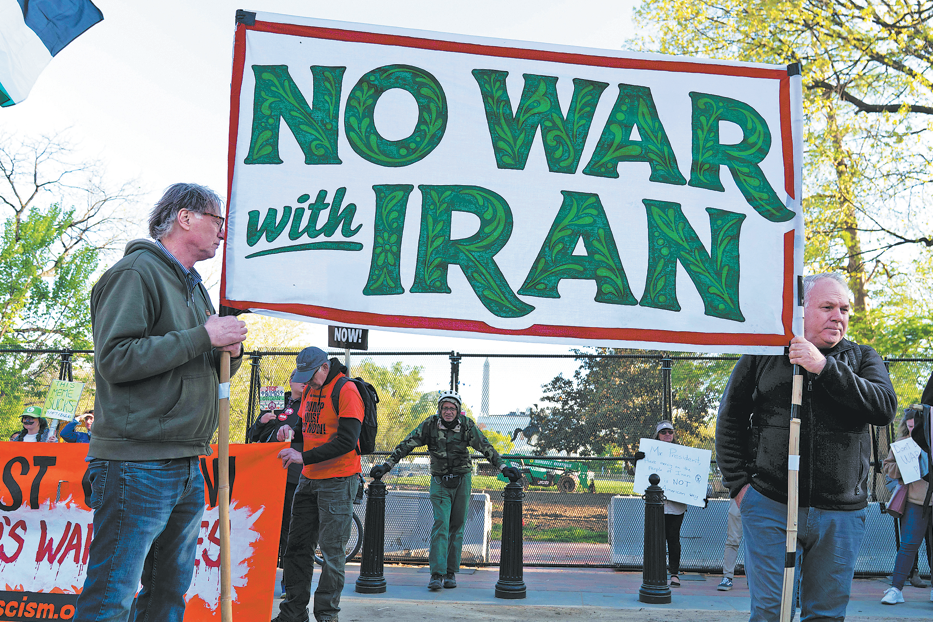
    The UN leadership reiterated that international humanitarian law establishes unambiguous protections for civilian populations and critical infrastructure during armed conflicts. This renewed diplomatic initiative follows recent military actions between the US, Israel, and Iran that have significantly heightened regional tensions and raised fears of broader regional conflagration.

  • Trump says US attack on Iran capable of going ‘far longer’ than 4 to 5 weeks

    Trump says US attack on Iran capable of going ‘far longer’ than 4 to 5 weeks

    WASHINGTON — President Donald Trump has significantly revised his assessment of the US military engagement with Iran, declaring that American forces possess the “capability to go far longer” than his initial four-to-five-week projection. The statement was delivered from the White House on Monday, March 2, 2026, amid escalating hostilities across the Middle East.

    Contradicting his own remarks from media interviews just one day prior, Trump asserted there would be no operational time constraints. “We have capability to go far longer than that. We’ll do it,” the President stated, emphasizing his personal resolve by adding, “I don’t get bored. There’s nothing boring about this.

    The administration’s strategic posture appears to be hardening. In an interview with the New York Post, President Trump declined to rule out the deployment of US ground troops to Iran, contingent upon military necessity. This suggestion marks a potential intensification of a conflict that has already seen joint US-Israeli strikes on Iranian infrastructure, including a police station in Tehran.

    Domestically, the military campaign faces growing public scrutiny. A recent Reuters/Ipsos poll conducted over the weekend revealed significant opposition among Americans, with 43% disapproving of the strikes and only 27% expressing approval. This data suggests a contentious reception to the administration’s foreign policy decisions as operations continue to evolve.

  • Nepal leaders call on voters to ensure success of ‘historic’ election

    Nepal leaders call on voters to ensure success of ‘historic’ election

    Nepal stands at a critical democratic crossroads as it prepares for its first general election on Thursday, March 7th, following the youth-led uprising that toppled the government last September. The nation has mobilized extensive security measures with nearly 300,000 personnel deployed to ensure peaceful voting.

    Interim Prime Minister Sushila Karki, in a nationally televised address, characterized this electoral process as emerging from a ‘complex, sensitive and challenging’ period in Nepal’s history. She emphasized that active citizen participation is essential for the survival of the country’s democracy, urging all eligible voters to exercise their franchise responsibly.

    The electoral landscape features approximately 3,400 candidates competing for 274 parliamentary seats in the House of Representatives, with more than 1,000 candidates representing the younger generation under age 40. Nearly 19 million registered voters, including 800,000 first-time participants, are eligible to shape the nation’s political future.

    Security agencies have maintained heightened vigilance nationwide, resulting in 133 arrests for alleged anti-election activities. Among those detained is Durga Prasai, a controversial medical entrepreneur and monarchist activist who leads the campaign demanding restoration of Nepal’s Hindu monarchy. Prasai’s organization had planned protests targeting the election, prompting what his secretariat describes as an infringement on his ‘right to freedom of expression.’

    President Ram Chandra Poudel joined in appealing for peaceful participation, describing the election as a ‘historic opportunity’ to strengthen Nepal’s federal democratic republic. Election officials report that preparatory activities have proceeded peacefully thus far, with comprehensive security arrangements involving 77,000 police officers, 134,000 dedicated election police, and 80,000 army personnel deployed across the nation.

  • US ‘stonewalling’ requests by Gulf states to replenish interceptors, sources say

    US ‘stonewalling’ requests by Gulf states to replenish interceptors, sources say

    According to sources familiar with diplomatic discussions, the United States is allegedly delaying responses to several Gulf nations seeking to replenish their depleted air defense interceptor inventories amid escalating regional tensions. A former US official and a Western diplomat disclosed to Middle East Eye that these Gulf states face mounting pressure to align with US-Israeli military operations against Iran.

    One Gulf nation, previously targeted by Iranian attacks, reportedly inquired about restocking interceptor supplies diminished during recent joint US-Israeli operations against Iran. The request was allegedly met with non-committal responses from US officials. Separately, another Gulf state responded to US requests for base access by seeking clarifications regarding Washington’s commitment to their aerial defense capabilities.

    The former US official indicated that Gulf states should not anticipate immediate resupply, stating: “Whatever munitions were produced in the last couple of months, we have shot several years’ worth of production in the last few days.”

    Saudi Arabia, Kuwait, the UAE, Qatar, and Bahrain have all faced Iranian ballistic missile and drone assaults, with Bahrain, Qatar, and the UAE experiencing the most intensive attacks. Qatar recently announced the interception of two Iranian Su-24 fighter jets, while the UAE reported destroying 814 of 871 incoming projectiles since Saturday—typically requiring two to three interceptors per incoming missile.

    The UAE’s sophisticated defense network includes Terminal High Altitude Area Defense (THAAD) systems, Patriot PAC-3 surface-to-air missiles, and additional South Korean, Russian, Israeli, and domestic Skynight systems. Despite maintaining a government-reported 90% interception rate, THAAD and Patriot interceptors remain costly and require years to manufacture.

    Kelly Grieco of the Stimson Center noted on social media: “The UAE has now burned through a significant chunk of an interceptor stockpile that took years to build.”

    The geopolitical developments coincide with a reported redeployment of the USS Gerald R. Ford aircraft carrier from the Mediterranean to the Gulf, potentially indicating US efforts to address regional security concerns following President Trump’s discussion with Emirati leader Mohammed bin Zayed regarding Iranian attacks.

  • Melania Trump chairs UN Security Council meeting on children in conflict amid Iran strikes

    Melania Trump chairs UN Security Council meeting on children in conflict amid Iran strikes

    In an unprecedented diplomatic moment, First Lady Melania Trump presided over a United Nations Security Council meeting addressing the protection of children in conflict zones. The high-level session, convened during the United States’ rotating presidency of the Security Council, marked the first time a world leader’s spouse has chaired such proceedings.

    Mrs. Trump centered her remarks on educational opportunities as fundamental tools for fostering tolerance and global peace among vulnerable youth populations. ‘The US stands with all of the children throughout the world,’ she declared. ‘I hope soon peace will be yours.’

    The First Lady extended poignant condolences to families of fallen American service members, stating, ‘Their bravery and dedication will always be remembered.’ She further expressed wishes for ‘swift and smooth recovery to all those who have been injured,’ assuring they remained in her ‘thoughts and prayers during these challenging times.’

    The meeting occurred against a backdrop of heightened regional tensions. UN Under-Secretary General Rosemary DiCarlo highlighted the severe impact of conflicts on children, noting numerous Middle Eastern nations—including Israel, United Arab Emirates, Qatar, Bahrain and Oman—had transitioned to remote learning due to ongoing military operations.

    DiCarlo specifically referenced reports from Iran concerning a devastating strike on an elementary school in Minab that allegedly resulted in 153 fatalities. Iranian authorities have attributed responsibility to the United States and Israel, though both nations have offered contrasting responses. US Central Command confirmed it was investigating the incident while Israel’s military denied awareness of operations in the area.

    Iran’s Ambassador to the UN, Amir Saeid Iravani, condemned the timing of the US-chaired session as ‘deeply shameful and hypocritical’ given recent events. Meanwhile, US Secretary of State Marco Rubio asserted that ‘the United States will not deliberately target a school.’

    The carefully orchestrated diplomatic appearance underscores the Trump administration’s continued engagement with international institutions while maintaining military readiness in volatile regions.

  • Texas Trump supporters react to US strikes on Iran

    Texas Trump supporters react to US strikes on Iran

    With Texas primary elections looming, Republican voters across the state are expressing strong opinions regarding recent U.S. military actions in the Middle East. Interviews conducted with Donald Trump’s base reveal complex perspectives on foreign policy as they prepare to cast their ballots.

    The geopolitical developments have emerged as a significant talking point among conservative Texans, many of whom view the situation through the lens of national security priorities. While some express unwavering support for decisive military action against Iranian interests, others voice concerns about potential escalation and prolonged engagement in the region.

    These discussions occur against the backdrop of upcoming electoral decisions, where foreign policy positions traditionally influence voter preferences. The timing of the strikes has created a natural experiment in how international events shape domestic political discourse, particularly among voters who strongly identify with the America First philosophy championed by former President Trump.

    The responses highlight a nuanced understanding of the balance between demonstrating strength and avoiding unnecessary conflict, with many respondents drawing comparisons to previous administrations’ approaches to Middle East tensions. This electoral dynamic offers insight into how national security issues resonate at the grassroots level within one of the nation’s most politically influential states.

  • Leaked photo, hot tub, and Pizzagate – video of Clintons’ testimony on Epstein ties released

    Leaked photo, hot tub, and Pizzagate – video of Clintons’ testimony on Epstein ties released

    Newly released footage from the House Oversight Committee has revealed a dramatic confrontation during Hillary Clinton’s closed-door deposition regarding Jeffrey Epstein. The proceedings nearly derailed when the former Secretary of State threatened to walk out after learning an unauthorized photograph from the hearing had been leaked to the public.

    The tension escalated when Clinton’s legal team informed the room of the security breach. Republican Congresswoman Lauren Boebert admitted to sharing an image from inside the deposition room, though she claimed it was taken before the official proceedings began. Clinton responded by pounding her fist on the table, declaring, ‘I’m done with this. If you guys are doing that, I am done. You can hold me in contempt from now until the cows come home.’

    Her legal representatives emphasized the irony that Clinton had previously requested an open hearing—which would have allowed real-time public viewing—but the committee had denied this petition. The deposition was temporarily paused following the exchange, with Clinton’s counsel later chastising the committee for what they termed ‘unacceptable, unprofessional, and unfair’ conduct.

    The lengthy testimony, spanning over nine hours across separate sessions with both Hillary and Bill Clinton, covered numerous topics related to the Epstein investigation. In one particularly contentious moment, Rep. Boebert raised the thoroughly debunked ‘Pizzagate’ conspiracy theory, asking if Clinton had reviewed any Epstein files referencing the fabricated allegation. Clinton dismissed the line of questioning as outrageous, stating the theory had ‘ended up hurting a number of people.’

    Meanwhile, Bill Clinton’s deposition included questions about his relationship with Epstein, which he characterized as a ‘brief acquaintance’ that ‘ended years before his crimes came to light.’ The former president denied any knowledge of Epstein’s wrongdoing and expressed hope that his cooperation would ‘prevent something like this from happening again.’

    When questioned about Donald Trump’s potential testimony, Bill Clinton recalled a conversation at Trump’s golf course around 2002-2003 where Trump mentioned their friendship with Epstein had ended over ‘a real estate deal.’ Clinton noted Trump ‘never said anything to me to make me think he was involved in anything improper.’

    The deposition also addressed a previously released photo showing Bill Clinton in a redacted hot tub image from the Epstein files. The former president explained the context of the image, describing it as taken during exhaustion at the end of a long Asia trip at the invitation of the Sultan of Brunei. He repeatedly stated he didn’t know the identity of the other person in the photo and denied any sexual activity occurred.