分类: politics

  • What China’s response to the U.S. attack on Iran says about its foreign policy

    What China’s response to the U.S. attack on Iran says about its foreign policy

    As military tensions escalated between the United States, Israel, and Iran, China maintained a characteristically measured diplomatic stance. Following initial hostilities, Beijing’s Foreign Ministry expressed “profound concern” while advocating for immediate ceasefire and renewed dialogue. Foreign Minister Wang Yi subsequently characterized the strikes as “unacceptable” while reinforcing calls for peaceful resolution through diplomatic channels.

    This response pattern reflects China’s established approach to international conflicts—verbal condemnation without direct intervention. Analysts note Beijing’s strategic prioritization of long-term interests over immediate geopolitical engagement. Particularly significant is the anticipated state visit by U.S. President Donald Trump scheduled for early April, which Chinese leadership views as more consequential than Middle Eastern hostilities.

    Despite China’s growing military capabilities—including joint exercises with Iran and its first overseas military base in Djibouti—experts confirm Beijing remains reluctant to project power beyond its immediate periphery. The country has demonstrated diplomatic ambition through mediating the 2023 Iran-Saudi Arabia rapprochement, but avoids military entanglements, viewing U.S. interventions in Afghanistan and Iraq as cautionary examples.

    Energy security considerations further complicate China’s position. As Iran’s largest oil importer (approximately 1.4 million barrels daily, representing 13% of seaborne imports), China has nonetheless developed substantial resilience through diversified suppliers and strategic reserves. Analysts indicate potential disruptions would have marginal short-term impact, with Russian crude offering readily available alternatives.

    More concerning to Beijing are potential disruptions to Strait of Hormuz transit routes and attacks on LNG facilities in Gulf states, as demonstrated by QatarEnergy’s production halt following recent attacks. While China possesses defense trade relationships with Iran, including missile technology transfer, experts unanimously dismiss possibilities of direct military assistance, citing Beijing’s overwhelming interest in avoiding confrontation with the United States and its allies.

  • War with Iran strains the US-UK relationship as Starmer and Trump disagree

    War with Iran strains the US-UK relationship as Starmer and Trump disagree

    A significant diplomatic rift has emerged between the United States and United Kingdom as President Donald Trump publicly criticized Prime Minister Keir Starmer’s cautious approach to joint military operations against Iran. The tension represents a notable deterioration in the traditionally robust Anglo-American alliance that Starmer had diligently cultivated since Trump’s return to office in 2025.

    In a candid interview with British tabloid The Sun, Trump expressed disappointment with Britain’s stance, contrasting it favorably with other European allies. “The UK has been much different from others,” Trump stated, adding that “It’s very sad to see that the relationship is obviously not what it was.” This public admonition follows Starmer’s initial refusal to permit American aircraft to utilize British bases for offensive strikes against Iranian targets, though he later authorized limited use for defensive operations targeting ballistic missile facilities.

    The divergence centers on fundamental philosophical differences regarding international law and military intervention. Starmer, drawing upon his legal background as former chief prosecutor for England and Wales, emphasized that “Any UK actions must always have a lawful basis and a viable, thought-through plan” during his address to the House of Commons. His reference to avoiding “regime change from the skies” constituted a subtle but clear critique of Trump’s more aggressive stance.

    This confrontation extends beyond the immediate Iran conflict, with previous tensions emerging over Trump’s controversial proposal regarding Greenland and Britain’s decision to transfer the Chagos Islands to Mauritius. Foreign policy experts note that the current administration in Washington has effectively abandoned consistency with international law, creating a fundamental incompatibility with Starmer’s principled approach to governance.

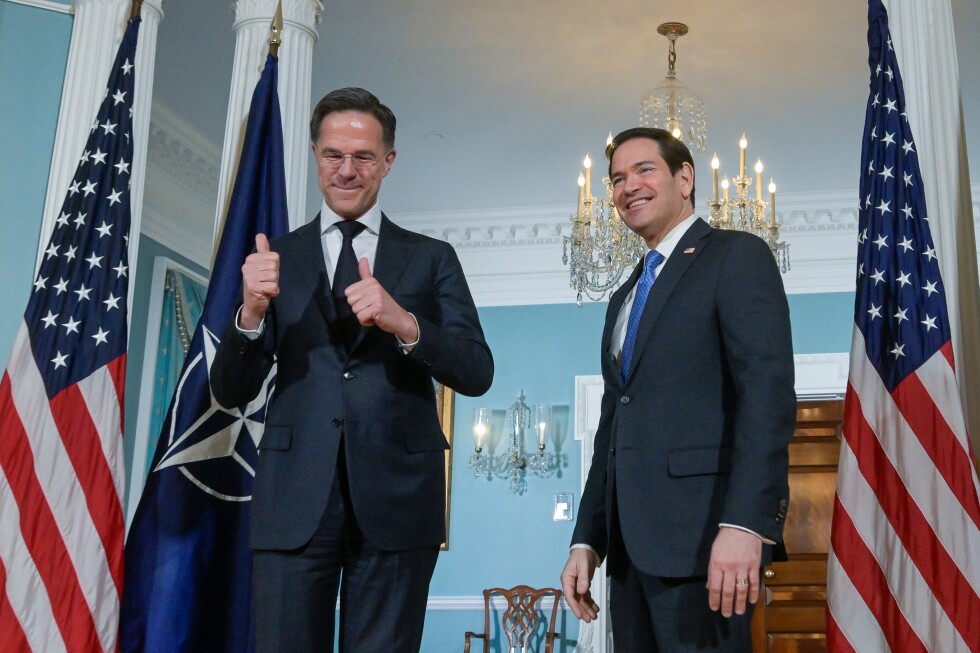
    The disagreement has generated mixed reactions within European leadership circles. While NATO Secretary General Mark Rutte expressed full support for Trump’s actions, Spanish Prime Minister Pedro Sánchez condemned the strikes as “unjustifiable and dangerous.” Domestically, Starmer faces pressure from conservative opponents who argue that Britain should stand firmly with its American allies, even as public opinion remains skeptical of military escalation.

    Despite the public friction, British officials maintain that the special relationship remains fundamentally strong, with Foreign Office Minister Stephen Doughty asserting that the alliance “has endured, it continues to endure, and it will endure into the future on both economic and security fronts.”

  • Why Europe’s leaders have struggled to speak as one on Iran

    Why Europe’s leaders have struggled to speak as one on Iran

    European leadership finds itself grappling with profound strategic disarray as the US-Israeli military campaign against Iran enters its critical phase. Despite weeks of observable military buildup and escalating rhetoric from the Trump administration demanding Tehran abandon its nuclear ambitions, European nations have demonstrated fragmented responses that reveal deep structural weaknesses in continental coordination.

    The immediate humanitarian crisis looms large as European governments scramble to formulate evacuation plans for tens of thousands of citizens stranded in the conflict zone. Beyond personnel extraction, policymakers confront alarming economic repercussions as energy prices surge to levels unseen since Russia’s 2022 invasion of Ukraine, threatening consumer stability across the continent.

    Political divisions have become increasingly conspicuous. While France, Germany, and the UK managed a joint statement warning Iran of potential ‘defensive action’ against missile capabilities, their subsequent actions revealed significant divergence. The UK permitted use of its military bases for US operations despite Trump’s criticism of insufficient support. France enhanced its regional presence after Iranian strikes hit its UAE facility, while Germany emphasized strictly defensive posturing without offensive planning.

    Notably absent from European responses has been any substantive challenge to the legality of US-Israeli strikes under international law. This diplomatic caution reflects pervasive concern about alienating the Trump administration, particularly regarding continued US engagement in Ukraine where European security interests remain critically dependent on American support.

    Spain emerged as the most vocal dissenter, with Prime Minister Pedro Sánchez declaring opposition to both the Iranian regime and what he termed an ‘unjustified, dangerous military intervention outside international law.’ Madrid subsequently revoked US access to Spanish bases for offensive operations against Iran.

    The institutional disunity extends to the highest levels of EU governance. Foreign ministers cautiously avoided advocating regime change in Iran, while European Commission President Ursula von der Leyen publicly called for ‘credible transition’ in Tehran—highlighting the absence of coordinated messaging.

    This fragmentation occurs against the backdrop of Europe’s ambitious goals for strategic autonomy. French President Emmanuel Macron announced fundamental changes to France’s nuclear doctrine, increasing warhead production in response to evolving global threats. Meanwhile, Germany, Sweden and Poland have approached France seeking expanded nuclear protection beyond existing NATO arrangements—a significant shift in European security dynamics.

    Defense coordination challenges remain starkly evident. While the United States operates approximately 30 weapon systems, European nations maintain 178 frequently duplicated systems—described by European Parliament President Roberta Metsola as ‘inefficient, expensive and slow.’

    National historical contexts continue to shape responses. Germany maintains its conflict-averse stance rooted in twentieth-century history, despite becoming Ukraine’s largest military donor. Italy’s Prime Minister Giorgia Meloni navigates delicate balance between her pro-Western commitments and domestic public opinion that overwhelmingly opposes military escalation and increased defense spending.

    As ad-hoc coalitions emerge to address specific security challenges—from UK-Norway submarine tracking to Franco-British initiatives supporting Ukraine—European cooperation increasingly extends to like-minded nations beyond the continent, including Canada, South Korea and Japan participating in NATO exercises.

    This expanding web of partnerships reflects adaptation to an increasingly multipolar world where ‘might makes right’ dynamics prevail, yet simultaneously compounds the complexity of achieving coherent European action when confronting existential security threats.

  • China’s top political advisory body concludes standing committee session

    China’s top political advisory body concludes standing committee session

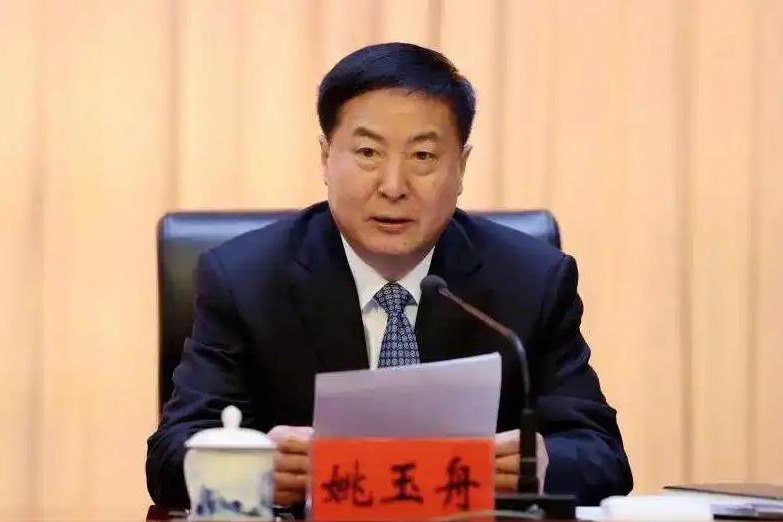
    Beijing witnessed the conclusion of the 15th standing committee session of China’s 14th National Committee of the Chinese People’s Political Consultative Conference (CPPCC) on March 2, 2026. The meeting, presided over by CPPCC National Committee Chairman Wang Huning, marked significant preparations for the upcoming annual full session while reviewing the advisory body’s annual accomplishments.

  • Operations in Iran could last a month

    Operations in Iran could last a month

    The United States administration has projected that its joint military campaign with Israel inside Iranian territory could extend for up to four weeks, a timeline disclosed amid mounting congressional scrutiny over the operation’s legal foundations. This development emerges as the Pentagon confirmed the deaths of four American service members during Iran’s initial retaliatory strikes, with four others sustaining injuries.

    The political landscape in Washington has fractured dramatically over the authorization of force. Republican Representative Thomas Massie of Kentucky condemned the operation as “acts of war unauthorized by Congress,” while former Trump ally Marjorie Taylor Greene denounced the strikes as betraying the “America First” doctrine. Conversely, North Carolina Republican Pat Harrigan contended the 1973 War Powers Resolution provides presidential authority for such military action for up to 60 days without congressional consultation.

    Democratic opposition has been unequivocal. Senator Tim Kaine declared the operation “an illegal war” during a Fox News appearance, emphasizing that the executive branch acted “without even notification to the vast majority of us.” Secretary of State Marco Rubio and defense officials are scheduled to brief Congress on Tuesday regarding the escalating situation.

    The assassination of Iran’s Supreme Leader Ali Khamenei has created a power vacuum that analysts predict will trigger significant regional realignment and prolonged instability. Abu-Bakr Al-Desouky, an Egyptian expert on Gulf affairs, warned that this violation of Iran’s red lines provides justification for Tehran to escalate and broaden its targeting scope.

    Internationally, the operation has drawn severe criticism from security experts. Marc Weller of Chatham House’s Global Governance and Security Centre asserted that Washington has “taken a further, major step in upsetting the global order” by bypassing United Nations Security Council protocols for authorized use of force.

    In a related domestic incident, a gunman in Texas wearing clothing with Iranian flag motifs and religious inscriptions killed two people and wounded fourteen before being neutralized by police. FBI investigators are examining potential terrorism connections despite the absence of a confirmed motive.

  • US sanctions Rwanda’s military and top commanders over fighting in DR Congo

    US sanctions Rwanda’s military and top commanders over fighting in DR Congo

    In a significant diplomatic escalation, the United States has levied sanctions against Rwanda’s military apparatus and four high-ranking commanders for their alleged role in destabilizing the Democratic Republic of Congo. The U.S. Treasury Department asserts that the Rwanda Defence Force (RDF) has not only trained and equipped the M23 rebel faction but has actively participated in combat operations alongside them, directly violating the Washington Accords peace agreement brokered by the U.S. just three months prior.

    The sanctions target Army Chief of Staff Vincent Nyakarundi, 5th Infantry Division Commander Ruki Karusisi, Chief of Defence Staff Mubarakh Muganga, and Special Operations Head Stanislas Gashugi. These measures freeze any U.S.-held assets belonging to the individuals and the RDF while prohibiting American entities from engaging in financial transactions with them.

    Rwanda’s government issued a swift and forceful rebuttal, denouncing the sanctions as one-sided and factually distorted. Kigali maintains that its military presence is purely defensive, aimed at countering security threats from armed groups within Congo. It further accused the DRC government of violating ceasefires through indiscriminate drone attacks and employing ethnic militias.

    The Congolese government, in contrast, expressed profound appreciation for the U.S. action, viewing it as a robust endorsement of its sovereignty. The Trump administration emphasized its readiness to utilize all available tools to ensure both nations honor their December commitments, which U.S. President Donald Trump had hailed as a historic step toward peace and a means to secure critical mineral supply chains from the cobalt and copper-rich region.

    The mineral-rich eastern DRC has been embroiled in conflict for over three decades, with the recent unrest intensifying when M23 captured the provincial capital Goma last year. The U.S. statement warned that the rebel group’s continued presence near Burundi’s border, enabled by Rwandan support, risks escalating the conflict into a broader regional war and is responsible for horrific human rights abuses against civilians.

  • Texas Republicans back Trump over Iran – but some wary of ‘a quagmire’

    Texas Republicans back Trump over Iran – but some wary of ‘a quagmire’

    As global attention focuses on U.S. military operations against Iran, Texas Republican voters demonstrated measured support for President Trump’s actions while prioritizing domestic concerns ahead of Tuesday’s critical primary elections. At a Waco campaign event for Senate candidate Ken Paxton, the state’s attorney general and Trump loyalist, conservative voters expressed approval of the strikes but remained primarily concerned with immigration, government spending, and gun rights.

    Paxton, addressing supporters at a central Texas banquet hall, briefly acknowledged the Iran conflict while emphasizing political change through ballots rather than military action. When pressed by reporters afterward, the Senate hopeful unequivocally endorsed Trump’s decision, stating “Iran is a great threat to our country” and expressing strong support for the operation.

    The response among Texas Republicans reflects a broader pattern of cautious endorsement without enthusiastic celebration. Senator John Cornyn described Trump’s actions as “decisive,” while congressional candidate Wesley Hunt praised the achievement of “peace through American strength” in social media posts. Rally attendee Marcia Michael characterized Trump’s strategy as “five-dimensional chess” in addressing long-standing Iranian threats.

    Despite general support, underlying concerns about prolonged military engagement surfaced among voters. Mark Plough expressed worries about potential “quagmire” scenarios reminiscent of Afghanistan and Iraq, highlighting the tension between Trump’s campaign promises to avoid “forever wars” and current military operations.

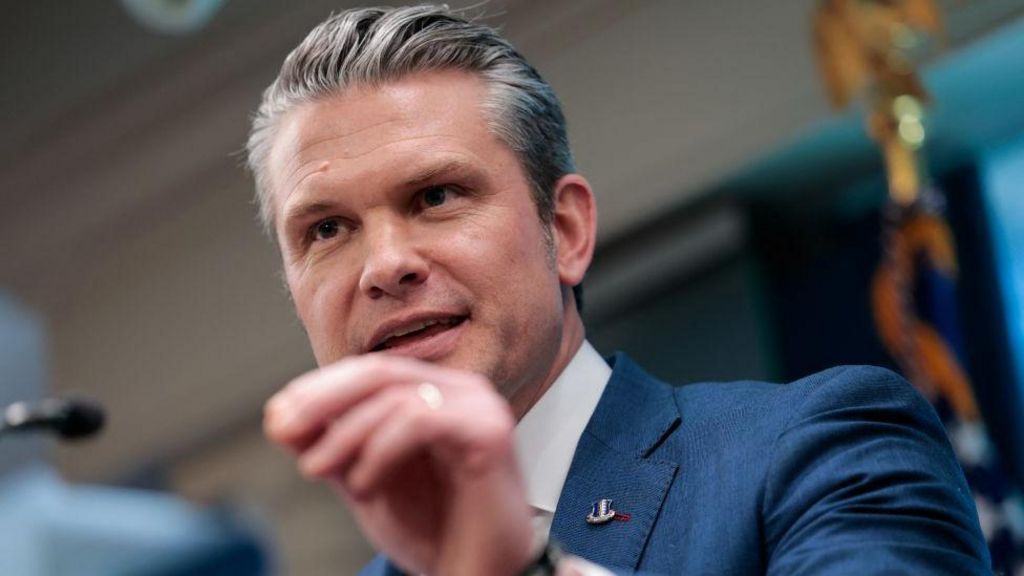
    The administration has deliberately framed the campaign as limited and targeted, with Defense Secretary Pete Hegseth emphasizing “This is not endless” and contrasting it with previous nation-building efforts. This messaging aligns with Trump’s historical criticism of extended Middle East engagements but contrasts with the multi-day duration of current operations.

    Public opinion remains divided nationwide, with Morning Consult showing 41% support versus 42% preferring diplomacy, and Reuters-Ipsos indicating only 27% approval. These numbers predate the announcement of six American combat fatalities, with Trump warning of additional potential casualties.

    The political calculus remains complex for the administration, as outcomes including oil price spikes, retaliatory attacks, or regional destabilization could significantly impact Trump’s standing. For now, Texas supporters maintain cautious optimism that operations will conclude swiftly with minimal lasting consequences.

  • Tucker Carlson says Saudi, Qatar arrested Mossad agents planning bombings

    Tucker Carlson says Saudi, Qatar arrested Mossad agents planning bombings

    In a recent broadcast, prominent US political commentator Tucker Carlson leveled explosive allegations against Israel, claiming that Saudi and Qatari authorities had apprehended Mossad operatives for allegedly planning bombings within their borders. Carlson questioned the strategic rationale, asking his audience, “Why would the Israelis be committing bombings in Gulf countries, which are also being attacked by Iran? Aren’t they on the same side?” He concluded that Israel’s objective is to deliberately sow chaos among America’s Arab allies, including Qatar, the UAE, Saudi Arabia, Bahrain, Oman, and Kuwait.

    These remarks are situated within a broader context of Carlson’s contentious history with the Israeli government. He recounted a February incident where he and his team were reportedly detained by Israeli security officials shortly after an interview with US Ambassador Mike Huckabee. During that interview, Huckabee asserted a ‘divine right’ for Jews to settle on Palestinian land and denied the existence of a distinct Palestinian national identity—a conversation that followed a public dispute between the two regarding Israel’s treatment of Christians. Carlson’s past criticisms of Israel, including accusations of murdering children during a visit to Gaza refugees in Qatar, previously earned him the ‘Antisemite of the Year’ designation from a pro-Israel advocacy group.

    Carlson’s commentary emerges against a backdrop of severe regional escalation. The United States and Israel have launched a sustained joint military campaign against Iran, which has reportedly resulted in the deaths of Supreme Leader Ayatollah Ali Khamenei, Defense Minister Aziz Nasirzadeh, IRGC Commander Mohammad Pakpour, Defense Council Secretary Ali Shamkhani, and hundreds of civilians—including approximately 150 girls in a school strike. In response, the Islamic Revolutionary Guard Corps (IRGC) claims to have targeted over 500 US and Israeli sites using hundreds of drones and missiles.

    The conflict’s economic repercussions are immediate and severe. An Iranian drone attack caused a limited fire at Saudi Aramco’s Ras Tanura refinery, prompting Saudi Arabia to close its largest oil facility and Qatar to halt liquefied natural gas (LNG) production. Consequently, European gas prices surged by nearly 50%, and insurance providers have cancelled war-risk coverage for ships transiting the Persian Gulf. With European powers like France, Germany, and the UK pledging readiness to take defensive action to protect their interests, and President Trump warning of an impending ‘big wave,’ the situation continues to intensify.

  • NPC deputy conveys industrial voices from grassroots

    NPC deputy conveys industrial voices from grassroots

    Guo Hongjing, a warehouse team leader at Tianjin Lizhong Wheel Co., Ltd., has transformed her routine industrial duties into a platform for national representation. Her meticulous work managing hardware components—from precise screw inventories to motor dispatches—has prepared her for an equally detailed role: serving as a deputy to China’s National People’s Congress (NPC).

    Since her initial appointment in 2018, Guo has dedicated her congressional tenure to channeling grassroots industrial perspectives into national policy discussions. Rather than focusing on high-profile political matters, she has consistently prioritized the concerns of frontline workers throughout her two consecutive terms.

    “My fundamental mission is to bridge the gap between ordinary workers and legislative processes,” Guo explained during a recent gathering at her company’s dormitory facility. Through informal consultations and structured listening sessions, she systematically collects workforce suggestions regarding working conditions, industrial policies, and manufacturing challenges.

    Her approach exemplifies the NPC’s structural emphasis on incorporating diverse societal perspectives. By maintaining her position as an active industrial employee while serving in the legislature, Guo embodies the concept of representative governance that remains connected to practical workplace realities.

    The manufacturing sector’s evolving needs—particularly regarding workforce development, technological modernization, and industrial optimization—form the core of her legislative agenda. Colleagues describe her dual role as both warehouse specialist and political representative as instrumental in ensuring authentic worker representation at China’s highest legislative level.

  • Unlike US, Iran ‘prepared itself for a long war’: security chief

    Unlike US, Iran ‘prepared itself for a long war’: security chief

    Amid escalating military actions initiated by the United States, Iranian security chief Ali Larijani has declared Tehran’s preparedness for an extended military confrontation while questioning Washington’s readiness for sustained warfare. The statement came following coordinated U.S.-Israeli airstrikes that targeted senior Iranian officials, including Supreme Leader Ayatollah Ali Khamenei, in operations described by observers as ‘carpet bombing’ of civilian areas.

    Larijani, Secretary of Iran’s Supreme National Security Council, utilized social media platforms to accuse former President Donald Trump of plunging the region into chaos through ‘delusional fantasies’ and prioritizing Israeli interests over American security. ‘With his delusional actions, he turned his self-made ‘America First’ slogan into ‘Israel First’ and sacrificed American soldiers for Israel’s power-hungry ambitions,’ Larijani stated.

    The current escalation follows a reportedly conciliatory pre-strike proposal from Iran that offered complete abandonment of enriched uranium stocks and full cooperation with international nuclear inspectors—terms exceeding those in the original nuclear agreement that Trump abandoned during his presidency. However, with diplomatic channels now severed, Iran has shifted toward maximizing military costs for the U.S. and Israel while deterring regional allies from joining the coalition.

    The conflict has already produced significant casualties, with four U.S. military personnel killed and four others seriously wounded in attacks at Kuwait bases. Iranian missile and drone strikes have affected all six Gulf nations hosting U.S. military installations, including Saudi Arabia, UAE, Qatar, Oman, and Bahrain, with some attacks extending into civilian infrastructure including international airports and residential areas.

    Regional analysts suggest Iran is employing a strategy of attrition, utilizing cheaper drone technology to deplete expensive U.S. and Israeli air defense systems. Security experts Amos C. Fox and Franz-Stefan Gady note that Iran’s strategy deliberately avoids the quick-strike timeline preferred by U.S. and Israeli forces, instead opting for prolonged engagement that could exhaust advanced interceptor stocks.

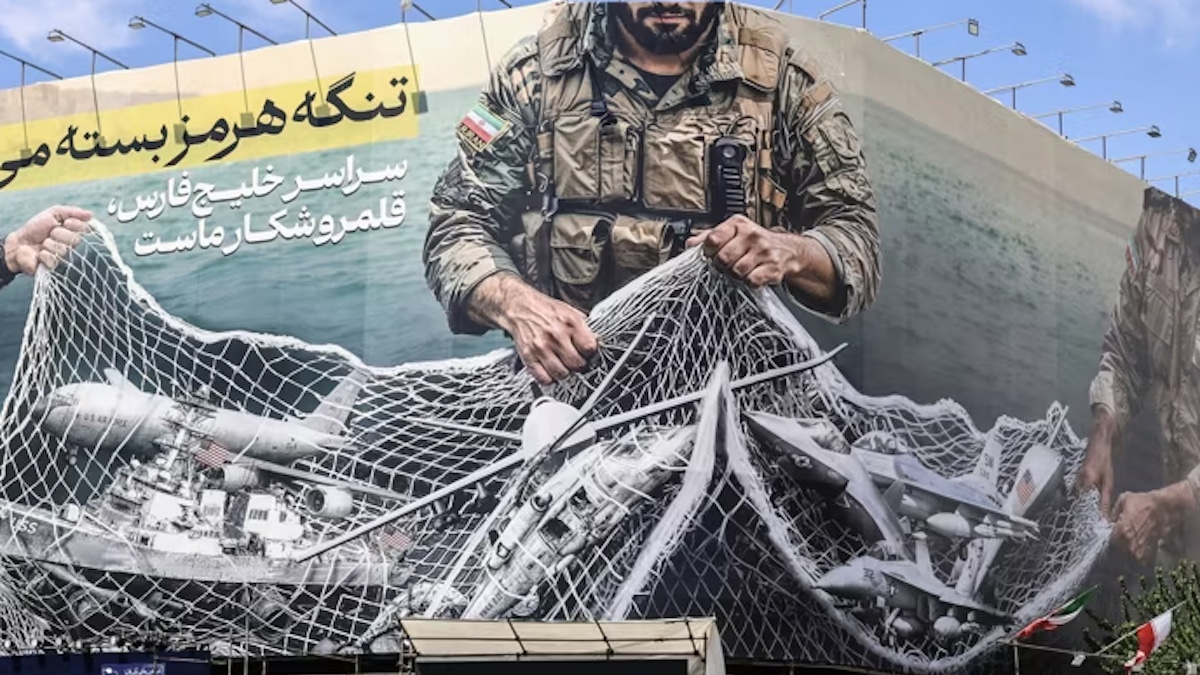
    Further escalating tensions, Iran has declared the Strait of Hormuz closed to all maritime traffic, potentially affecting 20% of global oil shipments and triggering significant price increases. Financial analysts predict potential doubling of oil prices should the closure persist, with possible global economic consequences.

    Despite Trump’s prediction of a four-to-five week conflict duration, defense officials have provided limited clarity on military objectives. The administration’s initial justifications—including claims of imminent Iranian attacks on U.S. troops and nuclear weapons development—have proven inaccurate according to verified reports.

    Regional experts warn that the removal of Iran’s leadership could empower more authoritarian elements or trigger violent power struggles. Daniel Brumberg of the Arab Center in Washington DC suggests possible outcomes include ‘an even more ruthless regime controlled by the security apparatus’ or national fragmentation, while scholar Shireen Hunter notes that permanent destabilization might align with Israeli regional objectives.