
Weeks ahead of California’s critical gubernatorial primary election, Democratic U.S. Representative Eric Swalwell has announced he is ending his campaign for governor, caving to mounting pressure from party allies following multiple sexual misconduct claims leveled against him by four women. The allegations against the congressman span a spectrum of serious accusations, from unwanted sexual harassment to violent rape. Swalwell has repeatedly and vehemently denied all of the claims, saying he is prepared to clear his name using verifiable facts. Even as the candidate pushed back against the accusations, his closest political allies within the Democratic Party ramped up calls for his withdrawal from the race. Before his exit, Swalwell was widely viewed as one of the leading contenders for the Democratic nomination in the open primary to fill the seat being vacated by outgoing Governor Gavin Newsom. The race for governor of California, the most populous state in the United States, has been a wide-open contest with no clear favorite from the start. Swalwell’s departure comes at a make-or-break juncture, just a few weeks before mail-in ballots are distributed to registered voters across the state ahead of the June 2 primary election. In a public statement posted to the social media platform X, Swalwell confirmed the end of his gubernatorial bid. “I am suspending my campaign for Governor,” he wrote. Addressing his loved ones, campaign team, supporters, and friends, he added: “I am deeply sorry for mistakes in judgment I’ve made in my past.” Swalwell emphasized that while he will continue to work aggressively to refute what he calls the false serious accusations against him, this legal and personal battle should not distract from the state’s gubernatorial race. “That’s my fight, not a campaign’s,” he concluded.
分类: politics
-
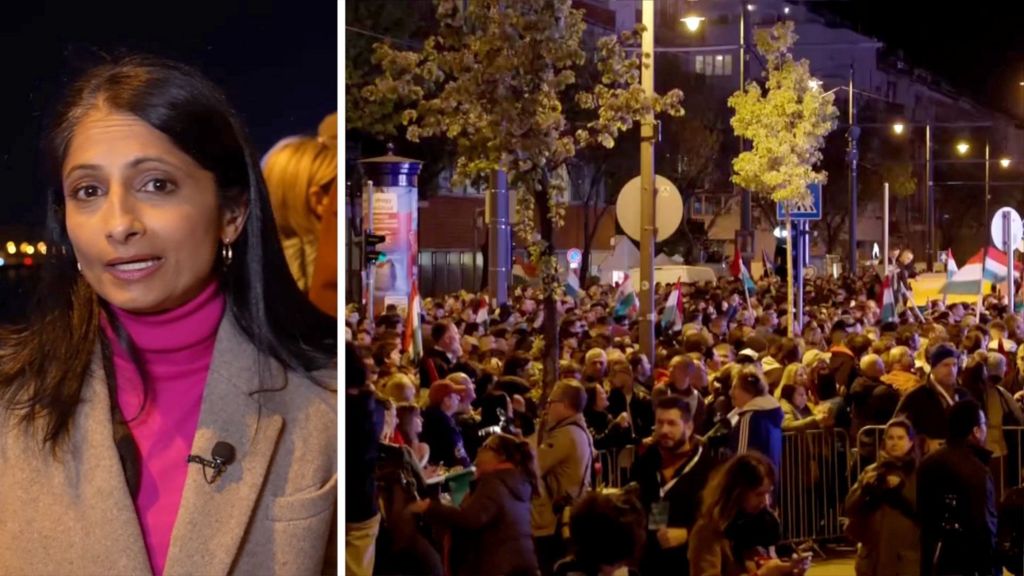
‘A truly historic moment’: Hungarian opposition wins election landslide
Hungary has entered a new political era following a watershed election that saw the country’s united opposition claim an extraordinary landslide win, a result already being described by political observers as a truly transformative moment for the central European nation.
As thousands of people gathered outside Hungary’s ornate parliament building in central Budapest to wait for official confirmation of the outcome, Rajini Vaidyanathan reported live from the scene on the dramatic turn of events. The air was thick with a mix of excitement and disbelief as crowds followed updates, their murmurs growing louder when news broke that the sitting prime minister had formally conceded defeat.
Witnesses at the scene described spontaneous celebrations breaking out across the capital after the concession announcement, with opposition supporters waving flags, cheering, and embracing one another outside the seat of national power. The scale of the victory marks a dramatic end to what had been a prolonged period of incumbent rule in Hungary, opening the door to a new government with vastly different policy priorities for the country.
Political analysts note that this landslide result reflects a significant shift in voter sentiment across Hungary, with large numbers of citizens turning away from the ruling administration in favor of the opposition’s policy platform. The outcome is expected to have ripple effects across European politics, as the new administration prepares to take office and implement its planned policy agenda.
-
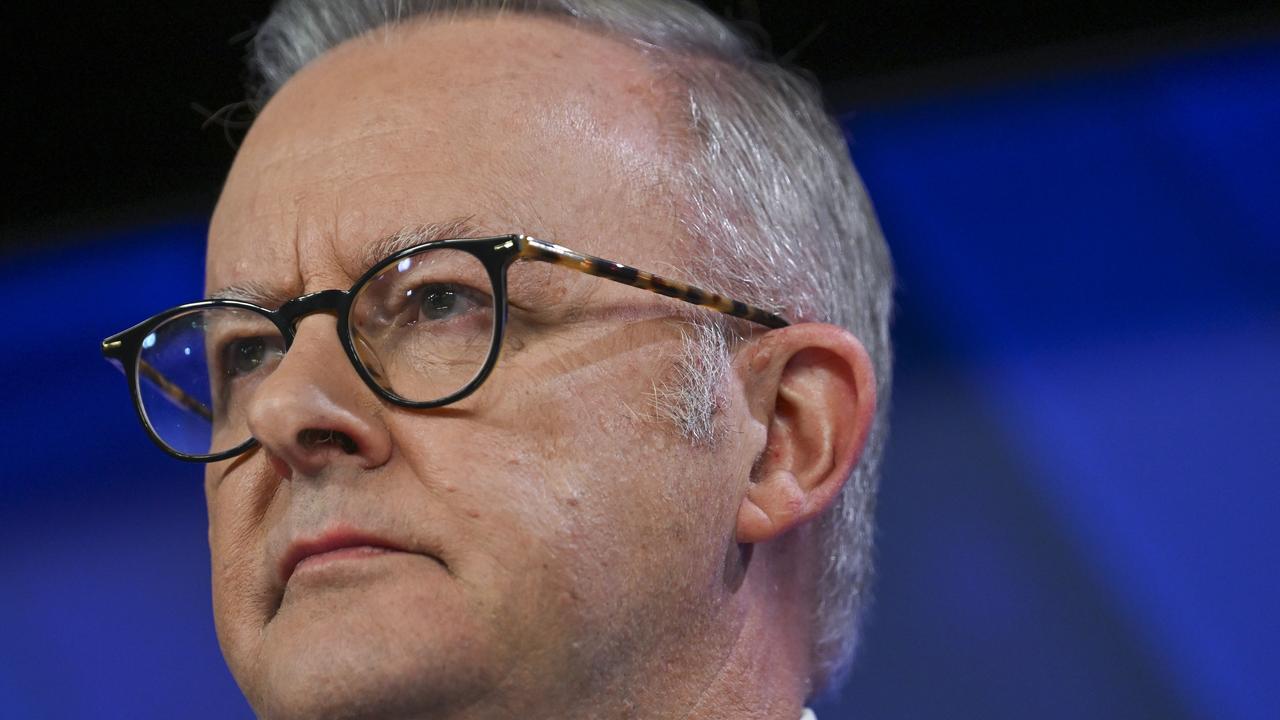
Albanese flags move on controversial Australian housing tax
Weeks out from Australia’s upcoming federal budget, Prime Minister Anthony Albanese has delivered the clearest hint yet that the center-left Labor government is prepared to eliminate a contentious capital gains tax concession that benefits property investors, as the administration navigates growing political pressure over rising housing inequality from the right-wing populist party One Nation.
For months, unconfirmed reports have circulated that the Albanese government is considering rolling back Australia’s generous 50% capital gains tax discount, a policy that applies to profits earned from selling assets held for more than 12 months, including residential investment property. For context, capital gains tax is levied on profits from asset sales such as property and shares, with those profits counted toward an individual’s annual taxable income. The existing 50% discount cuts the taxable portion of these gains in half for long-term asset holders.
Speaking to Nine Entertainment’s metropolitan publications on Monday, Albanese confirmed that the government is exploring policy changes beyond its existing push to expand national housing supply, a shift that comes as One Nation has sharpened its political messaging around housing affordability and systemic inequality to win over disaffected voters.
“The system needs to work for people,” Albanese said. “You don’t change that by rhetoric and by dividing people, which is what a lot of this populist rhetoric does. You do that by giving people a stake in the economy.”
Until this announcement, Labor’s national housing strategy has centered almost exclusively on boosting housing supply, anchored by its ambitious National Housing Accord that sets targets for new construction across the country. On Monday, the Prime Minister also signaled the government would increase spending on incentives to encourage state and territory governments to hit those housing supply targets, linking housing accessibility to broader national stability.
“Resilience is also about economic resilience and social cohesion, and making sure that young Australians understand they have a stake in the economy,” he said. “And housing is obviously one of the focuses of that.”
Currently, a Liberal Party-led Senate inquiry is examining potential changes to national housing tax policy. Earlier this year, prominent financial journalist and economist Alan Kohler told the committee that the existing tax structure sends “a clear signal that capital income is preferred over labour income,” a bias that he argues lies at the root of Australia’s widening wealth gap.
Kohler noted that while the discount is framed as an inflation adjustment, it is far larger than needed to offset rising prices, and has distorted the property market by encouraging speculative investment. This dynamic, he explained, has pushed up overall housing demand and increased the maximum price investors are willing to pay for residential property, pricing out many first-time homebuyers and low-income households.
The government’s openness to changes to the capital gains discount aligns with recent comments from Treasurer Jim Chalmers, who said last week that he would be “pretty happy” if the 2026–27 budget was remembered as a landmark “tax reform budget.”
Beyond housing tax reform, Albanese also signaled that the upcoming budget will include a sweeping overhaul of the National Disability Insurance Scheme (NDIS), Australia’s landmark social support program for people with permanent disability.
“The NDIS was there to assist people who have a permanent incapacity to fully participate in society – that’s something we need to value and cherish,” Albanese said. “It’s undermined if four out of 10 kids in a class are on the NDIS. That wasn’t why it has that public support, and we need to make sure that we maintain public support by ensuring it’s sustainable.”
The government has already moved to narrow eligibility for the scheme, proposing to shift support for children with mild autism to state and territory-run systems under the new Thriving Kids program. The reform has faced significant pushback, however, with state leaders refusing to take on the extra funding burden for the initiative. Albanese has explicitly ruled out introducing means testing for the NDIS, saying that eligibility should remain tied to an individual’s disability needs and their ability to participate in community and economic life, not their income or assets.
-
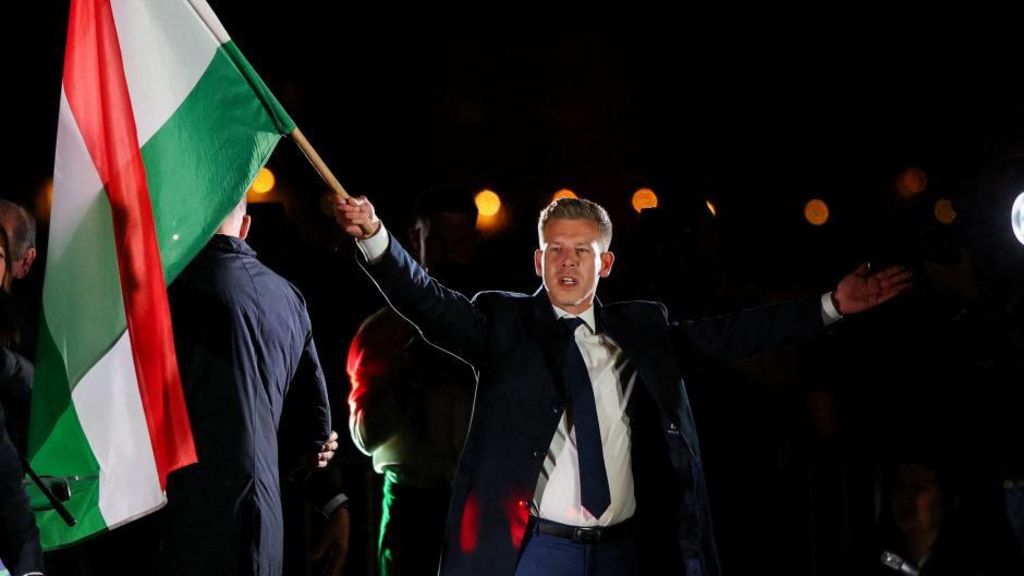
Orbán era swept away by Péter Magyar’s Hungary election landslide
After 16 consecutive years holding power in Hungary, Prime Minister Viktor Orbán’s long tenure has come to an abrupt end, following a historic general election that saw a stunning political upheaval led by 45-year-old former ruling party insider Péter Magyar. His newly formed Tisza Party has secured what appears to be an overwhelming constitutional majority, bringing down the Orbán administration that critics had long labeled an “electoral autocracy.”
Preliminary vote counting, which has processed more than 98% of all ballots, projects Tisza will take 138 seats in Hungary’s parliament — five more than the 133 two-thirds supermajority required to amend the national constitution. Orbán’s long-ruling Fidesz party is on track to win just 55 seats, with the far-right Our Homeland movement claiming the remaining six seats. The election saw a historic 79% voter turnout, the highest participation rate in the democratic history of modern Hungary.
Shortly after the unofficial results began trending toward a Tisza victory, Orbán personally called Magyar to congratulate him on the win, a confirmation that Magyar shared publicly on his Facebook page. Speaking to thousands of jubilant supporters gathered on a Danube River square overlooking Budapest’s iconic parliament building, Magyar declared, “We did it. Together we overthrew the Hungarian regime.”
Minutes after Magyar’s announcement, a visibly somber Orbán addressed his dejected Fidesz supporters at a downtown conference center. “The result of the election is clear and painful,” he told the crowd, thanking the roughly 2.5 million voters who remained loyal to his party. “The days ahead of us are for us to heal our wounds.” Orbán, 62, has not stepped down as leader of Fidesz and will remain in office as a caretaker prime minister until a new government is formed.
Magyar built his anti-incumbent movement over two years, crisscrossing Hungary from small rural villages to major city squares, rallying voters frustrated by the systemic cronyism and corruption that became entrenched during Orbán’s four consecutive terms in office. Once a member of Fidesz himself, Magyar positioned himself as the voice of Hungarians ready for sweeping change. He has pledged an ambitious policy agenda: rolling back controversial Orbán-era reforms to education and healthcare, dismantling the widely unpopular National Unity Regime (NER) patronage system that enriched loyal Fidesz allies with state resources, restoring judicial independence, and cracking down on systemic public corruption.
The election result upended weeks of misleading polling from pollsters aligned with Fidesz, which continued to forecast a narrow Orbán victory as late as election night. For years, Hungarian society had existed as two parallel political worlds: one in which Orbán’s supporters and state media outlets maintained confidence in a fourth re-election, and another where Magyar drew massive, enthusiastic crowds and independent pollsters tracked his growing lead. On election night, those two worlds collided, with Magyar’s movement emerging as the clear will of the majority.
One of the first institutional changes Magyar’s administration is expected to pursue is overhauling Hungary’s pro-Orbán state media ecosystem, which for years had strictly toed the Fidesz party line. On election night, even state broadcaster M1 — long a mouthpiece for Fidesz — rebroadcast a pre-victory speech from Magyar, a sign of the immediate shift sweeping through the country’s media landscape.
Magyar’s victory also signals a major shift in Hungary’s foreign policy. For years, Orbán cultivated a close alliance with Russian President Vladimir Putin, justifying his reliance on cheap Russian energy and defying EU efforts to cut dependence on Russian fossil fuels. He also recently blocked a bloc-wide €90 billion aid package for Ukraine, straining Hungary’s relationships with other EU member states. As celebrations erupted on the streets of Budapest, Tisza supporters chanted “Russians go home,” and Magyar has pledged to reset Hungary’s relationship with the European Union.
European leaders were quick to welcome the historic election outcome. Polish Prime Minister Donald Tusk, one of the first regional leaders to issue a statement, praised Magyar’s “glorious victory” and echoed the crowd’s slogan in Hungarian: “Ruszkik Haza” — Russians go home. Magyar has announced his first foreign trip as prime minister will be to Warsaw, to reinforce the long-standing historical friendship between Hungary and Poland.
As the dust settles on the most dramatic political shift in Hungary’s post-communist history, the future of Fidesz remains uncertain. While Orbán retains his position as party leader, political analysts widely agree that the once-dominant right-wing party will face a period of major internal restructuring and soul-searching in the wake of its historic defeat. For Hungary and the broader European Union, the election marks the start of a new political era after nearly two decades of Orbán’s illiberal rule.
-
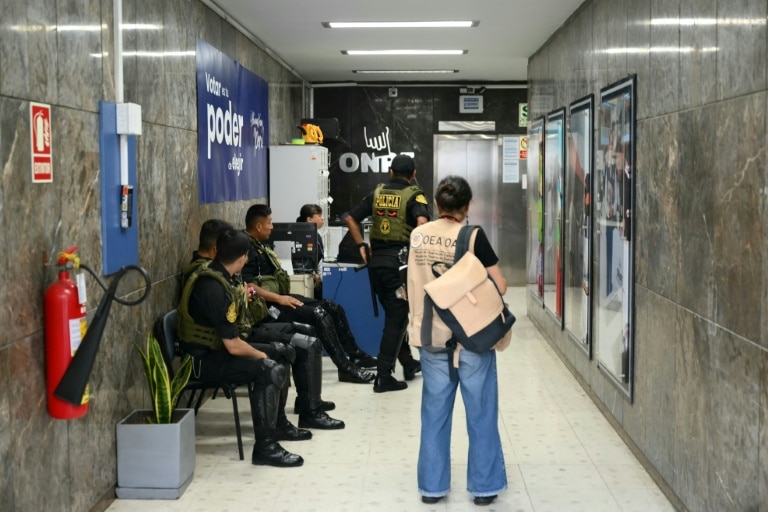
Runoff looms as Fujimori leads troubled Peru vote
Peru’s 2026 general presidential and legislative election, held April 12, concluded with right-wing contender Keiko Fujimori holding a narrow lead but forced into a June runoff, capping a day of widespread logistical failures, police intervention, and public frustration that deepened uncertainty over the South American nation’s efforts to escape years of crippling political instability.
Approximately 27 million eligible Peruvians turned out to select from 35 presidential candidates, an election called to resolve a prolonged period of chaos that has seen multiple presidents ousted from office or jailed in recent years. Campaigning centered overwhelmingly on two of the country’s most pressing crises: soaring violent crime and pervasive systemic corruption. Homicide rates across Peru have more than doubled over the past decade, while annual reported extortion cases have skyrocketed from just 3,200 to 26,500 over the same period, pushing public safety to the top of voter priorities.
On the eve of voting, Fujimori — the 50-year-old daughter of disgraced former Peruvian president Alberto Fujimori — laid out a hardline public safety platform to AFP, saying she would crack down on instability by deploying the military to control prisons, strengthening border enforcement, and expediting deportations of undocumented migrants. Early exit polls from leading pollsters Ipsos and Datum placed Fujimori in first place with roughly 16% of the vote, well short of the 50% majority required to win the election outright.
The tight race for the second spot in the June runoff remained too close to call late Sunday, with four candidates — Roberto Sanchez, Ricardo Belmont, Rafael Lopez Aliaga, and Jorge Neito — separated by just a few percentage points, putting all in a statistical tie for the final runoff position.
What was meant to be a step toward restoring political order instead devolved into a day of disruption marked by major logistical breakdowns. More than 100 polling stations, the majority in the capital city of Lima, failed to receive required voting materials on time, forcing dozens of locations to open hours behind schedule. At 15 polling centers, frustrated voters waited for hours under Peru’s equatorial sun before staff were forced to turn them away entirely. In total, the material failures left roughly 63,000 registered voters unable to cast their ballots on election day.
While the disenfranchised voters represent a small fraction of Peru’s total electorate, political observers warn their absence could still swing the race in the extremely tight contest for second place. In the 2021 presidential election, a margin of just 238,000 votes separated the second and third place finishers that cycle.
With polls still open, police and prosecutors launched a raid on the headquarters of Peru’s National Office of Electoral Processes (ONPE) to investigate the material delivery failure, followed by a separate raid on a private logistics subcontractor that officials have blamed for the missed deadlines. The unprecedented mid-vote police intervention and widespread delays fueled unproven allegations of election foul play from candidates and the public, casting a cloud over the integrity of the results.
Protesters gathered outside the guarded ONPE headquarters in Lima to voice frustration over the disorganization. “They have not made it easier for people to vote,” 25-year-old administration student Karina Herrera told reporters on site. Multiple presidential candidates raised concerns about the irregularities and called to extend voting into Monday if issues were not resolved; electoral officials ultimately opted to extend voting by just one hour before closing all polls.
ONPE head Piero Corvetto defended the body’s handling of the election, acknowledging the widespread logistical failures but insisting no systemic fraud was possible. “We have had a logistical problem, and we have done everything humanly possible to reduce it,” Corvetto said. “There is no possibility of fraud. There is full assurance that the election results will faithfully reflect the popular will.”
-
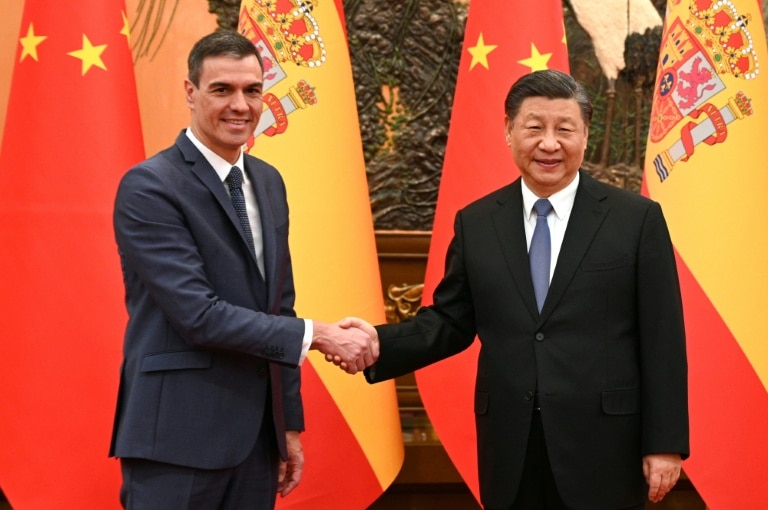
Spain’s Sanchez seeks closer China ties amid strains with US
As geopolitical and trade tensions mount between Europe and the United States under the second Trump administration, Spanish Prime Minister Pedro Sanchez launched a high-stakes three-day official visit to China on Monday, with the explicit goal of deepening economic and diplomatic cooperation between Madrid and Beijing, and positioning Spain as a central connecting hub between China and the European bloc.
This trip marks Sanchez’s fourth visit to China in as many years, a frequency that underscores the Spanish government’s strategic priority of building stable, mutually beneficial relations with the world’s second-largest economy. The timing of the visit comes at a moment of growing friction between European allies and Washington, where Donald Trump’s aggressive tariff policies and erratic diplomatic approach have sparked widespread anxiety across the continent.
Tensions between Madrid and Washington escalated sharply last month, after Trump threatened to sever trade ties with Spain in retaliation for the Spanish government’s refusal to grant the U.S. military access to its bases for strikes against Iran—itself a major economic partner of China. This rift has further incentivized Spain to advance its independent diplomatic and trade agenda with Beijing, analysts say.
Sanchez is not the first Western leader to travel to Beijing in recent months: senior leaders from Britain, Canada, and Germany have already completed official visits this year, with Trump himself scheduled to travel to China for a summit in May.
According to senior Spanish government sources, the core priorities of Sanchez’s visit center on expanding market access for Spanish goods, boosting two-way investment, and opening new collaborative channels in emerging sectors. Specifically, Madrid is pushing for greater access to the Chinese market for its key agricultural and industrial exports, while exploring new joint technology partnerships with Chinese firms. Another key goal is attracting fresh Chinese foreign direct investment to Spain—the eurozone’s fourth-largest economy—and securing stable access to China’s supplies of critical raw materials that are essential to Spain’s industrial and energy transition.
On the first day of his trip, Sanchez traveled to the headquarters of Chinese consumer technology giant Xiaomi, before touring an innovation exhibition hosted by the Chinese Academy of Sciences. On Tuesday, he is scheduled to hold formal talks with China’s top leadership, including President Xi Jinping and Premier Li Qiang, before concluding his visit with a public press conference.
Bilateral trade between the two countries has expanded rapidly in recent years, but remains marked by a significant trade imbalance. Last year, Spain recorded a 42.3 billion euro ($49.1 billion) trade deficit with China, with Chinese exports to Spain far outpacing Spanish shipments to the Asian market. Even so, Spanish exports to China grew 6.8% in 2025, a gain that the Spanish government attributes to the steady deepening of bilateral ties. During Sanchez’s 2025 visit to Beijing, China agreed to open its market wider to a host of popular Spanish exports, including pork and cherries, a win that Madrid hopes to build on during this trip.
Claudio Feijoo, a leading China studies expert at the Technical University of Madrid, told Agence France-Presse that Spain holds unique strategic appeal for Chinese investors and policymakers. “Spain’s economy is growing faster than most other major European economies, and it maintains relatively low energy costs, which makes it an attractive base for Chinese companies looking to enter the European market,” Feijoo explained.
Beyond economic advantages, he noted that Beijing views Spain as a comparatively friendly, less confrontational partner in Europe, with a greater degree of policy independence from Washington than many other European allies. “China sees Spain as a more autonomous actor that can make its own decisions, which creates more space for mutually beneficial cooperation,” he said. “Spain is also perfectly positioned as a gateway to three key regions: Europe, Latin America, and North Africa. It can act as a central hub that gives Chinese companies access to multiple large markets from a single base.”
Feijoo added that Spanish agricultural products hold particularly strong growth potential in the Chinese market, as China cannot meet all of its own domestic demand for high-quality food products, while Spain is one of the world’s top producers of a wide range of premium agricultural goods.
Chinese Foreign Ministry spokesperson Mao Ning highlighted the positive trajectory of bilateral ties in a press briefing earlier this week, describing Spain as a “an important partner of China within the EU.” She added that Sanchez’s visit represents a key opportunity to “promote bilateral relations to an even higher level” for both sides.
The warming of relations between Madrid and Beijing has already been on display in recent months: last November, King Felipe VI and Queen Letizia completed a state visit to China, the first by a Spanish monarch in 18 years, a trip that widely was seen as a reflection of the growing closeness of ties between the two countries.
Sanchez, one of the few remaining left-wing heads of government in Europe, is traveling to China with his wife Begona Gomez and Foreign Minister Jose Manuel Albares.
-
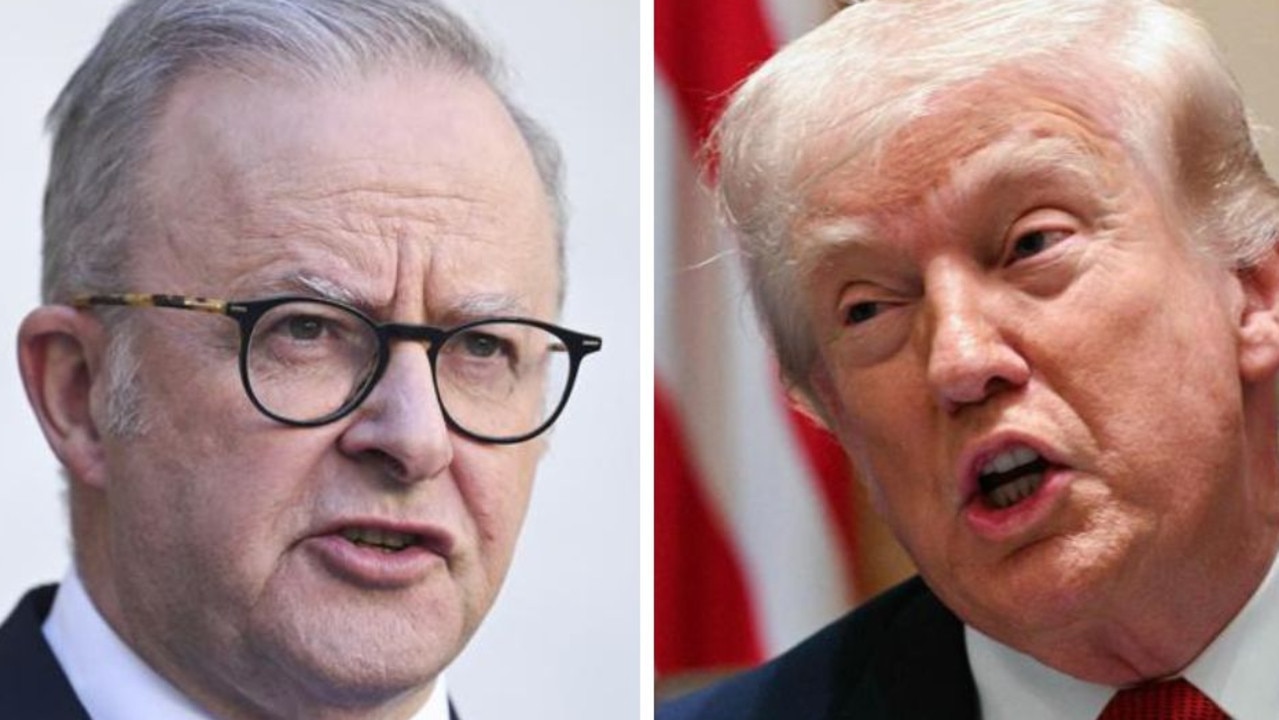
Australian warships can ‘absolutely’ fight Iranian drones: Navy Chief
Fresh from the collapse of high-stakes weekend peace talks between US and Iranian officials in Pakistan, the United States has launched a formal blockade of Iranian ports along the Strait of Hormuz, triggering a split in Australia’s top political and military leadership over whether the nation will join the operation.
Former US President Donald Trump first announced the blockade in an overnight social media post, which drew immediate international attention for its confrontational tone. “The United States Navy, the Finest in the World, will begin the process of BLOCKADING any and all Ships trying to enter, or leave, the Strait of Hormuz,” Trump wrote. He added that any Iranian strike on US vessels or civilian shipping would be met with overwhelming force, framing the Iranian government’s warnings of potential maritime hazards in the strait as “world extortion” that the US would never accept.
US Central Command later clarified the parameters of the operation, confirming the blockade would take effect at midnight AEST, and would only target vessels traveling to or from Iranian ports across the Arabian Gulf and Gulf of Oman. Freedom of navigation for ships heading to non-Iranian destinations would remain unimpeded, the command said. Under international law, a formal blockade is widely classified as an act of war.
The announcement comes after 21 hours of marathon mediated talks in Islamabad, where US Vice President JD Vance confirmed the US delegation tabled its “final and best offer” to Iranian negotiators, but walked away without a breakthrough. “I think that’s bad news for Iran much more than it’s bad news for the United States of America,” Vance told reporters after the talks concluded.
Australia’s response to the US move has exposed a clear divide between the nation’s civilian political leadership and its top military commander. Speaking at a press conference on Monday, Vice-Admiral Mark Hammond—Australia’s Chief of Navy, who is set to take over as head of the Australian Defence Force in July—confirmed the country’s naval fleet is fully prepared to join the blockade if requested by the government.
“We’ve got 10 surface combatants right now. Eight of them are at sea today,” Hammond told reporters. “And they are fitted with one of the most advanced radars in the world … and some of the most advanced missile and point defence systems in the world. When asked if Australian warships were fully capable of countering Iranian drone threats as part of the operation, Hammond answered definitively: “Absolutely.”
Hammond emphasized that any decision to contribute forces rests exclusively with the Australian federal government, and noted that no formal request for participation has been received to date. Prime Minister Anthony Albanese has already moved quickly to rule out any additional Australian deployments to the Middle East, echoing the prime minister’s stance that Australia has not been asked to join, and has no intention of committing to the operation.
Assistant Foreign Affairs Minister Matt Thistlethwaite went further earlier this week, all but ruling out Australian involvement entirely. “We’re not considering joining the blockade,” he told Sky News, adding that it was “disappointing” that the weekend US-Iran talks failed to reach a resolution. “We believe that the best way to get lasting peace and to ensure ultimately that petrol prices come down for Australians is a negotiated settlement. That’s the only way that you’re going to see the Strait open permanently, the international economy restored, and energy costs lowered for households across Australia and the world.”
Senior Cabinet minister and Environment Minister Murray Watt, one of Albanese’s most trusted advisors, echoed that criticism, warning the US blockade carries a severe risk of escalating the ongoing conflict between the two nations. “If there’s any further escalation of this conflict, whether it be economic or militarily, that is going to impose further costs on the world, and of course, greater cost of human life, which is not something we want to see,” Watt told ABC’s Radio National. He added that any action that raises the risk of wider conflict is “a bad thing for the world”, noting that thousands of lives have already been lost in the ongoing tensions, and the conflict has already driven up energy prices for Australian consumers.
Australia’s top diplomat, Foreign Minister Penny Wong, released a formal statement calling on both sides to maintain the fragile two-week ceasefire that has been in place and return to the negotiating table. “It is disappointing that the Islamabad talks between the United States and Iran have ended without agreement,” Wong said. “The priority now must be to continue the ceasefire and return to negotiations. We continue to want to see a swift resolution to this conflict. Any escalation in the conflict would impose an even greater human cost and further impact the global economy.”
Pakistan, which brokered the original ceasefire and hosted the failed weekend talks, issued a similar appeal for de-escalation and a return to diplomatic negotiations.
-
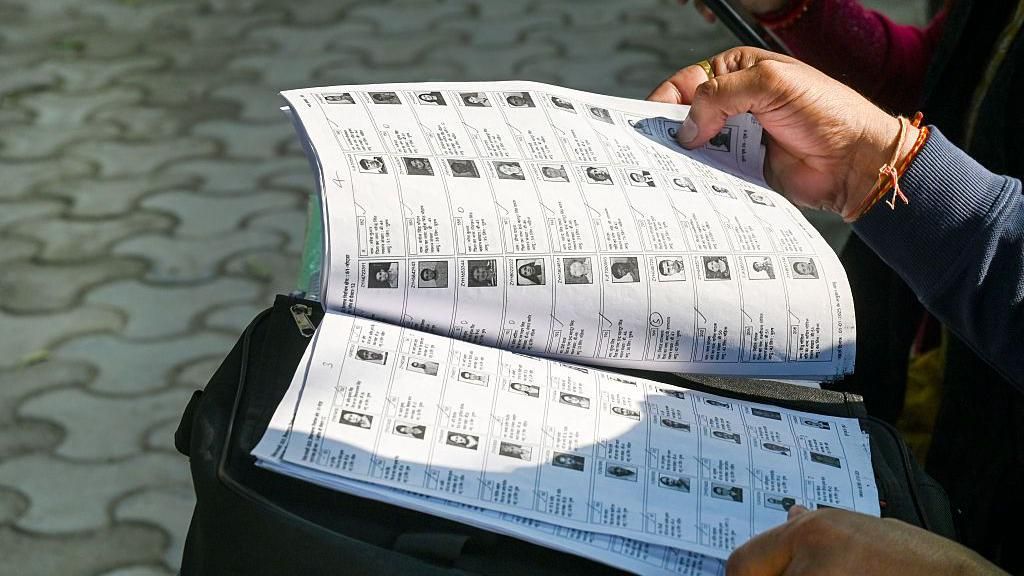
Political turmoil in Indian border state as nine million lose voting rights
Ahead of high-stakes state assembly elections scheduled for late April in India’s eastern state of West Bengal, a massive voter roll cleanup initiative has plunged the state into political chaos, triggering accusations of disenfranchisement, partisan bias, and a threat to India’s democratic foundations.
The dispute centers on the Election Commission of India’s Special Intensive Revision (SIR), a nationwide drive launched to purge duplicate, outdated, or ineligible entries from electoral registers. While 13 other Indian states and union territories have completed the SIR process, West Bengal is the only region required to add an extra layer of adjudication for challenged deletions. To date, the exercise has removed roughly 9 million names – 12% of the state’s total 76 million electorate – from the 2026 voter rolls. Of those deletions, more than 6 million have been categorized as absentee or deceased voters, leaving 2.7 million eligible-looking voters in limbo, their voting fate pending tribunal review.
One of those caught in the bureaucratic and political crossfire is 65-year-old Muhammad Daud Ali, a retired Indian Army technician from West Bengal. Despite holding official Indian documentation including a valid passport and military service records, Ali and all three of his children were struck from the rolls, leaving only his wife registered to vote. Ali is far from alone: with polls set to open on April 23 and 29, thousands of voters in similar limbo see virtually no path to restoring their voting rights before ballots are cast. “I am dumbstruck. I feel deeply hurt and insulted,” Ali told reporters. “How can they conduct the elections without solving our disputes? I simply have no idea who to seek justice from.”
The controversy has deepened along partisan and religious lines, pitting the ruling Trinamool Congress (TMC), led by Chief Minister Mamata Banerjee, against the national Bharatiya Janata Party (BJP) of Prime Minister Narendra Modi and India’s national Election Commission. The TMC alleges the SIR process was intentionally designed to disenfranchise millions of Muslim voters to tilt the election outcome in the BJP’s favor – a claim both the BJP and the Election Commission strongly deny. Modi and other BJP leaders have framed the voter roll cleanup as a crackdown on “illegal Bangladeshi infiltrators”, a framing the TMC argues is targeted directly at West Bengal’s large Muslim community.
Data compiled by political parties and independent analysts supports uneven exclusion patterns that have amplified these concerns. Muslims account for roughly 27% of West Bengal’s population per the 2011 national census, but make up 34% of the 9 million deleted voters and 65% of the 2.7 million undecided cases. The deletions have not been limited to Muslim voters, however: in Kolkata, the state capital, up to 29.6% of all registered voters have been struck from rolls across the city, and in the border district of North 24 Parganas, which lost 1.26 million voters (15% of its electorate), most deletions were Hindu voters, including large numbers of Dalit Hindus from the Matua migrant community. In Paschim Bardhaman district, 80% of deleted voters are Hindi-speaking Hindus with roots in northern India.
India’s Supreme Court has allowed the election process to move forward even as 2.7 million voter disputes remain unresolved, scheduling a hearing on the challenges for April 13 – leaving only a narrow, uncertain window for any last-minute relief. Banerjee, whose TMC has held power in West Bengal since 2011, has vowed to return to the Supreme Court to challenge the decision, arguing that holding an election while millions are disenfranchised undermines democratic principles.
Political observers and voters alike have voiced deep alarm over the impact of the deletions. Political scientist Sibaji Pratim Basu called the situation unprecedented, noting “there is no example of an election happening in India with voters’ rights remaining suspended.” He described leaving 2.7 million voters off the rolls as “an absurd proposition” and “a shame for democracy.” London School of Economics anthropologist Mukulika Banerjee added that voting is far more than a procedural act for marginalized communities, saying “By denying them their right to vote, one takes away one of their fundamental rights, and one that is hugely meaningful to them and allows them to assert their voice.”
BJP leaders have defended the SIR process, arguing that purging non-citizen voters is a constitutional requirement. “The constitution says only Indian citizens can choose prime ministers and chief ministers. Therefore, purging non-citizens was important,” said Sukanta Majumdar, a BJP federal minister from West Bengal. Majumdar blamed the TMC state government for delays in resolving the 2.7 million disputed cases, arguing the party’s decision to bring the matter to the Supreme Court slowed the revision process, and rejected claims the Election Commission is biased toward the BJP.
For affected voters like Hasnara Khatun, a 35-year-old resident of Harishchandrapur constituency along the West Bengal-Bangladesh border, the deletion has left her feeling disenfranchised and uncertain. Five of seven members of Khatun’s multi-generational voting family have been removed from the rolls, leaving her to question her status as an Indian citizen. “We have been effectively turned into non-citizens. Who knows what comes next?” Khatun said. “The system can’t be trusted anymore. Therefore, the legal battle will go on, but we won’t stop protests either.”
West Bengal holds outsized political importance in Indian national politics: it is the fourth-largest state by parliamentary representation, and the BJP has not yet won control of its state government. In the 2021 assembly elections, the BJP secured just a quarter of the state’s 294 assembly seats, making the 2026 race a key target for the national ruling party. The voter roll controversy has now overtaken nearly every other campaign issue, setting the stage for one of the most tense and closely watched elections in India’s recent history.
-
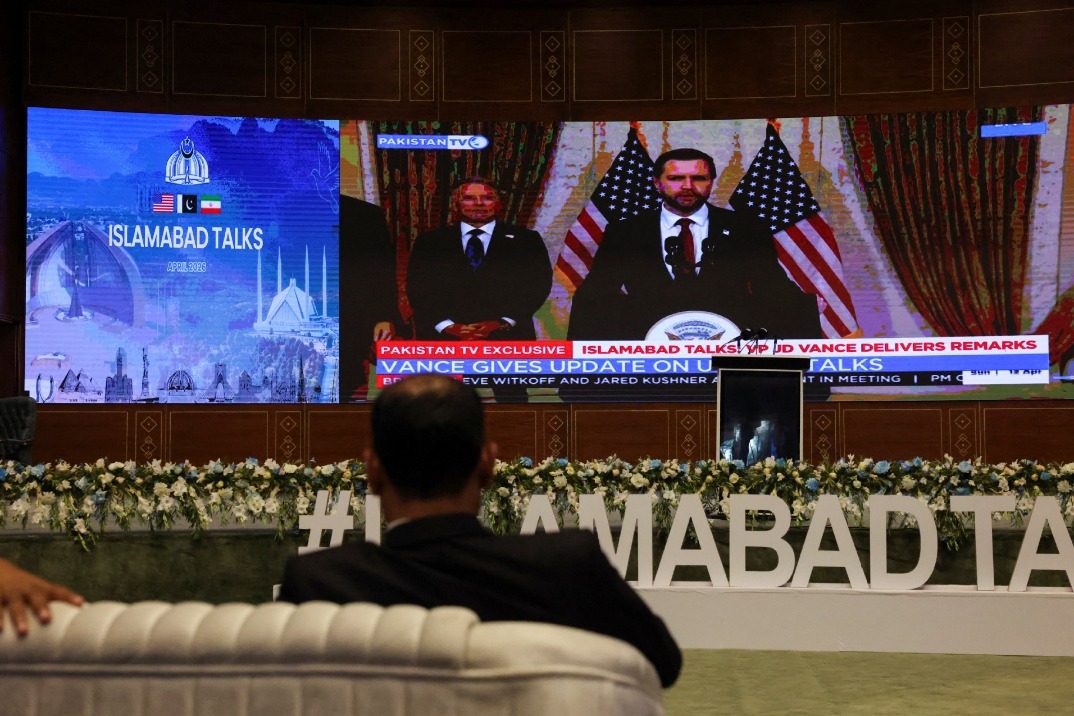
US, Iran fail to reach a deal after talks in Pakistan
After 21 hours of marathon face-to-face negotiations hosted in Islamabad, Pakistan, the United States and Iran have failed to strike any binding agreement, throwing a fragile two-week truce into severe jeopardy just six weeks into a conflict that has already claimed thousands of lives and roiled global energy markets.
-
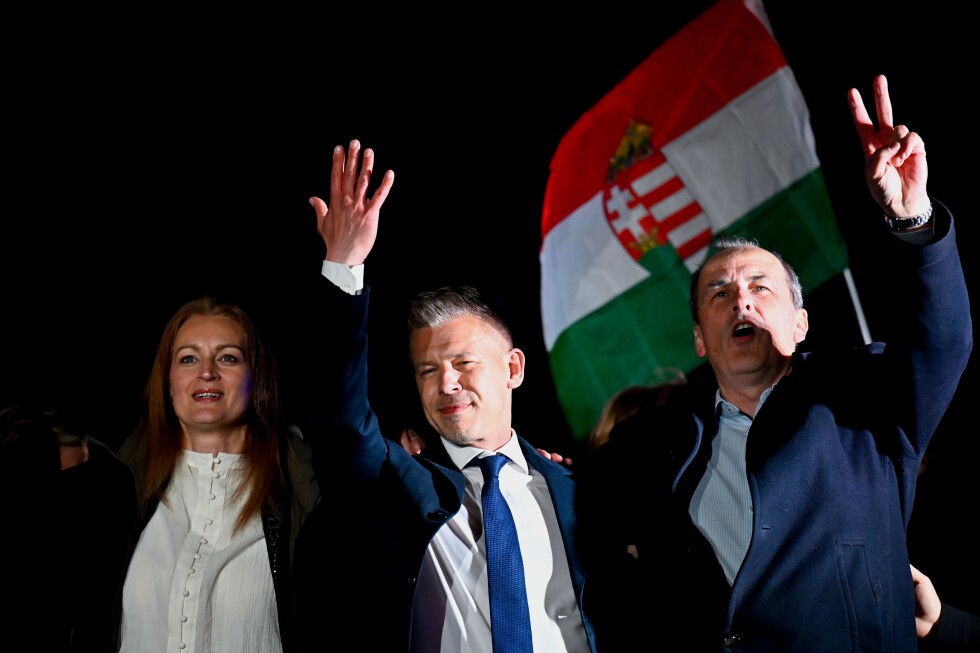
European leaders celebrate Péter Magyar’s victory in a stunning Hungarian election
In a seismic political shift that has sent ripples across the European continent, Hungarian opposition leader Péter Magyar has claimed a historic election victory that ends 16 years of authoritarian-leaning rule by Viktor Orbán, drawing an outpouring of congratulatory messages from top European Union leaders and key global figures.
The sweeping celebration of Magyar’s win stems not only from what the new incoming prime minister has pledged to accomplish, but from what his victory represents: the end of Orbán’s Euroskeptic, populist rule that long destabilized EU collective governance and frustrated the bloc’s unified policy goals. For years, Orbán positioned himself against Brussels-centric strategy, framing his agenda as a defense of Hungarian national interests against overreach from EU institutions. His repeated vetoes of coordinated EU action, most notably collective military and political support for Ukraine following Russia’s full-scale 2022 invasion, put him at constant odds with the 27-nation bloc. Most recently, his administration’s admission that it maintained secret backchannel communications with Moscow during key EU summits sparked outright outrage among European leaders.
In the wake of the election result, congratulations flooded official social media channels and poured in via personal calls from the bloc’s most senior figures. Even before Magyar delivered his victory speech on the banks of the Danube River in downtown Budapest on Sunday night, he had already received congratulatory calls from French President Emmanuel Macron, European Commission President Ursula von der Leyen, NATO Secretary-General Mark Rutte, and German Chancellor Friedrich Merz. Online, messages of celebration came from British Prime Minister Keir Starmer, Irish Prime Minister Micheál Martin, Swedish Prime Minister Ulf Kristersson, European Parliament Speaker Roberta Metsola, Danish Prime Minister Mette Frederiksen, Romanian President Nicușor Dan, and European Council President António Costa, among many others.
Spanish Prime Minister Pedro Sánchez summed up the prevailing mood among pro-European leaders in a post on X, writing simply: “Today Europe wins and European values win.” Polish Prime Minister Donald Tusk echoed the enthusiasm, posting “Back together! Glorious victory, dear friends!” Starmer framed the outcome as a defining moment for democratic governance across the continent, noting “This is an historic moment, not only for Hungary, but for European democracy.” Macron emphasized that France welcomed the Hungarian people’s clear commitment to EU values, while Merz called for renewed collective action: “Let’s join forces for a strong, secure and, above all, united Europe.” Kristersson framed the result as a new chapter for both Hungary and the bloc, adding that he looked forward to close collaboration as NATO allies and EU partners. Von der Leyen, who was a frequent target of Orbán’s anti-Brussels rhetoric, struck a unifying tone, writing: “Hungary has chosen Europe. Europe has always chosen Hungary. Together, we are stronger. A country returns to its European path. The Union grows stronger.”
Slovenian Prime Minister Robert Golob went further, framing Magyar’s win as a victory for the entire European project: “His victory over right-wing populism is also a great victory for the EU and its future. Only a more united and more effective EU will be able to respond to the extremely serious challenges of the times ahead.” German lawmaker Daniel Freund noted that the upset would have far-reaching implications for populist movements globally, arguing that Orbán, long the icon of illiberal anti-European politics, was brought down by his own government’s failures: “Hungarians are sending a signal to the world. The icon of illiberal anti-European forces has now failed – brought down by a disastrous economy, corruption, and his own unfair electoral system.”
Ukraine’s official government account also offered congratulations, leaning into the shared geographic and political future of the two nations within Europe. “The Dnipro and the Tisza flow through a shared home — Europe,” the post read.
Beyond his commitment to repairing Hungary’s strained relationship with the EU, which Magyar confirmed to the Associated Press ahead of the vote, the new prime-minister-elect has struck a unifying tone in his first public remarks. “All Hungarians know that this is a shared victory. Our homeland made up its mind. It wants to live again. It wants to be a European country,” he told supporters gathered for his victory celebration.
Notably, Magyar has avoided taking firm stances on several divisive policy issues carried over from the Orbán era, including Orbán’s widely criticized anti-LGBTQ+ policies and the question of whether his administration will expand Hungary’s military and humanitarian support for Ukraine.
Not all reactions to the power shift were uniformly celebratory. Italian Prime Minister Giorgia Meloni, a fellow right-wing leader, congratulated Magyar but also extended thanks to Orbán for years of close collaboration. Far-right French politician Jordan Bardella, a leading contender in France’s 2027 presidential election, praised Orbán’s legacy advancing populist causes in a social media post, and made no mention of the new winner. Israeli opposition leader Yair Lapid, a descendant of Hungarian Holocaust survivors, was among non-European figures to offer congratulations to Magyar.
European People’s Party President Manfried Weber, another frequent critic of Orbán, summed up the broader shift for the EU, writing simply: “Hungary is back at the heart of Europe.”