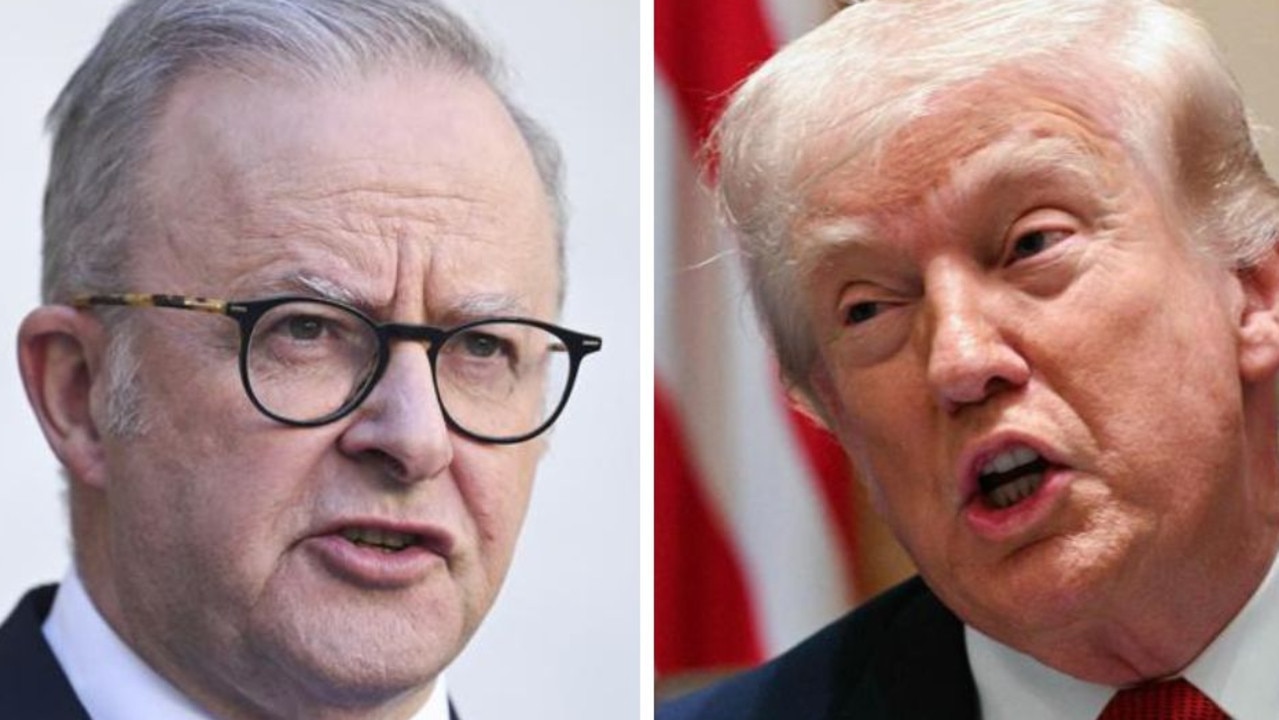
Fresh from the collapse of high-stakes weekend peace talks between US and Iranian officials in Pakistan, the United States has launched a formal blockade of Iranian ports along the Strait of Hormuz, triggering a split in Australia’s top political and military leadership over whether the nation will join the operation.
Former US President Donald Trump first announced the blockade in an overnight social media post, which drew immediate international attention for its confrontational tone. “The United States Navy, the Finest in the World, will begin the process of BLOCKADING any and all Ships trying to enter, or leave, the Strait of Hormuz,” Trump wrote. He added that any Iranian strike on US vessels or civilian shipping would be met with overwhelming force, framing the Iranian government’s warnings of potential maritime hazards in the strait as “world extortion” that the US would never accept.
US Central Command later clarified the parameters of the operation, confirming the blockade would take effect at midnight AEST, and would only target vessels traveling to or from Iranian ports across the Arabian Gulf and Gulf of Oman. Freedom of navigation for ships heading to non-Iranian destinations would remain unimpeded, the command said. Under international law, a formal blockade is widely classified as an act of war.
The announcement comes after 21 hours of marathon mediated talks in Islamabad, where US Vice President JD Vance confirmed the US delegation tabled its “final and best offer” to Iranian negotiators, but walked away without a breakthrough. “I think that’s bad news for Iran much more than it’s bad news for the United States of America,” Vance told reporters after the talks concluded.
Australia’s response to the US move has exposed a clear divide between the nation’s civilian political leadership and its top military commander. Speaking at a press conference on Monday, Vice-Admiral Mark Hammond—Australia’s Chief of Navy, who is set to take over as head of the Australian Defence Force in July—confirmed the country’s naval fleet is fully prepared to join the blockade if requested by the government.
“We’ve got 10 surface combatants right now. Eight of them are at sea today,” Hammond told reporters. “And they are fitted with one of the most advanced radars in the world … and some of the most advanced missile and point defence systems in the world. When asked if Australian warships were fully capable of countering Iranian drone threats as part of the operation, Hammond answered definitively: “Absolutely.”
Hammond emphasized that any decision to contribute forces rests exclusively with the Australian federal government, and noted that no formal request for participation has been received to date. Prime Minister Anthony Albanese has already moved quickly to rule out any additional Australian deployments to the Middle East, echoing the prime minister’s stance that Australia has not been asked to join, and has no intention of committing to the operation.
Assistant Foreign Affairs Minister Matt Thistlethwaite went further earlier this week, all but ruling out Australian involvement entirely. “We’re not considering joining the blockade,” he told Sky News, adding that it was “disappointing” that the weekend US-Iran talks failed to reach a resolution. “We believe that the best way to get lasting peace and to ensure ultimately that petrol prices come down for Australians is a negotiated settlement. That’s the only way that you’re going to see the Strait open permanently, the international economy restored, and energy costs lowered for households across Australia and the world.”
Senior Cabinet minister and Environment Minister Murray Watt, one of Albanese’s most trusted advisors, echoed that criticism, warning the US blockade carries a severe risk of escalating the ongoing conflict between the two nations. “If there’s any further escalation of this conflict, whether it be economic or militarily, that is going to impose further costs on the world, and of course, greater cost of human life, which is not something we want to see,” Watt told ABC’s Radio National. He added that any action that raises the risk of wider conflict is “a bad thing for the world”, noting that thousands of lives have already been lost in the ongoing tensions, and the conflict has already driven up energy prices for Australian consumers.
Australia’s top diplomat, Foreign Minister Penny Wong, released a formal statement calling on both sides to maintain the fragile two-week ceasefire that has been in place and return to the negotiating table. “It is disappointing that the Islamabad talks between the United States and Iran have ended without agreement,” Wong said. “The priority now must be to continue the ceasefire and return to negotiations. We continue to want to see a swift resolution to this conflict. Any escalation in the conflict would impose an even greater human cost and further impact the global economy.”
Pakistan, which brokered the original ceasefire and hosted the failed weekend talks, issued a similar appeal for de-escalation and a return to diplomatic negotiations.