分类: politics

  • British royals begin four-day US visit despite shooting

    British royals begin four-day US visit despite shooting

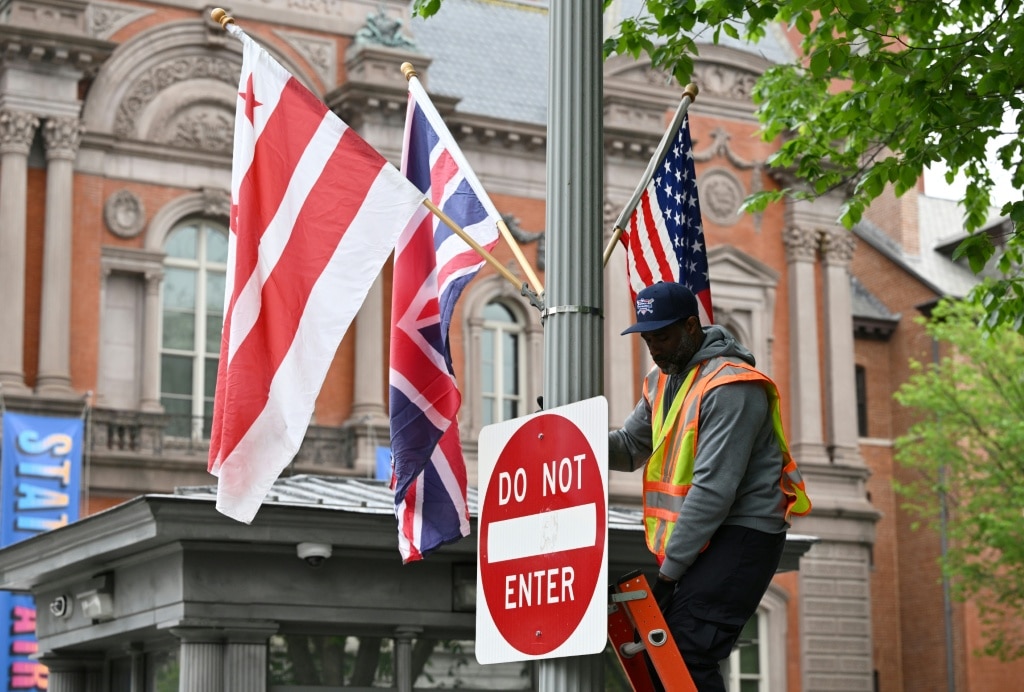
    Britain’s King Charles III and Queen Camilla kicked off their high-stakes four-day state visit to the United States on Monday, proceeding as planned despite a recent shooting incident at an event attended by US President Donald Trump and simmering diplomatic rifts between London and Washington over the ongoing Iran conflict. The trip, scheduled to coincide with the United States’ 250th anniversary of independence, is framed by the British government as a celebration of the centuries-long special relationship tying the two nations together.

    The itinerary for the royal tour carries significant symbolic weight: King Charles will become the first British monarch to address a joint session of the US Congress since his mother, Queen Elizabeth II, delivered remarks there in 1991. Beyond the address to lawmakers, the couple will meet with Trump and former First Lady Melania Trump for tea, attend a formal state dinner, travel to New York City on Wednesday to pay respects at the 9/11 Memorial Museum, and conclude the trip with a stop in Bermuda on Thursday – marking Charles’ first visit to a British Overseas Territory since ascending to the throne.

    The visit moved forward just two days after a shooting at the annual White House Correspondents’ Association gala, where Trump was in attendance. In a statement released Sunday, Buckingham Palace confirmed the tour would proceed unchanged, noting that Charles was “greatly relieved” that Trump, Melania Trump, and the vast majority of attendees escaped unharmed. The lone alleged shooter was taken into custody shortly after the incident, which left one member of Trump’s security detail wounded. UK Ambassador to the US Christian Turner told reporters in Washington Sunday evening that after multiple security reviews, “we are all very confident that all appropriate security measures are in place” for the entirety of the royal visit.

    While the trip is rooted in historic diplomatic tradition, it has sparked significant controversy on both sides of the Atlantic. The state visit was organized at the request of the UK government and President Trump, but deep divisions over the Iran war have opened a rare rift between the new UK Prime Minister Keir Starmer’s Labour government and the Trump administration. Trump has publicly lambasted Starmer for his opposition to the conflict, and has also criticized the UK government’s immigration and energy policies.

    The two leaders spoke by phone on Sunday, where Starmer extended his well wishes after the “shocking scenes” at the WHCA gala. The call also covered shared priorities in the Strait of Hormuz, with Starmer’s office confirming the pair discussed the “urgent need to get shipping moving again” amid disruptions that threaten severe harm to the global economy and already strained cost of living for households in the UK and worldwide. Though Starmer has repeatedly criticized Trump’s approach to the Iran war, he has defended the decision to move forward with the state visit, arguing that the British monarchy’s unique cross-party, cross-generational connections can help steady relations during tense periods. A YouGov poll conducted in early April found that 48 percent of British respondents supported canceling the visit, compared to a smaller share in favor of proceeding. For his part, Trump has said he believes the visit will absolutely help repair strained transatlantic ties, calling Charles a long-time personal friend who “represents his nation like nobody else can do it.”

    Observers note that Charles, 77, has a proven track record of deft diplomatic navigation: he earned widespread praise for his handling of Trump’s state visit to the UK in September 2024. Craig Prescott, a monarchy expert at Royal Holloway University of London, notes that Charles is “generally very good” at managing sensitive diplomatic occasions, but predicts he will address the transatlantic tensions over Iran – widely described as the “elephant in the room” – in coded language during his address to Congress on Tuesday.

    Another lingering controversy also hangs over the meticulously choreographed tour: the ongoing scandal surrounding King Charles’ younger brother, Prince Andrew, and his long-standing ties to disgraced late sex offender Jeffrey Epstein. The controversy reignited in mid-February when Andrew was arrested following new revelations about his relationship with Epstein, who died in prison while awaiting trial in 2019. Charles stripped Andrew of all his royal titles and patronages in October 2024, and issued a rare personally signed statement after the arrest affirming that “the law must take its course.” Andrew remains under active police investigation, has not been charged with any crime, and has repeatedly denied all wrongdoing. Organizers have structured the visit to avoid unscripted encounters: only official pool photographers will be permitted to document Charles’ Tuesday meeting with Trump in the Oval Office, with no press availability scheduled.
  • With presidents, cowboys and A-listers – King Charles in US over the years

    With presidents, cowboys and A-listers – King Charles in US over the years

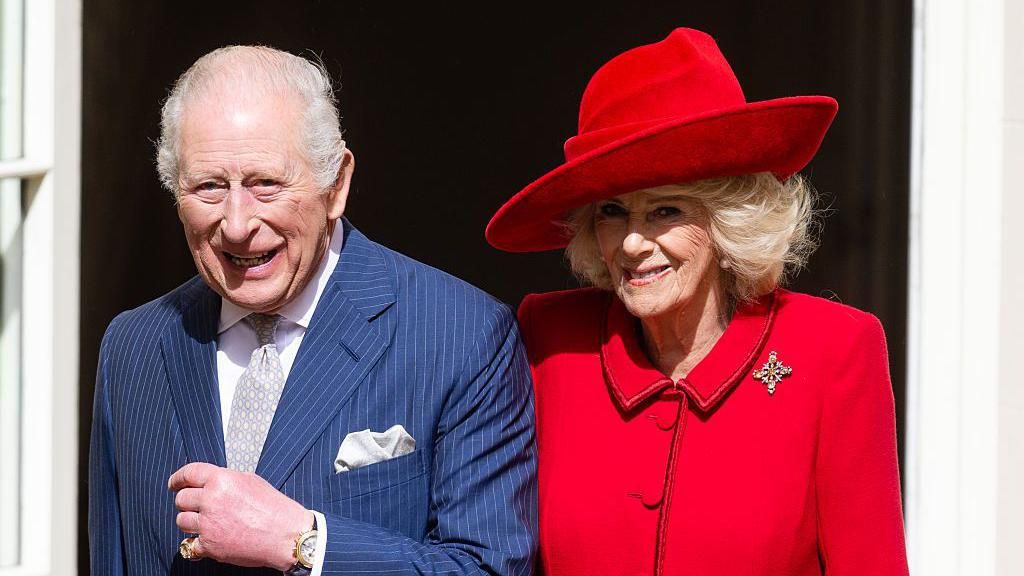
    For nearly his entire adult life, King Charles III has maintained a steady thread of official and unofficial visits to the United States, building connections with U.S. presidents, cultural icons, and communities across the country across more than five decades. Now, he is set to make his most high-profile U.S. trip yet: his first official state visit to the nation since ascending to the British throne following the death of Queen Elizabeth II.

    The newly crowned monarch will touch down in the U.S. on Monday, kicking off a multi-stop itinerary that will take him to Washington D.C., Virginia, and New York, before he departs for the British overseas territory of Bermuda. This trip marks a major milestone: it is the first official state visit to the U.S. by a reigning British monarch in nearly 20 years, the last being Queen Elizabeth II’s 2007 visit hosted by then-President George W. Bush.

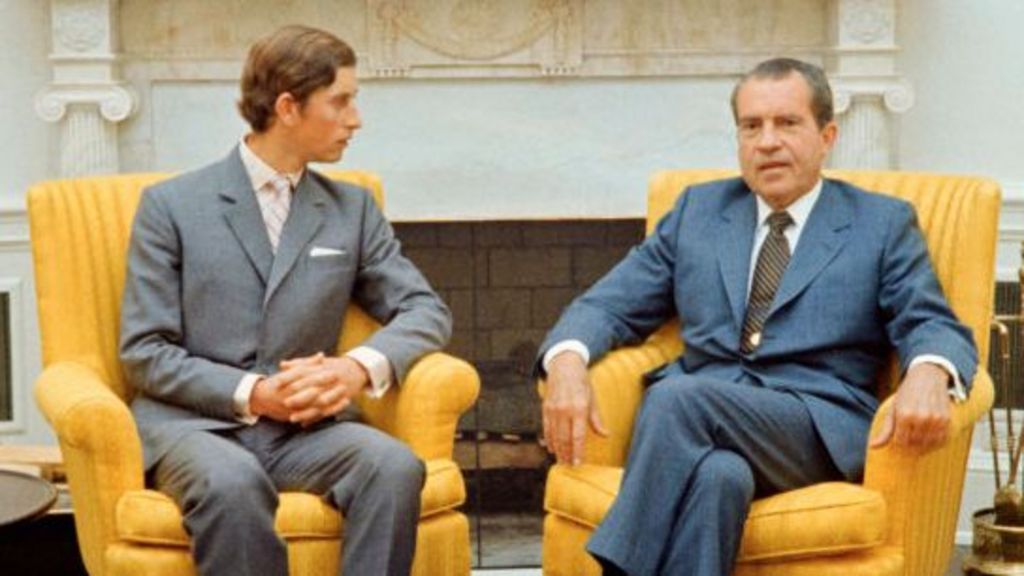
    To contextualize the significance of this upcoming historic visit, it is worth tracing the long arc of Charles’s connections to the U.S., dating back to his first official trip as a 21-year-old prince in 1970. During that debut visit, Charles took a seat in the White House Oval Office for a formal meeting with President Richard Nixon. That same trip, he and his sister Princess Anne enjoyed a distinctly American leisure activity: a baseball game at Washington D.C.’s iconic RFK Stadium, where they joined the children of the U.S. president and vice-president in the stands. In a 1974 stop during a naval deployment to San Diego, Charles traveled to Palm Springs to meet then-California Governor Ronald Reagan — a meeting that came six years before Reagan would be elected to the Oval Office. That same year, during a trip to Los Angeles, Charles visited the Warner Bros. set of *Funny Lady* where he met legendary American entertainer Barbra Streisand, sparking a decades-long personal friendship between the two.

    Charles’s 1977 U.S. trip brought both protests and lighthearted moments. During a campus visit in Cleveland, Ohio, mounted police were deployed to manage demonstrations against British involvement in Northern Ireland. Later that year, a visit to a Los Angeles department store brought a playful encounter: Charles shared a laugh with actors posing as the King’s Guard during the event. In 1980, a polo match at Florida’s Palm Beach Polo Club ended with an unexpected health scare, when Charles was hospitalized and treated for heat exhaustion and dehydration after the game.

    As Charles’s public role evolved, so did the nature of his U.S. visits. In 1985, he and his first wife, the late Princess Diana, made a stop at a Springfield, Virginia, department store, where Diana browsed jewelry selections while Charles chatted with a sales clerk. The following year, during a trip to Austin, Texas, the mayor of the city presented Charles with a traditional cowboy hat, which he gamely wore for photographers.

    It would be 20 years before Charles made another landmark official U.S. trip, after his divorce from Diana and his remarriage to Queen Camilla (then Camilla Parker Bowles). In 2005, he returned to the White House for an official dinner with President George W. Bush. That same New York trip, Charles met future president Donald Trump and his wife Melania at a reception held at the Museum of Modern Art, and also took time to greet students at Georgetown University in Washington D.C. A decade later, in 2015, Charles returned to the Oval Office once again for a meeting with President Barack Obama during another U.S. trip.

    Across more than 50 years of visits, Charles has built a long history of engagement with American political, cultural, and civic life, making his first state visit as monarch a highly anticipated event that carries both historical weight and new diplomatic meaning for the special relationship between the U.K. and the United States.

  • What to know about King Charles’s state visit to US

    What to know about King Charles’s state visit to US

    Nearly 20 years after Queen Elizabeth II’s final state visit to the United States, Britain’s current monarch King Charles III and his wife Queen Camilla have arrived for the first British state visit to the US in nearly two decades, set to run from April 27 to 30. Coming as the US prepares to mark the 250th anniversary of its Declaration of Independence from British rule, the four-day trip is framed as a celebration of the longstanding, close diplomatic alliance between the two nations. Unlike official working visits conducted by British prime ministers, state visits are formal, head-of-state-level engagements hosted by the invited nation’s head of state, placing this visit on the highest tier of diplomatic exchange.

    The royal couple’s itinerary weaves together formal diplomacy, cultural exchange, and commemorative events across three jurisdictions: Washington DC, New York, and Virginia. Their first engagement on opening day will be an intimate afternoon tea with President Donald Trump and First Lady Melania Trump at the White House, followed by a guided tour of the recently expanded White House Beehive on the South Lawn. Later that day, a garden party will welcome British and American guests at the official residence of the British ambassador to the US. This marks the first time a British royal garden party has been held on American soil in decades; the last such event was hosted by King George VI and Queen Elizabeth at the Washington embassy back in 1939.

    Day two of the visit will be centered on full formal diplomatic ceremonies at the White House. The Trumps will lead an official welcome featuring a full ceremonial military review, a tradition stretching back to the 1700s that will include the US Marine Band performing the national anthems of both countries and a 21-gun salute from the Presidential Salute Battery. Thousands of guests spanning cabinet members, congressional representatives, the British official delegation, military families, and students from the British International School of Washington will gather on the South Lawn to hear remarks from President Trump. After the welcome ceremony, the two heads of state will hold a bilateral meeting following a gift exchange and a formal receiving line for both national delegations. Parallel to this, Queen Camilla and First Lady Melania Trump will join American students for a cross-cultural education event that uses cutting-edge virtual reality headsets and AI-powered glasses to walk attendees through the shared history of the US and UK. In the evening, the Trumps will host a formal state dinner in the White House East Room in honor of the royal couple, where both President Trump and King Charles will deliver additional addresses. A key diplomatic highlight of the day will be King Charles’ address to a joint session of the US Congress, making him only the second British monarch ever to address the full legislative branch, following Queen Elizabeth II’s 1991 address during her state visit.

    The visit has not proceeded without pre-event turbulence. Just two days before the royal couple’s arrival, a suspected gunman attempted to force entry into the White House Correspondents’ Dinner in Washington DC, prompting questions about whether security arrangements would force a postponement or adjustment to the trip. UK Chief Secretary to the Prime Minister Darren Jones confirmed that additional security consultations would be held immediately following the incident, but stressed that appropriate security measures would be put in place to mitigate any risk. By Sunday evening, Buckingham Palace issued an official confirmation that the visit would proceed unchanged, noting that “The King and Queen are most grateful to all those who have worked at pace to ensure this remains the case and are looking forward to the Visit getting underway tomorrow.” President Trump has expressed strong optimism about the trip’s impact on US-UK relations, telling reporters that the visit will absolutely repair and strengthen bilateral ties, praising King Charles as a fantastic, brave man with whom he has maintained a longstanding personal relationship.

    After wrapping up their two days of engagements in the national capital, the royal pair will travel to New York City on Wednesday. Their first stop in the city will be the 9/11 Memorial, where they will meet first responders and family members of victims of the 2001 terrorist attacks. New York Mayor Zohran Mamdani will attend the memorial event but has no plans for a private meeting with the King, per a statement from his office. While in New York, King Charles will also visit a local community organization and meet with a gathering of transatlantic business leaders, while Queen Camilla will attend a literary celebration marking 100 years since the creation of the beloved children’s character Winnie the Pooh. The day will conclude with a high-profile reception focused on supporting the creative industries, with widespread expectation that A-list celebrities will be in attendance, though no guest lists have been released to the public.

    On the final day of the state visit, the King and Queen will return to Washington DC for a formal farewell ceremony with the Trumps, followed by a wreath-laying ceremony honoring fallen service members from both nations, a tribute to the longstanding US-UK military alliance. From Washington, they will travel to Virginia to visit a national park, engage with Indigenous communities and learn about the region’s Appalachian cultural heritage, before joining a public community celebration marking the 250th anniversary of American independence. After concluding the US state visit, King Charles will travel to Bermuda, a British overseas territory of which he is head of state, for his first official visit to the territory as monarch, before returning to the United Kingdom.

    Several key absences and unresolved controversies have marked the lead-up to the visit. BBC sources have confirmed that the royal couple will not hold a meeting with Prince Harry, Duke of Sussex, and his wife Meghan, who stepped down as working royals several years ago and currently reside in California. Additionally, there have been growing public calls from US lawmakers and Epstein survivor advocates for King Charles to meet with survivors of convicted sex offender Jeffrey Epstein. The calls come after King Charles’ brother, Prince Andrew, who had well-documented close ties to Epstein, was arrested in the UK in February on suspicion of misconduct in public office; Prince Andrew has repeatedly and vigorously denied all wrongdoing against him. Buckingham Palace has confirmed that King Charles will not hold a meeting with survivors during this visit, citing concerns that such a meeting could compromise ongoing police investigations and legal proceedings. Queen Camilla, however, is scheduled to meet with representatives of organizations working to end domestic abuse and violence against women during one of her public events on the trip.

    In a series of informal interviews with the BBC ahead of the visit, everyday Americans shared their own suggestions for the royal couple’s downtime, with one lighthearted, widely shared recommendation: find time to try authentic American gelato during their stay across the country’s east coast.

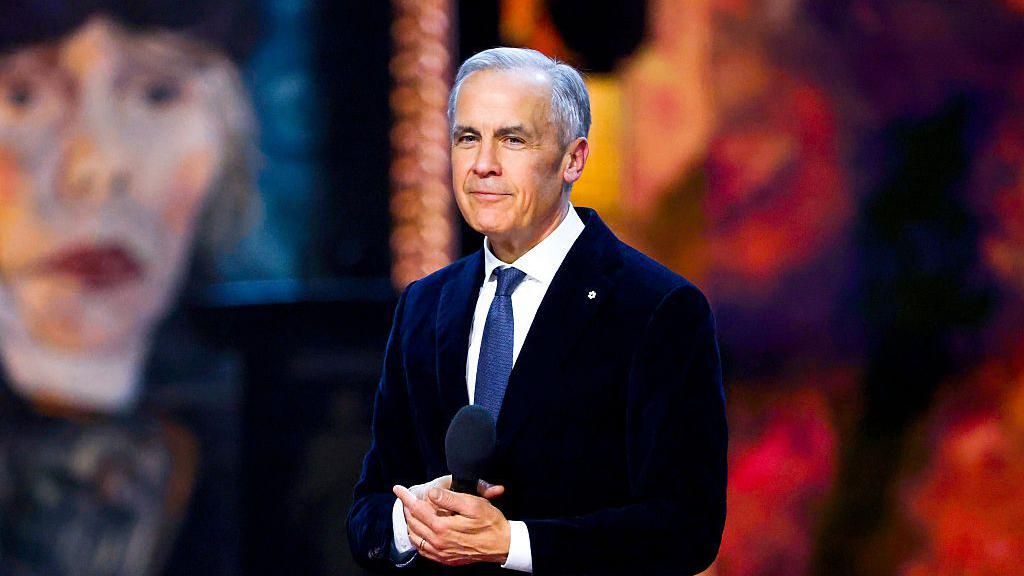
  • Canada’s Carney has enjoyed a long political honeymoon. Now comes the test

    Canada’s Carney has enjoyed a long political honeymoon. Now comes the test

    One year into Mark Carney’s tenure as Canada’s Prime Minister, the former two-country central banker with elite academic credentials from Harvard and Oxford finds himself at an unprecedented high in public approval, capping a meteoric rise from political outsider to leader of a G7 nation that has defied all conventional political playbooks.

    Carney entered the political landscape 12 months ago, replacing Justin Trudeau as leader of the Liberal Party with a sterling professional resume but zero prior experience running for public office. Critics and political observers widely warned that his lack of elected experience would prove a fatal liability, but Carney defied those early expectations: he led the Liberals to a minority government in his first election, and within a year, secured a narrow parliamentary majority after five opposition Members of Parliament crossed the floor to join his caucus.

    His rapid ascent has earned him international acclaim matching his domestic popularity. Last week, Time Magazine included Carney on its annual list of the world’s 100 most influential people. In a tribute written for the outlet, European Central Bank President Christine Lagarde dubbed Carney a “rock-star” economist and politician, crediting him as the first global leader to clearly conceptualize the breaking point of the old geopolitical order, fractured in the wake of Donald Trump’s second presidential term in the United States. “I trust he will now reinvent cooperation among the willing for the common good of all,” Lagarde wrote.

    Carney’s high profile grew even larger following a January keynote address at the World Economic Forum in Davos, where he emerged as a leading global voice pushing back against Trump’s unilateral agenda. In the speech, he openly called out the rupture of the post-WWII rules-based international order and urged middle powers to collaborate to counter the growing risks of the new era of great power rivalry. The address was widely praised for its candor, cementing Carney’s reputation both at home and abroad as a steady leader for turbulent times.

    Polling data from aggregate site 338Canada puts Carney’s current support at 46% — the highest approval rating of his tenure to date. David Coletto, CEO of leading Canadian polling firm Abacus Data, explains that a large part of Carney’s popularity stems from shifting voter priorities in Canada amid heightened tensions with the United States. Trump’s deeply unpopular policies, including steep sectoral tariffs on Canadian goods and repeated public comments suggesting Canada should become the 51st U.S. state, have left Canadians viewing external threats as the most pressing risk facing the country. This has upended long-standing Canadian political norms, where voters have historically prioritized domestic issues over foreign policy, Coletto notes. “It matters to Canadians that Canada has a leader that many in other parts of the world wish they had,” Coletto told the BBC, adding that the global acclaim reinforces public perception that Carney is “right for the job” at this moment of global uncertainty.

    Carney has laid out an ambitious policy agenda for Canadians: the most sweeping housing construction plan since World War II, a push to position Canada as a global energy superpower, reduced economic dependency on the United States, and a forceful pushback against Trump’s tariffs. With high approval and a solid majority in parliament, expectations for transformative change run high. But as Carney enters his second year in office, political observers warn he has reached a critical inflection point: can he maintain his status as a global standard-bearer for progressive multilateral cooperation while delivering on core domestic promises to Canadian voters?

    In his first year in office, Carney spent weeks traveling abroad, courting investment and trade opportunities in key markets including China, India, and the United Arab Emirates. But that global focus has drawn criticism from opposition leaders, who argue critical domestic files have been sidelined. Conservative Opposition Leader Pierre Poilievre has attacked Carney for lack of progress on renegotiating the U.S.-Mexico-Canada Agreement (USMCA), which is set for a mandatory review this summer. Steep U.S. tariffs on Canadian metals, automotive products, and lumber have already cost thousands of Canadian jobs, and as of yet, no formal negotiating date has been set for talks to resolve the dispute. Carney’s new U.S. Ambassador Mark Wiseman confirmed the timeline uncertainty to parliamentarians earlier this month. “What has Mark Carney really done in a year on this? He hasn’t held negotiations in five months,” Poilievre told reporters in Ottawa. “He’s done absolutely nothing on this file in the last year other than to stoke fear and distract from his catastrophic failings here at home.”

    Domestic affordability is also reemerging as a top voter concern, putting pressure on Carney to deliver results. Global oil price spikes driven by the ongoing U.S.-Israel conflict with Iran have pushed up fuel costs across Canada, home prices remain out of reach for millions of first-time buyers, and youth unemployment has stayed stubbornly high. Carney has moved to address immediate pain points, recently announcing a temporary fuel tax cut and a one-time grocery rebate that will be deposited directly to eligible Canadians’ bank accounts in June. But longer-term promises have lagged: his flagship pledge to double annual home construction to cool housing prices has faced criticism from experts, who note his first budget allocated insufficient funding to the effort, and instead relies largely on tightening immigration to reduce housing demand. In a post-budget op-ed for the Toronto Star late last year, Mike Moffatt, a Canadian economist and former advisor to Justin Trudeau, wrote that Carney’s housing pledges had effectively been “watered down.”

    Still, political insiders note Carney has room to deliver on his promises before the next general election, which is not scheduled until 2029 thanks to his newly secured parliamentary majority. “The country has been willing to give him a lot of rope to go out and do what he believes he needs to do in order to protect the country’s interests,” said Carlene Variyan, a veteran Ottawa-based political strategist who has worked with the Liberal Party for more than a decade, including a stint as the party’s national campaign spokesperson. The core question that will define Carney’s tenure, Variyan added, remains whether he can succeed as a global standard-bearer for a new multilateral coalition “while also taking care of his own people here at home.” Carney has acknowledged the growing pressure, releasing a 10-minute social media video last week reassuring Canadians that his administration “is acting and will continue to act” to solve the country’s most pressing challenges. But Poilievre argues that reassurances are not enough: Canadians need tangible action, not social media messaging.

  • Syria begins trial of first Assad-era official in Damascus

    Syria begins trial of first Assad-era official in Damascus

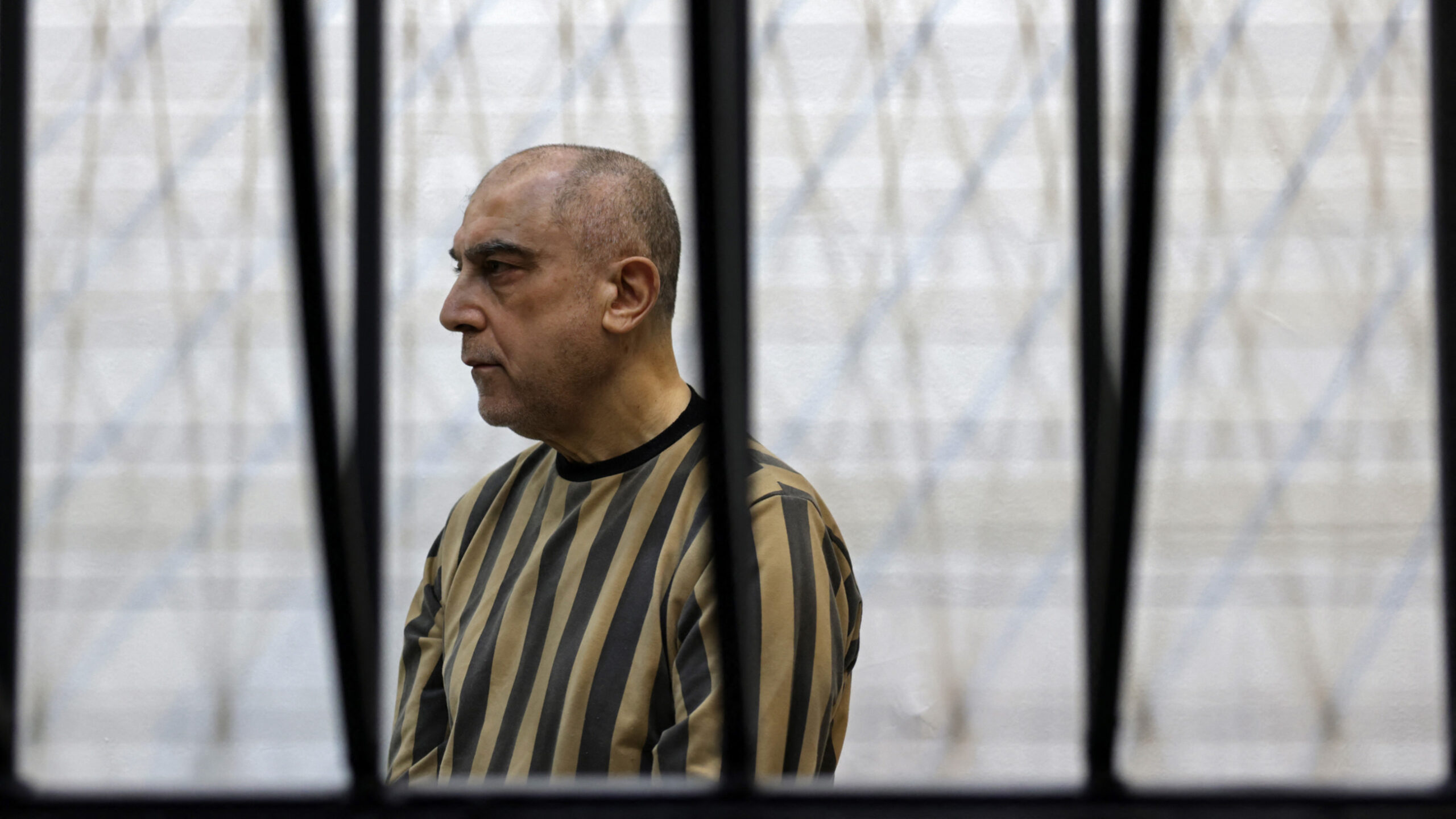
    On a landmark Sunday morning in central Damascus, Syria, a metal cage was positioned at the heart of the courtroom in the Palace of Justice, steps from the bustling al-Hamidiyah souk. Shortly before 11 a.m., Atef Najib, the cousin of ousted former president Bashar al-Assad and a one-time top security official, was led into the enclosure. Clad in a brown striped prison uniform and wearing a blank, unreadable expression, he took his seat as the courtroom fell quiet.

    Najib stands accused of orchestrating one of the earliest and deadliest crackdowns on anti-government demonstrators that erupted at the start of the 2011 Syrian uprising, with formal charges of “crimes against the Syrian people” brought against him. Mounted directly opposite the defendant’s dock was a portrait of Hamza al-Khatib, the 13-year-old boy who became a global symbol of the uprising’s human cost after he was killed and tortured by security forces in 2011.

    The roots of this trial stretch back 15 years to the 2011 Arab Spring, when a group of teenagers in the southern Syrian city of Deraa spray-painted anti-regime slogans on a local school wall. One line, “Doctor, it’s your turn,” cut directly at Assad, a trained ophthalmologist. The detention and brutal torture of those young children by security forces sparked the first widespread anti-government protests across the country. At the time, Najib was the top political security chief in Deraa, overseeing the sweeping campaign of mass arrests and violent repression that followed.

    Sunday’s opening session marks the first public trial of a senior Assad-era official since the fall of the former government in December 2024. Najib was among the first high-ranking figures arrested, taken into custody on Syria’s coast in January 2025, just weeks after Assad fled the country to Russia. For more than a year, families of victims of the Assad regime’s crackdown have waited for this moment of accountability.

    In the courtroom, emotions ran high as victim’s families passed the dock in front of international and local reporters. A young woman held aloft a photo of Hamza al-Khatib, as chants broke out across the room: “The martyrs are the heroes. Atef, you are the dog.” The trial comes as Syria’s new transitional authorities work to demonstrate progress on long-awaited transitional justice, a key demand from Syrians who spent 14 years under the repressive Assad regime during the civil war.

    Just two days before Najib’s trial opened, Syrian security forces announced the arrest of Amjad Youssef, the primary suspect in the 2013 Tadamon massacre, where nearly 300 unarmed civilians were executed and dumped into a mass grave. Footage of Youssef personally shooting victims before they were thrown into the pit was widely circulated after the massacre, and his arrest in the Al-Ghab Plain area of Hama province near his hometown was publicly shared by the interior ministry to broad attention across the country.

    Since Assad was toppled on December 8, 2024, Syrians have consistently demanded full accountability for the thousands of crimes committed under his government. But the transitional justice process has moved slowly in a country fractured and worn down by 14 years of violent conflict.

    Addressing the court on Sunday, Damascus Public Prosecutor Hosam Khatab framed the trial as a foundational step for the new Syrian justice system. “Transitional justice begins with him, trust the state and justice,” Khatab told the court. He called Najib “the first ‘pharaoh’ when he gave the orders to fire on protesters,” using the term Syrians have adopted to refer to abusive former regime officials. “This will be neither the first nor the last. We will pursue them all.”

    Turning directly to Najib in the dock, Khatab raised his voice: “Our God has given us what we wanted. And as for you: did your God, Bashar al-Assad, give you what he promised?” Najib offered no response. The prosecutor then went on to announce a list of 10 additional high-profile suspects who will face trial in coming months, topped by Bashar al-Assad himself. Other names on the list include Assad’s younger brother Maher al-Assad, who commanded the elite 4th Armoured Division — the regime’s primary armed wing that led multiple crackdowns; Wassim al-Assad, another close relative of the ousted president; former Grand Mufti Ahmed Badreddin Hassoun; and multiple other military and security officials arrested in recent months. Bashar al-Assad, who remains in exile in Russia, will be tried in absentia.

    Sunday’s opening session was limited to preliminary administrative and legal procedures, and the judge did not question Najib directly. A second full hearing is scheduled for May 10.

    Currently, Syria retains the death penalty as a legal punishment, but the legal definitions of crimes against humanity and war crimes have not yet been formally codified into the country’s national law. An independent observer monitoring the trial’s impartiality on site spoke to Middle East Eye, noting the challenge of upholding judicial standards in the wake of mass atrocities. “We must maintain a degree of neutrality and avoid overly political language to meet the standards of justice, even if it is difficult in the face of victims,” the observer said. “It will happen gradually. This was the first day.”

    As Najib was led out of the courtroom at the end of the session, the iconic chants from the 2011 uprising rang out across the chamber once again: “Syria is ours, not the Assad family’s.”

    Outside the Palace of Justice after the hearing, dozens of victim’s families from Deraa waited for buses to carry them back to their southern home city, sitting on plastic chairs as traffic slowed around the building. Many mothers, their eyes wet with tears, embraced one another, comforting each other after the emotional day.

    Among them was 50-something Warda, whose son — an unarmed bystander — was killed when security forces stormed the al-Omari Mosque area in Deraa in late March 2011. Dozens of protesters were killed that day when forces used tear gas and live ammunition to break up weeks of ongoing sit-ins and demonstrations. Warda said she believes Najib will ultimately face the death penalty for his role in the violence. “This is the most beautiful day of my life. God has put him in a cage. We hope justice will prevail,” she told Middle East Eye.

  • China pushes contracts, pay reforms for gig workers

    China pushes contracts, pay reforms for gig workers

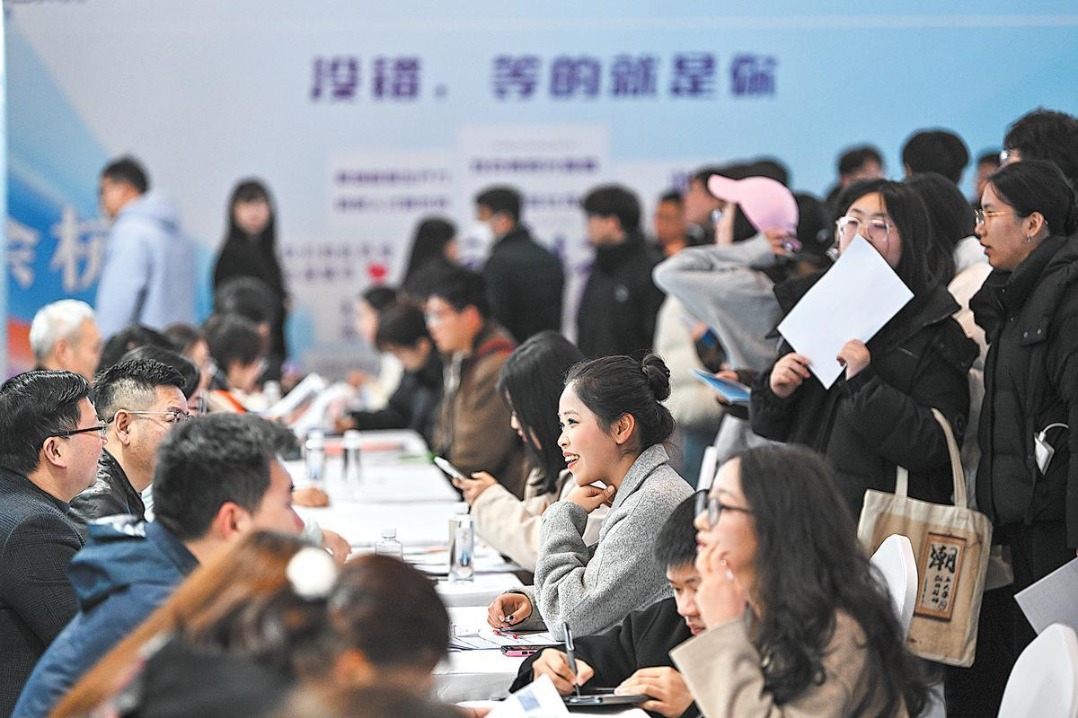
    China has introduced a landmark, high-level policy framework designed to enhance regulatory oversight and support services for the rapidly expanding cohort of workers in new internet platform-linked business models, a group that includes food delivery riders, online livestreamers and other gig economy employees.

    The policy document, released jointly by the General Office of the Communist Party of China Central Committee and the State Council, China’s top executive body, sets clear, time-bound targets to standardize employment practices, upgrade working conditions and strengthen legal protections for this growing new employment group by 2027.

    According to the roadmap laid out in the guideline, over the next three to five years, China aims to build a more resilient management and service system for platform-based workers, foster more harmonious labor relations, and deliver more substantial progress across all areas of the sector’s sustainable development.

    To meet these ambitious goals, the policy urges internet platform operators, courier service providers and other relevant enterprises to overhaul their internal labor management frameworks. It specifically calls for broader adoption of formal labor contracts and customized written agreements that align with the unique characteristics of different platform-based industries and meet the practical needs of their workers.

    The guideline also emphasizes the core accountability of corporate headquarters in ensuring that affiliated partners, franchisees and local branch operations fulfill their legal and ethical obligations to workers. This includes requirements to crack down on uncivilized workplace conduct, as well as mandates to upgrade workplace safety management systems to protect on-the-job safety and occupational health for all employees.

    A key focus of the new policy is strengthening safeguards for workers’ legal rights and interests. The document requires firms to set remuneration levels in direct proportion to workers’ actual workload and labor intensity, and guarantees full, on-time wage payments. It also pushes for the establishment of accessible internal channels for workers to voice concerns, improvements to labor dispute resolution mechanisms, and the fair handling of worker complaints and appeals.

    In addition, the policy encourages internet platforms to meet their social responsibilities by adjusting their algorithm management practices and increasing operational transparency. It requires platforms to optimize and revise algorithmic rules for work allocation after incorporating input from trade unions and elected representatives of platform-based workers.

  • Iran foreign minister returns to Pakistan despite Trump cancelling envoys’ trip

    Iran foreign minister returns to Pakistan despite Trump cancelling envoys’ trip

    Amid a rapidly shifting regional crisis in the Middle East, overlapping diplomatic efforts and fresh security incidents have created a tangled landscape of negotiations and ongoing conflict over the weekend, with major powers and regional actors clashing over war termination and territorial control.

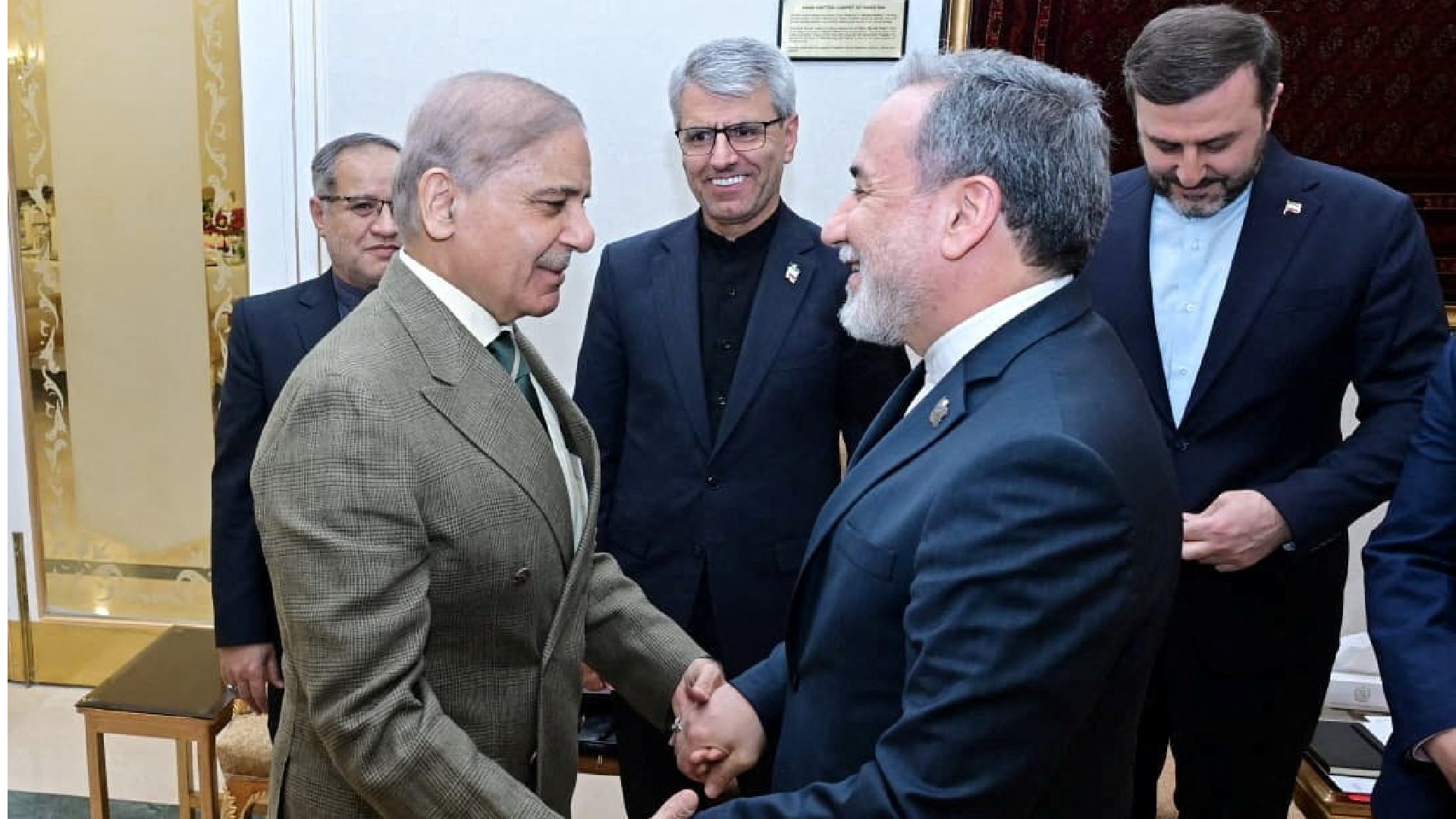
    Iran’s top diplomatic envoy Abbas Araghci made a return trip to Islamabad on Sunday to advance peace negotiations aimed at ending the ongoing Iran war, even after former US President Donald Trump scrapped a planned trip by his own negotiating team to the Pakistani capital. Araghchi’s visit marked the second stop in a regional diplomatic tour: he first met with senior Pakistani officials including Prime Minister Shehbaz Sharif, Foreign Minister Ishaq Dar, and powerful military chief Asim Munir — a key mediator in the talks — last Saturday, before traveling to Oman for additional negotiations on Sunday. After the initial round of Pakistani talks, Iranian envoys returned to Tehran to receive updated guidance on proposals to end the conflict, Iran’s state-run Isna news agency confirmed.

    In Muscat, Araghchi held closed-door talks with Sultan Haitham bin Tariq al-Said, covering navigation security in the strategically critical Strait of Hormuz and wider Gulf waters, as well as coordinated diplomatic pushes to end the war. In remarks carried by an Iranian foreign ministry statement, Araghchi argued that long-standing US military presence in the Middle East has exacerbated regional instability and deepened divisions between local actors, calling for a new regional security architecture built without external interference. Following the conclusion of Sunday’s talks in Pakistan, the foreign minister is scheduled to travel to Moscow for further consultations, according to diplomatic sources.

    The Iranian diplomatic push came as Trump made a last-minute reversal of a planned trip by his own Middle East envoy Steve Witkoff and senior advisor Jared Kushner, his son-in-law, to Islamabad. Speaking to Fox News, Trump said he called off the trip because he saw no value in what he described as unproductive talks, and dismissed Tehran’s initial negotiating position as inadequate. In a surprising twist, Trump added that Tehran revised its proposal just 10 minutes after he announced the cancellation. “They gave us a paper that should have been better and — interestingly — immediately when I cancelled it, within 10 minutes, we got a new paper that was much better,” he told reporters, declining to share further details on the content of the revised proposal. When asked if the cancelled trip would lead to a resumption of full-scale hostilities, Trump downplayed the risk, saying “No, it doesn’t mean that. We haven’t thought about it yet.”

    Hours after Trump announced the cancellation of the envoy trip, a security incident near the White House Correspondents’ Association Dinner held at the Washington Hilton forced an emergency evacuation of Trump and other top US leaders. A shooting outside the venue left a Secret Service agent wounded by gunfire, but the agent survived after a bulletproof vest stopped the round, Trump confirmed. In a statement to reporters after the evacuation, Trump said the incident would not change his policy in Iran. “It’s not going to deter me from winning the war in Iran,” he said, adding that he did not believe the shooting was connected to the ongoing conflict. The president later posted an image on his social platform Truth Social showing the suspected shooter, hand cuffed and lying face down, topless, on the ground.

    Despite the diplomatic flurry over ending the Iran war, Iran’s Islamic Revolutionary Guard Corps (IRGC) reaffirmed it has no plans to lift its current blockade of the Strait of Hormuz, the chokepoint through which roughly one-fifth of the world’s total crude oil and liquefied natural gas shipments pass each year. “Controlling the Strait of Hormuz and maintaining the shadow of its deterrent effects over America and the White House’s supporters in the region is the definitive strategy of Islamic Iran,” the IRGC said in a post on its official Telegram channel. The US has responded with its own blockade of Iranian ports, escalating the standoff over the critical waterway.

    Separately, in Lebanon, ongoing violations of a existing ceasefire by the Israeli military have left multiple civilians dead and deepened humanitarian suffering over the weekend. Lebanon’s state-run National News Agency reported that Israeli airstrikes targeted multiple villages in southern Lebanon’s Nabatieh, Bint Jbeil, and Sour districts on Sunday, killing three people. The strikes mark the latest in a string of repeated Israeli attacks since a ceasefire between Israel and Lebanese armed groups came into effect on 17 April.

    Israeli forces continue to occupy a roughly 10-kilometer deep buffer zone inside southern Lebanon it calls the “yellow line,” and has barred displaced residents from returning to their homes in the area. Over the weekend, the Israeli military dropped leaflets over the village of Mansouri in the Sour district, warning civilians against entering nearly two dozen villages in the occupied zone. In a post on the social platform X, Israeli army spokesperson Avichay Adraee renewed warnings to civilians against entering areas near the Litani River, Wadi Salhania and Saluki, and published a list of dozens of villages within the yellow line where residents are officially barred from returning.

    Lebanon’s health ministry reported Sunday that the total death toll from Israeli attacks on Lebanon since 2 March has risen to 2,496, with more than 7,725 people wounded. The strikes come a day after four people were killed in Israeli airstrikes in southern Lebanon, even under the current ceasefire framework.

  • Gunman sought to kill Trump, cabinet at gala dinner

    Gunman sought to kill Trump, cabinet at gala dinner

    On a chaotic Saturday evening at the Washington Hilton, a would-be assassin’s plot to kill former President and current U.S. President Donald Trump and multiple senior administration officials was disrupted by a quick exchange of gunfire with Secret Service agents, leaving security protocols for high-profile Washington events under intense national scrutiny.

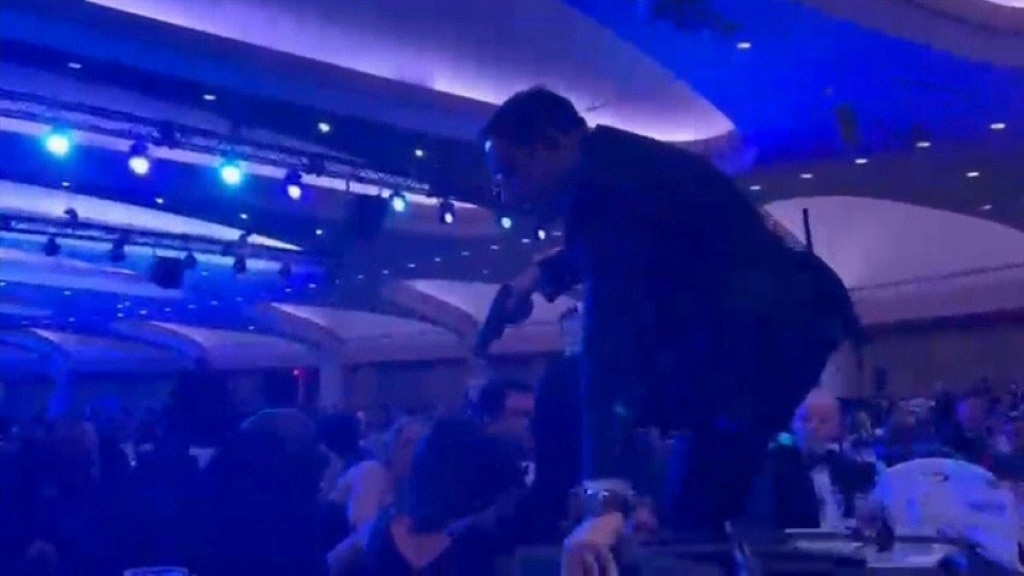
    Within hours of the incident, investigators confirmed that the suspect, identified as 31-year-old Cole Allen, had traveled cross-country by rail from Los Angeles via Chicago to reach the capital, where he had checked into the same hotel hosting the annual White House Correspondents Association (WHCA) black-tie gala. Armed with a shotgun, a handgun, and multiple knives purchased within the last two years, Allen attempted to sprint past a security checkpoint to reach the packed ballroom where Trump, First Lady Melania Trump, Vice President JD Vance, cabinet members, top congressional leaders, and hundreds of political and media figures had gathered. The attempt triggered a brief gunfight with agents, and Allen was taken into custody at the scene immediately.

    Acting U.S. Attorney General Todd Blanche told CBS’s *Face the Nation* on Sunday that preliminary investigations confirm Allen planned to target top-ranking administration officials in order of their rank. “He’s not actively cooperating. I expect that he will be formally charged tomorrow morning in federal court in Washington,” Blanche stated, adding that no clear motive for the attack has yet been established. Trump later confirmed to Fox News that Allen had penned what he described as an “anti-Christian” manifesto, noting that the suspect’s own family had previously raised concerns about his behavior to law enforcement. The New York Post reported that Allen sent a note to his family shortly before the attack outlining his plan to prioritize targets from the highest-ranking to lowest.

    The moment shots were rang out triggered chaos inside the gala ballroom. Secret Service agents immediately swarmed the venue to clear and secure the space, prompting hundreds of attendees to dive under tables for cover. Trump was quickly rushed out of the ballroom by his security detail, and he later recounted that he initially mistook the gunfire for the sound of a dropped serving tray. The only injury reported was to a Secret Service officer, who was shot at close range in his safety vest and is expected to make a full recovery.

    In a late-night emergency press briefing at the White House, Trump confirmed that investigators currently believe Allen acted as a lone attacker, a assessment he shares. This incident marks at least the third plot on Trump’s life in less than a year: in 2024, an assassination attempt at a Pennsylvania rally left one attendee dead and Trump lightly wounded in the ear, just months before a second man was arrested for pointing a rifle from the bushes at a Florida golf course where Trump was playing. Notably, the Washington Hilton is also the site of the 1981 assassination attempt on President Ronald Reagan, a history that has amplified calls for stricter security reviews.

    The incident has reignited debate over presidential security protocols, with Trump noting that the Washington Hilton venue “is not a particularly secure” facility. He argued that the foiled attack justifies his controversial plan to construct a large new events ballroom adjacent to the White House, a project that has already faced multiple legal challenges. For Washington observers, the repeated attempts on Trump’s life have sparked growing alarm: “This keeps happening,” attorney Brian Raftery told AFP Sunday. “One of these times, unfortunately, something very bad is going to happen if we continue to have these types of attacks on political leaders.”

    This year’s WHCA gala marked a historic break with tradition: Trump, who has repeatedly attacked the mainstream media, had never attended the annual dinner during his previous time in office, breaking a 100-year pattern of sitting presidents participating in the event, which raises funds for journalism scholarships and awards. The foiled attack also comes less than 48 hours before King Charles III and Queen Camilla are set to arrive in Washington for a four-day official state visit, which will see heightened security across the U.S. capital already in place. After the incident, Trump expressed hope that the gala can be rescheduled within the next 30 days.

  • Trump and officials ‘likely’ targets of press dinner shooting suspect, authorities believe

    Trump and officials ‘likely’ targets of press dinner shooting suspect, authorities believe

    On Saturday evening, a suspected armed attacker opened fire near a security checkpoint at the Washington Hilton hotel, where the annual White House Correspondents’ Dinner was underway, triggering a chaotic evacuation and launching a federal investigation into an apparent assassination plot targeting sitting U.S. President Donald Trump and senior administration officials.

    Acting U.S. Attorney General Todd Blanche confirmed to reporters that preliminary investigations point to Trump and his top officials as the likely intended targets of the attack. The suspect has been identified by U.S. media as 31-year-old Cole Tomas Allen, a California native who lists his professional background as a mechanical engineer, game developer and educator on his public LinkedIn profile, and is an alumnus of the prestigious California Institute of Technology.

    The incident unfolded at approximately 8:35 p.m. local time, when gunshots echoed through the hotel’s foyer, just one floor above the packed ballroom where more than a thousand guests, including Trump, First Lady Melania Trump, Vice President JD Vance, and Health and Human Services Secretary Robert F. Kennedy Jr., were gathered for the dinner. In accordance with established security protocols, Secret Service agents immediately rushed the president and other top officials off stage and to a secure location, locking down the ballroom before evacuating all attendees.

    Law enforcement officials confirmed that officers exchanged gunfire with the suspect before intercepting him. Allen was not hit during the confrontation, but was taken to a local hospital for mandatory psychological evaluation following his arrest. Investigators confirmed Allen was carrying two firearms and multiple knives at the time of the attack. One responding officer suffered a gunshot wound, but escaped severe injury thanks to his bulletproof vest, and has since been discharged from the hospital, per Secret Service communications chief Anthony Guglielmi.

    Multiple senior law enforcement officials have confirmed that Allen’s motive is still actively being investigated, with the FBI’s Criminal Division and national terrorism task force leading the probe. A senior U.S. official told CBS News that investigators have recovered written materials from Allen that explicitly state his intention to target senior members of the Trump administration. Prior to the attack, one of Allen’s family members contacted law enforcement after receiving these written materials, though the correspondence did not specifically mention the White House Correspondents’ Dinner as the planned site of the attack.

    Blanche added that investigators have traced Allen’s cross-country travel to Washington D.C., confirming he took a train from his home state of California, stopping in Chicago before continuing on to the nation’s capital. Law enforcement teams are currently searching a residential address in Torrance, California, linked to Allen to gather additional evidence. Allen is scheduled to be arraigned in federal court on Monday on charges of assaulting a federal officer and using a firearm during a violent felony offense.

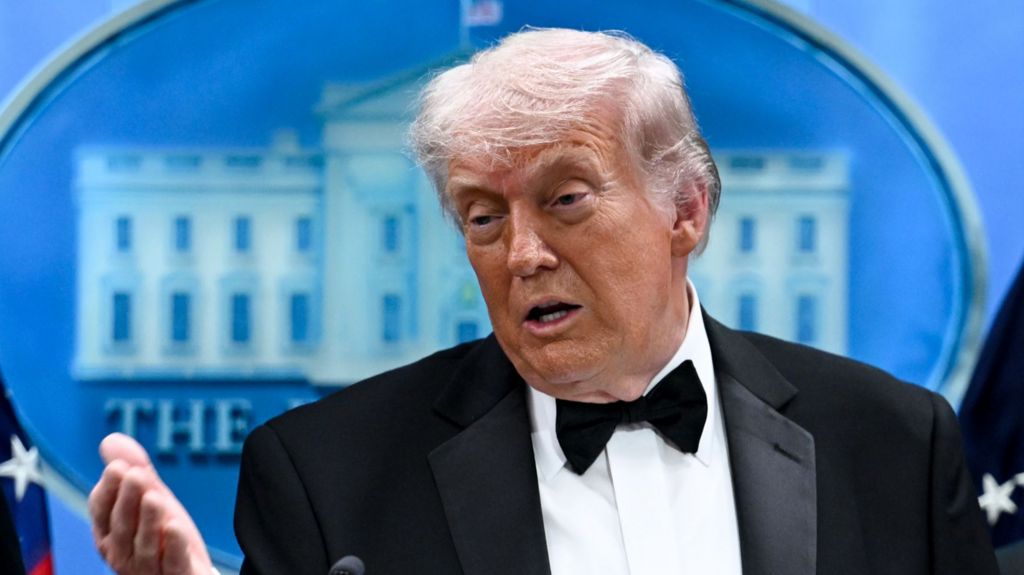
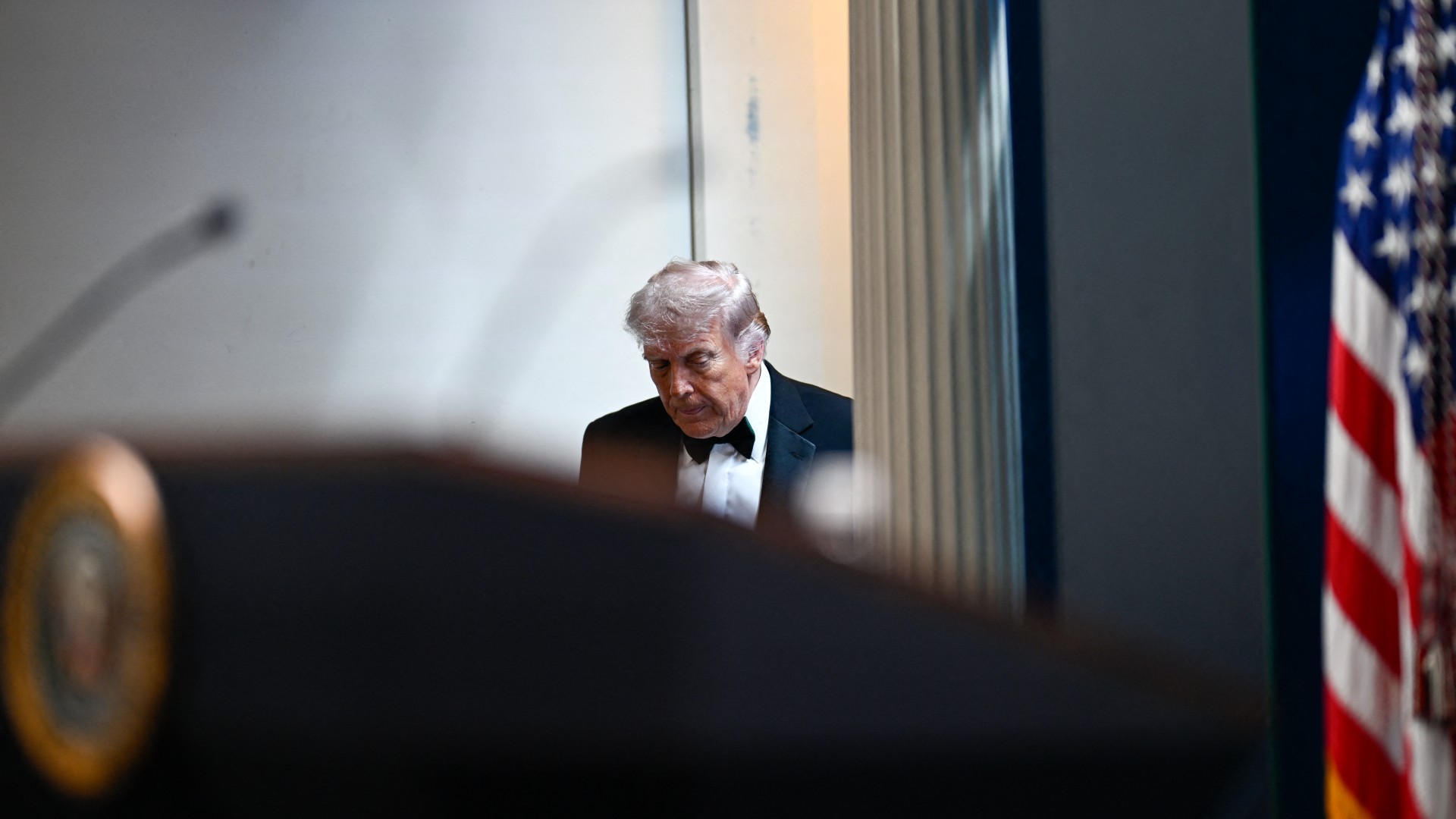
    Shortly after the incident, Trump spoke to reporters from the White House, still dressed in his formal black tie dinner attire, and praised the quick action of the Secret Service that saved his life. “I can’t imagine that there’s any profession that’s more dangerous,” Trump told reporters, adding that “everyone in this room owes the Secret Service a tremendous debt of gratitude.” In a nod to the press corps in attendance, Trump also thanked journalists for their responsible coverage of the attack, and called on political opponents and the American public to resolve national differences through peaceful means.

    In a formal statement released Sunday, the White House emphasized that Trump remains “stands fearless” after surviving the assassination attempt alongside senior cabinet members. Weijia Jiang, president of the White House Correspondents’ Association, who was seated next to Trump during the dinner, also publicly thanked the Secret Service for their rapid response that “protected thousands of guests” and called the attack a harrowing ordeal. Jiang added that the association’s board will meet in the coming days to determine next steps for the dinner and will release public updates as they become available.

    Speaking to Fox News on Sunday, Trump said that the suspect had “a lot of hatred in his heart for a while” and confirmed that Allen had left a written manifesto laying out his intentions. The incident has also prompted Trump to renew his push for a controversial plan to build a new classified ballroom at the White House, writing on his social platform Truth Social that the attack would not have occurred if the “Militarily Top Secret Ballroom currently under construction” had already been completed. The project has already faced a series of ongoing legal challenges from critics.

    This attack marks the third documented assassination threat against Trump since July 2024. The first attempt resulted in a bullet grazing Trump’s ear during a campaign rally in Butler, Pennsylvania, and a second suspected gunman was intercepted at Trump’s West Palm Beach, Florida, golf club in September 2024. Saturday’s dinner marked Trump’s first appearance at the White House Correspondents’ Dinner since he took office for his second term; his last appearance at the annual press event was in 2011, when he attended as a private citizen.

    The attempted attack has drawn widespread international condemnation from world leaders. UK Prime Minister Keir Starmer said he was “shocked” by the incident, adding that “any attack on democratic institutions or on the freedom of the press must be condemned in the strongest possible terms.” Canadian Prime Minister Mark Carney said he was “relieved” that Trump, the first lady, and all other attendees escaped unharmed, a sentiment echoed by Australian Prime Minister Anthony Albanese, who said he was “pleased to hear” that no fatalities occurred at the scene.

  • Trump says shooting at press dinner ‘won’t deter him’ from Iran war

    Trump says shooting at press dinner ‘won’t deter him’ from Iran war

    A dramatic shooting incident outside the venue of the annual White House Correspondents’ Association Dinner on Saturday night triggered an emergency evacuation of former President Donald Trump and dozens of top ranking U.S. administration officials, leaving a Secret Service agent wounded and the high-profile event postponed indefinitely. The incident, which marks the third documented assassination attempt targeting Trump in less than a year, has sent shockwaves through Washington D.C.’s political circles even as authorities move forward with criminal charges against the identified suspect.

    Emergency response protocols were activated immediately after attendees reported hearing between five and eight gunshots ring out near the Washington Hilton’s banquet hall, where the dinner was already underway. Video footage captured from the scene shows White House Press Secretary Karoline Leavitt and First Lady Melania Trump visibly stunned by the sudden gunfire, before security personnel rushed the pair offstage alongside Trump, who was pulled to the ground by his protective detail for safety.

    In an update to reporters shortly after the situation was contained, Trump confirmed that the suspected shooter had been taken into custody, labeling him a “lone wolf” and a “very sick person.” U.S. law enforcement later identified the 31-year-old suspect as Cole Tomas Allen, a resident of Torrance, California. Washington’s police chief confirmed Allen was found armed with a shotgun, a handgun, and multiple knives, and preliminary investigations indicate he was registered as a guest at the Hilton hotel where the event was held. According to anonymous sources cited by CBS News, Allen told arresting officers he specifically intended to target senior Trump administration officials. The U.S. Attorney for the District of Washington has already filed initial charges of illegal firearms possession and assault of a federal officer with a dangerous weapon, confirming that additional felony counts are forthcoming.

    One Secret Service agent was hit by gunfire during the incident, but survived unharmed after a bulletproof vest stopped the round, a detail Trump confirmed to reporters. In the hours after the evacuation, the former president drew controversy for posting an image on his Truth Social platform that showed a shirtless Allen lying face-down on the ground with his hands cuffed behind his back.

    Addressing reporters after the incident, Trump sought to link the latest attempt on his life to his high-profile policy agenda, drawing a parallel between himself and iconic former President Abraham Lincoln. “They don’t go after the ones that don’t do much,” he told reporters Saturday evening. “I hate to say I’m honoured by that, but we’ve done a lot.” This incident marks the third documented assassination attempt against Trump since July 2024, when he narrowly escaped an attempt at a Pennsylvania campaign rally that left a bullet grazing his upper body. Two months after that rally attack, a second suspect armed with a rifle was arrested at Trump’s southern Florida golf course, and was ultimately sentenced to life in prison on attempted assassination charges.

    When asked if the shooting could be connected to ongoing U.S. military tensions with Iran, Trump initially said “you never know” but quickly walked back that suggestion to align with preliminary law enforcement findings. “I don’t know if that had anything to do with it, I really don’t think so, based on what we know,” he stated. The former president went on to reaffirm his unwavering stance on U.S. policy toward Iran, saying the shooting would not deter him from advancing his priorities in the ongoing conflict. “It’s not going to deter me from winning the war in Iran,” he emphasized. The comment came just hours after Trump confirmed he had canceled a planned trip by his diplomatic envoys to hold peace talks with Iranian officials, telling reporters Tehran could “call us” whenever it was ready to negotiate.

    Officials with the White House Correspondents’ Association confirmed the dinner would be postponed to a later date, with no new scheduling details released as of Sunday morning.