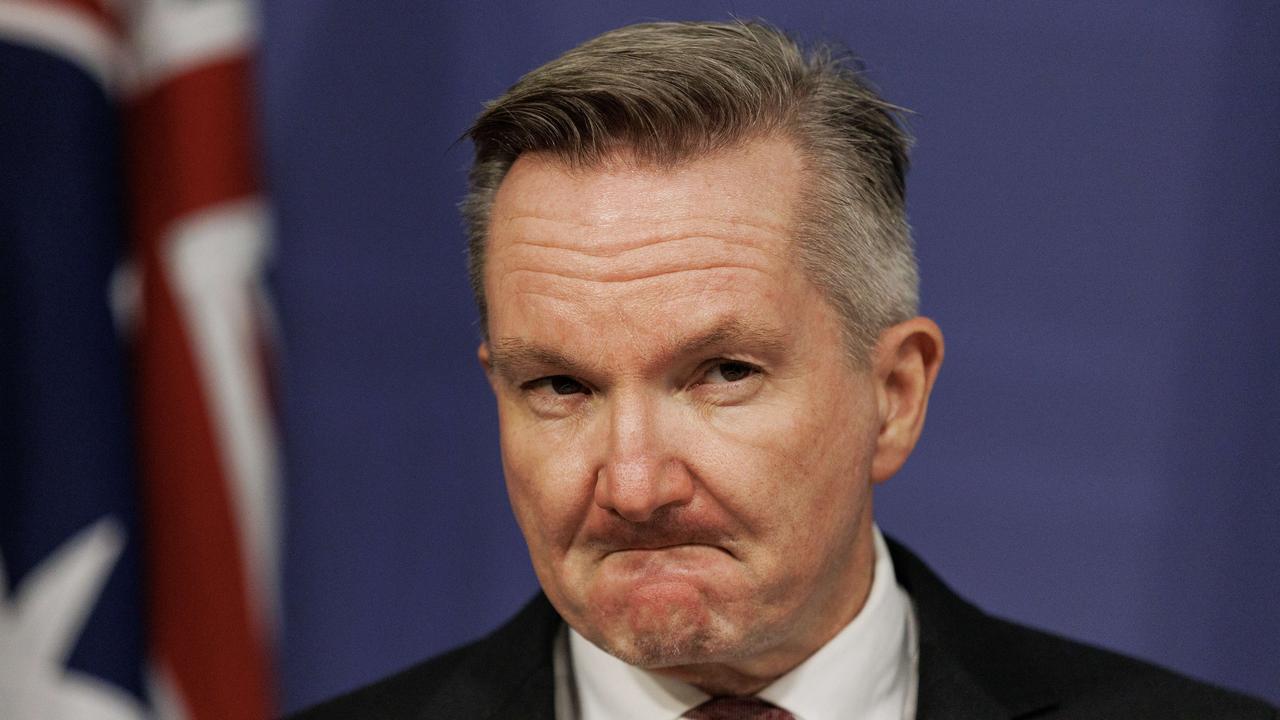
Australia’s national approach to long-term fuel security has received a clear policy update, with Climate and Energy Minister Chris Bowen definitively ruling out efforts to restore the country’s four retired oil refineries in comments made at a Sunday press conference. Between 2013 and 2022, Australia shut down four of its once-operational domestic refineries, leaving just two facilities still in production. In recent months, calls have grown from some quarters to reconstruct the shuttered sites as a way to boost domestic energy independence and insulate the country from global fuel market volatility. But Bowen has pushed back on these proposals, emphasizing that the economic and practical barriers to restarting closed facilities are far too high to justify the investment.
Once a refinery ceases operations, it is almost always fully dismantled rather than kept in a idle, restorable state, Bowen explained. There is no quick, low-cost path to reverse the closure process. “You can’t just rustle them back, magic them back,” Bowen told reporters. “Rebuilding it is not that easy or cheap undertaking; the time to save a refinery is when it’s existing.”
Instead of pouring billions of dollars into reconstructing closed sites, Bowen said the Labor government is prioritizing supporting the two remaining domestic refineries to keep them operational. To that end, the government has already expanded access to financial support for these facilities, helping them remain competitive against larger, lower-cost international refining operations that dominate regional fuel markets. Bowen also made a key guarantee amid ongoing market uncertainty: under his government’s term, no additional domestic refineries will be shuttered. “No refineries closed, and none will close, under our time in office,” he stated.
The government is currently developing both short-term and long-term strategies to strengthen national fuel security, with further policy measures expected to be announced in the upcoming national budget. Bowen added that any proposals to expand domestic crude oil extraction will receive careful, pragmatic review, with an eye toward cutting Australia’s reliance on fuel imports. In addition to supporting existing refining capacity, Bowen said Australia is building long-term energy resilience by diversifying its energy mix toward renewable sources – resources that carry far less risk of supply disruption from geopolitical conflict or international sanctions than imported fossil fuels. “We’re building energy security through diversifying our energy, including renewable energy – including the sun that can’t be interrupted in its flow to Australia and the wind that can’t be interrupted by sanctions,” he said.
Bowen also used the press conference to announce an immediate short-term measure to boost domestic fuel supply: an additional 939 million litres of crude oil will be delivered to Australia over the next four weeks, which will be processed at the country’s two active refineries to produce finished fuel for domestic markets. Addressing calls for reconstruction again, Bowen stressed the need for realistic expectations. All four shuttered refineries were closed during previous Liberal government administrations, and Bowen argued that reviving them at massive public expense is simply not a realistic policy option for Australia today.