分类: politics

  • Why Pakistan has emerged as a mediator between US and Iran

    Why Pakistan has emerged as a mediator between US and Iran

    Amid escalating regional tensions following U.S. and Israeli strikes on Iran that commenced in late February, Pakistan has positioned itself as an unlikely diplomatic intermediary between Washington and Tehran. Despite its unconventional role in high-stakes international diplomacy, Islamabad has offered to facilitate negotiations, leveraging its relatively positive relationships with both nations while recognizing the substantial stakes involved in regional stability.

    Recent developments reveal that Pakistan has been instrumental in conveying a 15-point U.S. proposal to Iranian officials through weeks of discreet diplomatic channels. While Iranian authorities have publicly dismissed the proposal and denied direct negotiations, they have acknowledged submitting counter-proposals through indirect channels. Pakistani Foreign Minister Ishaq Dar confirmed that Turkey and Egypt are simultaneously engaged in behind-the-scenes efforts to bring both parties to the negotiating table.

    Security analysts attribute Pakistan’s unique positioning to its geographical proximity to Iran and longstanding strategic ties with the United States. Abdullah Khan of the Pakistan Institute for Conflict and Security Studies suggests these mediation efforts may be contributing to measured responses from both sides, with the U.S. delaying threatened large-scale attacks on Iranian energy infrastructure and Iran exhibiting restraint toward U.S. interests in the Gulf region.

    The conflict presents significant economic vulnerabilities for Pakistan, which relies heavily on Middle Eastern oil and gas imports. Security analyst Syed Mohammad Ali notes that approximately five million Pakistani workers in Arab countries send remittances equivalent to the nation’s total export earnings. Rising oil prices have already forced a 20% fuel price increase, compounding domestic challenges including ongoing tensions with neighboring Afghanistan.

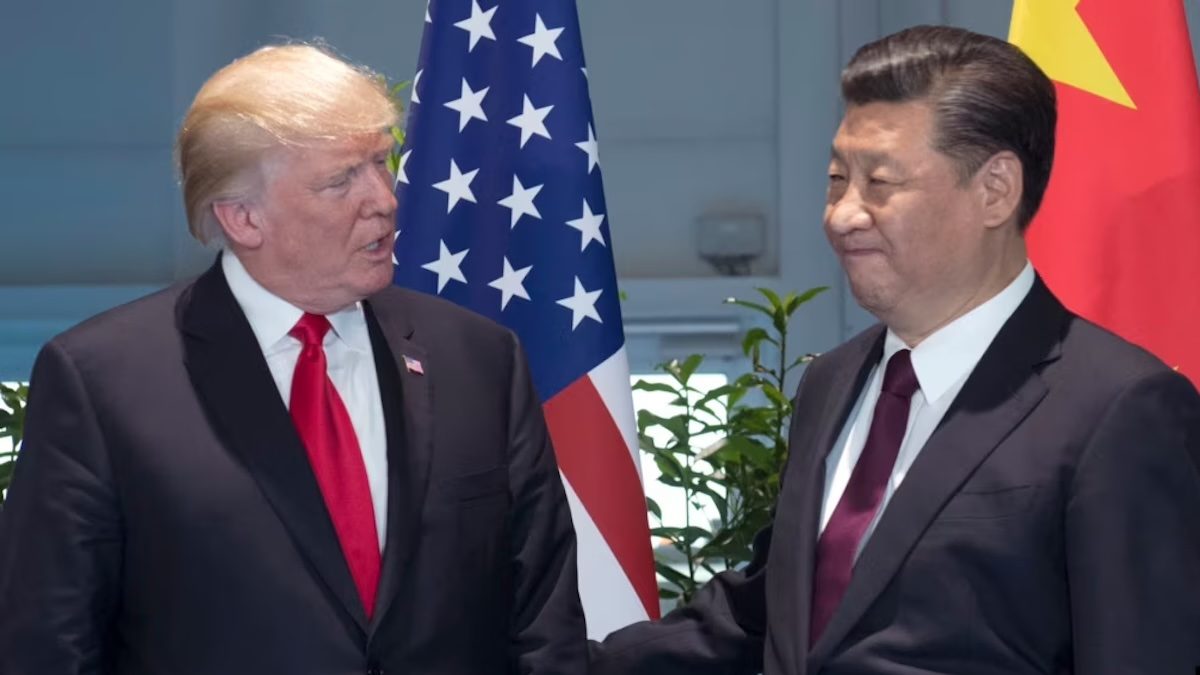
    Despite its rare appearance as a mediator, Pakistan possesses a historical record of facilitating significant diplomatic breakthroughs. Most notably, former President Gen. Yahya Khan enabled backchannel communications that led to President Nixon’s historic 1972 China visit, ultimately paving the way for normalized US-China relations. Pakistan also played crucial roles in the 1988 Geneva Accords and more recently facilitated talks between the Afghan Taliban and Washington that resulted in the 2020 Doha Agreement.

  • Recalibrating officials’ view of governance achievements

    Recalibrating officials’ view of governance achievements

    The Communist Party of China has initiated a comprehensive ideological campaign targeting bureaucratic mindset reform, emphasizing long-term governance achievements over short-term visible projects. This movement, launched in late February and extending through July 2026, represents the latest effort by President Xi Jinping to recalibrate how official performance is evaluated across China’s administrative system.

    The campaign centers on what Xi describes as “a correct understanding of what it means to perform well” – a governance philosophy prioritizing tangible improvements in public welfare rather than economic indicators or vanity projects. This approach traces back to Xi’s early career in the 1980s when, as Party chief of Ningde prefecture in Fujian province, he emphasized that even ensuring access to basic necessities like light bulbs and soap for remote communities constituted meaningful governance.

    Central to this initiative is the eradication of what Xi has condemned as misguided achievement views that often manifest as whitewashed village facades in newly脱贫 areas, statistical inflation, or “invoice-driven” GDP growth where local authorities create artificial economic activity through rebate schemes. Instead, officials are urged to adopt a truth-seeking, pragmatic approach focused on sustainable development that “stands up in practice, in the eyes of the people, and over the course of time.”

    The timing coincides with the opening year of China’s 15th Five-Year Plan (2026-2030), with Party theorists noting that fulfilling development goals will depend heavily on officials embracing proper governance achievement understanding. International observers like Eduardo Regalado of Cuba’s International Policy Research Center recognize this as a key concept in China’s new-era governance framework, potentially accelerating the country’s transition toward higher-quality, more equitable development.

    Parallel to mindset reform, Xi has emphasized strengthening institutional frameworks governing official conduct. The “three distinctions” principle protects officials who make errors with good reform intentions while distinguishing them from those deliberately violating discipline. Selection criteria now prioritize those demonstrating initiative, responsibility, and results recognized by both the Party and citizens.

    This philosophical shift extends to environmental and cultural preservation, where Xi has consistently emphasized long-term ecological security over short-term economic gains. Examples include halting a mining project in Fujian to protect archaeological sites and prioritizing Yangtze River environmental recovery despite its status as a vital economic artery.

    The campaign reflects China’s distinctive planning approach, where five-year plans serve as both metronomes and navigators of development. As analyst Alexander Davey notes, these plans provide crucial guidance for Party cadres on working priorities and achievement expectations, embodying what Xi characterizes as a “relay race” where each generation must strive to run its leg well in China’s national rejuvenation journey.

  • Hungarians’ growing anger at living in EU’s ‘most corrupt state’

    Hungarians’ growing anger at living in EU’s ‘most corrupt state’

    Hungarian Prime Minister Viktor Orbán faces unprecedented political vulnerability as widespread public anger over systemic corruption and economic hardship converges ahead of critical parliamentary elections. Despite official declarations portraying modest personal wealth, evidence suggests Orbán’s inner circle has accumulated extraordinary fortunes through state-connected enterprises, fueling popular discontent in what Transparency International ranks as the European Union’s most corrupt nation.

    The growing public frustration stems from perceived inequities in wealth distribution, with citizens enduring sluggish economic growth, soaring inflation rates, and deteriorating public services while government allies prosper. Political analyst Zoltan Ranschburg notes that the government’s narrative maintained credibility during periods of relative economic stability but has rapidly deteriorated amid prolonged financial pressures.

    Independent investigations reveal staggering financial impacts, with anti-corruption crusader Akos Hadhazy documenting approximately €2.84 billion annually drained from state coffers since 2016 through graft mechanisms. This systematic corruption has manifested through Orbán’s family connections, including his father’s transformation into a major business figure with luxurious estates worth hundreds of millions, and his son-in-law’s rapid ascent through EU-funded public lighting contracts later flagged for serious irregularities by the EU anti-fraud office OLAF.

    Perhaps most symbolically significant is the trajectory of childhood friend Lorinc Meszaros, who evolved from plumbing to becoming Hungary’s wealthiest individual with a $4.8 billion fortune built largely on public contracts across construction, energy, banking, and media sectors. Industry insiders confirm the rigged nature of Hungary’s procurement system, with one contractor revealing that tender outcomes are frequently predetermined, creating payment delays that cripple smaller businesses while connected elites flourish.

    The European Union has responded by freezing €19 billion in funds designated for Hungary, citing persistent corruption concerns and rule-of-law violations. Opposition leader Peter Magyar has capitalized on this discontent, campaigning on promises to recover blocked EU funds and investigate the wealth accumulation of current leadership families, presenting the most substantial electoral challenge to Orbán’s 16-year administration.

  • Singapore denies Malaysian scholar entry, calling her ‘undesirable visitor’

    Singapore denies Malaysian scholar entry, calling her ‘undesirable visitor’

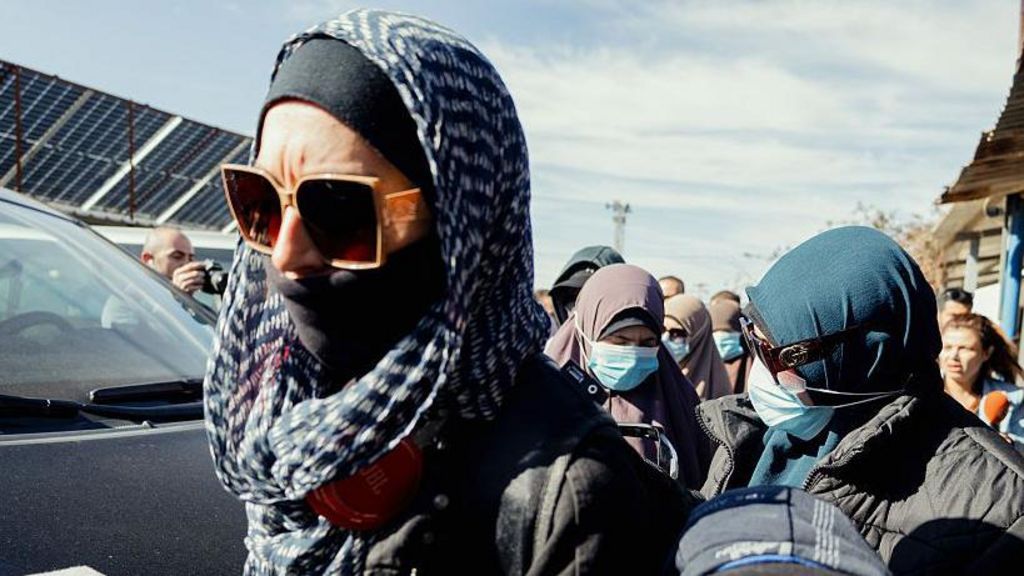
    Singaporean immigration authorities have barred Malaysian human rights advocate and scholar Fadiah Nadwa Fikri from entering the country, citing her political activism as grounds for exclusion. The Ministry of Home Affairs classified Fadiah as an “undesirable visitor” in an official statement released Friday, alleging she had encouraged Singaporean youth to embrace “radical advocacy” methods.

    The incident occurred when Fadiah attempted to enter Singapore to collect her PhD certificate from the National University of Singapore, where she graduated in January. She had also planned to deliver a guest lecture on her thesis, provide pet care for a friend, and retrieve personal belongings.

    According to documentation shared by Fadiah on social media platform X, immigration officials issued a formal refusal notice stating she was “ineligible for the issue of a pass under current immigration policies.” The scholar described the experience as “extremely distressing and outrageous,” characterizing the exclusion as “tantamount to a deliberate attack on my scholarly work.”

    The Ministry of Home Affairs elaborated that Fadiah had allegedly urged Singaporean youth to “go beyond protests” and pursue “disruptive and violent actions to support specific causes.” Authorities emphasized they “will not tolerate foreigners getting involved in our domestic politics, nor the promotion of unlawful, violent and disruptive methods of civil protest.”

    This incident reflects Singapore’s stringent approach to public demonstrations, which require police permits for any cause-related gatherings in public spaces. While the government maintains these regulations are essential for preserving peace and harmony in the compact city-state, critics argue they suppress freedom of expression and legitimate civil activism.

    The case follows similar exclusions, including last year’s denial of entry to Hong Kong pro-democracy activist Nathan Law, who was invited to a private conference in Singapore. In 2024, Singaporean courts acquitted three women charged with organizing an illegal procession after they staged a pro-Palestinian march, a cause Fadiah has vocally supported on social media.

  • Nepali rapper to be sworn in as new prime minister

    Nepali rapper to be sworn in as new prime minister

    In a historic political transformation, Balendra Shah—a 35-year-old rapper and reformist leader—is set to be sworn in as Nepal’s new prime minister on Friday. His rise follows a landslide electoral victory this month, fueled by a youth-driven movement demanding systemic change and an end to corruption.

    Shah, popularly known as Balen, broke his post-election silence not with a conventional speech, but through a powerful rap song calling for national unity. The track, released on social media and streaming platforms, has already amassed nearly three million views. Lyrics such as, “The strength of unity is my national power,” and “My heart is full of courage, my red blood is boiling,” resonate with a generation hungry for reform.

    His party, the Rastriya Swatantra Party (RSP), secured a commanding majority of 182 seats in the 275-member House of Representatives. Shah ran alongside RSP president Rabi Lamichhane, a former deputy prime minister and television personality, who remains a key figure in the new administration.

    The political upheaval comes six months after a deadly anti-corruption uprising in which at least 77 protesters were killed. The movement began in response to a temporary social media ban but quickly expanded into widespread demonstrations against economic hardship and governance failures.

    Outgoing caretaker Prime Minister Sushila Karki, a 73-year-old former chief justice, expressed confidence in the incoming government during her farewell address. She emphasized the need to combat corruption, foster economic development, and promote social justice, adding that the nation’s future now rests in the hands of its youth.

    A soon-to-be-released investigative report, commissioned by Karki’s administration, recommends prosecuting former Prime Minister KP Sharma Oli—a four-time Marxist leader defeated by Shah in his own constituency—as well as former Interior Minister Ramesh Lekhak and ex-police chief Chandra Kuber Khapung. The report cites negligent conduct and failure to prevent casualties during the crackdown on protesters, which resulted in numerous fatalities from bullet wounds, many to the chest or head.

  • How Russia’s threat forced Germany to radically rethink its military

    How Russia’s threat forced Germany to radically rethink its military

    In a dramatic shift from its post-war pacifist stance, Germany is undergoing the most significant military transformation in modern European history. General Carsten Breuer, commander of Germany’s armed forces, is spearheading an unprecedented expansion aimed at creating NATO’s most powerful conventional army by 2029.

    This strategic pivot responds to urgent warnings about Russia’s military buildup. Intelligence assessments indicate Russia is rapidly rebuilding its military capacity to nearly double its pre-Ukraine invasion strength, potentially enabling an attack on NATO territory within five years. “I’ve never experienced a situation which is as dangerous, as urgent, as it is today,” General Breuer stated during exercises near the Russian border.

    The scale of Germany’s rearmament is staggering. Military spending is projected to surge from €95 billion in 2025 to €162 billion in 2029, representing 5% of GDP—a remarkable increase from the 1.2% defense spending average maintained between 2007-2017. This financial commitment required constitutional changes to bypass Germany’s traditionally strict borrowing limits, a move considered revolutionary given the country’s historical aversion to debt stemming from Weimar-era hyperinflation trauma.

    Historical ghosts loom over this transformation. The 20th century witnessed Germany’s powerful armies devastating Europe, making current rearmament psychologically complex for both Germans and their neighbors. Yet paradoxically, Germany’s military presence in Lithuania—where troops are stationed permanently for the first time since Nazi occupation—has proven popular among local populations.

    This military expansion reflects broader geopolitical realignments. The Trump administration’s increasingly transactional approach to NATO, including Vice-President JD Vance’s Munich Security Conference speech questioning American commitment to European defense, has accelerated Germany’s push for “operational independence.” Confidence in US relations among Germans plummeted from 74% in 2024 to just 27% in 2025 following President Trump’s reelection.

    General Breuer emphasizes multilateral cooperation, consistently framing Germany’s military growth within NATO and EU frameworks. The strategy prioritizes developing indigenous capabilities in intelligence surveillance, drone technology, deep strike precision systems, and space assets to reduce dependence on American military suppliers.

    Recruitment has surged dramatically, with February applications increasing 20% year-over-year. The force expansion targets adding 60,000 professional soldiers supplemented by 200,000 reserves within a decade, potentially reviving conscription if volunteer numbers prove insufficient.

    As former Polish General Andrzek Falkowski noted, “German rearmament is good news for Poland, for Europe and for NATO.” This sentiment reflects a remarkable historical reversal where nations once devastated by German militarism now welcome its military leadership—provided it remains firmly embedded within multilateral structures.

    The transformation represents nothing less than the end of Germany’s post-war defense identity and the emergence of a new European security architecture where Germany assumes responsibility as what Polish officials have called Europe’s “indispensable nation.”

  • Nepal’s youngest prime minister takes the oath of office

    Nepal’s youngest prime minister takes the oath of office

    KATHMANDU, Nepal — In a historic political transition, 35-year-old Balendra Shah assumed office as Nepal’s youngest prime minister on Friday following his party’s decisive electoral triumph. The swearing-in ceremony, rich with cultural symbolism, occurred at precisely 12:34 p.m.—a time deemed astrologically auspicious by Hindu priests that also aligned with the numerological pattern “1-2-3-4.”

    Shah’s Rastriya Swatantra Party secured nearly two-thirds of the seats in the House of Representatives during the March 5 elections, prompting President Ram Chandra Paudel to formally appoint the political outsider to lead the government. The victory represents a dramatic shift in Nepal’s political landscape, coming months after youth-led protests toppled the previous administration in September.

    The elaborate inauguration incorporated both Hindu and Buddhist traditions, featuring ceremonial conch blowing (shankhnaad) and religious chanting by priests and lamas. The timing coincided with Ram Navami celebrations across the Himalayan nation, with Shah scheduled to enter his official office at 14:15 p.m.—another numerically significant time considered favorable.

    Shah’s ascent marks a significant departure from Nepal’s established political order. As a structural engineer and former rap artist who gained prominence as Kathmandu’s mayor, he now faces the formidable challenge of addressing widespread public dissatisfaction with traditional parties accused of corruption and chronic instability. His party’s overwhelming mandate—securing approximately two-thirds of the 275 seats in parliament’s lower house—reflects a dramatic public repudiation of the political status quo.

    Though not directly participating in the September uprising that resulted in dozens of casualties, Shah emerged as a vocal supporter of the predominantly Generation Z demonstrators. His administration now bears the responsibility of channeling this youth-driven momentum into tangible governance reforms in the nation of 30 million people, where religious and astrological traditions continue to profoundly influence public and political life.

  • Trump extends pause on striking Iranian energy plants by 10 days

    Trump extends pause on striking Iranian energy plants by 10 days

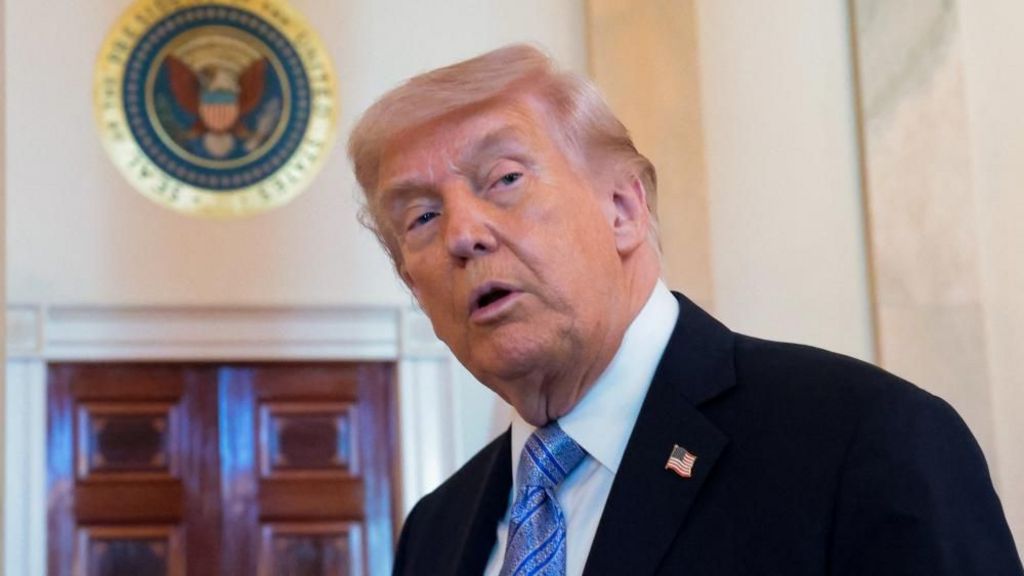
    In a significant diplomatic development, the United States has prolonged its temporary suspension of military actions against Iranian energy infrastructure by an additional ten days. President Donald Trump announced the extension via his Truth Social platform, setting a new deadline of April 6, 2026, at 8 PM Eastern Time for potential strikes.

    The decision comes amid ongoing indirect communications between the two nations, with Pakistan serving as the primary intermediary channel. Pakistani Deputy Prime Minister and Foreign Minister Mohammad Ishaq Dar confirmed his government’s role in facilitating these backchannel discussions.

    This extension follows an initial five-day pause announced earlier this week, which Trump characterized as resulting from ‘productive’ engagements with Iranian officials. However, Tehran has consistently denied any direct contact with Washington since the commencement of joint U.S.-Israel military operations against Iranian targets on February 28.

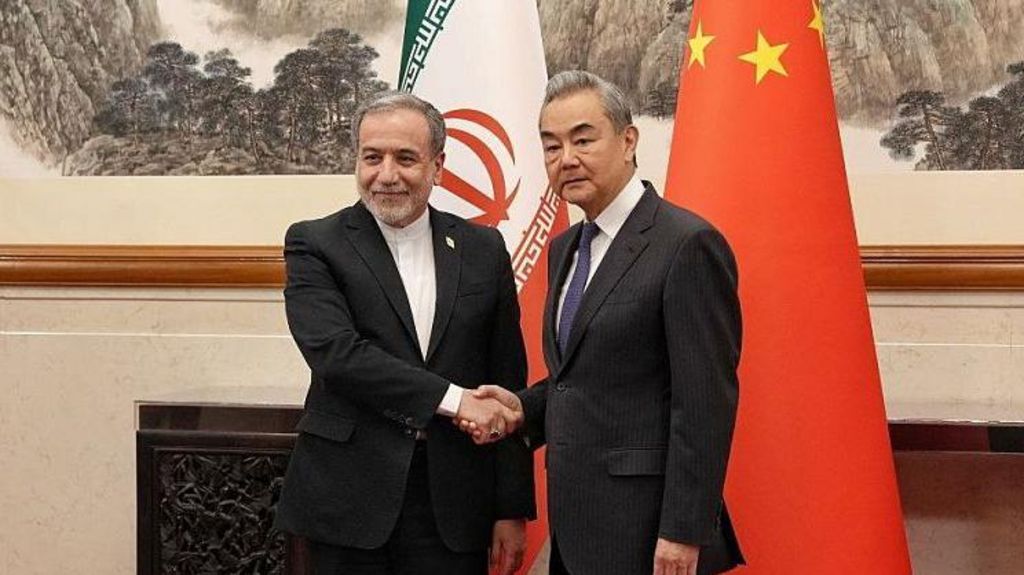
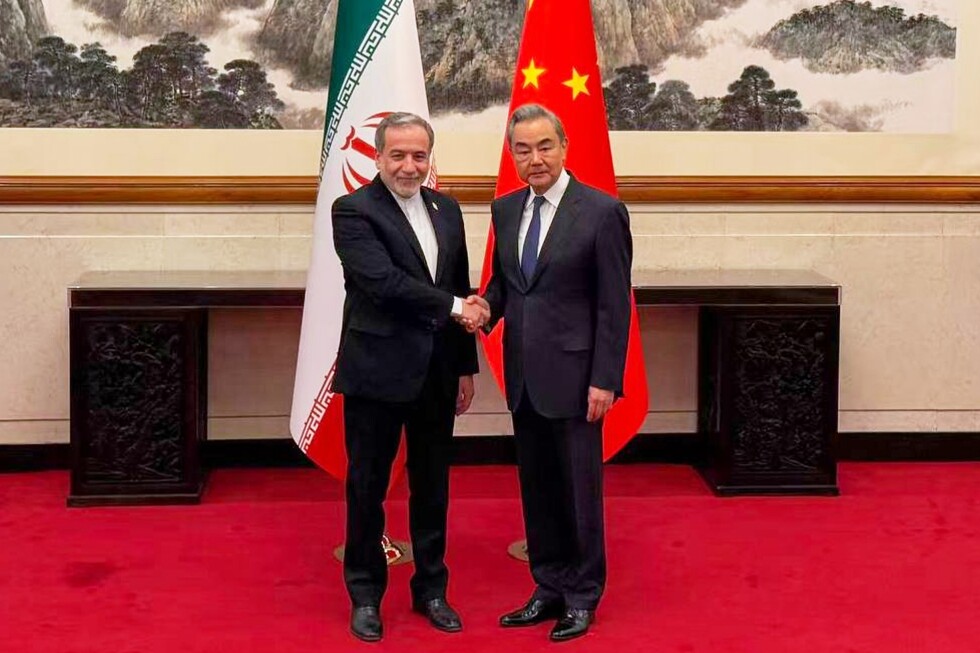
    Iranian Foreign Minister Seyed Abbas Araghchi acknowledged that messages have been exchanged through intermediaries in recent days but emphasized that no formal negotiations have occurred. The situation remains tense, with Tehran previously warning of regional retaliation should the United States follow through with its threats against Iranian energy facilities.

    The current standoff originated with President Trump’s 48-hour ultimatum demanding Iran fully reopen the strategic Strait of Hormuz, a critical global oil transit route. The extended pause suggests both sides may be seeking a diplomatic resolution to avoid further military escalation in the already volatile region.

  • Rubio will try to sell Iran war to skeptical G7 diplomats after Trump insults allies

    Rubio will try to sell Iran war to skeptical G7 diplomats after Trump insults allies

    U.S. Secretary of State Marco Rubio encountered a challenging diplomatic landscape Friday as he convened with Group of Seven counterparts in France, following President Donald Trump’s sharp criticisms of NATO allies regarding the Iran conflict. The gathering near Versailles occurred amidst heightened transatlantic tensions, with multiple European nations expressing deep reservations about American military strategy in the Middle East.

    President Trump’s Thursday cabinet meeting remarks questioning NATO’s value and expressing disappointment in alliance members’ reluctance to support U.S. operations in Iran created additional complications for Rubio’s diplomatic mission. Of the G7 member nations, only Japan stands outside the NATO framework, while Britain, Canada, France, Germany and Italy all belong to the transatlantic military alliance.

    The Secretary of State’s mission to build consensus faces multiple obstacles beyond the Iran situation. European partners remain concerned about earlier U.S. demands regarding Greenland’s transfer from Denmark and seek reassurance about continued American support for Ukraine against Russian aggression. These existing tensions are now compounded by differences over Middle Eastern strategy.

    Trump specifically criticized NATO countries for not assisting with securing the Strait of Hormuz, where Iranian actions have disrupted oil shipments and driven energy prices upward. The president asserted that the U.S. protects NATO members from Russia without reciprocal protection, adding that he never believed the alliance was necessary and had previously been ‘doing a test.’

    Despite these challenges, Rubio struck an optimistic tone before departing Washington, expressing anticipation for ‘great meetings’ with world leaders. He later emphasized on social media that the discussions would address shared global security concerns, particularly regarding the Middle East and Russia-Ukraine conflict.

    NATO Secretary-General Mark Rutte had earlier noted increased defense spending by member states, acknowledging European and Canadian overreliance on U.S. military capability while highlighting a developing ‘shift in mindset.’ Rutte confirmed NATO’s recognition of Iran’s threatening missile programs and nuclear ambitions, characterizing U.S. actions as degrading those capabilities.

    French military leadership expressed particular concern about the lack of consultation before American military engagements. General Fabien Mandon, chief of the French defense staff, noted that allies were surprised by U.S. decisions to intervene without notification, affecting European security interests. Nevertheless, France has organized multilateral talks involving 35 nations to address reopening the Strait of Hormuz once hostilities diminish.

    German Foreign Minister Johann Wadephul echoed the need for stability, emphasizing that support for Ukraine must not waver during the Iran conflict. He advocated for developing a joint position that would ensure sustainable conflict resolution, Hormuz security, and continued restraint of Iranian regional influence.

  • Former US soldiers argue Israeli policy is now guiding US interests

    Former US soldiers argue Israeli policy is now guiding US interests

    A coalition of retired U.S. military personnel has issued a stark warning about extensive Israeli influence shaping American military strategy, particularly concerning the ongoing conflict with Iran that has already claimed American lives. The veterans allege this foreign guidance has directly compromised national security and resulted in unnecessary casualties.

    Thirteen U.S. service members have been officially recognized as killed since operations commenced on February 28, though veterans suggest the actual toll may be significantly higher. They point to overwhelmed military hospitals in Germany as indication of unacknowledged casualties. President Trump’s acknowledgment of inevitable wartime losses has been met with criticism, particularly after his administration restricted media access to ceremonies honoring returning casualties.

    The veterans identify a devastating strike on an elementary school in Minab, Iran, as emblematic of problematic intelligence sharing. The attack, which resulted in 165 fatalities predominantly among children, was reportedly conducted based on Israeli intelligence. Former Green Beret Anthony Aguilar confirmed the intelligence origin during a National Press Club address, noting the building had served as a school since 2016.

    Retired Air Force Chief Master Sergeant Dennis Fritz articulated a broader perspective: “We have always been part of the master plan in the taking over of the Middle East on behalf of Israel, starting with Iraq. Our personnel believed they were fighting for America, but were ultimately betrayed into serving another nation’s interests.”

    Analysts suggest dual motivations drive U.S. policy. While Washington maintains independent strategic interests in neutralizing Iranian military capabilities, it operates in close coordination with Israeli objectives. This alliance remains officially prioritized, with Congress consistently recognizing Israel as America’s paramount regional partner.

    The influence of political financing mechanisms, particularly through organizations like AIPAC, has created substantial pressure on policymakers to maintain unwavering support for Israeli interests. This dynamic persists despite growing questioning among conservative factions regarding the special relationship’s strategic value.

    Military culture itself has been shaped by this alliance, with war strategy expert Michael Vlahos noting: “Israeli forces have cultivated a mythic reputation among American officers through cross-training programs that have fundamentally influenced U.S. tactical approaches and institutional attitudes.”

    The veterans concluded that perpetual instability serves strategic objectives, enabling continuous military engagement. As former Marine special operations officer Ivan Ingraham stated: “We require instability to project the power we espouse. This endless cycle ultimately uses our military personnel as pawns in illegal conflicts.”