分类: politics

  • Japan defense minister ‘regrets’ Chinese embassy break-in

    Japan defense minister ‘regrets’ Chinese embassy break-in

    Japan’s Defense Minister Shinjiro Koizumi has characterized a recent security breach at the Chinese embassy in Tokyo as “deeply regrettable” during a press briefing held on Friday morning. The incident involved an active-duty officer from Japan’s Ground Self-Defense Forces (SDF) who unlawfully entered the diplomatic compound on Tuesday.

    The identified individual, reported to be second lieutenant Kodai Murata, scaled the embassy’s perimeter wall and gained unauthorized access to the premises. During the intrusion, the officer allegedly made threats against Chinese diplomatic personnel while invoking religious references. Japanese authorities have confirmed Murata’s arrest and subsequent transfer to prosecutors on Thursday, facing charges of illegal entry.

    Minister Koizumi emphasized that SDF personnel are expected to maintain the highest standards of discipline and legal compliance. He assured that once all factual details are thoroughly investigated, appropriate disciplinary measures will be implemented. The incident occurs amid ongoing diplomatic relations between Tokyo and Beijing, though officials have not suggested any connection to broader bilateral tensions.

    The Chinese embassy compound, located in Tokyo’s diplomatic district, has maintained heightened security protocols following the breach. Both Japanese and Chinese authorities are coordinating through appropriate diplomatic channels to address the incident while maintaining standard diplomatic protocols.

  • US boots on the ground looming darkly over Iran

    US boots on the ground looming darkly over Iran

    The United States’ military strategy against Iran has reached a critical juncture where aerial supremacy alone proves insufficient for achieving decisive victory. Historical patterns from the Gulf War to anti-ISIS campaigns demonstrate that air power, while effective for targeted strikes and infrastructure degradation, consistently fails to produce regime change or lasting resolution.

    Current operations against Tehran have successfully eliminated key political figures and impaired missile capabilities, yet Iran’s deliberately decentralized military architecture has withstood these precision attacks. The Islamic Republic maintains operational capacity to launch assaults against US-allied neighbors and strategically disrupt vital shipping lanes through the Strait of Hormuz.

    This tactical stalemate has forced Washington policymakers to confront an uncomfortable question: if aerial bombardment cannot force surrender, what alternative remains? The emerging answer points toward ground deployment—not necessarily full-scale invasion but potentially targeted operations against critical infrastructure like Kharg Island, through which 90% of Iran’s oil exports flow.

    Special operations units—Navy SEALs, Delta Force, and Green Berets—present politically palatable intermediate options between air strikes and full invasion. Their tactical flexibility and perceived deniability make them attractive to military planners, though historical precedents like Operation Eagle Claw’s catastrophic failure in 1980 serve as sobering reminders of operational risks.

    The recent deployment of Marine Expeditionary Units to the Persian Gulf signals escalating capabilities rather than immediate invasion intent. These 2,500 troops with amphibious assets represent tools for controlled escalation while diplomatic channels remain theoretically open.

    Geopolitical complications abound regarding any ground engagement. Iran’s coastline features sophisticated defensive networks including radar systems, mobile missile batteries, and naval assets optimized for asymmetric warfare. Even successful seizure of territory would initiate prolonged occupation challenges, with Iran’s harsh terrain, larger population, and cohesive political structure presenting greater difficulties than those encountered in Iraq.

    The ultimate escalation—full-scale invasion—would require troop commitments dwarfing the 2003 Iraq campaign, with daunting logistical demands and uncertain regional support. Victory would merely begin a longer struggle, as Iran’s complex ethnic and religious landscape would complicate any stabilization effort.

    This conflict embodies fundamental asymmetry: America seeks measurable outcomes while Iran pursues survival through endurance. The discussion now centers not on whether ground troops are desirable, but whether they have become unavoidable as the conflict enters its fourth week—with historical patterns suggesting that limited engagements often expand into prolonged commitments once boots touch ground.

  • Trump delays Iran power plant strike threat until April 6

    Trump delays Iran power plant strike threat until April 6

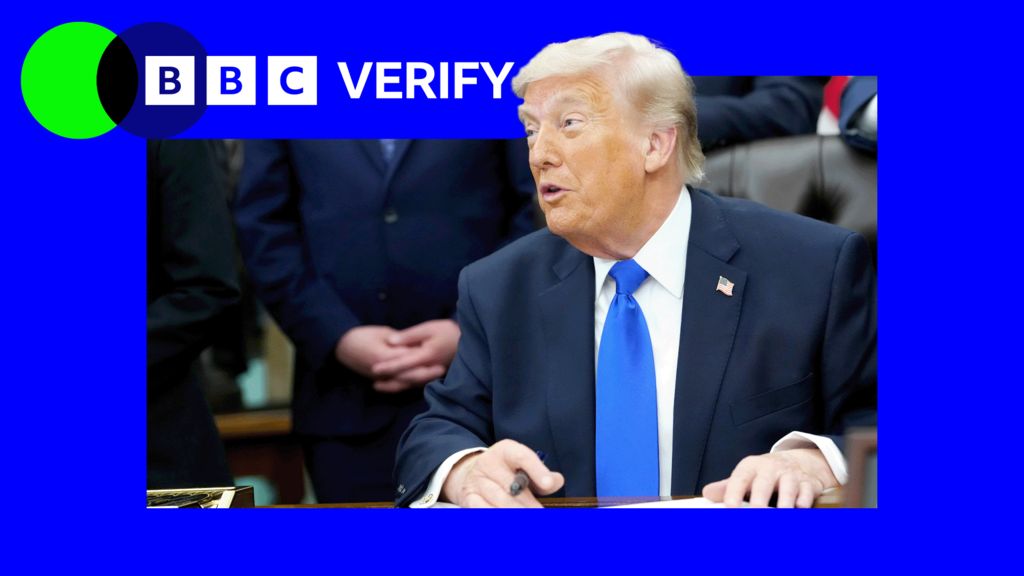
    Former President Donald Trump has postponed potential U.S. military strikes against Iranian energy infrastructure until April 6, 2026, marking the second extension of his initial 48-hour ultimatum. The decision comes amid mounting international criticism and concerns about market instability following Trump’s threats to target civilian power plants.

    Through his Truth Social platform, Trump announced the 10-day extension, asserting that negotiations with Iran were progressing favorably despite contradictory reports from media outlets. This development follows his original Saturday night declaration that the U.S. would “hit and obliterate” Iranian power facilities if Tehran failed to reopen the Strait of Hormuz without conditions within 48 hours.

    The threat prompted significant market reactions, with S&P experiencing its largest decline since the onset of the Iran conflict. Financial markets showed volatility as Trump’s announcements coincided with trading closures.

    International organizations and human rights advocates have condemned the proposed strikes as potential war crimes. Jan Vande Putte, a nuclear and radiation protection expert with Greenpeace International, warned that attacking civilian electricity infrastructure violates international law and could trigger a Fukushima-scale nuclear disaster at the Bushehr facility by forcing reliance on backup diesel generators.

    Amnesty International’s Erika Guevara-Rosas characterized Trump’s threats as “dangerous and deeply irresponsible,” emphasizing that intentionally targeting essential civilian infrastructure would constitute a violation of international humanitarian law. Such actions could deprive millions of civilians of basic human rights to water, healthcare, and adequate living standards.

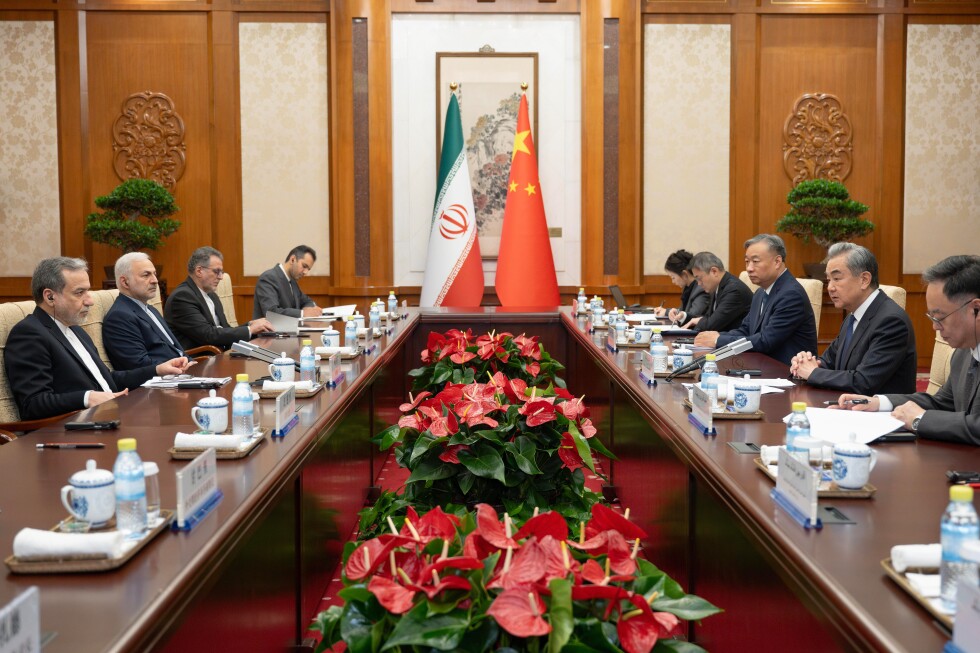
    Diplomatic channels remain active despite contradictory statements from both sides. Pakistani and Egyptian mediators have reportedly facilitated communication, though Iranian Foreign Minister Abbas Araghchi denied direct negotiations. Iran has presented five conditions for conflict resolution, including cessation of assassinations, war reparations, and recognition of Iranian sovereignty over the Strait of Hormuz.

    Domestically, pressure mounts on Congressional Democrats to force a war powers resolution vote before a scheduled two-week recess, with concerns that Trump might pursue a ground invasion of Iran without legislative intervention.

  • DPRK, Belarusian leaders hold talks, sign cooperation agreements

    DPRK, Belarusian leaders hold talks, sign cooperation agreements

    In a significant diplomatic development, North Korean leader Kim Jong-un and Belarusian President Alexander Lukashenko concluded high-level talks in Pyongyang on Thursday, resulting in the signing of multiple bilateral cooperation agreements. The meeting, which marked Lukashenko’s first official visit to the Democratic People’s Republic of Korea, spanned two days and focused on strengthening ties between the two nations.

    The discussions between Kim Jong-un, who serves as both General Secretary of the Workers’ Party of Korea and President of the State Affairs of the DPRK, and his Belarusian counterpart addressed comprehensive plans for enhanced bilateral engagement. The leaders explored arrangements for future high-level exchanges between their governments and conducted detailed deliberations on international and regional matters of mutual interest.

    Following their extensive negotiations, the two parties formalized their cooperation through the signing of agreements covering multiple sectors. The comprehensive package includes frameworks for collaboration in diplomatic affairs, information sharing, agricultural development, educational exchanges, and public health initiatives. These accords represent a substantial expansion of the bilateral relationship beyond previous levels of engagement.

    The timing and scope of these agreements suggest a strategic calculation by both nations to strengthen international partnerships amid ongoing global geopolitical tensions. The inclusion of information and diplomatic cooperation components indicates potential alignment on international policy positions, while the agricultural and health agreements point to practical economic and developmental cooperation.

    This diplomatic engagement represents one of the most significant international visits received by North Korea in recent years and underscores Belarus’s continued outreach to nations outside traditional Western diplomatic circles. The outcomes of this meeting likely signal both countries’ intentions to develop alternative international partnerships and economic cooperation channels.

  • US Senate votes to fund most of Homeland Security to end airports chaos – but ICE excluded

    US Senate votes to fund most of Homeland Security to end airports chaos – but ICE excluded

    The U.S. Senate has unanimously voted to terminate a protracted 40-day partial government shutdown by approving funding legislation for the Department of Homeland Security (DHS), though notably excluding immigration enforcement agencies from the measure. This decision came in the early hours of Friday following intense political negotiations.

    The funding lapse, lasting nearly six weeks, triggered severe operational disruptions at airports nationwide. Approximately 50,000 Transportation Security Administration (TSA) officers, operating under DHS jurisdiction, had been working without pay since mid-February. This financial strain resulted in widespread absenteeism and hundreds of resignations, critically hampering security operations.

    At Houston Airport, the consequences became visibly apparent as travelers endured hours-long security queues. A BBC correspondent documented how exhausted passengers navigated a winding two-hour line across one terminal level, only to discover upon reaching an escalator that another extensive queue awaited them at security checkpoints. Airport authorities confirmed operating at merely 33-50% of normal TSA screening capacity.

    The political deadlock centered on Democratic demands for immigration enforcement reforms. Democrats insisted any funding agreement must include measures such as eliminating facial coverings for ICE personnel, prohibiting racial profiling practices, and mandating judicial warrants for property entries. These demands followed controversial ICE operations in Minneapolis that resulted in fatal shootings earlier this year.

    Shortly before the Senate vote, President Donald Trump announced via Truth Social his intention to issue an executive order ensuring immediate payment to TSA agents. Senate Majority Leader John Thune criticized Democrats for creating the impasse, stating Republicans had to fund DHS through piecemeal legislation rather than comprehensive funding. Conversely, Minority Leader Chuck Schumer emphasized Democratic commitment to preventing “blank checks for a lawless ICE and border patrol.”

    The approved package includes funding for TSA, Coast Guard, and FEMA operations. The legislation now advances to the House of Representatives for final approval, with stakeholders hoping to swiftly resolve the airport crises caused by critical staffing shortages.

  • G7 allies press Rubio on US Iran plans

    G7 allies press Rubio on US Iran plans

    At the G7 foreign ministers’ gathering outside Paris, allied nations intensified their pressure on U.S. Secretary of State Marco Rubio for detailed explanations regarding American strategy toward Iran, nearly one month into the escalating Middle Eastern conflict. The meeting, held at the historic Vaux-de-Cernay Abbey, convened top diplomats from the world’s leading industrialized democracies amid growing international anxiety over economic repercussions from Iran’s blockade of the Strait of Hormuz.

    German Foreign Minister Johann Wadephul emphasized the necessity for allied coordination, stating ahead of discussions that partners required clear understanding of “how the U.S. will proceed” in the ongoing confrontation that commenced with February airstrikes resulting in the death of Iranian Supreme Leader Ali Khamenei. Despite repeated assertions from President Donald Trump regarding ongoing negotiations with Tehran, specifics remain conspicuously absent from Washington’s communications.

    The economic implications of Iran’s strategic closure of the vital maritime passage have reverberated across global markets, with oil prices surging and commercial vessels accumulating at the energy transit chokepoint. U.K. Foreign Minister Yvette Cooper articulated collective concerns, emphasizing that “Iran cannot be able to just hold the global economy hostage” through control of international shipping routes.

    Secretary Rubio, undertaking his first international journey since hostilities began, maintained before departure that securing reopened access to the Strait represented a fundamental “interest” for all G7 members. Regarding diplomatic channels with Iran, he acknowledged progress through intermediary nations facilitating communication exchanges.

    In a notable departure from standard diplomatic protocol, the meeting concluded without issuing a joint communiqué—a telling indication of policy divergences between the United States and its traditional allies. Instead, the French presidency arranged for a singular statement reflecting discussions.

    The assembly additionally addressed continued support for Ukraine amid Russian aggression, with European ministers ensuring the conflict remained prioritized within multilateral agendas. France’s orchestration of the event included expanded participation from emerging economies, with invitations extended to diplomatic representatives from Brazil, India, Saudi Arabia, and South Korea.

    Controversy emerged regarding summit invitations when South African leadership alleged American pressure to exclude President Cyril Ramaphosa from upcoming June meetings in Évian. French officials categorically denied yielding to external influence, clarifying that Kenya—not South Africa—had received invitation to the forthcoming gathering.

  • US Congress faces heat to end funding shutdown

    US Congress faces heat to end funding shutdown

    WASHINGTON — A critical funding impasse over immigration enforcement policies has plunged the United States Congress into a severe crisis, with the 41-day government shutdown now threatening to paralyze the nation’s aviation security apparatus. The stalemate, which has left Transportation Security Administration (TSA) employees working without pay since mid-February, is escalating toward potential airport closures as absentee rates among unpaid screeners reach critical levels.

    Legislative efforts to break the deadlock appeared destined for failure on Thursday. Senate Republicans proposed funding the TSA and most Department of Homeland Security operations while deliberately excluding resources for Immigration and Customs Enforcement (ICE) removal operations. Democrats immediately rejected the measure as insufficient, demanding additional constraints on immigration enforcement agencies.

    The human toll of the political standoff was starkly illustrated during Wednesday’s House hearing, where acting TSA administrator Ha Nguyen McNeill described federal employees facing eviction notices, mounting debt, and even resorting to plasma donation to cover basic expenses. ‘This is a dire situation,’ McNeill testified, revealing that nationwide callout rates had surged to 11% as financially strained employees skip work.

    The administrator issued an unprecedented warning that the agency may soon face ‘very difficult choices’ about which airports to keep operational if the situation deteriorates further. The funding expiration on February 13 has created the longest homeland security funding gap in modern history, coinciding with Congress’s planned spring recess that begins this weekend.

    Political recriminations have intensified as travel disruptions mount. Former President Donald Trump accused Democrats of wanting ‘our country to fail’ in a social media post, while Senate Minority Leader Chuck Schumer countered that Republicans had ‘blocked TSA funding nine times’ and were ‘solely responsible for the chaos.’

    The fundamental disagreement stems from Democratic demands for immigration enforcement reforms following the January fatal shootings of two citizens by federal agents in Minneapolis. Republicans have repeatedly rejected these demands, creating a policy chasm that shows no signs of narrowing despite the escalating consequences for national security and transportation infrastructure.

  • China warns against Japan’s neo-militarism

    China warns against Japan’s neo-militarism

    China’s Defense Ministry has issued a stern condemnation of a serious security breach at its Tokyo embassy, characterizing the incident as symptomatic of Japan’s dangerous drift toward neo-militarism and far-right extremism. The diplomatic violation occurred when an active-duty officer from Japan’s Ground Self-Defense Force illegally entered the Chinese embassy compound on Tuesday, reportedly making death threats against diplomatic personnel.

    Defense Ministry spokesman Jiang Bin addressed the incident during a regular press briefing on Thursday, identifying the perpetrator as Kodai Murata, who has since been transferred to prosecutors by Tokyo’s Metropolitan Police Department. Jiang demanded Japan conduct immediate and thorough investigations while implementing appropriate punishments for the officer’s actions.

    The embassy intrusion forms part of a broader pattern of concerning developments that Beijing claims demonstrate Japan’s accelerating rightward shift. Jiang highlighted several alarming trends, including Japan’s ongoing revision of national security documents, expansion of offensive military capabilities, and even discussions about potentially acquiring nuclear weapons.

    These developments coincide with Japan’s recent major organizational overhaul of its Self-Defense Forces, which included restructuring maritime forces, expanding space units, and establishing new intelligence capabilities. Additionally, Japan’s recent acquisition of battlefield cruise missiles from the United States signals growing military ambitions that extend beyond defensive purposes.

    Jiang specifically responded to recent statements by Japanese Prime Minister Sanae Takaichi, who characterized the regional security environment as the most complex since World War II, citing military developments in China and North Korea, plus cooperation between Russia, China, and the DPRK. Takaichi emphasized Japan’s need to prepare for “new fighting styles” involving advanced drone warfare and prolonged conflicts.

    The Chinese spokesman rejected these justifications as “groundless and ill-intentioned,” accusing Japan of using external threats to divert domestic tensions, mislead the international community, and advance remilitarization agendas. Jiang emphasized that Japan has yet to fully reckon with its history of aggression against neighboring nations.

    China now calls upon the international community to unite against what it terms Japan’s “dangerous moves” that threaten regional peace and stability. The Chinese defense spokesman urged peace-loving nations worldwide to curb the resurgence of neo-militarism in Japan and safeguard regional security along with people’s wellbeing.

  • Staying the Course and Jointly Creating a Better Future

    Staying the Course and Jointly Creating a Better Future

    In a landmark address at the Boao Forum for Asia Annual Conference 2026, China’s top legislator Zhao Leji articulated a comprehensive vision for regional cooperation and global governance amidst growing international tensions. Speaking on March 26 in Hainan province, the Chairman of the Standing Committee of China’s National People’s Congress emphasized the critical importance of solidarity and collaboration in addressing contemporary global challenges.

    The forum, celebrating its 25th anniversary, has evolved into a significant platform for fostering dialogue and mutual understanding across Asia and beyond. This year’s theme, ‘Shaping a Shared Future: New Dynamics, New Opportunities, New Cooperation,’ reflects the urgent need for coordinated action in the face of escalating geopolitical conflicts, rising protectionism, and resurgent hegemonic practices.

    Chairman Zhao highlighted President Xi Jinping’s visionary framework for international relations, including the concept of a community with a shared future for humanity and four major global initiatives covering development, security, civilization, and governance. These proposals offer strategic direction for navigating the complex transformation currently reshaping the world order.

    The address outlined four fundamental pillars for future cooperation: First, establishing peace and tranquility through dialogue and consultation rather than conflict. Second, promoting win-win cooperation by advocating for inclusive economic globalization and maintaining stable supply chains. Third, ensuring fairness and justice by upholding true multilateralism and the UN-centered international system. Fourth, building mutual respect and trust through cultural exchange and rejection of civilizational conflict.

    China’s economic achievements formed a substantial part of the presentation, with the country maintaining an average annual growth rate of 5.4% over the past five years, reaching an economic scale exceeding RMB 140 trillion. With per capita GDP surpassing US$13,000, China continues to drive approximately 30% of global growth.

    The recently approved 15th Five-Year Plan outlines China’s commitment to high-quality development and further opening-up policies. Zhao detailed four key areas of focus: expanding domestic demand through China’s massive consumer market, pursuing innovation-driven development particularly in AI and quantum technology, deepening international cooperation through free trade agreements, and improving the business environment through comprehensive legal reforms.

    The speech concluded with an invitation to collaborative action, referencing China’s hosting of the 33rd APEC Economic Leaders’ Meeting in Shenzhen and calling for united efforts to build a better future for Asia and the world.

  • South Africa’s exclusion from G7 summit no surprise, says Ramaphosa

    South Africa’s exclusion from G7 summit no surprise, says Ramaphosa

    South African President Cyril Ramaphosa has publicly dismissed suggestions that his country suffered a diplomatic snub following reports of a withdrawn invitation to the upcoming G7 summit in France. Speaking to reporters, Ramaphosa emphasized that as a non-member nation, South Africa’s absence from the elite gathering should not be interpreted as a slight.

    The controversy emerged when multiple sources reported that the United States had exerted substantial pressure on French authorities to rescind Ramaphosa’s invitation. According to these reports, President Donald Trump had allegedly threatened to boycott the summit entirely if the South African leader attended. However, both French and American officials have denied these claims.

    France, which currently holds the G7 presidency, has instead extended invitations to four non-member nations: South Korea, India, Brazil, and Kenya. French officials described this selection as part of ongoing efforts to address global economic imbalances through broader international engagement.

    Vincent Magwenya, spokesperson for the South African presidency, initially contradicted Ramaphosa’s position, stating that sustained U.S. pressure had indeed led to the invitation’s withdrawal. He noted that French President Emmanuel Macron had personally extended the invitation to Ramaphosa during last year’s G20 summit in Johannesburg.

    The situation highlights the increasingly complex relationship between South Africa and the United States, which has deteriorated significantly since President Trump took office. Tensions have escalated over multiple issues including trade policies, diplomatic approaches, and South Africa’s land reform initiatives. Trump has been openly critical of Ramaphosa’s administration, particularly regarding its treatment of the country’s white minority population.

    In a related development, South Africa recently summoned newly appointed U.S. Ambassador Brent Bozell to address what officials termed ‘undiplomatic remarks’ about Pretoria’s racial policies and judicial decisions. Although Bozell subsequently expressed respect for South Africa’s independent judiciary, the incident further strained bilateral relations.

    Despite these diplomatic challenges, South African officials maintain that relationships with other Western nations, particularly France, remain strong and unaffected by the G7 invitation controversy.