分类: politics

  • Who’s eligible for the ‘Anti-Weaponisation Fund’? Trump’s critics think they might be

    Who’s eligible for the ‘Anti-Weaponisation Fund’? Trump’s critics think they might be

    What was framed as a redress fund for people harmed by what the current U.S. Justice Department calls improper political weaponization of law enforcement has quickly erupted into a national political firestorm, as high-profile critics of former President Donald Trump have stepped forward to announce they will pursue claims against the fund — upending widespread assumptions that the pot of money was intended exclusively for Trump allies.

    Acting Attorney General Todd Blanche first announced the $1.8 billion fund as part of a settlement agreement with Trump over the unauthorized leak of his personal tax returns to the press. From the outset, Blanche emphasized that the fund was built to compensate people harmed by unlawful government targeting. In a explanatory memo sent to skeptical Republican senators, Blanche justified the massive size of the fund by noting that “literally tens of millions of Americans were subjected to improper and unlawful government targeting,” adding that no partisan barrier would block claims: “there is no partisan restriction; Democrats can submit claims, too.”

    But the broad wording of the fund’s eligibility rules has created an unexpected scenario: the first high-profile figures to publicly announce their intention to file claims are some of Trump’s most vocal political opponents, starting with Michael Cohen, Trump’s one-time personal fixer who turned on his former boss and testified against him in two separate high-profile criminal trials.

    “After years of being smeared, surveilled, financially exposed, imprisoned, and silenced, I will file a claim asking whether America’s justice system became America’s political weapon,” Cohen wrote in a post on the social platform X.

    Cohen has a long and fraught history with the legal system: he pleaded guilty to a slate of charges including lying to Congress, tax evasion, illegal campaign finance violations, and bank fraud in 2018. He was briefly released from prison early at the height of the COVID-19 pandemic in 2020, but was rearrested shortly after, before a federal judge ultimately ordered his release, finding the government had improperly retaliated against him for preparing to publish a tell-all book critical of Trump. Trump and his legal team, which includes Blanche during Trump’s ongoing Manhattan criminal trial, have repeatedly questioned Cohen’s credibility, pointing to his prior conviction for lying to federal investigators.

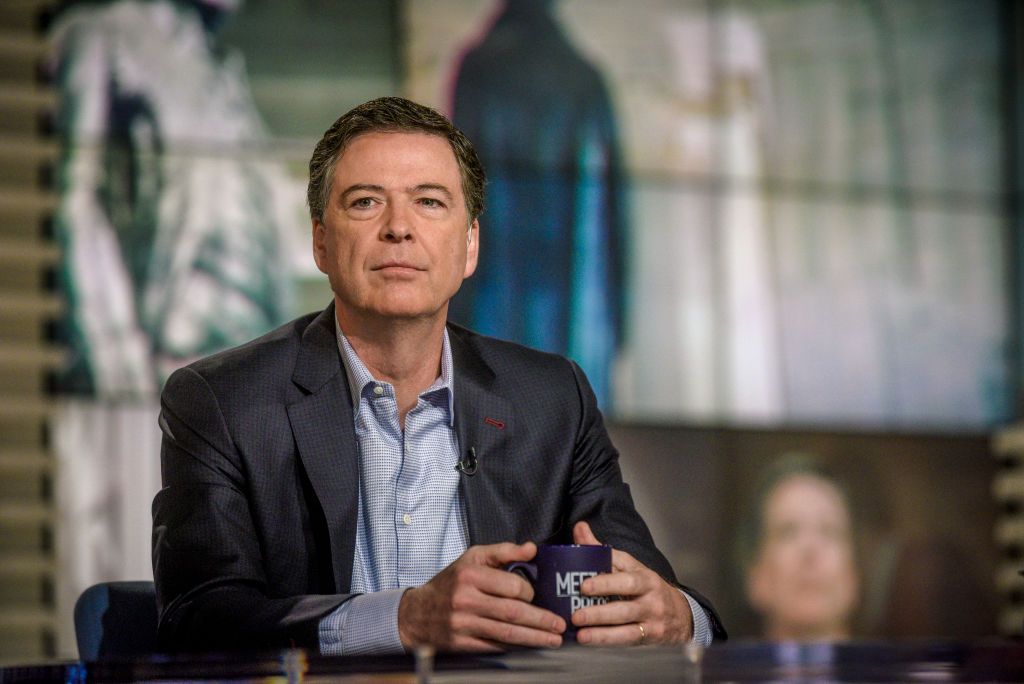
    Cohen is far from alone. Former FBI Director James Comey, who was twice indicted by the current Justice Department over cases that multiple legal experts have described as legally questionable, confirmed to CNN that he also intends to join the line for compensation. Comey, who was fired by Trump in 2017 and has been a public critic of the former president ever since, noted that the fund was explicitly created to compensate people targeted for political, personal, or ideological reasons. “So I’m guessing, I’ll be in line,” Comey said, adding a pointed jab: “I hope I’ll be ahead of those who savagely beat police officers and sacked the Capitol.”

    Comey’s first indictment was ultimately dismissed by a judge, who sided with his legal team’s argument that the prosecution was driven by improper retaliation. A second pending case accuses Comey of threatening the president via a social media post that showed seashells arranged to spell “86 47” — a reference to removing Trump from office, a reference that Comey’s team calls a harmless political joke. Blanche has defended the new charges, arguing that any threat against a sitting U.S. president must be treated as a serious matter.

    Other prominent Trump critics have also joined the push for compensation. Allison Gill, the political commentator behind the popular “Mueller, She Wrote” podcast and X account, says she will file a claim for $8.647 million, alleging she lost her government job after the Trump administration retaliated against her for the content of her criticism-focused podcast.

    To date, the Department of Justice has declined to respond to requests for comment or clarification on whether high-profile figures like Cohen, Comey, and Gill actually meet the fund’s eligibility requirements.

    The opaque structure of the fund has already drawn widespread criticism from both sides of the aisle. Initial assumptions that the fund would primarily deliver payouts to hundreds of people convicted for their roles in the January 6, 2021 Capitol riot — a group Trump pardoned on his first day back in office — have proven partially correct: multiple people charged in connection with the attack have told U.S. media they hope to receive compensation, and several conservative Trump-aligned figures have already filed claims. Michael Caputo, a first-term Trump administration official who was targeted in the 2016 Russian interference investigation, has already publicly posted his claim for $2.7 million in damages.

    Bipartisan groups of lawmakers, including many members of Congress who were forced to evacuate and hide during the January 6 riot, have demanded Blanche release clear details on who qualifies for payouts. The settlement agreement explicitly bars Trump and his immediate family from receiving any money from the fund, but that has done little to ease concerns.

    A closed-door meeting between Blanche and Senate Republicans on Thursday turned tense, multiple media outlets reported, with many lawmakers voicing strong opposition to the fund. Pennsylvania Republican Representative Brian Fitzpatrick has already sent a formal letter to Blanche asking for clear answers on whether “individuals convicted of federal crimes associated of acts of violence” will be allowed to receive payouts. Fitzpatrick has also introduced bipartisan legislation with New York Democrat Tom Suozzi that would block any federal money from being used to pay out claims from the fund.

    Blanche has pushed back against claims from Democratic lawmakers that the fund is nothing more than an unauthorized “slush fund” for Trump allies, working to reassure wavering Republican senators that their opposition would not derail other administration priorities. Senate Republican Majority Leader John Thune has publicly stated he is “not a big fan” of the fund, though some conservative Republicans have come out in support of the initiative. Alabama Senator Tommy Tuberville defended the fund on the Senate floor, arguing that “hundreds” of “innocent patriotic Americans sat behind bars for the past five years over this made-up witch hunt” connected to the January 6 investigations.

    The fund will be overseen by a five-person board appointed entirely by the attorney general, with one seat to be filled in coordination with Congress, leaving many unanswered questions about how claims will be reviewed and vetted as applications begin to roll in from across the political spectrum.
  • ‘Stupid on stilts’ – Trump’s investigation compensation fund draws ire of Republicans

    ‘Stupid on stilts’ – Trump’s investigation compensation fund draws ire of Republicans

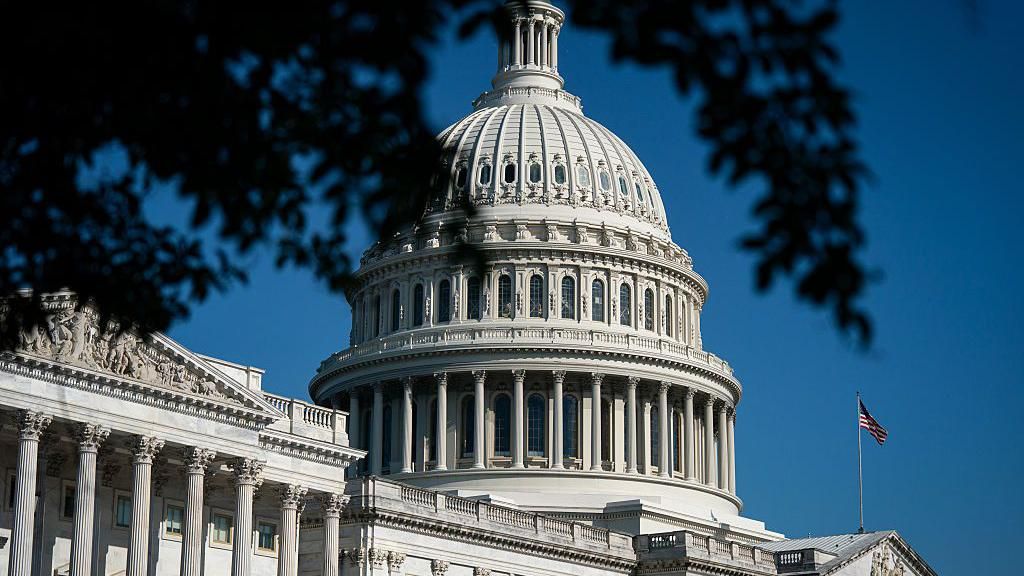
    A controversial $1.8 billion compensation fund created by the Trump administration has thrown federal government funding negotiations into chaos, after a bloc of Trump’s own Republican lawmakers blocked a critical spending bill over fierce objections to the initiative. The so-called Anti-Weaponization Fund, established by the U.S. Department of Justice, was created as part of a settlement agreement that ended former President Donald Trump’s lawsuit against the Internal Revenue Service (IRS) over the unauthorized release of his personal tax records. In exchange for dropping his legal challenge, Trump secured a formal apology from the agency and approval for the fund, which is intended to pay individuals who claim they were unfairly targeted for political investigations by previous presidential administrations.

    Critics on both sides of the aisle have slammed the initiative as an unaccountable “slush fund” reserved for Trump’s political allies. The most explosive controversy centers on eligibility for claimants charged in the January 6, 2021 attack on the U.S. Capitol, many of whom received full pardons from Trump during his first day back in office. According to Department of Justice (DoJ) data, nearly 1,600 people have been charged with crimes connected to the riot, including 175 defendants facing charges for using deadly weapons or inflicting serious harm on the roughly 140 police officers injured during the assault.

    Top Senate Republican Mitch McConnell issued a blistering rebuke of the plan this week, saying, “So the nation’s top law enforcement official is asking for a slush fund to pay people who assault cops? Utterly stupid, morally wrong – Take your pick.” North Carolina Republican Senator Thom Tillis echoed the criticism, calling the fund “stupid on stilts” and arguing that using taxpayer dollars to compensate rioters who attacked police is fundamentally indefensible. “That’s absurd,” Tillis said of the prospect of pardoned, convicted rioters receiving payouts. “It will invariably put us in a position where your taxpayer dollars and my taxpayer dollars could potentially compensate someone who assaulted a police officer, admitted their guilt, got convicted, got pardoned, and now we’re going to pay them for that?”

    Democratic lawmakers have joined Republicans in condemning the fund, also branding it a slush fund for the president’s closest allies. The fund has already drawn interest from a range of claimants: Michael Caputo, a Trump ally who served as a health official during the president’s first term, confirmed he submitted a $2.7 million claim earlier this week, arguing he was wrongfully targeted by the FBI during the 2016 Russia interference investigation. “The machinery of government was clearly politically weaponized against my family,” Caputo wrote on social media. “They found nothing; we lost everything.” Even Michael Cohen, Trump’s former personal attorney who was convicted of lying to investigators, tax evasion and campaign finance violations, has announced he intends to file a claim for compensation, turning the initiative into a target for both supporters and critics of the president.

    On Thursday, Acting U.S. Attorney General Todd Blanche, the nation’s top law enforcement official, traveled to Capitol Hill to meet with Republican senators and address their concerns, but the outreach failed to win over skeptical lawmakers. A group of Senate Republicans insisted on attaching strict restrictions to the fund as part of the broader government funding package up for a vote this week, but no compromise could be reached. As a result, Senate Majority Leader John Thune was forced to scrap the scheduled vote on the full spending bill, leaving federal funding in limbo.

    After the cancellation, Thune told reporters that administration officials bear responsibility for breaking the impasse, noting “we have a lot of members who are concerned, obviously, about the timing, but also about the substance” of the fund. Opposition is not limited to the Senate: in the House of Representatives, Republican Representative Brian Fitzpatrick of Pennsylvania has emerged as a leading opponent of the initiative, and is drafting standalone legislation that would eliminate the fund entirely. He has already submitted formal questions to Blanche demanding more details about how the fund would operate and how claims would be vetted.

    When DoJ officials formally announced the fund on Monday, they said it would allocate a total of $1.776 billion to settle and pay out approved claims, overseen by a five-member independent commission tasked with vetting applications and approving payouts. Congress holds constitutional authority over all federal spending, meaning lawmakers must approve the use of taxpayer dollars for the initiative before any payouts can be distributed.

  • Trump’s Cuba strategy echoes his Venezuela playbook. But there are key differences

    Trump’s Cuba strategy echoes his Venezuela playbook. But there are key differences

    WASHINGTON — The Trump administration’s hardline strategy to destabilize Cuba has increasingly mirrored the pressure campaign that led to the ouster of Venezuela’s former leader Nicolás Maduro, featuring an escalating oil blockade, expanded U.S. military presence in the Caribbean, federal criminal charges against top Cuban officials, and repeated public threats of direct military intervention. But regional policy experts warn that copying the Venezuela playbook does not guarantee a similar outcome, even as President Donald Trump has repeatedly insisted that “Cuba is next” on his list of regional regime changes.

    Brian Finucane, a senior adviser at the International Crisis Group and former State Department legal advisor, noted that Trump views the successful removal of Maduro as a major policy win and has attempted to replicate that model across adversarial regimes, including Iran. “But obviously, Cuba, like Iran, is a very different country than Venezuela,” Finucane emphasized. Unlike Venezuela, where the U.S. was able to install a compliant successor after capturing Maduro in January, Finucane says there is no obvious alternative Cuban leader willing to cooperate with the Trump administration. Unnamed Cuban officials, speaking on condition of anonymity due to restrictions on public commentary, echoed this assessment, bluntly stating “there is no Delcy in Cuba” — a reference to Maduro’s former second-in-command Delcy Rodríguez, who assumed power with U.S. backing after Maduro’s ouster.

    Finucane also pointed to key differences in U.S. military posture between the two campaigns. In the months leading up to Maduro’s removal, the U.S. assembled a massive, threatening naval buildup off Venezuela’s coast. By contrast, current U.S. military force levels in the Caribbean are far smaller and less intimidating. Additionally, while criminal charges against sitting Venezuelan president Maduro provided a legal justification for his capture, an indictment against 94-year-old former Cuban leader Raúl Castro — who stepped down from daily leadership years ago — carries far less practical impact for the current Cuban government.

    To understand the gaps between the two pressure campaigns, it is necessary to break down their core similarities and divergent dynamics:

    ### Repeated Escalating Threats of Military Action
    Months before launching the operation that removed Maduro from power, Trump steadily laid groundwork for intervention through a cascade of public threats, a pattern he has now repeated for Cuba. He has pressured Caribbean regional governments to align with U.S. policy or face consequences, and just weeks before the special operation that captured Maduro, Trump issued a final public warning to the Venezuelan leader from Florida, alongside his top national security team. “If he wants to do something, if he plays tough, it’ll be the last time he’ll ever be able to play tough,” Trump told reporters in December.

    Within days of Maduro being transported to the U.S. to face trial, Trump shifted his focus to Cuba, identifying the island as his next target. “Cuba is ready to fall. Cuba looks like it’s ready to fall. I don’t know if they’re going to hold out,” he told reporters on January 5. He followed this by threatening to impose tariffs on any country that supplies oil to Cuba, and claimed the U.S. might “have the honor of taking Cuba” after concluding operations in Venezuela and Iran. He repeated these threats last Thursday, dismissing Cuba as “a failed country” and claiming he will be the first U.S. president to resolve the decades-long standoff over the island’s governance.

    ### Divergent Goals Behind Linked Oil Embargoes
    The U.S. oil embargoes imposed on both Cuba and Venezuela share the core objective of squeezing ruling elites to force political change, but they target opposite sides of the oil trade to achieve this. For Venezuela, the Trump administration originally targeted the country’s oil exports to cut off revenue for the Maduro government. After Maduro’s ouster, the focus shifted to blocking unapproved Venezuelan oil exports to Cuba — which for years received crude in non-cash barter arrangements — while forcing Venezuela’s new government to comply with U.S. terms for oil shipments. Today, most of Venezuela’s crude output is routed to U.S. refineries.

    For Cuba, the embargo is designed to cut off the energy-import dependent island from critical oil supplies. While the U.S. has allowed a small number of limited shipments to proceed, Cuba recently publicly confirmed it has exhausted its stored oil reserves. The current embargo is an expansion of the broader U.S. trade blockade on Cuba that has been in place for decades, and it has already severely strained the Cuban government’s ability to provide consistent electricity and gasoline to civilian residents.

    Finucane warned that this pressure could spiral into unintended consequences for the U.S. If the embargo destabilizes Cuba enough, it could trigger a new wave of mass migration to Florida, similar to the refugee crisis that unfolded in the 1990s when thousands of Cubans crossed the 90-mile stretch of ocean in makeshift vessels. “President Trump especially cares about immigration. And if they push too hard on Cuba and destabilize the island, there’s the possibility of some kind of a refugee crisis,” he said.

    ### Criminal Charges Carry Different Strategic Weight
    During Trump’s first term in 2020, the U.S. Department of Justice charged Maduro with narco-terrorism conspiracy and multiple other criminal counts. That indictment was later used as legal justification for his capture, and Maduro now remains in New York awaiting trial, where he has pleaded not guilty to all charges. The removal of Maduro upended decades of U.S.-Venezuela relations, opening the door for U.S. companies to purchase previously sanctioned Venezuelan oil and allowing Venezuelan crude to re-enter global markets — a massive shift from years of near-total restrictions on dealings with Venezuela’s government and oil sector.

    For Cuba, the indictment against Raúl Castro stems from the 1996 shootdown of two civilian planes flown by Miami-based Cuban exiles, and includes charges of murder and aircraft destruction. William LeoGrande, a professor specializing in Latin American politics at American University in Washington, said the charges are primarily a tactical step to escalate the Trump administration’s pressure campaign, rather than a precursor to immediate policy change. Even if the U.S. were to detain Castro, LeoGrande argued it would not alter the day-to-day operations of Cuba’s current government. “Castro still has influence and the leadership seeks his opinion on major decisions, but he is not running the government on a day-to-day basis,” LeoGrande explained.

    ### Modest Military Buildup Versus a Massive Regional Deployment
    In the months leading up to Maduro’s capture, the U.S. deployed a large fleet of warships to waters off Venezuela, marking one of the largest U.S. military buildups in Latin America in modern history. The U.S. Navy’s most advanced carrier at the time, the USS Gerald R. Ford, was rerouted from European deployments to join the operation, while three amphibious assault ships carried a Marine expeditionary unit, attack helicopters, and Osprey tiltrotor aircraft. U.S. forces carried out months of anti-smuggling operations targeting drug trafficking vessels in the Caribbean and eastern Pacific, while fighter jets conducted regular patrols over the Gulf of Venezuela. The final mission to capture Maduro involved more than 150 aircraft deployed across the Western Hemisphere.

    Today, the U.S. maintains a much smaller military contingent in the Caribbean, consisting of two amphibious assault ships with Marine detachments onboard. This week, coinciding with the announcement of charges against Raúl Castro, the U.S. military publicized the arrival of the USS Nimitz aircraft carrier and its accompanying escort warships in the region. However, the Nimitz is on its final deployment before being decommissioned, and is only participating in routine maritime exercises. For experts, this scaled-back presence underscores the gap between the two campaigns. “They’re very different situations, and it’s very difficult to see similar outcomes,” Finucane said. “A snatch-and-grab raid against Raúl Castro or someone who’s actually in a leadership position doesn’t seem like it’s going to have the same outcome in Cuba as in Venezuela.”

    Associated Press writer Andrea Rodríguez in Havana contributed reporting to this article.

  • Sadiq Khan cancels Met police Palantir contract, with pressure to end all links to AI firm

    Sadiq Khan cancels Met police Palantir contract, with pressure to end all links to AI firm

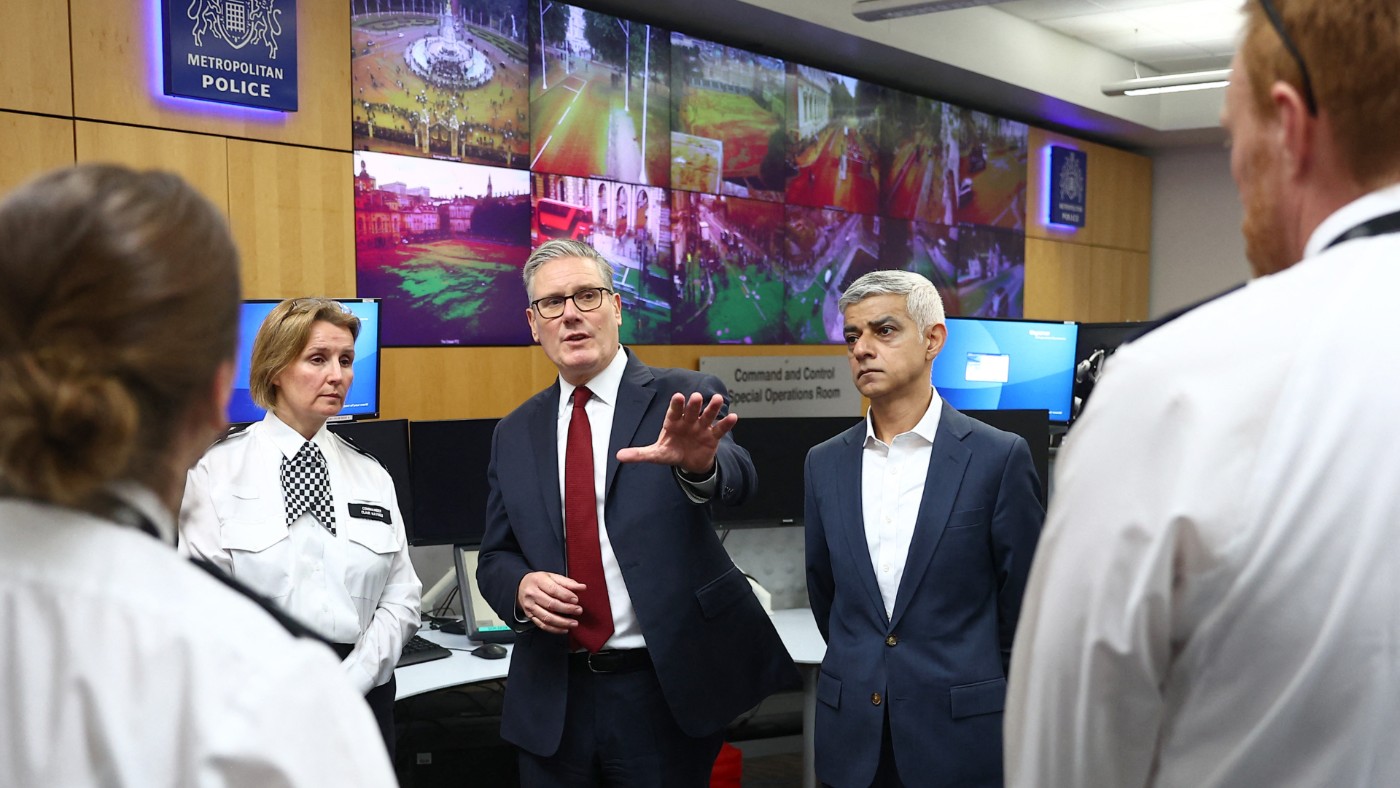
    London Mayor Sadiq Khan has scrapped a planned £50 million AI intelligence partnership between the Metropolitan Police and U.S. tech firm Palantir Technologies, a move that has drawn cautious praise from pro-Palestine advocacy groups and British Green Party politicians who warn that unchallenged smaller existing contracts between the force and the controversial company still stand.

    Khan’s official rejection of what would have been Palantir’s largest ever UK law enforcement contract came on Thursday, with the mayor citing a clear, serious violation of UK public sector procurement protocols as the core justification for the decision. Under existing London governance rules, any Metropolitan Police spending exceeding £500,000 requires formal sign-off from the Mayor’s Office for Policing and Crime (Mopac), the independent oversight body tasked with ensuring legislative compliance and transparent public spending.

    According to Khan’s announcement during Mayor’s Question Time, Mopac identified multiple critical red flags during its review of the proposed deal. The Metropolitan Police failed to submit its full procurement strategy for pre-approval from the Deputy Mayor for Policing and Crime, as required under Mopac’s formal delegation rules. Instead, the force advanced procurement negotiations all the way to the final contract award stage before requesting oversight approval. Beyond procedural violations, Khan’s office added that the agreement failed to demonstrate guaranteed value for taxpayer money and would have left the force locked into a long-term proprietary technological dependence on Palantir.

    The proposed £50m deal was intended to deploy Palantir’s artificial intelligence tools to automate criminal investigation intelligence analysis, but the company has long faced widespread condemnation for its deep ties to the Israeli government and military. In January 2024, after Israel launched its large-scale military campaign in Gaza, Palantir signed a formal contract with Israel’s Ministry of Defense to provide technology for “war-related missions”. Company CEO Alex Karp has openly acknowledged strong demand for Palantir’s services following the October 7, 2023 attacks by Hamas, and the firm’s board held a high-profile meeting in Tel Aviv explicitly framed as an act of solidarity with Israel. Human rights advocates directly link Palantir’s surveillance and AI tools to Israeli military operations in Gaza that have been labeled as genocide by multiple advocacy groups and global political bodies.

    Even before the proposed £50m deal, the Metropolitan Police had already secured a series of smaller, lower-value contracts with Palantir that fall just under the £500,000 threshold that triggers mandatory Mopac oversight, a structure that critics say was intentionally designed to avoid public scrutiny. The force launched an initial pilot program with a £10,000 contract, later extending the arrangement for three months at a cost of just under £490,000, bringing the total value to just under the oversight threshold. Under the pilot, Palantir’s AI is already being used to analyze data stored on Met officers’ personal devices, a policy that has drawn fierce criticism from the Metropolitan Police Federation, the union representing Met officers. In late April, the federation warned officers to be “extremely cautious” about carrying their work-issued devices while off duty, arguing that the AI monitoring has severely eroded officer trust in force leadership and sent already plummeting morale even lower.

    During a Wednesday meeting of the London Assembly’s Police and Crime Committee, Metropolitan Police Deputy Commissioner Matt Jukes defended the force’s choice to partner with Palantir for the pilot, noting that the firm is already an approved supplier on the UK government’s G-Cloud 14 procurement framework and is widely used across multiple British government departments. Jukes acknowledged that Palantir is a “divisive supplier” from a reputational standpoint, but emphasized that the company’s existing use across 72 NHS trusts and its status on national government frameworks made it a qualified choice for the Met. When asked whether Palantir had offered the pilot at a discounted rate to intentionally avoid crossing the oversight threshold, Jukes said the full cost of the pilot had been clearly documented.

    Reaction to Khan’s decision to block the £50m deal has been mixed, with human rights and pro-Palestine groups welcoming the move while pushing for further action to cancel all existing Met contracts with Palantir. Amnesty International UK campaigns manager Kristyan Benedict called the cancellation “positive news”, noting that Palantir tools are currently deployed by the Israeli military during its military campaign in Gaza. The Palestine Solidarity Campaign (PSC), which has led widespread advocacy against the deal, credited its grassroots campaigning for pushing Khan to reject the contract, arguing that “Palantir supplies Israel with AI and surveillance technology used in its genocide in Gaza. It should not receive a penny of public money.” The group is now calling on Khan to go a step further and cancel the existing nearly £500,000 pilot contract, and is demanding the UK government scrap all national public sector contracts with Palantir, including a £330m deal with NHS England to build and maintain a national patient data platform that has been opposed by health workers, patients and human rights organizers across the country.

    Green Party London Assembly member Benali Hamdache, who first raised public questions about the Palantir partnership, also welcomed the cancellation of the large contract, but echoed calls to end existing agreements. “It’s good that this £50 million contract was blocked, but the Met still has contracts with Palantir worth nearly £500,000 that haven’t been challenged,” Hamdache said in a statement to Middle East Eye. He added that the current procurement rules, which allow deals under £500,000 to bypass mayoral oversight, create dangerous loopholes that could allow similar controversial agreements to move forward in the future. Hamdache also pointed to additional red flags around Palantir, including the company’s work with U.S. Immigration and Customs Enforcement (ICE) for immigration enforcement operations, and a recent public manifesto adapted from Karp’s writings that openly espouses far-right ideological positions and defends high-profile far-right figures including Elon Musk.

    Palantir already holds nearly $1 billion in total contracts across multiple UK government bodies, including the Ministry of Defence, NHS, and multiple regional police forces. Founded by high-profile Donald Trump supporter Peter Thiel, the firm has faced growing grassroots resistance across the UK over its human rights record and geopolitical ties. Critics argue that the current case exposes deep flaws in UK public procurement rules that allow controversial contractors to split large projects into smaller agreements to avoid oversight and public accountability.

  • Senators from both parties push Hegseth for action on Ukraine aid

    Senators from both parties push Hegseth for action on Ukraine aid

    WASHINGTON — A cross-party coalition of U.S. senators is escalating pushback against the Department of Defense over unfulfilled congressional mandates to disburse $600 million in approved security assistance to Ukraine and three Baltic allies, delivering a formal demand letter Friday to Defense Secretary Pete Hegseth calling for the immediate release of the allocated funding. The standoff marks a deepening rift between Capitol Hill and the Trump administration, as lawmakers from both major political parties are demanding transparency and action on funding that was formally appropriated by Congress in the previous year: $400 million earmarked explicitly for Ukrainian defense capabilities, and an additional $200 million for regional defense programming in Estonia, Latvia, and Lithuania. Notably, even members of President Donald Trump’s own party have openly expressed frustration with the administration’s growing strategic disengagement from Ukraine and other Eastern European partner nations.

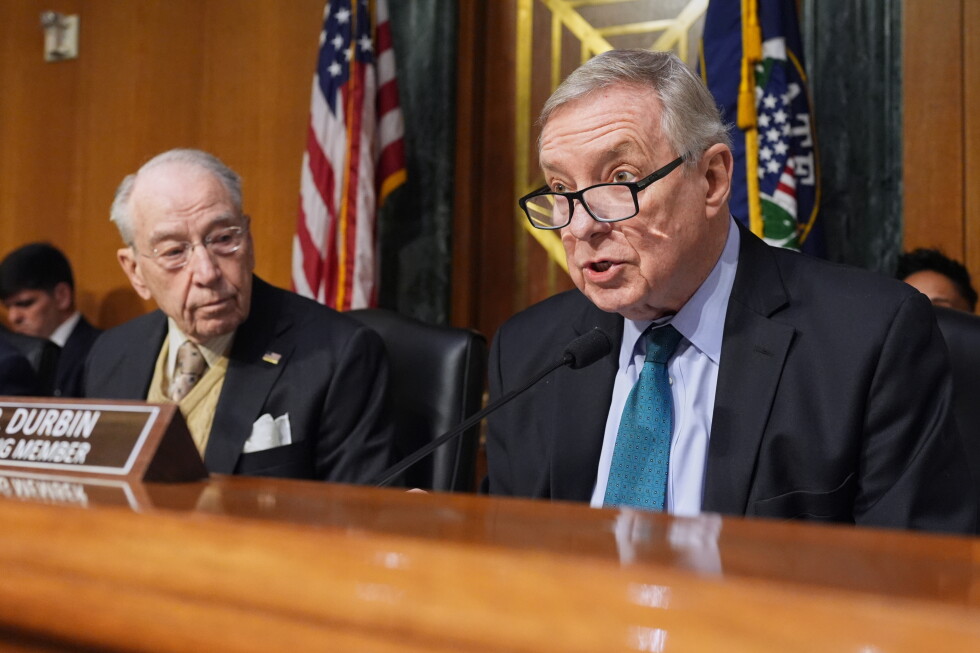
    In the joint letter led by top Democratic Sen. Dick Durbin and senior Republican Sen. Chuck Grassley, the lawmakers laid out the urgent case for unblocking the assistance: “Ukraine has persistently and bravely repelled a four-year Russian onslaught, but its military needs and deserves continued American support.” Four additional lawmakers — Republican Sens. Kevin Cramer and Thom Tillis, along with Democratic Sens. Michael Bennet and Catherine Cortez Masto — added their signatures to the bipartisan appeal.

    Weeks ago during a public congressional hearing, Hegseth informed lawmakers that the Ukraine funding had already been “released” and that a full spending outline would be delivered to Congress by mid-May. However, the senators confirm the Pentagon has missed its self-imposed May 15 deadline to share the mandated spending plan, prompting the formal protest.

    The coalition warned that further holdups carry severe strategic consequences, particularly amid reported plans for additional U.S. troop drawdowns in the region: “Any further delays — particularly as the Department reportedly plans troubling U.S. troops withdrawals from the region — risks our ability to adequately deter Russia.”

    This letter is the most recent public display of growing Republican discontent with the Trump administration within the Senate, coming on the heels of a week that saw the president endorse a primary challenger against incumbent Texas Sen. John Cornyn, a move that alienated dozens of sitting GOP lawmakers. In a public social media exchange with President Trump on Friday, Tillis pointed to the administration’s approach to Ukraine as one of several policies harming the Republican Party politically, specifically criticizing the White House for “Firing our very best generals and not holding Putin accountable for his systematic kidnapping, rape, torture, and murder of Ukrainian civilians.”

    Multiple Senate Republicans have also broken with Hegseth over his firing last month of Army Chief of Staff Gen. Randy George, a senior officer who had led efforts to update the Army’s battlefield doctrine to integrate modern drone warfare and had collaborated closely with Ukrainian military forces to incorporate battlefield lessons from the ongoing war.

    On the House side of Congress, a Democratic-led proposal that would impose sweeping new sanctions on Russia and authorize an additional $1 billion in military aid to Ukraine has been gaining traction among cross-party lawmakers. While the full House package is considered unlikely to pass into law in the current legislative session, it has amplified the growing pressure from Capitol Hill for sustained U.S. backing for Ukraine’s defense effort.

    Though the $400 million in blocked aid to Ukraine makes up a small share of the multi-billion dollar assistance packages Congress authorized in the immediate aftermath of Russia’s full-scale invasion, the standoff over the funding has taken on outsized symbolic importance for lawmakers as a public test of ongoing U.S. commitment to Kyiv and regional security in Eastern Europe.

  • US intelligence chief Tulsi Gabbard resigns

    US intelligence chief Tulsi Gabbard resigns

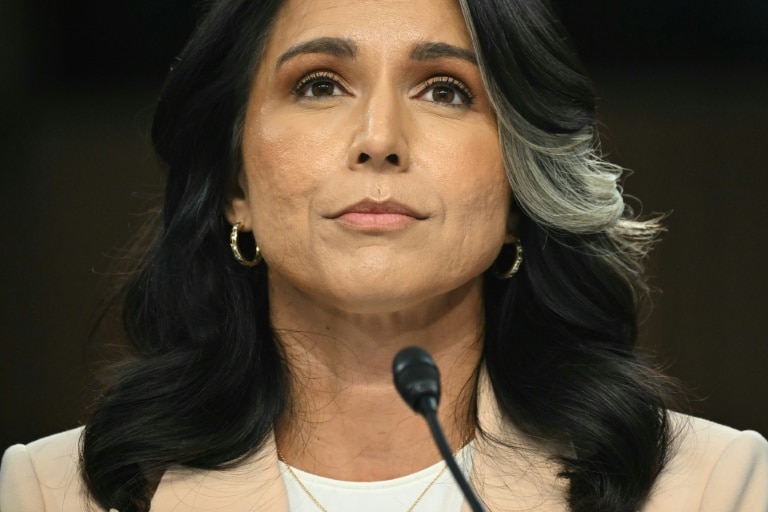
    In a sudden announcement that has shaken the upper ranks of the Trump administration, Director of National Intelligence Tulsi Gabbard confirmed Friday she will step down from her post, effective June 30, to stand beside her husband as he fights a newly diagnosed rare form of bone cancer. The departure also closes out a turbulent tenure defined by longstanding ideological clashes with the president over his push for war with Iran, a rift that left the nation’s top intelligence coordinator increasingly sidelined from key national security decisions in recent months.

    In a public letter to Trump posted to the social platform X, the 45-year-old laid out the deeply personal reason for her exit, writing, “My husband, Abraham, has recently been diagnosed with an extremely rare form of bone cancer. He faces major challenges in the coming weeks and months. At this time, I must step away from public service to be by his side and fully support him through this battle.” Gabbard’s role centered on coordinating global intelligence data and presenting consolidated national security assessments to the president.

    President Trump responded to the announcement with praise for Gabbard, one of the only remaining women in his cabinet, via his Truth Social platform. “Tulsi has done an incredible job, and we will miss her,” he wrote, noting that her desire to support her husband through cancer treatment was rightful. He also confirmed that Gabbard’s deputy, Aaron Lukas, will step into the role as acting Director of National Intelligence following her departure.

    Gabbard’s appointment to lead the sprawling U.S. intelligence apparatus was controversial from the start. A former Democrat and Iraq War veteran who served in the Army National Guard, her deployment experience shaped a long career of opposition to U.S. foreign military interventions, a stance that put her at odds with administration policy long before the current conflict with Iran. Most notably, she repeatedly voiced public opposition to launching a war against Iran, and grew increasingly isolated from Trump’s inner circle as he moved forward with strikes.

    Multiple reports indicate Gabbard was excluded from high-level strategy meetings in the immediate lead-up to the joint U.S.-Israeli strikes on Iran launched February 28. After the war began, she repeatedly declined to back key administration justifications for the attack. She refused to endorse Trump’s claim that Iran posed an imminent military threat, the core assessment the administration used to justify the strikes. When testifying before Congress, she emphasized that the final call for military action rested solely with the president. Gabbard also contradicted another key administration justification, confirming U.S. intelligence had concluded Iran was not rebuilding the nuclear enrichment facilities destroyed in joint U.S.-Israeli strikes the previous year.

    Beyond her disagreements over Iran policy, Gabbard has long faced criticism from lawmakers on both sides of the aisle over past controversial positions. Her 2017 meeting with deposed Syrian leader Bashar al-Assad drew widespread scrutiny, and she has been accused of spreading Kremlin-aligned propaganda, including false conspiracy theories regarding the war in Ukraine. She also faced cross-partisan suspicion for her support of NSA leaker Edward Snowden, whose disclosures of secret U.S. surveillance programs were widely viewed as compromising American national security.

    Beyond her public service, Gabbard, a Hawaii native, was raised in the Hindu tradition by her mother, who converted to the faith; her first name, Tulsi, references a plant considered sacred in Hinduism, and she has been a vegetarian her entire life. She married Abraham, a Hawaii-based cinematographer, after the pair met while filming her campaign advertisements, and he proposed to her during a sunset surf session.

  • Tulsi Gabbard resigns as US director of national intelligence

    Tulsi Gabbard resigns as US director of national intelligence

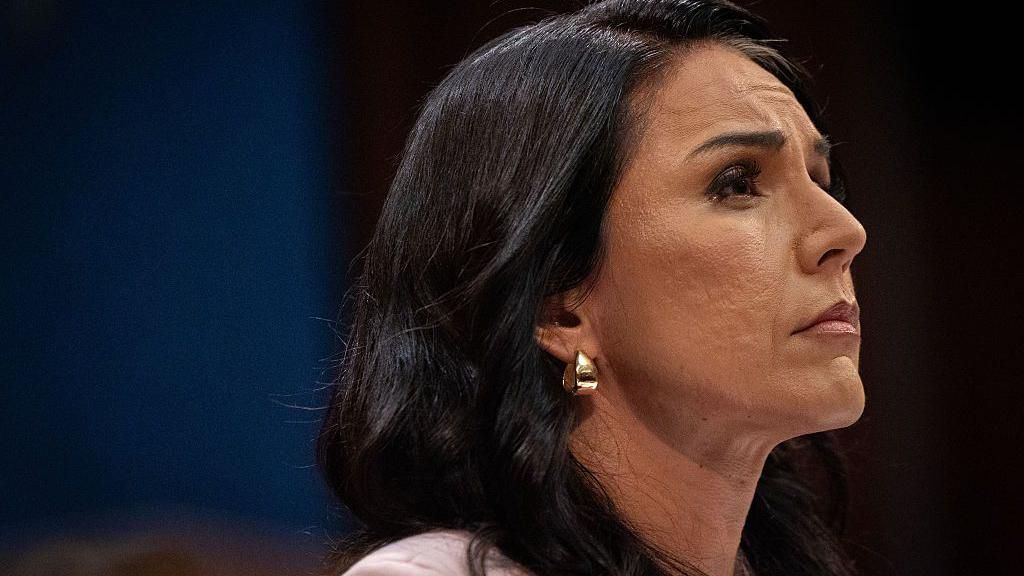
    In a sudden announcement that has rippled through U.S. political and intelligence circles, former U.S. Director of National Intelligence Tulsi Gabbard has confirmed she will resign her post in the second Trump administration, citing an urgent personal crisis: her husband Abraham has recently been diagnosed with bone cancer.

    The resignation, which will take full effect on June 30, was revealed through a resignation letter obtained by CBS News, a U.S. partner of the BBC. In the heartfelt correspondence, Gabbard emphasized the foundational role her husband has played in her public life. “His strength and love have sustained me through every challenge,” she wrote, adding that she could not in good conscience leave him to navigate his cancer treatment alone while fulfilling the relentless, time-intensive demands of leading the U.S. intelligence community. “I cannot ask him to face this fight alone while I continue in this demanding and time-consuming position,” Gabbard stated.

    Following the official confirmation of the resignation, former President Donald Trump took to social media to publicly praise Gabbard’s service. The departing intelligence chief “has done an incredible job, and we will miss her,” Trump wrote, noting that Gabbard’s choice to prioritize her family’s health is both understandable and honorable. “She rightfully, wants to be with him, bringing him back to good health as they currently fight a tough battle together. I have no doubt he will soon be better than ever,” Trump added. To ensure a smooth transition, Trump announced that Aaron Lukas, the current principal deputy director of national intelligence, will assume the role of acting director once Gabbard departs at the end of June.

    Gabbard’s tenure at the helm of U.S. intelligence was relatively short but marked by its place in a shifting U.S. foreign policy landscape. A steadfast supporter of Trump during his successful 2024 presidential comeback campaign, Gabbard was confirmed to the top intelligence post just weeks after Trump reclaimed the White House in 2025. As Director of National Intelligence, her core responsibilities included coordinating operations across 18 separate U.S. intelligence agencies and serving as the president’s primary advisor on all national security and intelligence matters, making her one of the most powerful figures in the U.S. national security apparatus.

    Notably, Gabbard has remained largely out of the public eye in recent months, even as the Trump administration oversaw a series of high-stakes foreign policy actions: expanded military operations against Iran, increased diplomatic and economic pressure on Cuba, and the controversial removal of Venezuela’s sitting president. Her sudden departure from the role adds a new layer of uncertainty to the administration’s intelligence leadership as it continues to advance its aggressive global policy agenda.

  • Right-wing Slovenian politician confirmed as prime minister in shift from liberal government

    Right-wing Slovenian politician confirmed as prime minister in shift from liberal government

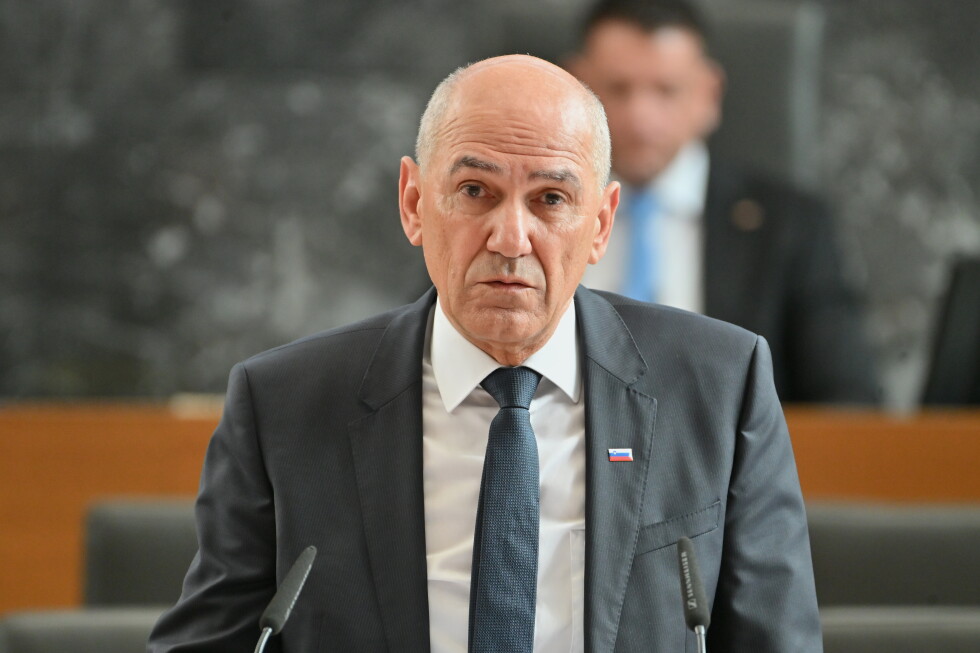
    After two months of political gridlock following a tightly contested parliamentary election, Slovenia’s national assembly has appointed veteran right-wing populist leader Janez Jansa to the post of prime minister, marking a sharp ideological shift for the small Alpine European Union member state previously led by a liberal administration.

    The 90-member legislative body cast 51 votes in favor of Jansa’s appointment, with 36 lawmakers voting against the nomination. The new prime minister-designate now has a 15-day window to put forward his proposed cabinet lineup, which will require a second confirmatory vote in parliament before the government can officially take office.

    The political stalemate that followed April’s election followed an almost evenly split result. Former liberal prime minister Robert Golob’s Freedom Movement secured a razor-thin plurality in the vote, but failed to cobble together a workable parliamentary majority to form a new government. This week, Jansa’s Slovenian Democratic Party broke the impasse by signing a formal coalition agreement with multiple aligned right-wing factions. The incoming government also secures outside support from the non-establishment Truth party, a group that originated as an anti-vaccination movement during the height of the COVID-19 pandemic.

    Friday’s appointment marks the fourth term as prime minister for the 67-year-old veteran politician, who is known for his open admiration of former U.S. President Donald Trump and long-standing close political alliance with Hungary’s populist former prime minister Viktor Orbán — who suffered a landslide election defeat just one month prior.

    In his post-appointment address to parliament, Jansa outlined his administration’s core priorities: revitalizing the national economy, cracking down on systemic corruption and bureaucratic red tape, and decentralizing state power to regional and local authorities. He has pledged to cut taxes for high-income earners and expand state support for private education and private healthcare providers. Jansa sharply criticized the outgoing liberal government for what he called widespread inefficiency, promising his leadership would transform Slovenia into “a country of opportunity, prosperity and justice, where each responsible citizen will feel safe and accepted.”

    Like his political ally Orbán, Jansa adopted a hardline anti-immigration stance during the 2015 European migrant crisis, and during his 2020-2022 previous term as prime minister, he faced repeated accusations of undermining independent democratic institutions and restricting press freedom. Those allegations sparked large-scale public protests across Slovenia at the time, and triggered formal oversight scrutiny from EU institutional bodies.

    Outgoing prime minister Golob used his address to parliament to issue a stark warning about Jansa’s leadership, framing the right-wing leader as “the greatest threat to Slovenia’s sovereignty and democracy.” Golob also claimed Jansa had previously threatened to have him arrested, arguing that Jansa’s vision of democracy “is that anyone who dares speak a word against you deserves only the worst.”

    Beyond domestic policy, Jansa is a vocal supporter of Israel, and has been a prominent critic of the outgoing Golob administration’s 2024 decision to formally recognize a Palestinian state. The April parliamentary election that set this political process in motion was marred by widespread allegations of foreign interference and campaign corruption, leaving the nation of roughly 2 million people deeply ideologically divided between liberal and conservative political blocs.

  • Castro backers rally in front of US embassy in Havana

    Castro backers rally in front of US embassy in Havana

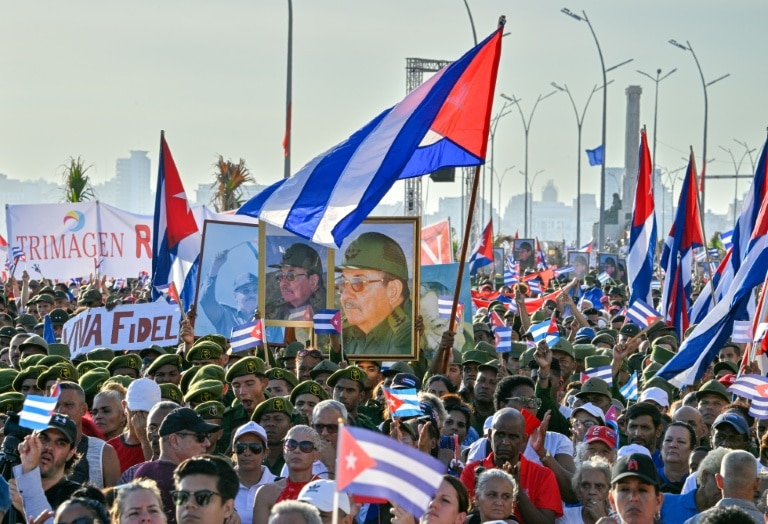
    In a powerful display of national solidarity, thousands of Cubans gathered Friday outside the U.S. Embassy in Havana to rally behind 94-year-old former president Raul Castro, who was recently indicted on criminal charges by a U.S. federal court. The gathering, which included current Cuban president Miguel Díaz-Canel and other senior government officials dressed in military-style fatigues, echoed with the unified chant of “Long live Raul!” as attendees waved large Cuban flags and held up printed portraits of the former leader. The 94-year-old, younger brother of iconic Cuban revolutionary Fidel Castro, was formally charged with murder and additional felony counts this Wednesday. The charges stem from the 1996 downing of two civilian aircraft operated by a U.S.-based anti-Castro group, a move widely framed as the latest escalation in the Trump administration’s escalating pressure campaign targeting Cuba’s communist leadership. The aging former leader, whose health has declined in recent years, did not attend the demonstration, which was held at the “Anti-Imperialist Platform” public park located directly across the street from the U.S. diplomatic mission. However, two of his children were on hand to represent the family: Mariela Castro, a prominent national legislator and LGBTQ+ rights advocate, and Alejandro Castro, a key architect of the 2015 historic rapprochement between Cuba and the U.S. negotiated during the Raul Castro administration and former U.S. president Barack Obama’s term. Raul Castro led Cuba for 15 years after assuming the presidency from his ailing brother Fidel in 2006, stepping down from the top post in 2018. His unexpected indictment has amplified widespread anxiety across Cuba that the U.S. could pursue further aggressive action to destabilize the island’s government, capping months of mounting pressure that includes a devastating oil embargo that has strained the country’s economy and critical infrastructure. These fears were amplified by the January arrest of Venezuelan socialist leader Nicolas Maduro, who was taken into custody by U.S. agents at his Caracas residence on drug trafficking charges and extradited to the U.S. to face trial. In her first public remarks from the Castro family since the indictment was announced, Mariela Castro pushed back on speculation that the U.S. would attempt to abduct her father, telling reporters she had no fear of such an outcome. “I am not afraid because I know they will not do it,” she stated, adding that when the former president is asked about the charges, “he smiles like an old guerrilla fighter who knows he’s safe, with one foot in the stirrup, and that no one is going to kidnap him.” The vast majority of attendees were public sector and state enterprise employees, who said their participation was driven by a sense of patriotic duty. Gilberto Gonzalez, a 59-year-old worker at a state-run flour mill, told reporters he joined the rally to stand in solidarity with the former leader. “We are reaffirming the conviction we have to continue fighting and support our General Raul Castro, who has been unjustly accused in the United States,” Gonzalez said. Gerardo Hernandez, a former Cuban intelligence officer who was released from a U.S. prison as part of the 2015 normalization deal, delivered a personal message from Raul Castro to the assembled crowd. The former president “says he thanks our people from the bottom of his heart for their solidarity” and “that as long as he lives, he will continue to lead our people and defend our revolution,” Hernandez told the gathering.

  • Lebanon’s talks with Israel test fragile relationship with Syria

    Lebanon’s talks with Israel test fragile relationship with Syria

    In the months following the collapse of Bashar al-Assad’s Syrian government, bilateral relations between Lebanon and neighboring Syria have hovered in a tense limbo, caught between shared strategic necessity and decades of accumulated mutual mistrust. Tied together by shared geography, intertwined history, overlapping security interests, and a sprawling backlog of unresolved bilateral disputes, neither nation has managed to shake off the heavy legacy of their fraught past.

    Lebanon has remained deeply wary of any return to the era of Syrian political dominance over its domestic affairs, while Syria’s new leadership under President Ahmed al-Sharaa is keenly alert to the risk that unilateral policy moves by Beirut could spill across their shared border and undermine Damascus at a critical transitional moment for the war-torn state. That underlying tension has now flared anew around one of the region’s most sensitive diplomatic topics: direct bilateral negotiations with Israel.

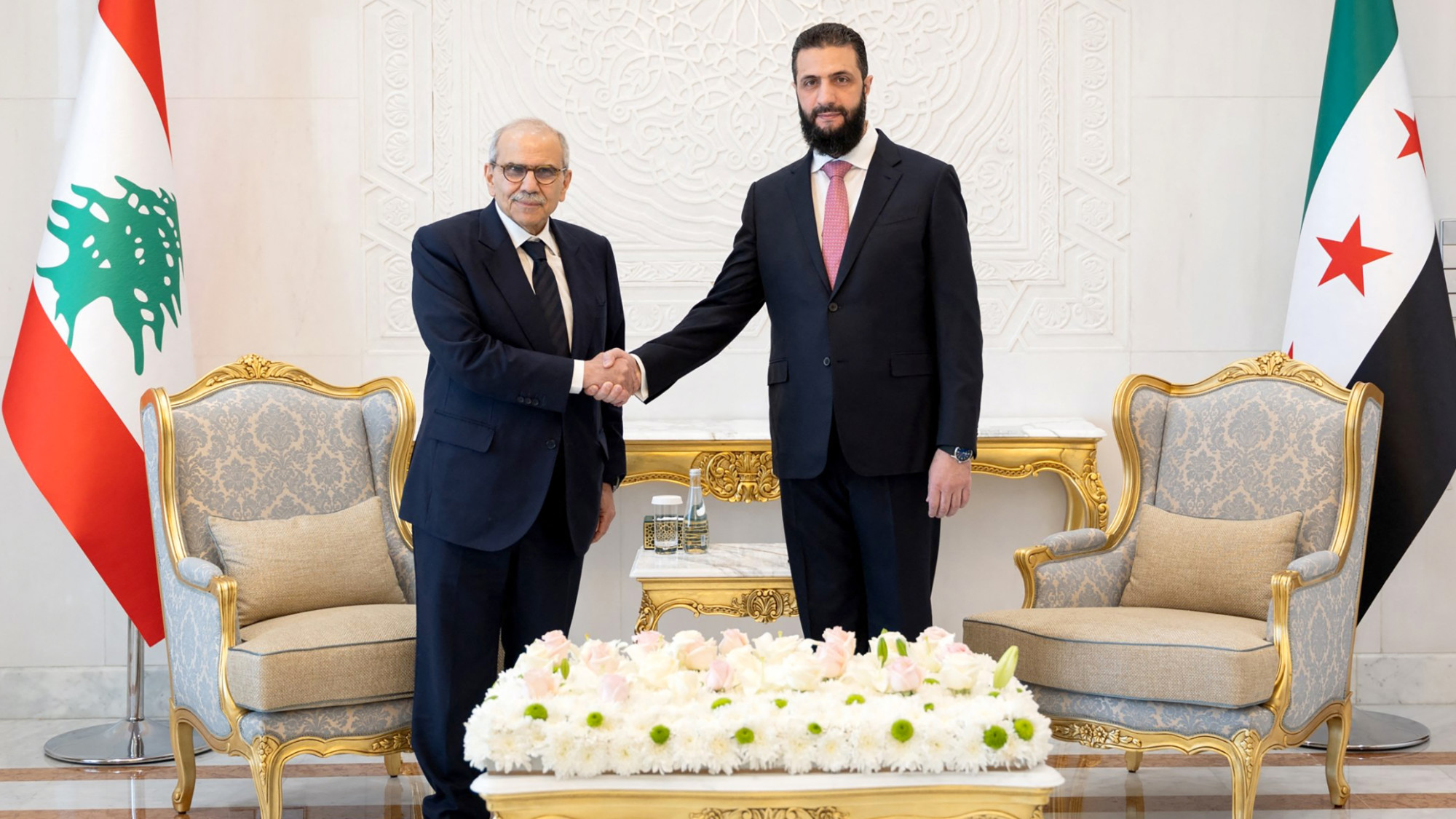
    According to a senior Lebanese official with direct knowledge of recent diplomatic exchanges between Beirut and Damascus, Syria has raised clear concerns that Lebanon’s rapidly advancing negotiation track with Israel is proceeding without sufficient coordination with the Syrian government, even as Damascus’s own talks with Tel Aviv remain stalled. The Syrian position was laid out explicitly during Lebanese Prime Minister Nawaf Salam’s recent official visit to Damascus, where he held talks with al-Sharaa.

    “The Syrian leader spoke in a diplomatic, non-confrontational tone, but made clear that coordination between the two countries on issues of vital national interest was essential to strengthening the negotiating hand of both sides,” the Lebanese official shared.

    Damascus’s unease extends beyond the simple breach of diplomatic protocol: Syrian leaders worry that Beirut’s separate negotiation path could set a precedent that international powers will later pressure Syria to follow. For months, United States officials have cited ongoing Syrian-Israeli diplomatic contacts to push Lebanon to launch its own direct talks with Israel. But with the Syrian negotiation track now largely deadlocked – in large part because Damascus judges Israel unwilling to make meaningful territorial or security concessions – the regional diplomatic dynamic has shifted dramatically. What began as a tool to pressure Lebanon to align with Syria’s approach could now become a mechanism to force Syria to adopt Lebanon’s framework.

    Lebanon’s negotiation process carries additional sensitivity given the conditions under which it has unfolded. Lebanese President Joseph Aoun previously pledged that Beirut would not enter talks until a permanent ceasefire with Israel was implemented. Yet diplomatic contacts have continued even as Israeli military strikes on Lebanese territory persist, despite a nominal ceasefire agreement reached in mid-April.

    For Damascus, this creates a core strategic threat: if Lebanon advances negotiations amid ongoing violence and makes early concessions to Israel, Syria could face mounting pressure from Washington and other global actors to accept an identical unfavorable framework. The dispute over negotiations has added a new layer of friction to an already deeply fragile bilateral relationship.

    The two neighbors are still working through a host of long-simmering unresolved issues: the status of Syrian detainees held in Lebanese prisons, unresolved land and maritime border demarcation, the future of Hezbollah’s role in regional security, the presence of former Assad regime officials in Lebanese territory, and the fundamental question of how to restructure their security relationship after decades of domination, open hostility, and mutual suspicion. Syrian unease over Beirut’s unilateral moves has already emerged across multiple of these files.

    Back in December, Damascus raised formal objections to Assad-linked military officers residing in Lebanon, with Syrian security officials sharing name lists with their Lebanese counterparts and warning that some of these figures could use Lebanese territory as a base to plot against Syria’s new government. Damascus has also framed the resolution of the Syrian detainee issue as a non-negotiable prerequisite for any meaningful improvement in bilateral ties.

    The Israel negotiation file is now the latest addition to this complex web of competing interests. For Syria, the dispute is not merely a matter of diplomatic etiquette – it is a question of strategic leverage. Damascus argues that despite their bitter shared history, Lebanon and Syria face overlapping regional vulnerabilities, meaning any concession Lebanon makes to Israel – particularly on security arrangements, border demarcation, or post-war security guarantees – will indirectly erode Syria’s own future negotiating position.

    “This is why Sharaa stressed that coordination on vital issues was not an optional courtesy, but a strategic necessity,” the Lebanese official said. “If Syria takes one step in favour of Lebanon, Lebanon should understand that its own vital interests require it to take many steps in favour of Syria.”

    That comment underscores the core asymmetry in how the two sides view their relationship: while Lebanon fears a return to Syrian dominance, Syria believes that Lebanese policy decisions can still expose it to severe strategic risk.

    The dispute over maritime energy rights adds further complexity to the dynamic. Turkey has already raised sharp objections to Lebanon’s 2025 exclusive economic zone agreement with Cyprus, arguing that the deal was reached without sufficient consideration of Syrian and Turkish economic and security interests in the Eastern Mediterranean. The incident has reinforced a widespread regional perception that Beirut often pushes ahead on sensitive cross-border issues without adequate consultation with neighboring stakeholders.

    Against this backdrop, Damascus does not view Lebanon’s separate talks with Israel as an isolated domestic decision by Beirut. Instead, it frames the move as part of a broader pattern of unilateral action by Lebanon on issues that carry implications far beyond its own borders.

    A senior Syrian official noted that Damascus has repeatedly emphasized to Arab regional states the need for coordinated diplomatic strategy and the risk of separate negotiation tracks that weaken the broader Arab position in talks with Israel. “There is a positive atmosphere, but there are realities on the ground that cannot be ignored,” the official said. “Cooperation with Lebanon is growing, but it has not yet reached the required level. The issue is less about disagreement and more about poor coordination.”

    The official added that Syria has a clear stake in a stable, prosperous neighbor: “The Syrian state wants Lebanon to be strong and capable of standing on its own feet,” he said, noting that al-Sharaa has stressed in meetings that Lebanon is navigating an unusually sensitive period and requires more innovative solutions than the outdated frameworks it has relied on in the past. Damascus believes Lebanon needs “precise tools” to navigate this transitional phase, and that Syria’s role is to support Beirut rather than add to existing pressure, the official added.

    For Lebanon, the core risk is that what appears to be an effort to expand diplomatic room for maneuver could end up narrowing its long-term options. A unilateral negotiation track with Israel could deepen Syrian mistrust, alienate Turkey, complicate Beirut’s own domestic political relationship with Hezbollah, and leave Lebanon exposed to pressure from international actors pushing for a quick, superficial deal rather than a durable, sustainable peace settlement.

    For Syria, the risk follows a different logic. Having inherited a fractured state, a weakened regional position, and already difficult talks with Israel, Damascus fears that Lebanon’s acceptance of a US- and Israeli-backed negotiation framework could create a regional precedent that Western powers will later use to pressure Syria into accepting identical terms.

    That said, the current tension does not signal an imminent slide into open confrontation between the two neighbors. On the whole, diplomatic exchanges between the two sides remain cautious and pragmatic. Both states still depend on one another: Syria needs Lebanon to prevent its territory from becoming a staging ground for anti-Damascus opposition activity, while Lebanon relies on Syria for border management, progress on the detainee file, refugee repatriation, anti-smuggling oversight, security coordination, and any credible regional peace settlement.

    For Lebanon, the central question now is whether it can advance negotiations with Israel while maintaining a coherent, aligned regional posture. For Syria, the key challenge is whether it can prevent Lebanese policy decisions from becoming a precedent that undermines its own negotiating position.

    The latest developments make clear that the post-Assad bilateral relationship has not yet evolved into an institutionalized, trust-based strategic partnership. It remains largely transactional, reactive, and still shaped by the lingering suspicions of the past. Caught between the legacy of the old order and the demands of a new regional landscape, the two neighbors face a familiar dilemma: they are no longer bound by the old hegemonic relationship, but neither can afford to ignore one another’s core strategic interests.