WASHINGTON — A cross-party coalition of U.S. senators is escalating pushback against the Department of Defense over unfulfilled congressional mandates to disburse $600 million in approved security assistance to Ukraine and three Baltic allies, delivering a formal demand letter Friday to Defense Secretary Pete Hegseth calling for the immediate release of the allocated funding. The standoff marks a deepening rift between Capitol Hill and the Trump administration, as lawmakers from both major political parties are demanding transparency and action on funding that was formally appropriated by Congress in the previous year: $400 million earmarked explicitly for Ukrainian defense capabilities, and an additional $200 million for regional defense programming in Estonia, Latvia, and Lithuania. Notably, even members of President Donald Trump’s own party have openly expressed frustration with the administration’s growing strategic disengagement from Ukraine and other Eastern European partner nations.
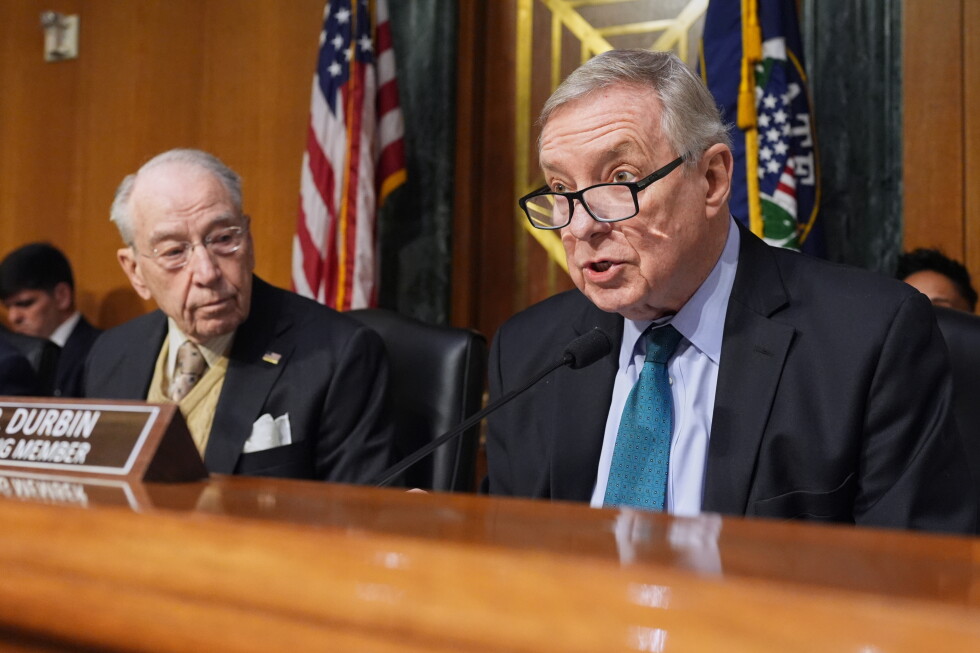
In the joint letter led by top Democratic Sen. Dick Durbin and senior Republican Sen. Chuck Grassley, the lawmakers laid out the urgent case for unblocking the assistance: “Ukraine has persistently and bravely repelled a four-year Russian onslaught, but its military needs and deserves continued American support.” Four additional lawmakers — Republican Sens. Kevin Cramer and Thom Tillis, along with Democratic Sens. Michael Bennet and Catherine Cortez Masto — added their signatures to the bipartisan appeal.
Weeks ago during a public congressional hearing, Hegseth informed lawmakers that the Ukraine funding had already been “released” and that a full spending outline would be delivered to Congress by mid-May. However, the senators confirm the Pentagon has missed its self-imposed May 15 deadline to share the mandated spending plan, prompting the formal protest.
The coalition warned that further holdups carry severe strategic consequences, particularly amid reported plans for additional U.S. troop drawdowns in the region: “Any further delays — particularly as the Department reportedly plans troubling U.S. troops withdrawals from the region — risks our ability to adequately deter Russia.”
This letter is the most recent public display of growing Republican discontent with the Trump administration within the Senate, coming on the heels of a week that saw the president endorse a primary challenger against incumbent Texas Sen. John Cornyn, a move that alienated dozens of sitting GOP lawmakers. In a public social media exchange with President Trump on Friday, Tillis pointed to the administration’s approach to Ukraine as one of several policies harming the Republican Party politically, specifically criticizing the White House for “Firing our very best generals and not holding Putin accountable for his systematic kidnapping, rape, torture, and murder of Ukrainian civilians.”
Multiple Senate Republicans have also broken with Hegseth over his firing last month of Army Chief of Staff Gen. Randy George, a senior officer who had led efforts to update the Army’s battlefield doctrine to integrate modern drone warfare and had collaborated closely with Ukrainian military forces to incorporate battlefield lessons from the ongoing war.
On the House side of Congress, a Democratic-led proposal that would impose sweeping new sanctions on Russia and authorize an additional $1 billion in military aid to Ukraine has been gaining traction among cross-party lawmakers. While the full House package is considered unlikely to pass into law in the current legislative session, it has amplified the growing pressure from Capitol Hill for sustained U.S. backing for Ukraine’s defense effort.
Though the $400 million in blocked aid to Ukraine makes up a small share of the multi-billion dollar assistance packages Congress authorized in the immediate aftermath of Russia’s full-scale invasion, the standoff over the funding has taken on outsized symbolic importance for lawmakers as a public test of ongoing U.S. commitment to Kyiv and regional security in Eastern Europe.