
As Switzerland prepares for a high-stakes public referendum this Sunday, an unusual coalition of top business leaders and major trade unions has mobilized in force to defeat a controversial proposal to cap national immigration and cap the country’s total population below 10 million by 2050. The initiative, spearheaded by the hard-right Swiss People’s Party (SVP) — Switzerland’s largest political party — has sparked widespread fears of severe damage to the country’s employment market, economic prosperity, and critical trade ties with the European Union. Dubbed “No to a Switzerland of 10 million!”, the proposal frames current immigration levels as “out of control”, claiming unchecked population growth is responsible for a raft of national issues, from overcrowded public transit and soaring rental costs to unregulated urban expansion. While the initiative faces broad, unified pushback from the Swiss federal government, national parliament, and the entire business community, recent public opinion polls indicate the final vote result could be extremely close, leaving both sides bracing for a tight outcome. Leading employer associations and trade unions have jointly labeled the plan the “chaos initiative”, warning it threatens to erode the foundations of Switzerland’s decades-long economic prosperity. Much of the country’s core economic sectors — from cutting-edge medical research and large-scale construction to public healthcare — rely heavily on foreign labor, the vast majority of which comes from neighboring European Union member states. Martin von Moos, head of the national hospitality industry group HotellerieSuisse, emphasized that more than half of all employees in Switzerland’s hotel and tourism sector are foreign workers. He warned the cap would dramatically worsen the chronic labor shortages already plaguing the industry. Beyond domestic labor market disruptions, critics warn the initiative puts at grave risk the sweeping bilateral agreements that bind Switzerland to the EU, its largest trading partner by far. Most critically, the proposal would violate the 1999 Agreement on the Free Movement of Persons, a cornerstone of Swiss-EU trade relations. In 2023 alone, more than half of all Swiss exports — totaling more than 147 billion Swiss francs, equal to roughly $185 billion — were shipped to EU markets. For export-focused Swiss firms, maintaining unimpeded access to the European single market and a flexible cross-border labor pool is non-negotiable. Pierre-Yves Bonvin, chief executive of Vionnaz-based textile machinery manufacturer Steiger, which exports 100 percent of its production to the EU, told reporters that his firm simply could not operate without foreign specialist workers. While the company has moved low-value manufacturing to China, it retains all high-value-added production at its Swiss facility, where more than a third of its 40 local employees are foreign nationals. “In Switzerland, we can find engineers to design and assemble our machines, but we lack the specialized expertise to test and calibrate them,” Bonvin explained. “There is no longer any vocational training for this skill set in Switzerland, so we have to recruit these specialists from France and Germany. Without that expertise, we could not continue producing these machines here.” The SVP has dismissed widespread criticism of the plan, noting that the proposal includes annual immigration quotas that would allow roughly 40,000 new foreign residents to enter the country each year. But industry leaders reject that defense, arguing the proposed quotas are far too small to meet Swiss labor demand and would prioritize social sectors over manufacturing, leaving business stranded. Simon Michel, CEO of leading medical technology firm Ypsomed — based near Bern and a producer of diabetes injection systems — and a right-wing Liberal legislator, warned that the quotas would prioritize hospital care and elder care, leaving industrial recruitment at the back of the line. Facing growing global demand for obesity and diabetes treatments, Ypsomed plans to hire 100 new precision mechanics over the next three years for its Solothurn factory. Even with a robust domestic apprenticeship program, Michel said the company cannot train enough qualified workers locally, and will need to recruit from France, Germany, and Poland to fill roles. Trade unions echo business concerns, adding that the cap could push struggling export firms to relocate production entirely abroad, leading to widespread domestic job losses. Switzerland’s largest union, Unia, also warned the initiative would weaken longstanding national labor protections, eliminate anti-discrimination rules that guarantee equal treatment for resident and foreign workers, and open the door to widespread wage dumping that would drag down pay for all Swiss workers. In a statement, the union cautioned that the SVP’s xenophobic campaign around the initiative would put downward salary pressure on every working person in the country, regardless of their origin.
分类: politics
-
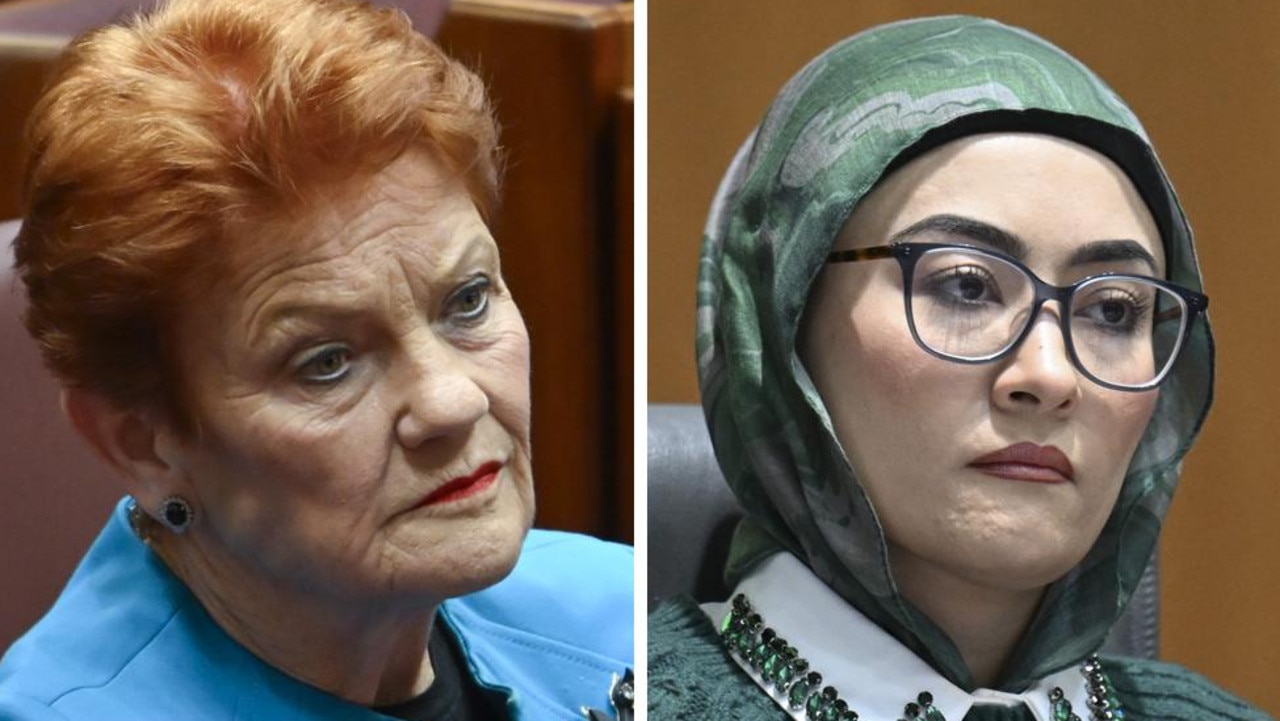
Pauline Hanson defends senator over eligibility question, attacks Fatima Payman
A fresh political firestorm has erupted in Australian federal politics over constitutional eligibility rules, after One Nation leader Pauline Hanson launched a fierce defense of one of her party’s senators and reignited a long-running public conflict with independent legislator Fatima Payman. The clash comes as senior figures from the opposition Coalition are demanding the eligibility question be formally escalated to either the parliamentary privileges committee or Australia’s High Court for a binding ruling.
The controversy centers on One Nation West Australian Senator Tyron Whitten, after reporting from *The Australian* newspaper raised red flags over his ongoing financial holdings. The outlet claimed Whitten, who co-founded construction firm Whittens Group with his brother, still retains shares in the company – a business that holds a contract for the major Snowy Hydro 2.0 infrastructure project. In recent days, Whitten updated his mandatory parliamentary register of interests, removing both Whittens Group and a second associated entity, Whittens Bros Investments Pty Limited, from his public disclosures.
These revelations have triggered fresh scrutiny under Section 44 of the Australian Constitution, a statute that bars sitting parliamentarians from holding any direct or indirect financial interest in Commonwealth government projects or public assets. Rejecting the Coalition’s calls to refer the matter to the High Court acting as the Court of Disputed Returns, Hanson launched a blistering attack on opposition lawmakers, labeling them “gutless wonders” and “pure hypocrites” for their stance.
Hanson pushed back firmly against the eligibility claims, arguing: “The fact is, there is no question over Senator Whitten’s eligibility. Snowy Hydro is a public company, not a government department.” Instead of addressing the Coalition’s demands, Hanson pivoted to renew her earlier questioning of Payman – a former Labor senator who now sits as an independent – dragging the years-old debate over Payman’s citizenship status back into the national spotlight.
Payman, who was born in Afghanistan, took steps to renounce her Afghan citizenship ahead of the 2022 Australian federal election. However, her request was never finalized by the Afghan embassy after the Taliban seized control of the country, a regime that Australia does not formally recognize. Section 44 of the constitution bars dual citizens from serving in federal parliament, except in cases where a candidate can prove they took all reasonable steps to renounce their additional citizenship.
In a social media statement published over the dispute, Hanson argued: “The most questionable senator in parliament, Fatima Payman, holds Afghan citizenship. It’s a case that still needs investigation and an answer. I tried to have her qualification to sit in parliament under section 44 of the constitution referred for an inquiry. The hypocrites in the Coalition joined with Labor and the Greens to kill that inquiry and make sure she was never investigated. If the Coalition didn’t have double standards, they wouldn’t have any. I wish the Coalition would put as much effort into working together and fixing the country as they put into trying to take One Nation down.”
Section 44-related disputes are not a new feature of Australian politics. Between 2017 and 2018, 15 sitting federal politicians were forced to resign from their seats after being found to breach the dual citizenship provision of the rule, in many cases for holding secondary citizenship they had no prior knowledge of. All affected lawmakers were required to contest their seats in subsequent by-elections to regain their positions.
-
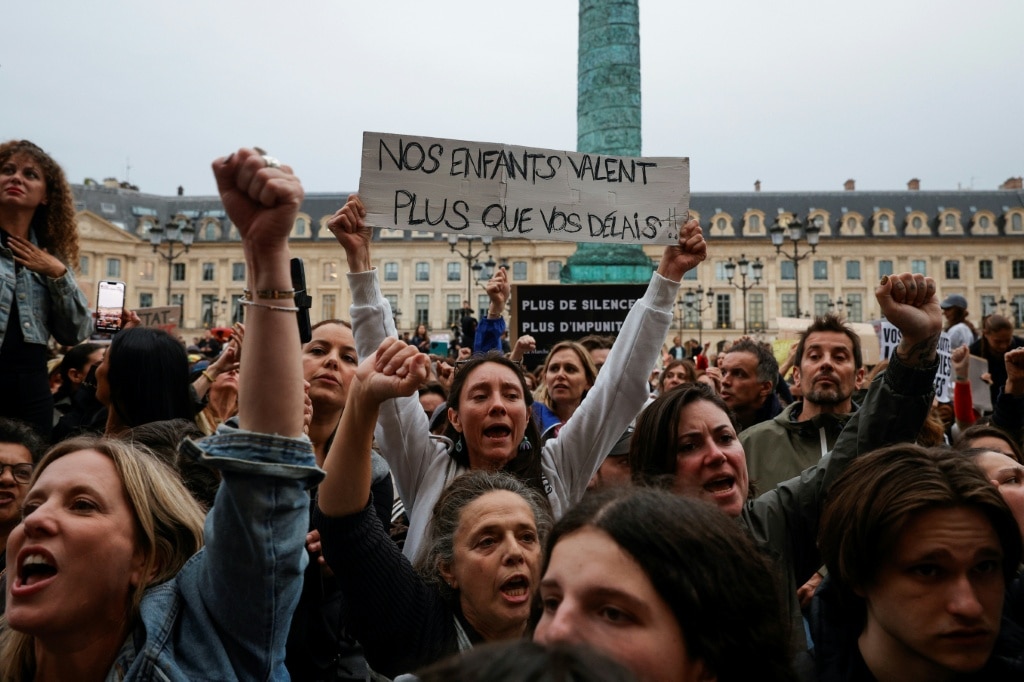
French justice minister refuses to resign over girl killing case
A national reckoning over judicial failures in child protection and sexual abuse case management has gripped France this week, after Justice Minister Gerald Darmanin publicly refused to step down amid growing fury over his department’s role in the killing of 11-year-old Lyhanna.
The young girl’s body was discovered last week, nearly two weeks after she disappeared from her home near the southwestern town of Fleurance on May 29. The primary suspect is a 41-year-old man who is the father of one of Lyhanna’s school friends, a detail that has amplified public shock: court records show the man had already been formally accused of child rape on two separate occasions prior to Lyhanna’s disappearance.
One of those prior sexual assault complaints was filed in August of last year, but the investigation was never advanced, and law enforcement never questioned the suspect before Lyhanna went missing nine months later. After acknowledging what he called a “huge failure” in the handling of the prior accusations in an apology Friday, Darmanin faced immediate cross-party and public calls to resign over the systemic breakdown that allowed the suspect to remain free.
Appearing before reporters at a Monday press conference, Darmanin pushed back against those demands, saying the question of his resignation would only be justified if he refused to take accountability for the failures exposed by the case. “I will tell the whole truth without hiding anything from the French people,” he told attendees, framing the crisis not as an isolated misstep but a potential systemic breakdown that requires urgent review. As an immediate first step, Darmanin announced he has ordered all public prosecutors across France to launch a full re-examination of roughly 70,000 pending child crime complaints that are currently stuck in the nation’s backlogged judicial system.
But judicial leaders say the current crisis stems from deep underfunding and understaffing, not just individual mismanagement. Ludovic Friat, head of one of France’s major magistrates’ unions, warned Darmanin in a formal letter this week that judicial workers simply cannot keep pace with ministry demands when France has four times fewer prosecutors per capita than the European average.
Independent data bears out the scope of the systemic failure: according to CIIVISE, France’s independent national commission on sexual violence, only 7 percent of all reported complaints for child sexual assault in the country ultimately result in a criminal conviction.
Lyhanna’s killing has already reverberated far beyond the case itself, sparking widespread national calls for sweeping reform to how France investigates and prosecutes sexual abuse against both children and women. Yael Braun-Pivet, speaker of France’s National Assembly, has called on the government to immediately speed up legislative review of a pending bill targeting all forms of sexist and sexual violence. Drafted based on 140 recommendations from leading women’s rights organizations, the legislation includes key provisions to expand specialized training for police officers and judges who handle sexual abuse cases, a move advocates say will address longstanding gaps in how these sensitive investigations are conducted.
-
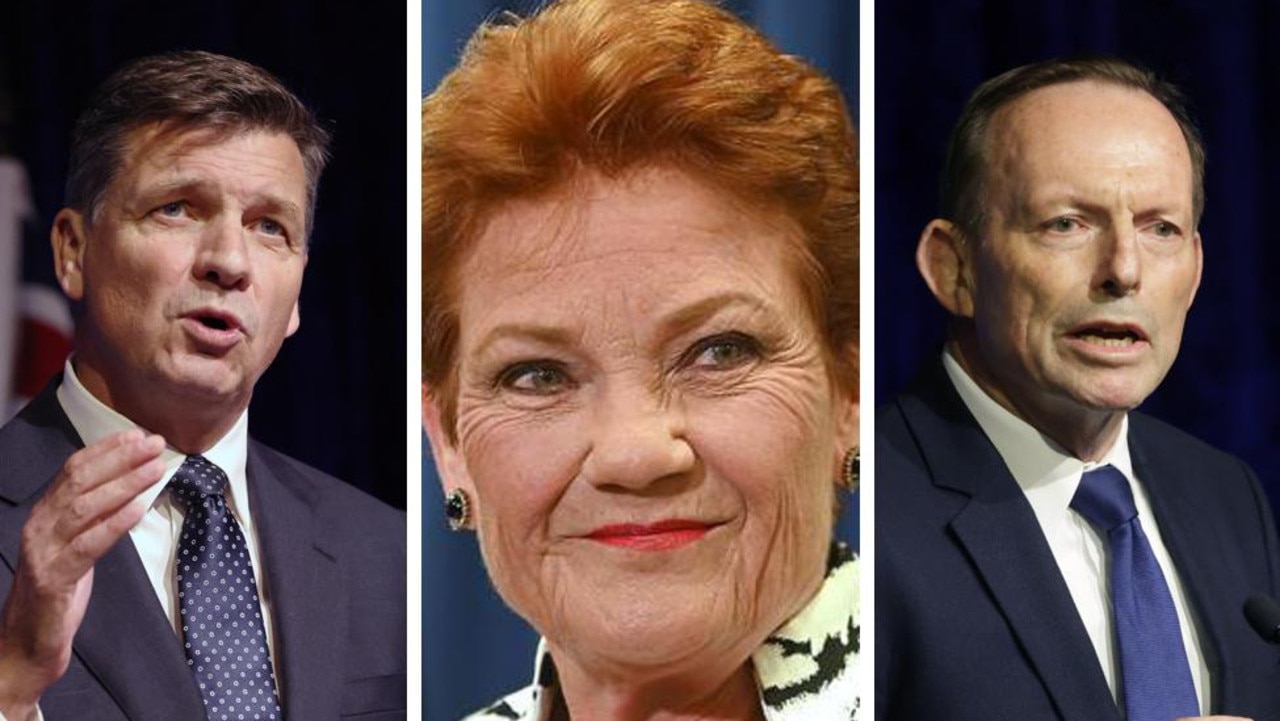
Angus Taylor leaves door open to One Nation deal after Tony Abbott spruiks preference swap
Australia’s federal political landscape has been thrown into fresh flux after senior Liberal Party figure Angus Taylor confirmed the centre-right opposition is open to striking a electoral alliance with Pauline Hanson’s right-wing populist One Nation party, a development that follows growing momentum for Hanson’s movement and public backing for a partnership from a senior Liberal heavyweight. The comments come on the heels of Western Australia’s state Liberal leader Basil Zempilas recently stating he was also willing to collaborate with One Nation, setting the stage for a debate over the future of preference arrangements ahead of any upcoming national and state elections.
Speaking to reporters on Tuesday, Taylor pushed back against questions over whether pursuing a partnership with One Nation is appropriate, framing the party’s top priority as restoring public confidence after years of electoral setbacks. “What is appropriate is to be winning back the trust of the Australian people,” Taylor argued. He added that while he ultimately hopes to secure a majority of first-preference votes from Australian voters, the party recognizes it must repair broken trust with working-class Australians who feel disillusioned and let down by the current federal Labor administration.
Taylor stressed that the Western Australian Liberal branch retains full autonomy to make its own decisions about local electoral arrangements, but drew a clear line on the federal opposition’s broader approach: “we will work, as I said earlier, with whoever we can to get rid of this rotten Labor government.” The senior Liberal went on to echo widespread frustration among opposition ranks, acknowledging that the Coalition has suffered a nosedive in public approval, and that the anger among voters is justified. “They are angry, and I completely understand why,” he said. “They are swinging the bat now. We have to do better as a party, and I’ve said this many times to rebuild trust with Australians, and we have to lay out our plans every day.”
Taylor accused Prime Minister Anthony Albanese of failing to deliver on his promises, leaving many Australian voters feeling betrayed. “I want Australians to get that Australian journey back, and it’s disappearing under this government,” he said. “This Prime Minister has no idea. He has no idea. And, so I can understand why they’re angry.”
Taylor’s comments are the second high-profile endorsement of a potential arrangement with One Nation in as many days. On Monday, new Liberal Party federal president and former prime minister Tony Abbott publicly threw his support behind a preference swap deal between the two parties, a long-debated strategy that has divided the centre-right in Australia for decades.
The push for closer ties with One Nation comes at a time when Hanson’s party is seeing historic gains at the polls. The most recent Newspoll data shows One Nation has overtaken Labor on primary vote share for the first time in the party’s history, a seismic shift in Australian voting intentions. The party has also built momentum off recent electoral breakthroughs in South Australia and in the former New South Wales Liberal seat of Farrer once held by ex-opposition frontbencher Sussan Ley. Even with these gains, One Nation has faced growing scrutiny in recent days over its housing policy, marked by public confusion and sudden policy backflips from the party’s sitting members of parliament.
For the Liberal Party, Taylor has positioned the party around a platform of lower national taxes and addressing the country’s ongoing housing affordability crisis through strict cuts to net immigration levels.
-

US adds BYD to list of firms with alleged Chinese military ties
In a move that escalates bilateral commercial and diplomatic tensions between Washington and Beijing, the U.S. Department of Defense has added a slate of major Chinese firms to a congressional-mandated roster of companies linked to the Chinese military, counting among the new entries e-commerce and technology giant Alibaba Group and leading electric vehicle manufacturer BYD. The list, formally established under Section 1260H of the U.S. defense authorization statute, currently carries more than 80 entries of Chinese-owned commercial entities that operate within the United States. The official purpose of the inventory is to alert U.S. institutions to perceived national security risks tied to doing business with the listed firms. Crucially, the designation does not trigger an immediate ban on commercial activity between American entities and the added companies, a framing that signals the incremental escalation of pressure on Sino-U.S. economic ties. Alongside Alibaba and BYD, other high-profile new additions to the list include Chinese search engine operator Baidu, EV startup Nio, and state-owned commercial aircraft manufacturer Comac. Longstanding entries that remain on the roster from previous rounds of additions include other major Chinese technology players: telecommunications giant Huawei, internet conglomerate Tencent, drone manufacturer DJI, and leading global EV battery producer CATL. Officials at the Chinese Embassy in Washington D.C. pushed back sharply against the new designation in a statement provided to the BBC, labeling the entire list as a discriminatory tool that unfairly targets legitimate Chinese businesses. The embassy emphasized that all Chinese firms operating in the United States have consistently abided by American federal and local laws throughout their operations, adding that the unilateral blacklisting lacks any legitimate factual or legal foundation. Spokespeople for multiple companies named on the updated roster have issued public refutations of the Pentagon’s claims. A representative for Alibaba flatly rejected the government’s characterization, stating that the company has never operated as a military-linked entity, nor is it part of any Chinese state-run military-civil fusion initiative. “There is no basis whatsoever for our inclusion on this list,” the spokesperson said, adding that the company “will pursue all available legal avenues to counter baseless misrepresentations of our business and operations.” The BBC has reached out for official comment from other newly added companies including BYD and Baidu, and as of the latest reporting, no additional on-the-record responses have been released. This latest update to the Section 1260H list comes amid a broader ongoing shift in U.S. policy toward Chinese technology and industrial firms, with Washington increasingly framing commercial ties with large Chinese companies through a national security lens. Analysts note that while the designation does not carry immediate punitive measures, it can create chilling effects for investment, partnership, and market access for the listed firms, complicating their global expansion and access to U.S. capital markets.
-
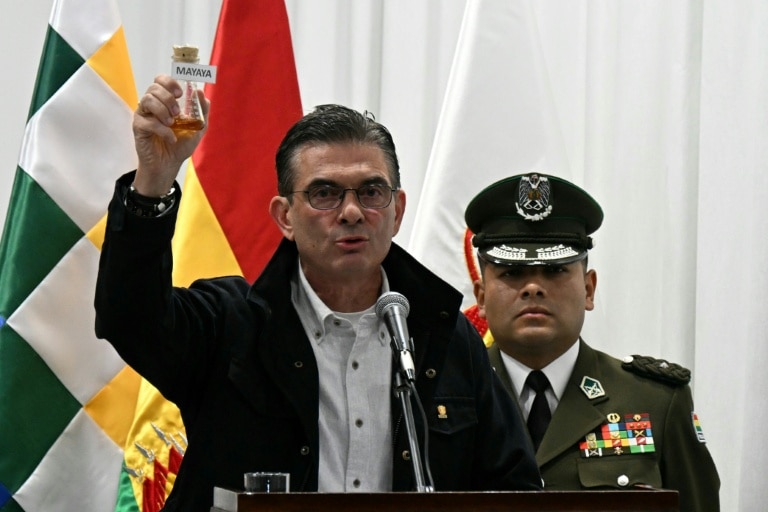
Bolivian president says ‘narcoterrorists’ behind crippling protests
Weeks of mass anti-government demonstrations and widespread road blockades have pushed Bolivia to the brink of a total national standstill, leaving embattled conservative President Rodrigo Paz with dwindling patience and on the cusp of deploying military forces to crush the unrest. The ongoing disruption has sent food and fuel prices soaring, created acute shortages of essential goods across the country, and sparked violent clashes that have left multiple people injured on both sides. Riot police attempts to clear barricades with tear gas have been repelled by gunfire that wounded several officers, while Bolivia’s ombudsman’s office confirms at least 14 civilians have also been hurt in the unrest, during which protesters have thrown stones and burned tires to maintain their blockades. Demonstrators have two core demands: they want Paz’s newly formed administration to address the nation’s deep, ongoing economic crisis, and many are calling for the pro-business US-backed president to resign from office entirely. Speaking at a signing ceremony on Monday for a new emergency powers law, President Luis significantly ramped up his rhetoric against the movement, blaming so-called “narcoterrorists” for fomenting the chaos and warning that the dissidents’ “days are numbered.” The legislation, approved by Bolivia’s legislature on Sunday, clears the legal path for Paz to declare a national state of emergency that would formally authorize military deployment to clear blockades and suppress the protest movement. Paz has long implied that former left-wing president Evo Morales, the leader of Bolivia’s first Indigenous-led government and his political predecessor, alongside Morales’ base of coca-growing supporters, are behind the unrest in a plot to destabilize the country’s first conservative government in 20 years. “Our security is put at risk when narco‑terrorism, and the priorities of certain actors, are not aligned with our democracy, our constitution,” Paz stated during the ceremony. “They put their own interests above those of Bolivian society.” As the crisis drags on, a growing counter-movement has emerged among residents exhausted by the shortages and disruption. On Monday, hundreds of Bolivians marched through central La Paz waving white flags and chanting “Peace for La Paz,” calling for an immediate end to the paralyzing roadblocks. Ninoska Diaz, a market vendor who joined the counter-protest, told AFP that widespread deprivation has become unbearable for ordinary citizens: “We can no longer bear the hunger of the people, whose food baskets are empty.” In a post to social platform X on Sunday, Paz attempted to strike a more optimistic tone, acknowledging that the capital La Paz and the country’s second-largest city El Alto “are still facing difficult times, but concrete progress is also beginning to be made,” including improvements to disrupted fuel distribution networks. Paz, who took office in November on a promise to resolve Bolivia’s worst economic crisis in decades, has seen public anger surge over his unpopular austerity-focused economic reforms and his perceived failure to address urgent social needs. Morales, who has been in hiding to avoid prosecution on charges related to an alleged relationship with a minor that resulted in a child, has been directly accused by Paz’s administration of orchestrating the current unrest. International backing for Paz’s handling of the crisis arrived last Friday, when the new “Shield of the Americas” anti-cartel alliance, launched by former U.S. President Donald Trump and made up of pro-U.S. administrations across Latin America including Argentina, Chile and Bolivia, issued an unambiguous statement of support for the embattled Bolivian president.
-
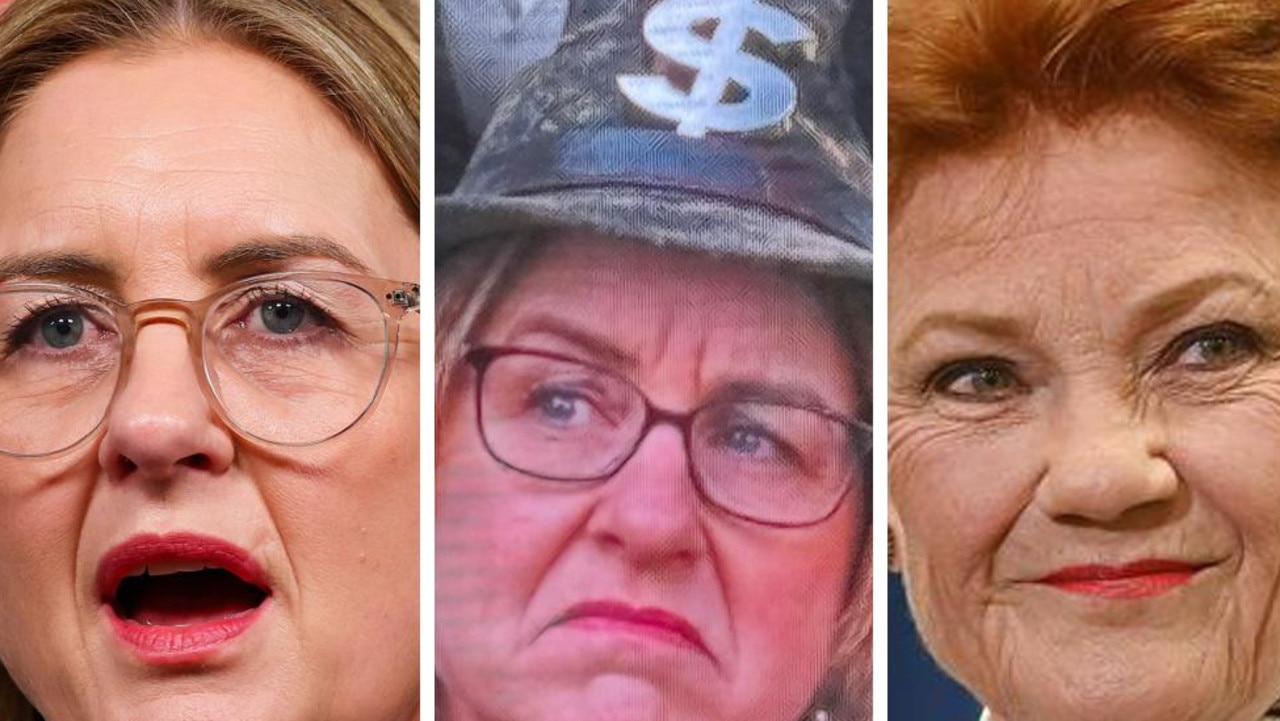
Pauline Hanson doubles down on criticism of Premier Jacinta Allan over sexist campaign
A firestorm of political controversy has swept across Australia after a sexist electoral campaign targeting Victorian Premier Jacinta Allan drew widespread condemnation — and sparked an extraordinary rebuke from One Nation leader Pauline Hanson, who has doubled down on her criticism of the embattled state leader. At the center of the outrage is an outdoor billboard bearing the inflammatory slogan “Ditch the Witch,” a phrase already notorious in Australian politics for its use against former prime minister Julia Gillard during the 2011 national carbon tax debate. Friday brought confirmation that the campaign counts partial funding from Franco Puleo, a Melbourne-based brothel owner, which amplified public backlash almost immediately.
In comments delivered to Sky News on Monday night, Senator Hanson rejected widespread labeling of the slogan as misogynistic, and instead told Premier Allan to “suck it up” and accept harsh political criticism. Drawing on her own 30-year career in public office, Hanson argued that strong language is par for the course in Australian politics, adding “if the shoe fits, wear it.” The One Nation leader went on to tie the inflammatory slogan to widespread public discontent with Allan’s leadership, listing rising violent crime, street gang activity, and ongoing conflict over transmission line development in Victoria’s agricultural sector as evidence that Allan’s government had failed the state. “It’s an absolute basket case,” Hanson said of Victoria, adding that if harsh words are enough to derail a sitting premier, they cannot be trusted to manage a state of millions. “I’ve been called so many things over my career, it’s water off a duck’s back now,” Hanson wrote in a follow-up social media post.
But the far-right leader’s comments have been roundly rejected by political figures across the ideological spectrum. Prime Minister Anthony Albanese led national condemnation on Monday, warning that dehumanizing, sexist political rhetoric creates a culture that can lead to violence against elected officials. “What I don’t want to do is to have a press conference in this courtyard after a tragedy,” Albanese said, calling on political actors to “turn the temperature down” on aggressive discourse. The prime minister added that unchecked misogyny in politics discourages women from entering public life, eroding what should be an honourable profession.
Puleo, the campaign’s co-funder, has denied that the slogan is sexist, rejecting widespread criticism of the messaging. For her part, Allan acknowledged that political disagreement is a normal part of democracy, but emphasized the broader harm of the slogan. “I care that this attacks women. And I care about who’s next,” she said, noting that Australian political debate has grown increasingly corrosive over the past decade. Even Victorian Opposition Leader Jess Wilson, who leads the state’s center-right opposition against Allan’s Labor government, called the slogan “not appropriate language,” though she framed the campaign as the work of a small, unrepresentative fringe group.
The most high-profile show of solidarity came from Julia Gillard, the former prime minister who was targeted by the exact same “witch” slur 15 years ago. In a rare public statement on social media, Gillard said she had long held that the treatment of women in Australian politics was slowly improving, with misogyny becoming less common in mainstream political discourse even as social media remains a toxic space. “I am saddened to see that improvement cast aside and this tired old trope resurrected,” Gillard said.
The controversy comes at a precarious moment for Allan, who took over the Victorian premiership from the controversial Daniel Andrews in 2023. The premier is facing a tough state election contest this November, with polling showing declining approval ratings, ongoing public friction over infrastructure projects and rising crime, and a sharp surge in support for Pauline Hanson’s One Nation party in the state. Recent days have even brought open questions about the future of Allan’s leadership of the state Labor party, as internal and external critics increasingly question her ability to hold the line against growing conservative and far-right momentum.
-
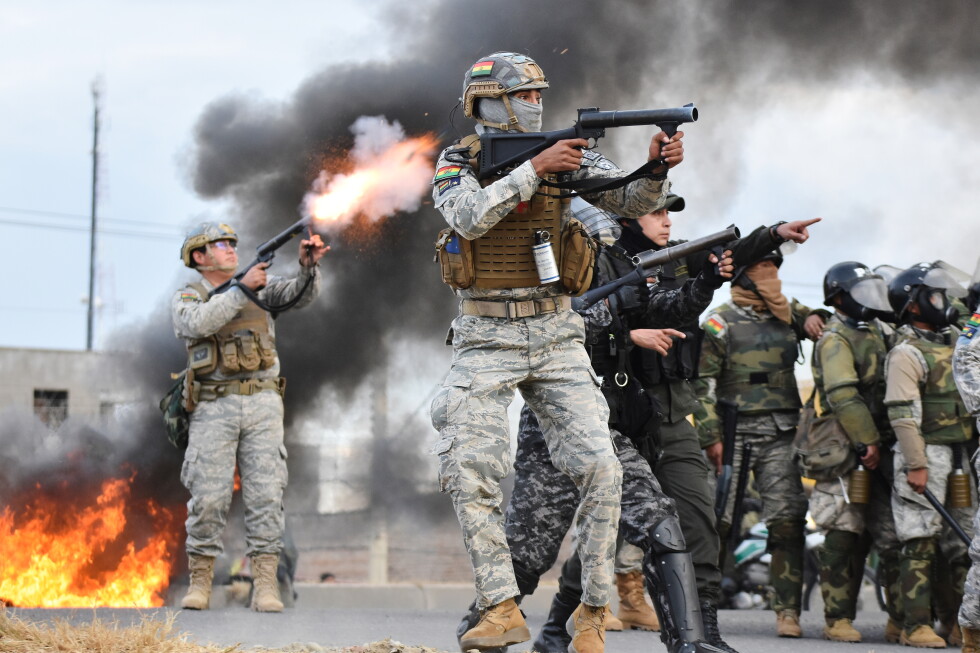
Protesters, police clash in Bolivia after president signs law enabling a harsher crackdown
Five weeks of widespread anti-government unrest has pushed Bolivia, the landlocked Andean nation, into a deepening political and humanitarian crisis, as fresh violent clashes between demonstrators and security forces broke out on Monday following new legislation that opens the door for a potential military crackdown on blockades.
Protesters, who are demanding the immediate resignation of seven-month conservative incumbent President Rodrigo Paz, clashed with security personnel across multiple urban centers. In the central hub of Cochabamba, crowds hurled stones, firecrackers and sticks at police, who responded with tear gas to disperse the crowds. In El Alto, the populous neighboring city of administrative capital La Paz, demonstrators stormed a local public transport union office amid mounting anger over crippling fuel shortages. By the end of the day, local police confirmed that at least 51 people had been arrested across the two hotspots of unrest.
The current wave of demonstrations was first ignited in early May by Paz’s controversial decision to scrap long-standing national fuel subsidies, a move that sent energy prices soaring for working-class and low-income Bolivian households. The anger has since broadened, with protesters pointing to the administration’s failure to address the country’s persistent economic challenges, including sky-high inflation and stagnant low wages that have squeezed livelihoods across the country. Protesters, many of whom cast Paz as a betrayer of the public trust, note that they helped vote him into office just seven months ago, only to be neglected by the new administration.
The movement has drawn broad participation from across Bolivian civil society: the national workers’ union, highland Indigenous communities, and peasant farmer organizations have all joined the mobilization, turning to widespread road blockades as a core protest tactic. So far, demonstrators have established 90 blockades across the country’s key transportation arteries, cutting off supply routes to major urban centers and leaving the administrative seat of government La Paz particularly isolated. The blockades have paralyzed national logistics, leading to acute shortages of critical goods including food, fuel, and essential medical supplies.
A preliminary independent report released over the weekend by Bolivia’s public ombudsman, an autonomous state oversight body, offered the first full accounting of the human cost of the five-week crisis: between May 1 and June 2, the unrest has left 10 people dead, 37 injured, and more than 360 arrested across the country. The Bolivian government has confirmed that seven of the recorded deaths stemmed from delays in emergency medical care caused by blocked transportation routes, and has stated that all violent incidents linked to the unrest are currently under investigation.
Paz’s election victory last year marked a historic political shift for Bolivia, ending nearly two decades of uninterrupted rule by the left-wing Movement Toward Socialism (MAS), the party founded by iconic former President Evo Morales. Since the unrest began, the president has attempted to open dialogue with protest leaders and has so far instructed police to show restraint when responding to demonstrations. However, organizers have refused all calls for negotiation, insisting that their only non-negotiable demand is Paz’s immediate resignation from office.
In recent days, political pressure has grown on Paz from conservative allies to take a far more aggressive approach to clearing the blockades and restoring order. On Monday, he signed into law a new piece of legislation that lowers the legal barriers for the executive branch to declare a national state of emergency. If enacted, the measure would suspend certain constitutional rights and deploy the military to clear road blockades and reassert government control. A separate presidential decree is still required to activate the state of emergency, and it remains unclear whether Paz will move forward with the step. The uncertainty stems from Bolivia’s own political history: past violent military crackdowns on mass popular protests have resulted in the ousting of sitting presidents, creating a major political risk for the incumbent.
Framing the new legislation in a nationally televised address after signing the bill, Paz claimed the measure was necessary to protect the Bolivian majority from what he called “narco-terrorism” instigating the protest movement. “I extend my hand to the social organizations that have legitimate demands and reiterate my willingness to engage in dialogue,” Paz added in his address, even as tensions continued to boil over across the country in the hours after his speech.
-
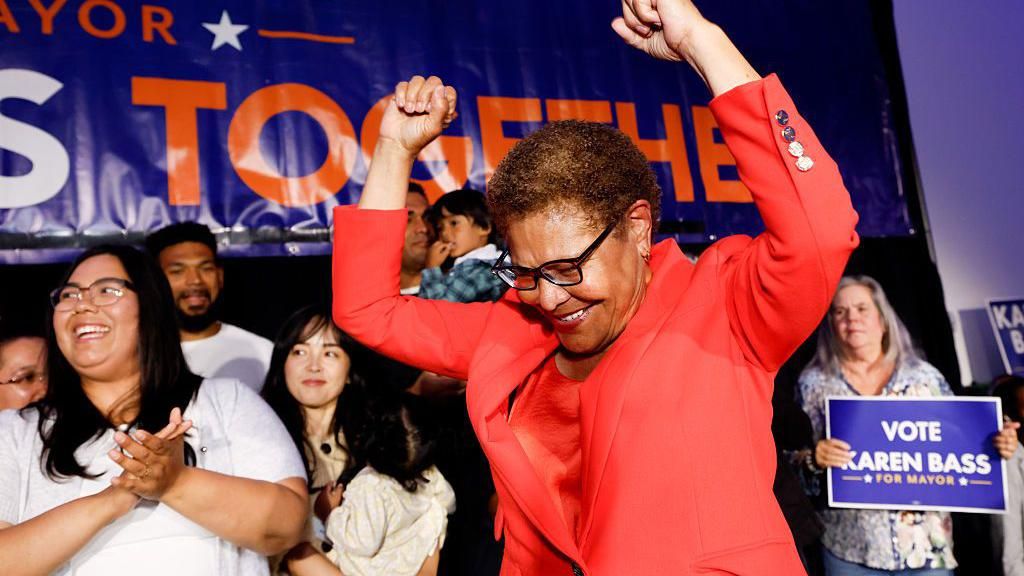
Spencer Pratt out of LA mayor race as left-wing rival Nithya Raman advances
Nearly a week after Los Angeles’ June 2 primary election, official vote counting has finalized the field for November’s general election mayoral race, with progressive city councilor Nithya Raman advancing to challenge incumbent Democratic Mayor Karen Bass. Reality television personality Spencer Pratt, a political outsider and longshot Republican candidate, saw his unconventional bid for city leadership end in elimination.
Incumbent Bass crossed the vote threshold to lock in her general election spot shortly after polls closed on June 2, but slow vote tallying stretched out the race to determine her opponent for the November runoff, as the city works to fill the top executive role for the second most populous urban center in the United States. The winner of the upcoming general election will inherit leadership of a city grappling with two longstanding, pressing crises: widespread unhoused populations and crippling housing affordability that has priced out thousands of working and middle-class residents.
For Bass, a November victory would grant her a second four-year term, which will also be her final one due to city term limits. The 72-year-old Democratic politician boasts a decades-long career rooted in Los Angeles community organizing and public service. Before her first mayoral win, she represented sections of Los Angeles for six terms in the U.S. House of Representatives, where she chaired the Congressional Black Caucus and held a prestigious seat on the House Committee on Foreign Affairs. Ahead of the 2020 presidential election, Bass was widely discussed as a potential vice presidential running mate for then-Democratic presumptive nominee Joe Biden. Bass made history long before her time in Congress, too: during her tenure in the California State Assembly, she became the first Black woman to serve as speaker of a state legislative lower chamber in U.S. history.
Bass’ first mayoral term has been dominated by high-stakes crises, from her administration’s ongoing efforts to reduce homelessness to responses to federal immigration enforcement actions and extreme wildfire events. Most notably, her leadership faced intense public and political scrutiny following the January 2025 Palisades Fire, one of the most destructive wildfires in California’s recorded history. The blaze burned through a wealthy Los Angeles coastal neighborhood, destroyed more than 1,000 homes, killed 12 people, and drew widespread criticism of the city’s emergency response efforts.Raman, a 44-year-old urban planner and self-identified democratic socialist, entered the mayoral race in a last-minute surprise, announcing her candidacy just before the filing deadline – and only weeks after she had already officially endorsed Bass’ re-election. A member of the Democratic Socialists of America, she has been compared to New York City Mayor Zohran Mamdani, a fellow DSA member who won office on a progressive platform. Though Raman has served on the Los Angeles City Council since 2020, she failed to secure endorsements from any of her fellow council members for her mayoral bid. Her campaign has centered on aggressive policy proposals to expand access to affordable housing, drastically reduce the city’s homeless population, and revitalize job growth in Hollywood’s iconic entertainment sector. Raman has centered her criticism of Bass on the claim that the incumbent has not moved fast or aggressively enough to solve the city’s homelessness crisis.
Pratt, the 42-year-old Republican candidate who made his name as a reality TV star on MTV’s hit 2000s series *The Hills*, launched his longshot candidacy in January, positioning himself as a political outsider with no prior experience holding public office. The former publicist rose to fame in 2007 when he joined the cast of *Laguna Beach* spin-off *The Hills* as then-boyfriend (now husband) of co-star Heidi Montag. Pratt became one of Bass’ most high-profile critics after the Palisades Fire destroyed his personal home, turning his personal loss into a central talking point of his campaign.
The week-long delay in finalizing vote totals drew unfounded claims of voter fraud from former U.S. President Donald Trump, who alleged without evidence that California Democrats were attempting to “steal” local elections in the state.
-
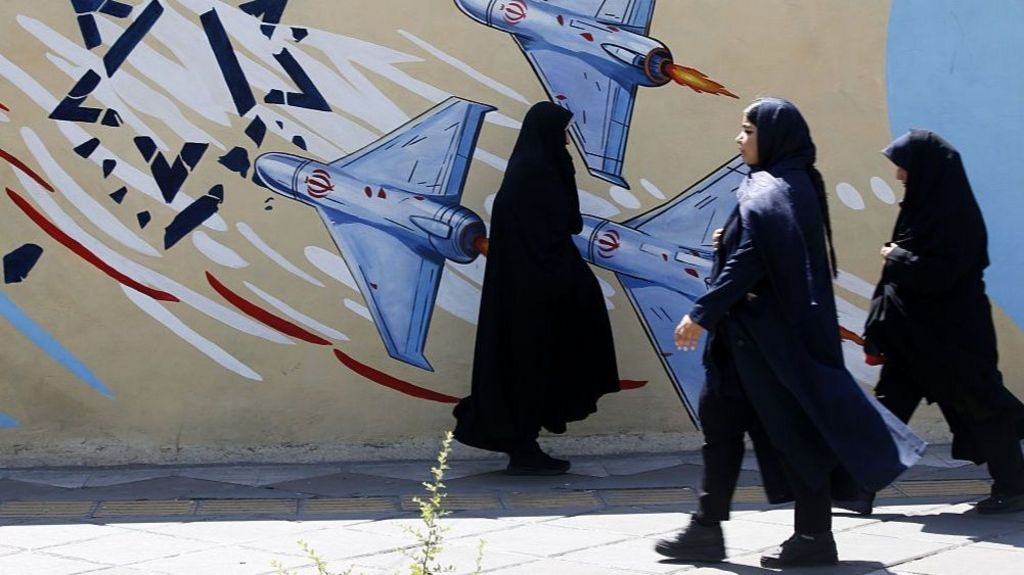
Israel and Iran flare-up tests Trump’s grip and could strengthen Tehran’s negotiating hand
A weekend of tit-for-tat military exchanges between Israel and Iran has reignited fears that the Middle East is sliding toward open direct conflict between Washington and Tehran, putting long-strained alliance dynamics and fragile nuclear diplomacy under the global spotlight.
The latest cycle of violence began when Israel carried out targeted airstrikes on Beirut, the capital of Lebanon, prompting Iran to launch a missile barrage against Israeli territory in retaliation. In response, Israel launched its own airstrikes against Iranian sites – the first such direct attack since a shaky ceasefire between the US, Israel and Iran took hold in April.
More than three months after the US and Israel opened their formal conflict with Iran, the region remains perched on a knife’s edge. The fractured network of temporary ceasefires and competing alliances has created a dangerously unstable landscape, and this latest escalation lays bare three critical truths about the current trajectory of hostilities.
First, US President Donald Trump lacks the ability – or the willingness – to rein in his Israeli ally to the degree he publicly claims, a gap Tehran has been quick to spot and exploit to widen rifts between the two allies. Second, Iran is willing to accept retaliatory strikes on its own territory to tie the US-Iran conflict directly to the ongoing standoff between Israel and Lebanese militant group Hezbollah. Third, the long-awaited nuclear deal Trump has prioritized is far from imminent: Iran has detected that Trump currently has a low appetite for military risk in an election year, and is pushing to extract greater concessions from Washington at the negotiating table.
Hours after Iran’s Sunday missile attack, Trump told reporters he would immediately call Netanyahu and order him to stand down from retaliation, warning that an Israeli counterstrike could derail his delicate diplomatic outreach to Tehran. But just hours later, Israel carried out its strikes anyway. When questioned by the BBC on Monday, Trump pushed back against claims Netanyahu had defied him, arguing that Israeli warplanes were already airborne when the two leaders spoke. “If I tell him to do something, he does it,” Trump told the BBC in a brief phone interview.
On the surface, the incident appears to be another example of Trump failing to control Israeli policy, adding to a growing list of public tensions between the two leaders. Just last week, multiple reports emerged that Trump launched a profanity-laced tirade against Netanyahu, labeling him “crazy” for his push to strike Beirut. Netanyahu has defended the Beirut strikes as a necessary measure to counter persistent Hezbollah threats to northern Israel, while Trump has argued that unprompted Israeli escalation threatens his efforts to strike a deal with Tehran that would reopen the Strait of Hormuz and secure binding guarantees on Iran’s nuclear program. In an interview with the New York Post last week, Trump said he was deeply frustrated by Netanyahu’s “constantly fighting with Lebanon”.
Despite the prevailing narrative that Netanyahu defied Trump’s order, the reality is far more nuanced. Veteran American Middle East negotiator Aaron David Miller noted that Trump gave Netanyahu what amounted to a “blinking yellow light” – a signal of limited, cautious approval for a single, limited strike. Military analysts point out that Israel could never have carried out a direct strike on Iran without at least tacit approval from Washington. The US currently maintains its largest military buildup in the Middle East since the 2003 invasion of Iraq, with hundreds of American personnel embedded with the Israel Defense Forces (IDF) for joint coordination. Any Israeli airstrike on Iran would require detailed coordination with US military commands to avoid accidental clashes with American forces operating in the region. After the strikes, IDF officials told Israeli journalists there had been “full co-ordination” with US Central Command, and confirmed that the US military assisted in shooting down incoming Iranian missiles targeting Israel.
By Monday afternoon Washington time, both Israel and Iran had signaled that the current round of hostilities was over – a status quo aligned perfectly with Trump’s immediate goals. Analysts suggest two plausible explanations for Trump’s pre-strike call for restraint: either the public warning was intended for Tehran, to distance Washington from the upcoming Israeli strike and preserve diplomatic progress, or Trump genuinely intended to halt the attack but was persuaded to back down by Netanyahu.
While Israel viewed retaliation as a necessary deterrent to future Iranian attacks, Iran’s decision to launch missiles against Israel in response to a strike in Lebanon marked a significant strategic shift. For the first time in the current conflict, Iran responded to an Israeli strike against Lebanese targets rather than an attack on Iranian soil, a deliberate choice to tie the separate US-Iran ceasefire to the nominal, largely unenforced ceasefire between Israel and Hezbollah. The strikes also served as a test of Trump’s commitment to Israel: how far would Washington back an Israeli counterstrike, and would the US enter the conflict directly? For Tehran, any public rift that can be opened between Washington and Jerusalem improves its negotiating position.
In the end, Trump opted for public distance from the strikes while continuing his diplomatic outreach. Just hours before the escalation, Trump told NBC News that a nuclear deal with Iran was “very close”. After the exchanges, he struck a dismissive tone toward both sides, saying each had “had their fun” and it was now time to return to negotiations.
Iranian leadership has emerged from the confrontation emboldened. Iranian President Masoud Pezeshkian argued that the country’s military strikes against Israel had strengthened its hand in talks with Washington, describing “diplomacy and defence” as the “two wings of national power”. “We have neither abandoned the field nor the negotiating table,” he wrote on social media.
Iran’s economy is reeling under the weight of crippling US sanctions, a crisis worsened by the ongoing American naval blockade of Iranian ports. Tehran’s top priorities in negotiations with Washington are clear: first, meaningful sanctions relief and the unfreezing of tens of billions of dollars in blocked Iranian oil revenue, and second, a commitment from the US to rein in Israeli escalation against Hezbollah in Lebanon, which Iran views as a key deterrent against future Israeli strikes on its own territory.
With high global oil prices driven by Iran’s closure of the Strait of Hormuz putting pressure on the US economy ahead of midterm elections, Tehran has calculated that Trump has little incentive to open a new round of full-scale conflict. Each incremental escalation tests Trump’s patience, but Iran believes Trump is far more motivated to secure a signature foreign policy win than to return to open war, so it is pushing to front-load its key demands in any final agreement.
When asked Sunday whether he would agree to unfreeze Iranian assets or lift sanctions upfront as part of a deal, Trump gave a clear answer: “No.” That refusal has emerged as a key sticking point blocking progress, and the risk of further regional destabilization remains high – a dynamic that could yet push the US and Iran back into open, direct conflict.