分类: politics

  • UAE ‘aggressively’ lobbying US to designate Yemen’s Islah as a terror group, sources say

    UAE ‘aggressively’ lobbying US to designate Yemen’s Islah as a terror group, sources say

    A diplomatic rift is brewing in the Middle East after multiple anonymous regional, U.S. and Yemeni sources confirmed to Middle East Eye that the United Arab Emirates has waged an aggressive, four-month lobbying campaign to push the former Trump administration to designate Yemen’s Islah Party as a Specially Designated Global Terrorist (SDGT) – a move that would directly undercut Saudi Arabia, the group’s main international backer.

    The push from Abu Dhabi came after the Trump administration designated three national branches of the Muslim Brotherhood – Egyptian, Jordanian and Lebanese – as terrorist organizations earlier this year. While the UAE issued a muted public statement praising the decision as a positive step for global counter-terrorism efforts, senior Emirati officials privately expressed deep frustration that the action failed to meet their longstanding demand: a blanket terror designation for the entire Muslim Brotherhood movement, a goal Abu Dhabi has pursued for more than a decade across Washington and European capitals.

    A senior U.S. official, speaking on condition of anonymity to discuss sensitive diplomatic deliberations, noted that Emirati leaders genuinely believed the Trump administration would move forward with the proscription at some point. While it remains unclear whether Abu Dhabi secured a formal timeline from U.S. counterparts, a terror designation would carry severe consequences: a SDGT label would force U.S. financial institutions to freeze all assets linked to the party and bar all its members from entering the United States. If the more severe Foreign Terrorist Organization (FTO) designation was adopted, any individual anywhere in the world suspected of providing material support or resources to Islah could face prosecution under U.S. anti-terrorism law.

    The lobbying push sets the stage for a major escalation between Gulf rivals Saudi Arabia and the UAE, who have seen their once-aligned alliance fracture sharply over divergent strategic interests across the Middle East in recent years. Founded more than 30 years ago as the Yemeni Congregation for Reform, Islah is an independent Yemeni political party that blends Islamist, tribal and conservative ideological currents. While often characterized as ideologically sympathetic to the Muslim Brotherhood, the party has repeatedly denied any formal affiliation with the movement. Two members of the Saudi-backed Yemeni Presidential Leadership Council – Marib Governor Sultan Ali al-Arada and Abdullah al-Alimi Bawazeer – currently hold seats as Islah representatives.

    A senior informed Saudi source confirmed the kingdom is well aware that the UAE’s broader campaign to ban all Muslim Brotherhood branches targets Islah specifically. “They see Islah as the most dangerous branch of the Brotherhood because of its political weight and its role in Yemen,” the source told Middle East Eye. The U.S. official added that while the administration had not formally assessed Riyadh’s reaction, pushing through the designation would almost certainly trigger fierce pushback from the kingdom.

    Longtime coalition partners in the 2015 Yemen intervention, Saudi Arabia and the UAE have grown increasingly at odds over their strategic priorities in the country. Tensions boiled over in late 2022 when Riyadh forced the dissolution of the UAE-backed Southern Transitional Council (STC), a separatist group that Abu Dhabi has supported to politically and militarily marginalize Islah. Since that showdown, Saudi Arabia has moved to push Emirati forces and their local proxies out of key Yemeni territory. The rift extends beyond Yemen: the two Gulf powers also back opposing sides in Sudan’s ongoing civil conflict, with Riyadh supporting the Sudanese Armed Forces alongside Egypt and Turkey, while Abu Dhabi backs the Rapid Support Forces.

    Following a November executive order from the Trump administration that launched the process of designating specific Muslim Brotherhood chapters, the State Department began reaching out to regional stakeholders to gather input on a potential Islah blacklisting. Administration officials sent a series of questions about the party to both Saudi officials and Islah representatives as part of internal deliberations. A State Department spokesperson declined to comment on the outreach, telling Middle East Eye that the agency does not disclose details of internal designation discussions.

    Islah has not issued an official public response to the UAE’s lobbying offensive, but a senior party member told Middle East Eye the move did not come as a surprise. “We expected certain people to come after us after the Trump administration first unveiled the directive in November,” the source said, speaking on condition of anonymity amid a recent rise in targeted assassinations of Yemeni political figures. The party is currently pushing back against the terror allegations and is communicating with the State Department through a third-party intermediary. “Islah is a Yemeni party, and it isn’t a branch of the Muslim Brotherhood. It doesn’t have any links to them,” the source said. “We are happy with what the Muslim Brotherhood is doing in supporting Palestine, but that doesn’t mean Islah is a branch of the Muslim Brotherhood.”

    Abdullah al-Arian, an associate professor of history at Georgetown University’s School of Foreign Service in Qatar, explained the divergent approaches of Saudi Arabia and the UAE to the Muslim Brotherhood. While both nations have formally designated the movement as a terrorist organization, al-Arian noted that the UAE maintains an uncompromising zero-tolerance policy for any group linked to the Brotherhood, “irrespective of what short-term political advantages it might offer.” “There is a far deeper, ideologically driven agenda on the part of the UAE that we don’t see necessarily manifesting from the Saudis,” al-Arian said. “Not because the Saudis are more amenable to these groups or their actual political projects or programmes, but more because they see in them the possibilities for tactical political advantages.”

    Middle East Eye reached out to the UAE embassy in Washington and the Saudi foreign ministry for comment on the lobbying campaign, but did not receive a response prior to publication.

  • Japan’s prime minister launches a panel to review her country’s defense policies as threats escalate

    Japan’s prime minister launches a panel to review her country’s defense policies as threats escalate

    TOKYO – In a landmark move signaling a major shift in Japan’s post-war security posture, Prime Minister Sanae Takaichi officially launched a high-level expert panel Monday to conduct a comprehensive review of the nation’s core security and defense strategies. The initiative comes as mounting geopolitical tensions across East Asia, from intensifying military activity by China to heightened provocations from North Korea and expanded Russian military presence in the region, have pushed Tokyo to accelerate its long-planned military expansion.

    Takaichi, who assumed the premiership in October, has positioned defense upgrading as the centerpiece of her administration’s agenda, framing the expanded military capability as a critical deterrent against growing regional threats. In opening remarks delivered at her official residence at the panel’s inaugural meeting, Takaichi emphasized the urgent need to reorient Japan’s defense priorities to counter emerging threats. “The relatively stable post-Cold War international order has become a thing of the past,” she told the gathered experts. “The international situation has completely changed.”

    Drawing global lessons from ongoing conflicts, Takaichi argued Japan must adapt its military doctrine to account for new styles of combat, including asymmetric tactics and the widespread use of unmanned drone systems, while building capacity to withstand prolonged large-scale conflicts. “We need to learn the lesson from Russia’s invasion of Ukraine and the ongoing war in the Middle East,” she added. “As the world enters an era of turbulence and Japan faces many challenges, the upcoming revision … is a crucial effort that affects Japan’s fate.”

    The security policy review is the latest step in Takaichi’s push to expand Japan’s military reach. Just one week before launching the panel, her cabinet approved a historic rollback of long-standing restrictions on lethal weapons exports, a policy shift that marked a major break from Japan’s post-World War II pacifist framework that restricted the country to self-defense-only military activity. The rollback has been widely praised by the United States and other regional defense allies, who say it will open new avenues for deepening military-industrial cooperation and integrated defense production. However, the move has drawn sharp criticism from domestic pacifist groups and the Chinese government, which argue it deviates dramatically from Japan’s post-war commitment to pacifism.

    The 15-member review panel brings together leading specialists in diplomacy, national defense, and economic policy. Over the coming months, the group will examine Japan’s existing defense frameworks against a range of plausible emergency scenarios, evaluate the current defense budget and long-term funding mechanisms, and prepare concrete policy recommendations for revision. Japan’s current national defense strategy, adopted in December 2022, set a target of doubling defense spending to 2% of gross domestic product by 2027, a commitment that totals roughly 43 trillion yen ($270 billion). Takaichi’s administration has already hit that spending target ahead of schedule, leaving analysts widely expecting the panel to consider additional increases to military outlays in its final report.

  • Draft law targets faster, easier social assistance access

    Draft law targets faster, easier social assistance access

    China’s top legislative body is moving forward with a landmark piece of social policy legislation that seeks to transform how vulnerable residents access life-changing support. The draft Social Assistance Law was tabled this Monday for its third reading at the ongoing session of the Standing Committee of the National People’s Congress (NPC), the country’s highest legislative organ. Under China’s standard legislative process, most bills receive final approval following three readings by the NPC Standing Committee, putting this legislation one step away from becoming official law.

    Social assistance forms a foundational pillar of China’s social safety net, designed to address sudden hardships, chronic poverty, and urgent basic needs for low-income households, people with disabilities, and other vulnerable groups. In its latest iteration, the draft legislation retains existing requirements to maintain full transparency and procedural fairness in the allocation of assistance. It also adds a new, explicit mandate that regulatory authorities must streamline and adapt application and approval workflows to local conditions, cutting unnecessary red tape to make it simpler for eligible people to submit applications and receive their benefits in a timelier manner.

    Alongside the social assistance bill, the legislative session is also reviewing several other key pieces of legislation aligned with China’s ongoing policy and economic priorities. These include a revised draft of the Law on State-owned Assets of Enterprises, an amendment to the Agriculture Law, and a proposed new law on national healthcare security. This slate of legislative reviews underscores the government’s ongoing push to update its legal framework to better serve public needs and support long-term social and economic development.

  • White House to review Trump’s security after shooting at dinner event

    White House to review Trump’s security after shooting at dinner event

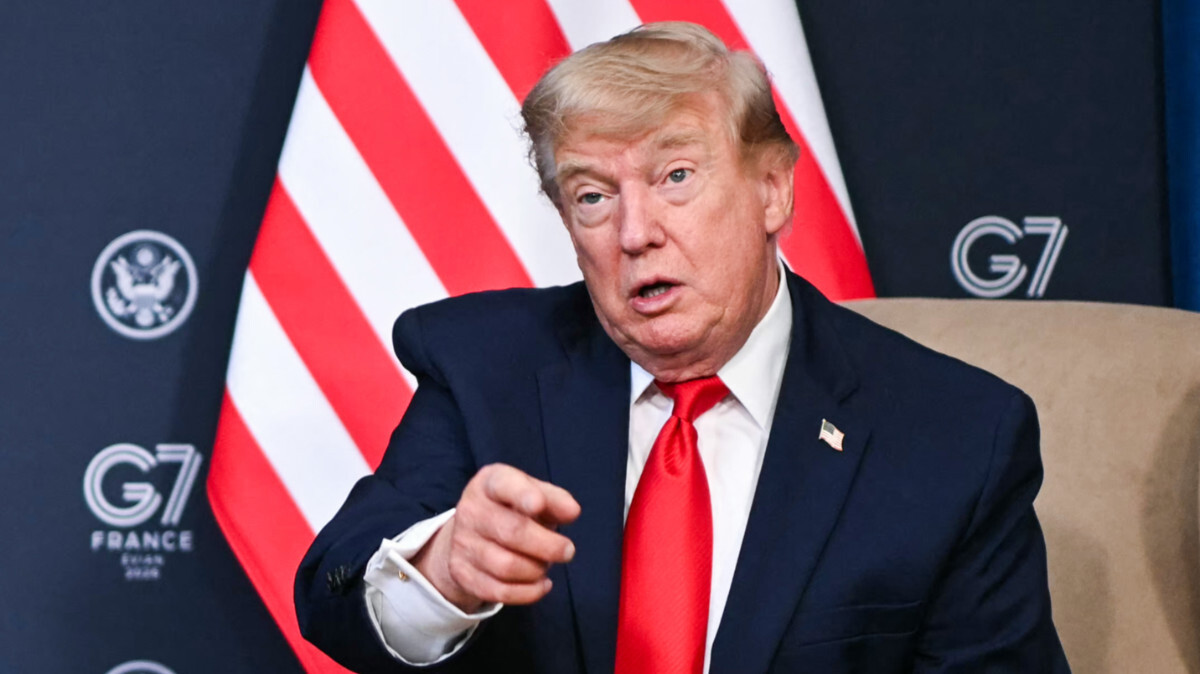
    A security breach at the annual White House Correspondents’ Dinner Saturday has triggered a full review of presidential protection protocols, after an armed suspect managed to approach a crowded ballroom housing former President Donald Trump, top U.S. officials and more than 2,000 attendees. A senior White House official confirmed to the BBC that senior leadership will convene a high-level meeting this week to examine the incident and refine security practices ahead of a packed schedule of high-stakes public events for the president this year.

    The suspect, 31-year-old Cole Tomas Allen, breached security perimeters and engaged in a brief shootout with law enforcement before being subdued by officers. A federal agent wearing a ballistic vest was shot during the exchange, but no fatalities or critical injuries to attendees were reported. The incident has sparked intense scrutiny of the U.S. Secret Service, the federal agency tasked with protecting the sitting president and other high-ranking government officials, after multiple security gaps were reported: attendees entering the Washington Hilton venue were not required to show valid photo identification, event tickets only listed table numbers without attendee names, and a single metal detector checkpoint was placed one level above the main ballroom entrances. Allen was stopped just near the top of the stairs leading directly to the ballroom doors.

    Despite widespread questions about the agency’s performance, President Trump has repeatedly voiced full confidence in the Secret Service’s actions. A senior White House official told the BBC that the president personally believes agents did an excellent job of neutralizing the threat and moving him and his inner circle to safety quickly. Even with that public backing, White House Chief of Staff Susie Wiles will lead the upcoming review meeting, which will include senior operations staff, Secret Service representatives, and officials from the Department of Homeland Security. The gathering will focus on dissecting which existing protocols successfully stopped the attack, while evaluating additional improvements to strengthen security for the large number of high-profile presidential events scheduled for the coming months.

    Among the upcoming major events are public gatherings tied to the 250th anniversary of the United States this July, a planned UFC fight hosted on the White House South Lawn, and official appearances tied to the 2026 World Cup. Separately, Senate Judiciary Committee Chair Chuck Grassley, who was in attendance at the dinner alongside Trump, Vice President JD Vance and House Speaker Mike Johnson, has announced plans to hold a separate closed-door briefing with Secret Service leadership to examine the incident and existing security protocols. Grassley, 92, is fourth in the presidential line of succession.

    In an on-site briefing roughly two hours after the shooting was contained, Trump acknowledged the inherent risks of open public events for sitting presidents. “I can’t imagine that there’s any profession that is more dangerous,” he said of the work of Secret Service agents, reiterating his support for the agency despite the coming review.

  • ‘Looming’ risk of nuclear arms race, UN proliferation meeting hears

    ‘Looming’ risk of nuclear arms race, UN proliferation meeting hears

    A high-stakes four-week conference of signatories to the Treaty on the Non-Proliferation of Nuclear Weapons (NPT), the global cornerstone of atomic non-proliferation efforts, kicked off Monday at United Nations Headquarters in New York. Delegates gathered against a backdrop of escalating geopolitical tensions and growing alarm among world leaders and experts that a new global nuclear arms race is increasingly likely.

    In his opening address to the gathering, UN Secretary-General António Guterres delivered a stark warning that the long-fraying foundations of the NPT are at a breaking point. “For too long, the treaty has been eroding. Commitments remain unfulfilled. Trust and credibility are wearing thin. The drivers of proliferation are accelerating. We need to breathe life into the treaty once more,” he said, echoing the dire warning he issued at the 2022 NPT review conference, when he stated humanity stood “one misunderstanding, one miscalculation away from nuclear annihilation.”

    Data released earlier this year by the Stockholm International Peace Research Institute (SIPRI) underscores these growing risks. As of January 2025, the world’s nine nuclear-armed states — Russia, the United States, France, the United Kingdom, China, India, Pakistan, Israel, and North Korea — hold a combined total of 12,241 nuclear warheads. The United States and Russia alone control nearly 90 percent of the global stockpile, and both nations have poured extensive resources into modernizing their arsenals in recent years. SIPRI also confirmed China has rapidly expanded its nuclear stockpile, a development that prompted the G7 to issue a formal warning over Moscow and Beijing’s growing nuclear capabilities just days before the conference opened.

    Recent policy shifts have further fueled global anxiety: US President Donald Trump has publicly stated he intends to resume nuclear testing, claiming other nations are already conducting covert tests, while French President Emmanuel Macron announced a major shift to France’s nuclear deterrence strategy in March, including a planned expansion of the country’s current arsenal of 290 warheads.

    French Foreign Minister Jean-Noël Barrot told conference delegates that the current moment carries unprecedented risk. “Never has the risk of nuclear proliferation been so high, and the threat posed by Iran’s and North Korea’s programs is intolerable for each and every state party to this treaty,” he said. Pyongyang’s advancing nuclear development program is widely identified as one of the most intractable sticking points that could derail any consensus agreement at the conference, alongside the ongoing war in Ukraine and disputes over Iran’s atomic activities.

    Conference president Do Hung Viet, Vietnam’s permanent representative to the UN, moved quickly to temper unrealistic expectations for the gathering. “We should not expect this conference to resolve the underlying strategic tensions of our time,” he said. Even so, he argued that incremental progress would carry global significance: “But a balanced outcome that reaffirms core commitments and set out practical steps forward would strengthen the integrity of the NPT. The success or failure of this conference will have implications way beyond these halls. The prospects of a new nuclear arms race are looming over us.”

    Adding to the tensions already at the conference, the United States, joined by allies Britain, the United Arab Emirates, and Australia, publicly condemned the appointment of Iran as a vice president of the meeting. Washington’s envoy to the conference called granting Tehran a leadership role an “affront” to all nations that uphold the NPT’s obligations.

    Beyond long-standing geopolitical disputes, a new issue is set to take a prominent place on the agenda: the role of artificial intelligence in nuclear command and control. A number of countries have pushed for binding commitments that ensure human leaders retain full control over all nuclear weapons decisions, amid growing fears that AI could raise the risk of accidental or unauthorized launch.

    Like past NPT review conferences, any final agreement requires consensus from all participating states, a high bar that has derailed the past two gatherings. In 2015, talks collapsed after the United States, a close ally of Israel, opposed plans to create a nuclear-weapon-free zone in the Middle East. The 2022 conference hit an impasse after Russia objected to language referencing the Russian-occupied Zaporizhzhia nuclear power plant in Ukraine.

    Seth Shelden, a representative of the International Campaign to Abolish Nuclear Weapons (ICAN), the Nobel Peace Prize-winning anti-nuclear organization, told Agence France-Presse that the erosion of trust is now visible across the global non-proliferation regime. “It is obvious that trust is eroding, both inside and outside the NPT,” he said, casting doubt on whether the four-week summit can deliver any meaningful, binding progress.

    The NPT, signed by nearly every country on Earth with only a handful of notable holdouts including Israel, India, and Pakistan, has three core missions: halt the spread of nuclear weapons, work toward complete global nuclear disarmament, and facilitate peaceful cooperation on civilian nuclear energy projects.

  • Melania Trump urges ABC to ‘take stand’ on Jimmy Kimmel after widow joke

    Melania Trump urges ABC to ‘take stand’ on Jimmy Kimmel after widow joke

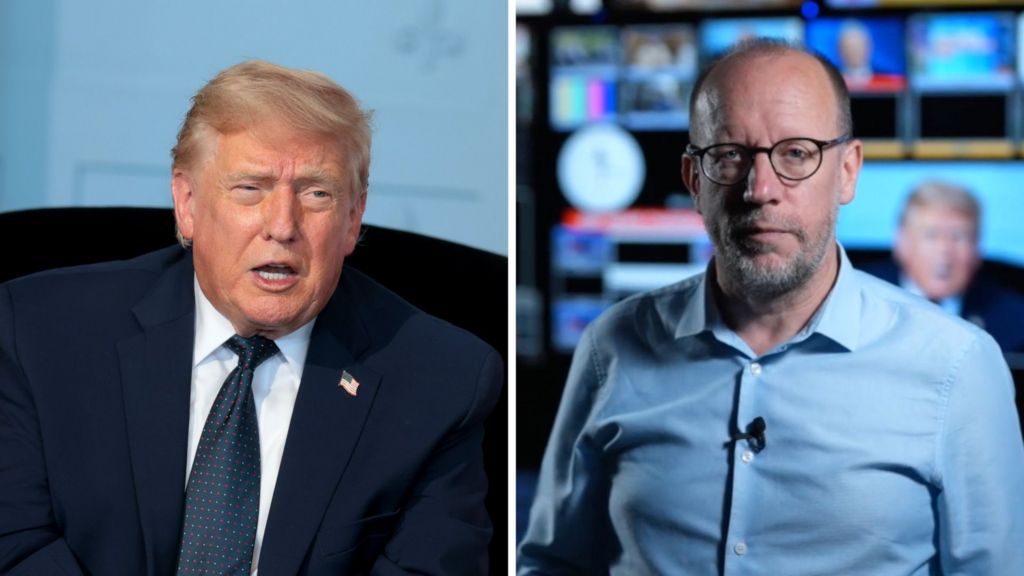
    A fresh controversy has erupted around late-night comedian Jimmy Kimmel, after former first lady Melania Trump publicly lambasted a hateful joke he made ahead of the 2026 White House Correspondents’ Dinner – where a would-be attacker later opened fire in an incident authorities suspect targeted senior Trump administration figures.

    The incendiary quip, delivered during Kimmel’s pre-dinner monologue on ABC on Thursday, targeted the former first lady directly. “Our First Lady, Melania, is here. Look at Melania, so beautiful. Mrs Trump, you have a glow like an expectant widow,” Kimmel joked. Just two days after the segment aired, 31-year-old suspect Cole Tomas Allen was tackled by Secret Service agents near a staircase leading to the dinner ballroom, which was packed with hundreds of journalists, government officials and high-profile public figures. No attendees were harmed in the incident, and Allen is scheduled to make his first court appearance on Monday.

    In the wake of the shooting, a clip of Kimmel’s joke resurfaced online and ignited widespread backlash across social media platforms, with many critics arguing that the comedian’s harsh rhetoric crossed a line and emboldened political violence. On Monday, Melania Trump broke her silence on the incident with a scathing public post on X, denouncing Kimmel’s comment as dangerous and unfunny.

    The former first lady called Kimmel’s remark “hateful and violent”, describing the joke about herself and her family as corrosive commentary that amplifies the deep political polarization dividing the United States. “His monologue about my family isn’t comedy – his words are corrosive and deepens the political sickness within America,” she wrote. Melania Trump went on to call on network executives at ABC, Kimmel’s long-time broadcaster, to take disciplinary action against the host for what she labeled his “atrocious behavior”. She questioned why network leadership has repeatedly enabled Kimmel’s inflammatory rhetoric, writing: “How many times will ABC’s leadership enable Kimmel’s atrocious behavior at the expense of our community.” She added that commentators like Kimmel should not be given a national platform to “spread hate” into American households each night.

    This is not the first time Kimmel’s controversial political commentary has gotten him pulled from air. Last September, the host was temporarily suspended after drawing outrage for remarks he made following the fatal shooting of conservative influencer Charlie Kirk. During that monologue, Kimmel claimed that Trump’s Make America Great Again movement – commonly nicknamed “Maga” – was attempting to exploit Kirk’s murder for political gain. After a week off the air, Kimmel returned to the show and acknowledged that his comments had been poorly received. “I accept that some people felt my remarks about Kirk’s death had been ‘ill-timed or unclear or maybe both’,” he said at the time, adding “I get why you’re upset.”

    As of Monday, the BBC has reached out to ABC News for a response to Melania Trump’s latest demands, and the network has not yet issued a public comment on the controversy.

  • Former National Railway Administration head indicted with bribery

    Former National Railway Administration head indicted with bribery

    In an official announcement made Monday, China’s Supreme People’s Procuratorate (SPP) confirmed that Fei Dongbin, the former director of the National Railway Administration, has been formally indicted on suspicion of bribery following a year-long investigation by national supervisory authorities.

    The case follows a standard legal process for major corruption probes in China: after the National Commission of Supervision completed its fact-finding and investigation, the matter was transferred to procuratorial organs for prosecution review. The SPP first approved a formal arrest warrant for Fei, then designated the Changchun People’s Procuratorate based in northeast China’s Jilin Province to handle the prosecution of the case. The prosecuting office recently submitted its formal indictment to the Changchun Intermediate People’s Court, opening the next phase of judicial proceedings.

    Per official case documents, Fei is accused of abusing a series of senior positions he held over decades of work in both the national railway system and local government to extract illegal gains. His career included senior leadership roles as executive deputy director of the former Beijing Railway Bureau and former Jinan Railway Bureau, director of the former Hohhot Railway Bureau, mayor of Ulaanqab in the Inner Mongolia Autonomous Region, vice-governor of central China’s Henan Province, and finally head of the National Railway Administration starting in September 2022. Prosecutors allege that Fei used his official influence to coordinate with other state functionaries to secure improper business and personal benefits for specific organizations and individuals, and in exchange, illegally accepted an exceptionally large sum of money and high-value assets.

    Throughout the prosecution review process, legal procedural requirements were strictly followed: prosecuting officials informed Fei of all his litigation rights as a defendant, conducted formal interrogations, and accepted and reviewed arguments presented by Fei’s defense legal team. Prosecutors have formally stated that Fei must bear criminal liability for the suspected bribery offense.

    A 55-year-old native of Jinzhou, Liaoning Province, Fei began his professional career in 1991, joining the Communist Party of China five years later in 1996. His entire career was rooted in public service, starting with an entry-level role at the former Shenyang Railway Bureau in his home province, where he rose through the ranks to hold senior roles including deputy director and chief engineer. Following 2017, Fei transitioned into senior local government roles, first serving as deputy Party chief and mayor of Ulaanqab, then vice-governor of Henan Province, before his appointment to lead the National Railway Administration in 2022.

    Fei’s tenure at the top of the national railway regulator ended abruptly when he was placed under official investigation for corruption in 2025. By December that same year, he was expelled from the Communist Party of China and removed from all public office, ahead of the formal indictment announced this week. The case is part of China’s ongoing national anti-corruption campaign that targets misconduct by senior officials across all critical public sectors, including transportation infrastructure.

  • Chinese and Kyrgyz defense ministers discuss bilateral military cooperation

    Chinese and Kyrgyz defense ministers discuss bilateral military cooperation

    On Monday, during an official invited visit to Kyrgyzstan, China’s Minister of National Defense Dong Jun met face-to-face with his Kyrgyz counterpart, Mukambetov Ruslan Mustafaevich, for high-level bilateral defense discussions.

    Prior to the formal negotiations, Minister Mukambetov extended a formal welcome to Dong by hosting a traditional honor guard ceremony, where the two leaders jointly inspected the guard of honor to mark the significance of the diplomatic meeting.

    According to an official statement released by China’s Ministry of National Defense immediately following the talks, the two defense chiefs held a thorough, in-depth exchange of views across a wide range of critical topics. These included the current state of bilateral state-to-state and military-to-military relations, evolving dynamics in the international and regional security landscape, and other shared concerns that impact both nations.

    Both sides reached a clear mutual agreement: they will continue to follow through on the consensus that has already been established by the two countries’ heads of state, and work to expand and deepen practical, on-the-ground military cooperation in the coming period. This meeting marks another step forward in strengthening the constructive defense partnership between China and Kyrgyzstan, aligning with long-term efforts to boost regional stability and cross-border mutual trust.

  • What to expect as Trump hosts the King

    What to expect as Trump hosts the King

    A high-stakes diplomatic meeting is set to unfold on United States soil, as former President Donald Trump welcomes King Charles III for a formal visit that unfolds against a backdrop of growing friction between Washington and London. The long-awaited royal trip arrives at a moment of deep division between the two long-standing allies, with the simmering crisis over Iran emerging as the core flashpoint that threatens to complicate discussions between the two leaders. For decades, the United States and the United Kingdom have maintained a so-called special relationship, built on shared security goals, economic ties and cultural alignment. But in recent weeks, disagreements over how to address escalating tensions around Iran have opened a rare and noticeable rift between the two governments, casting a shadow over this symbolic royal engagement. Analysts note that while the visit carries heavy ceremonial weight, behind the formal handshakes and state dinners, both sides will be navigating significant differences on Iran policy. Whether the meeting will ease the current strain or further highlight the divide between the two allies remains to be seen as the visit gets underway.

  • Israel sent air defence system and troops to UAE during Iran war, report says

    Israel sent air defence system and troops to UAE during Iran war, report says

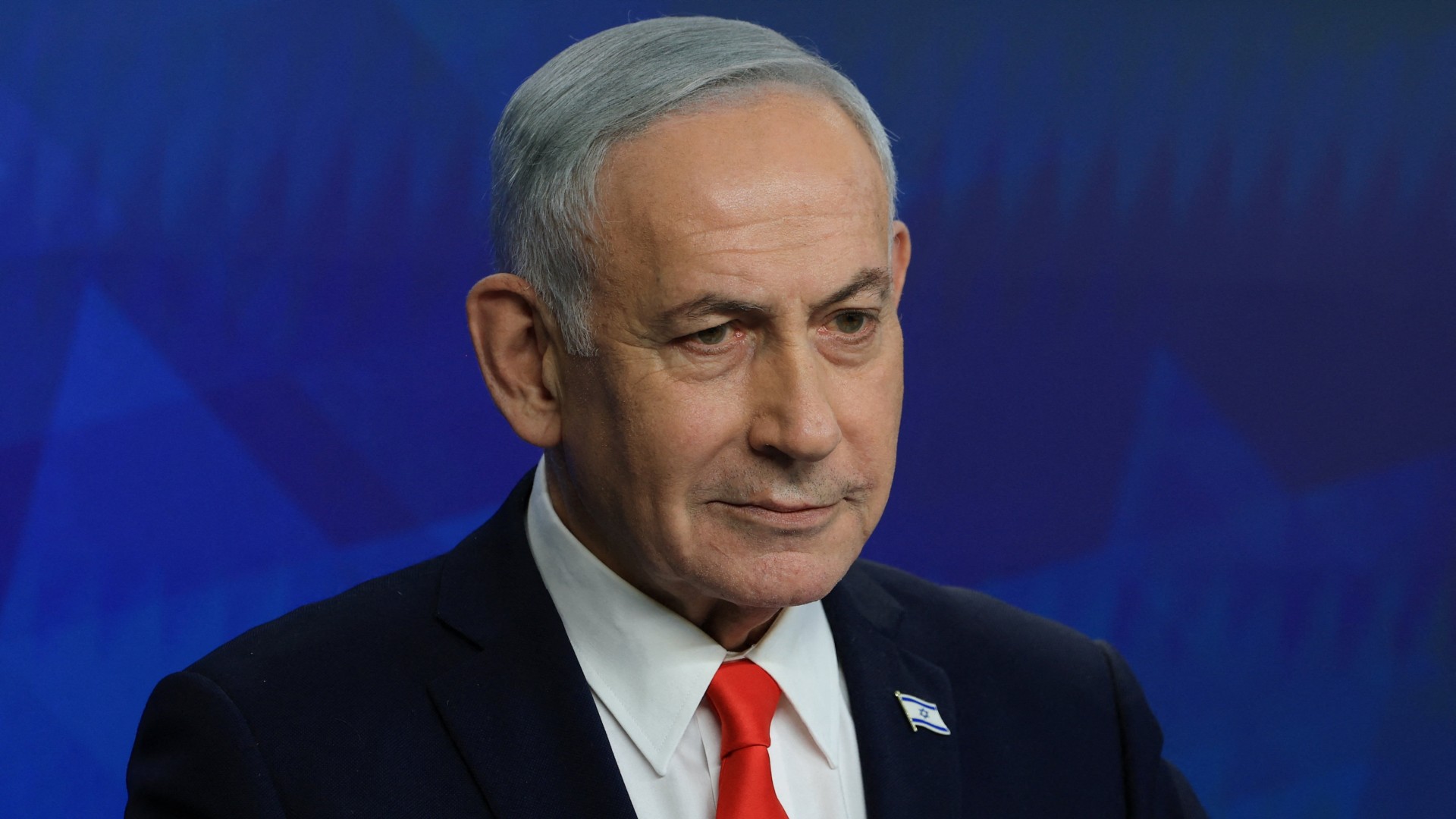
    In a landmark development that underscores deepening security ties between Israel and the United Arab Emirates, Israel deployed its Iron Dome air defence system – complete with operating troops – to the Gulf nation during the ongoing conflict with Iran, multiple senior officials confirmed to Axios in a report published Sunday.

    The deployment, the first time Israel has ever sent an operational Iron Dome battery to another country, was ordered shortly after the conflict began by Israeli Prime Minister Benjamin Netanyahu, following a direct phone call between Netanyahu and Emirati President Mohammed bin Zayed, the US-based news outlet reported. The shipment included a full working battery, interceptor missiles, and several dozen specially trained Israeli soldiers to operate the system.

    One senior Israeli official noted that this deployment makes the UAE only the third country in the world – after the United States and Israel itself – to host and use the Iron Dome air defence system in active conflict. During the 40-day war, which began on February 28 when a joint US-Israeli aerial offensive targeted Iranian leadership, hundreds of Iranian ballistic missiles and drones were launched at US military installations located within UAE territory and other Emirati targets. Israeli officials confirm the Iron Dome system successfully intercepted dozens of these incoming Iranian projectiles.

    This historic security deployment is just one piece of a far broader pattern of intensive bilateral cooperation between Tel Aviv and Abu Dhabi that has emerged since the start of the conflict, officials from both nations told Axios. The two countries have coordinated closely across both military and political spheres since hostilities began, when the joint US-Israeli strike killed Iran’s supreme leader Ali Khamenei alongside multiple other senior Iranian government and military officials.

    Beyond the Iron Dome deployment, the Israeli Air Force conducted pre-emptive strikes against short-range Iranian missile positions in southern Iran, destroying the projectiles before they could be launched toward the UAE and other neighbouring Gulf states.

    Escalation of the conflict followed a joint US-Israeli bombing raid on Iran’s strategic South Pars gas field, a critical cornerstone of Iran’s national energy infrastructure, on March 18. In response, Tehran launched a widespread counteroffensive targeting energy infrastructure across the entire Gulf region, expanding attacks to hit hotels, airports, data centres, commercial ports, and US diplomatic missions across the Middle East.

    The UAE emerged as one of Iran’s most heavily targeted adversaries in the conflict. Emirati authorities confirm Iran launched approximately 550 ballistic and cruise missiles, plus more than 2,200 attack drones, at targets across the country. While the vast majority of incoming projectiles were intercepted by allied air defence systems, falling debris still caused substantial damage across key urban and economic centres in Abu Dhabi and Dubai, including at iconic landmarks such as Burj Al Arab and Palm Jumeirah, Dubai International Airport, and the Fujairah oil industrial zone.

    The sustained conflict has also taken a major economic toll on the UAE: Dubai’s global reputation as a leading luxury tourism destination has suffered significant damage, and the country’s oil exports have slowed to a fraction of pre-war levels.

    On April 8, the United States and Iran agreed to implement a temporary ceasefire that halted large-scale active hostilities and opened the door for bilateral negotiations. As of the latest reporting, these talks have not yet produced any major breakthrough toward a lasting peace agreement.