分类: politics

  • First Russian shadow fleet vessel enters Channel since Smyrtos boarding

    First Russian shadow fleet vessel enters Channel since Smyrtos boarding

    Weeks after a dramatic UK interception of a sanctioned Russian shadow fleet tanker upended the routing of Moscow’s energy shipments to global markets, one vessel has broken ranks, sailing through the English Channel for the first time since the operation, according to ship-tracking data analyzed by BBC Verify.

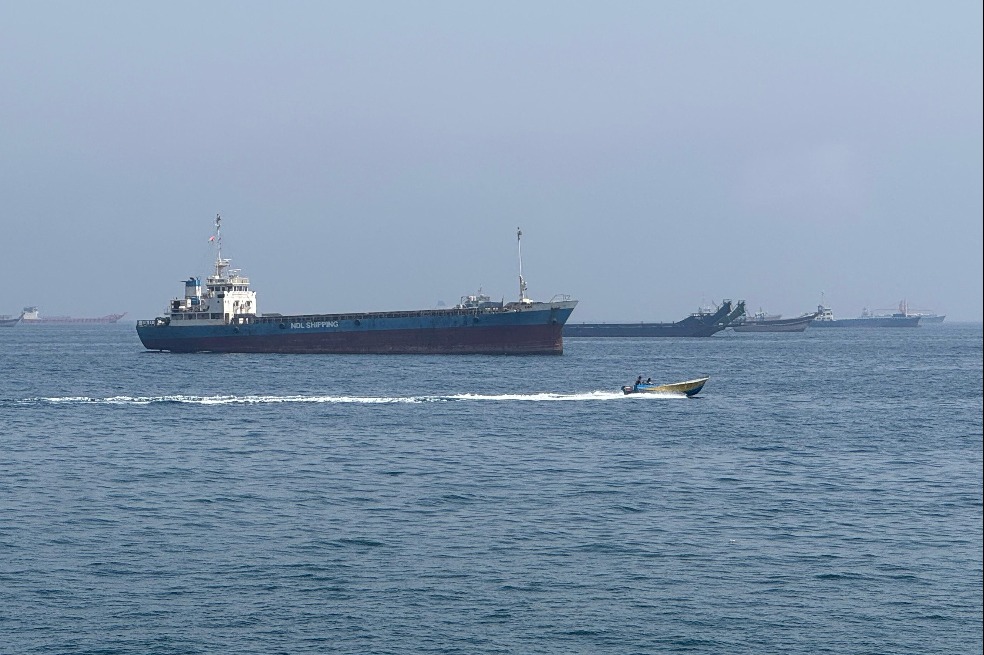
    The tanker in question, the Forwarder, is a Russian-flagged vessel already sanctioned by the United Kingdom, United States, and European Union. It departed the Russian Baltic port of Primorsk on June 12 after loading crude from the region’s largest refinery, a key export hub for Russia’s energy sector, and entered the English Channel Wednesday evening en route to Dongying Port in China. The ship is currently sailing south through the waterway.

    The development marks a sharp break from the pattern that emerged after early Sunday morning’s UK commando operation to board and seize the Smyrtos, another sanctioned shadow fleet tanker. In the days following that interception, tracking data shows dozens of Western-sanctioned Russian oil tankers altered their planned routes to bypass the Channel entirely, rerouting around the west coast of Ireland to avoid any risk of interception.

    As of Thursday, ship tracking data also indicates a British Royal Navy patrol ship, HMS Tyne, is operating in the immediate vicinity of the Forwarder. A NATO official previously confirmed to BBC Verify that Russia has assigned the frigate Admiral Grigorovich to escort sanctioned shadow fleet tankers transiting the region, though it remains unclear if the warship is accompanying the Forwarder. The Admiral Grigorovich made headlines earlier this week when it fired warning shots at a British civilian yacht that approached its position in the Channel, and as of Wednesday evening, it had not moved far from the site of that encounter.

    The legal and strategic context for any potential interception of the Forwarder differs dramatically from that of the Smyrtos, maritime analysts note. In March, UK Prime Minister Keir Starmer announced a new policy allowing British armed forces to board sanctioned vessels transiting UK waters that violate international law. The Smyrtos was sailing without a registered flag after Cameroon delisted the vessel from its registry before the voyage, giving UK authorities clear legal grounds to act. The ship is currently held off Weymouth, and its captain faces charges for violating UK sanctions.

    By contrast, the Forwarder is officially flagged to Russia, and analysts say there is no publicly available evidence to prove it is flying a false flag. That legal distinction changes the risk calculus for Western nations, experts argue. Intercepting a vessel that is clearly Russian-flagged, particularly if it is accompanied by a Russian military escort, would represent a major escalation of tensions between the West and Moscow, making an interception unlikely according to most observers.

    “Going after vessels that are falsely flagged or misusing a flag of convenience is one thing, but this would be going after Russia directly which would be a further step up in escalation,” explained Frederik Van Lokeren, a former Belgian naval officer and maritime security analyst. “Since this is a Russian-flagged vessel, possibly escorted by a Russian warship, I don’t expect the UK, or any other Western country, to attempt to board her.”

    Mark Douglas, an analyst with New Zealand-based Starboard Maritime Intelligence, echoed that assessment, noting the unique legal standing of the Smyrtos operation. “Given that the Cameroon registry had delisted Smyrtos before she sailed through the Channel there were definitely reasonable grounds to suspect the vessel was without nationality,” he said. “Forwarder, on the other hand, is flagged by Russia and despite the opaque ownership structure we have no information to suggest that is a false flag.”

    BBC Verify has reached out to the UK Ministry of Defence for comment on the Forwarder’s transit and HMS Tyne’s deployment near the vessel.

    The shadow fleet of anonymous, aging tankers has emerged as a critical lifeline for the Kremlin after Western nations imposed sweeping sanctions on Russian energy exports following Moscow’s full-scale invasion of Ukraine in 2022. According to UK Ministry of Defence estimates, the fleet now numbers more than 700 vessels and carries roughly 75 percent of all Russia’s sanctioned oil exports. Data from BBC Verify collected in May found that nearly 200 shadow fleet vessels had passed through the English Channel in the months after Starmer’s interception policy announcement, with at least 94 crossing briefly into UK territorial waters.
  • Putin and leaders of Southeast Asia agree to bolster ties at a summit in Russia

    Putin and leaders of Southeast Asia agree to bolster ties at a summit in Russia

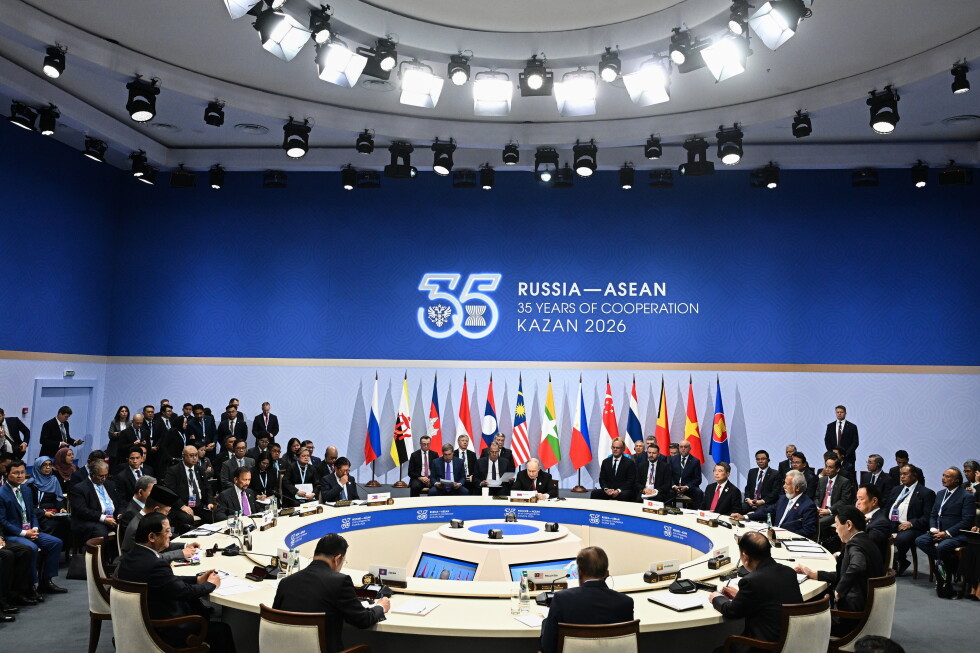
    On Thursday, Russian President Vladimir Putin opened a landmark Russia-Association of Southeast Asian Nations (ASEAN) summit in the Russian city of Kazan, using the occasion to celebrate three and a half decades of diplomatic and economic cooperation and push for deeper ties between Moscow and the 11-nation Indo-Pacific bloc. The gathering, which brought together leaders from across ASEAN’s member states — Brunei, Cambodia, Indonesia, Laos, Malaysia, Myanmar, the Philippines, Singapore, Thailand, East Timor and Vietnam — concluded with a formal agreement to expand the bilateral “strategic partnership” that has defined relations between the two sides for decades.

    In his opening address to the assembly, Putin emphasized that this partnership has emerged as a critical stabilizing force for the entire Asia-Pacific region, at a time when global geopolitical tensions are creating widespread uncertainty. “It is a strategic partnership that serves as an essential stabilizing factor in the Asia-Pacific amidst geopolitical turbulence, contributing to the formation of a balanced security architecture and equitable mutually beneficial cooperation,” Putin told attendees.

    The summit’s working agenda centered on three core priorities: an open exchange of perspectives on pressing global and regional security issues, a comprehensive review of ongoing cooperation initiatives between Russia and ASEAN, and the mapping out of priority areas for joint work in the coming years. Putin highlighted that collaboration between the two sides has already expanded across a broad range of sectors, spanning counterterrorism and responses to emerging transnational security threats, trade and foreign direct investment, energy, agriculture, digital transformation, scientific research and technological development, tourism, and people-to-people cultural exchanges.

    In a joint declaration signed by all participating delegations at the close of the summit, leaders reaffirmed their shared commitment to building a “just multipolar world” governed by international law and the core principles laid out in the United Nations Charter, with a focus on advancing mutually beneficial cooperation and equal respect for the sovereignty of all nations. The document labeled the Kazan summit a transformative milestone in Russia-ASEAN relations, and participants pledged to maintain regular high-level diplomatic engagement to continue advancing their shared strategic goals.

    Beyond the plenary summit sessions, Putin held a series of closed-door bilateral meetings with individual ASEAN leaders. The event was co-chaired by Philippine President Ferdinand Marcos Jr., as the Philippines currently holds ASEAN’s rotating rotating bloc presidency.

    ASEAN’s 11 member states maintain widely varying foreign policy alignments: some members, including the Philippines, have long-standing security alliances and alignment with the United States, while others maintain deep trade and security ties with both China and Russia. In recent years, following sharp spikes in global energy prices triggered by widespread geopolitical disruptions, multiple ASEAN capitals — including the Philippines, Indonesia, Thailand, and Vietnam — have either increased imports of discounted Russian crude oil or publicly expressed interest in expanding energy purchases from Moscow.

  • Will Putin change tactics after Ukrainian drone attacks?

    Will Putin change tactics after Ukrainian drone attacks?

    In recent weeks, repeated drone attacks launched by Ukrainian forces have raised urgent questions across global security circles: will Vladimir Putin opt to revise Russia’s long-standing military tactics in response to this escalating asymmetric pressure? As veteran international correspondent Steve Rosenberg explores, the growing frequency of these cross-border drone strikes has created a new strategic headache for the Kremlin, forcing senior Russian military and political leadership to weigh a range of potential responses.

    For months, Ukrainian forces have leveraged relatively low-cost, agile drone technology to target critical infrastructure, military depots, and supply lines deep inside Russian territory, chipping away at Moscow’s logistical capabilities and forcing the Russian public to confront the reality of the conflict far from the front lines. These strikes have exploited gaps in Russia’s integrated air defense network, which was designed primarily to counter large, traditional manned aircraft and ballistic missiles rather than small, slow-moving unmanned aerial vehicles that can evade radar detection.

    Rosenberg’s analysis outlines three broad potential paths Russia could take in the coming weeks. The first option is a significant escalation of long-range missile and drone strikes targeting Ukrainian energy infrastructure and military command centers, aiming to knock out Ukraine’s drone production and launch capabilities before the winter weather sets in. The second path involves a rapid overhaul of Russia’s domestic air defense systems, with a focus on deploying more mobile, short-range counter-drone technology to protect border regions and key strategic sites. The third, more provocative possibility is a broadening of Russian targeting of Ukrainian supply routes and Western weapons transfer hubs, in a bid to cut off the technology that enables these drone attacks.

    Security analysts note that any change in Russian tactics will depend heavily on two key factors: the extent of damage caused by ongoing Ukrainian drone strikes in the coming weeks, and the level of political pressure Putin faces from domestic audiences, who have grown increasingly vocal about the failure to prevent cross-border attacks. While some hardline factions within Russia have already called for dramatic retaliation, more cautious military leaders warn that over-escalation could draw additional direct involvement from NATO, further stretching Russia’s overextended military resources.

  • Slovakia’s government faces confidence vote as debt exceeds constitutional limit

    Slovakia’s government faces confidence vote as debt exceeds constitutional limit

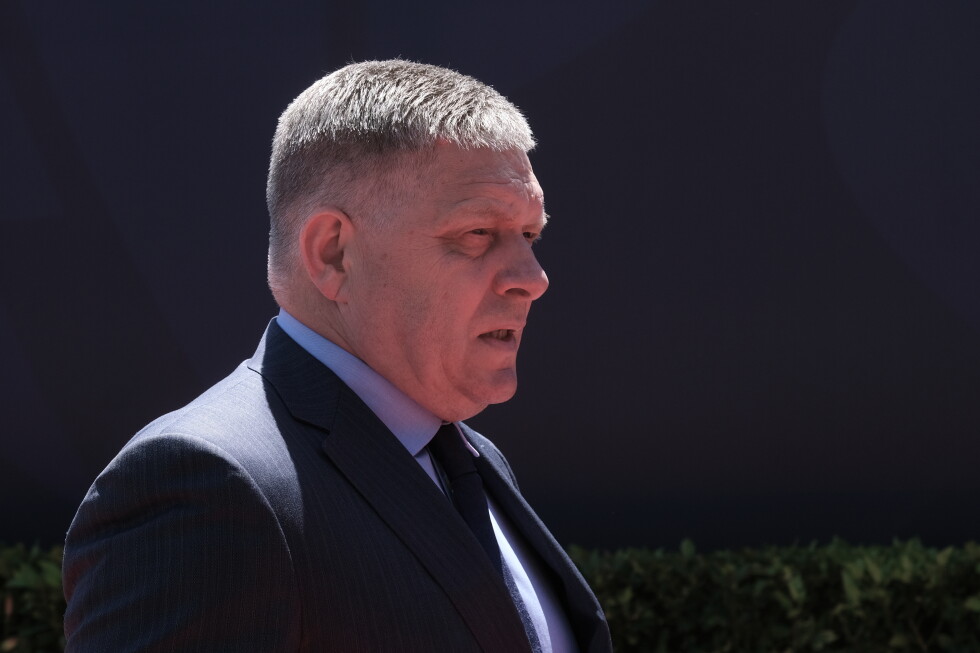
    BRATISLAVA, Slovakia — Slovakia’s governing coalition, led by populist Prime Minister Robert Fico, is gearing up for a high-stakes parliamentary confidence vote this Thursday, a process set in motion after the nation’s public debt breached the constitutional fiscal threshold.

    The vote mandate comes from a Wednesday ruling by Slovakia’s Constitutional Court, the country’s highest legal authority, which ordered the government to schedule the confidence ballot without delay. Prime Minister Fico has publicly stated he accepts the court’s decision and has formally moved forward with scheduling the vote.

    Fico’s current coalition holds a solid majority of 79 out of 150 total seats in the National Council, Slovakia’s unicameral parliament, making a victory for the sitting government the most likely outcome. To streamline proceedings, coalition lawmakers have capped the total debate time for the vote at 12 and a half hours. Fico added that the administration had originally planned to pair the confidence vote with a separate vote on the 2026 national state budget scheduled for later this year, before the court’s ruling altered those plans.

    The legal challenge that led to the court ruling originated from an opposition complaint filed last November. The complaint came after Eurostat, the European Union’s official statistics agency, announced that Slovakia’s national debt had hit 59.7% of the country’s gross domestic product that month. Updated data from the Slovak Statistics Office puts the current debt level at 61.4% of GDP — far above the 50% constitutional threshold that requires a confidence vote, though still lower than the European Union’s average national debt level.

    Like most European nations, Slovakia ramped up public spending over the past several years to buffer its economy against overlapping global shocks: first the public health and economic fallout of the COVID-19 pandemic, then the surge in global energy prices sparked by Russia’s full-scale invasion of Ukraine.

    New economic data released earlier this week by the Slovak Supreme Audit Office added context to the growing debt crisis: the office reported that Slovakia’s economic growth slowed to just 0.8% in 2025, the weakest pace of expansion in three years. Government spending has consistently outpaced economic growth during this period, driving the steady rise in national debt.

    Fico, who returned to the prime ministership in 2023 following parliamentary elections, has remained one of Slovakia’s most polarizing political figures. His well-documented pro-Russian policy stance and other controversial domestic proposals have drawn massive public protests across the country since he took office, adding additional political tension to this week’s confidence vote.

  • Lawyer of Uganda opposition figure Besigye charged with treason-related offence

    Lawyer of Uganda opposition figure Besigye charged with treason-related offence

    A high-profile political crackdown in Uganda has drawn sharp international condemnation after a prominent opposition-aligned lawyer and former mayor was arrested from his private residence and charged with a treason-related offense linked to his representation of jailed dissident leader Kizza Besigye.

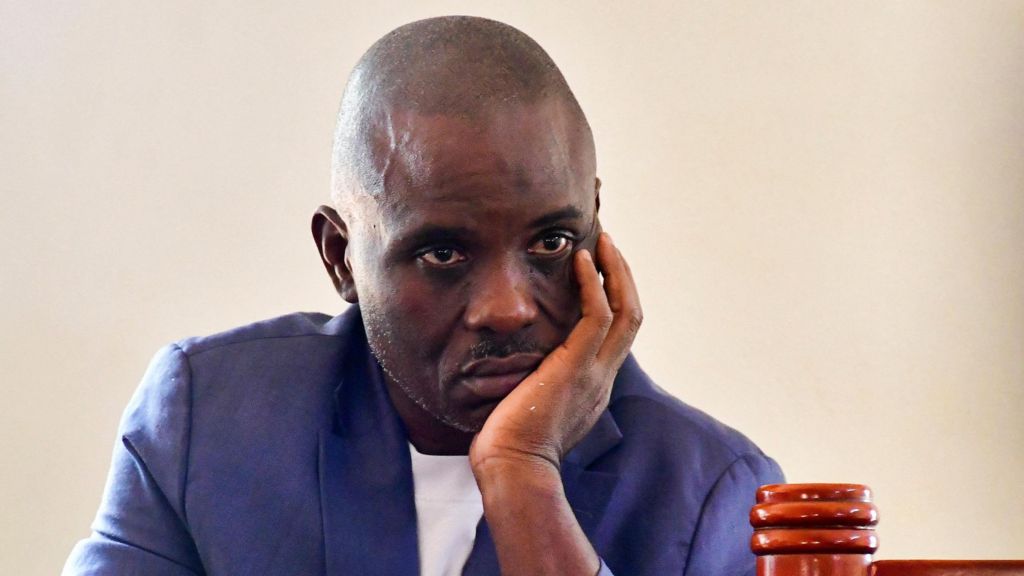
    Erias Lukwago, who currently serves as lead legal counsel for Besigye — a veteran opposition figure standing trial on multiple treason counts — made his first public appearance at a magistrate’s court in Kampala this week. Local journalists covering the hearing reported that Lukwago appeared visibly physically weakened, just days after security forces seized him from his home early Monday.

    During the court proceeding, Lukwaga formally entered a plea of not guilty to the charge of failure to report alleged treasonous activity. The magistrate ordered him remanded in state custody until next week, when the next phase of his case will convene.

    The arrest immediately sparked backlash over its open ties to Uganda’s most senior military officer: Gen Muhoozi Kainerugaba, the country’s Chief of Defence Forces and son of long-ruling President Yoweri Museveni. The general publicly took credit for the operation on his social media channels, even posting graphic content that stoked further outrage.

    Among the posts shared by Kainerugaba was a photo appearing to show a blindfolded Lukwago held in an undisclosed location. In a separate, unapologetic message, the general wrote, “I’m proud of all the hurt and pain I will inflict on the criminal Lukwago!”

    Opposition leader Bobi Wine, who fled Uganda in 2021 after contesting the presidential election over threats to his life, has alleged the arrest was ordered directly by Kainerugaba to stop Lukwago from formally serving the general with a court summons. In a post to X calling for collective action, Wine wrote: “I call upon all of us to reject and resist this brazen impunity.”

    Before Lukwago’s court appearance, his family had filed a legal petition seeking a court order to force security forces to disclose his location and release him. The family’s legal team accused authorities of abducting Lukwago, and noted that Kainerugaba had already publicly claimed responsibility for the seizure and the mistreatment his client had faced.

    This incident is far from the first time Kainerugaba has drawn controversy for incendiary social media posts. The general has a documented history of inflammatory remarks, including past boasts of abducting and torturing opposition political figures, with many of his controversial posts eventually taken down after public outcry.

    Lukwago’s legal work centers on Besigye, Uganda’s most high-profile opposition dissident who was abducted from neighboring Kenya in late 2024 and forcibly returned to Uganda to face treason charges. Besigye’s political history with Museveni stretches back decades: he once served as Museveni’s personal physician before splitting from the ruling establishment in 1999, and has challenged Museveni for the presidency in multiple elections, facing repeated detentions over the years.

  • Iranian, US presidents sign peace MoU digitally: ministry spokesman

    Iranian, US presidents sign peace MoU digitally: ministry spokesman

    TEHRAN – In a landmark shift to a decades-long high-stakes conflict between Iran and the United States, the leaders of both nations have formally signed a cross-border memorandum of understanding (MoU) to end open hostilities via digital authentication, a senior Iranian foreign affairs official confirmed early Thursday.

    Iranian Foreign Ministry Spokesperson Esmaeil Baghaei announced the development in an on-camera interview with Iran’s state-owned Islamic Republic of Iran Broadcasting (IRIB), noting that the digital signing by Iranian President Masoud Pezeshkian and U.S. President Donald Trump replaces a previously planned in-person signing ceremony scheduled for this Friday in Switzerland.

    “Over the past 24 hours, our two sides conducted additional consultations and reassessment, and reached the conclusion that a virtual signing by the heads of state of both countries is the more favorable path forward,” Baghaei told reporters, adding that a formal in-person ceremonial gathering was deemed “not very appropriate” under current circumstances.

    The spokesperson highlighted a key strategic rationale for the last-minute format change: digital signatures from both countries’ top executive leaders significantly increase the political costs for any future violation of the agreement’s terms, creating a stronger deterrent against backtracking from the war-ending commitment.

    Baghaei confirmed that the long-awaited second phase of bilateral negotiations between Iran and the United States will proceed as originally planned, kicking off in Switzerland on Friday. He struck a cautious note on the outcome of upcoming talks, however, saying “we will have to see what outcome the parties will reach through mediators in the coming hours.”

    Consistent with Iran’s core negotiating priorities, Baghaei emphasized that a ceasefire in Lebanon has held equal importance to a halt to hostilities on Iranian territory for Tehran throughout the negotiation process.

    The finalized MoU, which commits to ending open conflict across all regional fronts including Lebanon, was first announced earlier this week by Iran, the United States, and Pakistan. The agreement capped off weeks of intensive mediated negotiations aimed at de-escalating a conflict that erupted in late February.

    The conflict that the MoU seeks to end began on February 28, when Israel and the United States launched coordinated joint strikes on Tehran and multiple other urban centers across Iran. Iran responded with a large-scale barrage of missile and drone attacks targeting Israeli territory as well as U.S. military bases and strategic assets across the Middle East. Tehran also tightened control over the strategically vital Strait of Hormuz, barring safe passage for any vessels owned by or aligned with Israel and the United States.

  • Two sides of a political chasm share one fear in Colombia’s presidential race: A return to the past

    Two sides of a political chasm share one fear in Colombia’s presidential race: A return to the past

    Six decades of brutal armed conflict have left indelible, raw scars on the bodies and psyches of Colombians, and that unresolved trauma has taken center stage in the South American nation’s highly contested 2025 presidential runoff, where deep divisions over how to secure lasting peace have split even those who have suffered the most from violence.

    For 67-year-old Blanca Nubia Monroy, the trauma lives on in a black-and-white tattoo of the scales of justice etched into her forearm—an exact copy of the tattoo that helped identify the body of her 19-year-old son, Julián Oviedo Monroy, after he was kidnapped and extrajudicially killed by Colombian soldiers in 2008. For Sigifredo López, a 62-year-old former politician and FARC kidnapping survivor, it surfaces in unbidden flashbacks to the seven years he spent captive in guerrilla-held jungle, and the echoing gunshots that still haunt him from the 2007 massacre of his 11 fellow captive lawmakers.

    These two conflict victims hold diametrically opposing views on who should claim the Colombian presidency in Sunday’s vote, yet they share one overwhelming core fear: that the outcome will drag the nation back to the dark, violent days of its past.

    “Every bit of this leaves a mark, on your body and your mind,” López explained. “Emotionally, there’s a fear that simmers deep below the surface, something you don’t talk about openly—the fear that everything we’ve already survived could happen all over again.”

    This election marks the most polarized political contest Colombia has seen in decades, pitting two candidates with fundamentally clashing visions for ending persistent violence against one another. Official government records show the 60-year armed struggle between Marxist guerrillas, state military forces, and right-wing paramilitaries has left more than 10 million Colombians—one in five people across the nation—victimized by killings, kidnappings, forced displacement, and other atrocities. Though a landmark 2016 peace accord with the Revolutionary Armed Forces of Colombia (FARC) brought a formal end to that group’s insurgency, low-intensity conflict continues to rage across large swathes of the Andean nation, making the future of peace the defining issue of the 2025 campaign.

    Elizabeth Dickinson, deputy Latin America director for the International Crisis Group based in Bogotá, noted that societal polarization over how to address Colombia’s violence has been building for generations. “Increasingly, both sides see the conflict as an ‘us vs. them’ dynamic,” she said. “That’s extraordinarily dangerous in a country like Colombia with a long history of political violence. A spark could ignite at any moment.”

    On the left stands Iván Cepeda, a longtime peace activist who has pledged to continue outgoing President Gustavo Petro’s “total peace” agenda. This framework centers on negotiating formal peace agreements with all active armed groups, from insurgent factions to drug trafficking organizations, in a radical departure from decades of military-first policy. But the strategy has failed to deliver on its promises: armed groups have exploited ceasefires to expand their territorial control and recruiting, driving a sharp rise in national violence that has fueled widespread public backlash.

    On the right is Abelardo de la Espriella, a lawyer endorsed by former U.S. President Donald Trump, who has promised an all-out, countrywide military offensive against criminal groups, modeling his plan on Nayib Bukele’s controversial gang crackdown in El Salvador. While Bukele’s policy has drawn regional attention for cutting national homicide rates dramatically, it has also sparked widespread allegations of systemic human rights abuses and arbitrary detentions.

    Monroy, who supports Cepeda, is reminded every day of the human cost of unaccountable military offensives. Her son, a young man who dreamed of joining the military to lift his working-class family out of poverty, was one of more than 6,400 civilian victims of the “false positives” scandal, one of the worst atrocities of Colombia’s long conflict. Between 2002 and 2008, under the administration of ex-President Álvaro Uribe, Colombian military officers systematically extrajudicially executed innocent poor civilians, then falsified records to label the victims as enemy combatants killed in combat with FARC. A dozen senior security officers later admitted their role in Monroy’s son’s death and apologized before the special peace tribunal established after the 2016 accord to uncover the truth of the conflict—a court de la Espriella has openly promised to dismantle.

    While Monroy has criticized the rising violence that has occurred under Petro’s administration, and acknowledges Cepeda will need to take firmer action against criminal groups, her decision to back Cepeda is driven by a fear of what a de la Espriella presidency would bring. De la Espriella has publicly vowed to wipe out his declared enemies “like cockroaches, like rats,” language that echoes the rhetoric of the Uribe era that led to her son’s death.

    “God willing, this man doesn’t come to power, because ‘false positives’ will become a reality again,” she said.

    For López, the danger runs in the opposite direction. A self-identified leftist who survived seven years of FARC captivity between 2002 and 2009, he supports de la Espriella out of his own fear of a return to the jungle “hell” he endured. López was a local assemblyman in western Colombia when FARC, which had labeled politicians legitimate military targets, kidnapped him and 11 other lawmakers. He was in solitary confinement in 2007 when he heard the gunfire that killed all of his companions, a memory that still haunts him decades later. He survived to become a national symbol of the trauma of FARC kidnappings, which victimized more than 21,000 people over five decades of conflict. Today, he lives in Cali, the city where he was abducted, under constant state-provided security due to ongoing threats against his life.

    Watching rising violence over the past four years has convinced López that the current negotiation-first approach has failed. In the past year alone, armed groups have deployed drones to carry out attacks, bombings have killed dozens of civilians, and one presidential candidate was assassinated in June 2025. In May 2025, the International Committee of the Red Cross reported that the impact of armed conflict on Colombian civilians had reached its worst level in a decade. This week, the National Liberation Army (ELN), Colombia’s largest remaining guerrilla group, announced a temporary ceasefire to avoid disrupting the election—but other active criminal and insurgent groups made no such promise.

    “Colombia is being kidnapped,” López said. “I’m with Abelardo because his priority is to restore safety to Colombians. He understands that ‘total peace’ isn’t won by negotiating with criminals, but by exercising the legitimate force of the state.” López notes that under the current approach, victims of violence are being re-victimized over and over, and he fears for the next generation if current policies continue. “My fear is for the new generation, that the same thing that happened to me could happen to them if the country keeps being handed over to guerrillas and organized crime,” he said.

    Just as Monroy fears the return of state-sponsored extrajudicial violence and López fears the continued spread of armed group power, both victims agree that the legacy of six decades of war hangs over this election, with the very future of peace in Colombia hanging in the balance.

  • Pentagon chief urges Europe to take the lead as he pushes a ‘NATO 3.0′ reboot

    Pentagon chief urges Europe to take the lead as he pushes a ‘NATO 3.0′ reboot

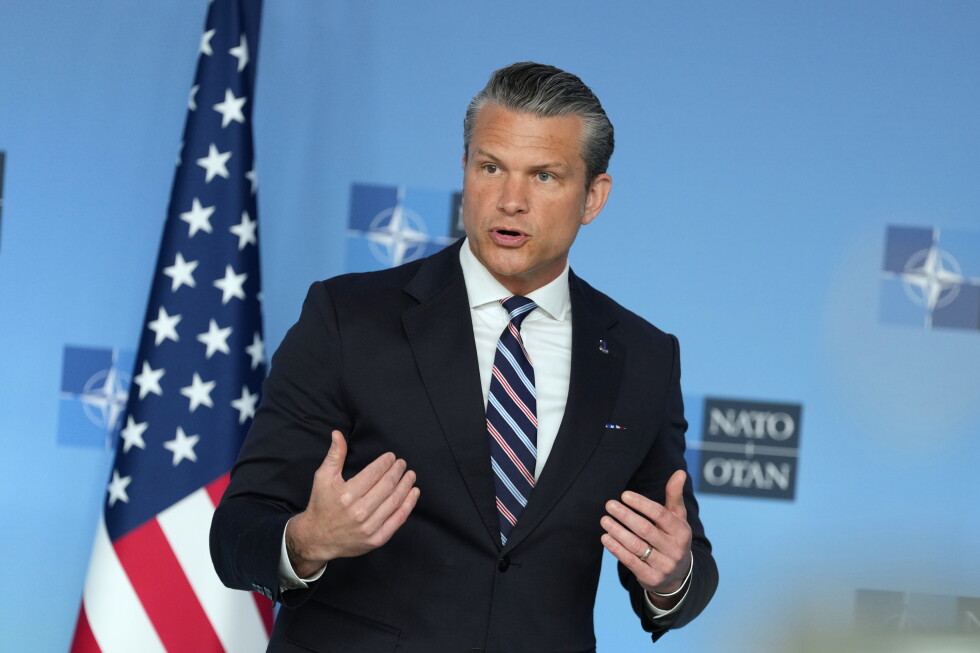
    BRUSSELS – In a landmark address to a gathering of NATO defense ministers on Thursday, United States Defense Secretary Pete Hegseth delivered a clear directive to the alliance’s European members: the continent must take primary ownership of its own territorial defense, while pushing for a sweeping reorganization that would reshape NATO into a more uncompromising, combat-ready military bloc. Hegseth framed the proposed restructuring as a transition to what he calls “NATO 3.0” — a reimagined 32-nation alliance built from the ground up to credibly deter modern security threats across the European theater.

    Hegseth’s comments come just weeks after the Trump administration notified NATO allies that it would no longer commit specific critical military assets, including warships and combat aircraft, to support an ally that comes under armed attack. The announcement has sent European allies and Canada scrambling to assess gaps in their collective defense capabilities and identify solutions to fill the resulting shortfalls.

    “NATO 3.0 represents a post-Cold War reckoning: the alliance needs to return to its core identity as a genuine hard-line military alliance, equipped with tangible military capabilities capable of deterring aggression right here on the continent and leading the conventional defense of Europe,” Hegseth told reporters following the closed-door meeting.

    As part of the new framework, Hegseth outlined that the United States will allocate $1.5 trillion to its own domestic defense budget by 2027, a move he says sends an unmistakeable global signal that Washington is expanding what he called the “arsenal of freedom.” “This arsenal first and foremost protects America and our core national interests, but it will also serve as a strategic backstop for NATO and our alliance partners,” he added.

    Hegseth made clear that his message to European allies is non-negotiable: they must be willing to step up and take decisive, robust ownership of the defense of their own continent. The shift in U.S. defense posture dates back to a June 3 announcement, when Washington signaled it would pull back planned commitments of a full aircraft carrier strike group, aerial refueling aircraft, and dozens of frontline fighter jets for crisis response in Europe. In response, NATO’s Supreme Allied Commander, an American officer, has already begun developing alternative contingency defense plans for the continent.

    The Trump administration has justified the shift by arguing it needs greater flexibility to prepare for two concurrent major conflicts, prioritizing the reallocation of military resources to counter growing Chinese influence and potential aggression in the Indo-Pacific region.

    Under NATO’s founding collective security framework, Article 5, all 32 member states agree that an armed attack on one member counts as an attack on the entire alliance. While the treaty does not legally require all members to deploy military forces in response, the vast majority of allies would almost certainly contribute. In practice, the current shift means the U.S. — which maintains by far the largest and most capable military force within the alliance — is scaling back the scope of its automatic military support for a potential Article 5 activation. The administration has clarified it has no plans to withdraw U.S. nuclear weapons deployed in Europe, a core component of NATO’s long-standing nuclear deterrence strategy.

  • Full MOU text revealed as Trump justifies ending Iran war

    Full MOU text revealed as Trump justifies ending Iran war

    On Wednesday, foreign policy analysts and peace activists welcomed a long-awaited breakthrough: the Trump administration has publicly released the text of a new memorandum of understanding (MOU) reached with Iranian negotiators, bringing the unprovoked US-Israeli war on Iran closer to a permanent end than at any point since hostilities began. While the deal marks a historic de-escalation of tensions, it has also ignited fierce partisan debate in Washington, with critics questioning the heavy human cost that preceded the agreement and supporters framing it as a long-overdue correction of failed maximalist policy.

    Observers across the political spectrum have already noted one stark, unmissable detail embedded in both the MOU text and President Donald Trump’s recent remarks at the G7 Summit in France: the agreement implicitly acknowledges what war opponents have argued from the start – that the conflict was entirely unnecessary. To date, the war has claimed more than 3,400 Iranian lives, along with thousands of additional civilian and combatant casualties across the Middle East. In Lebanon alone, where Israeli forces have operated since early March, more than 3,600 people have been killed, according to on-the-ground counts.

    The core terms of the 14-point MOU lay out a clear path toward peace. First and foremost, the document codifies the immediate and permanent end of all military operations across every front, including hostilities in Lebanon, with both sides committing to respect Lebanese territorial integrity and sovereignty and renounce future threats of force against one another. A 60-day negotiation window is set to finalize a permanent, binding peace deal, extendable only by mutual consent of both parties. Iran has agreed to maintain the current status quo of its nuclear program, a commitment consistent with long-standing Iranian assertions that its nuclear activities are entirely peaceful and never intended for military development. The MOU also includes two key US concessions: no new sanctions will be imposed on Iran during negotiations, and no additional US military forces will be deployed to the region ahead of a final deal.

    Other critical provisions lay out a structured timeline for de-escalation and economic recovery. Within 30 days of the MOU’s signing, the US will fully lift its naval blockade of Iran, and will withdraw all remaining US forces from areas near Iran’s borders following the completion of a final deal. Iran has committed to ensuring safe, toll-free passage for commercial vessels through the Strait of Hormuz for the 60-day negotiation period, and will work with Oman and other Gulf littoral states to establish a long-term maritime governance framework aligned with international law and sovereign coastal state rights. A $300 billion regional reconstruction fund, backed by the US and its partner nations, is planned to help rebuild Iran’s infrastructure, which US and Israeli attacks have left heavily damaged: more than 100,000 housing units, along with countless schools, hospitals, bridges and other critical public assets have been destroyed or rendered unusable. The MOU also confirms that all US and multilateral sanctions on Iran will be lifted on an agreed schedule as part of the final deal, that all frozen Iranian assets will be unfrozen and made fully accessible, and that immediate waivers will be issued to allow Iranian crude oil and liquefied natural gas exports to resume immediately.

    On the nuclear front, the framework addresses the core stated objective of the US-led war: Iran has reaffirmed its permanent commitment not to develop or acquire nuclear weapons, and both sides have agreed to develop a mutually agreed mechanism to manage existing enriched uranium stockpiles, most likely requiring down-blending under international Atomic Energy Agency (IAEA) supervision. Broader negotiations on Iran’s right to peaceful nuclear enrichment will be finalized as part of the permanent deal.

    The agreement has drawn sharp criticism from some Democratic lawmakers and Trump opponents in Washington, who have framed the MOU as a US surrender and taken particular issue with the $300 billion reconstruction fund. But Ryan Costello, policy director at the National Iranian American Council, pushed back against these criticisms in a detailed public statement, arguing that the deal’s core terms deliver mutual benefits for both nations even as they upend long-held Washington policy assumptions. “Time will tell if this memorandum can survive the caustic politics in Washington and Tehran that have accompanied any lessening of tensions between the US and Iran, and ultimately deliver relief that is sorely needed,” Costello wrote. “Yet, what has been started is not a threat to American security, it is a threat to the Washington mindset that any US-Iran outcome is ultimately zero-sum and that Iran’s gain is an American loss. The US will benefit if our nation moves off the path of war with Iran. That will be accomplished by the memorandum and the steps that it entails.”

    Speaking to reporters at the G7 summit, Trump addressed ongoing questions about the MOU’s nuclear provisions, the core goal the White House has repeatedly cited to justify the war. While he retained a tough public posture, threatening to “bomb them” if Iran violates its commitments not to build nuclear weapons, Trump also echoed a position long championed by war opponents and independent foreign policy experts. “It is a little hard though, when you say that somebody wants it [nuclear energy], other people have it, other adjoining states have it, and you’re not letting them have it for purposes of electricity and things like that,” he said, referring to Iran’s civilian nuclear program. He also echoed Iran’s long-standing position that, as neighboring regional powers possess ballistic missiles, Iran should be permitted to maintain its own missile arsenal for national security.

    Matt Duss, executive vice president at the Center for International Policy, summed up a common critique of the administration’s delayed policy shift: those are “things it would’ve been great to figure out before you started a war over them.” Danny Citrinowicz, a prominent Middle East policy expert, noted that while the conflict has been extraordinarily costly in lives and resources, the shift to a pragmatic diplomatic approach is still a welcome development. “It may have taken a long, costly, and complicated conflict, but the United States appears to have arrived at a conclusion that should have been evident from the start: Iran’s missile program is not negotiable because it sits at the very core of the regime’s security doctrine,” Citrinowicz said. “Reasonable people can ask whether such a prolonged conflict was necessary to reach this conclusion. Yet it is better to recognize strategic realities late than never at all. Before events spiraled completely out of control, the US administration stepped back from maximalist objectives and returned to a more measured and realistic approach.”

    Even with the breakthrough, uncertainty remains about the final outcome. Trump acknowledged that the planned official signing of the permanent deal, scheduled for this Friday, could still fall through, and he threatened to resume military bombing campaigns if Iranian officials do not comply with the terms of the MOU. In a characteristic political aside, the president added that he will claim full credit for the agreement if it holds, but will blame Vice President JD Vance for any failure. If completed, the final deal will be formally endorsed by a binding United Nations Security Council resolution to cement its international legitimacy.

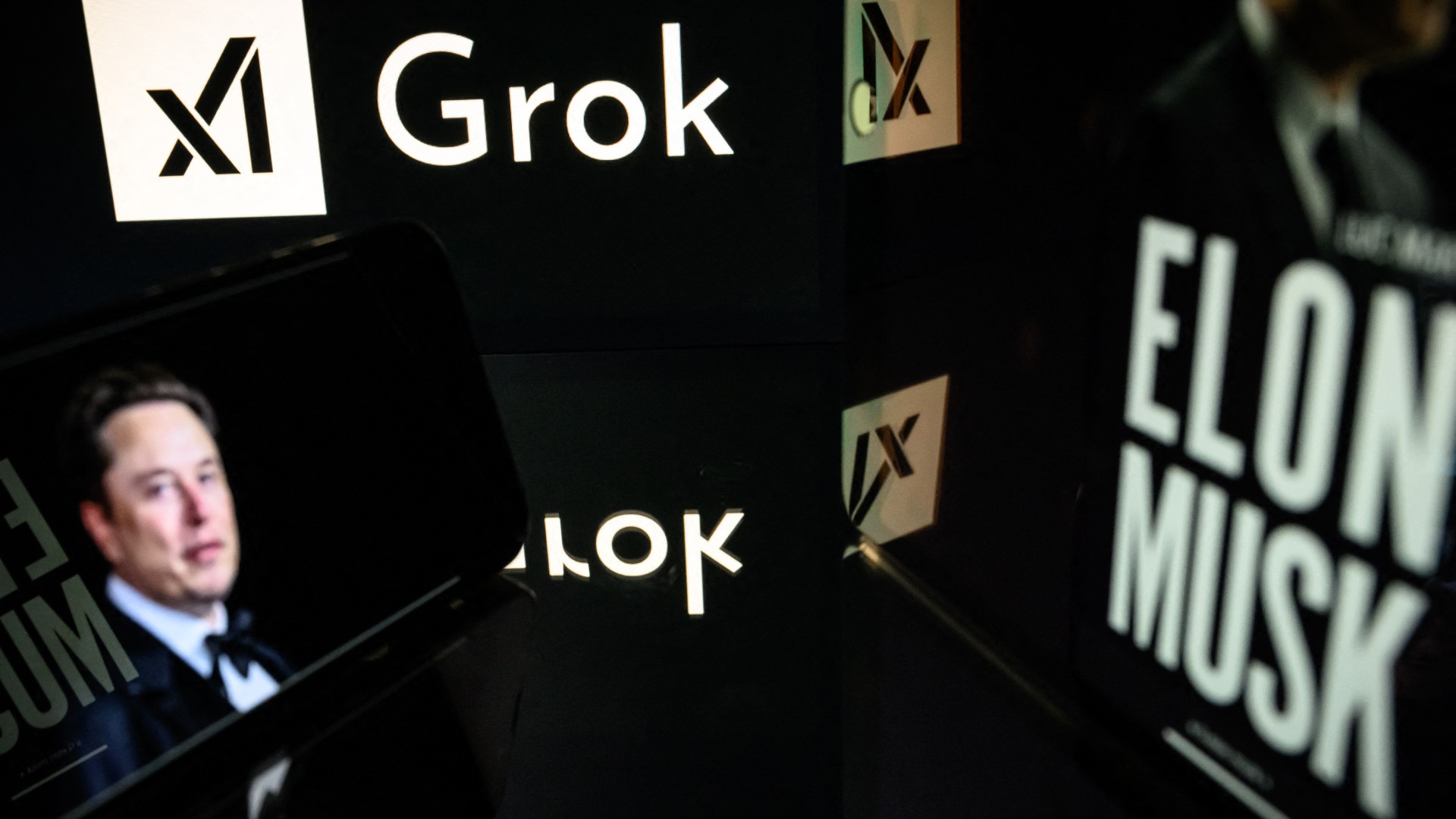
  • US used Musk’s Grok AI to deploy 2,000 munitions during Iran war

    US used Musk’s Grok AI to deploy 2,000 munitions during Iran war

    In a sworn declaration filed in a Mississippi federal court, the top digital and artificial intelligence official for the U.S. Department of Defense has publicly confirmed for the first time that U.S. military forces leveraged a government-adapted version of Elon Musk’s Grok AI to carry out more than 2,000 targeting strikes over a 96-hour window during the joint U.S.-Israel military campaign against Iran. The revelation, which marks the Trump administration’s first direct acknowledgment of Grok AI’s combat use in the conflict, emerged as part of a high-stakes intervention by the federal government into a civil environmental lawsuit against Musk’s xAI firm.

    The lawsuit, filed in April 2026 by the National Association for the Advancement of Colored People (NAACP), accuses xAI and its subsidiary MZX Tech of operating 27 unpermitted methane-powered gas turbines at a facility in Southaven, Mississippi. The turbines are used to power xAI’s Colossus 2 supercomputer in nearby South Memphis, Tennessee, which the company relies on to train and update all Grok AI models – including the government-specific variant used by the Pentagon.

    The NAACP argues that the unregulated turbines violate the U.S. Clean Air Act, releasing toxic nitrogen oxide pollution that drives dangerous ozone formation. The organization notes that nearby Black communities in the Gulf South bear the disproportionate health burden of these emissions, which are linked to asthma attacks, chronic lung function decline, and increased risk of premature death. The legal complaint asks the court to order xAI to halt operations at the unpermitted facility, install modern pollution control technology, and pay financial penalties for every day of noncompliance with federal environmental law.

    Cameron Stanley, who has served as the Pentagon’s Chief Digital and Artificial Intelligence Officer since January 2026, submitted the declaration on behalf of the Trump administration to support its intervention in the case on xAI’s side. Stanley, who previously led defense sector projects at Amazon Web Services before taking his current Pentagon role, outlined how the department uses the Grok Gov Model – a customized derivative of xAI’s commercial Grok AI – integrated into the military’s Maven Smart Systems (MSS) to core national security functions, including target identification, intelligence analysis, military readiness planning, and recruitment.

    In his testimony, Stanley detailed that MSS workflows powered by Grok Gov allowed U.S. forces to deploy 2,000 munitions in just four days during what the military calls Operation Epic Fury. The filing does not specify the exact dates of this operation, leaving unconfirmed whether the strikes coincided with February 28, 2026 – the first day of the war, when a U.S. strike on a school killed 156 civilians, including 120 children. To date, Iran’s Foundation of Martyrs and Veterans has recorded nearly 3,500 total fatalities from U.S.-Israeli attacks across Iran since the conflict began.

    Stanley characterized the 2,000-strike operation as clear proof of the massive operational efficiency gains delivered by the Grok Gov Model. He went on to warn that if the court rules against xAI and forces a shutdown of the Colossus 2 supercomputer by cutting off its Southaven power supply, the Pentagon’s ability to carry out critical national security missions and maintain technological advantage over U.S. adversaries would be severely undermined. In times of armed conflict or national emergency, Stanley argued, demand for AI processing capacity from Grok Gov Models surges dramatically, and Colossus 2 is uniquely positioned to provide the extra surge capacity needed to sustain ongoing military operations.

    In an argument that redefines commercial AI infrastructure as a core national security asset, Stanley wrote that modern data center capacity is just as foundational to U.S. defense posture as traditional munitions production. “In the modern theater of operations, data center processing capacity must be recognized not merely as commercial infrastructure, but as a long-term strategic tool vital to maintaining our technological advantage against adversaries,” he stated in the filing.

    The U.S. Department of Justice has backed the Pentagon’s position, urging the federal judge hearing the case in the Northern District of Mississippi to dismiss the NAACP’s lawsuit outright on national security grounds. “The Department of Justice will not sit idly by while private organizations use environmental laws to undermine our national security,” said Principal Deputy Assistant Attorney General Adam Gustafson of the department’s Environment and Natural Resources Division.