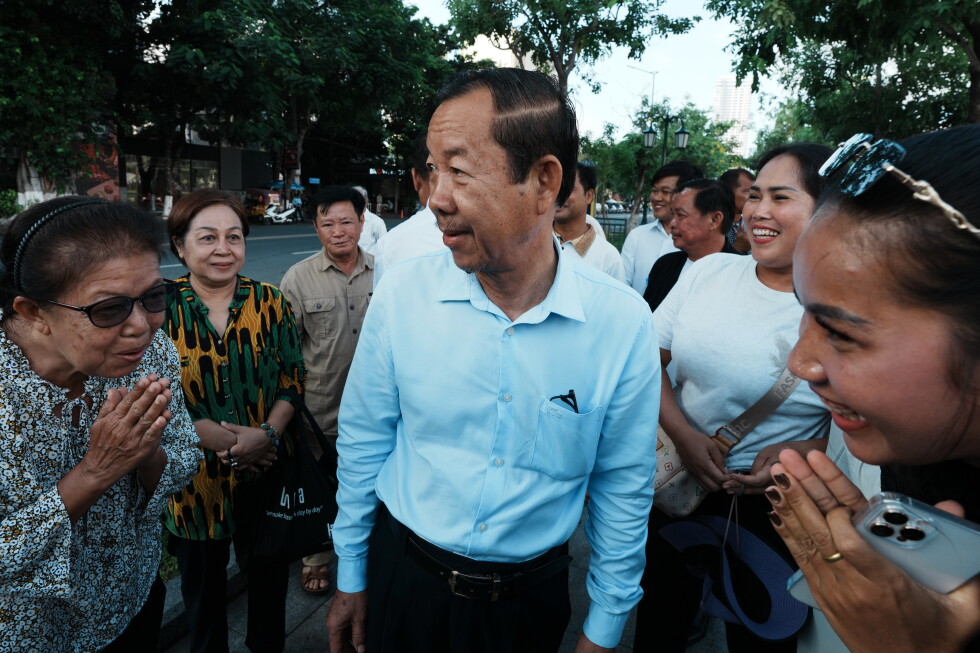
PHNOM PENH, Cambodia — In a high-stakes ruling that has underscored ongoing tensions between Cambodia’s ruling government and opposition forces, the nation’s Supreme Court delivered a mixed verdict Friday: it upheld an incitement conviction against prominent opposition advisor Rong Chhun, but suspended the remaining jail time in his original sentence. The outcome bars the 56-year-old opposition leader from political participation for years while keeping him out of prison. Rong Chhun, a senior advisor to the Cambodia’s Nation Power Party, was first found guilty of inciting social unrest last year following his meetings with villagers displaced by state-backed infrastructure development projects. Legal analysts and international observers have widely framed the case against him as one of a series of targeted legal actions by Prime Minister Hun Manet’s administration to crack down on dissenting voices and eliminate public criticism of government policy. When the Supreme Court’s ruling was announced publicly, crowds of Rong Chhun’s supporters gathered outside the Phnom Penh court complex reacted with immediate anger, voicing their opposition to what they view as a politically motivated judgment. Speaking to reporters following the decision, Em Chantha, Rong Chhun’s defense attorney, outlined the full terms of the ruling: in addition to the suspended remaining prison sentence, Rong Chhun will face a five-year ban on all political activity — a restriction that strips him of even the right to vote and run for public office. He will also be prohibited from leaving the country for a three-year period, which matches the length of the unexpired portion of his original four-year prison sentence. The opposition figure had remained released on bail throughout the appeal process, a status that will continue under the new ruling. While Supreme Court verdicts are legally final in Cambodia, Rong Chhun says he and his legal team will conduct a thorough review of the judgment to explore the possibility of petitioning King Norodom Sihamoni for a royal pardon. The ruling has renewed public debate over the state of political pluralism in Cambodia, as critics argue the pattern of using legal systems to sideline opposition figures narrows democratic space ahead of future electoral cycles. Supporters of the government maintain the legal process was carried out in accordance with Cambodian law, and that the conviction was justified over allegations that Rong Chhun’s actions threatened public stability.
分类: politics
-
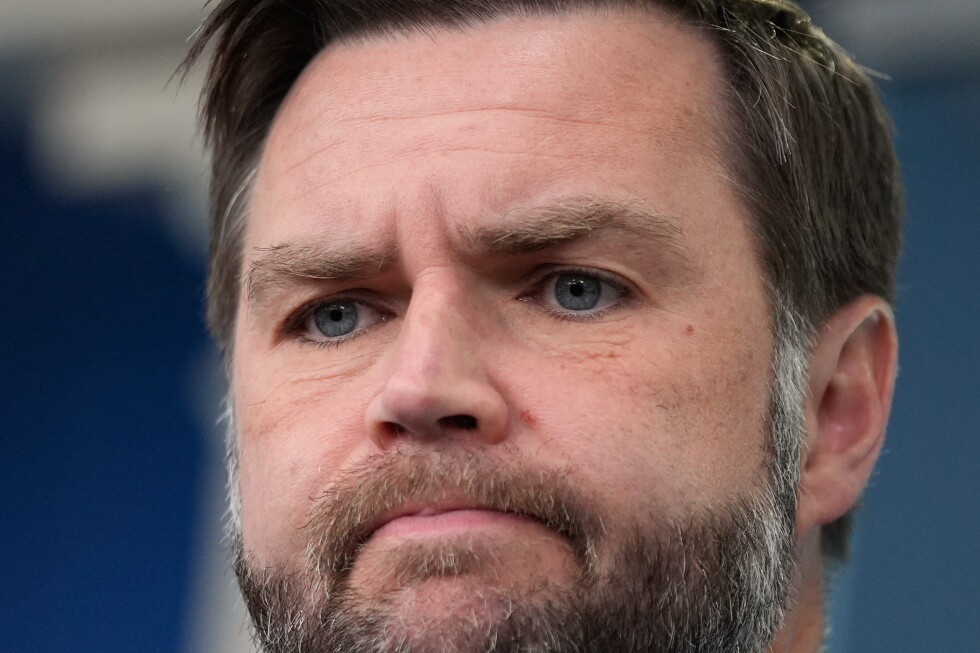
Vance’s push to get Iran talks started hits an early bump as weekend negotiations are put on hold
Just 48 hours after world powers and Tehran signed a groundbreaking 60-day negotiating framework for a permanent Iran nuclear deal and a commitment to restore pre-war oil transit through the strategically critical Strait of Hormuz, a high-stakes U.S. plan to launch immediate technical talks has been derailed.
U.S. Vice President JD Vance, tapped by President Donald Trump to lead the American negotiating delegation, had been scheduled to depart on an overnight flight Friday for a secretive mountainside resort in the tiny Swiss village of Obbürgen, where the opening round of talks was set to be held. By Thursday afternoon, Vance’s staff, a pool of traveling reporters, had already assembled at Joint Base Andrews outside Washington D.C. ahead of departure, while dozens of White House advance personnel and additional press had already arrived in Switzerland to prepare for the vice president’s visit. But in a sudden announcement Thursday evening, the trip was postponed indefinitely.
In an official statement, the White House confirmed that while Vance and his full delegation were fully prepared to begin negotiations, last-minute logistics hurdles prevented the plans from being finalized, forcing the vice president to remain in Washington. “The logistics of these negotiations have never been simple or predictable,” the statement read.
The cancellation came shortly after Pan-Arab satellite network Al-Mayadeen, which has close political ties to Iran-backed Lebanese militant group Hezbollah, reported that Iran was delaying its own delegation’s travel to Switzerland in response to Israel’s ongoing military offensive in Lebanon. Earlier the same day, Vance had already signaled the uncertain state of plans during a White House press briefing, telling reporters he could not guarantee talks would kick off as scheduled this weekend. “Our plan is to go to Switzerland, I don’t know exactly when,” Vance said. “We think these technical negotiations start sometime this weekend. That’s still the plan. But that could change.”
Despite the last-minute delay, Iran’s top leadership had signaled tentative approval for direct talks just hours before the cancellation. Iran’s Supreme Leader Ayatollah Mojtaba Khamenei issued a brief, formal statement carried by state media endorsing the first round of direct negotiations with the U.S., clearing a key domestic political hurdle for the process to move forward. “It is obvious that the face-to-face negotiations that will be held in the future will not mean accepting the enemy’s opinion,” Khamenei emphasized in the statement. The endorsement grants Khamenei, who assumed the supreme leadership role after his father Ali Khamenei was killed in a U.S. airstrike on February 28, critical domestic political maneuvering room. Hardline factions within the Iranian government have long opposed direct bilateral talks with the U.S., a position hardened after Trump withdrew from the 2015 multilateral Joint Comprehensive Plan of Action (JCPOA) during his first term.
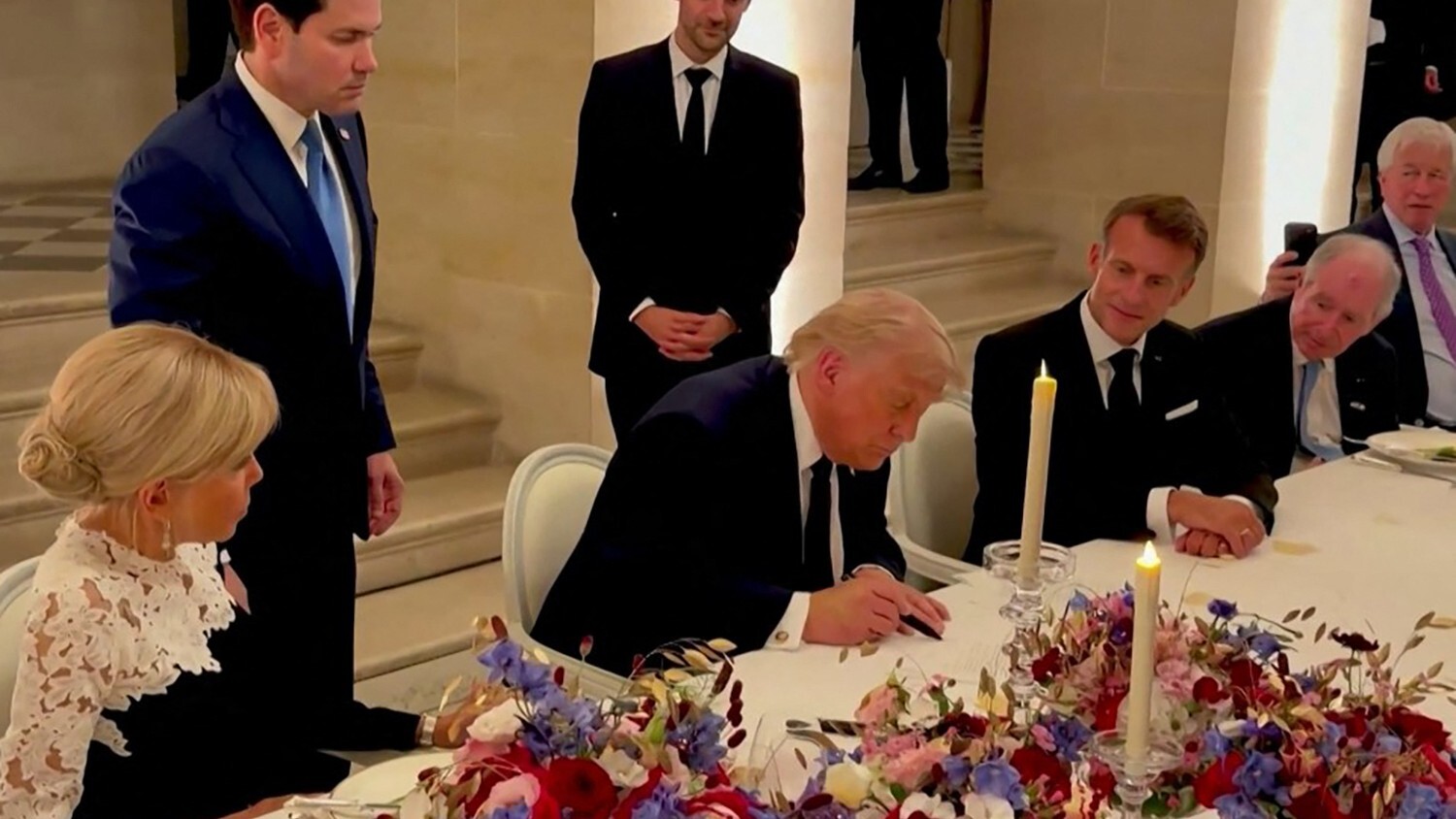
The preliminary framework signed this week was the product of a last-minute change of plans: Vance was initially scheduled to travel to Switzerland for a formal public signing ceremony, but instead President Trump signed the document during a high-profile dinner at the Palace of Versailles alongside French President Emmanuel Macron, with Iranian President Masoud Pezeshkian signing the agreement separately. Under the terms of the 60-day framework, Iran must dilute its existing stockpile of highly enriched uranium — much of which remains buried under rubble from U.S. military strikes on Iranian nuclear sites last year — under international supervision, and reaffirm its longstanding commitment not to acquire or develop nuclear weapons. All other core details of a permanent agreement remain to be negotiated in the coming weeks.
Regional policy analysts note that Tehran enters the upcoming talks with a heightened sense of leverage, after its temporary shutdown of the Strait of Hormuz sent shockwaves through global energy markets. “Iran believes it’s in a strong negotiating position,” explained Rosemary Kelanic, director of the Middle East Program at Washington-based think tank Defense Priorities. After Tehran effectively closed the strategic waterway, triggering global economic disruption, Kelanic said the U.S. is now “essentially trying to negotiate our way back to the prewar status quo.”
Neil Quilliam, associate fellow with the Middle East and North Africa Program at London-based Chatham House, added that Khamenei’s public endorsement of talks is designed to reinforce domestic messaging that the regime holds equal standing with the global superpower. From the Iranian leadership’s perspective, Quilliam argued, “Trump has gone from calling for regime change on Feb. 28 to this: Now they’re going to sit down with us directly and talk about these big issues.” The endorsement, he said, is largely for domestic consumption, sending a message that “We are firmly in control of this. There can be no protests, no revolution: We are a new regime and we’re staying put.”
President Trump has also made a notable shift in public tone in recent weeks. For months, Trump insisted that the financial cost of the conflict with Iran was secondary to eliminating Tehran’s nuclear program, and he angered some members of his own party by saying he was unconcerned about any economic impact on upcoming November midterm elections. But speaking at this week’s G7 summit in Evian-Les-Bains, France, Trump acknowledged for the first time that a prolonged conflict would have triggered “economic catastrophe” for the U.S., noting that domestic oil reserves would have been depleted in roughly four weeks. “And the one president I did not want to be was the late, great Herbert Hoover,” Trump said, referencing the 31st U.S. president whose tenure was defined by the Great Depression.
For Vance, who is widely viewed as a potential 2028 Republican presidential contender, the outcome of these negotiations will have major implications for his political future. Vance built his early political brand around public skepticism of foreign intervention, but now he is tasked with defending a negotiated end to a conflict that congressional Democrats have universally dismissed as reckless. Even within the Republican Party, hawkish lawmakers have openly criticized the framework, arguing it concedes too much to Tehran and would unlock massive economic benefits for Iran.
Senator Roger Wicker, Republican chairman of the Senate Armed Services Committee, said Thursday he is deeply concerned that the draft agreement “negotiates away the victories” won by the U.S. air campaign against Iran, adding that key provisions are “completely out of step” with Trump’s stated original goals. Wicker specifically targeted a proposed $300 billion fund for Iranian reconstruction and economic development included in the 14-point framework, arguing it “would make Iran’s payoff under Obama’s 2015 deal look like a pittance by comparison.” Trump and Vance have pushed back on these criticisms, stressing that no U.S. taxpayer funds would contribute to the fund, and any economic relief would only be released in exchange for concrete concessions and nuclear reforms from Tehran.
Trump has long attacked the 2015 JCPOA, the original multilateral nuclear agreement negotiated by the Obama administration, arguing it failed to curb Iran’s nuclear progress and handed unfettered access to billions of dollars in sanctions relief to Tehran. He withdrew the U.S. from the pact in 2018. Today, Trump rejects comparisons between his new framework and the 2015 deal, arguing he negotiated from a position of strength after a year of military pressure on Iran, while Obama merely paid off Tehran to secure weak, unenforceable commitments.
-
‘We have lost’: Trump’s Iran pact seen as a strategic defeat in Washington
Parallels between the 1919 Treaty of Versailles, which ended World War I on humiliating terms for Imperial Germany, and a new 2025 ceasefire agreement between the United States and Iran have emerged after U.S. President Donald Trump signed the deal at the same French palace that hosted the historic post-WWI conference.
The agreement, dubbed the Islamabad Memorandum of Understanding (MoU), opens a 60-day window for permanent negotiations to end the full-scale war launched by the U.S. and Israel against Iran earlier this year. Even across the U.S. political spectrum, the deal is widely labeled a strategic debacle for Washington, even among factions that support ending the conflict on its current terms.
When Trump first launched military strikes on Iran in June 2025, he laid out a sweeping set of non-negotiable war aims: he claimed the attack was justified to eliminate Iran’s nuclear program, initially floated plans to overthrow the Islamic Republic by backing Kurdish militants and domestic opposition, vowed to destroy Iran’s conventional military and ballistic missile program, and repeatedly demanded Iran’s unconditional surrender. None of these core objectives have been achieved, according to current and former U.S. officials, independent analysts, and political commentators from across the ideological spectrum.
“War opponents can be glad the war is over and also point out that this insane deal is a final proof point that the whole war…was a total calamity,” Democratic Senator Chris Murphy wrote on social media platform X. Conservative commentator Brandon Weichert echoed that criticism, blaming interventionist neoconservative Republicans for dragging the U.S. into a conflict it could not win. “We are only in this terrible position because of the ‘Neocons’ who pushed [us] into an unwinnable war. Again. This is what happens when you lose a war,” Weichert wrote.
Aaron David Miller, a former Middle East negotiator who has served both Republican and Democratic administrations, summed up the widespread assessment of the U.S. position in comments to Middle East Eye. “The US deployed its power foolishly and recklessly,” Miller said. “We have lost, vis-a-vis Iran, a lot of power and influence. Deterrence is gone. Iran has survived the largest deployment of American air, naval and missile assets since the Second Iraq War.”
On paper, the MoU only includes a loose Iranian pledge to refrain from developing nuclear weapons – a commitment that is already codified in a fatwa issued by former Iranian Supreme Leader Ali Khamenei, who was assassinated early in the conflict. The agreement leaves the door open for Iran to continue enriching uranium for civilian purposes as part of a final permanent deal, and experts note the U.S.-led bombing campaign has already set Iran’s nuclear program back by years, meaning any temporary enrichment moratorium would be largely symbolic. “Iran’s nuclear programme is already years damaged. So if they propose a moratorium they aren’t really offering anything,” explained David Schenker, a former senior U.S. official now based at the Washington Institute for Near East Policy.
Critics of the deal have focused heavily on the sweeping economic concessions granted to Tehran. The MoU lifts all U.S. sanctions on Iranian oil exports, ends the American blockade of Iranian ports, and outlines a process to unfreeze more than $100 billion in Iranian assets held abroad, with many of these funds expected to be released during the 60-day negotiation window. Alan Pino, a former CIA and National Intelligence Council officer now at the Atlantic Council, noted that the MoU ties few of these economic benefits to concrete Iranian concessions on Washington’s original policy goals. “Iran clearly gets a lot of economic benefits from the MoU. What is not clear is how many of these benefits are tied to implementation of a final agreement,” Pino said. “It seems like these frozen funds might start flowing to Iran during the 60-day period. Either way, with the sanctions waiver, it sounds like Iran is going to get its hands on a lot of money without fully complying with the US’s goals and objectives.”
Analysts say the final outcome of the conflict was shaped by Iran’s successful asymmetric pressure campaign that wore down U.S. resolve long before Tehran’s own position weakened. Though Iran never launched direct attacks on the U.S. homeland, its missile and drone strikes depleted American stocks of air defense interceptors to critically low levels, while its blockade of the Strait of Hormuz – the chokepoint through which 20% of global oil supplies flow – pushed U.S. strategic petroleum reserves to a 40-year low and created widespread fears of a global energy crisis. By mid-April, two weeks after the war launched, multiple outlets including Middle East Eye warned the U.S. was facing a “Suez moment,” a parallel to the 1956 failed Suez Crisis that marked the end of British and French dominance over the Middle East. Trump continued the conflict for another month, however, with a shaky ceasefire repeatedly broken by flare-ups in fighting and empty threats to target Iranian civilian infrastructure.
Experts say Trump entered the war largely on the urging of Israeli lobbyists who claimed that toppling the Iranian government would be quick and low-cost. When the initial invasion plan failed, Trump doubled down on a blockade and threats of further escalation, betting that the Iranian government would collapse under pressure. Instead, Iran outlasted the U.S., as growing global fears of an energy crisis and pressure from U.S.-allied Gulf states forced Washington to compromise.
William Usher, a former CIA analyst and Middle East expert, explained the timeline that led to the MoU. “The US and Iran both had clocks that were winding down for several weeks,” Usher said. Oil executives warned that a prolonged closure of the Strait of Hormuz would trigger a global supply shock by summer, and Iran responded to U.S. threats with warnings of new attacks on oil-rich Gulf U.S. allies – states that hold major investments in the U.S. economy and have extensive personal business ties to the Trump family. “The US clock wound down first because concerns about rising energy prices hit a fever pitch. Iran had a little bit more sand in the hourglass and is reaping the benefit of strategic patience,” Usher added. “Iran basically got paid to reopen the strait.”
While the war has inflicted massive damage on Iran – Trump has claimed U.S. and Israeli strikes caused up to $2 trillion in damages to Iranian military, civilian, and energy infrastructure – Tehran is already moving to recoup its losses. The MoU outlines a $300 billion reconstruction fund for Iran in a final peace deal. While Trump has ruled out using U.S. taxpayer money for the fund, he has not objected to contributions from Gulf Arab states. Diplomatic sources say Qatar and the United Arab Emirates are already in informal talks to contribute to the fund, a sharp shift from the start of the war, when most Gulf states opened their military bases to the U.S. and joined the coalition attacking Iran.
That shift underscores the new regional reality created by the war: Gulf states now recognize that U.S. deterrence against Iran has been weakened, and are moving to strike their own conciliatory deals with Tehran to avoid future conflict. “The Gulf states know we [the US] lost and that we can’t protect them from Iran. They are paying Iran for safety, and it appears to be part of a US arrangement,” a former senior U.S. official told Middle East Eye. Schenker summarized the dynamic: “The US has given its blessing for hedging.”
This war, Usher noted, fits a decades-long pattern of U.S. military interventions in the Middle East that have ultimately strengthened Iran’s strategic position. After the U.S. toppled Saddam Hussein’s regime in Iraq in 2003, Iran filled the power vacuum and built deep influence with Iraq’s Shia majority government. “Like the Iraq war, the US has left Iran in a strategically better position,” Usher said.
While parallels to the 1919 Versailles Treaty have been drawn, experts note there are key differences between the two outcomes. The Versailles Treaty led to the collapse of Imperial Germany and the rise of the fragile Weimar Republic, but the war with Iran was never an existential threat to the United States, which remains the dominant military power in the Middle East. Miller argued that despite the strategic defeat, no external power is positioned to displace U.S. influence in the region. “Is American power and influence in the Gulf fundamentally eroded as a result of this strategic defeat?” Miller asked. “Well, where are the Russians, the Chinese and the Europeans? This was an unprecedented crisis dominated by three countries: the US, Israel and Iran. The US is still the only game in town.”
-
Labour’s Andy Burnham wins a special election, setting up a showdown with Starmer to lead Britain
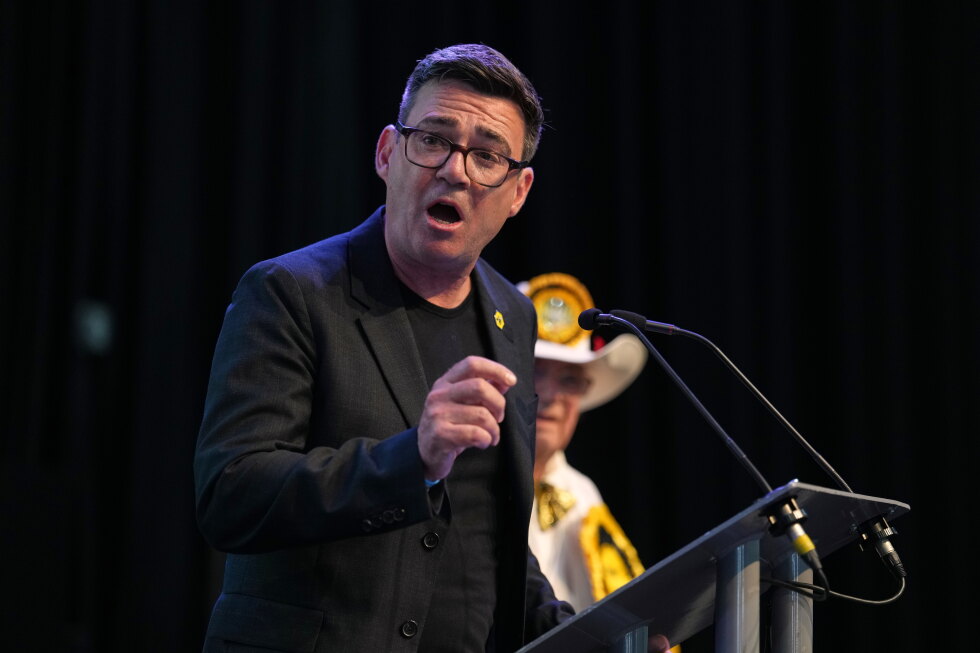
LONDON – In a political upset that has reshaped the UK’s domestic political landscape, Greater Manchester Mayor Andy Burnham has secured a decisive win in the Makerfield constituency special election, cementing his position as the leading challenger to embattled incumbent Prime Minister and Labour Party leader Keir Starmer.
Burnham, a 56-year-old centrist politician widely nicknamed the “King of the North” for his enduring popularity across northern England, crushed his closest competitor, Rob Kenyon from the right-wing anti-immigration Reform UK, by a margin of more than 9,000 votes. Final vote counts released early Friday show Burnham captured nearly 55% of the 45,510 ballots cast, a clear mandate that sets the stage for an imminent leadership showdown within the ruling Labour Party.
The special election was deliberately triggered when sitting Labour MP Josh Simons resigned from his seat, clearing a path for Burnham – who had served outside Parliament as metro mayor since 2017 – to return to Westminster. Since taking office as Greater Manchester’s mayor in 2017, Burnham has overseen a sweeping urban regeneration transformation of the region, the historic birthplace of the Industrial Revolution, building a broad popular base around his pragmatic, region-focused policy brand he calls “Manchesterism.” He has now pledged to scale this model nationwide if he takes the top job.
In his victory address, Burnham left no ambiguity about his political ambitions, rejecting the idea that he would settle for a backbench role in the 650-seat House of Commons. “Everyone knows that politics isn’t working,” he told supporters. “Everyone can feel that the country isn’t where it should be. Tonight could, just could, be the turning point.” He emphasized that the Labour Party now holds a final opportunity to rebuild public trust, calling for a new, unifying political project rooted in hope that rejects the divisive, polarizing politics that has come to define U.S. political discourse. “The name Makerfield will forever be synonymous with bringing about the change this country needs,” he added.
The leadership challenge comes amid a historic collapse in Starmer’s approval ratings, just months after he led the centre-left Labour Party to a landslide general election victory in July 2024. Since taking office, Starmer has failed to deliver on key campaign pledges: he has been unable to jumpstart promised economic growth, repair overstretched and underfunded public services, or ease the ongoing UK cost of living crisis. His position has been further weakened by a string of high-profile missteps, most recently the controversial appointment of scandal-tarnished former minister Peter Mandelson – a known associate of convicted sex offender Jeffrey Epstein – as UK Ambassador to the United States. A dismal performance in May 2025 local elections already prompted dozens of Labour MPs to publicly call for Starmer’s resignation, and while he has refused to step down, senior party figures have openly pushed for a leadership change. Already, former Health Secretary Wes Streeting resigned from Cabinet in May, criticizing the government for a “vacuum of vision,” and has announced he will run for leader if a contest is called.
Under UK parliamentary rules, the governing party can replace its leader and prime minister mid-term without holding a snap national election. Current Labour Party rules stipulate that a leadership challenge can be triggered if a challenger secures backing from at least one-fifth of the party’s sitting Commons MPs – a threshold of 81 signatures in the current parliament.
Senior party figures have already begun openly calling for an orderly transition. Culture Secretary Lisa Nandy acknowledged that Burnham and Starmer would hold urgent talks “about what comes next” in the coming days. Louise Haigh, a senior Labour MP and close Burnham ally, urged Starmer to “do what’s best for both the country and the Labour Party” and “consider an orderly and managed transition.” Haigh told Sky News that “Andy won’t be doing anything rash or hasty. I’m really hopeful the prime minister and Andy can come to an agreement.”
Starmer has thus far dug in, insisting he has no intention of resigning. Speaking from the G7 summit in France this week, he said, “I will fight if there’s a challenge. We won a significant general election result in 2024, with a mandate to bring about change. I’m not going to walk away from that.” Ahead of the election, Starmer suggested he would be open to giving Burnham a senior Cabinet post to keep him within the government, but allies of Burnham have made clear he has no interest in a secondary role.
Political analysts agree that the pressure on Starmer is now nearly impossible to ignore. Rob Ford, a professor of political science at the University of Manchester, noted that “the pressure on Starmer will be very hard to resist” now that Burnham holds a seat in Parliament. Burnham is set to be sworn in as an MP as early as next Monday, and is expected to request a formal meeting with Starmer to push for a graceful exit and a clear timetable for a leadership transition.
While Starmer remains defiant, his position could collapse rapidly if multiple Cabinet members resign or threaten to resign in unison to force his hand. Depending on the level of support for Burnham among the parliamentary party, the race could either become a contested leadership election or Burnham could take the position unopposed in a quick “coronation.” Ford added that Burnham’s defeat of Reform UK in a seat the right-wing party targeted heavily strengthens his argument that he is Labour’s strongest electoral asset. “The narrative he can bring is, ‘No one else could have won that seat. I won that. I bring something unique. I bring an ability to renew our appeal,’” Ford explained.
-
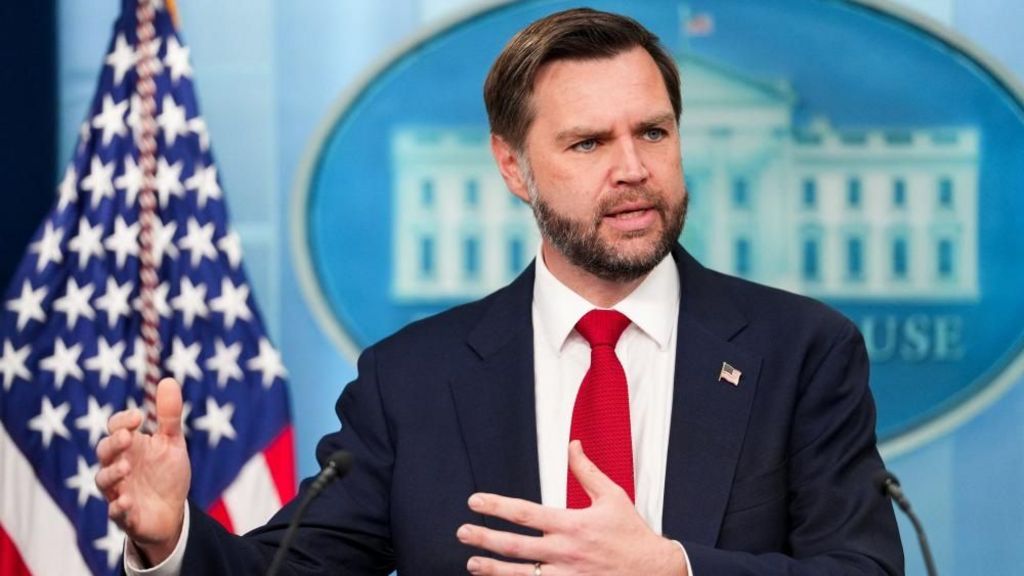
In Trump’s shadow, Vance becomes face of Iran deal
The ongoing political drama surrounding the Trump administration’s newly announced interim Iran deal has thrust Vice President JD Vance into the center of a high-stakes controversy, as he navigates conflicting messaging from the top of his own administration, intraparty opposition, and growing speculation about his own 2028 presidential ambitions.
During a Thursday White House press briefing, Vance pushed back against widespread suggestions that President Donald Trump had positioned him as the political fall guy for the broadly unpopular agreement, telling reporters Trump’s recent comment about blaming the vice president if the deal collapses was nothing more than playful banter. “I think the president was joking,” Vance stated, as he defended the framework of the memorandum of understanding (MoU) reached with Iran earlier that week.
Vance has led the administration’s public outreach for the Iran deal all week, but his role has been marked by repeated contradictions from Trump and persistent uncertainty over his planned diplomatic trip. Just days ago, Vance was scheduled to travel to Switzerland for a formal signing ceremony with Iranian leaders, but he admitted he had little clarity on key event logistics, a revelation that laid bare his limited control over the defining policy assignment of his vice presidency. By late Thursday, the White House officially announced Vance would not make the trip, at least for the time being, citing unresolved logistics for upcoming negotiations.
Despite the cascading challenges, Vance has stood firm in his defense of the interim agreement, even breaking new ground by issuing a sharper rebuke of Israel’s response to the deal than Trump has publicly offered in recent days. That same week, he also launched a new memoir about his religious conversion, a release that only amplified chatter about a potential 2028 White House run, putting his handling of the Iran deal under even closer political scrutiny.
The deal has split the Republican Party, creating a no-win situation for Vance as he tries to sell the agreement to two opposing factions: anti-interventionist Make America Great Again (MAGA) supporters who opposed the Iran war from its start, and hardline conservative Iran hawks who argue the Trump administration has surrendered critical leverage to Tehran. Unlike Vance, other top administration officials have managed to avoid the political heat: Secretary of State Marco Rubio, a fellow potential 2028 Republican presidential contender, has deliberately stepped back from the spotlight on the Iran file, while Defense Secretary Pete Hegseth has remained a vocal backer of the military campaign without taking ownership of the diplomatic push for peace.
Many Republican insiders say Trump’s decision to put Vance front and center on the unpopular deal is a deliberate political move. “It’s not in the president’s nature to cede the limelight and he’s done that here,” noted Republican strategist Matt Mackowiak, adding that the choice felt intentional. One anonymous longtime Republican operative and Trump critic put it more bluntly: “It’s classic Trump to throw JD under the bus.”
Still, the political outcome for Vance is not predetermined. If the two sides can reach a final, long-term agreement that successfully curbs Iran’s nuclear program – a long-sought goal for U.S. and Middle Eastern allies – Vance could claim credit for a landmark foreign policy victory. But there are no guarantees: negotiators have 60 days to resolve a host of deeply technical sticking points, and even a final deal may fail to win over skeptical critics at home and abroad. “Vance being connected to the Iran war is one more way [that critics will] hold him accountable for Trumpism,” explained veteran Republican consultant Terry Holt.
The past week’s shifting messaging around the deal has only underscored Vance’s difficult position. When the MoU was first announced on Sunday, the White House released no text, sparking widespread confusion over the agreement’s terms. Vance attempted to clarify details in a series of media interviews, telling CBS News that Iran could gain access to a $300 billion reconstruction fund if it abided by the deal’s terms. Just hours later, Trump contradicted him outright, dismissing the $300 billion figure as “Fake News” on social media and telling reporters the U.S. would not contribute “10 cents” to any such fund. When the full text was eventually released, it confirmed Vance’s initial framing: the deal commits the U.S. to work with regional partners to develop a $300 billion reconstruction plan for Iran.
On the core issue of Iran’s nuclear program, Vance aligned with Trump’s framing that the interim deal is a meaningful first step toward blocking Tehran from developing nuclear weapons. But the agreement leaves all detailed nuclear restrictions to be negotiated in the next round of talks, failing to lock in concrete limits immediately.
The chaos around the deal followed Vance even during media appearances for his new book. During a televised interview on ABC’s *The View*, where he clashed with co-host Whoopi Goldberg, Trump was already overseas at the G7 summit in Evian-les-Bains, France, undercutting Vance’s position. During a Wednesday press conference, Trump repeated his “joke” about blaming Vance if the deal fails, and even downplayed the MoU’s significance, questioning whether it was important enough for him to sign. Hours later, however, Trump signed a physical copy of the deal on camera during a formal dinner with French President Emmanuel Macron at the Palace of Versailles, which immediately raised questions about why Vance would need a separate signing event in Geneva – a question answered by the White House’s announcement that Vance would skip the trip.
Even with Trump overseas, congressional Republicans have not held back on their criticism. “Iran’s nuclear ambitions were not curbed, and they have learned that threatening the Strait of Hormuz works and will undoubtedly leverage it in the future,” Republican Senator Bill Cassidy of Louisiana wrote in a social media post Thursday. Senate Armed Services Committee Chairman Roger Wicker of Mississippi added that the deal is “completely out of step with the president’s own goals.”
Vance pushed back on that criticism at Thursday’s briefing, pointing to falling U.S. gasoline prices as early proof the deal is already delivering benefits for American households. He expressed confidence that the agreement would deliver long-term gains if Iran holds to its commitments and negotiators reach a final deal: “If they change their behaviour, big things are going to happen. If they don’t, no skin off our backs. Either way, we win.”
For now, however, the political stakes remain entirely clear: as Trump has repeatedly emphasized, Vance is the public face of these negotiations, meaning his political future will be closely tied to whether the deal succeeds or fails.
-
Israel plans expanded occupation of Lebanon in defiance of US-Iran pact
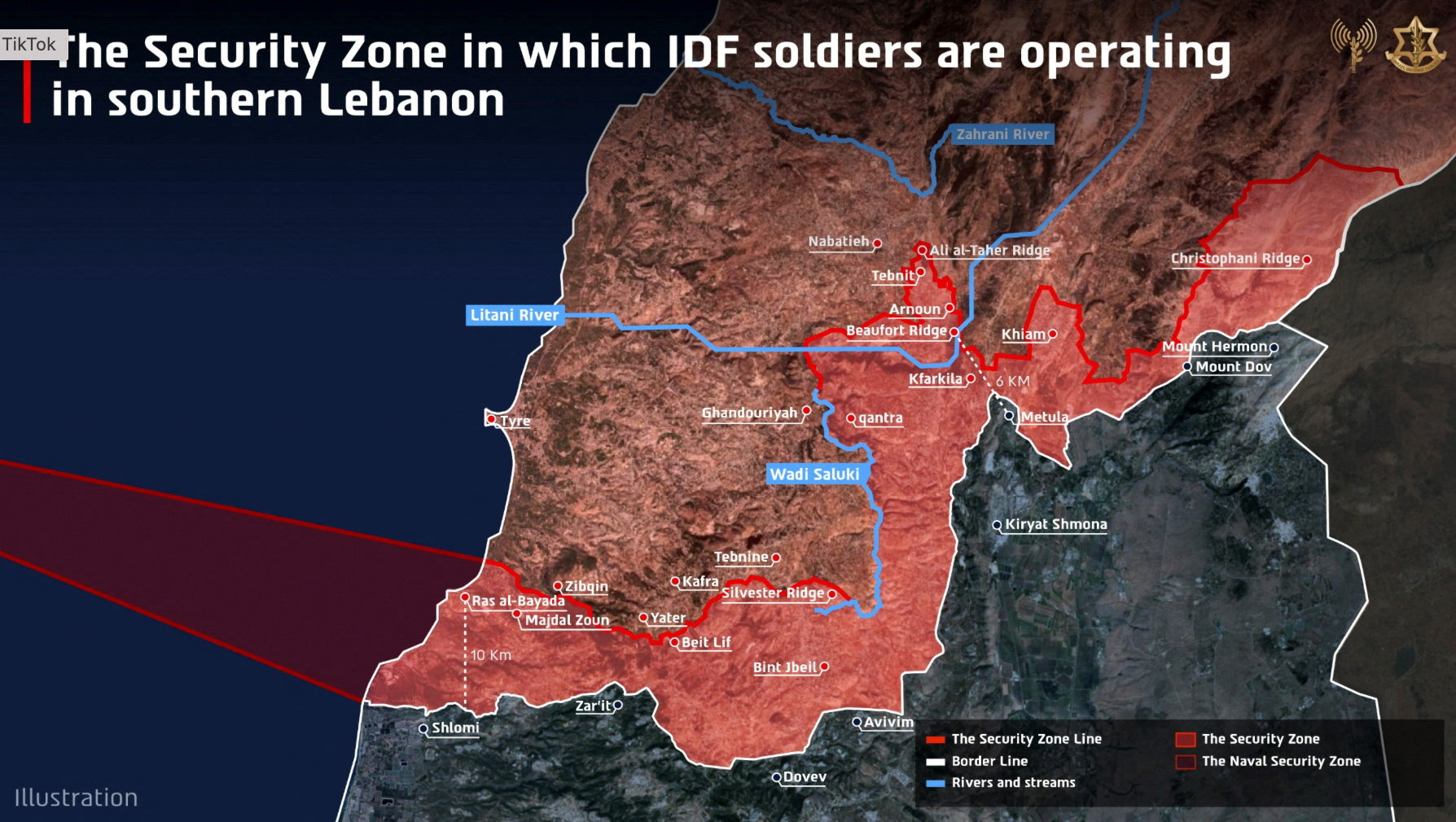
On Thursday, the Israeli military made public an official map marking an expanded zone of military control deep inside southern Lebanese territory, a move that directly undermines a recently reached ceasefire memorandum brokered between the United States and Iran. According to reporting from Reuters, the new map, which marks the expanded occupied area in dark red, confirms that Israeli forces have pushed far past their previous operational boundaries, extending their hold on both land and maritime areas roughly 10 kilometers along the contested Yellow Line that separates Israeli and Lebanese territory. This newly claimed control encompasses eight additional Lebanese villages that were not previously listed as falling under Israeli occupation: Mazraat Byout El Saiyad, Majdal Zoun, Haddatha, Beit Yahoun, Zawtar El Charqiyeh, Arnoun, Yohmor, and Kfar Tebnit, details confirmed by architect and spatial researcher Ahmad Baydoun. While Israeli troops have operated in these newly marked areas for several weeks, Thursday’s publication marks the first official acknowledgment of the expanded occupation. The disclosure comes at a moment of sharp tension, as Israel openly rejects the terms of the U.S.-Iran Islamabad Memorandum of Understanding, a deal that requires an immediate and permanent end to all military operations across every front, including Lebanon, and guarantees full respect for Lebanon’s territorial integrity and national sovereignty. Even after the memorandum was signed, Israeli forces have continued offensive strikes across southern Lebanon and have repeatedly refused international and diplomatic calls to withdraw its troops from occupied southern Lebanese territory. Israeli officials speaking to Reuters confirmed that tough, ongoing negotiations are still underway with the Trump administration over Israel’s demand to keep its military deployed inside Lebanese territory south of the Litani River, adding that the outcome of these talks will hinge on whether President Trump chooses to pressure Israel to comply with the ceasefire terms by threatening consequences for noncompliance. The day before the map’s release, U.S. President Donald Trump publicly voiced sharp irritation with Israel’s heavy-handed military tactics in Lebanon, marking a rare public rift between the American leader and his long-time Israeli ally. In comments made at the G7 Summit in Evian, France, Trump criticized Israel for disproportionate and indiscriminate tactics that have led to mass civilian casualties, saying that Israeli forces do not need to destroy entire residential apartment buildings to target individual members of Hezbollah. “You don’t have to knock down an apartment house every time you’re looking for somebody, because there are a lot of people in those apartment houses, and they’re not all Hezbollah,” Trump told reporters. He added that the conflict between Israel and Hezbollah has dragged on for far too long, noting that “too many people have been killed in Lebanon.” This public rebuke follows a heated exchange one week prior, when Trump excoriated Israeli Prime Minister Benjamin Netanyahu for launching new strikes that threatened to derail the ceasefire deal just hours before its official announcement. In unusually blunt comments, Trump called Netanyahu “a very difficult guy” and reminded Israel that the U.S.-brokered deal prevents Iran from acquiring nuclear weapons, a outcome he claimed saves Israel from annihilation. In an even more provocative remark made on the sidelines of the G7 alongside Qatar’s ruler, Trump said he has suggested that Syria should be allowed to handle Hezbollah instead of Israel, arguing that Syrian President Ahmed al-Sharaa’s forces are more than capable of defeating the group and would do a better job than the Israeli military. “If Israel can’t do the job without killing everyone else, he’ll do the job. Syria will do the job,” Trump stated. Even as diplomatic clashes continue between Washington and Jerusalem, violence on the ground continues to escalate. Lebanon’s National News Agency reported that on the same day Israel released its control map, an Israeli drone strike targeted a civilian vehicle near Kfar Tebnit, killing two people. A separate strike in Zebdine killed one additional person, and a drone strike on Beit Yahoun wounded two more. Since the launch of the U.S.-backed Israeli campaign against Iran, Lebanon’s health ministry reported that at least 3,826 people have been killed across the country, and more than 11,800 others have sustained injuries. Israeli military officials have also made clear that they do not rule out expanding offensive strikes even further beyond their newly declared occupation lines, a stance that puts the entire U.S.-Iran ceasefire agreement at risk of total collapse, as regional tensions continue to rise.
-
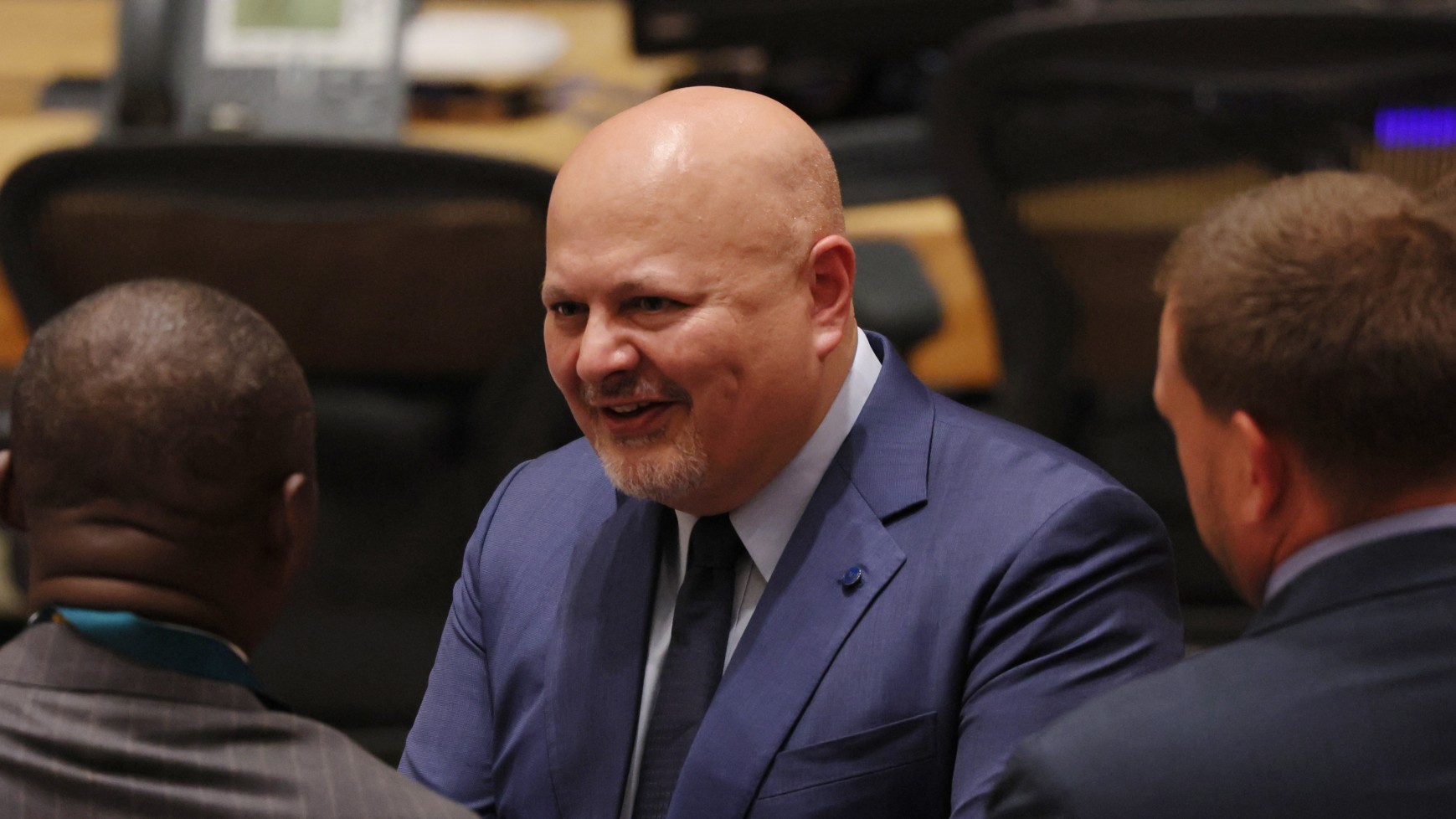
Exclusive: ICC member states to vote on Karim Khan probe in New York on 24 July
The International Criminal Court (ICC) is set to face a pivotal moment on July 24, when 123 member states will gather in New York City for a historic special vote that will decide the future of sitting chief prosecutor Karim Khan, multiple diplomatic sources have confirmed exclusively to Middle East Eye. The vote stems from misconduct allegations that have roiled the global court, and will mark the final step in a process that has already sparked deep controversy over institutional process and political interference.
The path to this special session began in May 2024, when unpublicized allegations of sexual misconduct against Khan first emerged. Khan has repeatedly and forcefully denied all wrongdoing connected to the claims. When the original complainant declined to cooperate with the ICC’s internal investigative mechanisms, the court’s governing body, the Assembly of States Parties (ASP), commissioned an independent probe led by the United Nations. Over the course of more than a year, UN investigators collected and vetted evidence, with their findings then passed to a panel of independent judges appointed by the ASP Bureau — the 15-member executive steering committee of the ICC’s member states.
Working to the strict legal standard of proof beyond a reasonable doubt, the judicial panel delivered a unanimous ruling in March 2025, following three months of review of the 150-page UN investigative report and its 5,000 pages of supporting evidence. In a conclusion viewed by Middle East Eye, the panel confirmed that the evidence presented “do not establish misconduct or breach of duty under the relevant framework.”
In a move that has alarmed legal observers, however, the ASP Bureau simply set aside the judicial panel’s independent finding when it met on June 8. By a qualified majority vote, the Bureau moved to suspend Khan from his post, and in a confidential decision obtained by MEE, a two-thirds majority of voting Bureau members went a step further, formally recommending a finding of “serious misconduct” against the prosecutor. That recommendation cleared the way for the full ASP to hold a final vote on the matter, scheduled for the New York special session this month.
Under the ICC’s existing governing rules, the 125-member ASP is the sole body with authority to issue a final binding determination on the misconduct allegations and rule on whether to remove Khan from office permanently. When member states convene, they will first vote on whether to uphold the Bureau’s recommendation, with three possible outcomes on the table: a finding of serious misconduct, a finding of less serious misconduct, or a ruling that no misconduct occurred. Any finding of misconduct will require approval from a two-thirds majority of member states present and casting a vote.
If a majority endorses a finding of serious misconduct, the ASP will move to a second, separate vote on whether to remove Khan from his position permanently. To remove the prosecutor, the motion will need the support of an absolute majority of all 125 ICC member states — a minimum threshold of 63 votes.
The entire process has thrown the ICC into a state of unprecedented institutional uncertainty, with unregulated media leaks about the allegations compounding instability around Khan’s leadership. Legal experts have raised sharp alarms about the Bureau’s decision to disregard the independent judicial panel’s finding, warning that the move risks turning a disciplinary process into a politicized exercise that undermines the court’s credibility.
Critics have also drawn attention to the timing of the allegations, which have unfolded alongside a sustained diplomatic campaign by the United States and its allies to block Khan’s ongoing investigation into alleged war crimes and crimes against humanity committed by Israeli officials in Gaza, where the UN and multiple human rights groups have documented widespread civilian death and humanitarian catastrophe.
Khan, a British barrister who was elected as the ICC’s third chief prosecutor in February 2021, has made pursuing high-profile cases against sitting and former heads of state a central priority of his tenure. His office has secured arrest warrants for Russian President Vladimir Putin over the illegal invasion of Ukraine, for Israeli Prime Minister Benjamin Netanyahu over actions in Gaza, for junta leaders in Myanmar accused of genocide against the Rohingya people, and for senior Taliban officials over targeted attacks on Afghan civilians.
Khan’s aggressive pursuit of these high-stakes cases has already triggered retaliation from major non-member states. In 2025, the Trump administration reimposed and expanded harsh economic sanctions on Khan, later extending the measures to target two deputy prosecutors, eight sitting ICC judges, the UN Special Rapporteur on Palestine, and multiple Palestinian non-governmental organizations that provided evidence to the court’s Gaza investigation. Russian courts have also issued an arrest warrant for Khan in absentia in retaliation for the Putin warrant. The ICC holds jurisdiction over crimes committed on the territory of its member states, even when the accused are nationals of non-member countries like the United States, Russia, and Israel.
-
Trump presents the Medal of Honor to 3 veterans for heroism in Vietnam and Afghanistan
WASHINGTON, D.C. – In a solemn and moving White House ceremony Thursday, former President Donald Trump presented the Medal of Honor, the U.S. military’s highest decoration for valor, to three veterans whose extraordinary acts of bravery saved countless lives and turned the tide of enemy advances during conflicts in Vietnam and Afghanistan.
Two of the honorees, retired Marine Corps Maj. James Capers Jr. and Army Maj. Nicholas Dockery, accepted the award in person, while the third, retired Marine Corps Col. John W. Ripley, received the honor posthumously more than 15 years after his 2008 passing. Opening the ceremony, Trump paid tribute to the three men, saying, “These are great men, great people. We thank you and we will never, ever forget you.”
At 88 years old, Capers was recognized for his selfless leadership during a fatal 1967 Vietnam ambush. What began as a routine reconnaissance mission targeting a suspected North Vietnamese Army base camp quickly devolved into days of brutal close-quarters combat in the thick, unforgiving Vietnamese jungle. On the fourth day of the operation, Capers’ small team was surrounded and outnumbered by enemy fighters, and a hidden land mine blast left the major with a broken leg and severe abdominal wounds. Despite his life-threatening injuries, Capers insisted on retaining command after receiving a dose of morphine, Trump recounted. “He took over like nobody’s ever seen before,” the former president said.
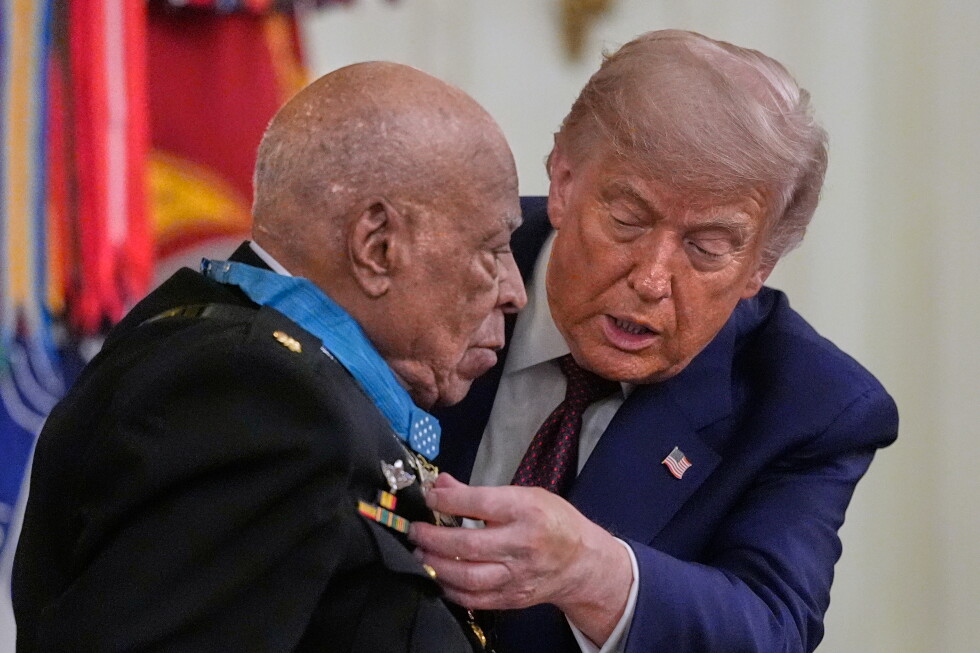
Capers immediately called in targeted air support to repel the attacking force, and when a rescue helicopter arrived to evacuate the unit, he insisted all wounded Marines be loaded onto the aircraft before he boarded himself. A heartfelt, unscripted moment unfolded during the medal presentation: after pinning the Medal of Honor around Capers’ neck, Trump adjusted the decoration to sit straight against the veteran’s chest, pulling him forward in a gesture of respect. The 88-year-old, who had held a composed expression up to that point, broke into a warm smile when Trump grinned back at him.
The second posthumous honor went to Ripley, celebrated for a one-man mission that halted a massive North Vietnamese advance in 1972. When more than 30,000 enemy troops and 200 tanks advanced toward a critical strategic bridge in the village of Dong Ha, Ripley took on the high-risk task of destroying the crossing single-handedly. Over five grueling hours, he repeatedly climbed across the bridge’s exposed steel beams while under constant enemy fire, placing a total of 500 pounds of explosives in key positions. “John completed not one, not two, but five such trips,” Trump noted, calling Ripley a “very strong guy.” After placing the final charge, Ripley said a prayer before triggering the detonation, sending the entire bridge collapsing into the river below and stopping the enemy advance in its tracks. Ripley’s three sons and other extended family members attended the ceremony to accept the medal on his behalf.
The final living recipient, Dockery, was honored for his extraordinary courage during a 2012 Taliban ambush in Afghanistan’s Kapisa Province, where his platoon was tasked with guarding a local compound. Outnumbered by an estimated 150 attacking insurgents, Dockery immediately sprinted across open, enemy-exposed ground to rally his scattered troops, then set out to locate missing service members. After carrying one wounded soldier out of active gunfire, he spotted two enemy fighters moving to kill a second wounded American troops trapped in an alley. Dockery eliminated the two insurgents before administering CPR to the wounded soldier, restoring his breathing, according to his official citation.
After calling in mortar support to target enemy positions, Dockery used his own body to shield the wounded soldier from incoming blast shrapnel. After hours of intense urban combat, Dockery deployed smoke grenades to mark enemy positions for U.S. attack gunships, and he refused to leave the battle site until every last wounded service member had been evacuated to safety. “You were the last man to depart the battlefield that day,” Trump told Dockery. “and you left it a legend and a hero.”
-
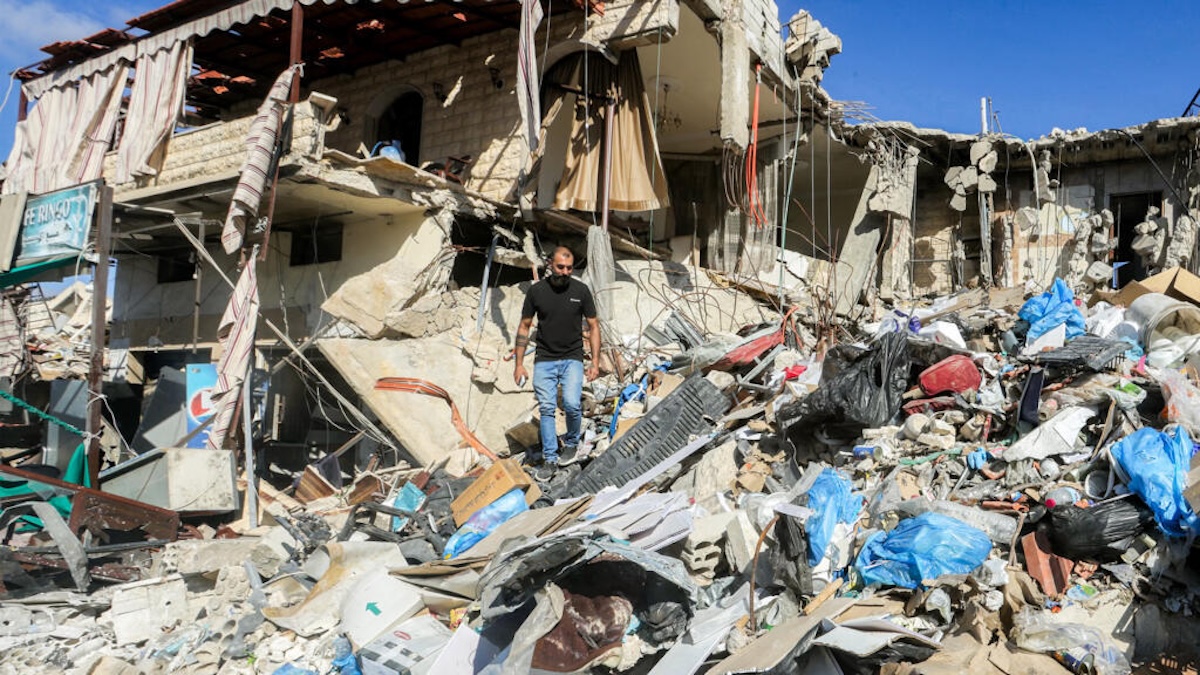
Israeli drones hit Lebanon soon after Trump, Iran sign peace deal
On Thursday, just hours after the United States and Iran signed a landmark memorandum of understanding to guide negotiations ending a regional war launched in late February, the Israeli military launched two targeted drone strikes across southern Lebanon, leaving one person dead and three others injured, according to local official media.
Lebanon’s state-run National News Agency confirmed the details of the attacks: the first strike hit the town of Beit Yahoun, where an Israeli drone dropped an explosive device that wounded two local residents. A second attack targeted a vehicle at a roundabout connecting the villages of Kfartebnit and Arnoun, killing one passenger and leaving a second in critical condition.
The unprovoked attacks have immediately raised urgent questions about the future of the new US-Iran peace deal, whose text explicitly includes provisions for Lebanese security and requires an immediate end to all military operations across the country. The MOU, signed by both leaders during a diplomatic gathering in France late Wednesday, formalizes a binding commitment to end all active hostilities on every front—including Lebanon—between the two nations and their respective allies. It also requires all signatory parties to abandon threats of force, respect each other’s territorial sovereignty, and guarantee the full territorial integrity and political independence of Lebanon.
Israeli Prime Minister Benjamin Netanyahu has long faced accusations of actively working to derail diplomatic progress between Washington and Tehran, and he has openly defied the terms of the new framework, refusing to issue any commitment to withdraw Israeli military forces currently occupying large swathes of southern Lebanon. Since Israeli military operations against targets in Lebanon began on March 2, Lebanese official data records that nearly 3,800 people have been killed in these attacks, hundreds of whom are children.
Reuters reported Thursday that Israeli officials are currently holding closed-door negotiations with the United States to push for permission to maintain a permanent military presence in southern Lebanon. An anonymous senior Israeli official close to Netanyahu told the outlet that the Israeli government would not back away from its demands, including keeping troops deployed in the strategic area south of Lebanon’s Litani River. A second senior Israeli official added that the final outcome of these negotiations will depend entirely on whether US President Donald Trump is willing to pressure Israel into compliance, by threatening concrete repercussions if Jerusalem refuses to adhere to the interim peace pact’s terms.
During a press conference held Wednesday, one day after the MOU was signed, Trump struck a diplomatic tone when speaking about Netanyahu, calling the Israeli leader “a very good man” and an “amazing prime minister.” He did, however, acknowledge the ongoing rift over Lebanon, saying, “We have a little dispute over Lebanon. I say, ‘You can do a little softer touch, Bibi. You don’t have to knock down a building every time somebody walks into it that’s from Hezbollah.’”
Iran has already issued a clear warning that the entire MOU will be invalidated if Israel refuses to fully withdraw all its forces from Lebanese territory and end all military attacks. Speaking Thursday, Esmaeil Baqaei, spokesperson for Iran’s Foreign Ministry, said that the United States bears full responsibility for forcing Israel to uphold the commitments Washington made to Tehran in the signed document, saying “It is the responsibility of the US to force Israel to respect the US commitments to Iran in this document.”
-
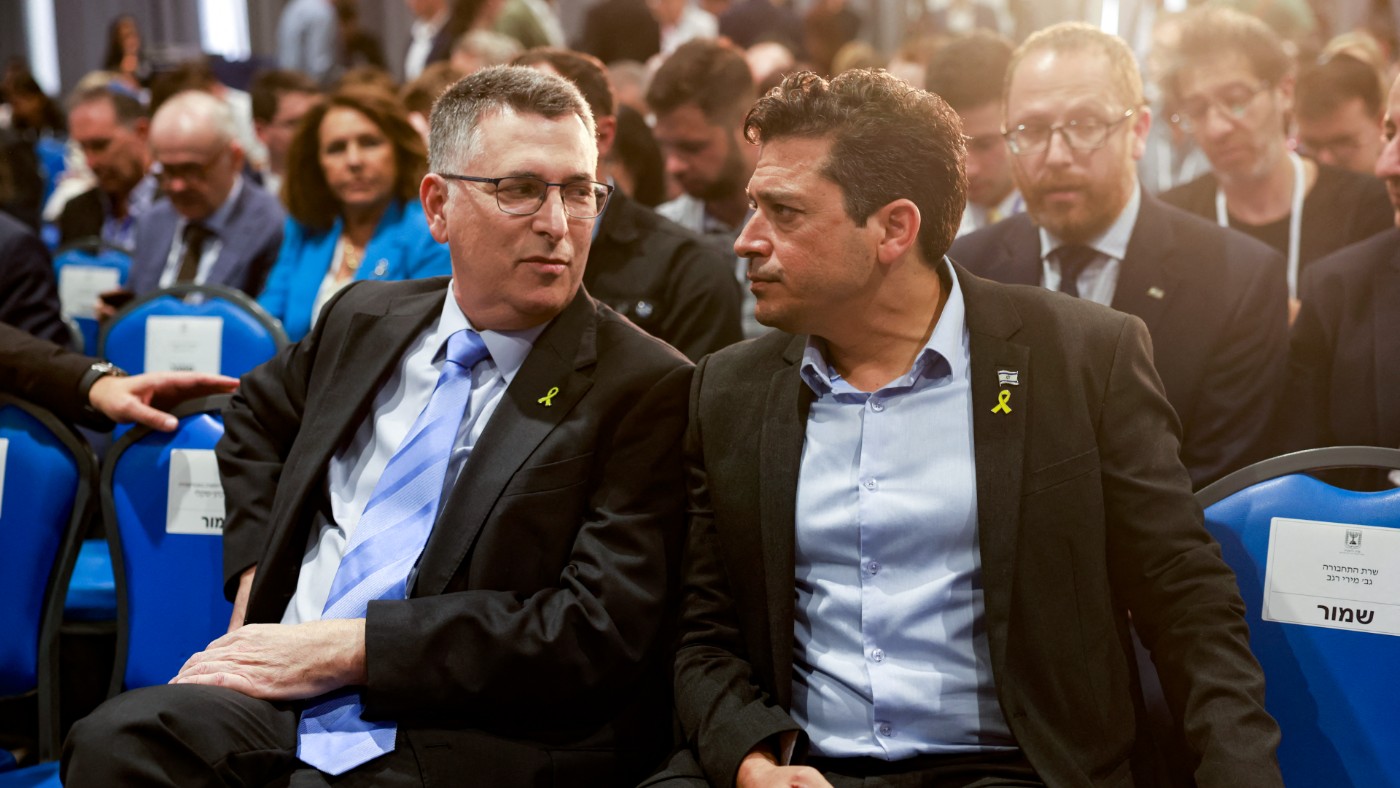
Israel ‘will be at war with Syria sooner or later’, says Likud minister
A senior far-right Israeli cabinet member from Prime Minister Benjamin Netanyahu’s ruling Likud party has stoked regional tensions this week with explosive comments forecasting that Israel will ultimately go to war with Syria, and outlining a sweeping new anti-Israel alliance he claims is taking shape across the Muslim world.
Amichai Chikli, Israel’s Minister of Diaspora Affairs, laid out his controversial assessment in a series of radio interviews conducted across Wednesday and Thursday, framing the emerging bloc as a far greater threat to Israeli national security than Iran and its recently finalized ceasefire agreement with the United States.
Chikli centered his criticism on the new government led by Syrian President Ahmed al-Sharaa, claiming its jihadist ideological roots tied to the Islamic State and al-Qaeda, paired with its stated goal of securing the unification of Jerusalem, make peaceful coexistence with Israel impossible. From that foundation, he argued that a full military confrontation between Israel and Syria is inevitable. “There is no way that a jihadist regime rooted in Isis and al-Qaeda, whose aspiration is the unification of Jerusalem, can live in peace alongside the State of Israel,” Chikli stated.
The minister went on to identify a three-country coalition he calls the “radical Sunni axis of evil”, made up of Pakistan, Turkey, and Qatar. In remarks to Israel’s Army Radio, he emphasized that this unreported new alliance poses a far more acute danger to Israel than Tehran, even as he acknowledged that Iran has secured major strategic gains through its U.S.-brokered ceasefire. “What is far more troubling is the new axis emerging in the Middle East,” Chikli explained.
He argued Pakistan and Turkey earned their place in the bloc through their outsized influence during U.S.-Iran negotiations, while he dismissed Qatar as the global public relations mouthpiece for jihadist movements during an interview with Kol Barama Radio. Chikli reserved his sharpest criticism for Ankara, describing Turkish President Recep Tayyip Erdogan’s regional ambitions as “an extremely dangerous combination” for Israel. He claimed Turkey has effectively installed a protectorate over much of Syria, and doubled down on his assessment by saying “Turkey and Syria are ten thousand times more concerning than Iran.”
Chikli’s comments come amid a sharp upward trajectory in bilateral tensions between Ankara and Jerusalem. Erdogan earlier this month declared that Israel’s ongoing military strikes in Syria and Lebanon constitute a direct threat to Turkish national security, stating that “Israel must be stopped, this is the duty of humanity.” Just weeks prior, Turkish Interior Minister Mustafa Ciftci publicly called for the “liberation” of Jerusalem, further ramping up rhetorical hostility between the two countries.
Chikli is not an outlier in his hardline stance toward Turkey among senior Israeli political figures. Last week, fellow Likud lawmaker Ariel Kellner officially labeled Turkey an “enemy state,” while Israeli Culture and Sports Minister Miki Zohar argued last month that Israel must reclassify Turkey as an enemy state, warning that Ankara would face devastating consequences in any future conflict with Israel. Even former Israeli Prime Minister and opposition figure Naftali Bennett backed that framing back in February, declaring that “Turkey is the new Iran.”
Outside of his regional security assessments, Chikli used his recent media appearances to defend a high-profile far-right British political agitator. After UK police detained Tommy Robinson, whose legal name is Stephen Yaxley-Lennon, and seized his electronic devices upon his return from a trip to Russia, Chikla called the action an attack on free speech. “One of Britain’s clearest voices against real Islamic terrorism is now being hunted under anti-terrorism laws. At this rate Britain will become the second Islamic Republic in Europe,” he claimed.
Chikli also pushed back against the idea that the region is set for a long period of peace after two and a half years of continuous conflict. When asked if Israelis could expect an extended period of calm, he said he hoped for that outcome but did not expect it to hold. He argued that Turkey has open regional ambitions that directly undermine Israeli interests, though he was careful to clarify that Israel has no intention of capturing the Turkish capital of Ankara, and would welcome lasting peace with both Syria and Turkey. He closed by referencing the October 7, 2023, Hamas-led attack on Israel as a lesson: “When the enemy says something, I listen.”
For years, Chikli has worked to build close working relationships with far-right political figures and governments across the globe, aligning with their anti-Islam and anti-immigration policy platforms.