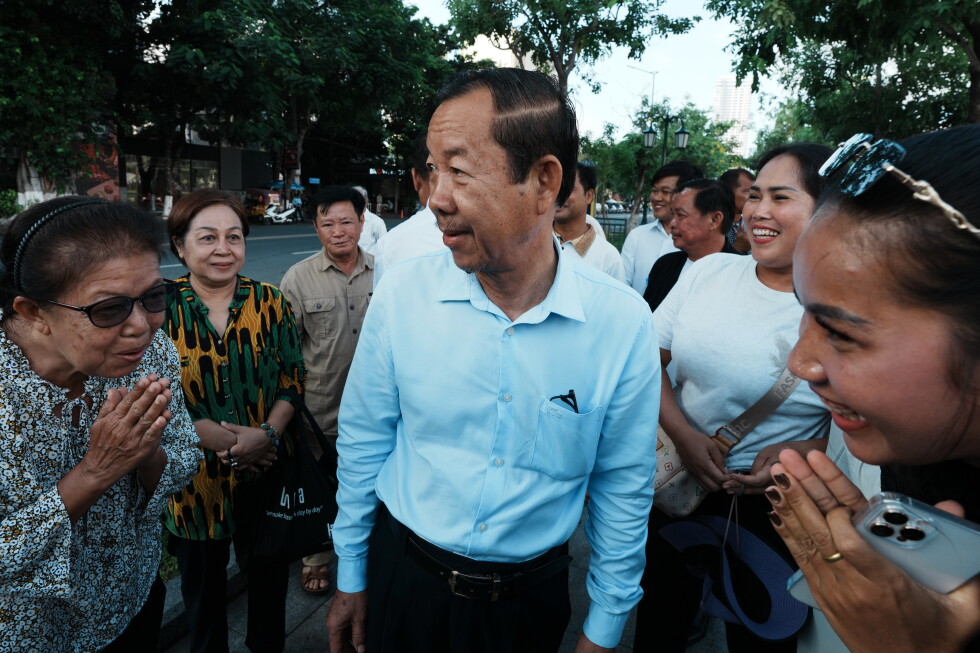
PHNOM PENH, Cambodia — In a high-stakes ruling that has underscored ongoing tensions between Cambodia’s ruling government and opposition forces, the nation’s Supreme Court delivered a mixed verdict Friday: it upheld an incitement conviction against prominent opposition advisor Rong Chhun, but suspended the remaining jail time in his original sentence. The outcome bars the 56-year-old opposition leader from political participation for years while keeping him out of prison. Rong Chhun, a senior advisor to the Cambodia’s Nation Power Party, was first found guilty of inciting social unrest last year following his meetings with villagers displaced by state-backed infrastructure development projects. Legal analysts and international observers have widely framed the case against him as one of a series of targeted legal actions by Prime Minister Hun Manet’s administration to crack down on dissenting voices and eliminate public criticism of government policy. When the Supreme Court’s ruling was announced publicly, crowds of Rong Chhun’s supporters gathered outside the Phnom Penh court complex reacted with immediate anger, voicing their opposition to what they view as a politically motivated judgment. Speaking to reporters following the decision, Em Chantha, Rong Chhun’s defense attorney, outlined the full terms of the ruling: in addition to the suspended remaining prison sentence, Rong Chhun will face a five-year ban on all political activity — a restriction that strips him of even the right to vote and run for public office. He will also be prohibited from leaving the country for a three-year period, which matches the length of the unexpired portion of his original four-year prison sentence. The opposition figure had remained released on bail throughout the appeal process, a status that will continue under the new ruling. While Supreme Court verdicts are legally final in Cambodia, Rong Chhun says he and his legal team will conduct a thorough review of the judgment to explore the possibility of petitioning King Norodom Sihamoni for a royal pardon. The ruling has renewed public debate over the state of political pluralism in Cambodia, as critics argue the pattern of using legal systems to sideline opposition figures narrows democratic space ahead of future electoral cycles. Supporters of the government maintain the legal process was carried out in accordance with Cambodian law, and that the conviction was justified over allegations that Rong Chhun’s actions threatened public stability.
Cambodian Supreme Court upholds incitement of opposition politician in politically charged case