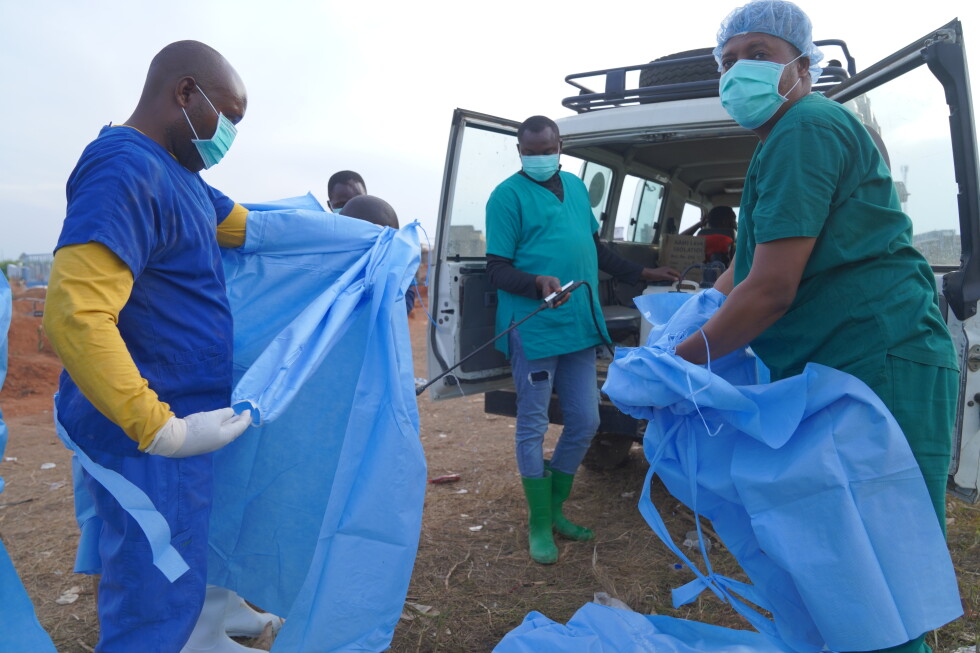
ABUJA, NIGERIA – A deadly Ebola outbreak driven by a little-understood virus strain in the Democratic Republic of the Congo has crossed a grim threshold, exceeding 5,000 confirmed cases to rank among the worst Ebola epidemics ever documented. What makes this outbreak particularly alarming for global health authorities is its origin: the Bundibugyo virus, a rare Ebola variant for which no licensed vaccine or targeted treatment currently exists. As of Sunday, Congo’s Ministry of Health has logged 5,021 total cases, with a death toll reaching 2,378, marking this not only the deadliest outbreak of Bundibugyo Ebola on record but also the deadliest Ebola outbreak in the country’s modern history. The World Health Organization (WHO) has issued a stark warning that if unbroken transmission continues, the outbreak could eventually overtake the devastating 2014–2016 West Africa epidemic that killed more than 11,000 people.
分类: health
-
Congo’s Ebola outbreak reaches 5,000 cases as it outpaces response efforts at unprecedented speed
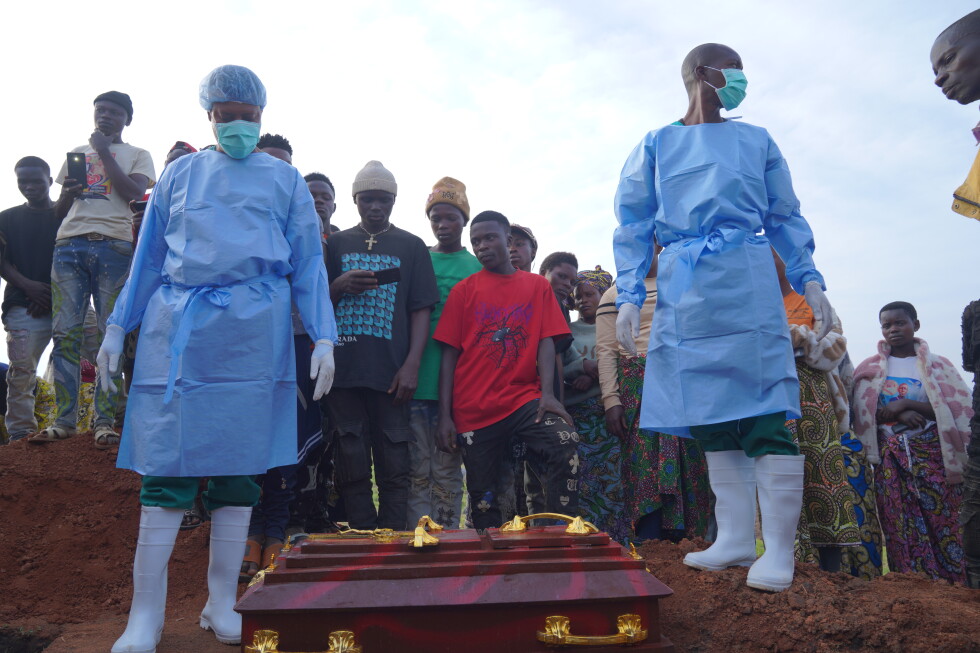
BUNIA, Democratic Republic of Congo – New government health data released this Wednesday has marked a grim milestone in the country’s ongoing Ebola crisis: total confirmed and suspected cases have surpassed the 5,000 threshold, with response teams warning the virus is spreading at an unmatched rate that is outrunning containment efforts in one of Central Africa’s most isolated, volatile regions. As of Sunday, the Ministry of Health’s official tally stood at 5,021 total cases, including 2,378 fatalities, with the outbreak intensifying amid a perfect storm of unfavorable conditions: widespread insecurity, mass population displacement, and constant cross-community movement that has made tracking and isolating cases extremely difficult. This outbreak has already outpaced every previous Ebola event in both the speed of transmission and the scale of infection and death. Since the first case was detected, it has spread roughly three times faster than the 2014-2016 West African Ebola epidemic, which held the previous record as the deadliest outbreak on record, claiming more than 11,000 lives across the region. During a special coordination meeting convened by the World Health Organization this Tuesday, WHO Director-General Tedros Adhanom Ghebreyesus issued a stark warning about the trajectory of the crisis. “The outbreak has spread rapidly and the risk of further national and international spread remains high,” Tedros stated. “We must be frank: the epidemic is far from being under control.” Ongoing safety risks have severely constrained containment operations, as frontline health workers have repeatedly become targets of violence, particularly in Ituri province – the region currently bearing the brunt of the outbreak. Just this week, new details emerged of an attack on a public health team that underscored the dangers responders face. On Monday, local residents attacked a health deployment in Aru territory after authorities announced a suspected Ebola case in the area. A rioting mob set fire to an ambulance and caused significant damage to two additional vehicles, according to Michael Wani, president of the Union of Cultural Associations for the Development of Ituri. The attack is the latest in a series of incidents that have hampered response work, alongside additional complicating factors including the presence of mobile gold mining populations across eastern Congo that are hard to reach and monitor. Exhausted response teams have already reported struggling to keep up with contact tracing demands, as new infections emerge faster than workers can identify and quarantine potential exposures, pushing the crisis further beyond the capacity of existing public health efforts.
-
Mobile gold miners in eastern Congo complicate health workers’ efforts to contain Ebola
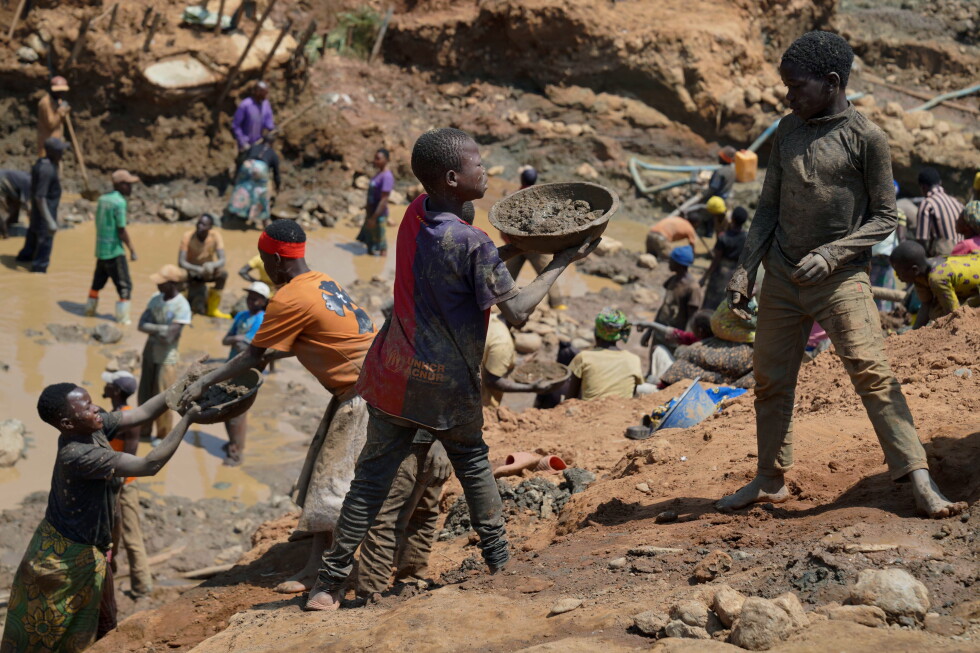
Nestled in the conflict-wracked Ituri Province of eastern Democratic Republic of the Congo, hundreds of artisanal gold miners — including children like 11-year-old Isaac Batisa — crowd into narrow, hand-dug pits and deep underground shafts every day, panning and digging for small traces of the precious metal to earn meager wages that feed their families. For Batisa, who lost his parents and two brothers in a rebel attack and now supports five younger siblings while living with his aunt, Ebola, the deadly viral outbreak that has already claimed more than 2,300 lives across the country, is not his immediate priority. “We don’t know about Ebola here,” he says, noting he often earns as little as $2 a day for his backbreaking labor.
This remote, hard-to-reach mining site in Iga-Barrière offers a rare, unfiltered look at one of the most intractable barriers to containing the fastest-growing Ebola outbreak in recorded history. While no confirmed Ebola cases have yet been documented at Congo’s artisanal mining sites, public health officials warn that the true spread of the virus in these isolated areas remains nearly impossible to track. The vast majority of new cases and deaths are currently recorded among unmonitored populations, a category that perfectly describes the transient workforce that moves between small mining claims, rural villages and urban population centers on a constant basis.
Unlike formal industrial mining operations, most small-scale artisanal mines in eastern Congo are unregulated and often illegal, with miners actively evading local authorities to access gold deposits. Workers dig with nothing more than basic hand tools like shovels and hand-held pans, crowding shoulder-to-shoulder in pits and tunnels with no structural reinforcement to prevent collapses. Crucial public health measures to slow Ebola transmission — including regular handwashing stations and physical distancing protocols — are entirely absent from these work sites. This creates a perfect storm for rapid spread of the virus, which spreads through direct contact with infected bodily fluids and contaminated surfaces.
Complicating response efforts even further, the strain behind the current outbreak — the Bundibugyo virus — is one of the less common variants of Ebola, meaning no proven targeted treatments or vaccines are currently available for widespread use. As of 2024, the outbreak has spread to six Congolese provinces, with nearly 5,000 confirmed cases and 2,325 recorded deaths, 90% of which are concentrated in Ituri. Public health experts now warn the outbreak could surpass the 2014–2016 West Africa Ebola crisis, which killed more than 11,000 people, to become the deadliest Ebola outbreak in history.
The transient nature of artisanal mining work is the single biggest obstacle to effective contact tracing, according to frontline Ebola response workers. Miners regularly cross village and provincial boundaries in search of new gold deposits, while small-scale mineral traders move between remote mining camps and densely populated urban centers to sell extracted gold. This constant movement makes it nearly impossible to track potential contacts once an infection is identified.
“Artisanal miners may come into contact with several communities as they move from one place to another, which can facilitate the transmission of the virus if a person is infected,” explained Mari Ndika, an Ebola response coordinator leading local monitoring efforts. Community health worker Anna Ndroy Kansime recently experienced this gap firsthand: two miners identified as close contacts of a confirmed Ebola case vanished after moving to an unregistered mining site, their current location still unknown. There is also no formal system to register mining workers or record their travel, leaving response teams blind to potential new transmission chains, Kansime added. “People can become infected in one place and travel elsewhere before monitoring teams know they have been exposed, potentially creating new chains of transmission that are difficult to trace.”
For the miners and their families, there is often no other option but to keep digging. Decades of conflict in eastern Congo, where more than 100 armed militant groups operate including the ADF and CODECO militias that terrorize Ituri, have displaced millions of people and pushed countless families into extreme poverty. A 2024 OECD report estimates that roughly 2 million Congolese work in artisanal and small-scale mining, which produces not just gold but also coltan, tin and tungsten that power global electronics supply chains. UNICEF estimates that 15% of Congolese children between the ages of 5 and 17 are engaged in child labor, with no reliable recent count of how many of those children work in mines. At the Iga-Barrière site, children work alongside adults, and even pregnant women work in open pits late into their third trimesters, Kansime confirmed.
“In Ituri province, where conflict has uprooted families and where jobs are scarce, the mines offer the only possibility of cash income, however dangerous the work,” said Singoma Aimé, a 36-year-old miner at the site. He added that miners have repeatedly called for basic public health infrastructure to protect themselves from Ebola: “We especially need hand-washing facilities because everyone comes from home to work at the site, and we lack any kind of adequate protection.”
International humanitarian organizations warn the outbreak’s continued spread is an urgent global crisis. Last week, Mercy Corps warned that confirmed cases have now been recorded along a major travel route just 22 miles from the South Sudanese border, raising fears of cross-border spread that could expand the crisis exponentially. Trish Newport, emergency coordinator for Doctors Without Borders (MSF), called the outbreak’s unrelenting speed “extremely concerning” in an interview with the Associated Press, noting it continues to outpace all containment and contact tracing efforts.
“We see family members that come in who have had 15 people in their family die,” Newport said. “We rapidly need to scale up to be able to prevent more deaths from happening, more families and communities from being impacted.”
Response teams say the path forward requires targeted outreach to mining communities, working with local authorities, mine managers and community leaders to educate miners on Ebola prevention and establish systems to track suspected cases. But deep structural barriers remain: impassable rural roads, the constant presence of armed groups that block access to remote areas, and the simple reality that mining is the only source of food and income for millions of Congolese. “For many families, gold is what pays for food,” Kansime said — a reality that leaves few with the option to stop working, even in the face of a deadly pandemic.
-
Doctors remove 3.1kg stone from man’s bladder and claim record
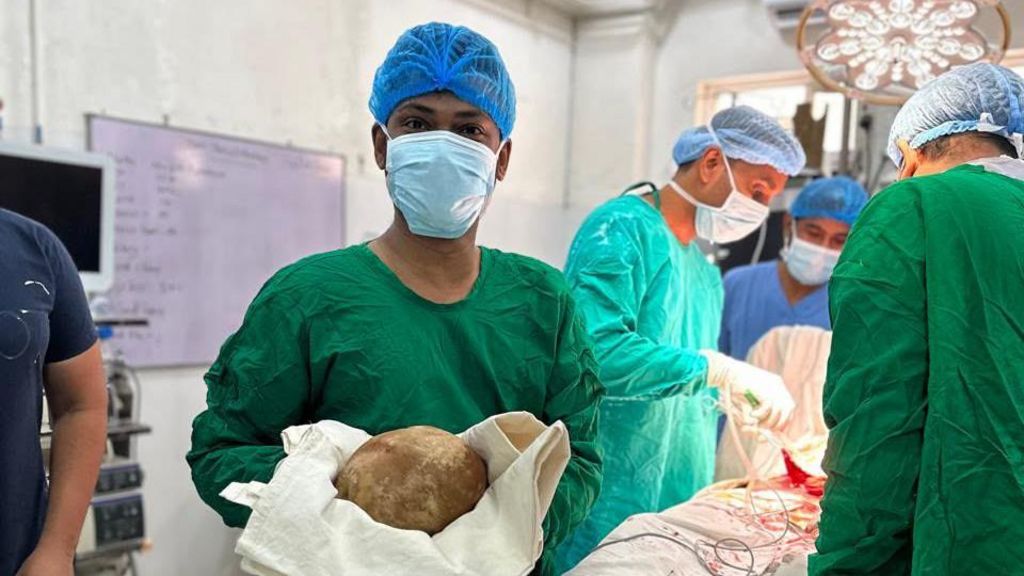
A medical team at Sri Lanka’s Trincomalee General Hospital has made global medical history after successfully extracting an extraordinarily large bladder stone weighing 3.1 kilograms (6.8 pounds) — a mass roughly equal to the weight of a full-term newborn baby and matching the dimensions of an ostrich egg.
The unprecedented procedure was performed last week on a 55-year-old male patient who had initially been admitted to the eastern Sri Lankan hospital for care following a stroke. While managing his post-stroke treatment, clinicians noticed the patient was experiencing persistent difficulty urinating, which prompted further diagnostic testing. That evaluation uncovered the massive solid mineral mass growing in his urinary bladder.
Speaking to BBC Sinhala following the successful surgery, lead surgeon Dr Prahalahan Balakrishnan confirmed that based on all available global medical documentation, this is the largest surgically removed bladder stone ever recorded. Measuring approximately 17 centimeters wide, the mass is only slightly shorter than the previous record-holding bladder stone removed in Brazil in 2003, which was recognized by Guinness World Records at 17.9 centimeters long but weighed just 1.9 kilograms — more than a kilogram less than the specimen extracted in Sri Lanka.
Dr Balakrishnan added that the newly removed stone had likely been developing gradually in the patient’s bladder for anywhere between five and 10 years before its detection. Despite the stone’s extraordinary size, the surgeon confirmed the patient is now in very good health following the procedure. He remains hospitalized to continue receiving ongoing care for the stroke that led to his initial admission.
Bladder stones form when concentrated minerals in urine crystallize and clump together into solid masses. They most often develop when the bladder does not fully empty during urination, leaving behind stagnant, concentrated urine that promotes crystal formation. Small bladder stones, often no larger than grains of sand, can pass out of the body without medical intervention, but any stone larger than 1 centimeter can block urinary flow and require surgical removal. Any mass larger than 4 centimeters is already classified as a giant bladder stone, making the 17-centimeter Sri Lankan specimen far outside the range of typical cases.
-
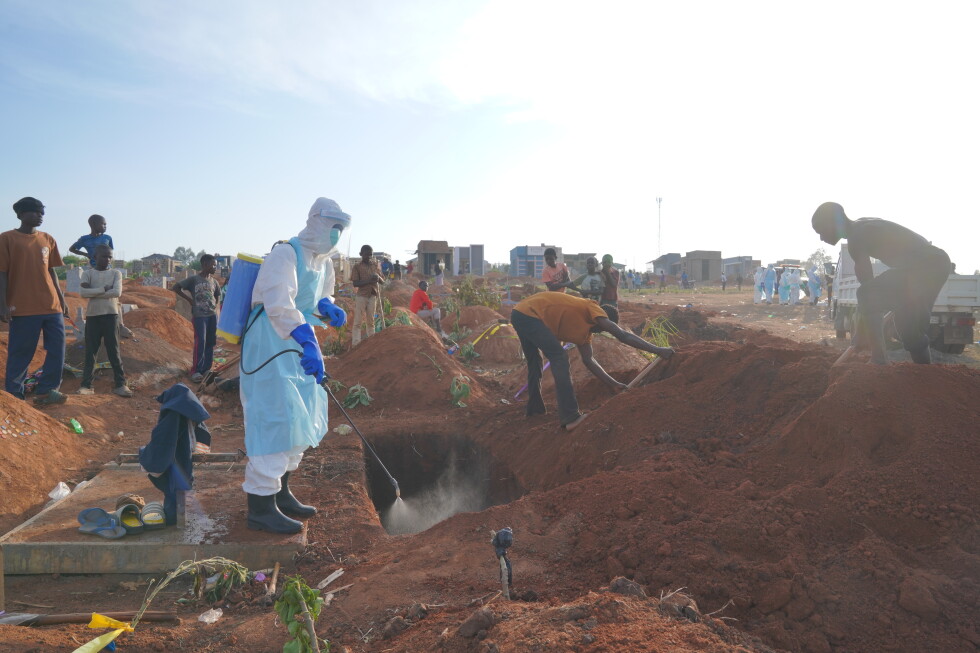
Congo’s fast-moving Ebola outbreak becomes the country’s worst with over 2,300 dead
In the conflict-ravaged eastern region of the Democratic Republic of Congo, a rapidly spreading Ebola outbreak fueled by the rare Bundibugyo virus has become the deadliest Ebola event recorded in the Central African nation, new government data confirms. As of early Monday, the outbreak has hit a grim milestone: 4,945 confirmed and probable cases, with 2,325 recorded deaths — a toll that has already outstripped the 2,299 fatalities from Congo’s 2018-2020 Ebola outbreak, the previous deadliest event in the country’s history. This marks the 17th Ebola outbreak the country has faced, and by far the most geographically extensive and fast-moving.
The latest 24-hour reporting period saw 101 new cases and 33 additional deaths, underscoring the relentless spread of the virus. To date, more than 1,000 patients have recovered from infection, while 730 people remain under care in hospitals or isolation facilities. Unlike previous major Ebola outbreaks, there are currently no approved vaccines or specific antiviral treatments for the Bundibugyo variant driving this surge. Clinical trials for experimental vaccines and therapies are currently ongoing in Ituri province, the epicenter of the outbreak that has now spread to six total provinces.
Responders face a cascading series of obstacles that have allowed the virus to outpace containment efforts. A large share of new infections and fatalities are being detected in community members who were not already under active monitoring, a gap that allows silent transmission to continue. Additional challenges include work stoppages by unpaid frontline health workers, persistent security threats from active rebel groups in the region, deep-seated distrust among communities that have endured decades of conflict and trauma, impassable terrain hampered by poorly maintained roads, and widespread misinformation that denies the existence of Ebola entirely.
Over the weekend, the World Health Organization (WHO) warned that the outbreak continues to expand at an “exceptional pace” that outstrips current contact tracing and containment work. Last week alone, the outbreak hit a new weekly record with 579 new cases and 304 deaths. Global health officials have warned that if current trends continue, this outbreak could surpass the 2014-2016 West African Ebola epidemic, the global deadliest on record which killed more than 11,000 people across three countries.
In response to the worsening crisis, international actors have begun ramping up support. The WHO confirmed that a major expansion of response activities is currently underway to reverse the outbreak’s momentum. On Friday, United Nations Under-Secretary-General for Humanitarian Affairs Tom Fletcher announced an additional $30.5 million in emergency funding for the response, alongside the deployment of 20 extra specialized personnel to support frontline efforts. Fletcher framed the escalating crisis as a critical warning to the international community, saying, “We need speed, scale and solidarity before this virus gets even further ahead of us.”
-
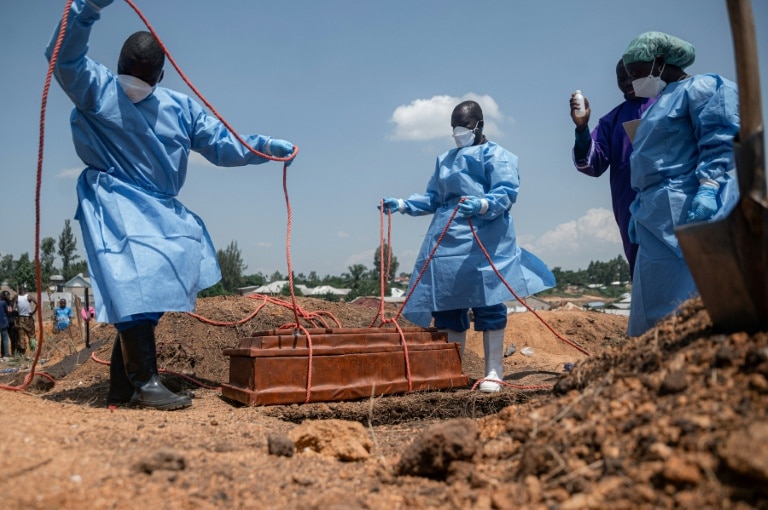
Ebola outbreak now DR Congo’s deadliest ever
A rapidly accelerating Ebola epidemic sweeping through the Democratic Republic of the Congo (DRC) has officially become the deadliest outbreak the country has ever experienced, new official government data released Monday confirms. With 2,325 fatalities recorded among 4,945 confirmed cases, the current 17th documented Ebola outbreak in the DRC has now surpassed the 2018–2020 epidemic, which killed 2,299 people according to World Health Organization (WHO) statistics.
The United Nations has warned that this outbreak is “the fastest growing on record,” with one person dying from the virus every half an hour across affected regions. Unlike previous outbreaks, the current surge is driven by the Bundibugyo strain of Ebola, for which no specifically approved vaccine or targeted treatment currently exists. Like all Ebola variants, it spreads through direct contact with infected bodily fluids and causes life-threatening hemorrhagic fever.
First publicly declared on May 15, health experts confirm the virus had already been circulating undetected in communities for several weeks before the official announcement. The outbreak has taken root in the country’s remote northern and eastern regions, where central government authority is limited, public health infrastructure is chronically underfunded and sparse, and armed rebel groups have operated freely for decades. It first emerged in the conflict-ravaged northeastern province of Ituri, and has since spread to five additional provinces across the DRC, a large central African nation with a population of more than 100 million people.
Global public health officials note response efforts are grappling with a critical barrier: deep-rooted community mistrust of official health interventions. In Bunia, the provincial capital of Ituri where the majority of cases have been confirmed, protective measures are barely enforced. An Agence France-Presse correspondent on the ground observed that while local officials ordered traders to install hand-washing stations at market entrances, crowds of shoppers continue to gather with little adherence to safety protocols.
“Community engagement in the response is still far too weak,” explained Mohamed Janabi, WHO’s Regional Director for Africa. He added that over 70% of Ebola deaths occur in community settings rather than in designated treatment centers, as many families opt to care for sick relatives at home instead of seeking formal care. Jean-Paul Malo Lotsima, a civil society representative in Ituri’s Djugu territory, explained that many local residents misattribute early Ebola symptoms to poisoning or other common illnesses, delaying medical intervention. “It’s often at the last minute, when the family realizes that the situation is getting worse, that patients are taken to hospital. And sometimes, they die on the way,” he said.
Flavier Ngurima, a resident of Nizi, one of the outbreak’s hardest-hit hotspots, shared that his own brother died before he could reach a treatment center. “We had called on a nurse from the family to treat him at home because the patient and the family members were afraid to go to the ETC (treatment centre),” he said. “They said that over there, a lot of people die.”
Beyond community mistrust, access to affected areas is severely complicated by ongoing armed conflict in many impacted regions. North Kivu and South Kivu provinces, which have recorded cases, are split by active front lines between the Congolese national army and the Rwandan-backed anti-government M23 rebel group, which controls large swathes of territory.
The international public health response has also faced widespread criticism for being slow, under-resourced and uncoordinated. In recent weeks, local health workers including nurses and safe burial teams have held strikes and protests across multiple Ituri hospitals to demand long-overdue bonus payments that have not been disbursed. On Friday, the International Council of Nurses issued a formal statement urging DRC government authorities to deliver fair compensation and adequate protective equipment to frontline workers fighting the outbreak.
Currently, several experimental vaccines are undergoing clinical trials to test their effectiveness against the Bundibugyo strain. Last week, the WHO announced it was targeting a reversal of outbreak spread within three months. To date, the deadliest Ebola epidemic in global history remains the 2013–2016 West African outbreak, which killed more than 11,300 people, primarily in Liberia, Sierra Leone and Guinea.
-
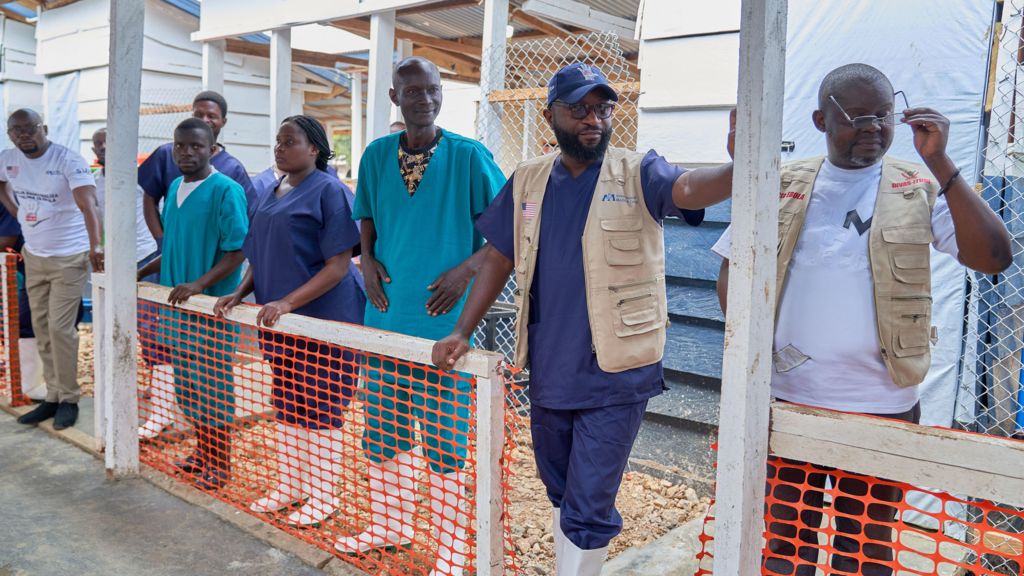
Ebola outbreak in DR Congo becomes deadliest in its history
The Democratic Republic of the Congo (DRC) is currently facing the most devastating Ebola outbreak in the nation’s recorded history, public health authorities have confirmed. As of mid-August 2026, the death toll from the outbreak, first declared on 15 May, has reached 2,325, surpassing the fatalities recorded during the country’s 2018–2020 Ebola epidemic to claim the grim title of the deadliest outbreak in DRC history.
Just one week ahead of the new death toll announcement, United Nations Under-Secretary-General for Humanitarian Affairs Tom Fletcher described the current outbreak as the fastest-spreading on record. In a stark warning, Fletcher noted that the virus is claiming a human life every 30 minutes on average.
On 4 August, authorities inaugurated a new Ebola treatment facility in Rwakole, located in the Bunia region of northeastern DRC, to help expand care capacity amid the surging crisis. As of the latest update from the DRC Institute of Public Health released on 10 August, the country has confirmed 4,945 total cases of the virus, with 101 new positive cases recorded in the 24 hours prior to the announcement.
Unlike previous Ebola outbreaks that have impacted the DRC, the current epidemic is driven by the rare Bundibugyo strain of the virus, for which no globally approved vaccine currently exists. That said, multiple vaccine candidates are already in active development, including one candidate built on the same viral vector technology that powered the Oxford-AstraZeneca COVID-19 vaccine. The UK’s Medicines and Healthcare products Regulatory Agency (MHRA) has already granted regulatory approval for the first human clinical trials of this Oxford University-developed candidate, with three additional research groups also working on separate Bundibugyo vaccine candidates. The World Health Organization (WHO) is also sponsoring an independent clinical trial based in the DRC to test whether two existing antiviral therapies can improve survival rates for patients infected with the virus.
Transmission of the virus has outpaced all recent precedents, the WHO has confirmed, noting the spread of the pathogen to six of the DRC’s 26 provinces is moving at an “exceptional” pace. To contextualize the speed: the 2014–2016 West African Ebola outbreak, the deadliest globally in recorded history, took nearly five months to reach 1,000 fatalities. The current DRC outbreak surpassed 2,000 deaths in less than three months since it was declared.
So far, cross-border spread has been limited. As of 12 August, only 20 confirmed cases have been detected in neighboring Uganda, two patients have received treatment in Germany, and a single case has been reported in France.
This current outbreak marks the 17th Ebola event the DRC has responded to since the virus was first identified half a century ago. Long-standing systemic challenges, including years of armed conflict in affected regions and a highly mobile population, have compounded the country’s ability to control transmission and slow the outbreak.
Ebola is a highly lethal viral pathogen that spreads through direct contact with infected bodily fluids such as blood or vomit. Initial symptoms, which develop between two and 21 days after infection, are easily mistaken for more common illnesses like malaria or influenza, including sudden onset fever, headache, and fatigue. As the infection progresses, patients often develop severe vomiting and diarrhea that can lead to acute organ failure and death. The Bundibugyo strain responsible for the current outbreak is particularly rare, with only two documented prior outbreaks recorded globally.
The WHO has outlined an ambitious target to reverse the trend of transmission within three months, though the organization clarifies that this goal focuses on bringing community spread under control, not fully eradicating the outbreak entirely at this stage.
-
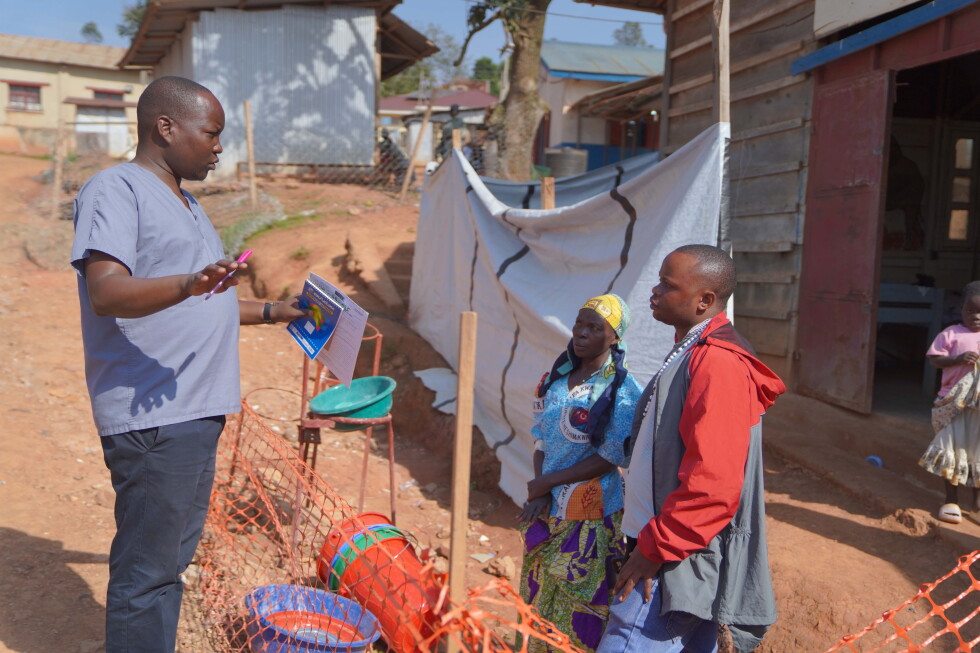
Exhausted health workers in Congo struggle to keep up as Ebola outpaces contact tracing
In the conflict-wracked eastern Democratic Republic of the Congo, community health teams led by workers like Gédéon Banga Ngbape wage a daily uphill battle to contain the country’s fastest-growing Ebola outbreak on record. Every dawn, Ngbape and his surveillance crew spread across communities in Nizi, one of the outbreak’s hardest-hit health zones in Ituri province, chasing down alerts of suspected cases, tracking contacts of infected people, and rushing symptomatic residents to care before the virus can jump to new hosts. But this critical frontline work is being undermined by gaps that have left responders racing to catch up to a virus that is already outpacing their efforts.
Latest government data confirms the scale of the crisis: more than 4,700 confirmed cases have been recorded, with over 2,200 deaths. This death toll was accumulated nearly three times faster than the 2014-2016 West African Ebola epidemic, the previous deadliest on record which killed more than 11,000 people over two years. “We are chasing the virus; the virus is ahead of us,” Dr. Mohamed Yakub Janabi, World Health Organization Regional Director for Africa, acknowledged this week, echoing a widespread sentiment among responders.
The most critical flaw in the response lies in the broken surveillance system, the backbone of any successful outbreak containment. Between 60 and 70 percent of new infections are now being detected in people who were never flagged as close contacts of confirmed cases, meaning health workers only identify infections after patients have already circulated in communities and exposed others to the virus. “If surveillance does not work well, the entire response suffers,” Ngbape said. “Surveillance is the engine of a response.”
Frontline workers bear the brunt of these systemic failures, working grueling hours for little pay and lacking even basic protective supplies. Ngbape’s team handles an average of 60 to 70 alerts daily, with shifts that often stretch from 8 a.m. to midnight, followed by additional planning for the next day’s work. “I feel really tired, but what matters to me is always being of service to the community,” Ngbape said.
Community health worker Ana Ndroy Kasime, who conducts door-to-door education and case reporting in Nizi, says teams lack essential protective gear including boots and hospital-grade disinfectant, forcing workers to purchase supplies out of their own meager salaries. Kasime, who earns roughly $50 per month for her high-risk work, calls the compensation totally inadequate for the demands of the job.
Widespread labor unrest has further crippled response efforts. On Thursday, health workers at the Nizi Treatment Center launched a strike and temporarily shut down the facility after going more than three months without pay. Jean Kaseya, head of the Africa Centers for Disease Control and Prevention, called on the Congolese government to immediately disburse back wages, noting funding is already available and paying frontline workers is a core government responsibility. The government has defended the delays, saying it is cleaning up payrolls that were inflated with fake names and transitioning from cash payments to digital mobile money transfers. While community health workers like Kasime have received their salaries, she warns that delayed pay for other response staff puts the entire outbreak response at risk. “They are making sacrifices and taking risks,” she said. “If these workers decide to stop working, the epidemic will spread further into the population.”
Compounding these challenges is the unique danger posed by the current strain of the virus: this outbreak is caused by the rare Bundibugyo Ebola variant, for which no approved vaccines or specific treatments exist, though clinical trials are currently underway. Eastern Congo’s long-running instability also creates insurmountable barriers to contact tracing: dozens of rebel and militia groups, including the Islamic State-linked Allied Democratic Forces, operate across Ituri province, forcing many aid and health workers to flee remote outbreak hotspots for the relative safety of the provincial capital Bunia. As of mid-July, local health authorities have recorded at least a dozen attacks on health facilities and response workers, fueled in part by widespread misinformation claiming Ebola does not exist and anger over public health bans on traditional funeral gatherings, a known driver of Ebola transmission.
Frequent population movement, driven by artisanal mining and people fleeing conflict, also makes it nearly impossible for teams to track exposed contacts before they develop symptoms. Many remote areas are cut off by poorly maintained or impassable roads, and insecurity restricts where responders can safely travel, leaving entire communities without any surveillance coverage. Ngbape notes that cooperation from local residents in Nizi has improved in recent weeks as communities have become more familiar with his team’s work, and widespread concealment of cases is not a major issue in the area. Still, population movement and limited transportation leave many contacts unaccounted for.
Despite exhaustion from endless long hours and constant resource shortages, Ngbape says he has no intention of stepping back. Maintaining surveillance, he argues, is the only way to stop small clusters of infection from growing into large, uncontrolled community transmission. For him, the mission remains clear: “I am here to save the lives of the population.”
In a small bright spot for the response, United Nations humanitarian chief Tom Fletcher announced Friday an additional $30.5 million in emergency funding to scale up Ebola response efforts in the country. The outbreak has already spread to six of Congo’s provinces, according to recent official reports. This reporting was supported by a grant from the Gates Foundation to the Associated Press for global health and development coverage in Africa, with the AP retaining full editorial control over all content.
-
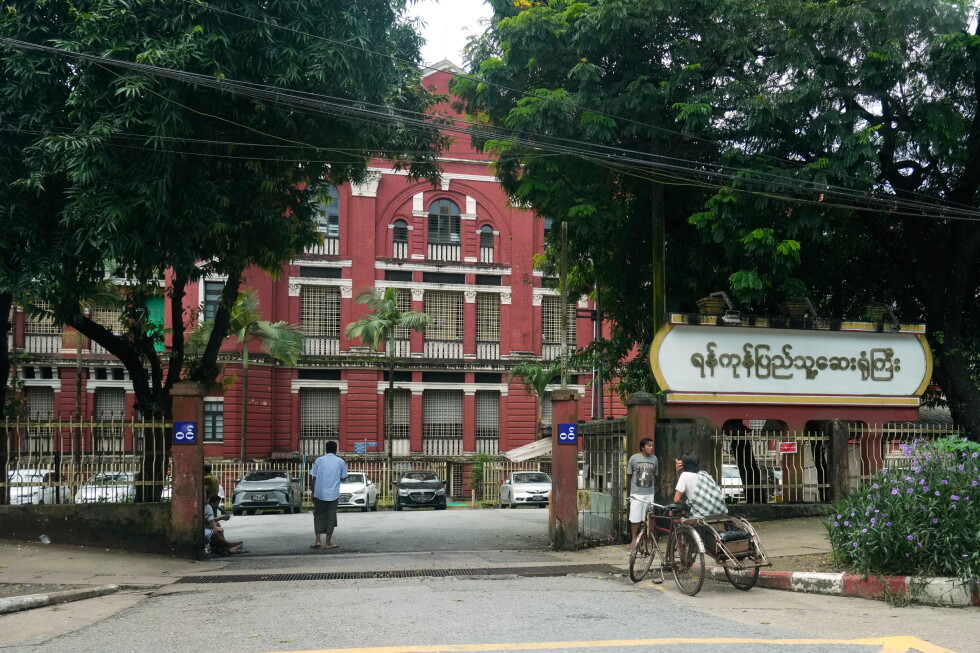
Myanmar faces rise in diarrhea as monsoon flooding continue to worsen in many parts of the country
BANGKOK – Myanmar’s most populous urban center, Yangon, is facing a worrying spike in acute diarrhea cases that has compounded the cascading crises facing the conflict-wracked nation already reeling from widespread severe flooding and years of civil unrest, state media confirmed Friday.
State-run publication Myanma Alinn reported that over the four-day period ending Friday, 182 diarrhea patients were admitted to Yangon General Hospital, with 93 of those patients testing positive for pathogens known to cause the gastrointestinal illness. The official report did not name the specific pathogens detected, nor did it confirm whether any cases were cholera, a highly contagious waterborne disease that can turn fatal if left untreated.
However, local independent Myanmar news outlet Eleven Media previously reported Wednesday, citing Aye Mya Thae Phyu, a lawmaker representing Yangon’s Latha township, that the positive test results were confirmed to be cholera. On Thursday, the military government’s information team also confirmed to reporters that one 92-year-old patient has died from the disease.
In comments published by the state newspaper, Aung Lin Aye, deputy medical superintendent of Yangon General Hospital, acknowledged that case numbers have climbed sharply in recent days. The hospital has reallocated resources to prioritize life-saving treatment and prevent additional fatalities, he added.
According to the report, Nanda Win, director of the Yangon Regional Department of Public Health, noted that most cases are concentrated in Yangon’s downtown Chinatown district, a dense hub packed with street food vendors, restaurants, and bars. Unsafe takeaway food from street vendors and contaminated drinking water used by these small businesses are the most likely sources of the outbreak, Nanda Win said, while adding that new case numbers have started to trend downward in recent days.
Another state-owned publication, *Global New Light of Myanmar*, reported that public health authorities have ordered street food vendors selling high-risk items to suspend operations for three days to slow the spread of the pathogen. Three Chinatown food and beverage establishments confirmed the mandatory three-day closure to the Associated Press in on-the-record interviews.
Acute gastrointestinal outbreaks are a recurring annual threat for Yangon during the monsoon season, when heavy rains often contaminate local water supplies. World Health Organization data shows that in 2024 alone, more than 2,200 people were hospitalized with acute watery diarrhea in Yangon, resulting in 15 recorded deaths.
This latest public health emergency emerges as widespread monsoon flooding continues to displace communities across large swathes of Myanmar, adding another layer of hardship to a population already exhausted by more than three years of armed conflict. The conflict erupted in 2021, when the military seized power in a coup that ousted the elected civilian government led by Aung San Suu Kyi, triggering a nationwide civil war that has crippled the country’s healthcare system and economy.
-

Thousands of Australians to receive official government letter on dementia risk in new prevention push
In a landmark public health initiative targeting one of Australia’s fastest growing chronic neurological conditions, the federal government is set to mail personalized dementia risk awareness letters to nearly 350,000 Australians turning 50 over the coming 12 months, backed by leading dementia researchers and aged care officials calling for urgent national action on prevention.
Starting July 1, the outreach campaign will reach all citizens hitting the 50-year milestone between July 2025 and June 2026. Crafted in consultation with leading dementia clinical and research experts, the letters outline evidence-based steps people can take to cut their dementia risk, from reducing alcohol consumption and adopting nutrient-dense eating patterns to quitting tobacco use. Recipients are also encouraged to schedule regular screenings for cardiovascular disease and diabetes, two conditions linked to elevated dementia risk, and to prioritize ongoing cognitive stimulation through lifelong learning and mentally engaging activities. To help people understand their individual risk profile, all recipients will also gain access to a complimentary personalized dementia risk assessment.
The campaign comes as 2026 Senior Australian of the Year Professor Henry Brodaty AO, a world-leading dementia researcher, throws his weight behind national prevention efforts, drawing a parallel to Australia’s successful public health campaigns that cut rates of skin cancer, smoking-related illness and heart attack deaths. “We are now ready to tackle dementia prevention,” Brodaty said. “Many trials internationally, including our own Maintain Your Brain trial, have shown that addressing modifiable risk factors for dementia can improve cognitive abilities and delay cognitive decline. Let’s do the ‘Slip, Slop, Slap’ of brain health” — a reference to Australia’s iconic sun safety campaign that became a model for public health outreach globally.
Current data paints a stark picture of dementia’s growing impact on Australia’s aging population: around 469,000 Australians are currently living with the condition, and that number is projected to surge to more than 1.1 million by 2058 as life expectancies rise and population aging accelerates. However, peer-reviewed research consistently shows that as much as 45 percent of all dementia cases could be delayed entirely, or prevented outright, by addressing known modifiable risk factors — a statistic that has underscored the urgency of the government’s new midlife outreach campaign.
Aged Care Minister Sam Rae explained that the initiative is designed to be more than just a warning: it is intended to spark critical conversations about brain health that many people delay until it is too late. “These letters are a simple prompt to start a conversation every Australian should be having with loved ones and their doctor,” Rae said. “The science is clear that the choices we make in midlife matter. Staying active, eating well and keeping on top of your heart health can help reduce your risk of developing dementia. Together we can bring dementia numbers down and give more older Australians longer, healthier lives.”
Dementia Australia chief executive Professor Tanya Buchanan echoed that sentiment, emphasizing that it is never too early or too late to prioritize brain health. “While we cannot change getting older, our genetics or family history, scientific research shows that looking after our brain health can make a big difference to reducing the risk of developing dementia,” Buchanan said. She also noted that many lesser-known modifiable risk factors often surprise the public: addressing hearing and vision loss, treating clinical depression, and maintaining consistent social connection all contribute to lower dementia risk. “Making sure there are services and support to help people address risk factors is vitally important,” she added.
The national letter campaign aligns with a string of recent advancements in dementia care in Australia, including the recent launch of the nation’s first locally accessible Alzheimer’s blood test, a breakthrough tool that enables far earlier detection of the disease than traditional diagnostic methods.