分类: health

  • Tatiana Schlossberg’s emotional essay raises awareness of rare  leukaemia

    Tatiana Schlossberg’s emotional essay raises awareness of rare leukaemia

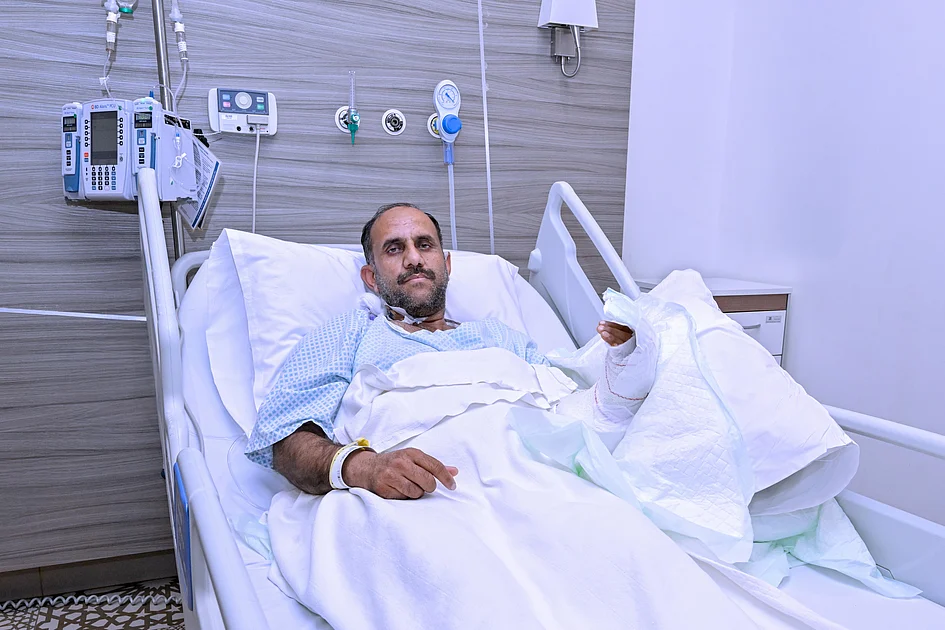
    Tatiana Schlossberg, granddaughter of former U.S. President John F. Kennedy, has moved the nation with her poignant essay detailing her diagnosis of terminal cancer shortly after the birth of her second child. Published in *The New Yorker*, the 35-year-old revealed her fight against acute myeloid leukemia (AML), an aggressive and often treatment-resistant blood cancer, with a prognosis of less than a year to live. Her story has not only touched hearts but also underscored the urgent need for increased funding and research into rare and deadly cancers. Schlossberg’s diagnosis came in May 2024, following an abnormally high white blood cell count detected after childbirth. Despite considering herself exceptionally healthy, she was confronted with a rare subtype of AML, known as Inversion 3, which affects only 1-2% of AML patients and has limited effective therapies. Her treatment journey included bone marrow transplants, chemotherapy, and participation in a clinical trial for CAR-T-cell therapy, a groundbreaking immunotherapy. However, even these advanced treatments offered little hope for remission. In her essay, Schlossberg also criticized her cousin, Health Secretary Robert F. Kennedy Jr., for slashing nearly half a billion dollars in funding for mRNA research, a technology with potential applications in cancer treatment. Kennedy’s decision, rooted in skepticism of mRNA technology, has reportedly created a chilling effect across the research community, deterring scientists from pursuing innovative clinical trials. Physicians and researchers have praised Schlossberg’s courage in sharing her story, emphasizing that her access to top-tier care highlights the broader need for improved screening tools and treatments for all patients. Her battle serves as a stark reminder of the critical importance of sustained investment in biomedical research to combat deadly diseases like AML.

  • China’s cord blood banks to advance research and treatment

    China’s cord blood banks to advance research and treatment

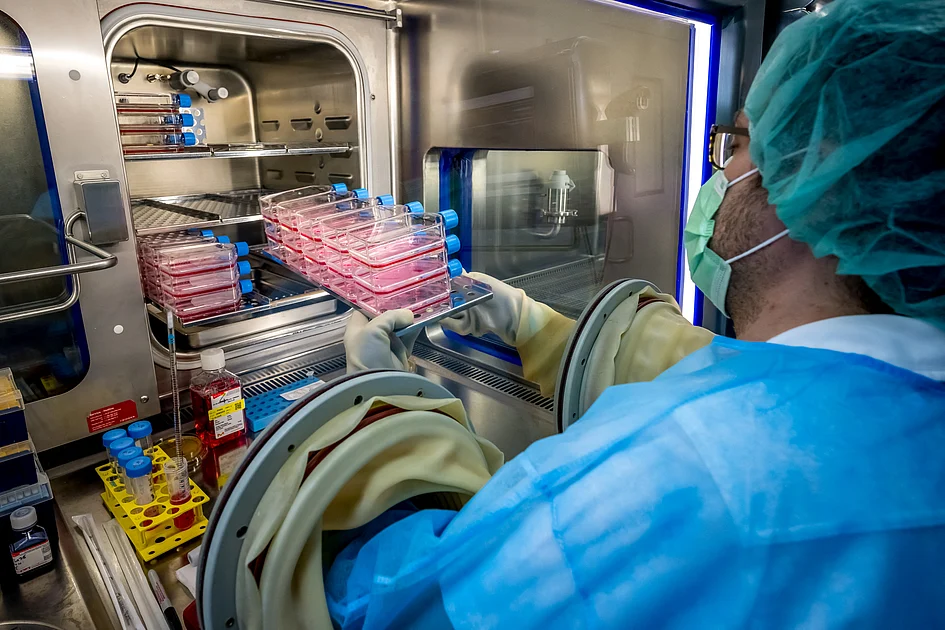
    China’s seven provincial-level cord blood banks have unveiled a comprehensive action plan to enhance research and clinical applications of cord blood. The initiative was announced at the 12th Cord Blood Symposium, organized by the Chinese Maternal and Child Health Association in Beijing. The participating banks, officially approved by the National Health Commission, are located in Beijing, Shanghai, Tianjin, and the provinces of Guangdong, Shandong, Sichuan, and Zhejiang.

    The action plan focuses on increasing public awareness about cord blood and cell therapy, improving the quality of cord blood collection, and ensuring high standards in processing and cryopreservation. It also aims to promote the use of cord blood in clinical settings and advance research and applications at medical and scientific institutions.

    Cord blood, collected from a newborn’s umbilical cord shortly after birth, has significant potential in treating various diseases. Wei Xiaofei, an official from the Beijing cord blood bank, highlighted that China has over 30 years of experience in cord blood storage and application. The seven official banks have collectively stored more than 2.45 million units of cord blood and released over 45,000 units for clinical use.

    ‘The action plan enables the seven cord blood banks to leverage their respective strengths, collaborate on targeted research, develop high-quality solutions, and jointly accelerate the translation of scientific achievements into clinical practice,’ Wei stated.

    Sun Zimin, a professor from the Institute of Hematology & Blood Diseases Hospital at the Chinese Academy of Medical Sciences, noted that cord blood can now be used to treat nearly 80 diseases, including leukemia, aplastic anemia, immunodeficiency disorders, genetic metabolic diseases, and certain neurological conditions. She added that through optimizing pretreatment and supportive care, the stable engraftment rate of cord blood transplantation in clinical practice has risen to over 97 percent.

    Sun emphasized the importance of establishing larger and higher-quality public cord blood banks to provide lifesaving opportunities for more patients, especially those in urgent need of a transplant who are unable to find a suitable match.

  • ‘Predicting death’ to fitness guru: Biohacker to help Dubai residents be ‘ultimate humans’

    ‘Predicting death’ to fitness guru: Biohacker to help Dubai residents be ‘ultimate humans’

    Dubai is poised to become a global leader in longevity and wellness, thanks to the efforts of American biohacker and longevity expert Gary Brecka. Known as ‘The Ultimate Human,’ Brecka is spearheading a movement to help Dubai residents optimize their health and extend their lifespans. His initiatives include the upcoming Ultimate Human Wellness Clinic, set to open in early 2026, and an at-home gene testing system designed to identify nutrient deficiencies and provide personalized health solutions. Brecka’s approach focuses on addressing the root causes of health issues by analyzing methylation pathways, which reveal how the body processes nutrients and manages ageing. His methods aim to combat common ailments like brain fog, poor sleep, and hormone imbalances by replenishing essential nutrients. Brecka’s vision aligns with Dubai’s broader wellness ambitions, as the city integrates longevity clinics into its real estate developments and lifestyle offerings. With a background in mortality research, Brecka has shifted his focus from predicting death to empowering individuals to live healthier, happier, and longer lives. His Ultimate Human programme, which includes high-intensity workouts, breath work, and whole-food nutrition, is already making waves in the UAE. As Dubai continues to position itself as a global wellness destination, Brecka’s innovative strategies could redefine the future of health and longevity in the region.

  • Israel faces ‘mental health tsunami’ after two years of war, report finds

    Israel faces ‘mental health tsunami’ after two years of war, report finds

    Israel is grappling with a severe mental health crisis, described as a “mental health tsunami” by Yedioth Ahronoth. Since the events of 7 October 2023, the nation has witnessed a sharp increase in mental health issues, with two million people requiring support. A coalition of eight major mental health organizations has issued an urgent warning to the government, labeling the situation as an “outbreak of mental illness unprecedented in its depth and scope.” The crisis has been exacerbated by a severe shortage of therapists and support services, leading to widespread psychological distress across Israeli society. The prolonged conflict and trauma have left many struggling with depression, anxiety, intrusive thoughts, and exhaustion. Families and communities are being severely affected, with experts warning that the crisis has not yet peaked. Data from Yedioth Ahronoth reveals alarming statistics: diagnoses of depression and anxiety in 2024 doubled compared to 2013, while PTSD diagnoses rose by 70 percent monthly from October 2023 to the end of 2024. Nearly half of Israelis report symptoms of persistent grief, and calls to mental health helplines have increased sixfold. A study by Clalit Health Services and the Myers-JDC-Brookdale Institute found that 50 percent of those affected by the 7 October attacks are still struggling, with one in five people in the general population suffering severe functional impairment due to mental health issues. The Israeli Ministry of Health has announced a national rescue plan, estimated to cost 1.7 billion shekels ($517 million), which includes doubling the number of psychologists, improving salaries, upgrading psychiatric wards, and expanding home-based and community services. However, senior clinicians stress that extensive reforms are needed to address the crisis effectively.

  • JFK’s granddaughter shares terminal cancer diagnosis

    JFK’s granddaughter shares terminal cancer diagnosis

    Tatiana Schlossberg, the 35-year-old granddaughter of former U.S. President John F. Kennedy Jr., has disclosed her diagnosis with acute myeloid leukemia, an aggressive form of cancer, and revealed that doctors have given her less than a year to live. The announcement came in a deeply personal essay published in The New Yorker on Saturday, coinciding with the 62nd anniversary of her grandfather’s assassination. Schlossberg, a climate journalist and mother of two, shared her journey from a healthy lifestyle—marked by activities like running, skiing, and even swimming in New York’s Hudson River to raise funds for leukemia research—to her current battle with the disease. Despite undergoing a bone marrow transplant and chemotherapy, her prognosis remains grim. In her essay, titled ‘A Battle With My Blood,’ Schlossberg expressed her heartbreak over the potential impact of her death on her young children and her mother, Caroline Kennedy, a former U.S. ambassador. She also voiced her dismay at the appointment of her second cousin, Robert F. Kennedy Jr., as U.S. health secretary under President Donald Trump, citing his lack of experience in medicine or public health. The Kennedy family’s legacy of political engagement and personal tragedy continues to shape their prominent role in American life. Schlossberg’s brother, Jack Schlossberg, recently announced his plans to run for Congress in New York, further extending the family’s political influence.

  • Gaza: Israeli blasts deafen thousands as treatment is blocked

    Gaza: Israeli blasts deafen thousands as treatment is blocked

    In the aftermath of relentless Israeli bombardment, Gaza’s healthcare system is grappling with a silent crisis: widespread hearing loss among its population. The story of Aya Abu Auda and her two young sons, Elias and Ismail, epitomizes the human toll of this devastation. Injured during an attack on their displacement camp in Gaza City, the brothers now suffer from severe hearing impairments. Elias, just five years old, is completely deaf, while Ismail, eight, has lost significant hearing in both ears. Their mother, who had already fled her home after losing her husband to Israeli airstrikes, is now struggling to find treatment for her children in a healthcare system crippled by blockades and destruction.

    Sanaa Bahr, another victim of the conflict, recounts her own harrowing experience. Fleeing her home during an air raid, she was exposed to the deafening blasts of F-16 jets and explosive-laden vehicles, leaving her with permanent hearing damage. Like many others in Gaza, she has been unable to access the specialized care she desperately needs.

    Yusra Basil, an audiology specialist, highlights the scale of the crisis. The constant bombardment has caused ‘massive auditory damage’ across Gaza, with four in every ten injuries involving some form of hearing impairment. The destruction of rehabilitation centers and the displacement of medical staff have exacerbated the situation, leaving thousands without access to essential treatments like cochlear implants and hearing aids.

    A field survey by the Atfaluna Society for Deaf Children reveals that 35,000 children and adults have suffered hearing loss as a direct result of the conflict. Without urgent intervention, many cases of partial or temporary hearing loss risk becoming permanent, particularly among children, whose development depends heavily on their ability to hear.

    Israel’s blockade has further deepened the crisis, preventing the entry of medical supplies and equipment. Organizations like Atfaluna have tried to secure hearing aids and other essential tools from international agencies, but Israel’s restrictions have rendered these efforts largely futile. The result is a population left to endure not only the physical scars of war but also the profound psychological and social challenges of living with untreated hearing loss.

  • Vaccination, hygiene urged as China enters winter flu season

    Vaccination, hygiene urged as China enters winter flu season

    As China steps into the winter flu season, health authorities are calling for heightened vigilance and proactive measures to curb the spread of influenza. Peng Zhibin, a prominent researcher at the Chinese Center for Disease Control and Prevention, highlighted that the current surge in flu cases is primarily driven by the H3N2 subtype of influenza A. While infections from the H1N1 subtype and influenza B viruses are less prevalent, the overall situation remains concerning. Peng confirmed that no novel influenza strains or new respiratory pathogens have been detected so far. However, she emphasized that flu activity is rapidly escalating across most regions, with childcare facilities and schools being particularly affected. Data reveals that children aged five to 14 are experiencing significantly higher flu detection rates compared to other age groups. To mitigate the spread, Peng urged the public to get vaccinated promptly and adhere to personal protective measures such as wearing masks and ensuring proper ventilation. She also stressed the importance of health monitoring and maintaining hygienic environments in schools and other key facilities. Schools are advised to track student absences due to illness and encourage sick individuals to stay home.

  • WHO declares end of Indonesia’s poliovirus outbreak following yearslong vaccination campaign

    WHO declares end of Indonesia’s poliovirus outbreak following yearslong vaccination campaign

    Indonesia has successfully overcome its recent polio outbreak, as declared by the World Health Organization (WHO) on Friday. This milestone follows nearly three years of rigorous efforts to combat the resurgence of the highly contagious disease, which had been officially eradicated in the country in 2014. The outbreak emerged in 2022 in Aceh province, driven by low immunization rates and poor environmental conditions. At the time, only 50.9% of infants in Aceh received polio vaccinations, a figure significantly lower than the national average. Misinformation about vaccine compatibility with religious beliefs further hindered immunization efforts, compounded by the government’s focus on COVID-19 vaccinations. Over the next two years, cases spread to multiple provinces, including Banten, West Java, Central Java, East Java, North Maluku, Central Papua, Highland Papua, and South Papua. In response, nearly 60 million additional doses of polio vaccine were administered to children. The last confirmed case was reported in South Papua in June 2024, and no poliovirus has been detected since. WHO’s declaration marks a critical step toward global polio eradication. Indonesian Health Minister Budi Gunadi Sadikin attributed the success to the dedication of health workers and community commitment, while WHO’s Western Pacific Regional Director Saia Ma’u Piukala emphasized the need for continued vigilance. Sadikin pledged to maintain Indonesia’s polio-free status through strengthened immunization programs, enhanced surveillance, and cross-sectoral collaboration. UNICEF Indonesia Representative Maniza Zaman highlighted the importance of sustained momentum to ensure all children receive necessary immunizations.

  • Macaque survives over a year after pig kidney transplant in China

    Macaque survives over a year after pig kidney transplant in China

    Chinese researchers have marked a significant milestone in xenotransplantation, as a gene-edited pig kidney has successfully functioned in a macaque for over a year. This groundbreaking achievement was announced by a team from a hospital affiliated with Tongji Medical College at Huazhong University of Science and Technology in Wuhan. Led by Professor Chen Gang, the experiment underscores China’s emergence as a global leader in this cutting-edge field, paving the way for future clinical applications. Xenotransplantation, which addresses the critical shortage of human organs, often relies on pigs due to their physiological similarities to humans and fewer ethical concerns compared to human gene editing. However, overcoming immune rejection across species remains a major challenge. Chen’s team tackled this by sourcing specific pathogen-free ‘clean pigs’ to eliminate porcine cytomegalovirus, a common cause of rejection. Additionally, they developed a precise immunosuppression protocol to balance rejection prevention and infection risk. With an estimated 2 million people worldwide needing organ transplants annually, this breakthrough offers hope for end-stage patients. ‘Xenotransplantation is a beacon of hope for life extension,’ Chen emphasized. This achievement builds on earlier successes by U.S. researchers and positions China at the forefront of this vital medical research.

  • Chinese scientists develop broad-spectrum nanobodies for tick fever treatment

    Chinese scientists develop broad-spectrum nanobodies for tick fever treatment

    A groundbreaking development in the fight against Severe Fever with Thrombocytopenia Syndrome (SFTS), commonly known as tick fever, has been achieved by a Chinese research team. Led by Professor Wu Xilin from Nanjing University Medical School, the team has created a combination of nanobodies that demonstrate broad and potent efficacy against the disease. This innovation is particularly significant as SFTS cases are on the rise globally, and no specific treatments have been available until now. The study, published as the cover story in the journal Science Translational Medicine, highlights the collaborative efforts of multiple domestic institutions. SFTS, transmitted through tick bites, causes severe symptoms such as high fever and a drastic reduction in platelet count, often occurring between April and September. The research team initially isolated first-generation nanobodies from alpacas, which showed promise in mouse trials. To combat the challenge posed by the virus’s multiple subtypes, the team developed a ‘cocktail therapy’ approach. This involved immunizing alpacas with antigens from different viral subtypes and identifying two potent nanobodies that target conserved viral sites, effectively blocking infection. When tested on infected ferrets, the nanobody cocktail led to complete survival, undetectable viral loads, improved platelet counts, and reduced tissue damage. The team has now initiated preclinical research, with Professor Wu expressing hope for a drug that can both treat and prevent SFTS.