分类: health

  • Chinese slimmers trade lost fat for beef

    Chinese slimmers trade lost fat for beef

    As obesity emerges as one of China’s fastest-growing public health crises, local governments across the country have rolled out a creative, incentive-driven strategy to encourage residents to lose weight: trading lost body mass for free groceries, from premium beef to fresh produce. One of the most high-profile of these programs, launched in the eastern Chinese city of Wuxi, has already drawn massive public interest since kicking off in March.

    At Wuxi’s local community center, hundreds of participants like 44-year-old Shu Fangqiang, a man with a BMI of 30 that qualifies him as obese, have already signed up. The program’s rules are simple: for every 500 grams a participant loses by the final weigh-in scheduled for January 2027, they earn 500 grams of boneless beef, or 1.5 kilograms of bone-in beef. Those who exceed weight loss targets can even earn premium cuts such as oxtail, with a maximum total reward capped at 10 kilograms of free meat. Organizers reported that more than 1,000 eligible local residents have registered, with thousands more turned away due to local residence requirements. When an AFP correspondent visited the site, queues for initial measurements stretched to a dozen people in both men’s and women’s lines, with staff logging height, weight, BMI and waist measurements, offering encouraging notes, and on-site doctors providing personalized health guidance. Event banners also emphasize safe, sustainable weight loss over rapid results, warning against dangerous practices such as unregulated diet drugs, self-induced vomiting and extreme fasting.

    For many participants, the program offers a welcome extra push to stick to long-planned health goals. “Even without the beef, I wanted to lose weight for my health,” Shu said, noting that his excess weight has disrupted his sleep, hurt his productivity at work and impacted his overall quality of life. He aims to lose 20 kilograms through the program. Forty-four-year-old participant Zheng Haihua added that the incentive helps hold her accountable to her goal of moving more and cutting back on overeating, admitting that “when you see delicious food, it’s hard to resist.”

    Wuxi’s “Trade Fat for Beef” initiative is far from unique. Similar community-led programs have popped up across China and gone viral on Chinese social media. In southwestern Yunnan province, a “Flab for Potatoes” program rewards participants for shrinking their waistlines, with top performers eligible for free chicken instead of potatoes. National supermarket chain Yonghui Superstores has launched its own version, allowing customers to trade 1.5 kilograms of weight lost over 10 days for 500 grams of beef, crayfish or kiwifruit.

    Public health data underscores the urgency of China’s obesity challenge. The World Health Organization estimates that as of 2022, more than one-third of Chinese adults are overweight, and 8.3 percent meet the WHO’s definition of obesity. While those rates are far lower than the United States’ 72.4 percent overweight and 42 percent obesity rates, China’s obesity crisis has grown at an alarming pace: the Chinese Center for Disease Control and Prevention reports the national obese population tripled between 2004 and 2008. By 2021, a study published in *The Lancet* found China had 402 million overweight or obese adults over 25 — the largest obese population of any country worldwide. The 2021 study attributed the trend to China’s rapid urbanization, which has pushed more workers into sedentary office jobs, shifted national diets toward processed, high-sugar and high-fat foods, and reduced average daily physical activity. If current growth rates continue, China’s National Health Commission (NHC) projects that 70.5 percent of Chinese adults could be overweight or obese by 2030, using the commission’s stricter national obesity criteria.

    National public health officials have already launched nationwide anti-obesity campaigns, driven by concerns over rising rates of chronic obesity-linked diseases and growing healthcare costs. Local community programs like Wuxi’s are widely seen as a complementary effort to boost public engagement. Local physician Wu Changyan called the incentive model “a fun way to get people motivated” to adopt healthier habits, noting that modern life’s conveniences and chronic workplace stress have made it easier than ever for people to gain excess weight. Still, some public health experts urge tempered expectations. Li Sheyu, a clinical professor at Sichuan University’s West China Hospital, noted that these programs are fundamentally a traditional incentive-based approach to weight loss, not a transformative solution for the national obesity crisis. “I would not consider it a gamechanger in the big picture,” he said. “But it is a good example of disseminating weight-loss ideas to the public.”
  • Primary healthcare to get shot in arm

    Primary healthcare to get shot in arm

    China is rolling out an ambitious national plan to revamp its tiered healthcare system, placing unprecedented focus on expanding primary-level medical capacity to better handle common ailments and chronic conditions such as hypertension and diabetes, according to Chinese health authorities.

    The sweeping reform package was formally detailed in a guidance document released last week by the General Office of the State Council, with the core goal of meeting public demand for accessible, high-quality medical care close to patients’ home communities.

    Under the new framework, policymakers will prioritize closing gaps in geographic access to basic care by guaranteeing every residential neighborhood is served by a fully functional community health center. The three-tier national hospital system will also be restructured to better align institutional capacity with patient needs: secondary hospitals, which occupy the middle tier of the system, will expand their ability to treat routine illnesses while growing specialized services in rehabilitation, long-term nursing, palliative care, integrated medical care and elderly care support.

    Tertiary, or top-tier, hospitals will shift their core focus to treating severe, complex and life-threatening conditions, while enhancing services for patients referred from lower-level facilities, those requiring multidisciplinary specialist consultations, and those needing inpatient care. To optimize the use of limited high-quality medical resources, these leading hospitals will gradually phase out routine outpatient services, including follow-up appointments for well-managed stable chronic conditions and common disease consultations that can be handled closer to patients’ homes.

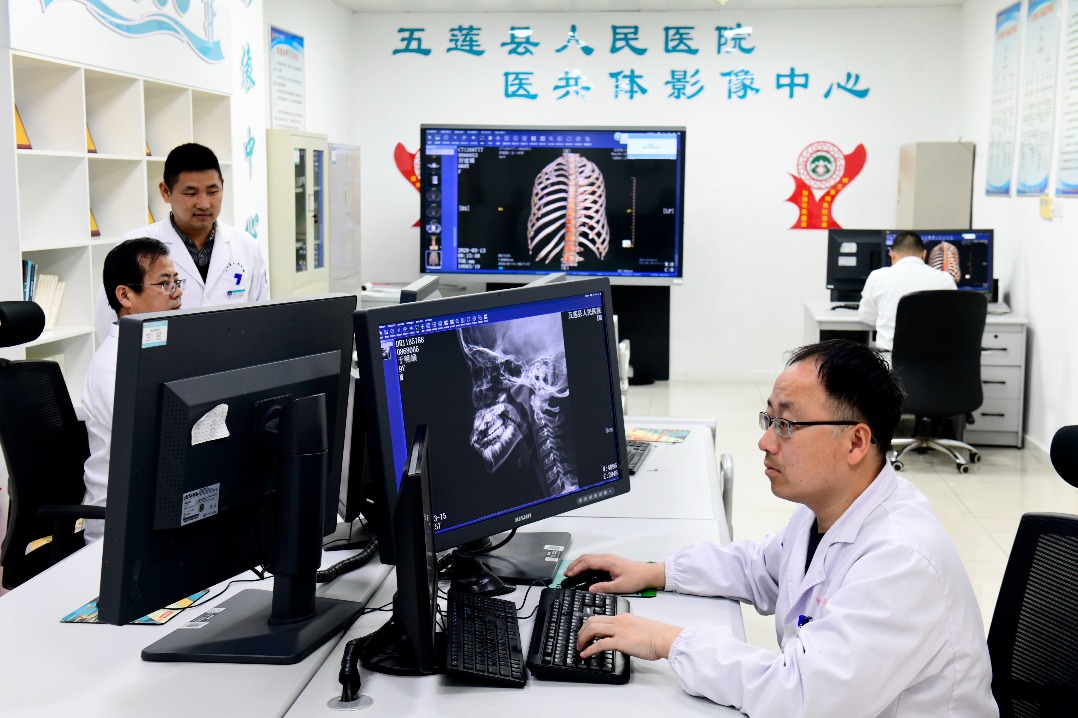
    A key structural upgrade outlined in the document is the expansion and improvement of integrated medical consortia — collaborative networks that connect large top-tier hospitals with smaller grassroots medical institutions. The plan calls for establishing shared resource centers within these consortia for medical imaging, diagnostic testing, equipment sterilization, laboratory analysis and pharmaceutical supply, to eliminate resource duplication and bring higher-quality services to primary care settings.

    To incentivize patients to seek their initial diagnosis at the primary level, the guidance requires top-tier hospitals within consortia to open dedicated outpatient clinics for common chronic conditions — including hypertension, diabetes and chronic obstructive pulmonary disease — directly at primary-level institutions. Specialist expert clinics will also be extended to grassroots facilities, and eligible patients with stable chronic diseases will now be able to receive long-term prescriptions covering up to 12 weeks of medication in a single primary care visit, eliminating the need for frequent repeat appointments.

    To further boost grassroots capacity, the plan mandates regular rotations of senior medical professionals to primary and rural facilities, and the deployment of additional mobile medical teams to serve regions with historically limited access to care.

    Addressing reporters at a Monday press conference, National Health Commission deputy director Zheng Zhe shared that China’s existing primary care network has already made substantial progress. As of 2026, the country hosts more than 1.1 million healthcare institutions, and over 90 percent of Chinese residents can reach a qualified medical service provider within a 15-minute travel radius. In 2025 alone, primary-level institutions recorded 5.56 billion patient visits, accounting for 52.6 percent of all patient visits nationwide.

    From 2020 to 2025, the volume of two-way patient referrals between large tertiary hospitals and smaller grassroots facilities grew by more than 50 percent, a trend that Zheng said reflects growing systemic coordination and improved convenience for patients.

    Jiao Yahui, head of the NHC’s primary health department, added that primary care institutions already deliver more than 1 billion services annually to high-priority groups including the elderly, children and people living with chronic diseases. In 2025, grassroots facilities across China set up more than 370,000 hospital beds for home-based care, and issued 190 million long-term prescriptions for chronic disease patients.

    Aligning with the new guidance, Jiao outlined that future efforts will focus on expanding chronic disease management capacity at the primary level, while also upgrading grassroots capabilities in pediatrics, rehabilitation, mental health, and ear, nose and throat care. “We will ensure that rural and community clinics have regular access to medical staff from higher-level hospitals, and that grassroots medical workers get structured training opportunities at top-tier hospitals,” Jiao said, noting that policymakers will also explore broader adoption of artificial intelligence-assisted diagnostic tools in primary care settings to improve diagnostic accuracy and efficiency.

  • Hospital at centre of child HIV outbreak caught reusing syringes in undercover filming

    Hospital at centre of child HIV outbreak caught reusing syringes in undercover filming

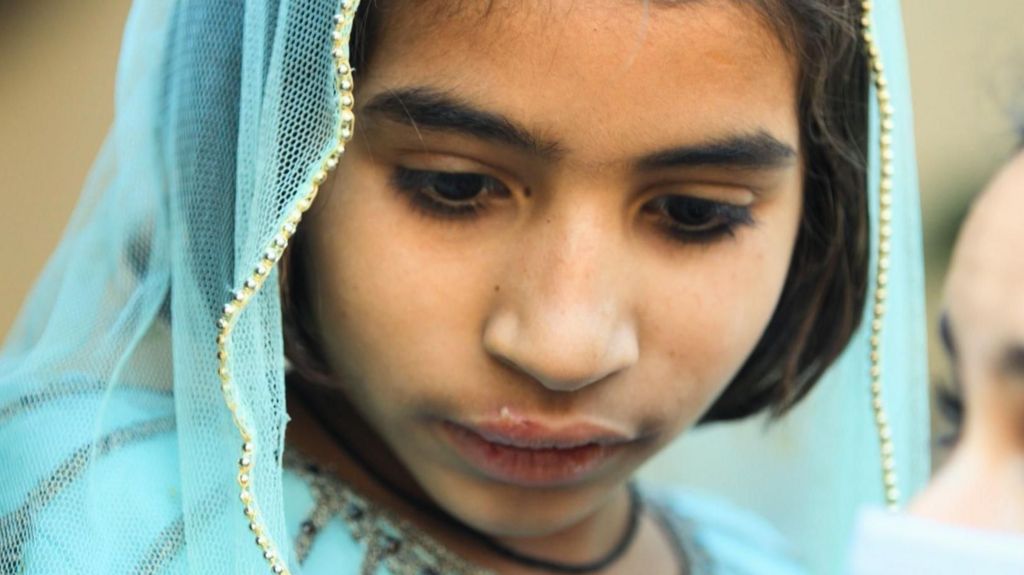
    In the quiet graveyard of Taunsa, a city in Pakistan’s Punjab province, 10-year-old Asma kneels beside the fresh grave of her 8-year-old brother Mohammed Amin. Amin died in agonizing pain after testing positive for HIV, his fevers so severe that he begged to sleep in cold rain, his body twisting in torment “like he had been thrown into boiling oil”, recalls his mother Sughra. Today, Asma carries the same virus that killed her brother – a diagnosis that has upended her childhood, even as Sughra herself has tested negative for HIV.

    Asma and Amin are not isolated tragedies. An 11-month investigation by BBC Eye has documented a large-scale HIV outbreak among children in Taunsa, with at least 331 minors testing positive for the virus between November 2024 and October 2025. The overwhelming majority of these cases cannot be linked to mother-to-child transmission: of 97 infected children whose families received testing, just four of their mothers tested positive. Public health data explicitly lists contaminated needles as the transmission route for more than half of all confirmed cases, pointing to unsafe medical practices at Taunsa’s government-run Tehsil Headquarter (THQ) Hospital as the source of the outbreak.

    Local private physician Dr Gul Qaisrani first sounded the alarm in late 2024, after he noticed a sharp spike in pediatric HIV cases passing through his clinic. Nearly 70 of the children he diagnosed had received routine care at THQ Taunsa, he says. Multiple families told Qaisrani that hospital staff reused single-use syringes across multiple children, including one account of a syringe used for an HIV-positive cousin that was then reused for other patients. One father reported confronting nursing staff over the dangerous practice, only to be ignored.

    In response to growing public pressure, Punjab provincial authorities promised a “massive crackdown” on unsafe practices in March 2025, and suspended THQ Taunsa’s then-medical superintendent Dr Tayyab Farooq Chandio. But BBC Eye can reveal that Chandio was back treating children within three months, working as a senior medical officer at a rural health center on Taunsa’s outskirts. In an interview, Chandio denied the hospital was the source of the outbreak, claiming he took all required safety measures as soon as the first case was identified.

    Chandio’s replacement, Dr Qasim Buzdar, took over in March 2025 and promised a “zero tolerance” policy for unsafe infection control, saying he had implemented mandatory training for all hospital staff on safe injection practices. But 32 hours of undercover filming conducted by BBC Eye at THQ Taunsa in late 2025 – eight months after the government’s intervention – exposes that dangerous, infection-spreading practices remained rampant.

    The undercover footage captures 10 separate instances of staff reusing syringes to access multi-dose medicine vials, a practice that contaminates the entire vial’s contents. In four of these cases, medicine from the contaminated vial was then administered to other children. While it is unknown whether any of the patients involved were HIV-positive, infectious disease experts confirm that this creates a direct, high risk of viral transmission. “Even if they attach a new needle, the body of the syringe retains the virus, so transmission will still occur,” explained Dr Altaf Ahmed, a leading Pakistani microbiologist and infectious disease consultant, after reviewing the footage.

    The investigation also documented widespread failures in basic infection control: over the filming period, 66 instances of medical staff – including at least one doctor – administering injections without wearing sterile gloves were captured. One nurse was filmed rummaging through a medical waste disposal bin with bare hands, a violation of every core principle of safe medical practice, Ahmed notes. Used injection equipment was left out on non-sterile countertops alongside open vials of medication, and one nurse was filmed pulling a used syringe with leftover patient liquid from under a counter and passing it to a colleague for reuse.

    When presented with the footage, Buzdar refused to acknowledge its authenticity, claiming either that it was recorded before he took office or that it was staged. He insisted to BBC Eye that THQ Taunsa is a safe facility for children, telling local parents: “I can say with certainty and confidence that you should get your treatment done here.” The local government echoed this position, stating that no validated epidemiological evidence has conclusively linked THQ Taunna to the outbreak, and pointing to unregulated private care and unscreened blood transfusions as potential contributing factors. But a leaked April 2025 joint inspection report from UNICEF, the World Health Organization, and Pakistan’s regional health department reached conclusions that align with BBC Eye’s findings: the report specifically flagged dangerous conditions in THQ Taunsa’s pediatric emergency department, noting missing essential medications, widespread unsafe injection practices, poor hand hygiene, and reused intravenous equipment.

    Health experts say the ongoing risks at THQ Taunsa are not isolated failures, but the product of deep systemic flaws in Pakistan’s public health system. Pakistan has one of the highest rates of unnecessary therapeutic injections in the world, driven by both public demand and provider习惯 that prioritize injections over oral medication for mild conditions. A chronic shortage of medical supplies, paired with quota-based allocation of equipment to government hospitals, also incentivizes dangerous cost-cutting like syringe reuse. “They have a fixed number of supplies to last an entire month, so corner-cutting becomes inevitable, even when it puts patients at deadly risk,” explained Dr Fatima Mir, a professor of pediatrics at Karachi’s Aga Khan University Hospital.

    This is not the first time such systemic failures have led to a large pediatric HIV outbreak in Pakistan. In 2019, over 1,500 children tested positive for HIV in Ratodero, Sindh province, in an outbreak that was also linked to reused syringes in public health facilities; new infections continue to be recorded there today. More recently, an 84-case outbreak of pediatric HIV in Karachi’s SITE Town area was publicly confirmed by Pakistan’s federal health minister to have been caused by syringe reuse at the local government-run Kulsoom Bai Valika Hospital, despite the facility’s superintendent denying such practices could occur.

    When contacted about BBC Eye’s findings, a spokesperson for Pakistan’s national government said it had acted promptly to investigate concerns and roll out updated infection control guidelines to all health facilities in March 2025.

    For the families affected by the Taunsa outbreak, however, these policy changes come too late. Asma now faces a lifetime of HIV treatment, her health already declining as she loses weight unexpectedly. She faces deep social isolation from HIV-related stigma: neighborhood parents bar their children from playing with her, leaving her lonely as well as sick. She often asks her mother, “What is wrong with me?”

    Standing at her brother’s grave, Asma says she misses him every day. “He’s with God now,” she says. Despite the pain and uncertainty of her future, she still holds onto a dream: “I work hard at school. When I grow up, I want to become a doctor.”

  • China launches first AI-powered digital doctor platform for Parkinson’s disease

    China launches first AI-powered digital doctor platform for Parkinson’s disease

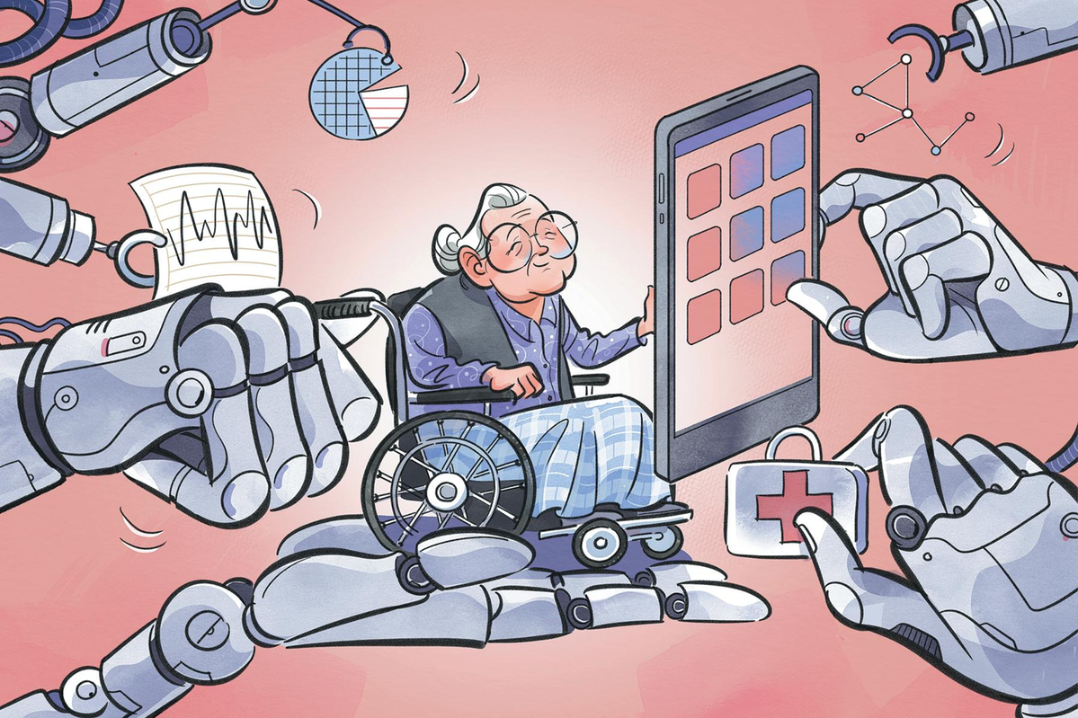
    Against the backdrop of China’s rapidly aging population, Parkinson’s disease has grown into a pressing public health challenge that disproportionately affects older adults, creating greater demand for accessible, efficient neurological care services. In response to this unmet need, Beijing’s Xuanwu Hospital affiliated with Capital Medical University has launched the nation’s first artificial intelligence-driven digital doctor platform tailored exclusively for Parkinson’s disease management.

    Developed through a collaboration between the hospital’s leading Parkinson’s research team and AI technology specialists, the platform is rooted in decades of rigorous clinical work and peer-reviewed medical scholarship. It integrates more than 20 years of Xuanwu Hospital’s accumulated clinical research assets, including anonymized patient medical records, longitudinal study findings, clinical outcome reports, public health educational materials, and a vast library of peer-reviewed global Parkinson’s disease literature to train its AI algorithm.

    Chen Biao, director of the hospital’s Parkinson’s disease clinical research and treatment center, explained that the core design goal of the platform is to streamline routine care workflows. The AI system is capable of responding to up to 90 percent of common patient inquiries about Parkinson’s disease, from symptom management basics to lifestyle adjustment guidance. This automation reduces the burden of repetitive consultations on clinical neurologists, freeing up valuable physician time to focus on complex, high-acuity patient cases that require personalized clinical judgment.

    Accessible via personal smartphones, the platform allows patients to submit questions at any time and receive evidence-based, scientifically accurate responses in real time. Importantly, the system is programmed not to issue individualized treatment recommendations, a safeguard designed to ensure that all critical clinical decision-making remains in the hands of licensed medical professionals. In addition to AI-powered Q&A services, the platform also offers seamless direct links to Xuanwu Hospital’s official online portal, enabling patients to book outpatient appointments and arrange prescription refills without unnecessary administrative delays.

    Looking to the future, the development team has outlined plans to expand the platform’s capabilities. Next-stage iterations will integrate data from consumer wearable health devices to support expanded services, including personalized medication reminders, guided remote rehabilitation training, daily care planning, and targeted mental health support. The end goal is to build a continuous, comprehensive long-term care framework that strengthens the partnership between Parkinson’s patients and their care teams, addressing gaps in ongoing disease management for the growing patient population across the country.

  • Norwegian effectively cured of HIV after transplant from brother

    Norwegian effectively cured of HIV after transplant from brother

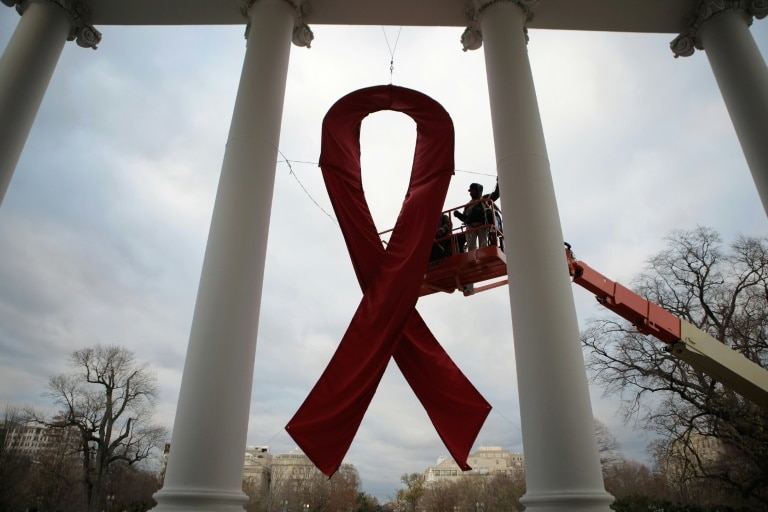
    In a groundbreaking medical announcement made Monday, a 63-year-old Norwegian man has been pronounced functionally cured of HIV, marking one of the raiest and most hopeful breakthroughs in global HIV research in recent years. Dubbed the “Oslo patient,” he becomes the first person worldwide to achieve long-term HIV remission following a stem cell transplant from a related family member, joining a small group of fewer than 10 people globally who have reached this milestone after receiving transplants to treat concurrent blood cancer.

    The patient had lived with an HIV diagnosis since 2006, before receiving a devastating secondary diagnosis of myelodysplastic syndrome, a life-threatening blood cancer, in 2017. His care team at Oslo University Hospital launched a search for a suitable donor that could address both conditions, ultimately turning to the patient’s older brother when no matching unrelated donor with the required genetic trait was found. In a stunning twist of fate revealed on the day of the 2020 transplant, doctors discovered the brother unknowingly carried the rare CCR5Δ32 genetic mutation—an alteration that blocks HIV from entering and infecting human immune cells. Only 1% of northern European populations carry this rare protective mutation.

    “It was like winning the lottery twice,” lead study author Dr. Anders Eivind Myhre, of Oslo University Hospital, told Agence France-Presse. The case study detailing the achievement was published in the journal *Nature Microbiology*. Two years post-transplant, when the patient discontinued his daily antiretroviral therapy that had long kept his viral load suppressed, researchers found no trace of replicating HIV in samples of his blood, bone marrow, or intestinal tissue. “For all practical purposes, we are quite certain that he is cured,” Myhre confirmed. The patient, who has chosen to remain anonymous, is now thriving with abundant energy and reports enjoying a full, unrestricted life, according to his care team.

    Unlike the handful of prior cured HIV cases that relied on unrelated donor transplants, the Oslo case marks the first time a successful cure has been achieved with a family member donor. Study co-author Dr. Marius Troseid of the University of Oslo explained that the patient’s entire immune system has been fully replaced by the donor’s genetically resistant cells—a complete reconstitution that has been clearly documented in both his bone marrow and gut tissue for the first time in any cured HIV patient. Given his current excellent health, Troseid noted that the “Oslo patient” label may no longer fit: “The Oslo patient is perhaps no longer a patient. At least he doesn’t feel like it.”

    This achievement builds on a decades-long line of incremental breakthroughs, starting with the first ever declared HIV cure, that of Timothy Ray Brown, the “Berlin patient,” in 2008. Subsequent cases have since been reported in London, New York, Geneva, Düsseldorf, and other cities around the world, with one 2024 case even achieving long-term remission without a donor carrying two copies of the mutated CCR5 gene, expanding researchers’ understanding of what makes a cure possible.

    Crucially, experts stress that the high-risk, invasive stem cell transplant procedure remains only an option for the small subset of people living with HIV who also have a life-threatening blood cancer, making it completely unfeasible for the more than 38 million people globally living with HIV. Still, researchers remain optimistic that the insights gained from studying these rare, successful cases will deepen scientific understanding of how HIV persists in the body and pave the way for a widely accessible cure that can help all people living with the virus end their lifelong reliance on antiretroviral treatment.

  • Cambodia’s 72-year-old king says he has prostate cancer and is getting treatment in China

    Cambodia’s 72-year-old king says he has prostate cancer and is getting treatment in China

    PHNOM PENH, Cambodia – In a public announcement made Friday, 72-year-old Cambodian King Norodom Sihamoni confirmed that he has been diagnosed with prostate cancer during a recent medical visit and will receive all required treatment for the condition in China, where the diagnosis was first confirmed.

    The monarch’s statement, published to his official Facebook page and distributed nationwide by Cambodia’s state-run news agency AKP, notes that the cancer was detected during a scheduled health screening at a public Beijing hospital. Sihamoni and his 86-year-old mother, Queen Mother Norodom Monineath, traveled to the Chinese capital at the end of February for their annual routine health check-ups, a long-standing practice for the royal family.

    Notably, the king’s official message did not disclose details about the stage of his cancer or the specific treatment plan he will follow. Medical consensus shows that prostate cancer has a high survival rate when caught in early stages, with the American Cancer Society estimating that roughly one out of every eight men globally will receive a prostate cancer diagnosis at some point in their lifetimes.

    This diagnosis carries personal historical context for the Cambodian royal family: Sihamoni’s father, former King Norodom Sihanouk, was also diagnosed with prostate cancer back in 1993, and similarly traveled to China for ongoing medical care. Sihanouk ultimately lived to 89 years old, passing away in Beijing in 2012, nearly 20 years after his initial diagnosis.

    Sihamoni ascended to Cambodia’s constitutional throne in October 2004, just one week after his father’s voluntary abdication. As a constitutional monarch, his role is almost entirely ceremonial, and he has long maintained a deliberately low public profile across his nearly 20-year reign. Before taking the crown, he represented Cambodia as an ambassador to the United Nations Educational, Scientific and Cultural Organization (UNESCO), and gained early recognition as a trained classical ballet dancer. He currently remains unmarried and has no children.

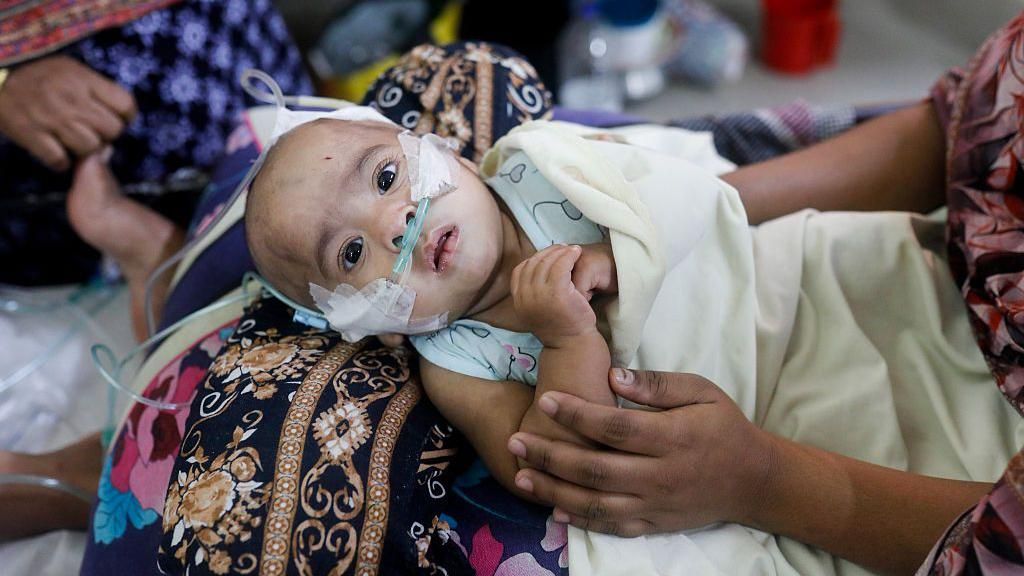
  • Outbreak of measles kills 100 kids in Bangladesh

    Outbreak of measles kills 100 kids in Bangladesh

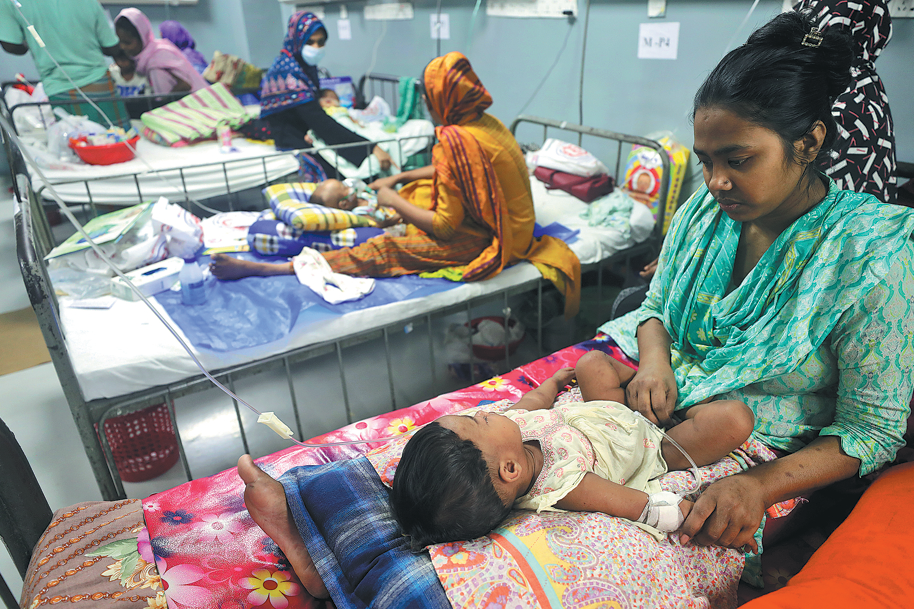
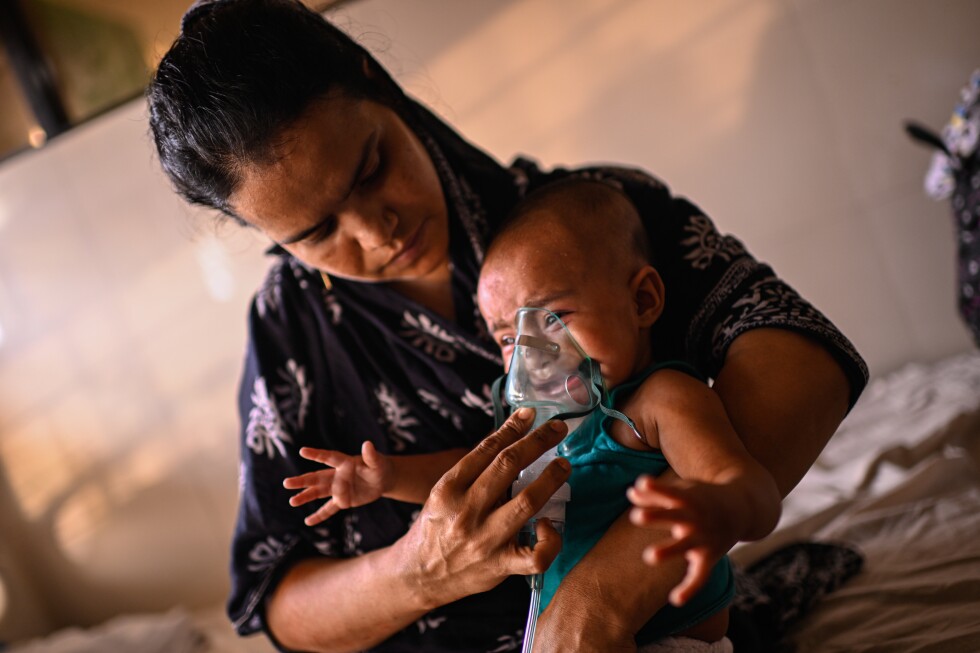
    A resurgent measles outbreak in Bangladesh has claimed the lives of approximately 100 children and triggered more than 7,500 suspected infections across the country, prompting health authorities to roll out an urgent mass immunization campaign targeting high-risk communities. Official data released ahead of the campaign launch on Sunday confirms the rapid spread of the vaccine-preventable disease, which had been on the brink of elimination in the South Asian nation for nearly two decades.

    The emergency campaign, inaugurated by Health and Family Welfare Minister Sardar Md Sakhawat Hossain at a public health facility near the capital Dhaka, will prioritize more than 1 million children aged six months to five years across 18 hard-hit districts that have recorded the highest infection rates. Following this targeted push, a national measles-rubella vaccination initiative will roll out to all remaining districts starting May 3, with 30 of the most severely affected localities already rolling out immunization services ahead of the official schedule.

    Discrepancies in official death figures reflect gaps in diagnostic access across the country: the ministry has confirmed 17 measles-linked deaths, with 113 additional suspected deaths. Of the total suspected infections, more than 6,400 are recorded in children under five, the age group most vulnerable to life-threatening complications from the disease. Public health officials note that most unconfirmed deaths occurred before patients could receive diagnostic testing, meaning the actual death toll is likely closer to the 100 suspected fatalities currently cited.

    “Compared with past years, the number of affected children is higher, and the death toll is higher too,” explained Halimur Rashid, director of Bangladesh’s Communicable Disease Control unit, in an interview with Agence France-Presse.

    Data from the World Health Organization (WHO) shows that Bangladesh saw its largest recorded measles outbreak in 2005, with nearly 26,000 suspected cases. After that peak, case numbers dropped steadily for nearly 20 years, hitting historic lows before the 2026 resurgence.

    Health experts point to a mix of interconnected factors that allowed the outbreak to take hold. Rashid cited systemic gaps including widespread vaccine shortages, while other public health leaders note that a scheduled 2024 national measles vaccination drive was delayed by widespread political unrest that ultimately led to the ouster of former Prime Minister Sheikh Hasina’s government.

    Officials add another layer of vulnerability: while the national immunization schedule recommends a first measles dose at nine months of age, a large share of the recent infections have occurred in infants as young as six months, who have not yet been scheduled for vaccination.

    Mahmudur Rahman, head of the National Verification Committee of Measles and Rubella, acknowledged that the country missed a key public health target set years prior: “We committed to reducing the number [of measles cases] to zero by December 2025 but failed to achieve the target due to poor vaccination programs.”

    Tajul Islam A. Bari, a former senior official with Bangladesh’s Expanded Programme on Immunization and a leading public health expert, said institutional missteps contributed directly to the crisis. “Although funds had been allocated for vaccine purchases, authorities had failed to procure them,” Bari explained. “Now we see the result — the situation is scary.”

    The Bangladesh outbreak aligns with a global trend of rising measles cases and deaths in recent years. The WHO’s latest 2024 global data estimates that as many as 95,000 people died from measles that year, the vast majority unvaccinated or under-vaccinated children under five.

    As defined by the WHO, measles is one of the most contagious viral diseases on Earth, spread through respiratory droplets when an infected person coughs or sneezes. While it can infect people of any age, it disproportionately affects young children and can cause severe life-threatening complications including brain swelling and acute respiratory distress. No targeted antiviral treatment exists for measles after infection, making preventive vaccination the only effective public health intervention to stop outbreaks.

  • Bangladesh conducts emergency measles vaccinations as outbreak kills more than 100 children

    Bangladesh conducts emergency measles vaccinations as outbreak kills more than 100 children

    A deadly measles outbreak that has claimed the lives of more than 100 children in less than a month has prompted Bangladesh to roll out an urgent immunization campaign, as public health authorities work to contain the fast-spreading infection. In a collaborative effort between the Bangladeshi government and global health partners including the World Health Organization (WHO), UNICEF, and Gavi, the Vaccine Alliance, the campaign began Sunday targeting children between 6 months and 5 years old across 18 high-risk districts. The initiative will expand to all regions of the country in phased stages starting next month, according to a joint official statement.

    As of mid-March, Bangladeshi health officials have recorded more than 7,500 suspected measles cases, with over 900 confirmed infections in the South Asian nation of 170 million people. Rana Flowers, UNICEF’s representative in Bangladesh, emphasized the organization’s deep alarm over the sharp surge in cases, which disproportionately endangers the country’s youngest and most medically vulnerable populations. “This resurgence highlights critical immunity gaps, particularly among zero-dose and under-vaccinated children, while infections among infants under nine months, who are not yet eligible for routine vaccination, are especially alarming,” Flowers said.

    Per WHO guidelines, measles is an extremely contagious airborne viral illness that triggers fever, respiratory distress, and a distinct full-body rash. The infection can lead to severe life-threatening complications, particularly for young children. Widespread vaccination is the only effective way to halt transmission, but WHO data notes that 95% population coverage is required to achieve herd immunity and stop sustained spread.

    Bangladesh’s current Health Minister Sardar Mohammed Sakhawat Husain told Parliament Monday that the current outbreak stems from systemic mismanagement and failures by previous administrations. He alleged that the ousted government of former Prime Minister Sheikh Hasina, followed by the interim administration led by Nobel Peace Prize winner Muhammad Yunus, failed to maintain adequate vaccine stockpiles, leading to shortages that affected measles vaccines and six other routine childhood immunizations. The ongoing immunization program was further disrupted by the country’s recent period of political upheaval: Hasina was removed from office in a mass popular uprising in 2024, and Yunus’s interim government only transferred power to a newly elected administration after February’s general election.

    Public health officials are now urging parents to seek immediate hospital care for any child showing suspected measles symptoms, warning against self-treatment with unregulated medications from local shopkeepers. F. A. Asma Khan, deputy director of Dhaka’s Infectious Diseases Hospital, stressed that any child experiencing a high fever above 38.3°C (101°F) should be evaluated by professional medical staff immediately. “Instead, they must take the child to a hospital as soon as possible, because our medical officers are capable of providing proper basic treatment,” Khan said.

    Bangladesh has made significant progress in childhood immunization over the past four decades: following the launch of a national mass immunization campaign in 1979, the country raised full immunization coverage from just 2% to 81.6% today. Still, UNICEF warned in a 2023 report that despite these gains, stark immunization disparities remain across different population groups and regions, leaving millions of children at risk of vaccine-preventable diseases like measles.

  • Emergency jabs after 100 children die of suspected measles in a month in Bangladesh

    Emergency jabs after 100 children die of suspected measles in a month in Bangladesh

    A devastating measles outbreak sweeping across Bangladesh has claimed more than 100 lives, the vast majority of them young children, since mid-March, prompting public health authorities to roll out an urgent mass vaccination campaign targeting the nation’s most vulnerable youth. Officials fear this outbreak could become the deadliest wave of the highly contagious airborne disease the country has seen in recent decades.

    Official data from Bangladesh’s Ministry of Health confirms that more than 7,500 suspected measles cases have been recorded since 15 March, with over 900 of those cases already laboratory-confirmed. Local media reports highlight just how dramatic this surge is: in all of 2025, Bangladesh recorded only 125 total confirmed measles cases.

    For decades, Bangladesh has run routine childhood immunization programs to protect against measles, but this sudden outbreak has laid bare critical gaps in the country’s vaccination infrastructure that have sparked widespread alarm among global and local public health experts.

    “Vaccines are foundational to child survival,” Rana Flowers, UNICEF’s representative in Bangladesh, said in an official statement released Sunday. “The current measles outbreak is putting thousands of children, especially the youngest and most vulnerable, at serious risk.”

    Under Bangladesh’s standard public health protocols, routine measles vaccination is administered to infants at nine months of age. But Shahriar Sajjad, deputy director of Bangladesh’s Health Department, told BBC Bangla that roughly one-third of all infected patients in the current outbreak are younger than nine months old – putting them outside the age eligibility for standard immunization before they were exposed.

    Flowers noted that infections among these too-young infants are “especially alarming” given their weaker immune systems and higher risk of life-threatening complications.

    Beyond routine annual vaccinations, Bangladesh has historically held targeted mass measles vaccination campaigns every four years to boost coverage and close immunity gaps. But those scheduled campaigns have been derailed by successive crises since 2020. Sajjad told BBC Bangla that the first disruption came from the global COVID-19 pandemic, followed by widespread domestic political unrest that delayed planning and execution.

    Bangladesh saw major political upheaval in 2024, when large-scale anti-government protests led to the ousting of long-serving prime minister Sheikh Hasina. An interim caretaker government governed the country until a new administration was elected in February 2026, creating months of political and administrative uncertainty that disrupted public health programming. A planned mass vaccination campaign that was scheduled for April 2026 never launched, Sajjad confirmed.

    The English-language Bangladeshi newspaper *Daily Star* also reported that procurement challenges have led to widespread shortages of routine vaccines, including measles doses, across the country. Many political observers and local stakeholders have blamed the former interim government, which oversaw the rollout of a new vaccine procurement system, for the current supply shortfalls. But UNICEF pushed back on framing the crisis as the result of a single failure, noting that measles resurgences almost always stem from accumulated gaps in immunization coverage over time, rather than one isolated error.

    “Bangladesh has a strong history of high immunisation coverage, but even small disruptions can lead to the gradual accumulation of immunity gaps over time,” the organization explained in its statement.

    Working alongside global health partners UNICEF and the World Health Organization (WHO), Bangladesh’s new government has now launched an emergency vaccination campaign targeting both measles and rubella – a milder disease that shares similar symptomatic traits with measles. The campaign launched Sunday, and will roll out across 30 high-risk sub-districts (called upazilas) nationwide, aiming to reach more than 1.2 million children between the ages of six months and five years.

    UNICEF confirmed that the emergency drive will prioritize children who have previously missed routine immunization doses, who face the highest risk of severe illness and life-threatening complications from the virus. Special focus is being placed on two high-risk, densely populated areas: Dhaka, the overcrowded national capital, and Cox’s Bazar, which hosts massive, crowded camps for Rohingya refugees fleeing violence in neighboring Myanmar.

    Beyond the vaccination push, national health authorities are also launching public education campaigns, distributing informative infographics to teach communities how to identify early measles symptoms and prevent further spread. Measles spreads easily through airborne respiratory particles, and can cause severe neurological complications, organ damage, and death even in previously healthy children. Common early symptoms include high fever, red watery eyes, sore throat, cough, and sneezing.

    Global public health data underscores the ongoing threat of measles worldwide. According to the WHO, an estimated 95,000 people died from measles globally in 2024, more than 90% of whom were children under five years old. The disease is entirely preventable through safe, effective vaccination, but herd immunity requires a 95% population vaccination rate to stop sustained community transmission.

    Over the past 20 years, global public health efforts drove a dramatic decline in global measles cases and deaths: total annual cases fell from 38 million in 2000 to 11 million in 2024, a 71% drop. But the WHO has repeatedly warned of a growing global resurgence as routine vaccination coverage dropped following the COVID-19 pandemic. A 2026 report in the medical journal *The Lancet* found that 2024 and 2025 saw the highest number of national measles outbreaks recorded worldwide in more than 20 years.

    Outbreaks have surged across parts of Asia, Africa, Europe, the United States, and the United Kingdom in recent years. In many Western nations, growing anti-vaccine skepticism that expanded during the COVID-19 pandemic has driven down vaccination rates below the herd immunity threshold. In February 2026, for example, a measles outbreak at multiple schools in north London prompted UK public health officials to issue an urgent reminder to parents to ensure their children are fully vaccinated.

  • ‘Wow!’ The eye surgery marathon that restored sight for some South Africans

    ‘Wow!’ The eye surgery marathon that restored sight for some South Africans

    In the South African township of Tsakane, 84-year-old Gladys Khoza had for years been separated from the simple joy of seeing her family — not due to travel restrictions or distance, but because age-related cataracts had robbed most of her vision. Today, that separation is over. Khoza is one of 133 South Africans who regained their sight during a two-weekend marathon of free cataract surgeries held at two regional hospitals near Johannesburg last month.

    When a nurse removed her post-operative bandage one day after the quick procedure, Khoza stared at the newly clear world around her and whispered in delighted disbelief, “Wow!” When the nurse asked if she could make out her form, Khoza replied with a wide grin, “Very well.”

    For Khoza, who faced total blindness in one eye and long-standing impairment in the other, the 15-minute routine surgery has transformed her daily quality of life. After months of longing, she can once again visit with loved ones, read her cherished Bible, and enjoy the late-night soap operas she loves — small pleasures millions of people take for granted.

    Cataracts, a condition where the eye’s natural lens becomes clouded over, is the world’s leading cause of curable blindness, most commonly affecting older adults. The straightforward surgery replaces the clouded lens with an affordable artificial implant, permanently restoring vision. Yet for patients relying on South Africa’s public health system, even this simple procedure can require years-long waits on official waiting lists. Many of the patients selected for this month’s surgical marathon had been waiting for clear vision since 2019.

    For Dr. Tebogo Fakude, one of the volunteer ophthalmologists who participated in the initiative, the work carries deep personal meaning: his own mother lived with blindness before her passing. “Restoring sight is beautiful,” he explained. “It doesn’t just fix a person’s eyes — it alleviates the depression that comes with losing your vision, and it eases the constant feeling that you are a burden to your loved ones.”

    Global health data underscores the scale of unaddressed need for this life-changing care. According to the World Health Organization (WHO), more than 2 billion people worldwide live with some form of vision impairment, and half of those cases could be prevented or corrected with accessible treatment. Of the nearly 100 million people globally living with operable cataracts, half still lack access to the surgery they need. A March 2026 study published in *The Lancet* found that the gap is far wider in Africa, where 75% of people with cataracts never receive corrective surgery.

    In South Africa, backlogged elective surgery has emerged as a major public health challenge. Government-run public hospitals serve more than 75% of the country’s 62 million residents, but stretched resources force facilities to prioritize emergency and life-saving procedures over routine elective care like cataract removal. Currently, South Africa has a national backlog of more than 240,000 people waiting for cataract surgery, with more than 35,000 people living with cataract-related blindness in Gauteng province alone — the country’s most populous region, where the recent surgery marathon was held. The country sees roughly 300,000 new cataract diagnoses each year, according to Fakude.

    To chip away at this growing backlog, South Africa’s Department of Health launched targeted surgical marathons, first held on Nelson Mandela International Day in 2023 to honor the legacy of the country’s first Black democratic president. The initiative has since grown into an ongoing public-private partnership that hosts multiple events annually, focused on clearing backlogs for different high-need procedures. Past marathons have addressed prostate conditions, cleft palate repairs, and gastric issues, with cataracts selected as the latest priority given the scale of unmet need.

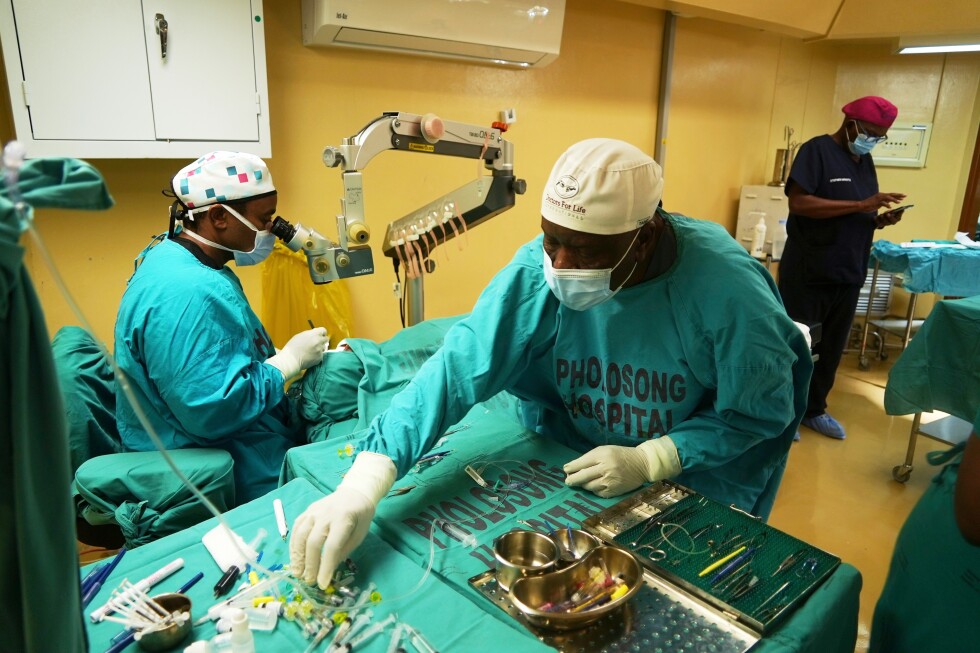
    During the recent cataract event, teams of volunteer surgeons worked at a steady pace to treat as many patients as possible. At Pholosong Regional Hospital, a new patient entered the operating theater roughly every 30 minutes, with soothing gospel music playing over speakers to keep the medical team focused and energized. At peak times, two surgeons operated concurrently to speed up the flow of procedures. Surgeons made tiny incisions through a surgical microscope, removed the clouded lens, and inserted the new artificial implant — all in less than 20 minutes per patient. By the end of the two weekends, the team had completed 133 procedures, including 60 on the final weekend alone.

    Seventy-two-year-old Molefe Mokoena, who had lived with cataracts for four years before his surgery, shared the widespread excitement among patients. “I want to see my great-grandchildren,” he said. “I want to drive my car again, and I’m just so happy about this second chance.”

    The WHO classifies cataract surgery as one of the most cost-effective medical interventions in global health, noting that it does not just restore vision — it restores patients’ independence, dignity, and access to economic and social opportunities. South African health officials have pledged to expand the surgical marathon model to continue clearing backlogs and expand access to life-changing care for low-income and public health patients across the country.