分类: health

  • Turkish woman makes remarkable recovery at Chongqing hospital

    Turkish woman makes remarkable recovery at Chongqing hospital

    A 47-year-old Turkish woman living and working in Southwest China’s Chongqing has made an extraordinary full recovery from aggressive diffuse large B-cell lymphoma after receiving personalized, multidisciplinary care at a leading local public hospital, a case that showcases the high quality of China’s international medical services for foreign residents.

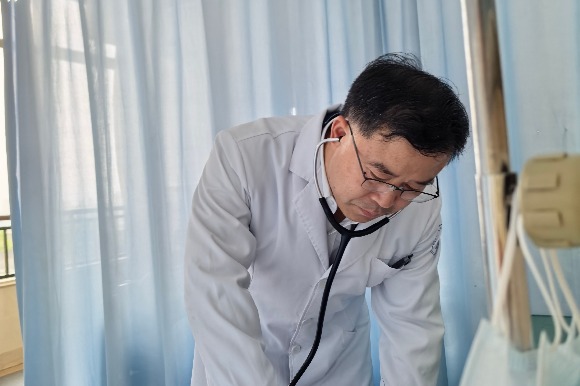
    Going by the pseudonym Zeynep, the patient was first admitted to the Hematology Department of the First Affiliated Hospital of Chongqing Medical University on December 31, 2024, presenting with a severe case of the blood cancer marked by widespread lymph node involvement. Medical teams moved quickly to run diagnostic tests, confirming the diagnosis and flagging the urgent need for immediate therapeutic intervention. By the beginning of January 2025, Zeynep’s condition deteriorated rapidly, triggering life-threatening acute respiratory failure that required intensive care support.

    Faced with the serious health crisis, Zeynep and her family initially planned to travel back to Turkiye to complete treatment, a common choice for many foreign expats facing major illness abroad. But after receiving positive feedback and endorsement of the Chongqing hospital’s proposed treatment plan from medical experts in Turkiye, the family chose to stay and proceed with care in China.

    To deliver the best possible outcome for Zeynep, the hospital assembled a cross-departmental multidisciplinary treatment team drawing specialists from eight clinical and research units, including pathology, clinical molecular diagnosis, and critical care medicine. This collaborative approach allowed clinicians to address every complication of Zeynep’s case and adapt treatment to her specific health profile.

    According to Zhang Hongbin, chief physician in the hospital’s Hematology Department and lead of Zeynep’s care team, clinicians implemented a customized first-line regimen called Pola R-CHP, which integrates multiple targeted cancer therapies. Unlike standard treatment protocols, this personalized approach is designed to boost long-term survival outcomes for patients with high-risk diffuse large B-cell lymphoma. Zhang explained that the tailored therapy is projected to raise the patient’s five-year survival rate from the 60 percent average associated with traditional regimens to 80 percent. After weeks of coordinated care, Zeynep achieved a remarkable recovery that has been hailed as a testament to China’s advancing precision oncology capabilities and patient-centered care for international residents.
  • Congo says its mpox outbreak is over after 2 years and more than 2,200 suspected deaths

    Congo says its mpox outbreak is over after 2 years and more than 2,200 suspected deaths

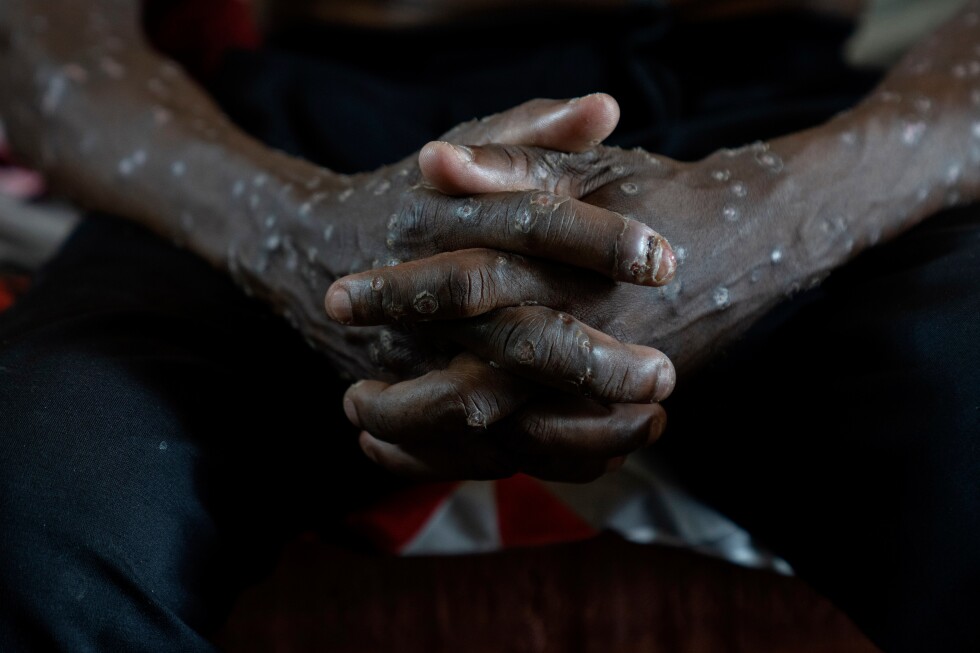
    CAPE TOWN, South Africa – After two years of widespread transmission that claimed thousands of lives, the Democratic Republic of Congo (DRC) formally announced the end of its devastating mpox outbreak on Thursday, lifting the classification of the virus as a national public health emergency.

    Congolese Health Minister Roger Kamba confirmed the declaration to reporters, stating that national health authorities had formally determined the outbreak had been brought under control. The central African nation bore the brunt of a resurgent mpox wave that emerged in 2024, with transmission spilling across DRC’s borders into neighboring countries and prompting the World Health Organization (WHO) to declare the event a global health emergency that same year. The WHO rolled back that global emergency designation in September 2024.

    Data from the Africa Centers for Disease Control and Prevention (Africa CDC) shows that between 2024 and 2025, the DRC recorded more than 161,000 suspected mpox cases, with approximately 37,000 of those cases confirmed via laboratory testing. Across the outbreak, 2,286 deaths were suspected to be linked to mpox, though only 127 of those fatalities were verified through diagnostic testing.

    First documented by researchers in 1958, when pox-like lesions were observed in research monkey colonies, mpox (formerly called monkeypox) long remained a rare zoonotic infection restricted largely to central and West Africa. For decades, nearly all confirmed human cases occurred in people who had close direct contact with infected wild animals.

    That epidemiological pattern shifted dramatically in 2022, when scientists confirmed for the first time that mpox could spread through close sexual contact. That discovery came as the virus sparked unexpected outbreaks across more than 70 countries that had never previously reported sustained local mpox transmission, triggering a global public health response.

    According to WHO guidance, the most prevalent symptoms of mpox infection include the development of a characteristic rash and fever, though the virus can cause severe complications in vulnerable populations in some cases. The vast majority of infected people eventually make a full recovery with appropriate care.

    This reporting is part of AP News’ Africa Pulse coverage, supported by a grant from the Gates Foundation. The Associated Press maintains full editorial independence over all its content, with public transparency standards for philanthropic partnerships available on AP.org.

  • Isotope production unit boosts cancer care

    Isotope production unit boosts cancer care

    China has marked a transformative milestone in advancing domestic cancer care, with researchers at the China Spallation Neutron Source (CSNS) in Dongguan, Guangdong province announcing they have achieved full capability to produce life-saving alpha-emitting medical isotopes. For years, China has relied on costly, supply-volatile imports of these critical materials, creating a major bottleneck in access to cutting-edge cancer treatment. The new domestic production capacity is set to resolve this gap, bringing next-generation targeted cancer therapy within reach for far more patients.

    Called the “nuclear warheads” of modern oncology, alpha isotopes are the core component of next-generation radiopharmaceuticals that deliver lethal radiation directly to tumor cells while minimizing damage to surrounding healthy tissue. The CSNS team has confirmed it can produce three of the most clinically essential alpha isotopes: radium-223, actinium-225, and lead-212, all of which have well-documented effectiveness in treating hard-to-manage late-stage prostate cancer and neuroendocrine tumors.

    Wang Sheng, director of the Spallation Neutron Source Science Center and a professor at the Chinese Academy of Sciences’ Institute of High Energy Physics, emphasized the urgent public health need for this advancement, noting that China records nearly 5 million new cancer diagnoses annually — accounting for 25% of the global total — with an overall mortality rate above 50%.

    Unlike conventional radiation therapy, which uses long-range radiation that can pass through healthy tissue and cause unintended damage, alpha particles function like precision short-range heavy artillery. Once inside a cancer cell, alpha radiation releases enough energy to break both strands of the cell’s DNA, creating irreversible damage that the cell cannot repair. Wang added that the treatment also delivers a valuable “bystander effect”: dying cancer cells release signals that trigger the death of adjacent malignant cells, even if those cells were not directly targeted by radiation.

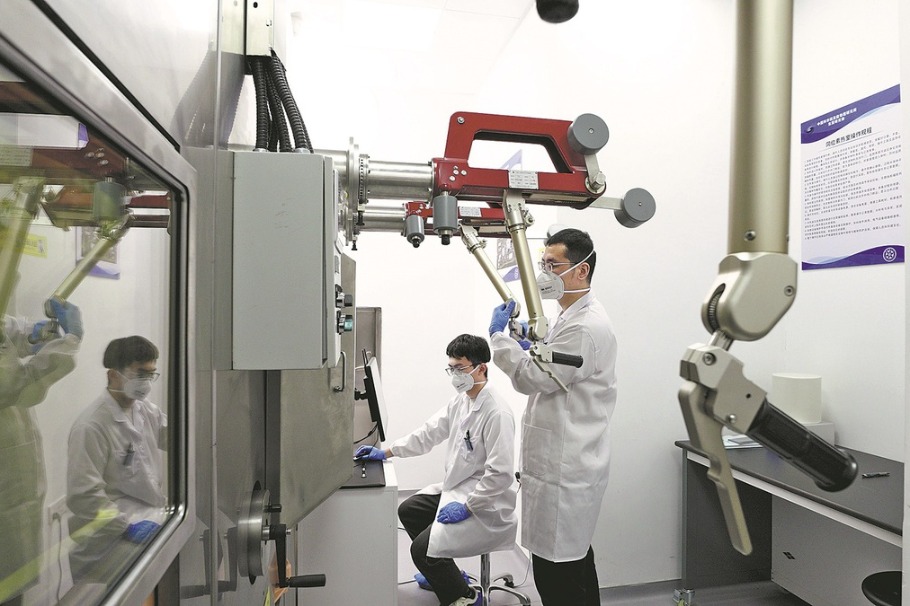
    Historically, medical alpha isotopes have been produced almost exclusively in nuclear reactors. But the CSNS research team developed an innovative alternative approach using a high-energy linear accelerator. By directing a high-powered proton beam at a target constructed from thorium, a naturally occurring abundant metal, researchers are able to extract the exact isotopes required for clinical use.

    Dai Xiongxin, who leads the project’s industrialization initiative, explained that this new production method offers multiple advantages over traditional reactor-based production. It eliminates the need for highly enriched uranium, a material that carries inherent nuclear proliferation risks, making the process both safer and more cost-effective. “It offers flexible production capacity, broader access to raw materials, and significantly lower costs,” Dai noted.

    Rigorous quality testing has confirmed that the domestically produced isotopes achieve a purity level of over 99%, matching the high quality standard of imported international supplies. The project does face one key logistical challenge, however: alpha isotopes have extremely short half-lives, decaying within days or even hours of production, making long-term storage and long-distance transportation impossible. To overcome this barrier, the CSNS center signed a strategic cooperation agreement with the China Isotope & Radiation Corporation over the weekend to build a complete localized industrial chain for production and distribution in Guangdong province.

    A purpose-built dedicated production line is currently under construction at the site. Once the facility reaches full operational capacity by 2031, it is projected to produce enough isotopes to supply nearly 1 million patient treatments per year, marking a major leap forward in China’s quest for self-sufficiency in advanced medical resources and expanding access to life-saving cancer care across the country.

  • Africa calls for stronger health system to curb preventable maternal, child deaths

    Africa calls for stronger health system to curb preventable maternal, child deaths

    African health authorities are sounding the alarm over what they describe as a ‘silent crisis’ of preventable maternal and child mortality across the continent. Current statistics reveal devastating hourly losses: approximately 50 mothers, 140 newborns, and 300 children under five perish from largely preventable causes, according to data from the Africa Centres for Disease Control and Prevention.

    Jean Kaseya, Director-General of the Africa CDC, characterized the situation as not merely a health issue but a fundamental development and sovereignty challenge. ‘A continent that cannot protect its mothers and children cannot claim full sovereignty over its future,’ Kaseya stated, emphasizing the need for transformative reforms in healthcare delivery systems.

    The crisis stems from persistent systemic failures including delayed care, financial barriers, and fragmented health infrastructure. Kaseya identified significant inefficiencies in health financing, with an estimated 40 percent of health expenditure lost due to weak procurement systems, poor planning, lack of accountability, and the presence of ghost workers.

    Kenyan health officials echoed these concerns, with Cabinet Secretary Aden Duale acknowledging that maternal mortality, newborn deaths, and stillbirths remain unacceptably high despite progress in some areas. Duale called for accelerated action and warned against complacency in addressing these preventable tragedies.

    Digital innovation emerges as a promising solution pathway, with countries like Kenya implementing real-time data platforms to track health coverage and identify at-risk populations. Patrick Amoth, Director-General at Kenya’s Ministry of Health, emphasized the need to scale up evidence-based interventions including improved antenatal services, prevention of postpartum hemorrhage, and respectful maternity care.

    Health leaders unanimously called for a shift from donor-dependent models to coordinated, self-reliant healthcare systems capable of delivering equitable and sustainable care across the continent, particularly in rural and low-income communities where disparities remain most pronounced.

  • Researchers develop wearable microsystem for accurate long-term blood pressure monitoring

    Researchers develop wearable microsystem for accurate long-term blood pressure monitoring

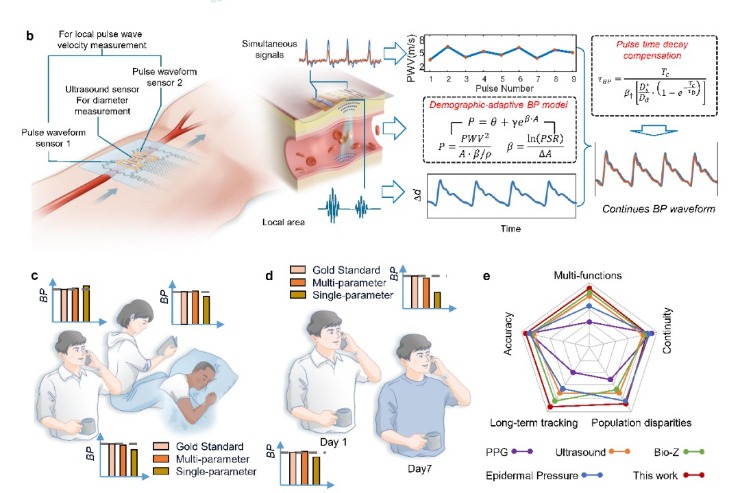
    A multinational research consortium has unveiled a groundbreaking conformal and stretchable piezoelectric microsystem (CSPM) that promises to revolutionize cardiovascular health monitoring through unprecedented accuracy in long-term blood pressure tracking without requiring recalibration.

    The innovation, detailed in Nature Communications, addresses the critical limitation of current cuffless devices that suffer from accuracy degradation during extended use. Developed through collaboration between Tianjin University, the Chinese University of Hong Kong, City University of Hong Kong, and the Hong Kong Centre for Cerebro-cardiovascular Health Engineering, the CSPM integrates advanced hardware design with sophisticated algorithmic processing.

    At the core of the system are two specialized sensing modules that operate simultaneously within the same vascular region, achieving sensitivity levels far surpassing conventional designs. The device captures pulse wave signals with remarkable precision while measuring vascular diameter and its dynamic changes in real time at resolutions up to 4.928 micrometers. This dual-sensing capability enables synchronous measurement of pulse wave velocity and vascular dimensions, providing comprehensive hemodynamic parameters essential for accurate blood pressure calculation.

    The microsystem’s engineering breakthroughs extend to its wearability profile. At under 450 micrometers thick and weighing less than one gram, the device features low-stiffness silicone rubber encapsulation that allows up to 40% stretch capacity, ensuring perfect conformity to curved skin surfaces like the wrist. Its hydrophobic, sweat-resistant properties combined with exceptional biocompatibility enable stable thermal performance during continuous operation for three-hour intervals, meeting rigorous long-term monitoring requirements.

    Complementing the hardware advances, the research team developed a demographics-based adaptive blood pressure model that eliminates individual calibration needs. A novel time-decay compensation strategy counteracts measurement deviations caused by minor sensor slippage, ensuring sustained accuracy throughout extended wear periods.

    Clinical validation involving 45 subjects demonstrated consistent performance across diverse demographics including variations in gender, age, and skin tone. The system successfully tracked blood pressure fluctuations during daily activities over seven consecutive days while maintaining accuracy comparable to professional cuff-based medical devices.

    This technological advancement overcomes two fundamental challenges that have hindered cuffless blood pressure monitoring: frequent calibration requirements and limited population adaptability. The innovation holds significant potential for hypertension screening, cardiovascular disease early warning systems, and long-term chronic disease management applications.

  • Family last safety net in dementia care

    Family last safety net in dementia care

    As China confronts an escalating Alzheimer’s epidemic, families across the nation are becoming de facto nursing homes for their loved ones, operating without professional support or institutional respite. The country’s rapidly aging population has created a healthcare crisis where familial devotion has become the primary defense against a disease affecting nearly 17 million citizens.

    Wei Qiang’s morning ritual exemplifies this national challenge. Each day at dawn, he assists his 80-year-old mother—once celebrated for her sharp memory—through the meticulous routine of feeding, bathing, and positioning that dementia care demands. His home has transformed into a full-time medical facility, operating without nursing shifts or professional assistance.

    The recently published China Alzheimer’s Disease Report 2024, a collaborative study led by Renji Hospital of Shanghai Jiaotong University School of Medicine, reveals the staggering scale of this health emergency. With formal care options remaining severely limited, culturally stigmatized, and unevenly distributed, the burden of long-term dementia care falls overwhelmingly on family members.

    Adult children and elderly spouses now serve as frontline healthcare providers, undertaking complex medical decisions, emotional labor, and moral responsibilities with minimal institutional support. This care model reflects China’s deep-rooted filial ethics, which dictate that children should provide comprehensive care for aging parents regardless of personal sacrifice.

    The situation represents a collision between traditional values and modern demographic realities. As China’s population ages at an unprecedented rate, the healthcare system struggles to adapt, leaving families to navigate the physically and emotionally exhausting journey of dementia care largely alone. The crisis highlights the urgent need for expanded institutional support, professional training for family caregivers, and destigmatization of external care options.

  • China has over 7.3m voluntary organ donors

    China has over 7.3m voluntary organ donors

    China has achieved a monumental milestone in its healthcare system, with national records now indicating over 7.33 million citizens have voluntarily registered as organ donors. This remarkable figure was officially confirmed by the China Organ Donation Administrative Center, highlighting a significant advancement in the country’s medical donation framework.

    The national program has facilitated more than 65,000 cases of posthumous organ donations following circulatory death, resulting in life-saving transplants for over 200,000 patients suffering from critical organ failure. Additionally, these donations have enabled vision restoration procedures for more than 100,000 individuals through corneal transplants.

    Beyond organ-specific donations, the program has also recorded more than 69,000 whole-body donations to medical science, contributing substantially to medical education and research advancement throughout the country.

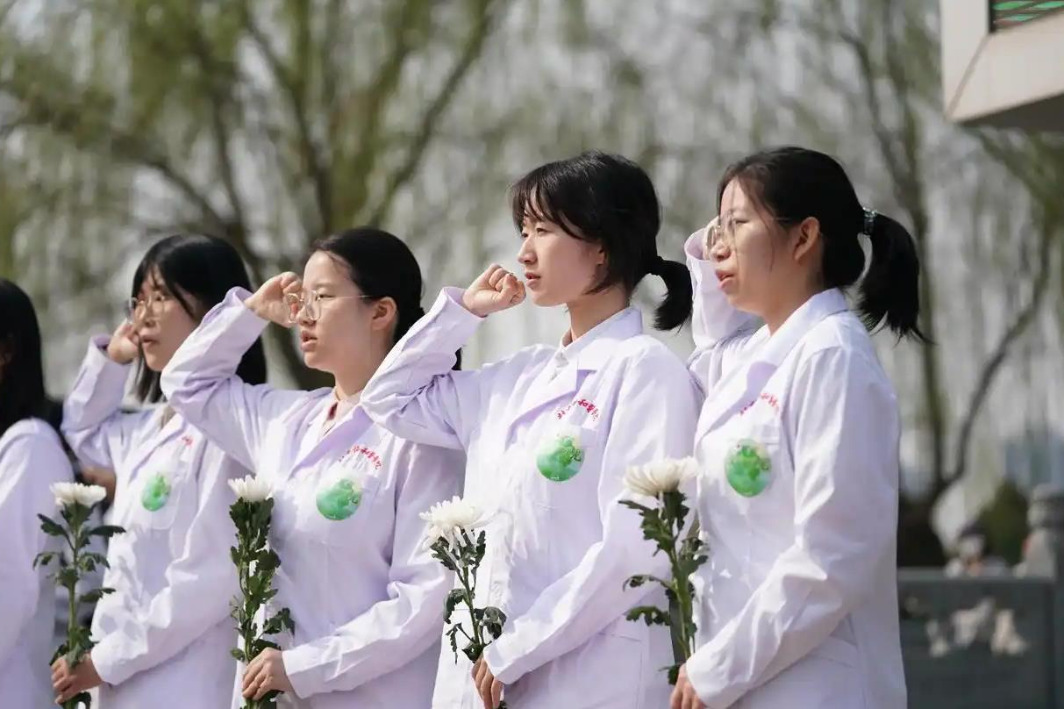
    In recognition of these extraordinary contributions, China has established a network of more than 380 memorial sites dedicated to honoring organ donors nationwide. These memorials host annual commemorative ceremonies coinciding with the Qingming Festival, a traditional Chinese period for honoring ancestors and the deceased.

    China’s formal organ donation initiative began with pilot programs in 2010, culminating in a nationwide expansion by 2013. The program represents one of the world’s most rapidly growing voluntary donation systems, demonstrating increasing public participation in life-saving medical philanthropy.

  • China approves innovative breast cancer therapy by Daiichi Sankyo, AstraZeneca

    China approves innovative breast cancer therapy by Daiichi Sankyo, AstraZeneca

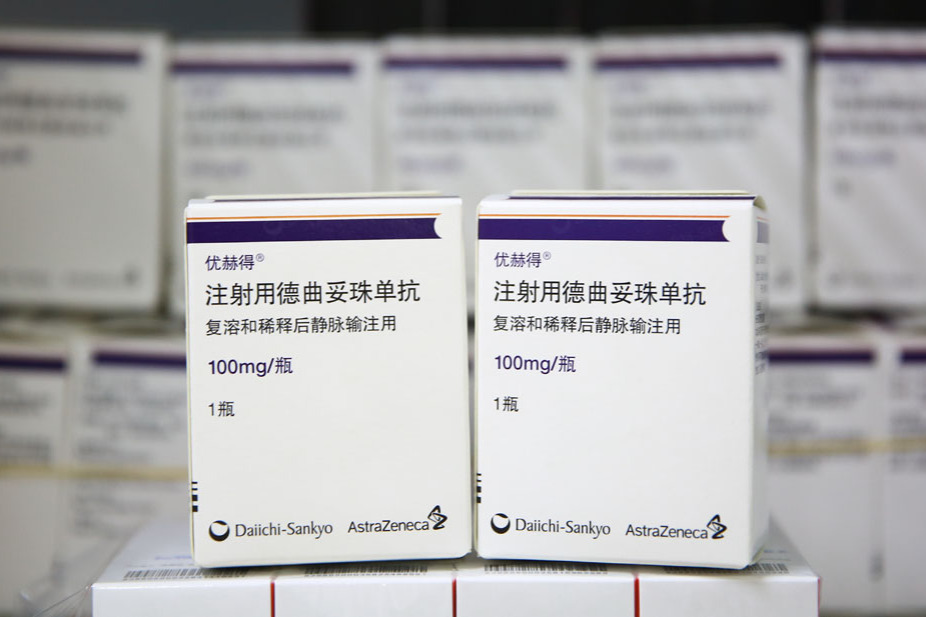
    In a landmark decision for oncology treatment, China has become the first nation worldwide to approve Enhertu, an innovative antibody-drug conjugate (ADC) therapy, for neoadjuvant treatment of early-stage breast cancer. The breakthrough medication, co-developed by pharmaceutical giants Daiichi Sankyo of Japan and AstraZeneca of the United Kingdom, received regulatory authorization on March 27, 2026.

    This approval represents a significant advancement in cancer care, introducing ADC technology to early-stage breast cancer treatment protocols. The development underscores China’s evolving role as a critical launch market for global pharmaceutical innovations, reflecting the accelerated pace of the country’s drug approval reforms and its growing importance in multinational companies’ strategic planning.

    Medical experts emphasize that effective preoperative neoadjuvant treatment plays a crucial role in reducing disease recurrence risks, maximizing potential cure rates, and potentially enabling less intensive surgical interventions. Professor Wu Jiong, Party Secretary of Fudan University Shanghai Cancer Center and lead researcher for relevant clinical studies in China, highlighted the therapy’s significance: ‘This innovative injection provides both a new treatment alternative and renewed hope for clinical cure among early-stage breast cancer patients nationwide.’

    The approval demonstrates China’s commitment to embracing cutting-edge medical technologies and accelerating patient access to advanced therapies, positioning the country at the forefront of oncological innovation and treatment accessibility.

  • Two infectious diseases added to Category B for close monitoring

    Two infectious diseases added to Category B for close monitoring

    China’s National Health Commission has announced the reclassification of two viral diseases—chikungunya fever and severe fever with thrombocytopenia syndrome (SFTS)—as Category B infectious diseases effective April 1. This strategic move enhances national monitoring protocols and mandates standardized reporting mechanisms across healthcare institutions.

    The designation places both diseases under China’s rigorous infectious disease management framework, which requires coordinated prevention measures and immediate case reporting to public health authorities. While not subject to the extreme containment protocols of Category A diseases like plague and cholera, Category B status places chikungunya and SFTS alongside COVID-19, AIDS, and viral hepatitis in surveillance priority.

    Chikungunya fever, transmitted primarily through Aedes mosquito bites, causes high fever, severe joint pain, and skin rashes. Since its initial importation to China in 2008, the country has experienced periodic outbreaks, with several provinces reporting localized transmission clusters in 2025 linked to international travel.

    SFTS presents different epidemiological challenges as a tick-borne illness prevalent in rural mountainous regions. Characterized by fever, thrombocytopenia, and leukopenia, the disease first emerged in China in 2009 and remains endemic in areas with established tick populations.

    Health authorities express particular concern about chikungunya’s transmission potential. Liu Qing, deputy director of infectious disease control at the National Disease Control and Prevention Administration, warned that 2026 brings elevated risks for local outbreaks of mosquito-borne diseases due to increased international travel and expanding mosquito habitats driven by climate change.

    The reclassification enables enhanced surveillance capabilities through China’s national infectious disease intelligent monitoring system, which employs advanced algorithms to detect potential outbreaks. Additional measures include public education campaigns, intensified environmental sanitation programs targeting mosquito breeding grounds, and improved diagnostic protocols.

    For SFTS prevention, health experts recommend protective clothing and insect repellent in endemic areas. Liu Qiyong, chief vector-borne disease expert at China CDC, emphasized proper tick removal techniques and urged immediate medical attention for any post-bite fever symptoms.

  • Australia’s sunscreen regulator wants new rules after recent product scandal

    Australia’s sunscreen regulator wants new rules after recent product scandal

    In response to mounting evidence of widespread sunscreen efficacy failures, Australia’s Therapeutic Goods Administration (TGA) has unveiled comprehensive regulatory reforms targeting the nation’s sun protection industry. This decisive action follows alarming revelations that numerous popular brands failed to deliver their promised protection levels in a country grappling with the world’s highest skin cancer rates.

    The regulatory overhaul was prompted by dual investigations: consumer advocacy group Choice’s testing discovered 16 of 20 sunscreens—including premium products—fell short of their advertised SPF ratings. Concurrently, an Australian Broadcasting Corporation investigation uncovered potential issues with both a leading testing laboratory and a manufacturer producing common base formulas.

    Under the proposed framework, Australia will implement enhanced oversight mechanisms for testing laboratories, including mandatory accreditation requirements. The reforms will focus particularly on cosmetic sunscreens claiming high protection levels, addressing concerns about ingredient quality and formula efficacy. Notably, the review excludes safety assessments of sunscreen ingredients and children-specific products.

    A controversial proposal involves replacing numerical SPF ratings with simplified categorical labels—low, medium, high, and very high—despite consumer advocates advocating for retaining the globally recognized numbering system with improved accuracy.

    The urgency for reform is underscored by Australia’s stark skin cancer statistics: approximately 2,000 annual deaths from melanoma and skin cancer, with two-thirds of Australians expected to undergo at least one skin cancer removal procedure during their lifetime. Despite Australia’s existing stringent regulations—classifying sunscreens as medicines with post-market monitoring—the TGA concluded current safeguards proved insufficient.

    Industry accountability measures have already commenced, with Ultra Violette voluntarily recalling its Lean Screen product after testing revealed an SPF of 4 instead of the claimed 50+. The TGA’s subsequent investigation identified similar concerns with nearly two dozen products sharing the same base formula.

    Consumer advocates have welcomed the proposed enhancements to testing requirements and transparency measures, noting these changes could restore public confidence in sun protection products essential for combating Australia’s extreme ultraviolet radiation levels.