分类: health

  • Baby food brand HiPP recalls jars in Austria after samples test positive for rat poison

    Baby food brand HiPP recalls jars in Austria after samples test positive for rat poison

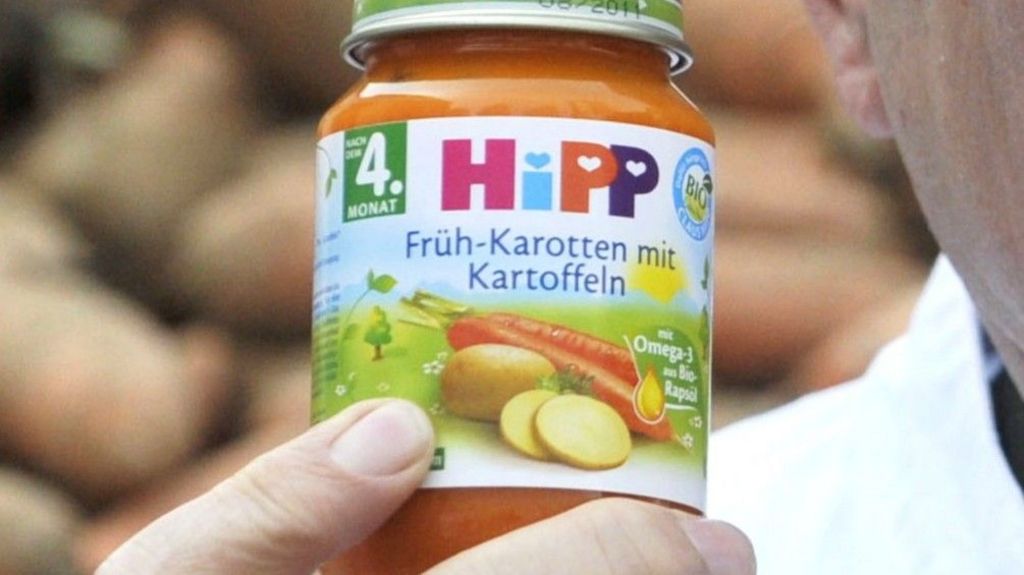
    VIENNA, Austria – In a major public health alert issued over the weekend, iconic organic baby food manufacturer HiPP has launched a precautionary recall of all its baby jar products sold at Austrian SPAR supermarket locations following confirmed detection of rat poison in multiple product samples across Central Europe. Authorities in Austria, Slovakia and the Czech Republic first identified the dangerous contamination during routine testing, with the first positive result returned this past Saturday.

    Investigations so far point to intentional external tampering, not any production defect in the company’s manufacturing process. In an official statement released Sunday, HiPP stressed that all products leave its production facilities meeting strict quality and safety standards. “This recall is not due to any product or quality defect on our part. The jars left our HiPP facility in perfect condition,” the brand emphasized, noting the incident is tied to an ongoing criminal investigation led by Austrian law enforcement.

    The specific products of concern are 190-gram (6.7-ounce) jars of carrot and potato baby food formulated for infants 5 months and older, distributed exclusively through SPAR Group locations in Austria. Burgenland State Police have released key identifying characteristics to help consumers spot potentially tampered products: affected jars are marked with a white sticker bearing a red circle on their bottom base. Additional red flags include damaged or improperly sealed lids, unusual or rancid odors, and the absence of the characteristic popping sound that confirms a jar’s vacuum seal when first opened.

    Out of an abundance of caution, HiPP expanded the recall to cover every one of its baby food jars sold across all SPAR-branded outlets in Austria, which includes the core SPAR chain, EUROSPAR, INTERSPAR and Maximarkt locations. The company has pledged full refunds for all returned products, even for customers who do not retain their original purchase receipts. Retail partners in both Slovakia and the Czech Republic have already proactively pulled all HiPP baby jar products from store shelves as a preventive measure.

    Austrian law enforcement confirmed that a consumer first flagged a suspicious jar that appeared to have been tampered with, and as of the official announcement, no cases of people consuming the contaminated product or related illness have been reported. The Austrian Agency for Health and Food Safety has shared details on the risks of rat poison exposure, which most commonly contains the anticoagulant bromadiolone that disrupts the body’s ability to clot blood. Ingestion of even small amounts can cause internal and external bleeding, including bleeding gums, frequent nosebleeds, unexplained bruising and blood in fecal matter. Agency officials added that symptoms of poisoning may not appear until two to five days after ingestion, meaning affected individuals may not notice adverse effects immediately.

  • Revealed: How well is your state or territory responding to the illicit tobacco crisis?

    Revealed: How well is your state or territory responding to the illicit tobacco crisis?

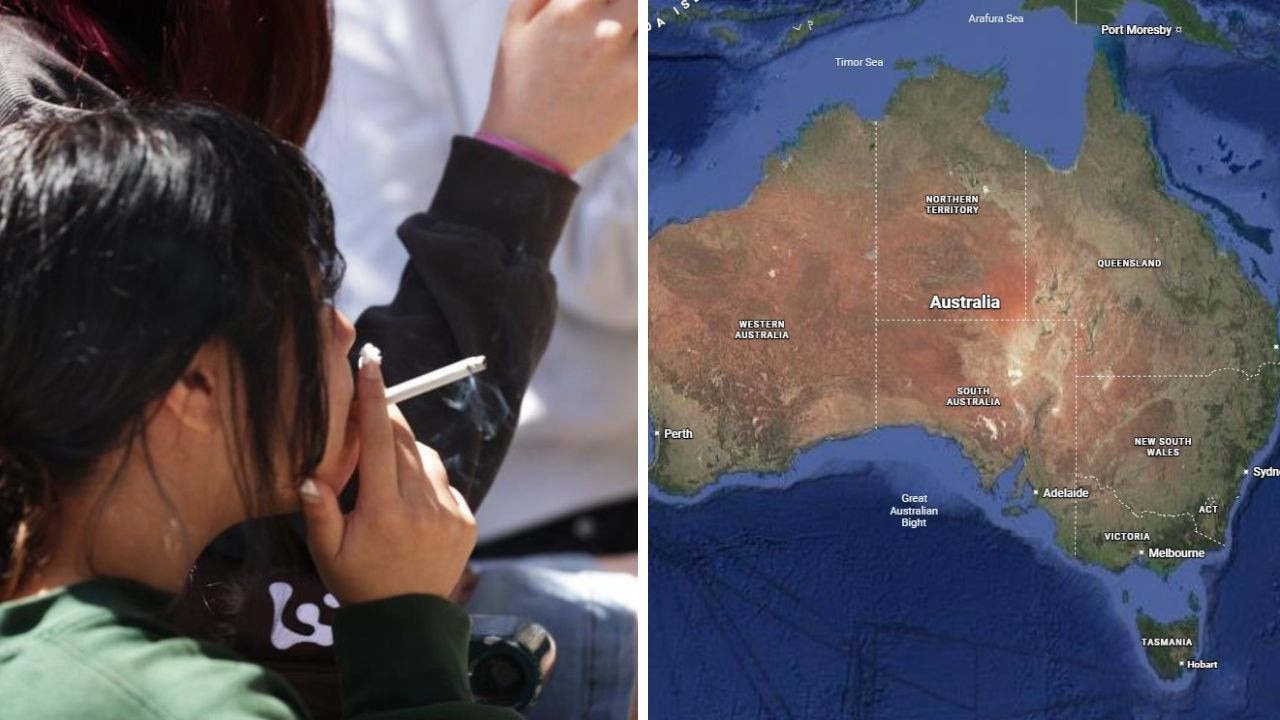
    Australia’s fragmented response to the growing illicit tobacco trade has been laid bare in a new performance ranking from the Australian Council on Smoking & Health (ACOSH), which identifies two front-running jurisdictions leading the fight while calling out two laggard regions as drastically off pace.

    The ACOSH Illicit Tobacco Ladder, published this week, evaluates every Australian state and territory across three core metrics: legislative frameworks, law enforcement operations, and public health interventions. The ranking comes amid rising concerns that the unregulated illicit tobacco industry has grown increasingly violent, with organized criminal networks dominating the trade and endangering communities across the country.

    At the top of the ranking, Queensland secured first place, followed closely by South Australia in second. ACOSH credits both jurisdictions for their unwavering commitment to strong, proactive enforcement. Queensland, the report notes, stands out for its rapid, preventative responses to illegal trade, backed by the nation’s most robust enforcement infrastructure and a large on-the-ground workforce. South Australia, meanwhile, earns praise for its strict bans on online tobacco sales, consistent strong enforcement, and clear, dedicated leadership from state ministers.

    ACOSH Chief Executive Laura Hunter explained that the ranking was developed to highlight successful strategies that other jurisdictions can replicate. “We created this ladder to demonstrate exactly how well governments across the country are controlling illicit supply, upholding the law, and applying meaningful penalties that deter criminal activity,” Hunter said. “Queensland and South Australia have incredible political buy-in: leaders are committed to tackling this issue, they are investing funding and resources into on-the-ground enforcement, and we are seeing illegal operations shut down every single day. That’s the model we want other regions to adopt.”

    New South Wales claimed third place, but the ranking makes clear there is a significant gap between NSW and the two leaders — a gap large enough to “park a few semi-trailers,” as the report puts it. The state needs to substantially boost its performance by increasing enforcement resourcing, introducing harsher penalties for property landlords who enable illegal trade, and implementing fines large enough to act as a real deterrent, the report found. Hunter added that while NSW has made some progress, namely introducing lease termination powers that protect landlords, it still lacks the complementary penalties for property owners who knowingly allow illegal tobacco sales from their premises.

    University of Sydney public health professor Becky Freeman, a leading researcher with more than 25 years of experience in tobacco and vaping control, said the ranking exposes a fundamental flaw in Australia’s current approach: a patchwork of inconsistent policies that has allowed the national crisis to spiral. “Some states have gotten on top of this, or are actively working to do so, while others are dragging their feet even with clear successful examples to copy,” Freeman said. Speaking from her base in NSW, she noted that the state only launched its tobacco licensing system in 2025, years after early adopters including Queensland, Tasmania, and Western Australia.

    Freeman also pushed back on a common misperception about the illicit tobacco trade: that it operates as an invisible “black market.” In reality, she explained, the trade is openly conducted at legitimate retail locations across the country, with retailers selling untaxed illegal products as a core part of their business model, often without fear of consequence. “It’s an in-your-face market, not a hidden black market,” she said. “Retailers don’t even feel like they’re doing something wrong or working with criminals anymore.”

    The professor also dismissed recent proposals from Federal Liberal MP Mary Aldred, who argued cutting the national fuel excise would reduce profit incentives for criminal networks and ease pressure on law enforcement. Freeman called the idea overly simplistic and harmful to public health. “It’s politically attractive to think that if legal cigarettes are expensive, lowering taxes will undercut the illicit trade. But that logic ignores basic reality: criminal networks can still undercut any legal price point, they haven’t hit rock bottom yet. Cutting tobacco costs across the board will only drive up smoking rates, which is the opposite of what public health policy should achieve,” she said.

    At the bottom of the ranking, the Australian Capital Territory (ACT) and Northern Territory placed seventh and eighth respectively, with both labeled “totally off pace” compared to other regions. The ACT, the report says, “talks a good game but isn’t playing one,” citing a near-total lack of meaningful penalties and very few successful closure orders for illegal operations. The Northern Territory, meanwhile, has not passed any new legislative changes to address the crisis and needs to make massive new investments in enforcement resources, the report found.

    Hunter outlined the core failures that have allowed the illicit tobacco crisis to grow in underperforming jurisdictions: weak licensing frameworks, an overabundance of unregulated tobacco retailers, insufficient on-the-ground enforcement, and inconsistent, toothless penalties that do nothing to deter illegal operators.

    Federal Assistant Customs Minister Julian Hill welcomed the independent ranking, noting that while the scrutiny may be uncomfortable for some state governments, the ACOSH scorecard is a critical tool to drive improvement. “Combined efforts by Commonwealth, state and territory agencies are already delivering strong results: we’re raising the stakes for criminals, cutting into their profits, and pushing up the price of illegal tobacco,” Hill said. “Governments must never surrender public health policy to organized crime, or condemn the next generation of Australians to the devastating harm of tobacco addiction, chronic disease and early death.”

    As of 2025, Australia has roughly 40,000 retail outlets selling tobacco products, even though only 10% of Australian adults report smoking. Australian Border Force data shows the agency seized a record volume of illicit tobacco and vapes in the 2024-25 financial year, averaging around 120 illegal shipments detected every day.

  • HiPP recalls jarred baby food in Austria over contamination fears

    HiPP recalls jarred baby food in Austria over contamination fears

    Leading European baby food manufacturer HiPP has launched a full recall of all its jarred puree products stocked at more than 1,500 Spar-affiliated supermarkets across Austria, triggered by alarming evidence of potential external tampering that could leave consumers facing life-threatening health risks.

    In an official public statement, the brand confirmed that while suspicious interference has only been linked to its carrot and potato flavored puree, pre-emptive safety measures led the company to pull every SKU in its jarred baby puree line from all Spar locations—including sub-brands Eurospar, Interspar, and Maximarkt. HiPP explained that investigators cannot rule out the introduction of dangerous harmful substances into affected products as a result of unauthorized external tampering, a flaw that makes consumption of potentially compromised goods a major hazard to infants.

    Affected products can be identified by a distinct white sticker marked with a red circle on the bottom of the jar, authorities confirmed. Law enforcement officials in Austria’s eastern Burgenland region have launched an investigation into the incident and are actively calling on members of the public to come forward with any information that could help the inquiry.

    Major retail chain Spar has independently verified the recall, confirming that customers who purchased any HiPP jarred puree products from its Austrian stores are eligible for a full refund upon returning affected items. As a urgent safety warning, HiPP has strongly advised all parents and caregivers to avoid feeding any of its jarred baby food purchased from Austrian Spar outlets to children, noting that HiPP baby food sold through non-Spar retailers in Austria and all of the company’s products in other countries remain entirely unaffected by the recall. HiPP’s baby formula line is also not impacted by this incident.

    This recall comes at a time of growing global scrutiny over infant food safety, coming just months after two of the world’s largest food conglomerates issued massive, multi-country recalls of baby formula over contamination that made dozens of infants ill. Earlier this year between January and February, Nestle and Danone pulled batches of their baby formula products from markets in over 60 countries—including the United Kingdom—after reports of infants falling ill from consumption. Investigations confirmed affected batches were contaminated with the toxin cereulide, a harmful bacterial byproduct that triggers severe nausea and vomiting and is resistant to heat, meaning it cannot be destroyed through cooking or standard formula preparation processes.

    The UK Health Security Agency (UKHSA) documented at least 36 confirmed cases of food poisoning among infants in the UK linked to that contamination incident, though officials confirmed none of the cases were classified as life-threatening.

  • Weapons-grade chemical carfentanil surges as dangerous substitute for fentanyl

    Weapons-grade chemical carfentanil surges as dangerous substitute for fentanyl

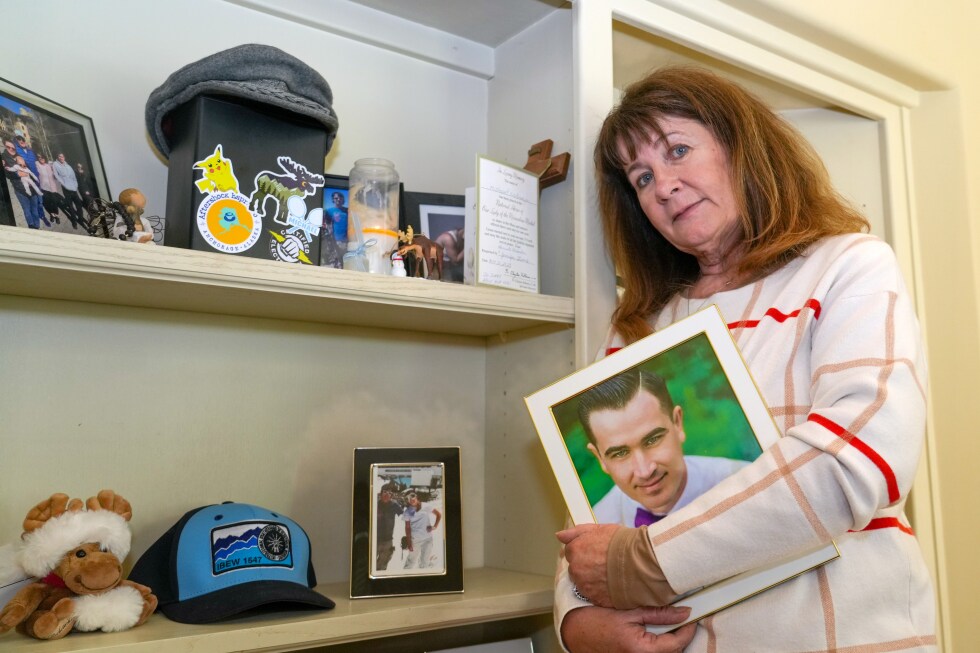
    Thirty-six-year-old Michael Nalewaja had built a stable, quiet life as an electrician in Alaska, nearly 20 years removed from a teenage battle with drug addiction that led him to rehabilitation. That peaceful existence ended abruptly just days before Thanksgiving 2025, when Nalewaja and a mutual friend unknowingly consumed a deadly combination of fentanyl and carfentanil, which they had mistaken for cocaine.

    Kelley Nalewaja, Michael’s mother, recalled the devastating phone call she received from her son’s wife: “I heard the word ‘autopsy’ and I literally just collapsed to the floor. Even if somebody had been there prepared with Narcan — even if somebody had called 911 in time — he was not going to survive.”

    Michael’s death is far from an isolated tragedy. Authorities are now sounding the alarm over a dramatic resurgence of carfentanil, a weapons-grade synthetic opioid 10,000 times more potent than morphine and 100 times stronger than standard fentanyl, that has killed hundreds of unsuspecting drug users across the United States. This growing public health threat has emerged against a backdrop of an unprecedented multi-year decline in both overall drug overdose deaths and fentanyl seizures, a shift that experts and law enforcement trace to new regulatory controls.

    Following a recent Chinese government crackdown on the sale of chemical precursors used to manufacture illicit fentanyl, Mexican drug trafficking organizations have turned to carfentanil to boost the potency of diluted fentanyl supplies, according to Drug Enforcement Administration (DEA) intelligence bulletins reviewed by The Associated Press. This is not the first time carfentanil has penetrated the North American drug market: a decade ago, the substance caused a wave of mass overdoses before Chinese regulatory controls and U.S. enforcement cracked down on its supply, driving incident numbers sharply down.

    That trend has reversed dramatically in just a few short years. DEA laboratory data obtained by the AP shows that agents identified carfentanil in 1,400 separate drug seizures across the U.S. in 2025. That number marks a drastic jump from just 145 positive identifications in 2023 and only 54 in 2022. Law enforcement officials say Mexican cartels are now either experimenting with domestic carfentanil production or sourcing the substance from Chinese vendors who evade Beijing’s regulations by advertising on unregulated online forums hosted in third countries.

    Manufacturing carfentanil carries extreme risk even for experienced traffickers, notes Frank Tarentino, the DEA’s chief of operations for the Northeast region covering Maine to Virginia. “You can’t just dabble in this. This is not some mad scientist on Reddit you’re going to get to go out to a rudimentary laboratory in Mexico to make carfentanil,” he explained. For people struggling with opioid dependence who purchase unregulated drugs on the street, the risk is unparalleled: a dose smaller than a grain of salt is enough to cause lethal overdose, and even high multiple doses of naloxone — the life-saving overdose-reversing medication — are often ineffective against carfentanil exposure. “This presents an extremely frightening proposition for substance abuse dependent people who seek opioids on the street today,” Tarentino added.

    The resurgence of carfentanil comes at a moment of rare progress in the U.S. overdose crisis. Overall drug overdose deaths have fallen for more than two years, the longest sustained decline in decades. Experts attribute this drop to multiple factors, including wider distribution of naloxone, expanded access to evidence-based addiction treatment, and international regulatory changes targeting fentanyl precursor production. Fentanyl seizures at the U.S. border have also plummeted: U.S. Customs and Border Protection reports that seizures fell to roughly 12,000 pounds in 2025, less than half the total seized in 2023.

    Even with this progress, the DEA has maintained fentanyl and emerging synthetic opioids as its top enforcement priority, recently requesting a $362 million budget increase focused exclusively on combating cartel-driven trafficking. Sara Carter, the White House drug czar under the current administration, framed the crisis as an deliberate act of harm. “Anyone who takes a pill that is not prescribed to them by their doctor is playing a game of Russian roulette with their life,” Carter said. “But if those terrorists think they can continue this chemical warfare without consequences, they are wrong.”

    Public health experts and drug policy specialists warn that carfentanil’s unique deadliness makes its resurgence an especially alarming threat. Originally developed and researched for use as a chemical weapon, carfentanil was infamously deployed by Russian forces against Chechen separatists during a 2002 hostage crisis. Today, the only legal use for the substance in the U.S. is as a tranquilizer for large zoo animals such as elephants, with the DEA capping annual legal manufacturing at just 20 grams — an amount small enough to fit in the palm of a hand.

    “If the world thinks we had a problem with fentanyl, that’s minute compared to what we’re going to be dealing with with carfentanil,” said Michael King Jr., founder of the Opioid Awareness Foundation, comparing the substance to a biological weapon. The most recent Centers for Disease Control and Prevention data underscores this risk: in 2024, overdose deaths linked to carfentanil nearly tripled from the previous year, totaling 413 deaths across 42 states and Washington, D.C. While carfentanil’s overall prevalence still trails that of standard fentanyl, experts warn it could spread rapidly across the country without targeted law enforcement intervention to cut off supply chains.

    In recent months, the DEA has already intercepted large shipments of carfentanil-laced counterfeit pills. In October 2025, the agency’s Los Angeles field division seized 628,000 pills laced with carfentanil; just one month prior, officials in Washington state seized more than 50,000 counterfeit M30 opioid pills at a gas station, which tested positive for a lethal mixture of carfentanil and acetaminophen.

    Traffickers are drawn to carfentanil for the same economic reason that drove the rise of fentanyl years ago: extremely small amounts can produce a massive supply of cut street drugs, generating enormous profits. Rob Tanguay, senior medical lead for addiction services at Canadian health agency Recovery Alberta, added that some frequent opioid users who have developed tolerance to standard fentanyl actively seek out carfentanil for its more intense high, despite the well-documented lethality. “The toughest part about all of this is that this is all about money,” Tanguay said.

    For Kelley Nalewaja, the loss of her son — a charismatic electrician who recently earned a national award from his industry union — has turned private grief into public advocacy. Instead of holding a large funeral, she organized a community town hall in her hometown of El Dorado Hills, California, bringing together local leaders and other bereaved families who have lost loved ones to illicit synthetic opioids. She is now pushing for sweeping legislative and policy changes to curb carfentanil trafficking, arguing the substance was never intended for human consumption. “It’s not an OD; it’s not an overdose,” she said. “It’s a murder weapon.”

  • Free health checkups reach high-altitude communities in Xizang

    Free health checkups reach high-altitude communities in Xizang

    On a clear, cool morning in mid-April, residents and religious practitioners in Namling County of the Xizang Autonomous Region came together at their local community activity center, ready to take part in a routine health screening that has become a cornerstone of public care across the region’s high-altitude landscapes. Standing at over 4,100 meters above sea level, this remote gathering is just one of hundreds of stopovers for the mobile medical teams that traverse Xizang’s rugged terrain each year, delivering a full suite of preventive care services that include blood pressure monitoring, ultrasound diagnostics, and comprehensive chronic disease screenings that would otherwise be out of reach for many isolated communities.

    This groundbreaking free health checkup initiative, first rolled out region-wide in 2013, has grown from a targeted pilot project to a near-universal public health infrastructure that prioritizes equity for all residents of Xizang, regardless of their geographic location. Funded through annual government per-capita subsidies, the program began with an allocation of 100 yuan (approximately 14 USD) per resident, and over more than a decade of operation, has facilitated a total of 22.41 million free checkups that cover nearly the entire population of the region.

    By 2025, growing policy commitment and increased public investment have lifted the annual per-capita subsidy to 164 yuan, with additional earmarked funding to expand the fleet of mobile diagnostic vehicles and upgrade local clinic facilities in the most hard-to-reach mountainous and high-altitude areas. To address the greater health needs of aging residents, the subsidy for adults aged 65 and older is even higher, reaching 200 yuan per person annually to support more comprehensive, detailed screenings.

    At its core, the program is designed to prioritize early detection and proactive management of common health conditions that disproportionately affect high-altitude populations, including hypertension, diabetes, and a range of altitude-related illnesses. Tailored screening and care pathways for vulnerable groups — including the elderly, women of reproductive age, and children — have already delivered measurable public health gains: regional data shows consistent reductions in maternal mortality, alongside marked improvements in long-term management of chronic conditions across communities.

    The reach of the initiative extends beyond rural villages to include religious communities, with mobile teams regularly conducting checkups at local monasteries. For Phurbu, a monk at Dragkar Monastery, the program has transformed his approach to personal health. “Regular screenings allowed me to detect and manage hypertension early,” he explained, noting that consistent access to free preventive care has significantly improved his overall quality of life.

    Health policy experts note that Xizang’s decade-long investment in this proactive, community-focused public health program underscores the regional government’s sustained commitment to delivering equitable, accessible healthcare to all residents, even in the world’s most challenging high-altitude environments. As subsidies and infrastructure continue to expand, the program is set to further reduce health disparities and improve long-term well-being for millions across the region.

  • Chinese study sheds light on Kawasaki disease treatment

    Chinese study sheds light on Kawasaki disease treatment

    For nearly 20 years, the global medical community has been locked in a contentious debate over whether adjunct hormone therapy can cut the risk of dangerous cardiovascular complications in children with Kawasaki disease, a poorly understood systemic vasculitis that disproportionately affects young kids. Now, a landmark five-year clinical study led by Shanghai’s Children’s Hospital of Fudan University, in partnership with 28 additional medical institutions across China, has delivered a clear, data-backed answer that is reshaping clinical guidelines worldwide.

    Kawasaki disease, which triggers inflammation of blood vessels throughout the body, is diagnosed annually in 1 out of every 1,000 children under age 4 in China, and incidence rates are rising across East Asia, the region with the world’s highest prevalence of the condition. While a standard international treatment protocol exists, 10 to 20 percent of patients still develop coronary artery lesions — the disease’s most life-threatening complication — and 0.5 to 1 percent of treated children develop giant coronary artery aneurysms that compromise long-term health and survival. For decades, researchers have searched for additional therapies to improve outcomes, leading to conflicting investigations into the benefits of hormone therapy to reduce inflammation. Past studies were limited by small sample sizes, inconsistent hormone dosing protocols, and heterogeneous patient populations, leaving clinicians around the world with conflicting guidance and widespread uncertainty in daily practice.

    Launched in 2021, this new multicenter randomized controlled trial — the largest study of its kind ever conducted globally — enrolled more than 3,200 participants, with 3,058 patients completing full follow-up for the study’s primary endpoint. Researchers compared rates of coronary artery complications between patients who received hormone therapy alongside standard treatment and those who received standard treatment alone, assessing outcomes at two weeks, one month, and three months after disease onset. The trial found no statistically significant difference in coronary artery lesion rates between the two groups. Even more critically, the research revealed that for patients who do not respond to initial standard treatment, adding hormone therapy actually increases the risk of developing coronary complications.

    The study’s findings were published online Thursday in the *New England Journal of Medicine*, one of the world’s most prestigious general medical publications. Global medical experts have hailed the research as a transformative contribution to Kawasaki disease care, noting that it will immediately cut unnecessary hormone overuse in treatment, while providing a critical foundation for future research into targeted therapies.

    Jane W. Newburger, a leading U.S. cardiologist specializing in pediatric cardiovascular disease, emphasized that future research must move beyond broad anti-inflammatory approaches like hormone therapy to identify the specific biological drivers of tissue-level inflammation, which will enable development of targeted treatments for children at highest risk of life-threatening complications.

    Wang Yi, president of the Children’s Hospital of Fudan University, noted that the landmark findings will open new avenues of investigation into Kawasaki disease. The hospital treats more than 7,000 international pediatric patients annually, most with complex, life-threatening conditions, and Wang added that leading high-impact research like this trial will advance clinical practice globally, strengthen medical discipline development, and support Shanghai’s growing role as an international medical hub.

    The study addresses a longstanding gap in global pediatric care, offering clarity that will immediately improve clinical decision-making and set the trajectory for the next generation of life-saving treatments for this high-stakes childhood disease.

  • Much-hyped Alzheimer’s drugs do not help patients, review finds

    Much-hyped Alzheimer’s drugs do not help patients, review finds

    For decades, the global medical community has pinned its hopes on the amyloid hypothesis as the foundation for breakthrough treatments for Alzheimer’s disease, the progressive neurodegenerative condition that impacts millions of older adults worldwide. On Thursday, a gold-standard systematic review upended that long-held consensus, concluding that the much-touted class of anti-amyloid Alzheimer’s medications fails to deliver meaningful clinical benefits to patients – a finding that has already sparked fierce debate across the neuroscience and pharmaceutical sectors.

    The analysis was conducted by the Cochrane Collaboration, an independent research organization widely recognized as the global gold standard for evidence-based synthesis of existing clinical data. The review focused on the entire class of drugs designed to target and clear amyloid beta plaques, the sticky protein clumps that accumulate in the brains of people living with Alzheimer’s, a hallmark of the disease that researchers have long theorized is its root cause.

    After decades of expensive high-stakes research that yielded little progress, two newer anti-amyloid medications – lecanemab (marketed as Leqembi, developed by Biogen and Eisai) and donanemab (sold as Kisunla by U.S. pharmaceutical giant Eli Lilly) – were celebrated as transformative gamechangers when they debuted. Both secured regulatory approval from the United States Food and Drug Administration and the European Union within the last three years, bringing new hope to patients and their families grappling with the currently untreatable condition.

    Even before the review was published, however, growing concerns about the drugs’ real-world effectiveness, exorbitant pricing, and dangerous side effects – including elevated risks of brain swelling and cerebral bleeding – had led to widespread caution. In the United Kingdom and France, for example, national public health systems have already declined to cover the treatments for most patients.

    To conduct the most comprehensive analysis to date of this drug class, Cochrane researchers aggregated pooled data from 17 separate clinical trials involving more than 20,000 total participants, all of whom had either mild cognitive impairment or early-stage Alzheimer’s dementia. Across an 18-month average follow-up period, the trials evaluated seven distinct anti-amyloid drugs, with one trial focused on donanemab and another examining lecanemab.

    While the drugs did successfully reduce amyloid plaque buildup in patients’ brains, as confirmed by brain imaging, that biological change did not translate into tangible, clinically meaningful improvements for patients, lead study author Francesco Nonino from Italy’s IRCCS Institute told reporters during a press briefing. “Even though early smaller trials reported statistically significant changes in disease progression markers, that improvement does not add up to a noticeable benefit for people living with Alzheimer’s,” Nonino explained.

    Co-author Edo Richard, a neurologist at Radboud University Medical Center in the Netherlands, emphasized that the study’s findings directly challenge decades of core thinking in Alzheimer’s research. “The long-held hypothesis that removing amyloid plaques will improve patient outcomes is refuted by our results,” he said, adding that he hopes the findings will redirect research funding toward other potential biological mechanisms driving Alzheimer’s, which could yield more effective treatments down the line. “The current generation of these drugs is simply not delivering on the transformative promise that has been used to promote them,” Richard added.

    Not all leading experts agree with the review’s conclusions, however. John Hardy, the British biologist who first proposed the amyloid hypothesis back in the 1990s, issued a scathing rebuke of the work. Hardy, who disclosed he has worked as a paid consultant for Eli Lilly, Biogen, and Eisai, argued that the review’s methodology was fatally flawed: it pooled data from the newer, more promising lecanemab and donanemab alongside older anti-amyloid drugs that were already known to be ineffective, dragging down the overall average of measured benefit. “This is a silly paper which should not have been published,” Hardy told AFP in an interview.

    In response to the criticism, Richard defended the review’s approach, noting that while the included drugs may use slightly different mechanisms to attack amyloid, they all share the same core target: amyloid beta proteins, so grouping them for analysis is methodologically sound.

    Other independent experts have struck a more moderate middle ground. Bryce Vissel, an Australian neuroscientist who was not affiliated with the research, noted that the review does not definitively prove that amyloid plays no role in Alzheimer’s development, nor does it rule out the possibility that future, improved amyloid-targeted therapies could one day help patients. Even so, Vissel acknowledged that the analysis delivers a clear, sobering conclusion: the current generation of widely hyped anti-amyloid drugs has not lived up to the lofty expectations that surrounded their arrival to the market.

  • New TCM allergy system from Beijing university links theory, clinics, and training

    New TCM allergy system from Beijing university links theory, clinics, and training

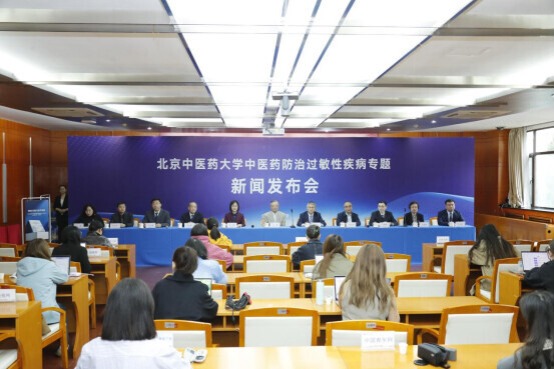
    On Monday, a landmark step forward in the management of allergic diseases emerged from China’s capital, as the Beijing University of Chinese Medicine unveiled the nation’s first fully integrated traditional Chinese medicine system that unites theoretical research, clinical application, translational research development, and professional talent cultivation.

    Unlike fragmented approaches that have historically separated these core components of medical advancement, this new interconnected framework represents a growing institutional push to address a widespread public health burden that impacts hundreds of millions of people across China. The system’s foundational roots lie in the TCM constitution theory developed by Wang Qi, an academician of the Chinese Academy of Engineering.

    Moving beyond the reactive, symptom-focused care that often targets immediate allergic reactions such as sneezing, skin itching, and rashes, the framework adopts a holistic, three-pronged diagnostic approach that evaluates a patient’s overall physical constitution, specific underlying allergic predisposition, and current presenting symptoms. Its core goal is to correct the deeper internal bodily imbalances that trigger allergic reactions at their source, rather than just managing flare-ups after they occur. This patient-centered model delivers customized long-term management plans tailored to each individual’s unique physiological profile.

    At the heart of the new system is a three-tier prevention strategy aligned with core TCM principles. The first tier focuses on stopping allergic symptoms before they start by supporting overall bodily health, the second targets early intervention to stop conditions from worsening, and the third works to reduce the chance of recurrence after patients recover.

    To turn this theoretical framework into accessible clinical care, the university has launched a cross-institutional allergy treatment alliance across all its affiliated hospitals, alongside the rollout of specialized multidisciplinary allergy clinics. Standardized evidence-based herbal formulas and evidence-backed external TCM therapies have also been introduced to ensure consistent, high-quality care across participating sites.

    On the education and global outreach side, Yan Zhanfeng, vice-president of the university’s Dongzhimen Hospital, announced the launch of an international training program focused on integrative allergology. The initiative is designed to cultivate a new generation of medical professionals with expertise in both traditional Chinese medicine and modern immunology.

    Liu Cunzhi, vice-president of the Beijing University of Chinese Medicine, noted that the program deepens cross-sector integration between academic research, frontline clinical care, and the healthcare industry. Beyond meeting domestic public health needs, the initiative aims to share Chinese medical expertise with the global community working to address the rising global burden of allergic diseases.

  • WHO says vaccinations save millions in Africa, but US aid cuts and Iran war threaten progress

    WHO says vaccinations save millions in Africa, but US aid cuts and Iran war threaten progress

    In a landmark first comprehensive assessment of African immunization efforts published Wednesday, the World Health Organization (WHO) has delivered a dual narrative: extraordinary decades-long progress that has saved tens of millions of lives across the continent, paired with urgent warnings that growing funding cuts from the United States and global disruptions risk reversing decades of hard-won gains.

    Over the past 50 years, routine vaccination programs across Africa’s 1.5-billion-person continent have prevented more than 50 million premature deaths, according to the WHO analysis. Since 2000 alone, expanded immunization initiatives have reached more than 500 million children through routine programming, averting over 4 million fatalities annually. For every infant life saved by vaccines, the public health initiative gains an estimated 60 additional years of life expectancy, marking one of the most impactful global development investments of the modern era.

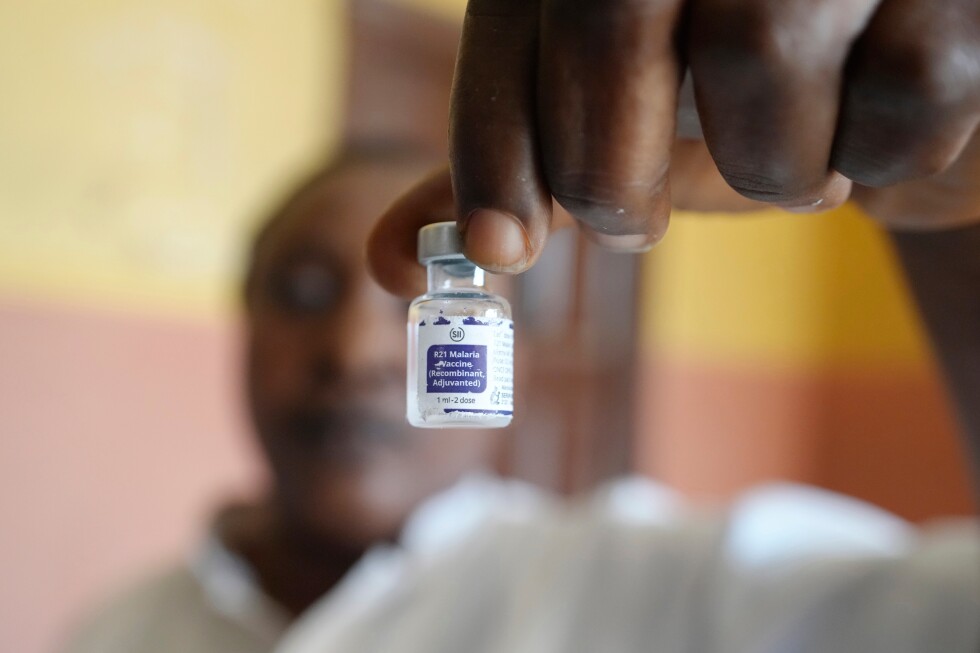
    Even in recent years, the work has delivered transformative public health wins: the WHO recorded that nearly 2 million lives were saved by vaccines in 2024 alone. Standout milestones include the complete eradication of wild poliovirus across Africa in 2020, a historic public health achievement, and the elimination of maternal and neonatal tetanus in most African nations. The rollout of life-saving malaria vaccines, which target a disease that kills more than 400,000 people annually (the vast majority under-five children on the continent), has now expanded to 25 African countries, a breakthrough WHO’s Africa regional director Mohamed Janabi called “a major scientific and public health breakthrough” during an online press briefing.

    But this progress is now at risk, global health leaders warned. Janabi noted that after the COVID-19 pandemic exacerbated gaps in access, growth in immunization coverage has stalled in multiple countries, with a sharp rise in the number of children who have never received a single routine vaccine. Just 10 nations account for 80% of all unvaccinated children across the region, a gap that leaders frame as a profound global equity crisis.

    The biggest drivers of this slowdown, health officials say, are cuts to U.S. global health aid following Donald Trump’s return to the White House in 2025 and his ongoing “America First” policy. The U.S. formally withdrew from WHO in January 2025, a move that stripped the agency of roughly 40% of its total overseas development funding for immunization and public health work. Compounding this funding shock, the ongoing war in the Middle East has strained global aid budgets and disrupted critical global supply chains, pushing up energy prices that are particularly harmful for African health facilities, many of which rely on backup generators to maintain cold storage for vaccines.

    Adelheid Onyango, WHO Africa’s director for health systems and services, explained that while the full impact of the Middle East conflict has yet to be quantified, the disruptions have already created growing uncertainty for health systems across the continent. Aid-funded immunization programs have already been scaled back or shuttered entirely in multiple nations, eroding the core infrastructure that vaccination campaigns depend on – from local clinic access and trained health workers to cold-chain storage and community outreach services.

    Shabir Madhi, a leading vaccinologist and dean of the Faculty of Health Sciences at South Africa’s University of the Witwatersrand, called funding constraints the “biggest threat” to African immunization moving forward, as Western donors beyond the U.S. have also tightened aid budgets for low-income nations. Even Gavi, the Vaccine Alliance – a longstanding key partner to WHO in expanding African immunization – is facing a significant financial crunch, Madhi noted.

    Sania Nishtar, chief executive of Gavi, echoed the call for more targeted action to reach marginalized children, saying “These immunization outcomes reflect very different realities, and we have more work to do to ensure we are consistently able to reach children, even in the most fragile and remote contexts.”

    To offset the loss of international donor funding, WHO officials are urging African national governments to increase domestic financing for health and immunization programs. Madhi added that long-term sustainability will require a clear shift toward greater local ownership, arguing that relying entirely on international aid partnerships can no longer be the default model.

    The original report was covered by The Associated Press, which receives financial support for global health and development coverage in Africa from the Gates Foundation. The AP maintains full editorial independence over all content, per its institutional partnership standards.

  • HKSAR’s expanded e-cigarette ban hailed

    HKSAR’s expanded e-cigarette ban hailed

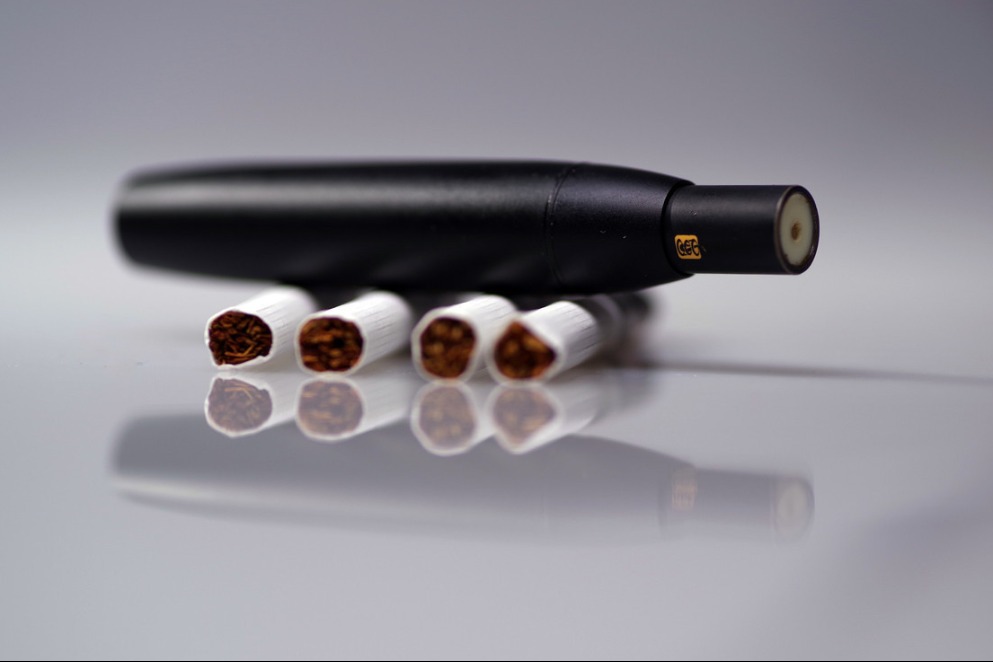
    The Hong Kong Special Administrative Region (HKSAR) is set to roll out an expanded ban on e-cigarettes and other alternative smoking products, with restrictions on public possession and use set to take effect on April 30, building on sweeping trade-focused regulations introduced in 2022.

    Under the new policy, the HKSAR Department of Health confirms that it will become a criminal offense for any individual, whether local resident or visitor, to possess or consume alternative smoking products — a category that includes e-cigarettes, heated tobacco products, and herbal cigarettes — across all public spaces once the rule enters into force.

    Penalties for violations are structured to match the severity of the offense: casual offenders, including tourists who break the rule, face an immediate fixed fine of HK$3,000 (equivalent to roughly $383 USD). For individuals found carrying quantities of prohibited products that exceed legally set thresholds, which suggests potential intent for commercial distribution, consequences rise to a maximum fine of HK$50,000 and up to six months of imprisonment.

    This latest measure strengthens the original 2022 ban, which already criminalized the import, promotion, manufacturing, sale, and commercial possession of these alternative smoking products, closing a regulatory gap that previously allowed personal possession in public spaces.

    The policy expansion has drawn widespread discussion on social media platforms across the Chinese mainland, with the overwhelming majority of users expressing clear support for the new rule. Many mainland users noted the ban would not discourage them from traveling to Hong Kong, and went a step further to call for mainland Chinese cities to adopt similar strict regulations to reduce public exposure to secondhand smoke and harmful vapor.

    Sonia Liu, a Shanghai resident who has traveled to Hong Kong multiple times, said she fully backs the HKSAR government’s tobacco control efforts, noting that stricter rules will improve the experience for non-smoking visitors and ultimately encourage more tourist visits to the city.

    “Hopefully, these measures can be strictly enforced, especially by screening tourists who intend to dodge them and imposing appropriate penalties,” Liu said. She also recommended that authorities ramp up public outreach, including posting clear warning signs at border checkpoints and running more widespread awareness campaigns on advertisements and billboards, to prevent visitors from accidentally violating the regulation out of ignorance.

    Eva, a Shenzhen resident who makes frequent cross-border trips to Hong Kong, also voiced support for the new rules but suggested that first-time offenders who unknowingly break the ban should be given more lenient treatment rather than facing full penalties immediately.

    Local opinions in Hong Kong are largely supportive, though some residents have raised questions about the scope of penalties. A Hong Kong resident surnamed Liu acknowledged that stricter legislation will help create a cleaner, healthier public environment, but questioned whether penalizing individuals simply for carrying unused e-cigarettes is excessively harsh. Another local resident, Jack So, agreed that the ban will cut down non-smokers’ exposure to secondhand vapor and deliver widespread public health benefits, but expressed hope that the regulation will eventually be expanded to cover all tobacco products to create a fully smoke-free city.

    Legislator Rebecca Chan Hoiyan framed the expanded ban as a key step to cement Hong Kong’s goal of becoming a smoke-free city, arguing that the initiative will actually boost the city’s appeal to international and domestic tourists by prioritizing public health. Addressing widespread concerns that the new restrictions could harm Hong Kong’s tourism sector, Chan pointed out that the city’s core attractions — its unique blend of Eastern and Western cultures, rich intangible cultural heritage, and diverse leisure offerings — far outweigh any concerns related to tobacco rules.

    David Lam Tzit-yuen, the Legislative Council representative for the medical sector, noted that a full, comprehensive ban on alternative smoking products sends an unambiguous public health message that these harmful products are not tolerated in Hong Kong. He described the April 30 expansion as a landmark milestone in the city’s decades-long push to raise a smoke-free new generation free from the health risks of tobacco and alternative smoking products.

    Hong Kong has built a multi-pronged, progressive tobacco control strategy dating back to the 1980s. Already, smoking is prohibited in a wide range of public spaces, including all public transport, indoor public venues, and outdoor public areas such as schools, public parks, and cinemas, with existing violations carrying the same fixed HK$3,000 penalty. In addition to strict spatial restrictions, the government also imposes high excise taxes on conventional tobacco products: a standard pack of major-brand cigarettes retails for approximately HK$105, with taxes making up roughly 63 percent of the final retail price to discourage consumption.