分类: health

  • Heart drug interest surges after college entrance tutor’s death

    Heart drug interest surges after college entrance tutor’s death

    The sudden cardiac death of prominent Chinese postgraduate entrance examination tutor Zhang Xuefeng has triggered an unprecedented wave of public concern about heart health across the nation. The 41-year-old educator collapsed while running in Suzhou, Jiangsu province, on Tuesday, sparking immediate and dramatic increases in online searches for cardiovascular medications and equipment.

    According to data from JD Health, one of China’s leading online healthcare platforms, search volumes for heart-related medications skyrocketed thirtyfold year-on-year following the tragedy. Defibrillators (AEDs) and cardiac monitoring devices witnessed a tenfold surge in public interest, while searches for heart health supplements like coenzyme Q10 increased more than eight times normal levels.

    Medical experts have seized this teachable moment to clarify misconceptions about heart health. Dr. Wang Jian of JD Health Internet Hospital explained that while vigorous exercise can serve as a trigger for cardiac events, it is rarely the root cause. “The risk is greatest for people with underlying heart conditions,” Wang noted. “Intense running may present immediate danger for those with undiagnosed issues, whereas for individuals with healthy hearts, proper running actually serves as a protective factor.”

    The physiological mechanisms behind exercise-induced cardiac events involve sympathetic nervous system activation during strenuous activity, which increases heart rate and oxygen demand. This stress can easily induce irregular heartbeats and sudden death in individuals with hidden heart conditions.

    Medical professionals emphasize that preventive measures including pre-exercise screening represent the most effective approach to risk reduction. Those recovering from recent infections or myocarditis should rest for three to six months before resuming intense physical activity. Long-term runners are advised to undergo regular electrocardiograms and echocardiograms to monitor heart rhythm and blood flow.

    Warning signs requiring immediate cessation of exercise include chest pain, unexplained shortness of breath, dizziness, or pale skin accompanied by cold sweats. Experts recommend maintaining a target heart rate during exercise of approximately 170 minus one’s age and avoiding running when sleep-deprived, intoxicated, or recovering from serious illness.

    Cardiologist Dr. Chen Mulei from Beijing Chaoyang Hospital addressed widespread misconceptions about emergency heart medications, noting that fast-acting heart pills and nitroglycerin have limited effectiveness during actual heart attacks. “Once a blood vessel becomes completely blocked, these medications may no longer be effective,” Chen explained. “For patients experiencing arrhythmias, such drugs provide little therapeutic effect and cannot reliably prevent sudden cardiac death.”

    In emergency situations where someone collapses and becomes unresponsive, bystanders should immediately initiate CPR and utilize available defibrillators. Survival chances decrease by 7-10 percent with each minute of delay without intervention, making rapid response critical.


  • Experts call for broader AI integration in healthcare at national conference

    Experts call for broader AI integration in healthcare at national conference

    BEIJING – At the inaugural China Intelligent Medicine Conference held Saturday, leading medical researchers and policymakers issued a compelling call for expanded integration of artificial intelligence technologies throughout the nation’s healthcare ecosystem. The high-profile gathering highlighted both the remarkable progress and remaining challenges in China’s push to transform medical services through digital innovation.

    Medical authorities presented compelling evidence of AI’s growing impact on healthcare delivery. According to data from Beijing’s prestigious Fuwai Hospital, AI-assisted systems have achieved over 95% accuracy in medical record documentation, while sophisticated evaluation models now provide objective performance metrics for surgical teams. These technologies are driving significant improvements in standardizing medical practices, optimizing patient experiences, and enhancing disease management capabilities at primary care facilities.

    Professor Ji Xunming, President of the Chinese Academy of Medical Sciences and Peking Union Medical College, emphasized that artificial intelligence is fundamentally reshaping medical understanding and practice. “We are witnessing a paradigm shift from reactive treatment to proactive health management,” Ji noted, underscoring the transformative potential of smart technologies in preventive care.

    The conference particularly highlighted AI’s role in strengthening grassroots medical services. Pilot programs in hypertension management have demonstrated substantially improved treatment and control rates when primary care physicians receive AI-supported decision assistance. This advancement addresses critical needs in community healthcare delivery.

    However, significant challenges remain. Professor Wang Zhenchang, an academician at Beijing Friendship Hospital, identified limitations in current AI applications, noting that most products focus on single diseases rather than addressing complex, multifaceted clinical scenarios. Wang advocated for more comprehensive imaging systems seamlessly integrated into clinical workflows and called for accelerated regulatory pathways to keep pace with technological innovation.

    A comprehensive research report released during the event outlined persistent bottlenecks in computing infrastructure, data quality, and ethical considerations. The document proposed a systematic framework emphasizing domestic innovation capabilities and strengthened oversight mechanisms.

    Progress is also evident in educational development, with the first national textbooks for intelligent medical engineering scheduled for publication. This advancement supports China’s 15th Five-Year Plan (2026-30), which mandates the structured application of digital technologies in assisted diagnosis, precision medicine, health management, and elderly care services.

    Liu Dengfeng, a senior National Health Commission official, confirmed the government’s commitment to accelerating digital technology adoption across both major hospitals and grassroots facilities. The NHC will prioritize policy and regulatory improvements in ethical governance to foster a conducive environment for intelligent medicine development.

  • China issues standards for TCM services at primary level

    China issues standards for TCM services at primary level

    Chinese health authorities have unveiled comprehensive new guidelines mandating the standardization and expansion of Traditional Chinese Medicine (TCM) services at grassroots healthcare institutions nationwide. The National Administration of Traditional Chinese Medicine, in collaboration with the National Health Commission and National Disease Control and Prevention Administration, jointly issued the framework on Tuesday to enhance primary healthcare delivery through systematic TCM integration.

    The groundbreaking standards require township health centers and community clinics to provide minimum service packages including at least six categories encompassing ten distinct TCM treatment modalities. These specifically include acupuncture, moxibustion therapy, cupping, and therapeutic massage among other techniques. Facilities must maintain pharmaceutical inventories of no fewer than 80 varieties of Chinese patent medicines and a minimum of 300 types of decoction pieces to ensure comprehensive treatment capabilities.

    The guidelines emphasize the strategic application of TCM methodologies in chronic disease management, particularly for conditions including hypertension, diabetes mellitus, and chronic obstructive pulmonary disease. The framework advocates for integrated service models combining preventive care, therapeutic intervention, and rehabilitation services through TCM approaches.

    Notably, the standards establish workforce requirements stipulating that TCM practitioners must constitute at least 20% of medical staff at primary healthcare institutions. This structural reinforcement aims to bolster the high-quality development of TCM services at community level, representing a significant advancement in China’s healthcare system modernization while preserving traditional medical practices.

  • Canadian man praises China’s medical efficiency after knee surgery in Yichang

    Canadian man praises China’s medical efficiency after knee surgery in Yichang

    A Canadian national has become an unexpected advocate for China’s healthcare system following an exceptionally efficient surgical experience in Yichang, Hubei province. Guy Francis Bennett, a 66-year-old journalist and filmmaker, suffered a torn meniscus in his right knee during a soccer match two months ago. When medical authorities in Vancouver informed him he would face a minimum one-year waiting period for routine minimally invasive surgery, Bennett grew concerned about the potential deterioration of his condition and disruption to his professional life.

  • Health insurance customers urged to pre-pay now to avoid major price hike

    Health insurance customers urged to pre-pay now to avoid major price hike

    Australian consumers are facing a critical deadline to secure their current health insurance rates before the most substantial premium increase in nearly a decade takes effect. Financial comparison platform Canstar has issued urgent warnings that policyholders must act promptly to mitigate the coming cost-of-living impact.

    Health Minister Mark Butler has approved an average 4.41% premium rise effective April 1st, marking the fastest rate increase since 2017. However, many insurers will begin charging customers as early as March 25th, creating a narrow window for financial planning. According to Canstar’s data insights director Sally Tindall, ‘The clock is ticking if Australians want to change these plans ahead of the deadline. If you wait until March 31st to decide, the decision might well be made for you.’

    Most insurance providers permit advance payments at current rates for up to 12 months, with some funds like HCF and HBF allowing prepayments for 18 months. Three major insurers require BPAY payments by March 26th, while smaller insurers have even earlier deadlines of March 25th.

    The premium increases vary significantly across coverage tiers. While the government cites a 4.41% average increase, gold-level policies with major insurers face staggering 13.3% hikes. Consumer advocacy group Choice reveals that over the past five years, government-approved cumulative increases reached 14.8% overall, with gold coverage experiencing a devastating 71.1% increase.

    Choice health insurance expert Mark Blades attributes portion of these dramatic increases to ‘phoenixing’ practices, where insurers close older policies to new members and open identical policies under the same name at higher prices. Although the government introduced legislation last month to outlaw this loophole, premium affordability continues to deteriorate for comprehensive coverage.

    Financial experts recommend that consumers use this period to compare policies and consider prepayment options, while noting that advance payments don’t lock customers into their current insurer indefinitely. Unused portions of prepaid premiums are typically refunded if policyholders switch providers later.

  • Kazakh man facing life-threatening complications saved by Chongqing doctors

    Kazakh man facing life-threatening complications saved by Chongqing doctors

    A complex medical rescue operation spanning international borders has concluded successfully at the First Affiliated Hospital of Chongqing Medical University, where a 60-year-old Kazakh national received life-saving treatment following a failed intestinal cancer operation in his home country.

    The patient, identified under the pseudonym Mirza, arrived at the Chinese medical facility in critical condition after his initial surgery resulted in severe complications including respiratory arrest and incomplete removal of diseased intestinal tissue. The case was further complicated by the patient’s pre-existing health conditions including obesity, abdominal adhesions, hypertension, and cardiac issues.

    Under the leadership of Dr. Qian Kun, Deputy Director of Gastrointestinal Surgery, a multidisciplinary medical team devised a comprehensive treatment strategy utilizing cutting-edge 3D high-definition laparoscopic technology. The advanced surgical approach, combined with enhanced recovery protocols, allowed the medical team to successfully complete the complex intestinal procedure that had previously failed.

    “The integration of sophisticated technology with personalized patient care enabled us to navigate this medically challenging case,” stated Dr. Qian. “Our objective extends beyond technical excellence to encompass complete patient support throughout the treatment journey.”

    The patient’s family expressed profound gratitude for the comprehensive care received, noting that the medical team alleviated their anxieties throughout the treatment process. Mirza’s remarkable recovery enabled his discharge and return to Almaty, Kazakhstan, merely five days post-operation, with the hospital arranging continuous follow-up care to ensure sustained recovery.

    This successful international medical collaboration highlights China’s growing prominence in providing world-class healthcare services and advanced medical technology to international patients, particularly in complex surgical cases that require highly specialized expertise.

  • Spring pollen spurs surge in treatments

    Spring pollen spurs surge in treatments

    China’s healthcare system is experiencing a significant surge in demand for allergy treatments as the nation enters the peak spring pollen season. Medical facilities nationwide are reporting unprecedented numbers of patients seeking relief from seasonal allergic rhinitis, with particular emphasis on advanced treatments for moderate-to-severe cases.

    A breakthrough in allergy management has emerged through Stapokibart, a novel biological agent therapy that has transformed treatment paradigms since its approval in 2025. This innovative medication, specifically developed for seasonal allergic rhinitis, has already provided relief to over 20,000 patients across China. The therapy’s recent inclusion in the national medical insurance program in early 2026 has dramatically reduced financial barriers, making cutting-edge treatment accessible to a broader population.

    Medical authorities highlight Stapokibart’s exceptional clinical profile. According to Dr. Wang Chengshuo, Vice-President of Beijing Tongren Hospital, the biologic demonstrates superior efficacy compared to traditional combination therapies using intranasal glucocorticoids and oral antihistamines, while maintaining an excellent safety record. The treatment requires only three subcutaneous injections per pollen season, with out-of-pocket costs reduced from 1,039 yuan to approximately 200 yuan per dose for insured patients.

    Healthcare institutions are implementing strategic adjustments to manage the seasonal influx. Beijing Tongren Hospital has expanded its weekly appointment capacity by 600-800 slots, introduced fast-track services, and established specialized evening rhinology clinics to accommodate working patients.

    Market analytics from Dingdang Health confirm the escalating demand, showing a 60.4% week-over-week increase in allergy medication sales nationwide, with Beijing leading at 89.5% growth. Online medical consultations regarding allergy symptoms have similarly surged.

    The epidemiological landscape reveals a concerning trend: adult prevalence of allergic rhinitis has risen from 11.1% in 2005 to 18% in 2025, affecting approximately 250 million Chinese citizens. Medical experts note that severe cases significantly impair daily functioning, including work performance, academic achievement, and sleep quality.

    Dr. Jin Xingji, Deputy Chief Physician in Dermatology, emphasizes the psychological dimension of allergy management, noting that fatigue and stress during pollen season can exacerbate allergic reactions. Maintaining emotional stability and overall health remains crucial for immune system balance.

    While Stapokibart represents a major advancement, medical professionals recommend it primarily for patients whose symptoms severely impact daily life and show inadequate response to standard treatments after one to two weeks of therapy.

  • The cutthroat battle for the US weight-loss drug market

    The cutthroat battle for the US weight-loss drug market

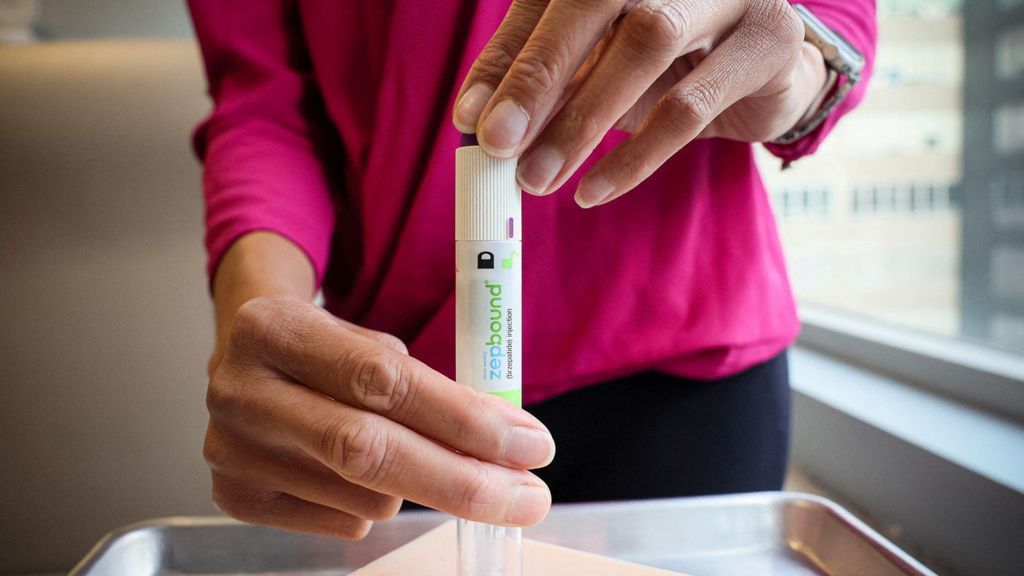
    The American pharmaceutical market is witnessing an unprecedented price competition in the weight-loss medication sector, creating both opportunities and challenges for patients seeking treatment. The landscape has evolved dramatically since Eli Lilly’s Zepbound entered the market at over $1,000 per monthly dose in 2023, with current prices now starting at $299 for self-paying customers.

    This transformative shift stems from manufacturers adopting direct-to-consumer strategies amid widespread insurance coverage gaps. Major pharmaceutical companies have bypassed traditional distribution channels by establishing online sales platforms and partnering with retail giants like Walmart and Costco. The competitive pressure has intensified as manufacturers contend not only with each other but also with a legally operating off-label industry that emerged during medication shortages.

    Ruth Gonzalez’s experience exemplifies this changing dynamic. The 56-year-old self-employed professional initially restructured her entire budget—switching phone plans, eliminating streaming services, and cutting discretionary spending—to afford Zepbound’s $350 monthly cost. Her sacrifices yielded significant health benefits: normalized blood pressure within six weeks and a 40-pound weight reduction that addressed her sleep apnea and fatty liver disease concerns. The subsequent price reductions enabled her to advance to more effective dosage levels while anticipating future pill-based alternatives.

    However, the market transformation presents a dual reality. While prices have dropped substantially—Novo Nordisk’s Wegovy now costs $149 monthly for self-pay patients compared to its original $1,600 price point—these medications remain financially inaccessible for many Americans. Shekinah Samayah-Thomas, a 62-year-old California resident, exemplifies the ongoing coverage crisis. Despite undergoing bariatric surgery and struggling with weight recurrence, she lost Medicaid coverage for Wegovy in January and cannot afford continued treatment even with manufacturer coupons.

    The political dimension adds complexity to this healthcare evolution. The Trump administration’s TrumpRx website promotes direct manufacturer relationships for select medications, while Medicare’s planned trial coverage of weight-loss drugs beginning July 2024 could pressure private insurers to follow suit. Health advocates maintain cautious optimism, recognizing that market competition provides temporary solutions but comprehensive insurance coverage remains the ultimate objective for ensuring equitable access to obesity treatments.

    Experts emphasize that while transparent pricing models challenge the traditional pharmacy benefit manager system, most patients will still benefit more from insurance coverage than direct purchases. The coming years may bring further price reductions as patents expire and new formulations enter the market, but fundamental systemic reforms remain necessary to address America’s pharmaceutical affordability crisis comprehensively.

  • Experts urge prioritizing sleep amid rising stress, screen time

    Experts urge prioritizing sleep amid rising stress, screen time

    Medical authorities in China are sounding alarms over a growing sleep deprivation epidemic affecting approximately 300 million citizens, with nearly half requiring professional medical intervention. The alarming statistics emerged as the nation observed World Sleep Day on March 21st, highlighting what healthcare professionals describe as a critical public health challenge.

    According to a comprehensive March report released by the China Sleep Research Society, modern lifestyle factors including excessive work hours, occupational stress, and digital overstimulation are creating a perfect storm against quality rest. Cultural analyst Xi Rui identified career anxiety combined with excessive consumption of stimulants like coffee and milk tea, alongside smartphone dependency, as primary culprits significantly eroding sleep duration nationwide.

    Neurology experts emphasize the physiological necessity of proper sleep. Dr. Sun Fenghui, Director of Neurology at Beijing Youan Hospital, Capital Medical University, explained that quality sleep serves essential functions in bodily restoration, hormonal regulation, immune system enhancement, and cerebral waste clearance. “Sleep maintains an irreplaceable position in human health infrastructure,” Dr. Sun stated.

    The consequences prove particularly severe for chronic disease populations. Dr. Zhang Tong, Director of Infectious Diseases at the same institution, warned that sleep disorders dramatically elevate cardiovascular risks and impair cognitive capabilities, potentially manifesting as irritability, diminished mental processing speed, and even accelerated dementia progression.

    HIV-positive individuals face compounded challenges, as Dr. Zhang noted: “Sleep disturbances occur more frequently among this demographic. Certain antiretroviral treatments induce substantial central nervous system side effects that disrupt sleep architecture.” This creates a dangerous cycle where sleep deprivation reduces medication adherence, potentially leading to treatment failure.

    Medical recommendations advocate for consistent sleep schedules and reduced pre-bedtime screen exposure to improve sleep quality. Chronic illness patients experiencing persistent sleep issues are advised to consult healthcare providers about potential treatment adjustments alongside implementing behavioral modifications.

  • China’s flying eye hospital takes first voyage to Hainan

    China’s flying eye hospital takes first voyage to Hainan

    China’s pioneering airborne ophthalmology facility has commenced its maiden humanitarian operation in Hainan Province, marking a significant advancement in accessible eye care services. The converted C909 aircraft, functioning as a fully-equipped flying hospital, conducted its inaugural public welfare mission on March 20 during a ceremony in Boao town, Qionghai.

    The launch event simultaneously celebrated three major initiatives: the inauguration of the Hainan Free Trade Port vision care outreach program led by Zhongshan Ophthalmic Center of Sun Yat-sen University, the introduction of Hainan’s international ophthalmic medical services, and the Hainan segment of the nationwide “Vision Care for Hundreds of Cities, Reaching Millions of Families” campaign.

    This innovative aerial medical platform represents a breakthrough in delivering specialized ophthalmological services to remote regions. The flying hospital is engineered to provide comprehensive eye examinations, diagnostic procedures, and surgical interventions while functioning as a mobile training center for local medical professionals.

    The initiative establishes a sophisticated international cooperation platform for ophthalmic care, facilitating knowledge exchange between Chinese specialists and global experts. Health authorities indicate that the service will soon extend its reach across Southeast Asia, offering advanced eye care solutions to international patients through this unique airborne medical facility.