分类: health

  • American who contracted Ebola in DR Congo evacuated for treatment, CDC says

    American who contracted Ebola in DR Congo evacuated for treatment, CDC says

    In a development that has drawn global public health attention, U.S. health officials confirmed Monday that an American national working with a medical missionary organization in the Democratic Republic of Congo (DRC) has tested positive for the Ebola virus. The infected individual, identified by mission leadership as Dr. Peter Stafford, a physician with the Christian medical outreach group Serge, contracted the virus while caring for patients at Nyankunde Hospital in Bunia, located in eastern DRC’s Ituri Province – the current epicenter of the ongoing outbreak.

    After displaying the first characteristic Ebola symptoms over the weekend, the infected American will be transferred to Germany for specialized medical care, according to Dr. Satish Pillai, incident manager for the U.S. Centers for Disease Control and Prevention (CDC) Ebola response team. Beyond the confirmed case, the CDC is coordinating the evacuation of at least six other American citizens who were also exposed to the virus during their time in the affected region. Two additional exposed Serge group members, including Stafford’s wife, remain asymptomatic and are adhering strictly to monitored quarantine protocols, the organization confirmed in an official statement.

    The scale of the ongoing outbreak has already reached alarming levels: John Nkengasong, head of the Africa Centres for Disease Control and Prevention (Africa CDC), revealed in comments to the BBC that the outbreak has claimed at least 100 lives so far, with more than 390 suspected cases recorded across the affected region.

    In response to the confirmed case and ongoing outbreak risks, the CDC issued a new public health order Monday barring entry to the United States for all non-citizen travelers who have visited any Ebola-affected country – including the DRC, neighboring Uganda, and South Sudan – within the previous 21 days. The order is enacted under Title 42, a decades-old public health statute that allows U.S. authorities to impose temporary entry bans on non-citizens to prevent the spread of dangerous communicable diseases.

    Despite the new entry restrictions, CDC officials stressed that the overall risk of widespread Ebola transmission to the general U.S. public remains extremely low. To support frontline response efforts in the DRC, the agency is deploying additional specialized response staff from its Atlanta headquarters to the outbreak’s core zone to assist with containment, contact tracing, and treatment operations.

    The World Health Organization (WHO) already designated the DRC outbreak a Public Health Emergency of International Concern (PHEIC), the organization’s highest level of public health alert, though it has not met the formal criteria to be classified as a pandemic. The current outbreak is driven by the Bundibugyo Ebola strain, a variant for which no specifically approved antiviral treatments or licensed vaccines currently exist, complicating global response efforts. WHO officials have repeatedly warned that the actual size of the outbreak is likely far larger than officially reported cases indicate, with substantial risk of further spread to local communities and across regional borders.

    To contextualize the current risk, the 2014–2016 West African Ebola outbreak remains the largest on record since the virus was first identified in 1976. That outbreak infected more than 28,600 people across multiple West African nations and spread to Europe and the United States, killing a total of 11,325 people globally.

    Ebola is a zoonotic virus, meaning it circulates naturally in wild animal populations – most commonly fruit bats – with human outbreaks typically initiated when humans handle or consume infected bushmeat. After exposure, symptoms develop between 2 and 21 days, beginning abruptly with flu-like symptoms including fever, headache, and fatigue before progressing to more severe, life-threatening complications.

  • The Ebola outbreak started weeks ago, officials believe. Here’s a timeline of what we know

    The Ebola outbreak started weeks ago, officials believe. Here’s a timeline of what we know

    In an ongoing public health crisis centered in the northeastern Democratic Republic of the Congo, a rare strain of Ebola has sparked an outbreak that the World Health Organization has now designated a Public Health Emergency of International Concern (PHEIC), with fatalities topping 100 and cases already spreading into neighboring Uganda. What follows is a comprehensive chronological breakdown of how the under-recognized crisis unfolded, marked by early challenges in identifying the unusual pathogen behind the spread of disease.

    Between April 24 and 27, the first suspected case of the mysterious illness – a local health worker – fell ill and died in Bunia, the capital of Congo’s Ituri Province. According to Congo’s health minister, the worker’s body was subsequently transported to the nearby mining hub of Mongbwalu. While Congolese officials cite April 24 as the date of death, the Africa Centers for Disease Control and Prevention (Africa CDC) records the death occurring on April 27, following the onset of severe hemorrhagic symptoms characteristic of filovirus infections like Ebola.

    On April 28, the Africa CDC confirmed that a close contact of the initial suspected victim had also died after developing matching disease symptoms. Just two days later, on April 30, on-site testing of patient samples in Bunia returned negative results for Zaire ebolavirus – the strain responsible for nearly all previous large Ebola outbreaks in Congo. The WHO notes that three Ebola species are known to trigger major outbreaks: Zaire, Sudan, and the far less common Bundibugyo virus. It would take a full two additional weeks for public health authorities to confirm that the rarer Bundibugyo strain was the actual cause of the outbreak.

    By May 5, the WHO was formally notified of a “high-mortality” outbreak of unknown origin in Mongbwalu, with multiple health workers already counted among the deceased. Local preliminary reports placed the death toll at roughly 50 by this point. Congolese health officials later noted that the movement of the first victim’s contagious remains to Mongbwalu likely sparked the local transmission chain there, as bodies of Ebola victims carry extremely high infection risk.

    On May 11, a 59-year-old Congolese man with Ebola-typical symptoms of fever and body aches checked into a hospital in Kampala, Uganda’s capital, located roughly 434 miles from Ituri Province. Ugandan health authorities confirmed he had crossed the border from Congo to seek care. A WHO rapid response team deployed to investigate the expanding outbreak in Mongbwalu and the nearby Rwampara health zone on May 13, as transmission continued to accelerate. The following day, 13 blood samples from suspected Ebola cases in Rwampara were sent for official analysis at a national laboratory in Kinshasa, Congo’s capital. That same day, the cross-border patient from Congo died in the Kampala hospital, and his remains were returned to Congo for burial.

    May 15 marked a turning point in the crisis: laboratory analysis from Kinshasa confirmed the presence of Bundibugyo virus in eight of the 13 Rwampara samples. Posthumous testing of the Ugandan patient’s sample also returned positive for the rare strain, for which no licensed vaccine or specific antiviral treatment currently exists. The Congolese Ministry of Health officially declared an Ebola outbreak, with the Africa CDC reporting 246 suspected cases and 65 fatalities. Within days, those numbers jumped to more than 300 suspected cases and over 100 confirmed deaths. Ugandan officials confirmed their country’s cases were limited to two people, both of whom had entered Uganda from Congo. This outbreak marks the 17th major Ebola event in Congo since the virus was first discovered in the country in 1976.

    On May 17, the WHO formally designated the cross-border outbreak in Congo and Uganda a PHEIC, the United Nations health agency’s highest level of public health alert. The WHO emphasized that the outbreak does not meet the criteria for a pandemic classification like that applied to COVID-19, and explicitly advised against countries closing their borders to Congo or Uganda. Even so, the agency urged all nations sharing a land border with the two affected countries to immediately strengthen routine disease surveillance and ensure frontline health workers receive specialized training to identify, triage and manage Ebola cases.

    The following day, Congolese health officials confirmed that an American doctor working in Bunia had tested positive for the virus. Dr. Jean-Jacques Muyembe, medical director of Congo’s National Institute of Bio-Medical Research, confirmed the case was counted among the infections in Bunia, where the doctor had been treating patients at a local hospital, according to his employing organization.

    This reporting was a collaborative effort by Associated Press writers based across the African continent: Monika Pronczuk in Dakar, Senegal, Evelyne Musambi in Nairobi, Kenya, and Rodney Muhumuza in Kampala, Uganda.

  • What is Ebola and why is stopping this outbreak so difficult?

    What is Ebola and why is stopping this outbreak so difficult?

    The World Health Organization (WHO) has formally designated an ongoing Ebola outbreak in the eastern region of the Democratic Republic of Congo (DRC) as a Public Health Emergency of International Concern (PHEIC), marking a major escalation of global response to a dangerous and uniquely challenging public health crisis.

    Unlike more common Ebola variants that global health systems have experience addressing, this outbreak is driven by the Bundibugyo strain – an extremely rare subtype that has not triggered a major outbreak in more than 10 years. Only two previous Bundibugyo outbreaks have ever been recorded, with the virus claiming the lives of roughly one-third of all confirmed cases in those events. This rarity has created multiple layers of barriers to containment and treatment: standard initial Ebola diagnostic tests are calibrated to detect more common strains, leading to initial false negatives that delayed detection, and no officially approved vaccine or targeted antiviral treatment exists for this specific variant. While experimental vaccines are currently in development, researchers note that existing vaccines for the Zaire Ebola strain may offer partial cross-protection, though this has not been formally confirmed for widespread use.

    Compounding these biological challenges is the outbreak’s location in an unstable conflict zone. Over a quarter of a million people have been displaced from their homes in the affected Ituri province, and porous, poorly monitored borders with neighboring countries have created constant risk of cross-border spread. The outbreak was not detected early after its initial emergence: the first documented case was a nurse who first developed symptoms on April 24, meaning the virus circulated undetected for multiple weeks before authorities were alerted. That nurse later died in Bunia, Ituri’s capital, and her body was transported back to Mongwalu – one of two gold-mining towns that have recorded the majority of confirmed cases. Congolese Health Minister Samuel Roger Kamba explained that widespread community transmission accelerated after the nurse’s funeral, where dozens of people were exposed to the infected body during traditional mourning practices. This mirrors patterns seen in past Ebola outbreaks across Africa, where funeral customs have repeatedly fueled spread.

    Delayed reporting also stemmed from widespread misinformation in affected communities: many residents initially attributed the mysterious illness to witchcraft or a supernatural curse, leading sick people to seek care from traditional healers and prayer centers instead of formal medical facilities. This allowed transmission to continue uninterrupted for weeks. As of current reports, cases have been confirmed across three Ituri locations (Mongwalu, Rwampara, and Bunia) as well as Goma – the largest city in eastern DRC, home to 850,000 people and currently under the control of AFC-M23 rebel forces. The Goma case involves a woman who traveled to the city after her husband died of Ebola in Bunia. Alarmingly, two Congolese travelers who entered Uganda from the DRC have already died of Ebola in Kampala, Uganda’s capital, marking the first cross-border fatalities linked to the outbreak.

    Contrary to widespread public speculation, WHO officials stress that this PHEIC declaration does not signal an impending COVID-19-style global pandemic. The overall risk of Ebola spread outside of East Africa remains categorized as minimal, with the greatest danger concentrated in the Great Lakes region of central Africa. Still, global health bodies are sounding the alarm about significant regional spread risks. The Africa Centres for Disease Control and Prevention (Africa CDC) has highlighted high risk of transmission to neighboring Uganda, Rwanda, and South Sudan, and is coordinating with officials from all four countries to strengthen cross-border surveillance and response capacity.

    Neighboring nations have already implemented urgent precautionary measures. Rwanda, which shares a border with Goma, has ramped up entry screening for all travelers coming from the DRC, and has restricted entry for non-resident Congolese nationals coming from affected areas. In Uganda, President Yoweri Museveni has postponed the annual Martyrs’ Day pilgrimage – a major Christian event that draws thousands of Congolese visitors each year – to prevent large-scale gathering that could fuel transmission.

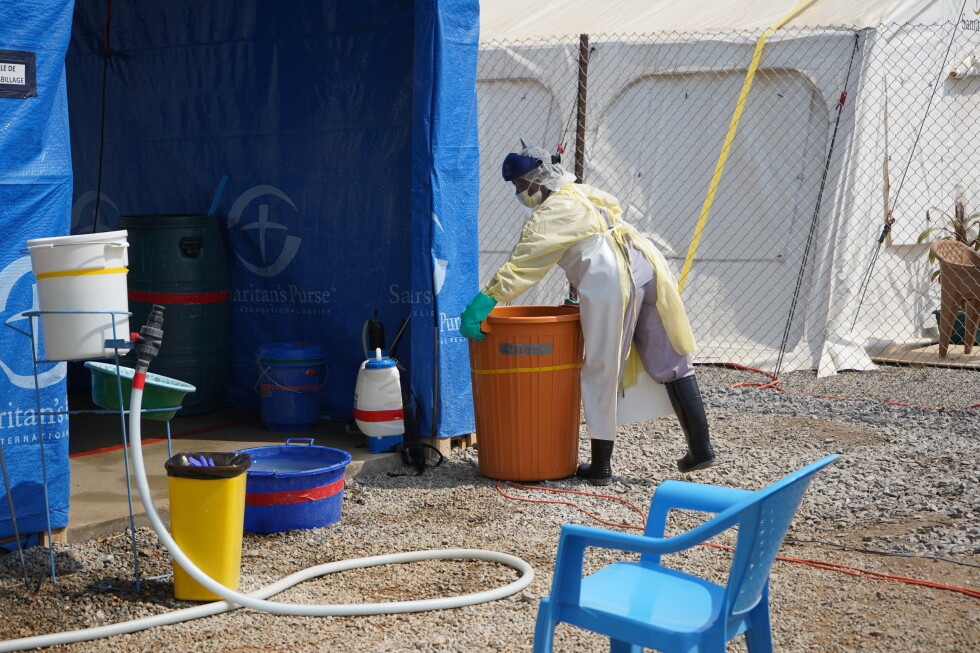
    On the ground in the DRC, multiple response efforts are underway, but political fragmentation threatens to slow progress. The Congolese national government has deployed specialized health teams equipped with personal protective equipment to Bunia, and has launched a public awareness campaign alongside a toll-free hotline (151) for residents to report suspected symptoms. Public health officials have issued core guidance for residents: seek immediate medical care at the first sign of symptoms, avoid contact with bodies of people who died with suspected Ebola or dead wild animals, avoid eating raw or undercooked meat, and maintain physical distancing in public spaces. The WHO and medical humanitarian organization Médecins Sans Frontières (MSF) have also deployed personnel and resources to set up dedicated Ebola treatment centers and coordinate the overall response. In Goma, AFC-M23 rebel officials say they have activated their own response mechanisms in partnership with local health facilities to contain spread, but political tensions mean the Congolese national government is unlikely to collaborate with the rebel administration, creating a critical coordination gap that could hinder containment efforts.

    Africa CDC Director Dr. Jean Kaseya says current public outreach efforts are focused on addressing the key risk factors that have driven spread so far, including educating communities on safe funeral practices, universal basic hygiene, and proper sanitation, as well as ensuring frontline health workers have access to adequate protective equipment to avoid infection while caring for patients.

  • Ebola and hantavirus have Africa talking ‘health sovereignty’ as donor support fades

    Ebola and hantavirus have Africa talking ‘health sovereignty’ as donor support fades

    A new, lethal Ebola outbreak spanning the Democratic Republic of Congo and Uganda has laid bare the growing vulnerability of African health systems, as plummeting international donor assistance forces the continent to confront a long-deferred reckoning: ending decades of dependency on foreign aid for public health emergency response.

    According to the Africa Centers for Disease Control and Prevention (Africa CDC), the continent is grappling with an unprecedented health financing crisis. Official development assistance for health has been cut in half over just four years, plummeting from roughly $26 billion in 2021 to a projected $13 billion in 2025. Wealthy nations have redirected global health resources to prioritize geopolitical conflicts and domestic economic pressures, with sweeping cuts implemented during the Trump administration worsening the funding shortfall. The shrinking budget crisis arrives as Africa’s population has surpassed 1.5 billion and disease outbreaks are surging: the Africa CDC recorded a jump from 153 public health emergencies across the continent in 2022 to 242 in 2024, ranging from mpox and cholera to this latest Ebola strain, which has no approved vaccines or targeted treatments.

    For decades, African governments signed pledges promising to increase domestic investment in public health, but few have followed through on those commitments. In the 2001 Abuja Declaration, 54 African nations committed to allocate a minimum of 15% of their national budgets to the health sector. Today, only three countries — Rwanda, Botswana, and Cape Verde — are on track to meet that target. Dr. Jean Kaseya, director-general of the Africa CDC, framed the funding gap as a threat as dangerous as any emerging pathogen, noting that “every time we have an outbreak, many countries start to ask for partners because they don’t have in their budgets funding to respond, even to prepare for these outbreaks.”

    Dr. Alex Ajangba, a health financing expert and co-editor of the *African Journal of Health Economics, Systems and Policy*, explained that prior commitments to self-reliance remained theoretical as long as donor funding was available. “But now that cushion is gone,” he said, adding that the current drop in foreign assistance is not a temporary dip, but a permanent shift.

    Against this backdrop, the concept of “health sovereignty” has moved to the center of continental policy, with African governments accelerating efforts to build self-sufficient health systems that rely far less on external aid. Recent initiatives, including Ghana’s September 2024 Accra Reset and the continent-wide African Health Security and Sovereignty Agenda adopted by leaders in February 2025, aim to strengthen long-term public health resilience. Proposed domestic solutions include new targeted taxes on tobacco, alcohol, and sugary beverages to generate health revenue, pooled bulk procurement of medicines to cut costs, expanding local pharmaceutical and vaccine manufacturing, and eliminating systemic inefficiencies that drain limited budgets.

    Currently, Africa imports more than 90% of its critical health commodities, including vaccines and prescription drugs. The Africa CDC has set an ambitious target to produce 60% of the continent’s vaccines domestically by 2040. Still, experts warn that health sovereignty risks becoming little more than a empty policy slogan without meaningful structural and financial reform.

    A key barrier to expanding domestic health investment is the paradox of Africa’s natural resource wealth: the continent holds roughly 30% of the world’s total mineral reserves, including critical minerals essential for global technology and renewable energy development, but most of the economic value of these resources never reaches national governments or public budgets. Opaque and weak contracting, massive illicit financial flows, crippling national debt burdens, and the export of raw minerals with limited local value processing drain hundreds of billions of dollars from African economies annually. The United Nations Economic Commission for Africa estimates the continent loses roughly $40 billion each year to illicit financial flows alone in the extractive sector.

    To bridge the funding gap, global health bodies and African governments are increasingly turning to co-financing models, which require recipient nations to contribute a growing share of health funding alongside donor contributions. Gavi, the global vaccine alliance, reports that lower-income African nations contributed a record $302 million toward domestic vaccine purchases in 2025, and have contributed roughly $1 billion total over the past five years. “This creates predictability,” Gavi chief executive Sania Nishtar told the Associated Press. “Reliance on aid for basic services does not.”

    But the shift toward new financing models has become contentious, particularly as the Trump administration has made co-financing a non-negotiable condition for “America First” health agreements with nearly two dozen African nations. The deals restructure U.S. aid to require countries to increase domestic health spending within set deadlines, or lose all U.S. support entirely. Some nations have rejected the agreements outright, pushing back against U.S. demands for access to domestic health data with no guarantees that African nations will share in any commercial benefits derived from that data. Other critics have condemned proposals that would swap health aid commitments for access to African natural resources.

    While most African leaders agree that long-term self-sufficiency is a necessary goal, critics argue that many of the U.S. conditions place unfair, unrealistic pressure on economies already strained by debt and underdevelopment. “They are being set up to fail,” said Asia Russell, executive director of global health advocacy group Health GAP. “When an administration says, ‘If you don’t hit these numbers, you’re not going to get resources anymore,’ that is extremely serious.”

    Mounting national debt burdens already make dramatic increases in domestic health spending nearly impossible for many nations. Africa’s total sovereign debt has surged to roughly $1.2 trillion, according to the African Export-Import Bank, forcing governments to make devastating trade-offs between public health and debt repayment. For roughly 40% of African countries, annual debt servicing costs exceed total national health spending. The United Nations reports that debt repayment consumes an average of 19% of total government revenue across sub-Saharan Africa. Jen Kates, senior vice president of global health policy nonprofit KFF, noted that “at the end of the day, it’s going to be people who live in those countries who will feel the effects” of underfunded health systems. The Associated Press receives financial support from the Gates Foundation for coverage of global health and development in Africa, and maintains full editorial control over all content.

  • Cruise ship hit by hantavirus outbreak docks in Rotterdam

    Cruise ship hit by hantavirus outbreak docks in Rotterdam

    After a weeks-long transatlantic journey marked by a deadly hantavirus outbreak that left three people dead, the Dutch-flagged cruise vessel MV Hondius has finally docked at its final destination in the Port of Rotterdam. The final sailing into Rotterdam carried only the ship’s core crew and medical personnel, after all remaining passengers disembarked between May 10 and 11 in the Canary Islands, following coordinated international arrangements to end the voyage early.

    The outbreak, which has sickened at least 11 confirmed passengers so far, has already claimed three lives: a Dutch couple and a German tourist who were traveling on the expedition cruise. Two of the three fatalities have been confirmed to be positive for hantavirus, with Canadian health officials adding a new confirmed case over the weekend, updating the global case count from the eight confirmed cases the World Health Organization (WHO) reported just days earlier.

    Local authorities and public health agencies have spent more than a week preparing for the ship’s arrival. Port of Rotterdam Harbour Master René de Vries confirmed that port officials received the docking request 10 days prior to arrival, and after close consultation with regional public health services, approved the vessel’s entry. In preparation for disembarking the crew, 25 fully equipped mobile homes, outfitted with on-site catering and satellite communications infrastructure, have been staged to accommodate crew members during a mandatory self-isolation period, aligned with WHO recommendations that all people leaving the vessel complete 42 days of isolation to prevent further spread.

    Yvonne van Duijnhoven, director of GGD Rotterdam-Rijnmond, the local municipal public health service, noted that the ship’s on-board medical team had already begun collecting biological samples from crew members prior to arrival. All collected samples will undergo initial testing immediately after docking, with a full round of additional testing scheduled for Monday afternoon to screen all crew for signs of hantavirus infection.

    Hantavirus refers to a family of pathogens primarily carried by wild rodents. While most strains of the virus cannot spread between humans, the strain responsible for this outbreak—the Andes virus—has documented rare cases of human-to-human transmission, making extended isolation and rigorous screening a critical public health precaution.

    Once all crew have completed disembarkation and testing, the vessel will undergo a full professional deep cleaning before it is cleared to return to active service, according to de Vries.

    The cruise, operated by Dutch expedition travel firm Oceanwide Expeditions, originally launched on April 1 from Ushuaia, Argentina, with approximately 150 passengers and crew hailing from 28 countries around the world. Dozens of passengers left the vessel early at the island of St. Helena on April 24, before the first cases of illness were detected. The outbreak was identified mid-voyage, and Cape Verde, the ship’s originally scheduled final destination, refused entry to the vessel to prevent potential importation of the virus. Following that denial, the WHO and European Union coordinated with Spanish authorities to reroute the ship to the Canary Islands, where all remaining passengers were able to disembark and begin repatriation to their home countries. After all passengers exited the vessel in Tenerife on May 10, the ship set sail for Rotterdam the following day with only crew and medical staff on board.

  • New Ebola outbreak in DR Congo: What we know

    New Ebola outbreak in DR Congo: What we know

    The World Health Organization has officially designated the ongoing Ebola outbreak in the Democratic Republic of the Congo (DRC) a Public Health Emergency of International Concern (PHEIC), amid rising death tolls and growing warnings of cross-border spread across East Africa. As of the latest official update from Congolese Health Minister Samuel-Roger Kamba, the outbreak has been linked to 91 suspected deaths and approximately 350 suspected infections, with most cases affecting adults aged 20 to 39 and over 60% of cases recorded among women. To date, only a small number of suspected cases have received confirmatory laboratory testing, meaning most official counts remain preliminary.

    The epicenter of the outbreak is located in Mongbwalu health zone, northeastern Ituri province, a mineral-rich region bordering Uganda and South Sudan marked by constant population movement tied to artisanal gold mining. Large swathes of the province are also destabilized by ongoing violence from multiple armed factions, creating significant security barriers that slow the deployment of response teams and limit access to affected communities. The outbreak’s first officially recorded case was a nurse who sought care in Ituri’s capital Bunia on April 24, but local authorities were not alerted to the unusual cluster of high-mortality illness until May 5, when four healthcare workers died within four days in Mongbwalu. Delays in reporting were compounded by local community beliefs that the disease was a “mystical illness” or curse caused by witchcraft, leading many sick residents to seek treatment at religious prayer centers rather than formal medical facilities, allowing the virus to spread undetected. Initial symptoms of the Bundibugyo Ebola strain also mirror common illnesses like influenza and malaria, further delaying timely identification and isolation of cases.

    Alarmingly, the virus has already spread beyond Ituri’s borders. One suspected case has been recorded in Goma, a major eastern DRC urban hub in North Kivu province that has been controlled by the Rwanda-backed M23 rebel group since early 2023. Additionally, one confirmed Ebola case and one death have been recorded in Uganda, involving two Congolese travelers who crossed into the country from the DRC. No secondary local transmission clusters have been reported in Uganda to date, but the Africa Centres for Disease Control and Prevention has warned that neighboring East African nations face a high risk of further spread.

    A key complicating factor in the response is that the outbreak is driven by the Bundibugyo strain of Ebola, for which no approved vaccines or targeted antiviral treatments currently exist. All licensed Ebola vaccines are only effective against the Zaire strain, which has caused the largest recorded Ebola outbreaks in history. The Bundibugyo strain was first identified in 2007, when it caused a small outbreak in Uganda, and a second outbreak occurred in the DRC in 2012, with historical mortality rates ranging between 30% and 50%. Without pre-existing medical countermeasures, all current containment efforts rely on rapid case detection, isolation of infected people, rigorous contact tracing, and widespread adherence to protective hygiene measures to cut chains of transmission.

    The DRC has a long history of managing Ebola outbreaks, with this event marking the 17th recorded outbreak in the country since the virus was first co-discovered by Congolese virologist Jean-Jacques Muyembe in 1976. Even so, experts warn the current outbreak carries unique and severe risks. “It’s an outbreak that will spread very rapidly, all the more so because it has broken out in a densely populated province,” Muyembe, now head of the DRC’s national infectious disease research institute, told Agence France-Presse. If all currently suspected cases are confirmed, the outbreak will rank as the seventh-largest Ebola outbreak ever recorded across all strains, and the second-largest ever recorded involving a non-Zaire strain. Over the past 50 years, Ebola has killed more than 15,000 people across Africa. The DRC’s deadliest outbreak on record occurred between 2018 and 2020, when Zaire strain Ebola killed nearly 2,300 people across 3,500 confirmed cases. The most recent outbreak before the current event killed 45 people between September and December 2023, according to WHO data.

  • At least six Americans exposed to Ebola in DR Congo, US media report

    At least six Americans exposed to Ebola in DR Congo, US media report

    A growing Ebola outbreak in the eastern Democratic Republic of the Congo has been designated a Public Health Emergency of International Concern by the World Health Organization, triggering global alerts as health authorities race to contain the spread of a strain with no approved countermeasures. Multiple sources close to the situation have confirmed to CBS News, the United States partner of the BBC, that at least six American citizens have been exposed to the virus within DRC borders.

    Of the six exposed individuals, one has already begun showing characteristic Ebola symptoms, while three others are classified as having had high-risk exposure. Health officials have not yet confirmed whether any of the group have developed active infections. The U.S. Centers for Disease Control and Prevention has announced it is facilitating the safe evacuation of a small cohort of directly affected American nationals, but has declined to confirm the exact number of people being moved.

    According to the latest official data collected by WHO, the outbreak, centered in DRC’s Ituri province, has already been linked to 336 suspected cases and 88 confirmed deaths. The current outbreak is driven by the Bundibugyo strain of Ebola, a variant for which no licensed vaccines or targeted antiviral treatments have been approved for widespread use. Beyond DRC’s borders, the CDC has confirmed two cases and one fatality in neighboring Uganda, marking the first cross-border spread of the current outbreak.

    U.S. officials are working to arrange transportation for the exposed American group to a secure quarantine facility, senior sources told health news outlet STAT. The outlet further reports that unconfirmed plans under consideration would move the group to a U.S. military base in Germany for monitoring, though no final decision has been announced. During a press briefing held Sunday, CDC officials declined to respond to direct questions about the affected U.S. citizens, but emphasized that the overall risk of widespread Ebola transmission within the United States remains low. In line with the escalating risk, the U.S. State Department has issued a Level Four travel advisory – its highest warning level – urging all U.S. citizens to avoid non-essential and essential travel to DRC entirely.

    While WHO has designated the outbreak a PHEIC, the agency confirmed the event does not yet meet the criteria to be classified as a pandemic. Still, WHO officials have issued stark warnings that the actual scope of the outbreak is likely far larger than current detected and reported case numbers, with substantial risk of further local and regional spread across central Africa.

    The 2014-2016 West African Ebola outbreak remains the deadliest recorded event since the virus was first discovered in 1976, with more than 28,600 confirmed infections and 11,325 deaths across multiple countries in West Africa and beyond, including the U.S., United Kingdom, and Italy.

    Jean Kaseya, Director General of the Africa Centres for Disease Control and Prevention, emphasized that without targeted vaccines or effective treatments, adherence to basic public health protocols is the most critical line of defense. He specifically highlighted the risk of transmission during traditional community funeral practices, which drove widespread transmission in the early stages of the 2014-2016 outbreak, when communities frequently handled the bodies of deceased loved ones during washing and burial rituals. “We don’t want people infected because of funerals,” Kaseya told BBC World Service’s *Newsday* program.

    WHO has issued formal guidance to DRC and Uganda, the two countries with confirmed cases, calling for reinforced cross-border health screenings to stop the virus from expanding into new territories. The agency has also urged all neighboring countries to immediately enhance outbreak preparedness and surveillance capacity, including expanded monitoring at health facilities and community-level tracking. In response, neighboring Rwanda has already announced it will tightening screening protocols along its shared border with DRC as a proactive precautionary measure.

    Ebola is a rare but extremely severe viral infection that carries a high mortality rate. Four known species of Ebola virus can cause human outbreaks, and the current strain is the Bundibugyo variant. Historically, Bundibugyo outbreaks have recorded an approximately 30% mortality rate among confirmed cases.

    Transmission occurs between humans through direct contact with infected bodily fluids, including blood, vomit, and other secretions. Symptoms develop between 2 and 21 days after exposure, beginning with flu-like signs such as fever, headache, and fatigue. As the infection progresses, patients develop vomiting, diarrhea, organ failure, and in some cases, internal and external bleeding. Outbreaks typically originate when an initial human patient contracts the virus from an infected wild animal host, most commonly fruit bats. While effective vaccines exist for the more common Zaire Ebola strain, no comparable products are approved for use against Bundibugyo.

  • Congo health minister announces 3 Ebola treatment centers in Ituri amid ongoing outbreak

    Congo health minister announces 3 Ebola treatment centers in Ituri amid ongoing outbreak

    DAKAR, Senegal – As a rare and deadly Ebola outbreak continues its spread across the eastern Democratic Republic of the Congo and spill over into neighboring Uganda, global and national health authorities have ramped up emergency responses, marking one of the most pressing public health crises in Africa this year. During an official visit to the Ebola-impacted Ituri region Sunday evening, Congolese Health Minister Samuel Roger Kamba announced the launch of three new dedicated Ebola treatment centers to expand strained care capacity in the hard-hit area. Standing in Bunia, Ituri’s provincial capital and largest urban center, Kamba acknowledged that existing local healthcare facilities are already overwhelmed by a surge of patients showing Ebola symptoms, but emphasized that the new facilities will boost the country’s ability to care for infected people and slow transmission. The World Health Organization had formally designated the outbreak a Public Health Emergency of International Concern (PHEIC) – the WHO’s highest level of global public health alert – earlier the same day, following weeks of rising case counts. As of the announcement, officials have recorded more than 300 suspected Ebola cases, with 88 confirmed fatalities in the DRC and two additional deaths in Uganda, where the virus has crossed the shared border. While the epicenter of the outbreak remains Ituri, suspected cases have already been documented as far as Kinshasa, the DRC’s national capital, and Goma, the largest city in the country’s eastern region, raising alarms about potential wider spread across Central Africa. In a separate post to the social platform X Sunday, the WHO Regional Office for Africa confirmed that a joint 35-member expert team from the global health body and the Congolese Ministry of Health has already deployed to Bunia, carrying 7 tons of critical emergency medical supplies and protective equipment to support response efforts. Ebola is a highly contagious viral pathogen that spreads through direct contact with infected bodily fluids including blood, vomit, and semen. While the disease is relatively rare, it causes severe, often fatal organ damage and bleeding in a majority of untreated cases. What makes the current outbreak particularly alarming for public health experts is that it is caused by the Bundibugyo virus, a rare Ebola variant that was only confirmed as the source of this outbreak this past Friday. No officially approved vaccines or targeted therapeutics currently exist for this specific strain, creating a critical gap in response capacity. Prior to 2024, the Bundibugyo variant has only been detected two other times in recorded history: first in Uganda’s Bundibugyo District during a 2007–2008 outbreak that sickened 149 people and killed 37, and again in a 2012 outbreak in the DRC’s Isiro region that recorded 57 cases and 29 deaths. Speaking to Sky News Sunday, Jean Kaseya, Director-General of the Africa Centres for Disease Control and Prevention, acknowledged the urgent gaps in the global response, saying, “Currently I’m on panic mode because people are dying, I don’t have medicines, I don’t have vaccine to support countries.” Kaseya added that he has convened an emergency meeting of all global public health and aid partners to advance access to experimental candidate vaccines and therapeutics, with the goal of rolling out limited supplies to impacted areas in the coming weeks. The WHO’s PHEIC designation is only triggered when an outbreak meets three strict criteria: it poses a serious enough threat to global health to require coordinated action, it carries a significant risk of international spread across borders, and it demands a unified, cross-country response. Global health leaders hope the declaration will accelerate funding commitments from donor nations and spur rapid action from pharmaceutical partners to make experimental treatments available to frontline teams. With more than 20 previous Ebola outbreaks recorded across the DRC and Uganda over the past half century, health authorities have well-established protocols for containing viral spread, but the lack of targeted tools for the rare Bundibugyo variant has created an unprecedented challenge for the current response.

  • Hantavirus-stricken cruise ship arrives in the Netherlands

    Hantavirus-stricken cruise ship arrives in the Netherlands

    In a conclusion to a high-stakes global health scare that triggered alerts across international public health networks, the cruise ship impacted by a deadly hantavirus outbreak has finally entered the Port of Rotterdam in the Netherlands to undergo full professional disinfection. The MV Hondius, operated by Dutch tour firm Oceanwide Expeditions, docked at Rotterdam on Monday morning carrying only 25 crew members and two on-board medical staff, after all passengers had been disembarked at previous stops across the Atlantic.

    Witnessed by an Associated Press reporter on-site, people on the vessel’s deck were all wearing face coverings as the cruise ship was guided into port by a tugboat and a Dutch police escort vessel. Dutch health authorities have confirmed that all crew members will begin mandatory quarantine immediately after the ship docks.

    The outbreak, which marks the first confirmed hantavirus incident on a commercial cruise ship, has claimed three passenger lives to date, including a Dutch couple that public health investigators trace as the first index cases, who were believed to have contracted the virus during a pre-cruise visit to South America. In total, the outbreak has been linked to at least 11 suspected infections, nine of which have received official laboratory confirmation.

    After passengers began showing symptomatic infections, the ship sailed for six days from the Canary Islands, where all remaining passengers were escorted off the vessel by medical teams in full-body personal protective equipment. Passengers were then placed on repatriation flights to more than 20 different countries, where they entered mandatory quarantine to prevent further community spread. As of the latest updates, 18 American passengers remain under active observation in specialized U.S. healthcare facilities equipped to manage high-risk infectious diseases, while Canada’s Public Health Agency has already confirmed one positive hantavirus case among the four Canadian repatriated passengers from the ship.

    According to Oceanwide Expeditions, none of the 25 crew and two medical staff remaining on the voyage to Rotterdam have developed any symptoms of hantavirus infection. The Dutch Ministry of Health noted last week that crew members who cannot arrange immediate repatriation to their home countries will complete their quarantine period within the Netherlands. Around two dozen passengers and crew from the vessel have already entered quarantine in the Netherlands after arriving on repatriation flights over the past two weeks.

    Once all personnel have disembarked the MV Hondius, the vessel will undergo a full decontamination process following strict Dutch national public health protocols. In a written update to the Dutch parliament, the ministry explained that specialized protective measures have been planned for cleaning teams to eliminate any risk of infection, meaning disinfection staff will not be required to enter quarantine after completing their work. Public health officials will conduct a full inspection of the vessel before it is cleared to resume commercial sailings.

    Genomic sequencing conducted by France’s Pasteur Institute, completed on a sample taken from an infected French passenger, confirmed that the virus detected is the Andes strain of hantavirus, which is already known to circulate in South America. Researchers found no evidence of new mutations that would increase the virus’s transmissibility between humans or make it more dangerous than known circulating strains.

    Despite the fatal outbreak, the Dutch company that owns the MV Hondius has stated it does not expect to make any changes to its scheduled operations. The vessel is still slated to depart on an Arctic cruise from Keflavik, Iceland, on May 29, following inspection and decontamination.

  • Hantavirus-hit cruise ship nears end of voyage, to dock in Rotterdam

    Hantavirus-hit cruise ship nears end of voyage, to dock in Rotterdam

    A polar expedition cruise ship that triggered international concern following a deadly hantavirus outbreak is preparing to conclude its disrupted journey at the Dutch port of Rotterdam on Monday, bringing an end to weeks of uncertainty for global health authorities. The MV Hondius, operated by Netherlands-based Oceanwide Expeditions, is scheduled to dock between 10 a.m. local time and midday, with only 27 people remaining on board: 25 skeleton crew members and two dedicated medical staff, all of whom are currently asymptomatic and under constant health monitoring.

    The vessel first made global headlines when three passengers died from complications of hantavirus, a rare zoonotic pathogen with no licensed vaccine or targeted antiviral treatment. As cases mounted and concerns over human-to-human spread grew, the World Health Organization moved quickly to calm public fears, emphasizing that the outbreak did not represent the emergence of a new pandemic similar to COVID-19. WHO Director-General Tedros Adhanom Ghebreyesus confirmed on May 12 that there was no evidence of an emerging large-scale outbreak, though he warned that the virus’ multi-week incubation period meant additional cases could still surface among people who were exposed during the voyage.

    As of the latest official counts compiled by Agence France-Presse, hantavirus has been confirmed in six patients, with one additional probable case recorded. A seventh asymptomatic person in Canada has returned a preliminary positive test result, which is still pending final confirmation.

    The crisis unfolded after the ship departed Ushuaia, Argentina on April 1 for a planned expedition through remote South Atlantic islands, scheduled to conclude in Cape Verde. When cases were first detected, the voyage was thrown into chaos, sparking diplomatic negotiations as multiple nations debated whether to allow the vessel to dock. Cape Verde declined to accept the ship, leaving it anchored off the capital Praia while three infected passengers were evacuated to Europe by air. Eventually, Spain granted permission for the vessel to anchor off the Canary Islands, a decision that drew fierce pushback from the regional government of the Atlantic archipelago.

    On May 10, the ship reached the Canary Islands, where more than 120 passengers and non-essential crew were evacuated and repatriated to their home countries or to the Netherlands, the nation under which the vessel is flagged. Among those evacuated, a 65-year-old French woman developed symptoms during her repatriation flight and was admitted to a Paris hospital in critical condition with a confirmed hantavirus infection. Two other passengers – one Dutch national and one British national – were airlifted directly to the Netherlands for urgent hospital care. Dutch officials now report both are in stable condition, with the British patient well enough to return home to complete self-isolation. All other evacuated passengers who entered the Netherlands have tested negative for the virus; some remain in quarantine in the country, while others have already returned to their home nations.

    Those remaining on board when the ship docks on Monday represent a range of nationalities: 17 crew from the Philippines, four from the Netherlands (including two crew and the two medical staffers), four from Ukraine, one from Russia and one from Poland. All will enter quarantine either at port facilities or in private accommodation after disembarkation. The body of a German passenger who died during the outbreak will also remain on the ship until docking is complete.

    Late Sunday, the WHO reaffirmed its official risk assessment for the outbreak, classifying it as “low risk.” In a statement, the organization noted that while additional cases may still occur among people exposed before public health measures were put in place, the risk of further community transmission will drop significantly once all passengers and crew have disembarked and appropriate control measures are implemented. After docking, the MV Hondius will undergo a comprehensive deep cleaning and disinfection process, with preparations already underway to begin the procedure immediately after the vessel arrives.

    Public health experts note that hantavirus is typically spread through contact with the urine, feces, and saliva of infected rodents, and the pathogen is endemic to parts of Argentina, where the voyage originated. The strain involved in this outbreak is the Andes variant, the only known strain of hantavirus that can transmit between humans, a detail that added to early global concern over the incident.