分类: health

  • Risk of Ebola spread is high locally but low globally, WHO says

    Risk of Ebola spread is high locally but low globally, WHO says

    BUNIA, Democratic Republic of the Congo — A growing Ebola outbreak caused by the rare Bundibugyo strain in eastern Democratic Republic of the Congo (DRC) and neighboring Uganda carries high transmission risks at national and regional levels, while the global threat remains low, the World Health Organization confirmed Wednesday.

    The updated risk assessment comes as response teams race to contain an outbreak that has already claimed 134 suspected lives, and WHO’s DRC mission lead warned the epidemic could persist for at least two more months even as aid operations scale up.

    The WHO previously designated the outbreak a Public Health Emergency of International Concern (PHEIC), a status that demands a coordinated, global collective response to curb spread. On Tuesday, the agency already raised alarm over the outbreak’s alarming growth trajectory and rapid transmission pace.

    Health experts and frontline aid workers note the outbreak has been marked by critical early setbacks: the rare Bundibugyo strain spread undetected for weeks after the first recorded fatality, as authorities initially tested for more common Ebola variants and returned negative results. Currently, no officially approved treatments or licensed vaccines exist specifically for the Bundibugyo strain, leaving response teams with limited targeted tools. Local residents already grappling with long-running instability report sharp price hikes for basic protective supplies, including face masks and disinfectants, as demand surges.

    As of Wednesday, WHO Director-General Tedros Adhanom Ghebreyesus confirmed 51 confirmed cases across DRC’s conflict-affected Ituri and North Kivu provinces, plus two additional confirmed cases in Uganda. There are also nearly 600 additional suspected cases and deaths, and Tedros warned case counts will continue to climb in the coming weeks. “We know that the scale of the epidemic is much larger,” he stated, adding that upward revisions to case numbers are expected as surveillance expands.

    Multiple structural challenges continue to hamper containment efforts. The first recorded death from the current outbreak was recorded in Bunia on April 24, but official confirmation of the strain took weeks. The victim’s body was repatriated to Mongbwalu, a populous gold-mining region that has since become the outbreak’s epicenter, a delay that DRC Health Minister Samuel Roger Kamba confirmed directly fueled the epidemic’s escalation. To date, response teams have not yet identified the index case (patient zero) of the outbreak, WHO’s DRC lead Dr. Anne Ancia confirmed.

    Beyond detection delays, large cross-border population movements in the region and a long-running pre-existing humanitarian crisis have complicated response work. Large swathes of eastern DRC remain controlled by armed rebel groups, blocking aid teams from accessing high-risk areas. Dr. Ancia added that recent funding cuts have also severely undermined the work of frontline humanitarian organizations, stretching already thin resources even thinner.

    To address the lack of targeted vaccines, DRC’s national biomedical research institute expects imminent shipments of an experimental broad-spectrum Ebola vaccine developed by Oxford University researchers from the United States and the United Kingdom. “We will administer the vaccine and see who develops the disease,” explained Jean-Jacques Muyembe, leading virus expert at the institute, outlining the trial protocol for the unapproved product.

    The United States has also committed additional support: U.S. Secretary of State Marco Rubio announced Tuesday that the Trump administration will prioritize funding for 50 new emergency clinics in affected regions, building on the $13 million Washington has already allocated to the response, with more funding to come.

    On the ground in Bunia, where the first fatality was recorded, daily life has partially continued: schools and churches remained open Wednesday, though many residents now wear face masks in public. Still, supply shortages have sent prices skyrocketing: local residents report that a bottle of disinfectant that previously cost 2,500 Congolese francs now retails for as much as 10,000 francs ($4.4), and masks have become nearly impossible to source at any price. “It’s truly sad and painful because we’ve already been through a security crisis, and now Ebola is here too,” said Bunia resident Justin Ndasi. “We have to protect ourselves to avoid this epidemic.”

    Frontline medical groups say local health infrastructure is already overwhelmed. Trish Newport, emergency program manager for Doctors Without Borders (MSF), said her team identified multiple suspected cases over the weekend at Bunia’s Salama Hospital, which lacks any dedicated Ebola isolation ward. When they tried to transfer patients to other facilities, every available bed was already occupied. “Every health facility they called said, ‘We’re full of suspects cases. We don’t have any space.’ This gives you a vision of how crazy it is right now,” Newport said.

    In Mongbwalu, the outbreak’s epicenter, the border with Uganda remains open and commercial gold mining operations continue, according to local civil society leader Chérubin Kuku Ndilawa. While widespread panic has not taken hold, with residents continuing daily routines, community awareness efforts are just starting to scale up. Ndilawa added that a lack of basic public health infrastructure, including handwashing stations in high-traffic public areas, continues to hinder containment work. At Mongbwalu General Hospital, former director Dr. Didier Pay reported the facility is currently caring for around 30 confirmed Ebola patients, and a local medical technology student died from the virus Wednesday morning.

    AP writers Jamey Keaten in Geneva and Wilson McMakin in Dakar contributed reporting to this article. AP’s global health and development coverage in Africa is supported by funding from the Gates Foundation; the AP maintains full editorial control over all content.

  • Ebola, hantavirus show world’s risk preparedness lagging: pandemic expert

    Ebola, hantavirus show world’s risk preparedness lagging: pandemic expert

    Six years after the World Health Organization officially ended the Covid-19 public health emergency of international concern, a leading global pandemic preparedness expert has issued a stark warning that the world still has not closed critical gaps in early risk detection and pre-outbreak preparedness, as highlighted by two recent high-profile pathogen events.

    Helen Clark, former New Zealand Prime Minister and co-chair of the Independent Panel for Pandemic Preparedness and Response, shared her assessment in an exclusive interview with AFP in Geneva on Tuesday. She acknowledged that incremental progress has been made since the devastating Covid-19 pandemic in overhauling global public health response systems. New updated International Health Regulations, the binding global framework for cross-border disease surveillance and response, are already delivering improvements when active outbreaks are declared, she noted.

    Clark pointed to two recent cases that demonstrate this partial progress: the Ebola outbreak declared last Friday in the Democratic Republic of the Congo (DRC), and the rare hantavirus outbreak that emerged several weeks ago on the Atlantic cruise ship MV Hondius. In both instances, once official alerts were issued, the coordinated international response unfolded smoothly, she said.

    But the core problem, Clark emphasized, lies far upstream of declared outbreaks. Critical gaps remain in the foundational systems of pathogen surveillance and early detection that are designed to stop small outbreaks from becoming large public health crises. “Those basic issues of surveillance, early detection… We’re not there yet,” she stated. Clark argued that the global public health community needs to dramatically expand investment in risk-informed preparedness, with a greater focus on proactively identifying emerging threats before they spiral out of control.

    She detailed how the recent hantavirus outbreak on the cruise ship, which killed three people and triggered global concern, exposed these gaps. The specific hantavirus strain involved is known to be endemic in the region of Argentina where the cruise ship departed, but Clark questioned whether shipping operators and global health authorities had sufficient advance awareness of this local risk to put preventive measures in place.

    The ongoing Ebola outbreak in the DRC’s remote eastern province reveals even more troubling gaps. The outbreak is caused by the dangerous Bundibugyo Ebola strain, which has already claimed more than 130 lives. Clark revealed that the outbreak spread undetected for four to six weeks, because initial testing targeted a more common Ebola strain and returned false negative results. “How could this have gone for four to six weeks, spreading while not getting the testing results that we needed to show that it was a particular variant?” Clark asked. She called for a full independent investigation into the chain of events to identify critical lessons for strengthening local and global response capacity.

    Beyond surveillance gaps, Clark highlighted that sweeping cuts to global health aid have created a “perfect storm” that undermines outbreak prevention in the world’s most vulnerable nations. After major international donors drastically reduced funding, low-income fragile states are suddenly expected to cover the full cost of strengthening their domestic health systems, a burden they simply cannot afford, she explained. “With the best will in the world, the poorest and most fragile countries just haven’t got money sitting in the bank to do that, so things will get neglected across a range of areas,” Clark said.

    In closing, Clark reaffirmed that global solidarity remains an irreplaceable pillar of effective pandemic preparedness. Pathogens do not respect national borders, she noted: a confirmed Ebola case in a U.S. citizen linked to the DRC outbreak and cross-border spread of hantavirus from the cruise ship prove that all nations share a common interest in strong prevention systems everywhere. “We’re in this together, and so we have to look to ways of financing preparedness or response which reflect our shared interests,” Clark stressed.

  • Argentines hunting for source of hantavirus outbreak trap rats in southernmost city

    Argentines hunting for source of hantavirus outbreak trap rats in southernmost city

    Nearly two weeks after launching a national probe into a fatal hantavirus outbreak that killed three passengers on an Antarctic cruise that departed from Argentina’s iconic “end of the world” destination, scientific teams are on the ground in Ushuaia, conducting the first systematic field testing for the pathogen in the region’s rodent population. The outbreak, which unfolded on the MV Hondius last month, not only claimed three lives and left multiple other passengers ill, it also triggered an urgent global contact tracing effort as authorities worked to contain potential spread to travelers who returned to their home countries around the world.

    On Tuesday, the research team, brought in from Argentina’s national Malbrán Institute — the country’s leading infectious disease research agency — entered the forests surrounding Ushuaia, the southernmost city on the globe located on the Tierra del Fuego archipelago. Decked out in protective blue gloves and surgical masks, the scientists checked 150 box traps set overnight, collecting euthanized rodents in sealed black plastic bags. The specimens were transported via pickup truck to a temporary on-site laboratory, where researchers will draw initial blood samples before moving the collection to the institute’s main testing facility in Buenos Aires. Local authorities confirmed the trapping protocol will repeat for three consecutive days to collect a robust sample size, and comprehensive testing for hantavirus could take up to 30 days to complete. Researchers on the ground declined to comment on ongoing work, and national officials have not released additional details on investigation timelines beyond initial confirmation.

    Martín Alfaro, spokesperson for Tierra del Fuego’s local department of health, confirmed the team captured the expected volume of specimens during the first day of field work. This trapping mission marks an expansion of the original investigation, which has centered on identifying where the first known case of the outbreak — a Dutch birdwatching couple who boarded the cruise on April 1 — contracted the virus. The couple, who completed a months-long road trip across Chile and northern Argentina before finishing their journey with several days of trekking and birdwatching in Ushuaia, both died from the infection, eliminating key witness testimony that would help investigators retrace their exposure path.

    From the start of the investigation, a sharp disagreement has persisted between national and local health authorities over the origin of the outbreak. National officials initially hypothesized the couple was exposed at a Ushuaia landfill, a claim local authorities have categorically rejected. Critically, hantavirus has never been officially recorded in the Tierra del Fuego archipelago, and the primary carrier of Andes hantavirus — the common colilargo, or long-tailed pygmy rice rat, which is endemic to northern Patagonia — has never been documented this far south, as the Strait of Magellan was long thought to act as a natural barrier, and the region’s colder climate was considered uninhabitable for the species. A subspecies of the rodent does live in the forests surrounding Ushuaia, however, and until this investigation, no formal research has ever been conducted to test whether this local subspecies carries or can transmit hantavirus.

    Northern Patagonian provincial health officials, who regularly record hantavirus cases carried by the common colilargo, have confirmed the Dutch couple never visited their endemic region during the exposure window before boarding the ship. This contradiction has pushed the investigation into uncharted territory, with researchers now tasked not just with solving the outbreak’s origin, but answering a larger public health question: does hantavirus exist in Tierra del Fuego at all, amid shifting ecological conditions driven by global warming?

    The team is currently targeting two high-density areas for the local rodent subspecies: Ushuaia’s nearby national park and the forested hillsides that overlook the city’s popular main pebble beach. For the tourism-dependent province, this research carries long-term public health benefits regardless of its findings on the cruise outbreak. “The province has never done this kind of testing before,” Alfaro noted. “It’s important that we rule out the possibility of transmission occurring here.”

    Public health data across Argentina has already documented a steady rise in hantavirus cases across the country in recent years, a trend that infectious disease researchers link to the expanding range of the colilargo rat. Ecologists say climate shifts and growing human encroachment into wild habitats have allowed the rodent to move further south than ever recorded before, bringing the pathogen it carries into new, previously unexposed regions. Andes hantavirus, the strain circulating in southern South America, spreads most commonly when humans inhale air contaminated by rodent feces and urine, though rare cases of person-to-person transmission have also been recorded.

  • ‘Ebola has tortured us’: Fear grips eastern DR Congo as deadly virus spreads

    ‘Ebola has tortured us’: Fear grips eastern DR Congo as deadly virus spreads

    A rapidly expanding Ebola outbreak in the eastern region of the Democratic Republic of the Congo (DRC) has sparked widespread public fear, triggered an international public health emergency declaration, and left more than 130 people dead as response teams race to contain a virus that spread undetected for weeks.

    As of Tuesday, official data counts 513 suspected cases across multiple provinces, with 136 confirmed fatalities in the DRC and one additional death recorded in neighboring Uganda. Cases have already spread beyond the Ituri province epicenter to reach major population centers including Butembo, Goma, and areas of South Kivu, raising alarm among public health authorities about the outbreak’s trajectory.

    Local communities in the gold-mining hubs at the center of the outbreak have been gripped by anxiety since the first cases emerged. “Ebola has tortured us,” a 20-something taxi driver in Rwampara told reporters. “I am scared because people are dying very fast… We are really afraid.” Local resident Fred Kiza added that widespread fear is an unavoidable response to the crisis, noting that basic protective supplies like face masks remain scarce for at-risk communities.

    Congolese Health Minister Dr Samuel Roger Kamba, who visited the Ituri outbreak epicenter over the weekend, acknowledged that response teams are already playing catch-up against a virus that may have begun circulating long before it was first formally detected on April 24. The presumed index patient, a nurse who died in the provincial capital of Bunia, was buried in Mongwalu, another gold-mining town that has recorded the majority of the outbreak’s suspected cases and deaths alongside neighboring Rwampara.

    Official community reporting of unexplained deaths and illness only began on May 8, meaning many early fatalities went unrecorded and uninvestigated. “At community level, this hasn’t been effective,” Dr Kamba explained. “It means someone may have died before him [the presumed index case], or someone else may have been sick before him, but no one reported it. We really need to look within the community to understand what happened – how people became ill and sometimes even died without any report being filed.”

    Complicating detection and response is the specific strain of Ebola causing this outbreak: the Bundibugyo variant, which is far less common in the DRC than the more widely known Zaïre strain. The DRC is currently facing its 17th Ebola outbreak, and local health systems were mostly prepared for the Zaïre variant. Before this current event, Bundibugyo had only caused two small outbreaks, in 2007 and 2012, and has a documented mortality rate of around 30 percent.

    The Bundibugyo strain also presents more subtle symptoms than many people familiar with Ebola expect, leading to dangerous diagnostic delays. “There is heavy bleeding everywhere, very high fever. But Bundibugyo can show fewer obvious signs, which delays diagnosis because people think, ‘No, this is just malaria,’” Dr Kamba said. In some Mongwalu communities, early deaths were incorrectly attributed to witchcraft rather than a contagious virus, fueling a local belief called the “coffin phenomenon” that anyone who touches an infected person’s coffin will also die.

    International aid group Save the Children confirmed that the Bundibugyo strain had never been detected in Ituri before this outbreak, and initial limited testing only screened for the Zaïre strain, returning false negative results. “By the time the Bundibugyo strain was detected, it had already spread quite far. We are in a game of catch-up,” said Greg Ramm, the organization’s DRC representative.

    Five days after the outbreak was formally declared, none of the major affected urban centers—Bunia, Butembo, and Goma, each home to hundreds of thousands of residents—have a fully operational Ebola treatment center, leaving local residents frustrated with the slow pace of response. “If there’s no treatment centre here in the capital, then what about other areas?” one Bunia resident asked.

    In Goma, eastern DRC’s largest city and a major regional trading hub, basic public health safety measures—including social distancing, limited gatherings, regular handwashing, and mask-wearing—are widely ignored. Many residents say daily survival takes priority over virus prevention rules, while low awareness contributes to low compliance. “It’s too much to ask people struggling to eat to follow these rules,” one local resident explained. Local journalist José Mutanava noted that he wears a mask for work, but barely any other residents in the city do.

    The unstable security environment in eastern DRC adds another layer of complexity to response efforts. Four of the five affected administrative areas are in Ituri, while Goma in North Kivu is currently controlled by M23 rebel forces, and Butembo, North Kivu’s second-largest city, faces ongoing militia violence. Hundreds of thousands of people are already displaced in the region, and local healthcare systems were already severely stretched before the outbreak began.

    “The Ebola outbreak is a new massive crisis on top of an already difficult situation,” Save the Children said in a statement.

    The outbreak has already had international ripple effects: an American doctor working at Nyakunde Hospital in Ituri has tested positive for the virus. The U.S. Centers for Disease Control and Prevention confirmed that one American has already been evacuated to Germany for treatment, and the agency is working to evacuate at least six other Americans who had close contact with infected patients.

    The U.S. government has announced $13 million in emergency humanitarian assistance for the DRC and Uganda, and is considering additional funding through the United Nations’ pooled humanitarian fund, alongside implementing targeted travel restrictions linked to the outbreak. On May 15, after confirmed community spread was documented, the World Health Organization declared the outbreak a Public Health Emergency of International Concern, the highest level of global public health alert.

    For now, Congolese authorities say they are drawing on decades of hard-earned experience responding to Ebola outbreaks, relying on tried-and-true public health measures to curb the spread of the 17th Ebola outbreak the country has faced.

  • Race to find vaccines, treatments for Ebola strain behind outbreak

    Race to find vaccines, treatments for Ebola strain behind outbreak

    A rapidly worsening outbreak of a little-known Ebola strain in the Democratic Republic of the Congo (DRC) has triggered an urgent global push among scientists to develop and deploy effective countermeasures that can curb the death toll and bring the crisis under control. As of this week, the World Health Organization (WHO) confirmed that more than 130 people have already lost their lives to the outbreak, prompting the United States to issue a level 4 travel advisory warning all American citizens against visiting the affected regions.

    This marks the 17th Ebola outbreak recorded in the DRC, but only the third caused by the Bundibugyo strain – a variant for which no vaccines or therapeutic treatments have yet won formal regulatory approval. While no licensed options currently exist, researchers have spent years developing a number of candidate products that have yet to undergo human testing, creating a pipeline of potential solutions that could be accelerated if sufficient support is secured.

    The WHO has already begun reviewing all available candidates, including Ervebo, a widely deployed vaccine that targets the more common Zaire Ebola strain, which has been used successfully in multiple previous outbreaks. Thomas Geisbert, a virologist at the University of Texas Medical Branch at Galveston who contributed to the development of Ervebo, has already designed a single-dose vaccine modeled on Ervebo that targets Bundibugyo. Preclinical research in non-human primates has shown the candidate provides robust protection against the strain. However, Geisbert explained that moving from preclinical research to mass manufacturing of doses for human use is a time-consuming and costly process, and major pharmaceutical companies have long had little financial incentive to invest in the product.

    “ There hasn’t been an incentive for big pharma to jump in, because it’s not a money-maker, ” Geisbert told Agence France-Presse (AFP). He added that his research on the Bundibugyo candidate was first published back in 2013, and the project has sat dormant ever since – a pattern that mirrors his earlier work on what eventually became Ervebo. First published in 2005, Ervebo only garnered serious attention and investment during the 2014 West Africa Ebola outbreak, which killed more than 11,300 people and became the largest Ebola outbreak in recorded history. After that outbreak began, U.S. pharmaceutical firm MSD (known as Merck in North America) was able to produce the first clinical doses in roughly nine months, and trials later confirmed the vaccine is 84% effective against the Zaire strain. Geisbert said he is optimistic that a similar accelerated timeline could produce usable doses of the Bundibugyo candidate in as little as six to seven months, if a pharmaceutical partner steps forward quickly. A spokesperson for MSD told AFP that independent data on Ervebo’s effectiveness against non-Zaire strains such as Bundibugyo remains limited, with no human data collected to date.

    As the DRC outbreak expanded this week, a new potential candidate entered the conversation: a multi-strain mRNA vaccine developed by a team of Chinese researchers, whose findings were published in the *Proceedings of the National Academy of Sciences* (PNAS) on Monday. The candidate leverages the mRNA platform that was widely refined and scaled during the COVID-19 pandemic, and is designed to target the three most common Ebola strains, including Bundibugyo. While Connor Bamford, a virologist at Queen’s University Belfast, praised the research effort, he noted that mRNA vaccines remain costly to produce and require strict cold-chain storage – two factors that could severely limit their deployment in low-resource regions like rural DRC. Geisbert added that the new mRNA candidate has only been tested in mice so far, and positive results in mouse models frequently fail to translate to larger animals, let alone human populations.

    Another team of researchers at the University of Oxford is also working to advance a candidate, partnering with the Serum Institute of India, the world’s largest vaccine manufacturer by volume, to ready a viral vector vaccine named ChAdOx1 BDBV for deployment as quickly as possible. “ We are working through the logistics at pace, ” Teresa Lambe, head of vaccine immunology at the Oxford Vaccine Group, told AFP, though she noted that no precise timeline for rollout is available yet.

    Beyond vaccines, researchers are also moving quickly to launch clinical trials for two experimental therapeutic treatments for Bundibugyo, under a trial sponsored by the WHO. Amanda Rojek, an Oxford researcher working on the trial, told *Nature* this week that the team is working around the clock to launch the trials as soon as possible, adding that the infrastructure and planning needed are already in place. One of the treatments being considered is remdesivir, a broad-spectrum antiviral developed by U.S. firm Gilead Sciences that has already undergone human testing for the Zaire Ebola strain, though it has never been tested for Bundibugyo. Even so, Geisbert said that in vitro lab testing his team conducted found remdesivir is actually more effective against Bundibugyo than it is against Zaire. The second candidate is MBP134, a monoclonal antibody developed by Mapp Biopharmaceutical that is specifically designed to target multiple Ebola species, including Bundibugyo. Geisbert, who has also tested MBP134 in preclinical research, called the drug “ fantastic, ” noting that it effectively protected non-human primates from death even when administered after infection had already set in. Any clinical trials in affected regions will require formal approval from both the DRC and Ugandan governments before they can begin.

  • Ebola may be spreading faster than first thought, WHO doctor warns

    Ebola may be spreading faster than first thought, WHO doctor warns

    An ongoing Ebola outbreak originating in the Democratic Republic of the Congo (DRC) has spread faster and wider than initial assessments projected, international health officials have warned, with cases already detected in neighboring Uganda and multiple provinces across the unstable Central African nation. As of Tuesday, official counts put suspected cases in the DRC at more than 513, with 131 recorded fatalities in the country and one additional death in Uganda. But new analysis from the London-based MRC Centre for Global Infectious Disease Analysis suggests official numbers are likely far lower than the actual caseload, with researchers warning that substantial under-detection could mean the total number of infections has already surpassed 1,000. The true size of the outbreak remains uncertain, the study added, noting that current confirmed figures understate the outbreak’s real scale.

    The World Health Organization (WHO) representative to the DRC, Dr. Anne Ancia, told the BBC that expanded on-the-ground investigations have confirmed the virus has reached multiple new regions, including the conflict-affected province of South Kivu and Goma, eastern DRC’s largest population center home to roughly 850,000 residents that is currently controlled by Rwandan-backed armed groups. The outbreak’s epicenter remains DRC’s Ituri province, a chronically insecure region marked by widespread forced population displacement that has severely complicated response efforts. “The more we are investigating this outbreak, the more we realise that it has already disseminated at least a little bit across border and also in other provinces,” Ancia explained. Chronic instability across multiple affected provinces pushes residents to move frequently, raising the risk of further transmission, she added.

    The Red Cross echoed the WHO’s warning, noting that all the conditions that allow Ebola to escalate rapidly—delayed case identification, low community awareness, and strained health systems—are already present in the current outbreak. DRC President Félix Tshisekedi called for calm and urged citizens to maintain vigilance following an emergency crisis meeting on the outbreak Monday evening. WHO Director-General Tedros Adhanom Ghebreyesus, who declared the outbreak a Public Health Emergency of International Concern (PHEIC) last week, said he is deeply alarmed by both the size and acceleration of the epidemic.

    Health investigators believe the outbreak had been circulating for several weeks before it was first officially detected on April 24. Complicating response efforts further, there is no approved vaccine for the specific viral strain driving the current outbreak: the rare Bundibugyo strain, which has only caused two recorded outbreaks previously, with roughly a third of infected patients dying from the disease. The WHO is currently evaluating whether existing antiviral treatments developed for other Ebola strains may offer some protection against Bundibugyo.

    Neighboring and regional countries have already implemented emergency precautions to slow cross-border spread. Rwanda has closed its entire border with the DRC, while Uganda has advised citizens to avoid traditional greetings including hugs and handshakes, and multiple other African nations have tightened entry screenings and prepped health facilities to handle potential cases.

    International fallout from the outbreak has already spread beyond Africa: an American citizen, identified as missionary doctor Peter Stafford, developed Ebola symptoms over the weekend and is being evacuated to Germany for treatment. The U.S. Centers for Disease Control and Prevention (CDC) confirmed it is also coordinating the evacuation of at least six other American citizens who had potential exposure to the virus.

    WHO and partner humanitarian organizations are currently working alongside DRC government officials and local community leaders to contain transmission, urging residents to follow public health safety guidelines and seek immediate care at the nearest health facility if they develop any Ebola symptoms.

    Ebola is a viral infectious disease that begins with flu-like symptoms including fever, headache, and fatigue. As the infection progresses, patients often develop vomiting and diarrhea, which can progress to organ failure; some patients also experience internal and external bleeding. The virus spreads through direct contact with infected bodily fluids such as blood or vomit. The 2014-2016 West African Ebola epidemic, caused by the Zaire strain for which an approved vaccine now exists, remains the largest outbreak of the virus since its discovery in 1976, with more than 28,600 confirmed infections and 11,325 recorded deaths across multiple countries including Guinea, Sierra Leone, the United States, the United Kingdom, and Italy.

  • WHO worried about ‘scale and speed’ of deadly Ebola outbreak

    WHO worried about ‘scale and speed’ of deadly Ebola outbreak

    The World Health Organization’s top leader has issued urgent warnings about the alarming scale and rapid spread of a new Ebola outbreak in the eastern Democratic Republic of Congo (DRC), which has already claimed more than 130 lives and pushed global health bodies to activate the highest levels of emergency response.

    In remarks delivered Tuesday to the World Health Assembly in Geneva, WHO Director-General Tedros Adhanom Ghebreyesus acknowledged the decision to declare a Level 3 international public health emergency — the second-highest alert under international health regulations — was not made lightly, adding that “I’m deeply concerned about the scale and speed of the epidemic.”

    As of Tuesday, Congolese Health Minister Samuel Roger Kamba reported roughly 131 total deaths and approximately 513 suspected cases across affected regions, marking a sharp jump from just five days prior, when officials recorded 91 deaths among 350 suspected cases. Kamba emphasized that not all recorded deaths have been definitively linked to Ebola, as most cases remain unconfirmed by laboratory testing. The outbreak is centered in the gold-rich northeastern province of Ituri, a remote region that shares borders with Uganda and South Sudan. Years of militia violence and poor infrastructure have left much of the area inaccessible to health responders, and the province’s status as a cross-border mining hub drives constant population movement that facilitates rapid virus spread.

    The current outbreak is caused by the Bundibugyo strain of Ebola, a particularly dangerous variant for which no licensed vaccine or targeted therapeutic treatment currently exists. Across Africa over the past 50 years, Ebola viruses have killed more than 15,000 people overall. With limited access to affected communities, few suspected cases have had samples collected for laboratory confirmation, meaning official caseloads are based on preliminary symptomatic reports.

    Local community delays have compounded the crisis, Kamba explained. Many residents initially misidentified Ebola symptoms as a “mystical illness,” slowing the spread of public health alerts and preventing sick patients from seeking urgent hospital care. The virus has already outgrown its original epicenter: suspected cases have been detected more than 120 miles away in Butembo, a major commercial hub in neighboring North Kivu province, and one confirmed case has been recorded in Goma, North Kivu’s capital, which is currently controlled by the Rwanda-backed M23 armed group.

    The outbreak has already crossed international borders. Tedros confirmed that Uganda has reported two confirmed Ebola cases in its capital Kampala, linked to travelers who entered from the DRC; one of those patients has already died. The U.S. Centers for Disease Control and Prevention announced this week that one U.S. citizen has tested positive for Ebola after contracting the virus during work-related exposure in the DRC. German health officials confirmed the patient will be transported to Germany for specialized treatment. The U.S. has already moved to strengthen border protections, implementing entry screening for air passengers traveling from affected regions and temporarily suspending routine visa services for residents of the outbreak zone. U.S. health authorities are also arranging the evacuation of six additional people for mandatory health monitoring.

    The Africa Centres for Disease Control and Prevention has already designated the outbreak a continental public health emergency, a step that unlocks additional resources, including emergency response teams and expanded cross-border surveillance operations. To date, 30 cases have been definitively confirmed as Ebola in Ituri province, according to WHO data.

    First identified in 1976 and thought to originate in bat populations, Ebola is a highly contagious viral hemorrhagic fever that spreads through direct contact with infected bodily fluids. It causes severe symptoms including uncontrollable bleeding and organ failure, with mortality rates often exceeding 50 percent in untreated outbreaks. This is the 17th Ebola outbreak recorded in the DRC, a central African nation of more than 100 million people. The country’s deadliest outbreak on record ran from 2018 to 2020, killing nearly 2,300 people out of more than 3,500 confirmed cases. The previous outbreak, which ended in December 2023, killed 45 people over three months, per WHO records.

  • Congo reports more Ebola cases as WHO expresses concern over scale and speed of the outbreak

    Congo reports more Ebola cases as WHO expresses concern over scale and speed of the outbreak

    KINSHASA, Democratic Republic of Congo — A fast-escalating rare Ebola outbreak in eastern Democratic Republic of Congo has already claimed at least 131 lives and sparked over 500 suspected infections, Congolese health officials confirmed Tuesday, as the top leader of the World Health Organization (WHO) issued urgent warnings over the outbreak’s alarming scale and accelerating spread.

    Health experts and humanitarian aid workers report the virus circulated undetected for several weeks after the first fatality, and delays in identifying and responding to the crisis have severely complicated efforts to contain transmission. Congolese Health Minister Samuel Roger Kamba told reporters the country has recorded 513 suspected cases and 131 deaths to date, noting that all fatalities are still under investigation to confirm linkage to the current outbreak. These figures represent a dramatic jump from just one day prior, when authorities reported 300 suspected cases, underscoring how much remains unknown about the full scope of the crisis.

    WHO Director-General Tedros Adhanom Ghebreyesus stated he is “deeply concerned about the scale and speed of the epidemic”, and announced the U.N. health agency would convene its emergency committee later the same day to assess the outbreak and coordinate a global response. Tedros outlined key factors driving fears of further spread: transmission in densely populated urban centers, deaths of frontline healthcare workers, high volumes of population movement through the affected region, and critical shortages of targeted vaccines and treatment options.

    The outbreak, formally confirmed on May 14, is caused by the Bundibugyo variant, a rare strain of Ebola for which no fully approved vaccines or specific therapeutics currently exist. Just three days after confirmation, on May 17, the WHO declared the event a Public Health Emergency of International Concern (PHEIC), the highest level of global health alert.

    Confirmed cases have already been documented across five locations: Bunia, the rebel-held North Kivu provincial capital of Goma, Mongbwalu, Butembo, and Nyakunde. The outbreak has also crossed an international border, with one confirmed case and one death recorded in Uganda in an individual who traveled from the affected Congolese region.

    In Ituri province’s capital of Bunia, one American physician has tested positive for the virus, according to Dr. Jean-Jacques Muyembe, medical director of the DRC’s National Institute of Bio-Medical Research. Dr. Peter Stafford, who was treating patients at a local hospital when he developed symptoms, works for the international medical organization SERVE. Three other SERVE staff members, including Stafford’s wife, were working at the same facility but have not reported any symptoms to date.

    The chain of delayed detection stretches back to April 24, when the first recorded Ebola fatality occurred in Bunia. The victim’s body was subsequently transported for burial to the Mongbwalu health zone, a heavily populated gold mining region, a movement that health minister Kamba says directly fueled the outbreak’s rapid escalation.

    When a second person fell ill on April 26, samples were shipped to the national capital Kinshasa for testing. Congolese officials report that samples were initially screened only for Zaire ebolavirus, the more common circulating strain, and returned a false negative result. Local authorities therefore ruled out Ebola and took no immediate containment action. It was not until May 5, when WHO was alerted to an unexplained cluster of 50 deaths in Mongbwalu—including four local health workers—that officials ordered expanded testing, leading to the formal confirmation of the outbreak on May 14.

    Matthew M. Kavanagh, director of the Georgetown University Center for Global Health Policy and Politics, says the false negative result left global and local responders playing catch-up with a deadly pathogen. He criticized the former Trump administration’s decision to withdraw U.S. membership from the WHO and slash global health foreign aid funding, cuts that he says weakened the very early warning surveillance systems designed to detect these outbreaks before they grow out of control.

    The U.S. State Department rejected criticism on Monday, noting that Washington had moved quickly to deploy support and already committed $13 million in emergency assistance to the outbreak response.

    Esther Sterk, a representative for the humanitarian medical organization Medecins Sans Frontieres (Doctors Without Borders), told the Associated Press that the situation remains deeply worrying and is evolving much faster than initial projections. She added that delayed detection is not an uncommon challenge for Ebola outbreaks, as the disease shares early symptoms with many other common tropical illnesses.

    Ebola is a highly contagious viral pathogen spread through direct contact with infected bodily fluids, including blood, vomit, and semen. While infections are rare, the disease causes severe illness that is frequently fatal. During the 2014-2016 West African Ebola epidemic that killed more than 11,000 people, many transmissions occurred during traditional funeral practices that involve close contact with deceased victims’ bodies.

    Dr. Craig Spencer, an associate professor at Brown University School of Public Health who survived an Ebola infection he contracted while working in Guinea in 2014, notes that Ebola disproportionately harms those who care for the sick, a dynamic he describes as the “disease of compassion.” Common symptoms of infection include fever, headache, muscle pain, weakness, diarrhea, vomiting, abdominal pain, and unexplained bleeding or bruising.

    Rising caseloads and severe symptoms have fueled growing panic among residents in Bunia’s neighborhoods. Noëla Lumo, a Bunia resident who previously lived through an Ebola outbreak in Beni, says she understands the threat firsthand and has already begun production of homemade protective cloth masks to distribute to her community.

    The affected region of eastern DRC already faces overlapping crises that complicate the outbreak response. Mongbwalu is located in a remote part of Ituri province, more than 620 miles from Kinshasa, with poorly maintained road networks that slow the movement of medical supplies and response teams. Eastern DRC has been grappling with a years-long humanitarian crisis and ongoing violence from armed rebel groups, which have killed dozens of people and displaced thousands in Ituri alone over the past year. According to U.N. data, Ituri is home to more than 273,000 internally displaced people out of a total provincial population of just 1.9 million.

    A U.N. official based in Bunia, speaking on condition of anonymity due to restrictions on speaking to media, confirmed that all U.N. staff in the region have been ordered to work remotely, avoid close physical contact with others, and stay away from crowded public spaces to reduce their risk of infection.

  • What to know about the Bundibugyo virus, a species of Ebola causing an outbreak in Congo

    What to know about the Bundibugyo virus, a species of Ebola causing an outbreak in Congo

    A deadly Ebola outbreak in the Democratic Republic of the Congo has claimed nearly 120 lives, and public health teams are facing unusual challenges because the outbreak is driven by Bundibugyo virus, one of the rarest Ebola species, with no licensed specific treatments or vaccines ready for deployment. Unlike the more common Zaire Ebola species, for which multiple vaccines and therapeutics have been developed and approved, Bundibugyo virus has no candidate interventions even advanced enough to enter human clinical trials, leaving frontline responders to rely on foundational, decades-old outbreak control measures. “There’s nothing even close to ready for clinical trials,” explained Dr. Celine Gounder, an infectious disease specialist and epidemiologist who treated patients during the devastating 2014–2016 West African Ebola epidemic. “And so that means responders, healthcare workers and other aid workers are really back to the basics.”

    What makes this outbreak unusual is the specific pathogen at its center. Bundibugyo virus was first formally identified in 2007 by the U.S. Centers for Disease Control and Prevention’s Special Pathogens Branch, then led by Dr. Tom Ksiazek, now a virologist and veterinarian at the University of Texas Medical Branch. To date, this marks only the third recorded Bundibugyo outbreak, with all previous events occurring in the same Congo River basin region where the current outbreak is unfolding.

    Like all known Ebola viruses, Bundibugyo spreads through direct close contact with the bodily fluids of infected people—living or deceased. These fluids include blood, sweat, feces, and vomit, meaning healthcare workers and family members caring for sick patients face the highest risk of infection. “So very often we see doctors and nurses among the first to be infected and to die,” noted Gounder, who serves as editor-at-large for public health at KFF Health News.

    Based on limited data from the two prior small outbreaks, experts believe Bundibugyo virus may have a slightly lower mortality rate than the more widespread Zaire Ebola virus, the species responsible for most large Ebola outbreaks. Even so, the estimated 30% or higher mortality rate remains a major public health threat, though precise estimates are hard to calculate given the limited number of recorded infections. “I think a 30%-plus mortality rate is still quite scary, but it’s hard to say with a lot of precision because we don’t have a lot of experience,” Gounder said.

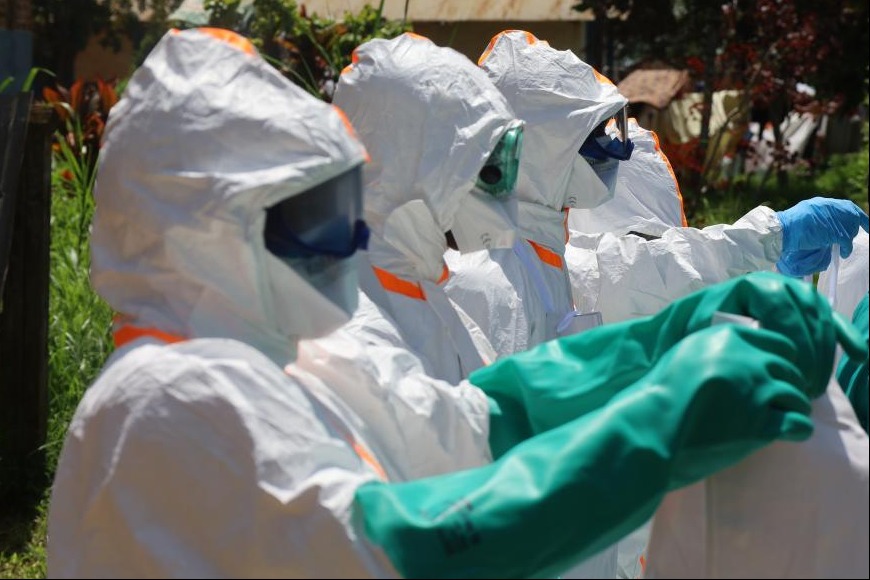
    Without targeted treatments or vaccines, clinical care for infected patients is limited to supportive care, a strategy that has proven effective at reducing death rates in past outbreaks. In the two previous Bundibugyo events, early identification of initial cases allowed rapid response teams to implement core control measures: providing frontline staff with full personal protective equipment, identifying and isolating exposed contacts, and delivering aggressive supportive care including intravenous or oral fluid replacement to manage dehydration, a common complication of Ebola infection. Proper supportive care “reduces mortality significantly,” Ksiazek confirmed.

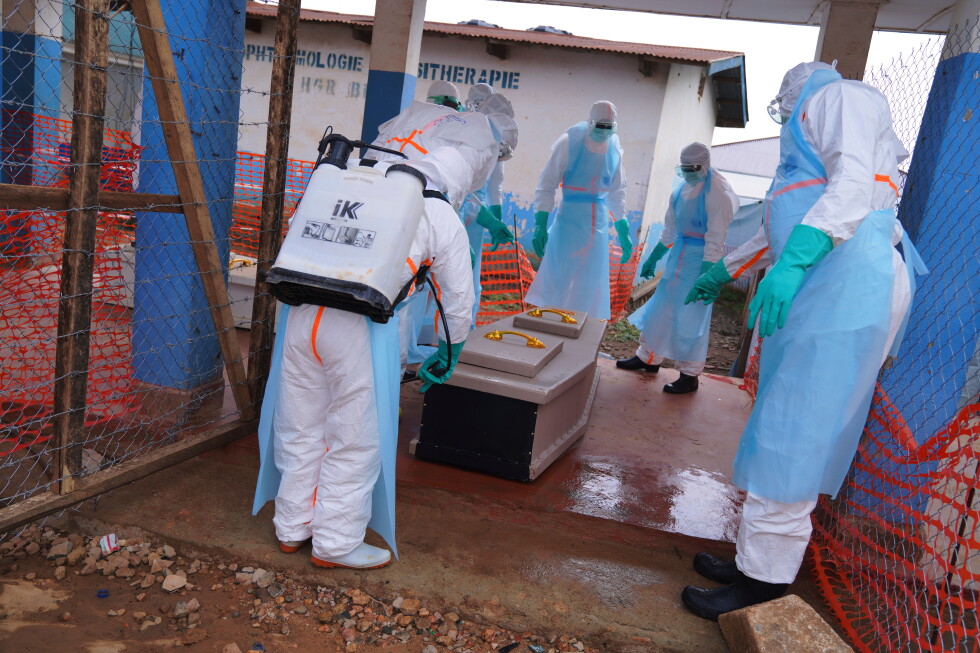
    Today, public health teams are leaning on these same proven core strategies to contain the current outbreak. Response efforts focus on active case finding, prompt isolation of infected people, contact tracing to stop secondary transmission, and public education to help communities avoid exposure. As during the 2014–2016 West African epidemic, promoting safe burial practices is a top priority, since traditional funeral rites that involve close contact with deceased bodies have historically been a major driver of Ebola spread. Experts also emphasize that consistent access to high-quality personal protective equipment for healthcare workers remains non-negotiable for stopping transmission.

    While the absence of a vaccine is certainly a setback, experts point out that basic public health tools have successfully stopped every previous Ebola outbreak in the DRC, which has now weathered 17 separate Ebola events in its history. “Of course, it’s problematic because vaccines are some of our best tools for combating infectious diseases,” said Lina Moses, an epidemiologist and disease ecologist at Tulane University. “But other public health tools — public education, contact tracing, quick testing — still work. It’s important to keep in mind that every single Ebola outbreak that has occurred in the (Democratic Republic of the Congo) — we’re on our 17th now — has been stopped.”

    This reporting was contributed by Associated Press Southern Africa reporter Mogomotsi Magome from Johannesburg. The AP Health and Science Department receives funding support from the Howard Hughes Medical Institute’s Science and Educational Media Group and the Robert Wood Johnson Foundation, with the AP retaining full editorial control over all content.

  • US to screen for Ebola at airports, one American in DR Congo infected

    US to screen for Ebola at airports, one American in DR Congo infected

    The United States has rolled out new public health measures to block Ebola importation and spread, including mandatory airport screening for travelers from affected Central African regions, after a United States citizen working in the Democratic Republic of Congo (DRC) tested positive for the deadly virus, the U.S. Centers for Disease Control and Prevention (CDC) announced Monday.

    The updated precautions come just after the World Health Organization (WHO) designated the ongoing Ebola outbreak in eastern DRC as a Public Health Emergency of International Concern, the global body’s highest alert level for cross-border disease threats. During a press briefing, CDC Ebola response incident manager Satish Pillai confirmed that the infected American developed symptoms over the weekend and returned a positive diagnosis late Sunday. Medical teams are currently arranging to transfer the patient to Germany for specialized care, and six additional people who may have been exposed are being evacuated out of the region for mandatory health monitoring.

    There are currently 25 U.S. personnel based at the CDC’s DRC field office, and the agency is deploying an additional senior technical coordinator to support local response efforts at the request of global health partners. As of Monday, CDC officials assess the immediate risk of widespread Ebola transmission to the general U.S. public remains low. “We will continue to evaluate the evolving situation and may adjust public health measures as additional information becomes available,” the agency said in an official statement.

    Alongside expanded entry screening at all U.S. airports, the CDC has implemented new entry restrictions for non-U.S. citizens: any traveler who has visited the DRC, Uganda, or South Sudan in the 21-day incubation window for Ebola will be barred from entering the United States. The U.S. Embassy in Kampala, Uganda, has also temporarily suspended all routine visa services, with notifications already sent to all applicants impacted by the pause.

    Former U.S. President Donald Trump noted Monday that he was concerned by the outbreak’s scale but added, “I think that it’s been confined right now to Africa.”

    As of Sunday’s official update from DRC Health Minister Samuel-Roger Kamba, the outbreak has been linked to 91 suspected deaths and roughly 350 suspected cases, with most infections recorded among people aged 20 to 39, and over 60% of cases affecting women. There is currently no licensed specific treatment or widely available vaccine for the Ebola strain driving the current transmission surge.

    The U.S. response has drawn criticism from global health experts, particularly in the wake of the Trump administration’s formal withdrawal from the WHO earlier this year. For weeks, current U.S. officials have declined to answer questions about how deep cuts to the U.S. Agency for International Development (USAID) – an organization that led coordinated response efforts during past Ebola outbreaks – have undermined current monitoring and containment work.

    CDC officials have pushed back on some criticism, emphasizing that the agency remains in close collaboration with international partners and local health authorities in affected countries. The new measures announced Monday include sustained deployment of CDC personnel to support outbreak containment, contact tracing of exposed individuals, and laboratory testing in affected regions. The U.S. State Department also announced Monday that it has mobilized $13 million in emergency funding to support immediate response operations.

    Still, Matthew Kavanagh, director of the Georgetown University Center for Global Health Policy and Politics, called the U.S. response to date “disappointing,” arguing that the new travel restrictions and entry screenings are “more theater than effective public health measures.” He noted that the Trump administration has long claimed it could replace WHO’s global outbreak response capacity with bilateral deals and domestic U.S. efforts, saying “This outbreak clearly shows that is a failed strategy.”

    During previous large Ebola outbreaks in Central Africa, coordinated action between USAID, CDC, and U.S.-funded non-profit organizations enabled rapid deployment of resources and swift containment of spread, Kavanagh explained. In contrast, “we’re weeks into an outbreak and only finding out about it after hundreds of cases and major spread including to the capital city of Uganda,” he said, adding that the current administration is “playing catch-up” to a rapidly evolving crisis.