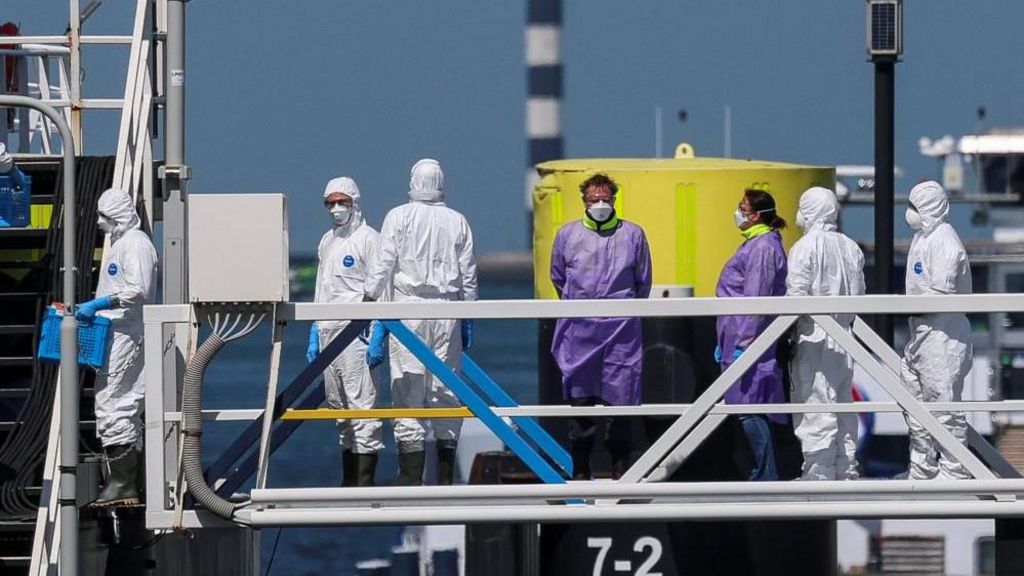
After a weeks-long transatlantic journey marked by a deadly hantavirus outbreak that left three people dead, the Dutch-flagged cruise vessel MV Hondius has finally docked at its final destination in the Port of Rotterdam. The final sailing into Rotterdam carried only the ship’s core crew and medical personnel, after all remaining passengers disembarked between May 10 and 11 in the Canary Islands, following coordinated international arrangements to end the voyage early.
The outbreak, which has sickened at least 11 confirmed passengers so far, has already claimed three lives: a Dutch couple and a German tourist who were traveling on the expedition cruise. Two of the three fatalities have been confirmed to be positive for hantavirus, with Canadian health officials adding a new confirmed case over the weekend, updating the global case count from the eight confirmed cases the World Health Organization (WHO) reported just days earlier.
Local authorities and public health agencies have spent more than a week preparing for the ship’s arrival. Port of Rotterdam Harbour Master René de Vries confirmed that port officials received the docking request 10 days prior to arrival, and after close consultation with regional public health services, approved the vessel’s entry. In preparation for disembarking the crew, 25 fully equipped mobile homes, outfitted with on-site catering and satellite communications infrastructure, have been staged to accommodate crew members during a mandatory self-isolation period, aligned with WHO recommendations that all people leaving the vessel complete 42 days of isolation to prevent further spread.
Yvonne van Duijnhoven, director of GGD Rotterdam-Rijnmond, the local municipal public health service, noted that the ship’s on-board medical team had already begun collecting biological samples from crew members prior to arrival. All collected samples will undergo initial testing immediately after docking, with a full round of additional testing scheduled for Monday afternoon to screen all crew for signs of hantavirus infection.
Hantavirus refers to a family of pathogens primarily carried by wild rodents. While most strains of the virus cannot spread between humans, the strain responsible for this outbreak—the Andes virus—has documented rare cases of human-to-human transmission, making extended isolation and rigorous screening a critical public health precaution.
Once all crew have completed disembarkation and testing, the vessel will undergo a full professional deep cleaning before it is cleared to return to active service, according to de Vries.
The cruise, operated by Dutch expedition travel firm Oceanwide Expeditions, originally launched on April 1 from Ushuaia, Argentina, with approximately 150 passengers and crew hailing from 28 countries around the world. Dozens of passengers left the vessel early at the island of St. Helena on April 24, before the first cases of illness were detected. The outbreak was identified mid-voyage, and Cape Verde, the ship’s originally scheduled final destination, refused entry to the vessel to prevent potential importation of the virus. Following that denial, the WHO and European Union coordinated with Spanish authorities to reroute the ship to the Canary Islands, where all remaining passengers were able to disembark and begin repatriation to their home countries. After all passengers exited the vessel in Tenerife on May 10, the ship set sail for Rotterdam the following day with only crew and medical staff on board.