A deadly Ebola outbreak in the Democratic Republic of the Congo has claimed nearly 120 lives, and public health teams are facing unusual challenges because the outbreak is driven by Bundibugyo virus, one of the rarest Ebola species, with no licensed specific treatments or vaccines ready for deployment. Unlike the more common Zaire Ebola species, for which multiple vaccines and therapeutics have been developed and approved, Bundibugyo virus has no candidate interventions even advanced enough to enter human clinical trials, leaving frontline responders to rely on foundational, decades-old outbreak control measures. “There’s nothing even close to ready for clinical trials,” explained Dr. Celine Gounder, an infectious disease specialist and epidemiologist who treated patients during the devastating 2014–2016 West African Ebola epidemic. “And so that means responders, healthcare workers and other aid workers are really back to the basics.”
What makes this outbreak unusual is the specific pathogen at its center. Bundibugyo virus was first formally identified in 2007 by the U.S. Centers for Disease Control and Prevention’s Special Pathogens Branch, then led by Dr. Tom Ksiazek, now a virologist and veterinarian at the University of Texas Medical Branch. To date, this marks only the third recorded Bundibugyo outbreak, with all previous events occurring in the same Congo River basin region where the current outbreak is unfolding.
Like all known Ebola viruses, Bundibugyo spreads through direct close contact with the bodily fluids of infected people—living or deceased. These fluids include blood, sweat, feces, and vomit, meaning healthcare workers and family members caring for sick patients face the highest risk of infection. “So very often we see doctors and nurses among the first to be infected and to die,” noted Gounder, who serves as editor-at-large for public health at KFF Health News.
Based on limited data from the two prior small outbreaks, experts believe Bundibugyo virus may have a slightly lower mortality rate than the more widespread Zaire Ebola virus, the species responsible for most large Ebola outbreaks. Even so, the estimated 30% or higher mortality rate remains a major public health threat, though precise estimates are hard to calculate given the limited number of recorded infections. “I think a 30%-plus mortality rate is still quite scary, but it’s hard to say with a lot of precision because we don’t have a lot of experience,” Gounder said.
Without targeted treatments or vaccines, clinical care for infected patients is limited to supportive care, a strategy that has proven effective at reducing death rates in past outbreaks. In the two previous Bundibugyo events, early identification of initial cases allowed rapid response teams to implement core control measures: providing frontline staff with full personal protective equipment, identifying and isolating exposed contacts, and delivering aggressive supportive care including intravenous or oral fluid replacement to manage dehydration, a common complication of Ebola infection. Proper supportive care “reduces mortality significantly,” Ksiazek confirmed.
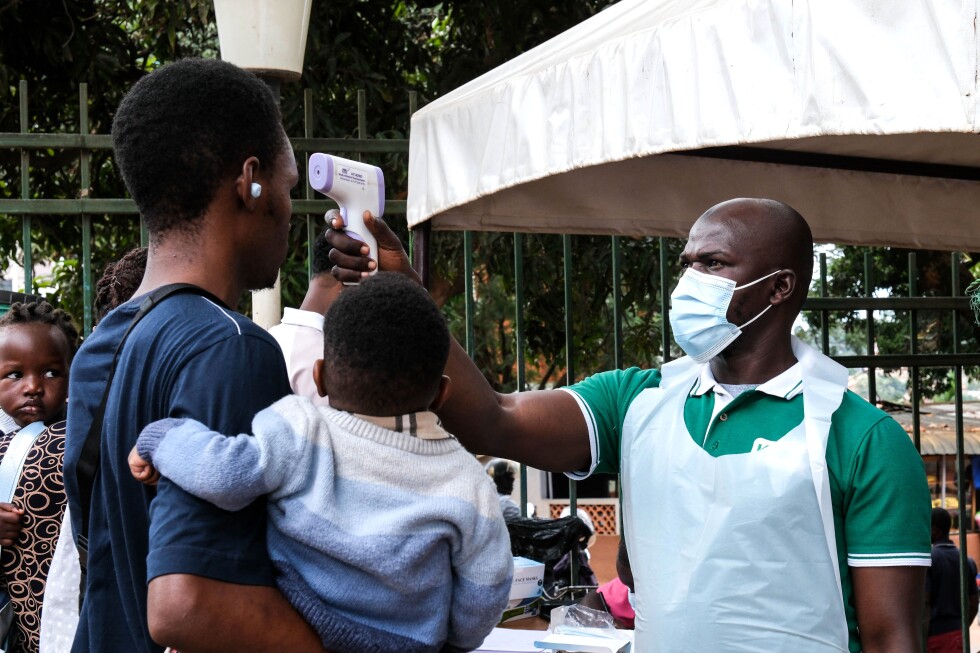
Today, public health teams are leaning on these same proven core strategies to contain the current outbreak. Response efforts focus on active case finding, prompt isolation of infected people, contact tracing to stop secondary transmission, and public education to help communities avoid exposure. As during the 2014–2016 West African epidemic, promoting safe burial practices is a top priority, since traditional funeral rites that involve close contact with deceased bodies have historically been a major driver of Ebola spread. Experts also emphasize that consistent access to high-quality personal protective equipment for healthcare workers remains non-negotiable for stopping transmission.
While the absence of a vaccine is certainly a setback, experts point out that basic public health tools have successfully stopped every previous Ebola outbreak in the DRC, which has now weathered 17 separate Ebola events in its history. “Of course, it’s problematic because vaccines are some of our best tools for combating infectious diseases,” said Lina Moses, an epidemiologist and disease ecologist at Tulane University. “But other public health tools — public education, contact tracing, quick testing — still work. It’s important to keep in mind that every single Ebola outbreak that has occurred in the (Democratic Republic of the Congo) — we’re on our 17th now — has been stopped.”
This reporting was contributed by Associated Press Southern Africa reporter Mogomotsi Magome from Johannesburg. The AP Health and Science Department receives funding support from the Howard Hughes Medical Institute’s Science and Educational Media Group and the Robert Wood Johnson Foundation, with the AP retaining full editorial control over all content.