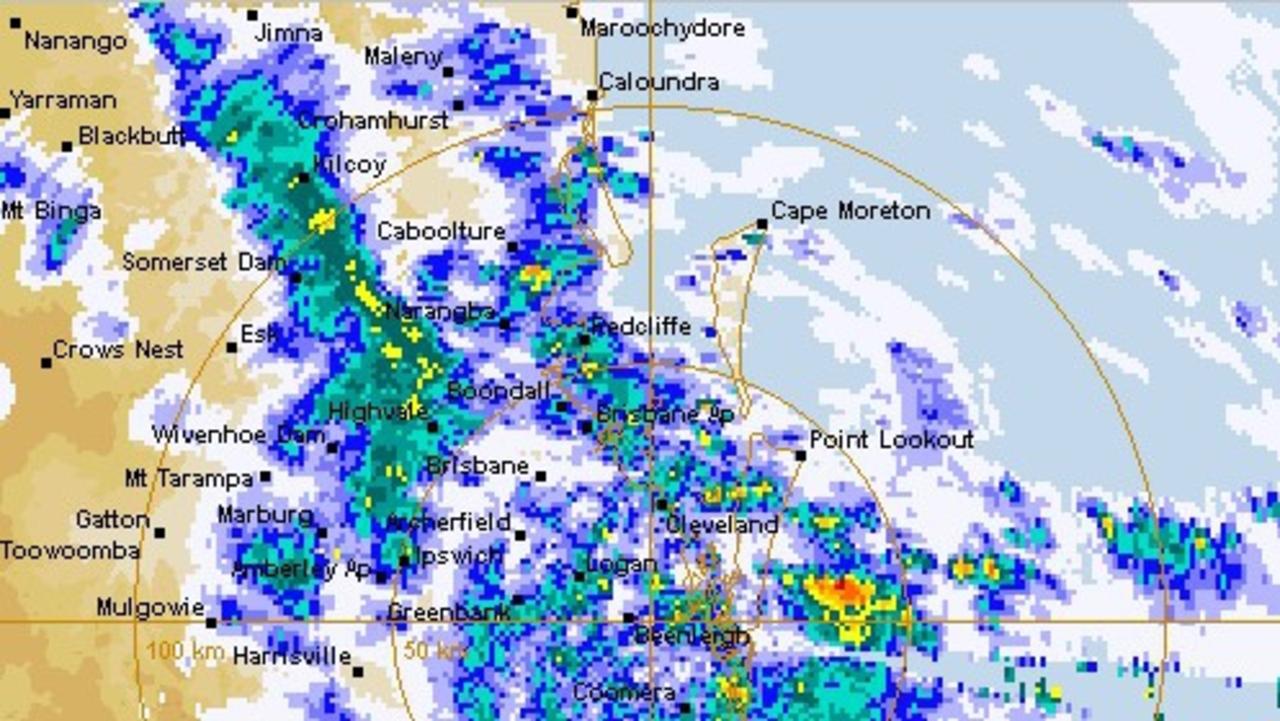
Almost a year after a high-profile, heavily criticized rollout of its AU$96 million upgraded website, Australia’s Bureau of Meteorology (BOM) will undergo a wide-ranging independent probe, the nation’s Environment Minister Murray Watt has confirmed. The review comes in the wake of intense public backlash that followed the October 2025 launch of the site, a core component of a broader AU$800 million technology modernization initiative that was already plagued by COVID-19-related construction delays and significant cost overruns.
The independent assessment was formally commissioned by BOM Chief Executive Dr. Stuart Minchin, who assumed leadership of the national weather agency in November 2025, following coordination with Minister Watt. While the review’s official mandate does not explicitly single out the problematic website, BOM’s public statement confirms the process will deliver critical input to shape the agency’s long-term organizational strategy, and ensure it continues to deliver tangible public value amid a rapidly changing national climate.
“The daily work carried out by BOM personnel is inherently complex, and our team faces growing pressure on multiple fronts,” Senator Watt explained in a statement Tuesday. “This independent review will bring an outside perspective to evaluate the full suite of services we deliver, and identify how that public value can be strengthened for decades to come.”
Watt emphasized that upholding public trust in BOM, and guaranteeing the reliability and effectiveness of the agency’s climate and weather data, has never been more critical for national safety. “BOM’s core mission – keeping Australians safe, informed, and prepared as our climate shifts – is more vital today than at any point in our history,” he said. “Millions of Australians rely on BOM data to make daily decisions: for farm management, for workplace planning, and for personal safety during severe weather events. We are all committed to making sure future services align with what the public needs and expects.”
The review will lead directly into the development of BOM’s next strategic operating plan, which is scheduled to take effect in the second half of 2027. Heading the independent probe will be Phillip Glyde, former chief executive of the Murray Darling Basin Authority, who will work alongside a dedicated expert panel to examine multiple core areas of BOM’s operations. The panel’s mandate includes assessing the alignment of BOM’s current service offerings with existing and future community needs, identifying opportunities to rebuild public reputation and boost organizational resilience, evaluating ongoing strategic challenges, and mapping gaps in unmet customer demand.
Additionally, the panel will conduct a formal review of the effectiveness of BOM’s public communication practices, as well as its outreach to key stakeholder groups including Australia’s large agricultural sector. The panel is required to submit its final findings and recommendations by March 31, 2027.
Dr. Minchin framed the review as a critical opportunity to refocus BOM’s priorities around the needs of the Australian public. “Our next strategic plan is a significant opportunity to take a fresh look at what matters most to the Australian community, and ensure this agency is well positioned to meet all future challenges and opportunities,” he said. “We deeply value the trust that the Australian public and our partners place in this organization. Our work underpins essential public services, national economic activity, environmental health, and community wellbeing for every Australian every single day – so it is essential that we get this right.
“This review will help BOM better understand current and future customer needs, and ensure our strategy and services are squarely focused on the priorities of the Australian community, our customers, and our partners. The end goal is simple: to ensure BOM remains a trusted, modern, and responsive organization that continues to meet the needs and expectations of a changing world.”
The botched website launch last year triggered sharp political backlash, with critics labeling the entire broad technology upgrade a “nightmare case study in contract failure” and a “failure of leadership” marked by “completely unacceptable and unethical behaviour by large consulting contractors.” Appearing before a Senate estimates hearing last year, Watt sought to attribute responsibility for the website debacle to the former Coalition national government.
During that same hearing, Dr. Minchin confirmed that the full technology modernization program was originally budgeted at AU$788 million, before ultimately running roughly 15 per cent over budget at approximately AU$800 million. Just 10 per cent of that total final budget was allocated to the controversial website upgrade. He also explained that the full-scale technology transformation was deemed necessary after a major cyber intrusion and widespread system outages hit BOM in 2015 and 2016, leaving the agency with no choice but to completely rebuild its outdated digital infrastructure.