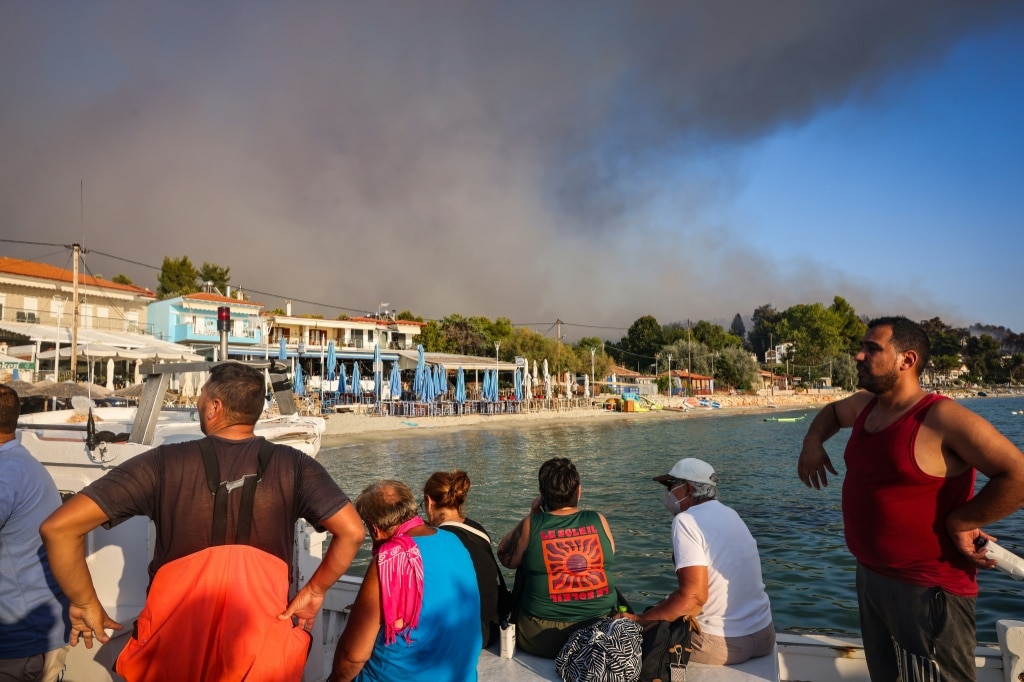
As a raging summer wildfire advanced on two popular tourist beach destinations in northern Greece, a coordinated evacuation carried out by hundreds of small civilian boats alongside official coast guard and fire brigade vessels pulled roughly 500 stranded visitors to safety amid advancing flames. The outbreak, which ignited in the pine-covered Halkidiki peninsula just south of Thessaloniki, quickly gained intensity, pushing fire crews to bring in water-bombing aircraft and more than 200 ground firefighters to halt the blaze’s spread toward the coastal resorts of Siviri and Fourka. By late Thursday, regional civil protection officials confirmed the fire had been brought under control, though firefighting teams remain on high alert for potential reignitions amid hot, dry, windy conditions. Two firefighters were airlifted to local hospitals with burn injuries sustained during the containment effort. The wildfire spread with alarming speed, reaching residential areas and coastal access roads within hours of breaking out. Driven by strong gusty winds, a 1.8-mile-wide wall of flames reaching as high as 100 feet advanced toward the shoreline, forcing authorities to order a full sea evacuation—land routes out of the resorts were already gridlocked with holidaymakers attempting to drive away, leaving the ocean as the only safe escape route. Greek civil protection authorities issued urgent mobile evacuation alerts to all residents and visitors in the affected zone, as thick black smoke blotted out the sun over the coastal communities. Footage broadcast by Greece’s public broadcaster ERT shows dozens of tourists queuing along a Fourka pontoon, many still in their bathing suits and carrying small children, waiting to be ferried out to waiting rescue vessels. Most evacuated tourists were relocated to safer nearby beaches, while around 200 were brought to a larger passenger vessel anchored offshore for shelter. Local resident Sophia, who was stranded on the beach during the evacuation, told Agence France-Presse that the fire had already reached residential areas. “From where we are, we can see that flames have reached the town and the houses,” she said. This year’s wildfire season has stretched Greek emergency services to their breaking point. Earlier this month, a mid-air collision between two firefighting helicopters operating near Athens killed two crew members, and that blaze scorched more than 42 square miles of forest and scrubland. Greek authorities have issued the highest possible level 5 wildfire risk warning for most of the country’s mainland, and Halkidiki regional officials had already implemented a full ban on public entry to the peninsula’s pine forests, which are highly prone to ignition during summer heatwaves. Weather forecasters are warning of extreme fire risk through Friday, with predicted wind gusts reaching up to 60 miles per hour that could quickly spread any new fire outbreaks. Wildfires are an annual danger for Greece during the hot, dry summer months, but climate scientists warn the frequency and severity of these events is growing due to human-caused climate change, which has amplified drought conditions and created more frequent extreme heat events across the Mediterranean region.
分类: environment
-

Authorities in Vietnam discover more than a ton of concealed ivory illegally shipped from Africa
In a significant crackdown on transnational illegal wildlife trafficking, Vietnamese authorities have announced a massive seizure of smuggled elephant ivory originating from Africa, local Vietnamese media confirmed Thursday. The contraband haul, consisting of 221 separate ivory pieces totaling 1,193 kilograms (approximately 2,630 pounds), was publicly displayed for journalists Wednesday at Quy Nhơn Port, located in Vietnam’s central Gia Lai Province, according to official reports from the Vietnam News Agency and other leading national outlets.
For decades, Vietnam has served as a key transit and demand hub for the global illegal wildlife trade, handling thousands of tons of contraband both in live animal and wildlife product forms each year. The vast majority of smuggled wildlife goods passing through Vietnamese ports are ultimately shipped onward to consumer markets in China, though growing domestic demand within Vietnam and neighboring Southeast Asian nations also sustains the illicit supply chain.
Investigations into the latest seizure trace back to routine port inspections conducted last week, which uncovered the ivory carefully concealed inside shipments of sawn timber. The contraband was contained within three shipping containers that arrived at the Vietnamese port on July 9. Beyond the massive ivory haul, officials also discovered an additional 79.3 kilograms (175 pounds) of animal bones confirmed to have come from protected big cat species, including tigers. Crushed big cat bones are a highly sought-after ingredient in traditional East Asian medicine practices, driving persistent illegal demand for these endangered animal parts.
According to reporting from leading Vietnamese newspaper Tuoi Tre’s website, Gia Lai Provincial Police confirmed the entire contraband shipment was transported to Vietnam from the Republic of the Congo. After customs officers flagged the illegal goods during clearance processing, authorities opened a full criminal investigation into the case, focusing on violations of national and international regulations governing trade in protected endangered species.
Nearly all United Nations member states, including Vietnam, are party to the Convention on International Trade in Endangered Species of Wild Fauna and Flora (CITES), the landmark international agreement that bans nearly all commercial trade in ivory and products from other endangered species globally. While this seizure marks the largest illegal ivory bust ever recorded at Quy Nhơn Port, it remains far smaller than several major busts over the past 10 years in Vietnam that uncovered shipments of more than 7 tons of illegal ivory each, at Vietnam’s central Danang Port and northern Haiphong Port.
-
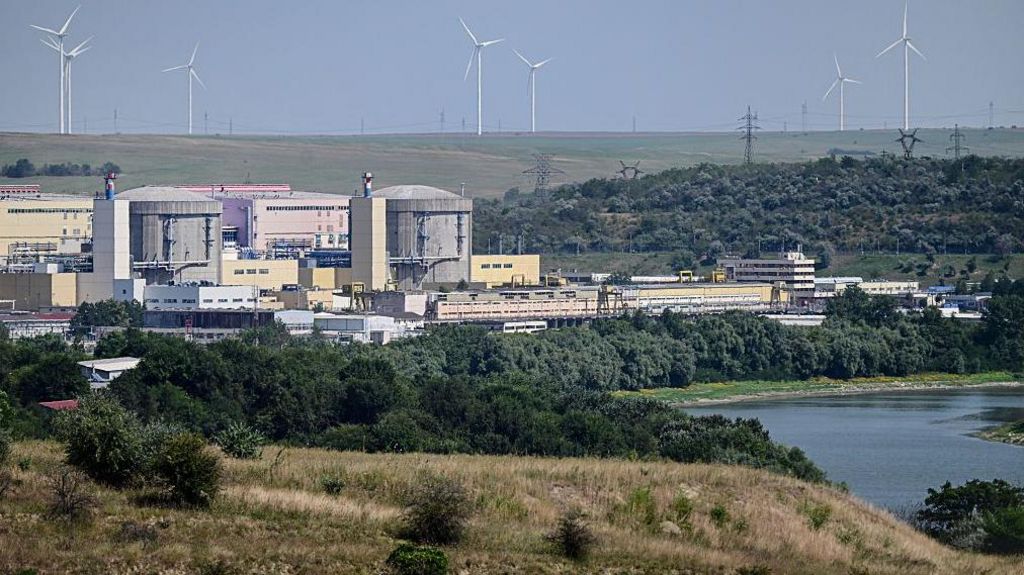
Romania shuts its only nuclear plant as Danube water levels drop
A record-breaking, climate-fueled drought that has parched much of Central and Southern Europe has forced the complete shutdown of Romania’s sole nuclear power facility at Cernavodă, triggering urgent concerns about energy shortages and economic fallout across the continent. The plant, whose two 706-megawatt reactors normally generate roughly 20% of Romania’s total electricity output, relies on water from the Danube — Europe’s second-longest river, where water levels have dropped to 30-year lows across multiple riparian nations. The second and final operating reactor at Cernavodă was taken offline just before midday Thursday, following the shutdown of the first reactor back in July.
Plant director Romeo Urjan confirmed to AFP that no restart is planned for at least the next 10 days, marking only the second time the facility has been fully shut down since it began operations, with the only previous full shutdown occurring in 2003. In a last-ditch effort to raise water levels around the plant’s cooling intake infrastructure, Romanian authorities sank rock-loaded barges in the Danube earlier this week, but the intervention failed to reverse the falling water levels enough to keep the reactors running.
Neighboring Hungary, which also operates its only nuclear plant — the Soviet-era Paks facility with four reactors — on the Danube, has so far avoided a similar shutdown, but the threat remains imminent. Last month, Hungarian Prime Minister Péter Magyar warned that Paks could be forced to shut down entirely for the first time in its history if water levels continue to drop. Plant officials have already noted that Danube levels are so low that some of the facility’s water intake suction nozzles are no longer fully submerged.
The full shutdown of Cernavodă has created an immediate gap in Romania’s energy grid that officials are scrambling to fill. While solar and wind generation are able to offset most of the shortfall during hot, windy daylight hours, evening demand requires increased output from coal and gas-fired power plants, as well as additional energy imports from neighboring countries. Romania’s large hydropower sector, which could otherwise fill the gap, has also seen its output slashed dramatically by the same low river levels that forced the nuclear shutdown.
Beyond energy security, the ongoing drought and accompanying extreme heat waves are causing widespread disruption across the European continent. Key waterways including the Rhine are seeing record-low levels that have severely restricted commercial shipping traffic, while the agricultural sector has suffered billions of euros in damage. Italy’s largest agricultural trade association Coldiretti estimates that climate-related damage from drought, hailstorms and wildfires this year could exceed €3 billion. In France, Environment Minister Monique Barbut warned that recent heat waves could result in between €10 billion and €15 billion in combined direct and indirect economic losses.
The extraordinary conditions have even revealed long-submerged remnants of history: dozens of sunken World War II ships that have sat hidden beneath the Danube’s waters for decades have now re-emerged as levels have dropped. Across Western Europe, the heat wave has pushed temperatures to record levels. On Thursday, temperatures at London’s Kew Gardens provisionally reached 38.1°C (100.6°F), which would mark the hottest day recorded in the United Kingdom so far this year if confirmed. Some parts of England already saw temperatures top 37°C (99°F) earlier the same day.
Scientists from the European Union’s Copernicus Climate Change Service confirm that climate change is the primary driver of these extreme conditions, noting that Europe is warming twice as fast as the global average, making it the fastest-warming continent on Earth. This accelerated warming is leading to more frequent and intense summer heat waves, increasing water scarcity, and spurring more severe wildfire seasons across the continent. Economists warn the extreme conditions could already erase much of the European Union’s projected economic growth for the year. Dutch bank Triodos noted that the EU’s projected 1.1% annual growth, and the International Monetary Fund’s 0.9% growth forecast for the euro area, are at severe risk from the cascading impacts of the drought and heat wave.
-
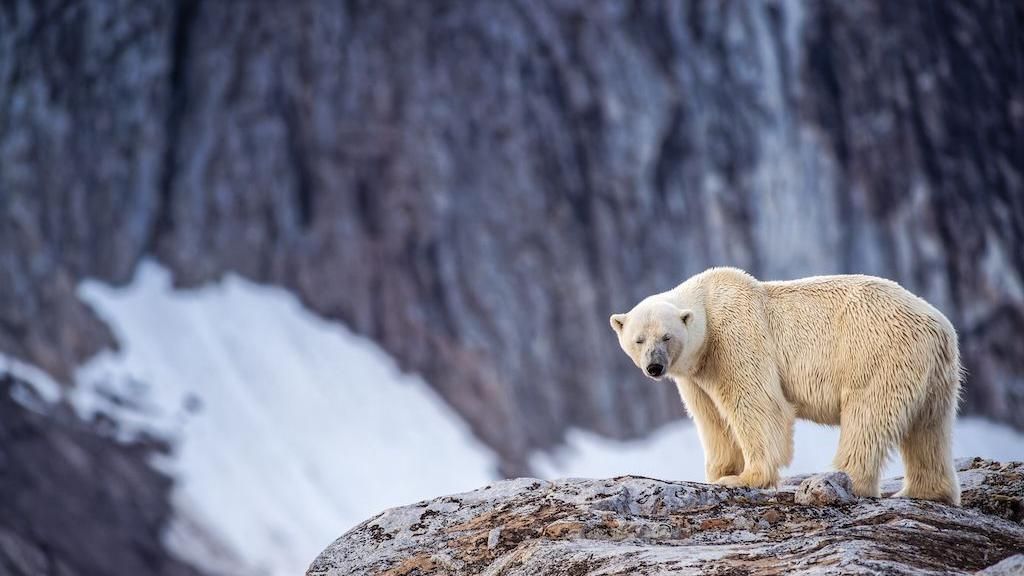
Person fined after using foghorn to wake sleeping polar bear
In a high-profile wildlife protection enforcement case on Norway’s remote Svalbard archipelago, an unnamed individual has been ordered to pay a 50,000 Norwegian kroner (roughly £3,890) penalty for intentionally waking a sleeping polar bear with a ship’s foghorn, local authorities confirmed this week.
The incident unfolded earlier this August in a fjord located in northwestern Svalbard, a frigid Arctic island chain sitting approximately 1,000 kilometers (620 miles) from the North Pole. As the vessel cruised along the coastline, crew members spotted a polar bear resting on shore. One person on board activated the ship’s foghorn directly at the animal, shocking it awake and forcing the bear to relocate to a new area, according to an official statement from Svalbard governor Lars Fause.
Longstanding regulations in Svalbard strictly prohibit the unnecessary disturbance, luring, or chasing of polar bears, a species that has held full protected status across the archipelago since 1972. The person who triggered the foghorn has already acknowledged responsibility and agreed to pay the issued fine.
This is not an isolated case of wildlife disturbance penalties in the protected Arctic region. Just last year, another visitor was fined 11,500 kroner (£900) after venturing too close to a resting walrus, violating the same wildlife protection framework. Broader rules laid out in the Svalbard Environment Act require all human activity on the archipelago — from tourism to local transport — to be conducted in a manner that avoids unnecessary disruption to native wildlife, a group that includes polar bears, seals, whales, Svalbard reindeer, and Arctic foxes.
Population estimates from the most recent comprehensive scientific survey, conducted in 2015, put the total number of polar bears residing across the Svalbard archipelago at around 250. Conservation experts have repeatedly emphasized that Arctic wildlife like polar bears already face extreme pressure from rapid climate warming, which erodes their sea ice hunting habitat and disrupts natural feeding and resting patterns. Unnecessary human disturbance adds additional stress to already vulnerable populations, making consistent enforcement of protection rules a key priority for regional environmental managers.
-
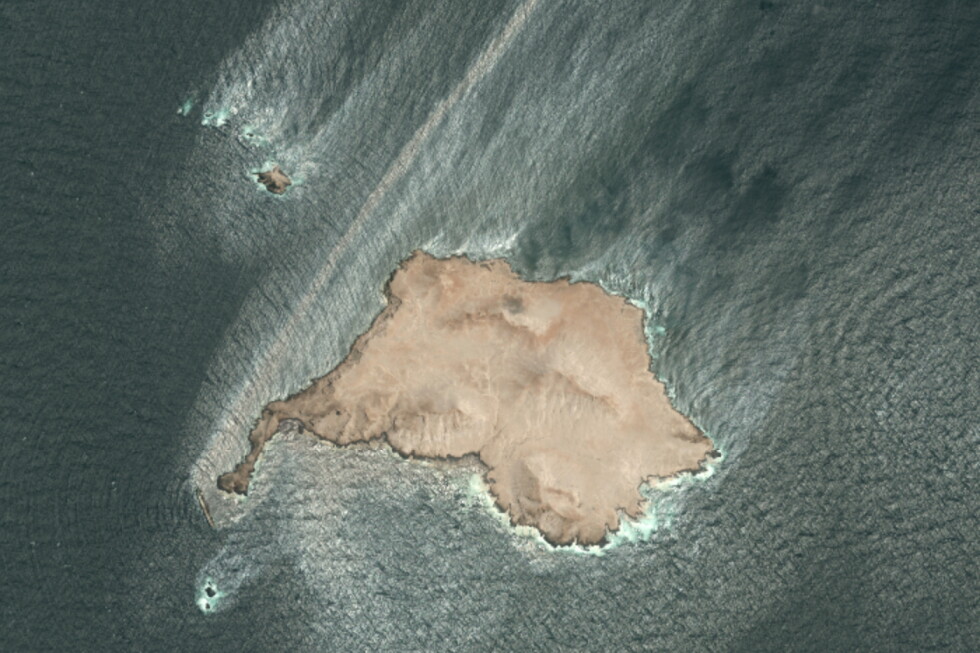
A British firm starts containment of oil spill from stricken tanker off Oman
A United Kingdom-based maritime emergency firm has been contracted to launch a high-stakes salvage operation for a grounded Russian shadow fleet tanker off Oman’s southwestern coast, where a rapidly expanding oil spill has already reached shore and threatens one of the region’s most biodiverse protected marine habitats.
The 247-meter vessel, the Caroline Bezengi, has been stranded near Qabiliyah Island since early June, when an explosion of unknown origin disabled the tanker. The ship was carrying more than 800,000 barrels of Russian crude when it ran aground after departing Russia’s Black Sea port of Novorossiysk in May. Classified as part of Moscow’s shadow fleet of unregulated oil tankers, the Caroline Bezengi is currently sanctioned by both the British government and the European Union, and it remains unflagged with no clear confirmation of insurance coverage. Geospatial analysts link the vessel’s ownership to entities based in Shanghai, China.
Over recent weeks, stormy conditions driven by the annual Khareef monsoon season, which peaks between July and August, have accelerated the spread of leaking oil from the damaged tanker. Satellite imagery confirms the spill has expanded exponentially across hundreds of square kilometers of ocean, and now the slick is increasingly encroaching on critical coastal ecosystems. On Wednesday, Omani environmental authorities confirmed oil has already reached the shore at Ras Madrakah, located more than 200 kilometers north of the grounded tanker. Officials warn the spill could travel another 100 kilometers further north to reach Masirah Island in the coming days. New satellite data also shows the Caroline Bezengi is slowly submerging, with experts warning that a full structural break or total sinking could release the vessel’s entire cargo, triggering what would be an unprecedented environmental catastrophe for the region.
Ambrey, the London-headquartered maritime risk and response firm leading the operation, announced Thursday that its assessment team had already boarded the tanker with air support from Omani authorities to stabilize the vessel after completing an initial damage survey. In an official statement, Ed Wollaston, Ambrey’s global response director, described the operation as uniquely difficult, noting that ongoing monsoon storms have created exceptionally challenging working conditions. As of Thursday, the company had not released public estimates for either the timeline or total cost of the full salvage and cleanup effort.
Environmental advocates warn that the spill’s spread to shore dramatically increases the long-term risk to ecosystems and complicates cleanup efforts. “It is extremely concerning that the oil has spread from an offshore spill to the shoreline where it can contaminate coastal sediments,” explained Hanen Keskes, a campaigner for global environmental organization Greenpeace. Once oil reaches coastal habitats, she noted, “cleanup becomes significantly more complex than containment at sea, and even after the visible slick is removed, environmental damage can persist for decades.”
The Qabiliyah Island marine protected area at the center of the crisis is one of the Arabian Sea’s most ecologically important regions. It hosts fragile coral reef systems, extensive seagrass meadows, critical nesting grounds for endangered sea turtle species, and breeding habitats for dozens of species of migratory seabirds. The area is also one of the only known habitats for the rare and critically endangered Arabian Sea humpback whale. Compounding challenges, the remote location of the spill has very limited existing infrastructure, requiring additional safety protocols and complicating access for salvage and response teams, Keskes added.
This oil spill crisis is not the only environmental emergency unfolding in the strategic Gulf region. Just across the Strait of Hormuz off Iran’s Qeshm Island, Iranian authorities are already working to contain a separate large oil spill, with blame for the incident remaining contested. Iranian officials have linked the spill to rising tensions between Iran and the United States and are demanding compensation for cleanup costs, but maritime tracking firm TankerTrackers.com published satellite evidence on social media platform X indicating the spill likely originated from an Iranian attack on a commercial bulk carrier off Oman’s coast, with the slick drifting across the strait to reach Iranian shores.
-
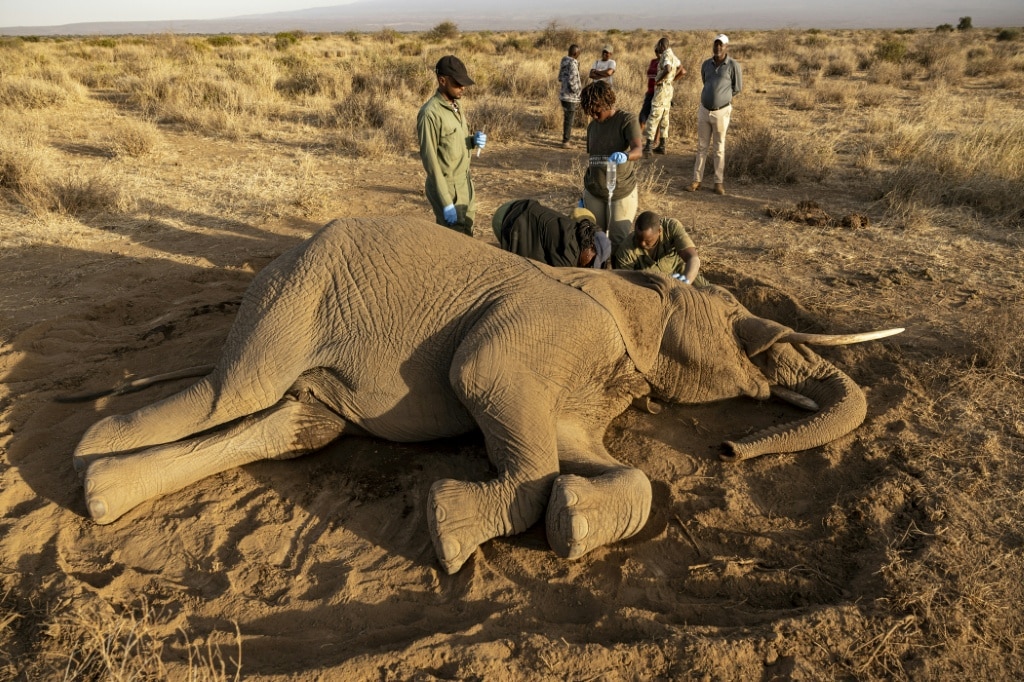
‘How many will die?’: the mysterious ailment killing Kenyan elephants
Beneath the shadow of snow-capped Mount Kilimanjaro, one of Africa’s most iconic wildlife landscapes is now grappling with an unexplained crisis that has conservationists and local communities on edge. In Kenya’s Amboseli ecosystem, a still-uncharacterized ailment has claimed the lives of at least 19 elephants since June, leaving experts and local authorities at odds over what is triggering the deaths.
-
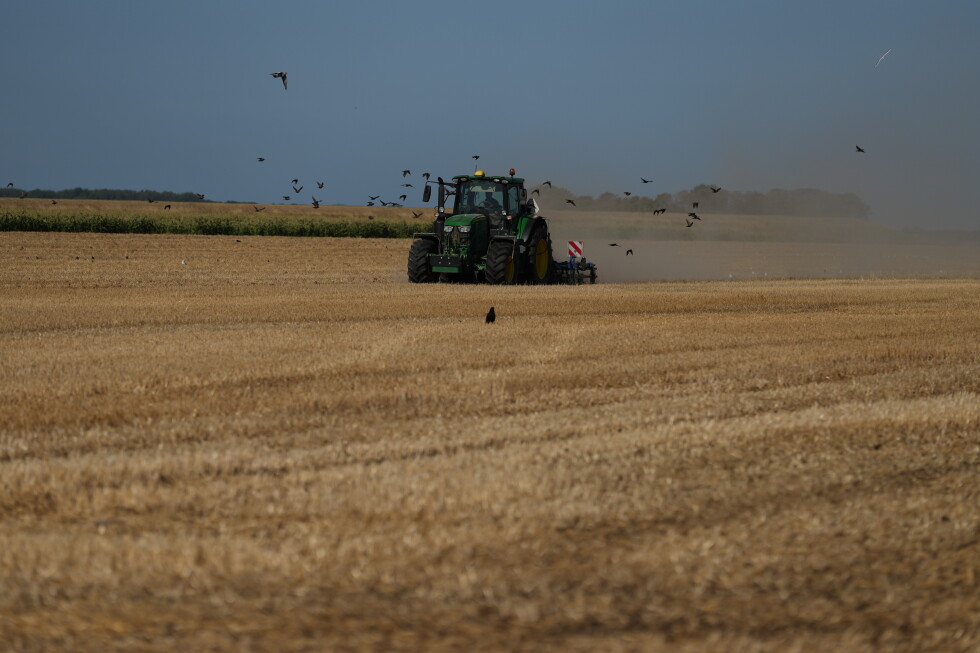
A punishing European drought shrivels crops from Dutch potatoes to Bosnian corn
Across sweltering European farmlands this summer, an unprecedented drought fueled by human-caused global warming and an amplified El Niño event is pushing agricultural production to its breaking point, leaving even adaptive farmers scrambling to mitigate staggering losses. From the fertile coastal plains of the Netherlands’ southwestern Zeeland Province to the river basins of the Balkan region, the extreme heat and prolonged dry spell have scorched staple crops, drained critical water reserves, and threatened livelihoods that depend on predictable growing seasons.
In Zeeland, Maarten Janse has spent years adapting his 150-hectare farm to worsening climate volatility: he uses no-till farming methods that leave soil undisturbed to retain moisture, plants year-round cover crops to prevent dehydration, and adds organic compost and manure to boost soil health. He even diversified his income stream by opening a popular lakeside campsite and began growing salt-tolerant samphire to combat rising soil salinity from prolonged dry conditions. But even these proactive measures are failing to hold back this year’s extreme drought. As he drives his tractor across parched fields, spreading nutrient-rich organic matter to revive cracked soil, the lack of rain has left even his salt-resistant samphire stunted—this crop that evolved to withstand brackish conditions still requires periodic fresh water to grow, a resource that has all but vanished in 2024.
Zeeland farmer Hendrik Jan ten Cate counts himself among the lucky ones: he still has official permission to irrigate his potato crop, grown to supply frozen French fries to major global chains including McDonald’s. Even so, his harvest is coming a full month earlier than usual, and nearly all of his potato plants are already withered and stunted. Most of this year’s crop is too small to meet the demand for long, full-cut French fries that consumers prefer, and he projects his total yield will drop by one-third compared to average growing years. “It’s not just the lack of rain that’s killing our crops,” ten Cate explained. “It’s the combination of relentless sun, bone-dry air, and record consecutive hot days. Potatoes simply cannot survive that mix.”
The crisis extends far beyond the Netherlands, leaving agricultural sectors across the continent reeling. In Bosnia, where agriculture accounts for 5% of national GDP and 10% of total employment, grain farmer Slavisa Lukic stares out across a field of limp, heat-stricken corn stalks. Where he once harvested 6 to 7 tons of corn per hectare, he now expects just 1.5 to 2 tons—if he can even bring a full harvest to market. Clover pastures that once fed local livestock have completely vanished from his property in northeastern Bosnia. “They literally do not exist now,” Lukic said. “Nothing is left.”
Even the Czech Republic’s iconic beer industry is at risk, as drought stunts the annual hop harvest that supplies the country’s world-famous breweries. Plzeňský Prazdroj, the nation’s largest beer producer, projects significant financial losses this year due to reduced hop yields. Jakub Zaoral, the company’s sustainability manager, noted shifting rainfall patterns have made harvests increasingly unpredictable: long dry spells are broken only by intense, short storms that run off parched soil instead of replenishing groundwater reserves. “We’ve had to accept that one year will be great and the next will be a loss,” Zaoral said. “But if this stretches to three consecutive bad years, that could become an existential threat for small hop growers across the country.”
In the Danube River basin, the drought has created cascading crises beyond crop failure. While Romania’s heat and drought-resistant sunflower crops have fared better than most staples this year, record-low water levels on the Danube have brought grain transport to a near-standstill. Congestion at river terminals has left silos overflowing, with farmers unable to store or ship their existing harvests ahead of the upcoming sunflower and corn harvest. “Farmers are already in full panic mode,” said Cezar Gheorghe, founder of Romanian grain consultancy Agricolumn. “They have nowhere to put the crops they already have, and the next harvest is just 10 days away.” In Hungary, Sándor Molnár’s dairy farm has seen no rain since late May, turning cattle grazing plains to dust and forcing him to buy expensive supplementary feed for his 130 dairy cows. “We keep hanging on and hoping next year will be better,” Molnár said. “To be honest, we’ve been saying that for years now. But we’re still hoping this time it will be true.”
Even large, well-resourced farming operations that invested heavily in climate adaptation are feeling the strain. The 10,000-acre Elveden Estate on the Suffolk-Norfolk border in the United Kingdom built a massive reservoir capable of holding water equal to 200 Olympic-sized swimming pools, opening the facility less than a year ago to protect against drought. Today, that reservoir is nearly empty, and a second on-site reservoir holds just 20% of its capacity. While the investment in water storage has allowed the farm to keep irrigating through the current crisis, managing director Andrew Blenkiron warned that supplies are running critically low. “If this hot, dry weather holds, we only have enough water left for six more weeks of irrigation,” Blenkiron said.
The economic damage from this summer’s extreme conditions is projected to last for years, according to a new analysis from Dutch sustainable bank Triodos. The report estimates that repeated heatwaves and droughts across the continent could cut the European Union’s total GDP by 1% by 2026, equal to roughly 180 billion euros ($208 billion). Farmers are positioned to bear the brunt of the damage, with many regions already implementing strict water restrictions that bar farmers from drawing water from streams and drainage channels to irrigate fields and orchards. As climate change continues to increase the frequency and intensity of extreme weather events, European agricultural producers are facing a new normal where even the most proactive adaptation strategies are often no match for the scale of the crisis.
-

Alpine resorts’ snowmaking equipment may be put to work fighting summer forest fires
Under the blazing August sun that has settled over the Swiss Alps, the slopes above Adelboden lie bare and golden, with not a patch of natural snow or a single skier in sight. Yet what has long been a winter-only ski infrastructure is being tapped for an urgent new purpose: as Europe grapples with increasingly severe heatwaves and prolonged droughts, the Adelboden-Lenk ski resort is repurposing its massive snowmaking network to help fight the growing threat of wildfires.
Decades of human-caused climate change have transformed the Alpine landscape dramatically. Glaciers across the region and throughout Switzerland are retreating at alarming rates, and natural snowfall has become increasingly sparse and unpredictable. For mid-altitude resorts like Adelboden-Lenk, whose 125 miles of slopes sit between 1,000 and 2,300 meters above sea level, this shift has already forced major adaptation: today, roughly 70% of the snow covering its pistes every winter is produced artificially.
The artificial snow system relies on more than just the visible snow cannons and lances that dot the slopes. Beneath the surface lies an extensive hidden network: tens of kilometers of buried water pipes connected to multiple reservoirs that collect rainwater and glacial melt during warm months, storing the resource to produce snow when winter arrives. Now, resort leaders say this existing infrastructure could be a critical tool for wildfire prevention and response as dry conditions raise fire risk across the country.
“We can provide meaningful support to firefighters through our existing infrastructure,” explained Jürg Klopfenstein, who oversees the resort’s snowmaking operations. “While the snow cannons themselves have limited uses—they can mostly be used to wet down surrounding vegetation and protect nearby infrastructure—our pipes, pumps, and reservoirs offer far more value. Firefighters can tap into our network directly, and helicopter water bombers can refill their tanks from our stored water supplies.”
In the event of an approaching wildfire, the connected system can also be used to create wet fuel breaks, or buffer zones, that slow the spread of flames. This buys valuable time for ground emergency crews and aerial support to reach the remote mountain area, which draws thousands of hikers, mountain bikers, trail runners, and paragliders to the region during the summer months.
So far in 2024, Switzerland has avoided the large-scale destructive wildfires that have devastated parts of neighboring countries across southern and central Europe. But the entire nation, including the Bern region where Adelboden is located, is currently facing severe drought, and official wildfire risk assessments classify most of the country as high risk.
While the Alpine ecosystem does not face the exact same fire risk as the drier Mediterranean regions of southern Europe, resort operations manager Stefan Buchs emphasized that the threat cannot be ignored. “Different vegetation and varying soil moisture mean we can’t directly map southern Europe’s large fire events onto the Alps, but widespread wildfire is still a very plausible scenario here,” Buchs noted. “We’ve worked closely with local fire crews on this plan, and they agree that the risk is growing. Even in spring, conditions get far drier than they used to, not just in the peak of summer.”
Adelboden Mayor Willy Schranz echoed the need for proactive preparation, saying, “We have to get ready now, because this won’t be the last hot, dry summer we face.”
Still, climate experts warn that this adaptive measure is only a short-term solution, not a fix for the broader impacts of climate change. Nathan Solothurnmann, a climate change specialist with the environmental organization Greenpeace, cautioned against overstating the long-term value of repurposing snow infrastructure for wildfire response.
“The system Adelboden is putting in place will certainly help in the near term, but the climate changes we are confronting are far more severe,” Solothurnmann said. “Adaptations like this only buy us time, they don’t address the root of the problem. What’s more, this kind of extensive pre-built water network is rare across Switzerland. Most Alpine forest areas don’t have a ready-made network of underground pipes to tap into when a fire breaks out.”
-

Britain to swelter again as it looks poised for a record hot summer
Western Europe is bracing for another round of extreme heat on Thursday, with the United Kingdom facing its fifth heat wave of what is already on track to become the hottest summer recorded in the nation’s history.
Meteorologists forecast temperatures will climb as high as 38 degrees Celsius (100 degrees Fahrenheit) across central and southeast England, coming within half a degree of the August all-time record set in 2003. The UK’s national weather service, the Met Office, confirmed earlier this week that even average temperatures for the remainder of August would push 202X past last year’s mark to become the hottest full year on record.
For a nation that has not built widespread infrastructure to cope with sustained high temperatures, this summer’s string of heat waves has created persistent and dangerous discomfort across communities. The crisis has been particularly acute in NHS hospitals, where nursing staff have already suffered heat exhaustion that led to some workers collapsing on the job, according to the Royal College of Nursing (RCN).
RCN Chief Executive and General Secretary Professor Nicola Ranger emphasized the severity of the failure to protect frontline care staff: “When nursing staff are collapsing, feeling dizzy, sick or even being admitted to the very hospitals they work in because their workplaces cannot handle the heat, it shows just how badly they are being failed.”
Beyond risks to public health, most of the UK is now officially experiencing drought, putting unprecedented strain on household water supplies, agricultural production and natural ecosystems. Southern Water, the utility managing water access across southern England, has submitted an application for a rare drought order that would enforce a ban on non-essential business water use, including vehicle washing and filling non-residential swimming pools. The company noted that “exceptional” rainfall deficits have put supplies for communities in Hampshire and the Isle of Wight at direct risk. UK Environment Secretary Angela Eagle will make the final decision on the request, which would mark the first such ban imposed in the country since May 2006.
Extreme dry conditions have also created tinder-dry vegetation that has fueled a sharp rise in wildfire activity across the UK. The most prominent active blaze this week has been burning across the New Forest in southern England, and new data from the National Fire Chiefs Council shows England and Wales have already recorded 1,017 wildfires so far this year – matching last year’s record-breaking total. While the UK’s wildfire crisis has not reached the devastating scale seen in France, Greece and Spain this summer, it serves as clear evidence that the nation must adapt to a new climate reality.
With extreme heat continuing to grip large swathes of the country, Prime Minister Andy Burnham announced this week that he is considering a national ban on disposable barbecues, a common source of accidental wildfire ignitions during dry, hot conditions. “I do believe we need to get the message out loud and clear,” Burnham said. “People should not be using those barbecues outside at this moment in time.”
-
‘Imposing ignorance’: US climate science under siege
As the world grapples with unprecedented record-breaking heat across oceans and continents, the second-term Trump administration has escalated its long-running campaign against climate science, with two high-profile recent actions that have sparked alarm among the scientific community. The latest blow came this week, when the U.S. National Oceanic and Atmospheric Administration (NOAA) announced it would cancel production of its 2026 Arctic Report Card – a widely cited annual benchmark analysis of polar climate change that the agency has published continuously since 2006.
The 2025 edition of the report card, released just months before the cancellation, delivered a stark warning: the Arctic had just wrapped its warmest year since systematic record-keeping began, with far-reaching consequences ranging from accelerating glacier melt and sea ice collapse to shifting vegetation patterns and disruptions to global weather systems. Unlike lower latitudes, the Arctic warms up to four times faster than the global average due to a well-documented effect called Arctic amplification, and changes in the polar region do not stay isolated at the North Pole. For example, massive amounts of freshwater released by melting sea ice dilute the salt concentration of North Atlantic surface waters, making them less dense and slowing the Atlantic Meridional Overturning Circulation – the ocean current system that keeps European winters far milder than they would otherwise be.
In a statement announcing the cancellation, NOAA offered no explanation for the decision beyond saying that “Coordination of the 2026 Arctic Report Card will not be facilitated through NOAA.” The agency added that all historical data from past report cards would remain available to the public.
Shortly before the report card cancellation, the U.S. National Academy of Sciences (NAS) – an independent, congressionally chartered leading scientific body – removed a chapter on climate science from an online reference manual for federal judges. The move came after former President Trump took to his social platform Truth Social to denounce the chapter as “fraudulent, biased and misleading,” claiming the NAS was controlled by “Radical Left Democrats.”
In a public statement, the NAS acknowledged the decision followed “considerable scrutiny,” noting that “questions about the processes used to develop the chapter warrant an independent review, and the chapter will not appear on our website while that review is underway.” A NAS spokesperson told Agence France-Presse this week the organization expects to wrap up the review by fall 2026. The removal drew particular attention because just weeks earlier, the NAS had released a landmark comprehensive review of climate attribution science – the field that links individual extreme weather events to human-caused climate change – which confirmed the science is robust for most extreme weather phenomena. That conclusion is a central piece of evidence in dozens of ongoing lawsuits against major oil and gas companies currently working their way through U.S. court systems.
These two recent developments are just the latest in a consistent pattern of actions by the Trump administration to suppress research and documentation linking fossil fuel use to human-caused climate change. Early in the administration’s second term, widespread mass layoffs and deep budget cuts targeted federal climate research agencies, and in February 2026, the administration rescinded the 2009 “endangerment finding” – the foundational regulatory determination that greenhouse gas pollution poses a proven threat to human health and requires federal oversight. The rescission immediately eliminated federal vehicle emissions standards, and the same regulatory framework underpins existing pollution limits for coal and gas power plants, a change that comes as the global AI boom drives a surge in new natural gas plant construction to power data centers.
Carly Phillips, senior scientist at the non-profit Union of Concerned Scientists, called the recent actions part of a years-long broad attack on climate attribution science, a campaign that also includes efforts by congressional Republicans to ban climate accountability lawsuits against fossil fuel companies entirely. “Judges need reliable scientific information about climate change so that they can evaluate those cases on their merits,” Phillips told AFP.
Rick Spinrad, former NOAA administrator under the prior administration, framed the cancellation of the Arctic Report Card as a deliberate effort to suppress critical information. “The Arctic is a bellwether of climate change,” Spinrad said. “They’re imposing ignorance on the system in the hopes that that will address the challenges that are real associated with climate change.”
Leading climatologist Michael Mann, co-author of the new book *Science Under Siege*, argued the administration’s campaign against climate science is ultimately futile, given the overwhelming accumulation of evidence and the visible impacts of climate change that the public experienced firsthand this summer, from deadly heat domes across North America and Europe to devastating wildfires from Canada to the Mediterranean. “It’s a losing effort given the piling up of evidence and the fact that people are seeing and feeling the consequences of climate change so dramatically this summer,” Mann told AFP. “But that doesn’t mean they won’t continue to try.”