Australia is conducting an unprecedented, large-scale vaccination program to protect its beloved wild little penguin colonies from the rapidly spreading H5N1 avian influenza, a pathogen that has already claimed its first victim from the iconic Phillip Island population. The H5N1 virus, which has devastated bird populations across the globe, first reached Australia’s continental mainland in June 2024, and this month confirmed its first infection in the Phillip Island colony when a deceased penguin tested positive for the strain.
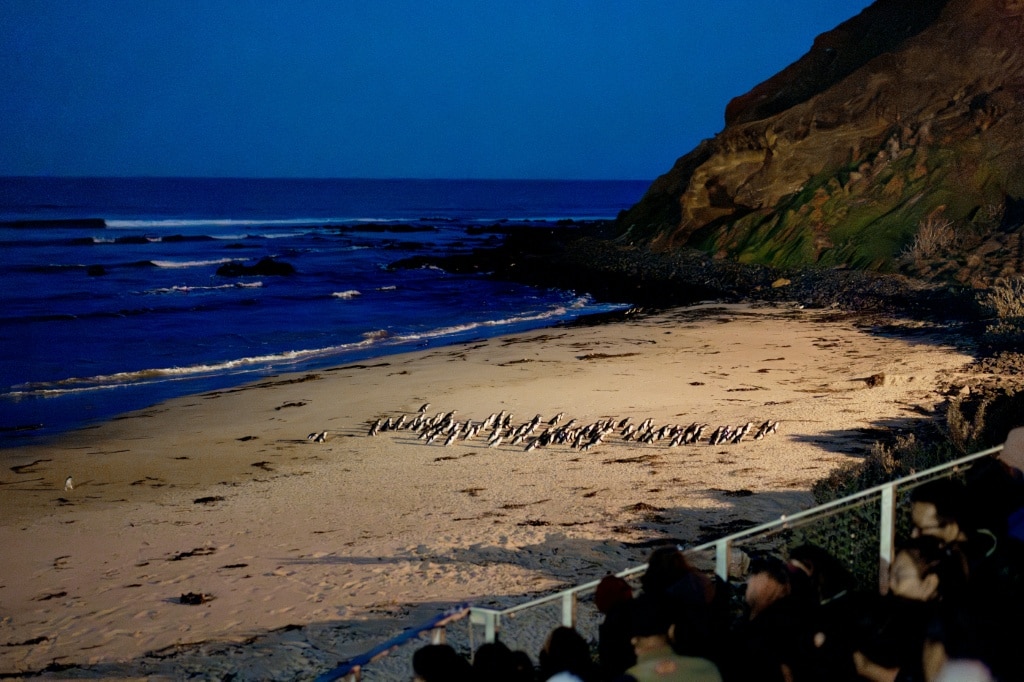
Located along Victoria’s eastern coast, Phillip Island is home to the world’s largest single colony of little penguins — also called fairy penguins, the smallest species of semi-aquatic penguin on Earth. Standing just knee-high and weighing roughly the same as a standard one-kilogram bag of sugar, these diminutive seabirds draw hundreds of thousands of annual tourists to their famous nightly “penguin parade”, where crowds gather along purpose-built boardwalks to watch the birds waddle ashore from the ocean to their beach burrows. At the peak of the southern hemisphere’s breeding season, the colony swells to nearly 40,000 birds, with the species’ natural range spanning coastal southern Australia, New Zealand, and the island state of Tasmania.
James Todd, chief biodiversity officer for the state of Victoria, confirmed that vaccination work at Phillip Island and a second key population at Melbourne’s St Kilda breakwater kicked off this week in response to the confirmed case. “This is unprecedented. There has never been a vaccination effort of this scale for a wild seabird population anywhere in the world,” Todd emphasized in an interview with Agence France-Presse.
Carrying out a mass vaccination program for a wild penguin colony comes with extraordinary logistical hurdles. The H5N1 vaccine requires two doses to confer full immunity, a requirement that makes reaching entire wild populations extremely challenging. But wildlife teams have a unique advantage in working with these well-studied colonies: conservation workers have mapped every penguin burrow across both sites, the birds are already accustomed to periodic health checks and human handling, and the regulated nightly penguin parade allows teams to reliably locate and access individuals.
The program targets roughly 5,000 penguins that live closest to high-traffic visitor areas, where the risk of virus transmission between birds and external exposure is highest. Teams will retrieve penguins from their underground burrows, and corral additional birds as they come ashore each evening, with microchips used to track which individuals have received their first and second doses. Originally planned as a three-to-four week gap between doses, the urgent nature of the outbreak has experts considering shortening the interval to one to two weeks, though a final timeline has not yet been confirmed.
While wild penguins are naturally defensive and will squawk, peck, and struggle when handled, Todd noted that the on-ground teams have decades of experience working with these specific populations. “If you and I were doing it, we’d probably drop the thing straight away,” he joked, adding that the skilled teams are able to process birds quickly and safely without causing long-term stress or harm. The vaccination effort is expected to stretch over weeks and months, as workers race to build immunity in the colony before H5N1 can spread widely and cause mass mortality among one of Australia’s most recognizable and economically important wildlife attractions.