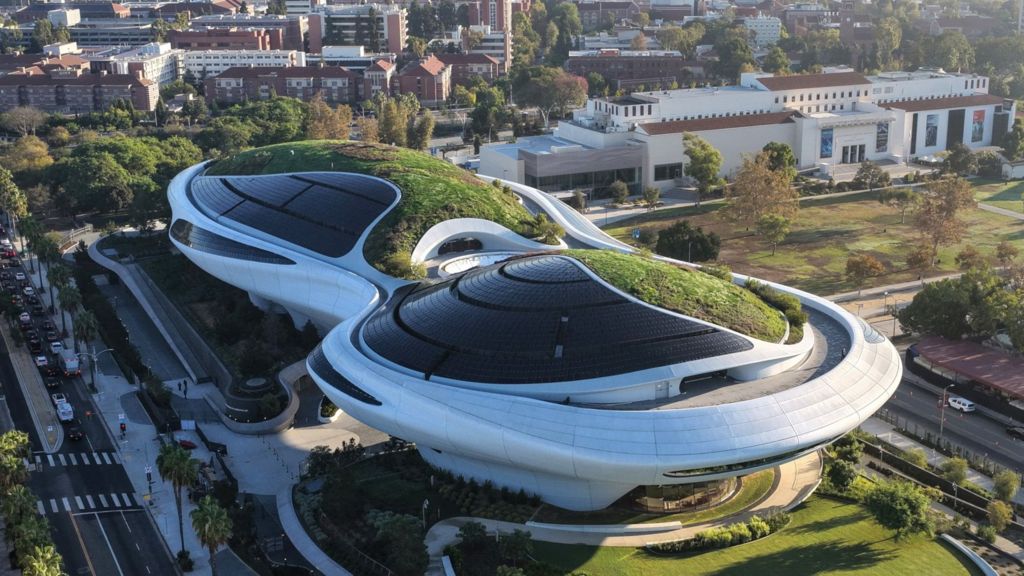
Los Angeles is on the cusp of welcoming a groundbreaking new cultural institution, the Lucas Museum of Narrative Art, founded by Star Wars visionary George Lucas and his wife Mellody Hobson. Scheduled to open its doors to the public in the coming months, the museum has already generated widespread excitement among art lovers, pop culture fans, and cultural tourists across the globe. What sets this new venue apart is its expansive and carefully curated collection, which boasts more than 1,200 individual works spanning a wide range of artistic mediums and narrative forms. The collection pulls together everything from classic cinematic storyboards and original illustrations to fine art paintings and digital media, all tied together by Lucas and Hobson’s shared passion for exploring how visual storytelling shapes modern culture. Unlike traditional fine art museums that focus on isolated works, the Lucas Museum is designed to take visitors on a journey through the evolution of narrative art, from early 20th century comic illustration to the cutting-edge digital design that drives contemporary blockbuster films. Pre-opening previews have already offered a sneak peek at the museum’s striking architecture, which blends seamlessly with its Exposition Park location adjacent to other major Los Angeles cultural attractions. For Lucas, the project is the culmination of decades of personal collecting and a lifelong belief that narrative art — the kind that tells stories — deserves a dedicated space to be celebrated and studied. As opening day approaches, anticipation continues to build for what is expected to become one of Los Angeles’s most visited cultural landmarks, drawing tourists and local visitors alike to experience one of the most unique private art collections ever made available to the public.
分类: entertainment
-
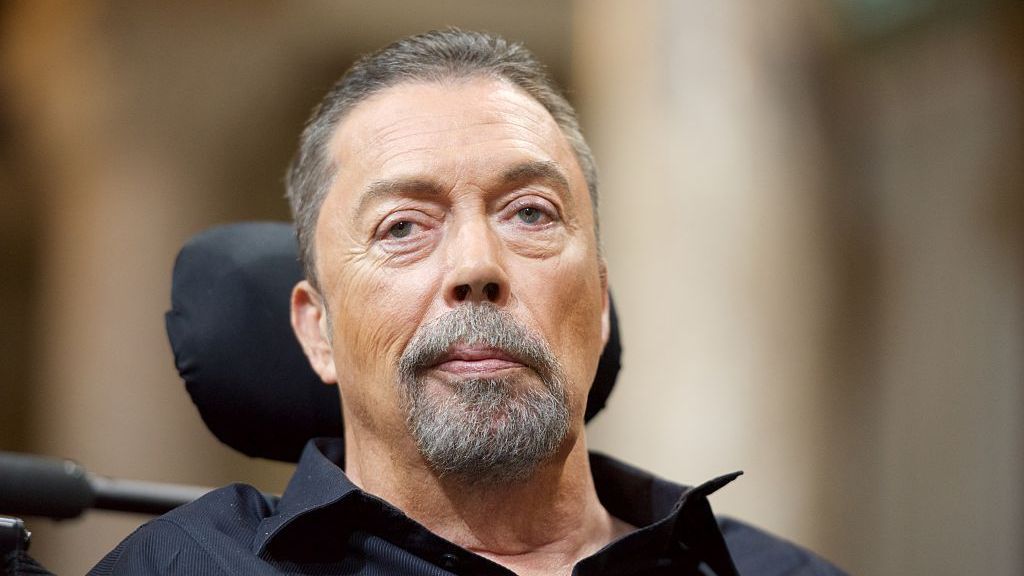
Rocky Horror star Tim Curry’s cause of death revealed
Legendary British actor Tim Curry, whose decades-long career cemented his status as one of pop culture’s most iconic cult figures, has passed away at the age of 80 following complications from multiple chronic health conditions. His publicist confirmed the news to the BBC, stating that Curry died at his Los Angeles residence on August 25, with coronary artery disease listed as the primary cause of death. Per the Los Angeles County death certificate referenced by his representative, a history of major health issues—including a 2012 near-fatal stroke and previous kidney cancer—also contributed to his passing.
Curry shot to global fame in 1973 originating the role of the unapologetically eccentric Dr. Frank-N-Furter in the original West End stage production of *The Rocky Horror Show*, before reprising the career-defining, lingerie-clad part in the 1975 cult film adaptation *The Rocky Horror Picture Show*. It was this role that gave the world his iconic line “don’t dream it, be it”—a phrase that has resonated with generations of fans and outsiders alike.
Over his decades-long career, Curry built an extraordinary portfolio of memorable on-screen, stage, and voice performances. He terrified audiences as the sadistic demonic clown Pennywise in the 1990 television miniseries adaptation of Stephen King’s *It*, brought playful humor to the role of King Arthur in the hit Broadway musical *Spamalot*, and appeared in dozens of popular films including *Annie* (1982), *Clue* (1985), *The Hunt for Red October*, *Home Alone 2: Lost in New York*, and *Scary Movie 2*.
After suffering a major stroke in 2012 that left him partially paralyzed and reliant on a wheelchair, Curry surprised many by shifting his creative focus to voice acting rather than stepping away from the industry. He often expressed gratitude that the stroke robbed him of mobility but spared his distinctive, versatile voice, a tool that allowed him to keep working for more than a decade after his health crisis. He remained a beloved fixture at fan conventions for his most iconic projects, and in 2025 he published his memoir *Vagabond*, where he opened up candidly about his stroke and the long, challenging road to recovery. In the memoir, he reflected on his second chance at life, writing, “If there was anything impressed upon me in the aftermath, it was just how remarkable it was that I was still alive.”
News of Curry’s death sparked an outpouring of tributes from fellow actors, collaborators, and fans across the entertainment industry. Michael McKean, who starred alongside Curry in the 1985 comedy mystery *Clue*, revealed last week that the actor had been in a “grim physical state” in his final months. Susan Sarandon, Curry’s co-star in *The Rocky Horror Picture Show*, remembered him as a singular talent, writing, “Even wheelchair bound, he continued to be so sweet and generous with his fans. He was a funny, sexy, original.”
Born in Warrington, northwest England, in 1946, Curry got his first professional acting job straight out of university, landing a role in the 1968 London production of the groundbreaking rock musical *Hair*. It was his castmate in that production, *Rocky Horror* creator Richard O’Brien, who encouraged him to audition for the new musical that would change his life and make him a permanent fixture in pop culture history.
-
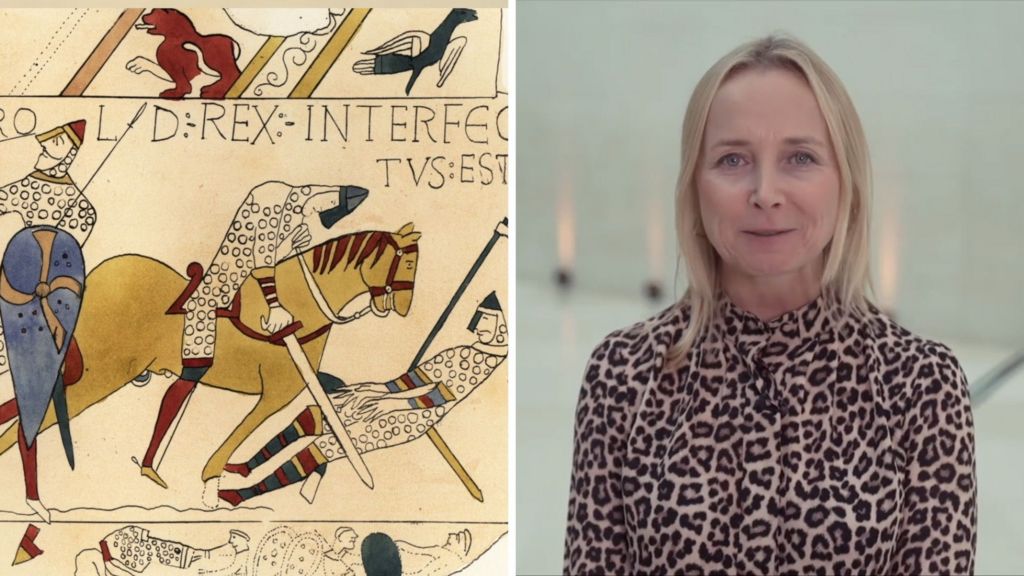
What famous scenes are in the epic Bayeux Tapestry?
One of Europe’s most celebrated and storied medieval artifacts is preparing to step into the international spotlight once again. The 70-meter-long Bayeux Tapestry, an extraordinary embroidered masterpiece that vividly recounts the dramatic events of the 1066 Norman Conquest of England and the decisive Battle of Hastings, has been announced to go on public display at London’s iconic British Museum.
For centuries, this intricate textile work has captivated historians, art lovers and casual visitors alike, weaving together a visual narrative of one of the most transformative turning points in medieval European history. Stitched with vivid detail more than 900 years ago, the tapestry captures dozens of key moments from the lead-up to the conquest, including Harold Godwinson’s swearing of an oath to William of Normandy, the preparation of William’s invasion fleet, and the chaotic, brutal clash of arms at Hastings that would redefine the future of England. Many of its most famous scenes, such as the depiction of King Harold’s death at the battle and the mysterious ‘Halley’s Comet’ panel that has fascinated astronomers and historians for generations, remain instantly recognizable to anyone with an interest in medieval history.
Long housed in its permanent home in the French town of Bayeux, the upcoming British Museum display marks a rare opportunity for audiences across the United Kingdom and international visitors to engage with the tapestry in person, without traveling to Normandy. The exhibition is expected to draw huge crowds of history enthusiasts, families, and cultural tourists, shining a new light on this one-of-a-kind historical artifact that bridges the gap between medieval craft and world-changing political events.
-
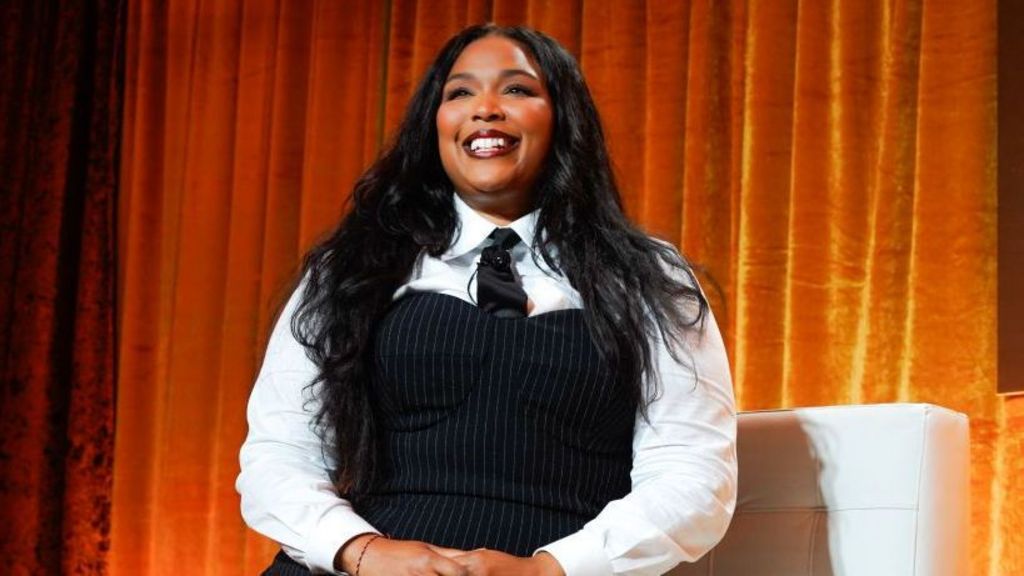
Lizzo ‘grateful’ after judge dismisses lawsuit against production company
A federal district judge has dismissed the last remaining legal claims against Grammy-winning pop star Lizzo’s touring production company, bringing a years-long employment lawsuit brought by a former wardrobe assistant one step closer to a close. The artist has publicly expressed relief at the ruling while reaffirming her commitment to challenging all allegations against her and her business ventures.
Asha Daniels, the former styling team member, brought her suit against Big Grrrl Big Touring — Lizzo’s touring and production firm — in 2023, when she alleged multiple workplace violations including degrading treatment, forced excessive physical labor, denial of access to medical care, sexual harassment, and racial harassment during her short tenure on the star’s tour. The case has wound through the California federal court system for nearly three years, with key rulings narrowing the scope of the suit over time.
In 2024, District Judge Fernando L. Aenlle-Rocha issued the first major ruling in the case, dismissing all claims against Lizzo (born Melissa Viviane Jefferson) as an individual defendant, leaving only the production company named in the suit. This week, the judge issued a final ruling tossing out all remaining claims against the company, according to official court filings.
In his written decision, Judge Aenlle-Rocha noted that Daniels failed to present evidence of conduct that would prove systemic gender bias or disparate treatment of male and female employees within the company. He acknowledged that some of the alleged behavior described in the suit could be considered inappropriate and out of line with professional workplace standards, but wrote that the alleged incidents fell within the bounds of what the U.S. Supreme Court has categorized as “ordinary tribulations of the workplace,” which are not eligible for legal protection under relevant employment statutes.
The judge also addressed one of the most specific physical claims brought by Daniels: an incident where she alleged a heavy rolling clothing rack ran over her foot, causing lasting injury. While the ruling explicitly stated the court did not intend to downplay or ignore the pain Daniels experienced from the accident, the judge concluded that the resulting injuries did not meet the legal definition of a disability under the Americans with Disabilities Act, eliminating that claim from the suit.
Shortly after the ruling was made public, Lizzo shared a statement on her Instagram account addressing the outcome. The “About Damn Time” singer said she felt “relieved” at the court’s decision, and thanked her legal team for their work on the case. She emphasized that her commitment to transparency and truth has guided her through the legal process, noting “The truth matters to me more than anything, and I told y’all I will not settle and will continue to fight every vicious claim that has been made against me and my businesses.” She closed her statement by reaffirming her commitment to using her public platform to spread positivity, and sent well wishes to her fanbase that has stood by her throughout the litigation.
Daniels’ 2023 suit was not the first legal action brought against Lizzo by former tour staff. It came on the heels of a separate 2023 lawsuit filed by three of Lizzo’s former backup dancers, who also brought claims including sexual harassment and a hostile work environment. Lizzo and her legal team have repeatedly denied all of these allegations. A key portion of that suit, including fat-shaming claims brought by the dancers, was dismissed by a judge in 2025.
BBC Newsbeat has reached out to legal representatives for both Lizzo and Daniels to request additional comment on the latest ruling, and had not received a response as of publication.
-
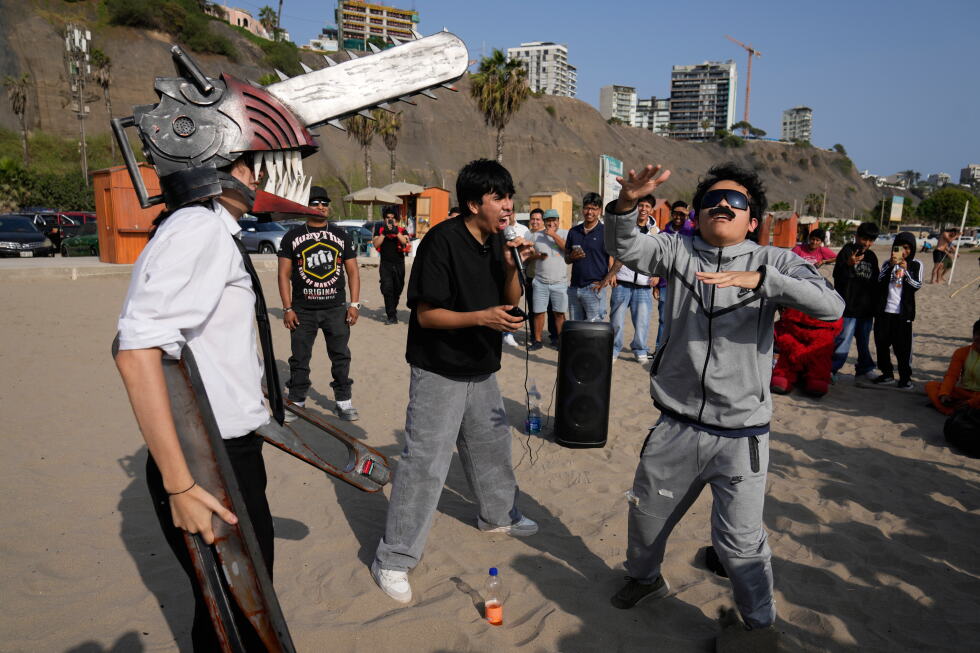
‘Aura farming’: The video game-inspired youth trend sweeping Latin America
On a sunlit beach in Peru’s capital Lima, dozens of young people recently converged to dance, strike playful poses, and showcase wildly creative choreography — all with one shared goal: growing their aura. The gathering was one of the first official “aura battles” held in the country, a tangible offshoot of the viral internet phenomenon “aura farming” that is rapidly capturing the attention of Gen Z creators across Latin America.
Participants lean into elaborate, playful cosplay, drawing inspiration from comic book heroes, animated movie characters, public figures and even internet memes, competing in informal dance-style showdowns decided entirely by audience applause. The competitor who draws the loudest cheers and brings the most original energy to the floor moves on to the next round. One recent attendee dressed as Spider-Man wowed the crowd with acrobatic forward rolls and push-ups set to thumping techno beats, while another pulled off a sharp, one-legged kicking routine straight out of a popular action video game.
Originating in video game culture and amplified by viral social media content, aura farming first popped up in community gatherings across Brazil before spreading rapidly across borders. Unlike traditional competitions that focus on technical skill or fame, the trend centers on unfiltered self-expression and positive energy.
“”Aura farming is about letting your essence flow in a space where you’re in front of other people, but there’s no room for shame,” explained 20-year-old film student Liam González, who attended the Lima event in full costume as the beloved animated character Shrek. Another attendee, 19-year-old Gonzalo Cornelio, drew attention for his costume inspired by former Venezuelan President Nicolás Maduro, replicating the grey tracksuit the leader wore the night he was detained by U.S. military forces.
The name “aura farming” draws direct inspiration from video game mechanics, where players “farm” or repeatedly collect points and resources to level up their characters. In this trend, the resource being cultivated is positive energy, or “good vibes,” that boost a person’s aura — a term borrowed from spiritual traditions referring to the unseen energy field said to surround every individual. Peruvian digital content creator Fernando Lícito, who brought the aura battle trend to Peru after seeing a viral Brazilian contest clip in June, has organized three sold-out events in the country so far. He emphasized that unlike many competitive youth events, aura battles have no place for conflict: participants never physically touch one another or trade insults, with victory going solely to whoever can get the biggest reaction from the crowd.
Many participants weave in other popular internet trends into their routines: some copy soccer superstar Cristiano Ronaldo’s iconic “siuu” goal celebration, while others repeat the phrase “six, seven” while moving their hands in a nod to a widely shared viral meme. From its origins in Brazil, the trend has spread to major Latin American capitals including Mexico City, Quito and Buenos Aires, where dozens of participants held a public battle in front of the city’s famous Obelisk monument. It has even jumped across the Atlantic, with public events popping up in Madrid, Burgos and Zaragoza in Spain.
María Paula Martínez, an arts professor at Colombia’s Los Andes University, notes that the trend’s biggest impact has been moving online community connection into real physical spaces. “It’s not about becoming popular,” she explained. “It’s about putting out good vibes, and having other people recognize that energy.” For many young participants, it provides a low-stakes, joyful outlet to socialize and embrace creativity after years of isolated digital connection during the COVID-19 pandemic.
Like many viral youth trends, aura farming has drawn a mixed reaction from public officials and institutions across the region. Some local authorities have pushed back against public events: in Lima’s upscale Miraflores district, officials recently scrapped a planned aura battle after organizers failed to secure the required public space permits. In July, the mayor of Cuiabá, a city in southwest Brazil, rejected permit applications for an aura tournament, arguing the event did not serve the public interest, forcing organizers to relocate the gathering to a local university campus. In Costa Rica, the ministry of education has banned aura battles from all public schools, claiming the events could fuel student conflict and disrupt academic activities.
The trend has found official support in other corners of the region, however. In Mexico, the federal education minister publicly embraced the trend, posting a lighthearted viral video where he joked he was “farming good education” ahead of the new school year. For young participants like González, the pushback from older generations comes as no surprise — and it doesn’t dampen their enthusiasm for the new hobby.
“My grandmother doesn’t understand what I’m doing, she thinks it’s all silly,” González said. “But we were born in a different era. This is just how we have fun and show who we are.”
-

Cup noodles made with cold water? BBC tries Japan’s viral snack
Japan’s food innovation space never fails to surprise global food lovers, and the newest viral sensation turning heads across social media and international media circles is surprisingly simple: instant cup noodles prepared entirely with cold water. The BBC has stepped in to put this unconventional snack to the test, sending Tokyo-based correspondent Kurumi Mori to experience the trend first-hand for curious audiences worldwide.
What began as a clever hack for situations where boiling water is unavailable has quickly grown into a full-blown viral trend among young Japanese consumers. Originally conceived as a convenient solution for outdoor activities, emergency situations, or sweltering summer days when heating water feels like too much effort, cold-water cup noodles have exploded in popularity across Japanese social media platforms, with thousands of users sharing their own preparations and reviews of the quick snack.
Unlike traditional instant noodles that require hot water to soften the dried noodle blocks and activate the flavoring powders, manufacturers behind this trend have reformulated their noodle products to soften gradually in cold water in just a few minutes. Depending on the brand and variety, most cold-water compatible cup noodles are ready to eat between three and five minutes after adding cold tap water, delivering a chewy, textured noodle that many fans describe as surprisingly satisfying, especially on hot days when a cold meal is more appealing than a steaming bowl.
Mori’s test for the BBC followed the standard preparation method: adding cold water to the cup, sealing it, waiting the required time, then stirring in the flavoring to serve. Early reactions from the correspondent note that while the flavor profile differs slightly from the classic hot preparation, the snack delivers on convenience and novelty, two key factors that have helped it spread rapidly across Japan’s food culture.
Food industry analysts note that this viral trend reflects two growing shifts in Japanese consumer behavior: rising demand for quick, no-fuss meal solutions for busy lifestyles, and growing appetite for novel, shareable food experiences that perform well on social media. As the trend continues to gain traction internationally via online content, many wonder if cold-water instant noodles could soon become a popular snack in markets outside of Japan.
-
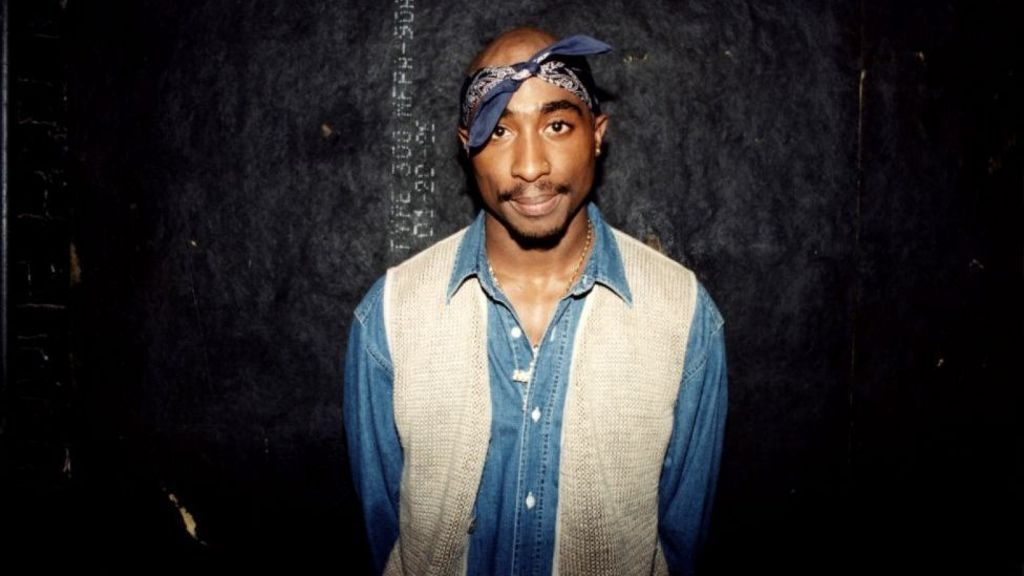
Could Tupac verdict inspire new efforts to also find killer of his rap rival?
After three decades of unresolved speculation surrounding one of hip-hop’s most shocking tragedies, a Las Vegas court has finally handed down a guilty verdict in the murder trial of iconic rapper Tupac Shakur, closing a chapter that has haunted global music culture for generations. The defendant, Duane “Keffe D” Davis, was convicted of orchestrating the 1996 drive-by shooting that killed the West Coast rap legend, a outcome that drew raw emotional reactions from Shakur’s family inside the courtroom and reignited calls to solve the parallel unsolved killing of East Coast rap star The Notorious B.I.G.
For legal experts, the conviction marks a historic end to one of America’s highest-profile cold cases. “We’re talking about the greatest rapper of all time, an icon, and not a single arrest or prosecution for 30 years,” former prosecutor Neama Rahmani told the BBC, describing the case as an uphill battle that few believed prosecutors could win. “This is huge. It was a tough case. It’s a cold case. It gives closure to 30 years of mystery, the end of an era.”
Inside the courtroom, the moment the guilty verdict was read brought immediate tears and embraces from Shakur’s loved ones, with one family member even hugging the lead prosecutor on the case. For his part, Davis has already announced he plans to appeal the ruling, while legal observers and hip-hop fans alike have turned their attention to the long-dead case of Christopher Wallace, better known by his stage names Biggie Smalls and The Notorious B.I.G., Shakur’s iconic East Coast rival who was killed in a nearly identical drive-by shooting in Los Angeles just six months after Shakur’s death.
What makes the Davis conviction particularly notable is that the entire case rested almost entirely on Davis’ own repeated public admissions of his role in the killing. Over decades, Davis openly discussed his involvement in multiple media documentaries, a published memoir, podcast interviews, and even a secret police interrogation. He claimed that on the night of September 7, 1996, he placed a firearm in the backseat of a vehicle, and his nephew Orlando Anderson fired the fatal shots at Shakur as their car pulled alongside Shakur’s near the Las Vegas Strip. Anderson, who always denied killing Shakur, was shot and killed in a separate gang confrontation in 1998.
Notably, prosecutors presented no physical evidence to corroborate Davis’ admissions: there were no eyewitnesses who could place Davis in the vehicle during the shooting, no murder weapon was ever recovered, and no video or photographic evidence placed Davis at the scene that night. Davis’ defense team argued aggressively that his repeated confessions were nothing more than fabricated tall tales designed to sell books and boost his public profile, telling the jury that there was no concrete proof of his guilt. Trial attorney Shaun Kent summed up the prosecution’s position ahead of the verdict, noting that “the strongest witness against him – is him.” The case only moved forward because Davis repeatedly chose to discuss his role publicly, with Kent explaining “the case really evolved with each interview and moment that Davis decided to open his mouth and talk about the case more.”
Rahmani argued that Davis’ repeated willingness to confess on the record makes him one of the most unassuming criminals in recent history. “He would have never have faced charges if he had stayed silent,” Rahmani said. “He really couldn’t stop himself. Even when he was arrested and in custody, he was giving interviews.”
The trial also pulled the jury back into the context of 1990s hip-hop culture, when a brutal high-profile feud between East Coast and West Coast rap scenes dominated the genre, and deep-seated gang influence and a street code of silence kept witnesses from cooperating with police. Even after being fatally wounded, Shakur refused to name his attackers to responding officers, telling an ambulance crew that he would handle the situation on his own. That same code of silence allowed Biggie’s killing to remain unsolved for 29 years.
Davis has long been tied to Biggie’s killing as well: he was acquainted with the rapper and was present at the same Los Angeles party the night Biggie was killed, and the investigator who interviewed Davis after Biggie’s death even testified during the Tupac trial. The Los Angeles Police Department has confirmed that Biggie’s murder remains an active, open investigation, and legal experts are hopeful that the Tupac conviction will encourage investigators to re-examine the 29-year-old cold case.
“It’s really a stain on the LAPD. The fact that this could happen and not a single arrest was made and no one was prosecuted,” Rahmani said of Biggie’s unsolved death, which occurred on a public street in the middle of America’s second most populous city. “Prosecutors don’t like to lose and tend to be a little gun shy, but maybe this [Tupac’s conviction] will embolden folks in Los Angeles to maybe take another look at it, a cold case that’s coming up on 30 years.”
In a statement to the BBC, LAPD Lieutenant Elpidio Orozco confirmed the department remains committed to solving the case, saying “The murder of Christopher Wallace remains an open, unsolved case within LAPD’s Robbery-Homicide Division,” and urging any member of the public with new information to contact authorities.
For fans and family of Tupac Shakur, however, the verdict brings a long-awaited end to three decades of uncertainty, closing one of the most infamous chapters in modern music history.
-
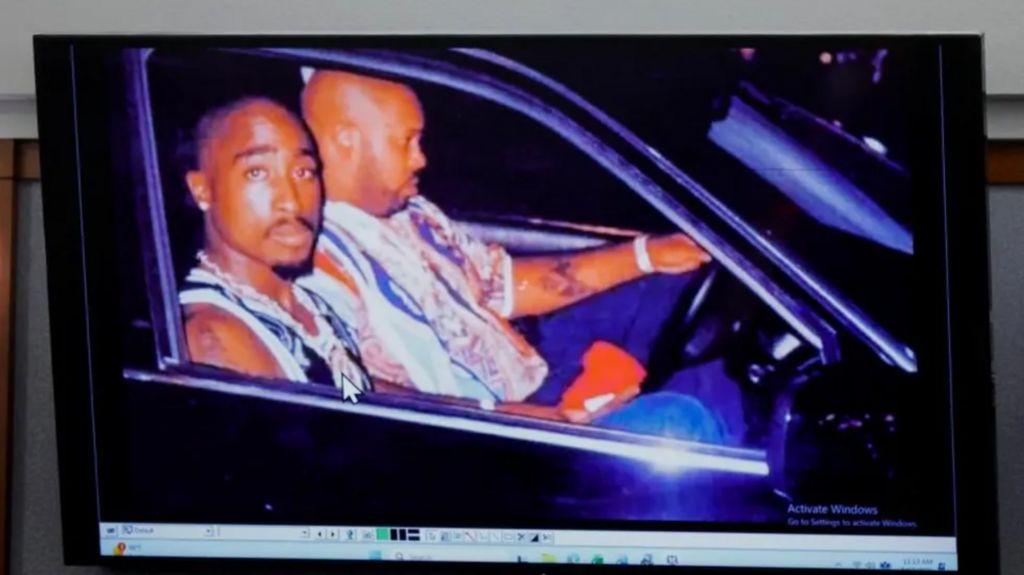
Ex-Crips leader found guilty in 1996 murder of rapper Tupac Shakur
After nearly three decades of speculation, unanswered questions, and rampant conspiracy theories, one of the most high-profile cold cases in American music history has finally resulted in a conviction. On Monday, a Las Vegas jury found former South Side Compton Crips gang leader Duane “Keffe D” Davis guilty of murder with a deadly weapon for his role in orchestrating the 1996 drive-by shooting death of legendary hip-hop icon Tupac Shakur.
Court observers described a tense, emotional scene inside the downtown Las Vegas courtroom as the verdict was read. The 63-year-old defendant, dressed in a crisp black suit, remained completely impassive as the jury foreman announced the guilty finding. Moments later, he formally informed Clark County District Court Judge Carli Kierny of his intent to appeal the conviction, a process that will move forward after his sentencing scheduled for October 13. Across the courtroom, members of Shakur’s family reacted with quiet emotion, locking hands, embracing one another, and shedding tears after the verdict was delivered. Shakur’s sister hugged lead prosecutor Binu Palal in a show of gratitude, while devoted fans gathered outside the courthouse cried and cheered at the news of the guilty outcome.
Shakur, one of the most influential and commercially successful rappers of all time, was just 25 years old when he was gunned down on September 7, 1996, at the height of his career. To date, he has sold more than 75 million records worldwide, and his cultural legacy has only grown in the decades since his killing. The shooting occurred amid a bitter, well-documented rivalry between East Coast and West Coast hip-hop scenes, intertwined with long-standing gang feuds between the Crips and Bloods that shaped much of 1990s rap culture.
Prosecutors argued during the trial that while Davis did not pull the trigger himself, he was the mastermind behind the killing. According to the state’s case, Davis supplied the 9mm handgun used by his nephew Orlando Anderson, who fired the fatal shots from the passenger seat of a white Cadillac that pulled alongside the BMW Shakur was riding in after a boxing match in Las Vegas. The attack was planned as retaliation for a physical altercation between Anderson and Shakur’s entourage that occurred just hours before the shooting, prosecutors confirmed.
The case against Davis rested largely on his own repeated public statements about his involvement in the killing. In a 2008 secret police interview conducted as part of the investigation into the murder of fellow rapper The Notorious B.I.G. (born Christopher Wallace), Davis first admitted his presence in the Cadillac and his role in organizing the attack. He expanded on these claims in great detail in his 2019 tell-all memoir *Compton Street Legend*, as well as in multiple documentaries and podcast interviews. These public disclosures voided a prior immunity agreement Davis had struck with authorities, allowing prosecutors to use his 2008 interview as evidence in the trial.
In closing arguments, Palal urged jurors to accept Davis’ own accounts of his role, noting that the former gang leader had openly claimed responsibility for Shakur’s death across dozens of media appearances over more than a decade. “He’s the shot caller — in every instance in every iteration he’s the leader of the South Side Crips,” Palal told the jury. “When you have the shot caller sitting shotgun when shots are fired, there’s no doubt he’s responsible.”
Davis’ defense team pushed back hard against the prosecution’s narrative, arguing that the defendant’s public comments were nothing more than exaggerated bravado designed to boost book sales and bolster his reputation within gang circles. Defense attorney Michael Sanft told jurors that the state had no physical evidence linking Davis to the shooting, and that the case relied entirely on unsubstantiated statements from a proven liar. Despite this argument, the jury reached a guilty verdict within just hours of beginning deliberations.
Following the verdict, Judge Kierny set Davis’ sentencing for October 13, and confirmed that any formal appeal process would move forward after sentencing. The conviction closes one of the most enduring mysteries in modern hip-hop, bringing a long-awaited resolution to a case that has captivated music fans around the world for nearly 30 years.
-
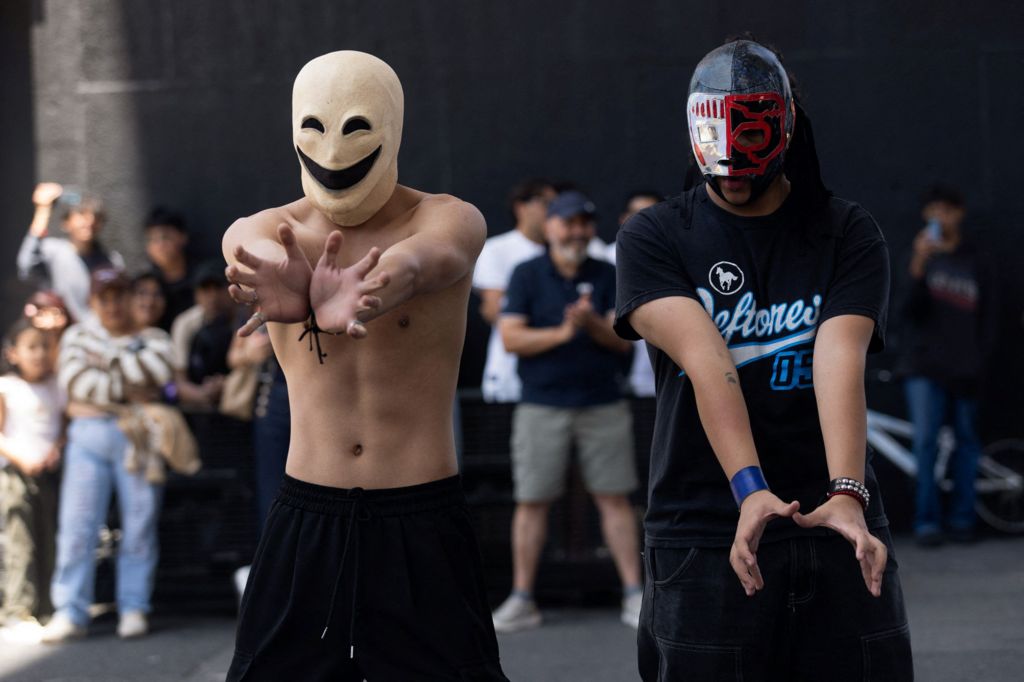
Across Latin America, ‘aura battles’ burst onto the scene
A vibrant new social trend has rapidly captured the attention of young people across Latin America, with informal ‘aura battles’ emerging as one of the most talked-about youth activities in the region. Unlike traditional competitions that measure physical skill, academic performance or artistic talent, these novel contests center entirely on one intangible quality that many believe shapes personal and professional success: charisma.
Participants in aura battles go head-to-head in friendly showdowns, where they work to convince judges and audiences that their personal ‘aura’ — the unique magnetic energy and presence they project — outshines that of their competitors. What began as a niche inside joke shared on social media platforms has quickly snowballed into a widespread cultural phenomenon, with gatherings popping up in major cities from Mexico City to Buenos Aires, and viral challenge clips racking up millions of views across TikTok, Instagram and YouTube.
The sudden popularity of aura battles among Latin American youth reflects a broader cultural shift toward celebrating soft skills and personal authenticity in a post-pandemic world. After years of social distancing and remote interaction that left many young people feeling disconnected, these low-stakes, high-energy competitions offer a playful space for self-expression and connection. Unlike high-pressure competitive activities that focus on formal achievement, aura battles invite participants to embrace their unique personalities, turning the simple act of being oneself into a friendly game.
Cultural observers note that the trend also taps into growing public fascination with the concept of aura and personal magnetism across global social media. What makes the Latin American iteration unique, they add, is how it blends regional cultural values of warm interpersonal connection and expressive communication with the viral mechanics of internet culture, creating a trend that feels both deeply rooted in local culture and perfectly suited for the digital age. As participation continues to grow, many organizers are now planning larger, public aura battle events that draw crowds of hundreds of spectators, cementing the trend’s place in contemporary Latin American youth culture.
-
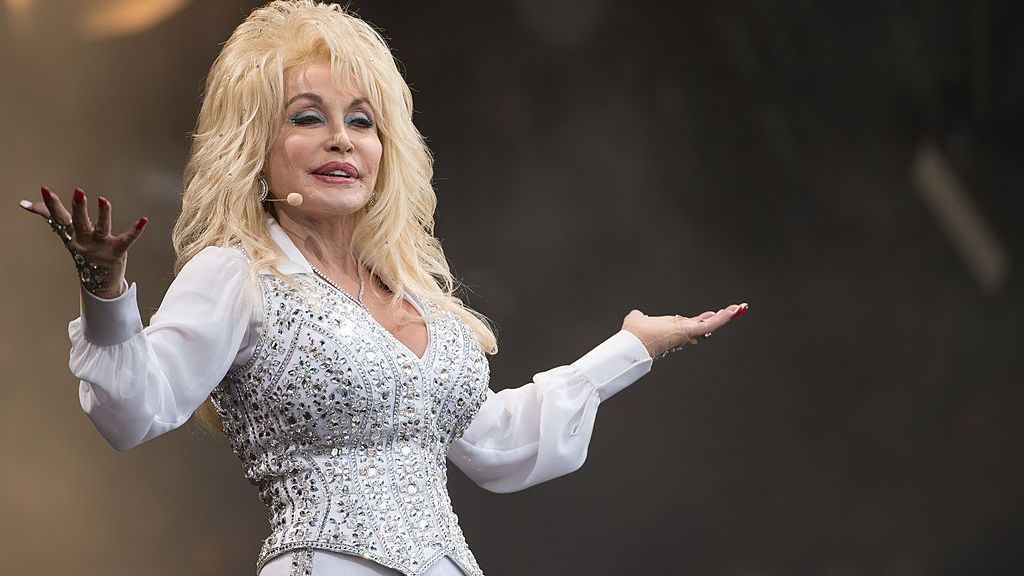
Festival honouring Dolly Parton set for Nashville and London
Country music legend Dolly Parton, who passed away at 80 on August 25 following a short battle with cancer, will be celebrated through a unique, star-studded two-day festival planned for London and Nashville, according to an official announcement from her estate released this Monday.
Named DollyFest, the event will roll out across two consecutive weekends in 2027, with exact dates to be revealed at a later stage. What many fans do not know is that the celebration traces its origins back to Parton herself, who originally conceptualized an earlier iteration of the festival where she would host and take the stage alongside fellow artists. That first planned event, scheduled for January 2026, was quietly canceled before any public announcement after Parton faced unexpected health complications.
Instead of a conventional public memorial service, which Parton explicitly did not want, DollyFest will stand as the official public tribute to her decades-long legacy. Parton was laid to rest this past Friday at a private family funeral held in Nashville, where she was interred beside her late husband Carl Dean at the city’s Woodlawn Memorial Park and Mausoleum, confirmed by her great-niece.
Danny Nozell, founder and CEO of CTK Enterprises and the lead organizer of DollyFest, explained that the festival aligns perfectly with Parton’s personal wishes. “It feels more appropriate for us to take a beat, let all the tributes that immediately make sense occur naturally, and then, see through this festival-style concept that was truly dreamed up by Dolly,” Nozell said in the press release. He added that the event stays true to who Parton was, giving artists and fans across the globe space to participate, while also allowing everyone time to grieve and make preparations to join the celebration. The estate has also noted it does not discourage fans from holding their own personal tributes to Parton in whatever ways feel meaningful to them. “A lot of people always say, WWDD (What Would Dolly Do?), and, well, at this moment, DOLLYFEST is WDWD (What Dolly Would Do!),” Nozell added.
Born in the Smoky Mountains of Tennessee, Parton built a seven-decade career as one of the most influential figures in modern music, alongside work as a celebrated philanthropist and businesswoman. Her discography includes some of the most recognizable songs in country music history, such as *Coat of Many Colors*, *Jolene*, and *I Will Always Love You*. Over her career, she earned 10 Grammy Awards, sold more than 100 million records worldwide, and penned thousands of original tracks. Parton often prioritized her identity as a songwriter over any other title, once saying: “It’s my way of expressing myself. It’s my therapy.”
Since news of her death broke earlier last week, heartfelt tributes from celebrities, political figures, and millions of adoring fans have flooded social media platforms around the world, a testament to the far-reaching impact of her life and work. Now, DollyFest is set to deliver the large-scale celebration the icon always wanted, turning her original vision into a once-in-a-lifetime gathering for all who loved her music and legacy.