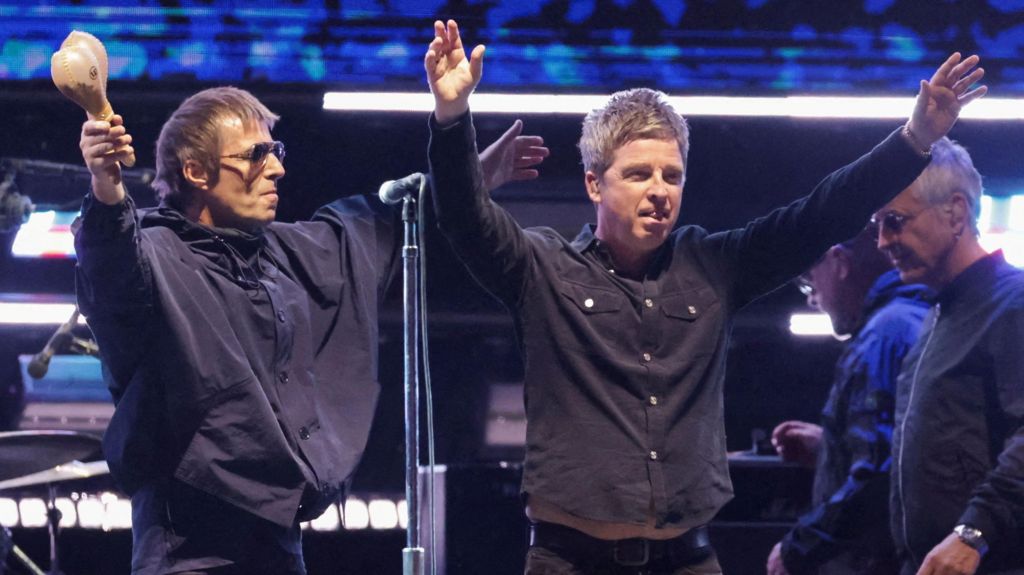
Fifteen years after splitting up, iconic British rock band Oasis sent shockwaves through the global live music scene when they announced their long-awaited reunion tour, triggering a feverish ticket rush that would ultimately spark a major consumer law controversy. When tickets went on sale to the public on August 31, 2024, more than 900,000 passes sold out almost instantly, as hundreds of thousands of diehard fans waited for hours in virtual waiting rooms across the world, hoping to secure a spot at the band’s first shows in over a decade. The band was even inducted into the Rock & Roll Hall of Fame the same year, adding extra momentum to the reunion hype.
分类: entertainment
-

Tale of conquest and symbol of friendship, the Bayeux Tapestry is a hot ticket at the British Museum
Nearly a millennium after it was last on British territory, one of the world’s most iconic medieval artifacts has made its historic debut to the British public this week at the British Museum. The 70-meter embroidered Bayeux Tapestry, which chronicles the 1066 Norman Conquest of England — the last successful invasion of the British Isles — has drawn extraordinary public excitement months ahead of its opening, with all advance tickets sold out and organizers projecting up to 1 million visitors before the exhibition closes in July 2027. Special educational programs will also bring the tapestry’s history to life for school groups across the United Kingdom, ahead of a private pre-opening preview attended by Britain’s King Charles III and French President Emmanuel Macron. As British Prime Minister Keir Starmer’s government has joked, the legendary work is ultimately a 230-foot reminder of one of the most consequential defeats in British history.
More than a simple medieval artwork, the tapestry unfolds as a narrative panorama of betrayal, conflict and regime change that shaped the course of European history. Structured in 58 sequential scenes, it opens with English nobleman Harold Godwinson’s journey to Normandy, where he swears an oath to support William, Duke of Normandy’s claim to the English throne. When Edward the Confessor, the ruling English king, dies months later, Harold claims the crown for himself, prompting William to assemble an invasion fleet and sail across the Channel. The tapestry builds to the climactic Battle of Hastings, where William’s forces defeated Harold’s Anglo-Saxon army, a victory that installed William as England’s first Norman king, tied the fates of Britain and France irrevocably, and introduced French linguistic and cultural influences that endure in English society to this day.
Exhibition curator Michael Lewis explained at a press preview on Monday that the work carries an intentional early political messaging core. “1066 is the most important event in English history,” Lewis noted, adding that the tapestry was stitched with a clear propaganda function: it was designed to convince the conquered English population that while loyalty to Harold was understandable, the old order had fallen, and the new Norman rule under William had to be accepted.
Beyond its political purpose, the tapestry offers an unparalleled, granular window into daily life in 11th-century Europe, blending depictions of brutal battlefield violence with intimate, mundane domestic details. It shows soldiers stealing livestock, cooking meals over open fires, eating from their own shields, and sacking English settlements as women and children flee the violence. Lively marginal illustrations fill the top and bottom edges of the fabric, populated by fish, hunting dogs, mythical winged beasts and ordinary commoners that often offer subtle ironic commentary on the main narrative. For 11th-century audiences, Lewis argued, the work would have felt deeply immersive: “Maybe they would even have tried to pick out themselves in the story of these events,” he said.
For modern historians, the tapestry remains an invaluable primary source, revealing insights into medieval shipbuilding, fashion, cuisine, military armor, architecture and even astronomy. One panel clearly depicts Halley’s Comet streaking across the sky, matching the comet’s actual appearance in 1066, the year of the invasion. Many mysteries still surround the centuries-old work, however: scholars continue to debate whether the famous arrow that strikes Harold’s eye, killing the Anglo-Saxon king, was added centuries after the original stitching; a final planned panel, likely showing William’s coronation as king, has been lost to time; even the exact count of human and equine genitalia depicted in the marginalia remains a point of contention, with counts ranging from 93 to 94.
In the modern era, the tapestry’s enduring cultural popularity stems in part from its accessible, comic-strip style that makes it adaptable to contemporary commentary, explained Leonie Hicks, a professor of medieval studies at Canterbury Christ Church University. Hicks noted that its simple, vivid illustrations are “very meme-able,” often repurposed to mock modern political events. She pointed to a recent magazine cover that reimagined a 2020s UK leadership contest, depicting current Prime Minister Keir Starmer as Harold falling with an arrow in his eye, and former opposition leader Andy Burnham as William advancing on horseback, with modern touches like Big Ben and Downing Street’s resident Larry the Cat added to the tapestry-style margins.
Historians broadly agree that while the tapestry has been housed in the French town of Bayeux for nearly 1,000 years, where it was likely commissioned by Bishop Odo of Bayeux, William the Conqueror’s half-brother, it was almost certainly stitched by female artisans in southeast England, just miles from the Battle of Hastings battlefield. King Charles III even noted at a joint reception with Macron last week that the work could just as accurately be called the Canterbury Embroidery.
The landmark loan has been framed by both the British and French governments as a powerful symbol of enduring Franco-British friendship, but securing the artifact’s journey to London required nearly a decade of delicate diplomacy. Decades of repeated British requests to borrow the tapestry were unsuccessful, before an initial agreement was reached in 2018. The opening was then delayed repeatedly by COVID-19 pandemic disruptions and post-Brexit diplomatic tensions, before the arrangement was finally confirmed during Macron’s state visit to the UK in 2024.
The move has not been without controversy: some French cultural heritage advocates and the late legendary British artist David Hockney opposed the loan, citing major risks of irreversible damage to the fragile, nearly 1,000-year-old textile. To mitigate risk, the tapestry was insured for 960 million euros ($1.1 billion), packed in custom climate-controlled, shock-proof packaging, and transported to London under heavy police escort via road and rail, arriving at the museum under cover of darkness. Unlike its traditional hanging display in Bayeux, the tapestry will be exhibited flat in a purpose-built, state-of-the-art protective case that curators say eliminates strain on the fabric. Lewis confirmed that the collaborative work of conservation teams from both France and Britain allowed the artifact to arrive in London completely undamaged, noting that the planning process for the trip has generated new conservation knowledge that will ensure the tapestry’s safe return to France when the exhibition concludes. “It has to make that trip back as well,” Lewis said. “But we’ve learnt so much in that process. I’m confident that we’ve learned a lot that helps us be sure that going back is going to be as good.”
-
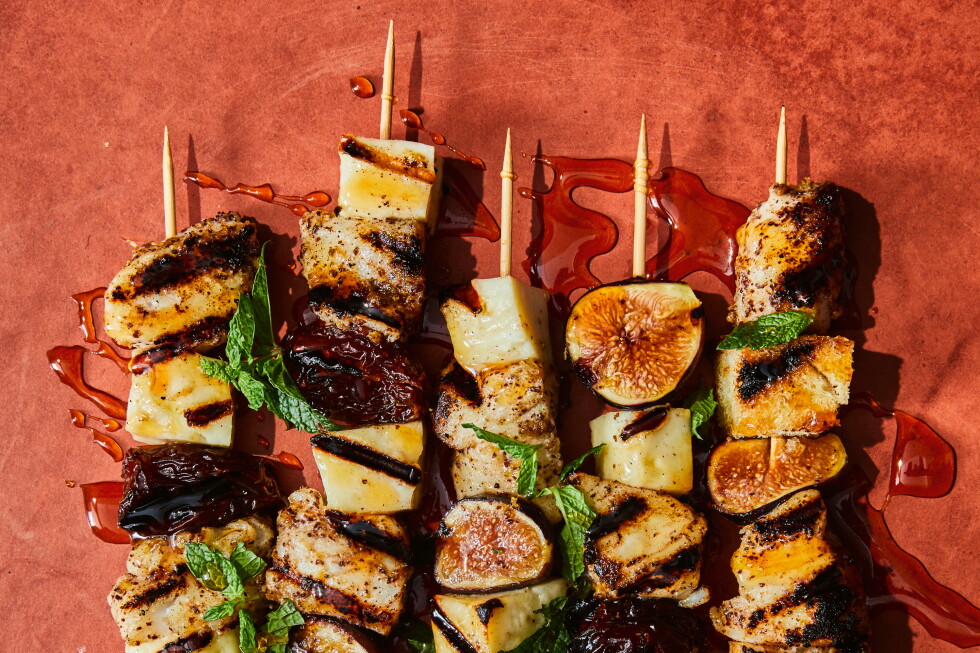
When lunch is the main event, here’s a ‘Greek Out’ take on halibut and halloumi skewers
What does the term “main dish” actually mean? For most people across the globe, the phrase immediately brings to mind a formal evening dinner, typically following the rigid formula of meat paired with a starch side and a vegetable portion. This common assumption makes perfect sense: for millions of households, dinner is the largest, most structured meal of the day. But for Greek recipe creator Maria Koutsogiannis, author of the new cookbook *Greek Out*, a main dish is far less about a set structure and far more about a feeling that fits how you grew up eating. And for Koutsogiannis, that means the biggest meal of the day has always been lunch – and main dishes don’t have to be reserved for the dinner table at all.
In an excerpt from her upcoming 2026 cookbook, Koutsogiannis shares one of her signature creative main dishes: handheld grilled skewers that pair flaky wild halibut with salty halloumi, sweet dried dates and fresh figs, balanced with warm aromatic spices. Designed to work as a hearty main for four people or a shareable appetizer for a crowd of 10, this dish brings together an unexpectedly harmonious blend of textures and flavors: chewy sourdough, creamy cheese, tender juicy fish, and layered notes of sweet, salty, and warm spice all in one portable bite.
Many Greek recipes gravitate toward graviera for firm, salty grating and grilling cheese, but Koutsogiannis makes a deliberate swap for halloumi here. The choice is a practical one: halloumi holds its shape perfectly on the grill without melting or turning mushy, and its bold saltiness stands up beautifully to the mild, tender halibut for a balanced bite. The simple prep process starts with seasoning the fish: cubed 1-inch chunks of skinless wild halibut get coated in a dry rub of lemon zest, ground sumac, garlic powder, onion powder, kosher salt, black pepper, and just a hint of warm cinnamon, tossed with a splash of extra-virgin olive oil. Cubed sourdough, 1-inch chunks of halloumi, halved fresh figs, and pitted Medjool dates get a light toss in olive oil as well, before being threaded onto pre-soaked wooden skewers in repeating order: bread, halloumi, halibut, fig, and date, to create 10 complete skewers.
The skewers are grilled over medium heat (around 400°F or 200°C) until each side develops deep caramelized char marks, with a total grilling time of 8 to 12 minutes to ensure the halibut cooks through and flakes easily. Once pulled off the grill, a quick drizzle of hot or regular honey, a squeeze of fresh lemon, and a sprinkle of bright mint leaves finish the dish. For an extra punch of garlicky creaminess, Koutsogiannis recommends serving with store-bought toum, a creamy garlic spread.
Koutsogiannis is no newcomer to Greek cooking: the CEO and creator of the popular recipe platform FoodByMaria grew up working in her parents’ Greek diner and spent every summer traveling through Greece, building a deep foundation of traditional Greek food knowledge that she reimagines for modern home cooks. She now shares her approach with a community of nearly 4 million followers across social and digital platforms, splitting her time between New York City and Calgary, Alberta. This excerpt is printed with permission from Voracious, an imprint of Little, Brown and Company, with all content copyrighted 2026 by Maria Koutsogiannis.
-
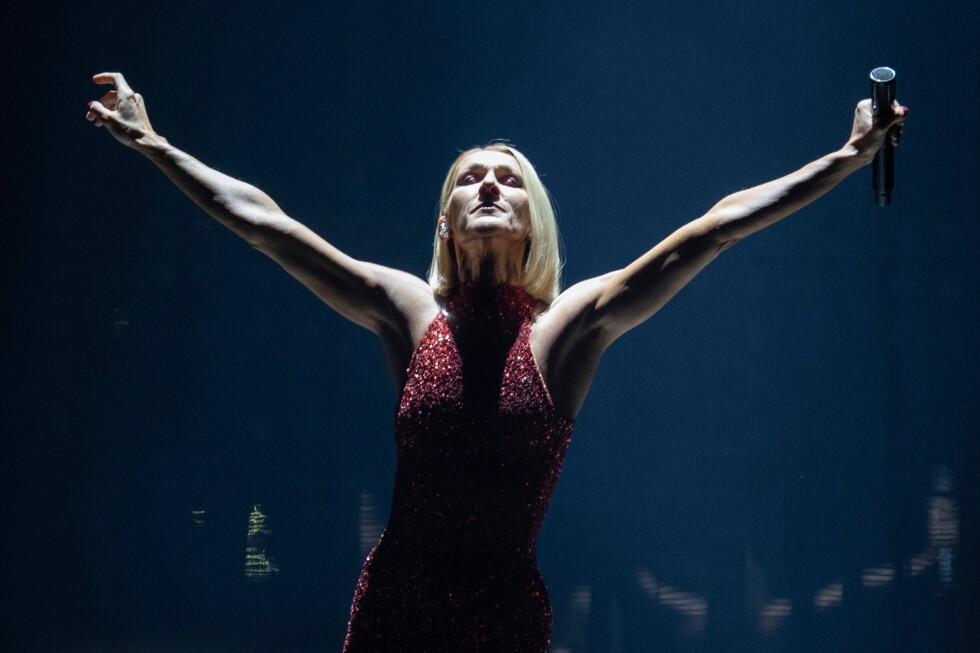
One Tech Tip: How to avoid Celine Dion ticket scams as she makes her grand concert comeback
As Celine Dion prepares for her long-awaited return to the concert stage in Paris, venue organizers are preparing for a devastating side effect of the singer’s massive popularity: hundreds of fans are expected to be turned away at the door after falling victim to ticket scams run by opportunistic cybercriminals. Drawing on lessons learned from Taylor Swift’s 2024 Paris shows at the same venue, Plenitude Arena management is warning fans of widespread fraudulent ticketing operations that have already stolen thousands of dollars from excited attendees.
Dion’s comeback tour, which kicks off its first of 26 Paris shows this Saturday, marks the Grammy-winning artist’s first full tour series after she revealed a 2022 diagnosis of stiff-person syndrome, a rare neurological disorder that forced her to step back from live performance for years. Her brief showstopping performance of *Hymne à l’amour* at the 2024 Paris Olympics opening ceremony, delivered from the Eiffel Tower in pouring rain, only amplified already pent-up global demand for tickets, which sold out within moments of going on sale. This unprecedented hype has created the ideal breeding ground for scammers, according to cybersecurity experts.
“Where there is massive demand and widespread excitement, fraudsters see a golden opportunity,” notes Group-IB, a Singapore-based cybersecurity firm that partners with Interpol on global cybercrime tracking. The organization confirms scammers are reusing the same proven scam tools they deployed to target Taylor Swift fans during her 2023-2024 Eras Tour and Oasis fans ahead of the British band’s 2025 reunion tour, adapting the tactics for Dion’s eager audience.
Plenitude Arena, which will host 16 Dion shows between September and October 2024, plus an additional 10 dates in May 2027, says scam risk peaks in two windows: immediately after tickets first go on sale (April 2024 for the upcoming run, June 2024 for the 2027 shows) and in the final weeks leading up to performances. “That’s when the public will be very exposed to these scammers,” Céline Trioux, the arena’s marketing director, told the Associated Press in an interview. “People are going to wake up and think, ‘Oh, right, I didn’t get a ticket, everyone is going, I want to go,’ or ‘I’ve seen the first show all over social media, it looks amazing, I’m going to find a ticket by any means possible.’ And that’s also when the scammers will be out in force.”
While all general admission tickets sold out immediately, a limited number of VIP packages — including perks like Champagne and exclusive access — remain available for between €1,099 and €2,999 (US$1,276 to $3,473) exclusively through the arena’s official website. For fans seeking resold tickets from original purchasers who can no longer attend, Trioux emphasized that only three platforms are authorized to facilitate safe secondary sales: AXS France, Ticketmaster France, and Fnac Spectacles. Trioux noted that resold tickets will be extremely scarce, as only 4% to 8% of ticket holders at the arena ultimately end up unable to use their purchases.
“I strongly advise against buying a ticket from an individual or from someone advertising it on social media, because there’s no way to know whether it’s genuine or whether the same ticket will also be sold to other people,” Trioux warned.
Cybersecurity researchers have found a wide network of fraudulent sites designed to mimic official ticketing platforms, Dion’s official website, and the Plenitude Arena’s own site. Many of these fake platforms use nearly identical URLs to trick unsuspecting fans — common examples include celinedion.co instead of the official celinedion.com, ticketmaster-celinedion.fr instead of the legitimate ticketmaster.fr, and axs-billetterie.com in place of official axs.com.
Trioux says arena legal teams have already identified nearly 200 fraudulent Dion-related websites and social media accounts selling fake tickets, but shutting down these operations is a losing battle. “When we shut down one copycat website, another one opens,” she explained. “It’s a constant battle. It’s impossible to close them all because technology is advancing faster than legal authorities can act.” Fans are advised to only access ticket links through the official Paris concert section of Dion’s website, which hosts direct, verified links to all authorized sellers.
During Swift’s four 2024 Paris shows at Plenitude Arena, venue staff turned away between 400 and 500 fans who had purchased fake tickets from scammers. For Dion’s tour, Trioux says the arena is expecting potentially hundreds of fraud victims every single night of the run. To support fans who fall victim, the arena has set up dedicated on-site complaint desks at the venue entrance, where staff will assist scammed fans with filing official police reports.
Fans from across the globe are traveling to Paris for the once-in-a-lifetime comeback shows, which mark a major milestone for one of the most decorated pop artists in modern music history. For those who have been targeted by scammers, the disappointment of being turned away at the door will be particularly devastating. “They will generally discover the problem at the entrance, when they present their fake ticket,” Trioux said.
-

Natalie Imbruglia on her worst audition: ‘I remember feeling icky’
Australian singer and actor Natalie Imbruglia is gearing up to release her seventh studio album, *Algorithm*, this September — and for the first time in her decades-long career, she is putting it out independently on her own label, Landgirl. The project marks a full-circle moment for the 51-year-old artist, who has navigated the highs of global stardom, the pressure of industry expectations, and a recent journey of unravelling and healing through midlife hormonal change.
When it comes to her creative process, Imbruglia says inspiration does not strike from a static spot behind a desk. To pull melodies from thin air, she relies on constant movement: pacing in endless circles around whatever space she is working in. “If I’m sat in a chair, I get nothing,” she explains. “So if I go and work with someone new and they have a shoebox-sized studio, I’m like, ‘How am I going to do my circles?’” While she cannot count the exact number of laps she logged during the album’s creation, she confirms it was far more than she can keep track of.
Sonically, the album draws inspiration from art-pop pioneers Talking Heads and Grace Jones, building shimmering, dancefloor-ready production that hides layers of raw, emotionally complex lyricism. One of the record’s most vulnerable tracks, *Who Dimmed The Lights*, pulls back the curtain on Imbruglia’s experience with perimenopause, a life stage that sent her mental health into a tailspin.
“It was really tough,” she says. “Perimenopause is not just about hormones. It’s to do with your mind. Your brain needs oestrogen to function, so when the levels fluctuate, it affects your spatial awareness. I’ve never walked into so many doorways. The brain fog’s quite jarring.” Beyond disorientation and memory lapses, perimenopause worsened her previously undiagnosed midlife ADHD, amplifying symptoms of severe anxiety and short temper. She recalls seeing confusion and frustration in the faces of people around her as she struggled to process everyday information, a shift that left her feeling unmoored.
The 51-year-old has lived with stage fright her entire life, but perimenopause pushed that anxiety to an unbearable level during touring. At its worst, even minor sensory input felt overwhelming: “I become sensitive to sound, so it feels like you’re screaming at me if you’re talking normally,” she says. “I can’t process questions very well. I act twitchy and weird, and it seemed to get worse with perimenopause.” Her uncharacteristic behaviour became a “nightmare” for her touring team. She recounts a trivial moment that laid bare how unmanageable her symptoms had become: when asked to choose between still or sparkling water, she snapped that she could not answer even that simple question in the moment.
The breaking point came after one particularly difficult show, when she told her co-writers David Sneddon and Anu Pillai that she was ready to quit music entirely, unable to cope with how she was treating her team before performances. Instead of accepting her decision, the pair helped reframe her experience: they pointed out that her effort to fight her anxiety with willpower was only making it worse, and that accepting her nervousness as a natural response to performing would take away its power. That impromptu moment of clarity became the inspiration for the album track *Upside Down*.
Today, Imbruglia is open about her frustration with how poorly understood perimenopause remains in mainstream healthcare, noting that countless women are turned away by their general practitioners when they seek hormone replacement therapy (HRT) for relief. She reflects that her own mother never spoke about her experience with perimenopause, but looking back, she recognizes the same severe anxiety her mother endured decades earlier, and feels a new level of compassion for what she went through raising four children.
Imbruglia’s path to *Algorithm* started long before her midlife journey, growing up in Sydney where she showed a precocious love for performing from childhood. She would lighten her hair with lemon juice and stage full Whitney Houston cover concerts for her neighbourhood, eventually landing gigs in Coca-Cola and Twisties commercials and singing Christmas carols in local shopping centres. By her mid-teens, however, performing felt uncool as she navigated teenage social life, and she pulled back from the industry, becoming what she calls “basically unparentable” — sneaking out to spend nights on the beach with friends, much to the frustration of her strict parents.
Music remained her constant escape. After dating a drummer, she expanded her musical taste from Houston to alternative artists like Tom Waits and Tori Amos, but never lost her hunger to perform on a big stage. A recently rediscovered 1992 photo from Imbruglia’s first ever concert, where she pressed against the barrier at an INXS show, captures that drive perfectly: while other fans screamed for the band, 15-year-old Imbruglia stares at frontman Michael Hutchence with quiet, unmistakeable determination, studying how he performed like she was already visualizing herself in his place.
That opportunity came just five years later, when she left her breakout role as Beth Brennan on the beloved Australian soap opera *Neighbours*, moved to London, and signed her first major label deal with RCA Records. Her debut single, a cover of “Torn”, became an instant global hit, and her debut album *Left of the Middle* went on to sell seven million copies worldwide, becoming one of the best-selling albums of the 1990s.
But while Imbruglia still calls “Torn” a “beautiful gift”, the constant focus on the fact that she did not write the track fueled deep insecurities about her identity as a songwriter, even though she penned every other track on her debut. That insecurity pushed her to rebel against industry expectations on her second album, where she released the free-verse, chorus-free lead single *That Day* as an act of defiance. “That was my rebellion against Torn,” she explains. “It doesn’t have a chorus. That was my way of going, ‘Can I get on with my life now? I’ve just started learning the craft of songwriting, I’m young, I didn’t ask for this’.”
In that chaotic period of her career, she also auditioned for the lead role of Satine in Baz Luhrmann’s *Moulin Rouge*, an experience she calls one of the strangest of her career. She stresses that Luhrmann’s process was never inappropriate, but the request to simulate an orgasm during her audition left her feeling uncomfortable and shaken.
Imbruglia eventually returned to more commercially accessible music with 2002’s *Wrong Impression* and 2005’s *Shiver*, but album sales declined over time, and her fourth record was ultimately shelved by her label. Over the next decade, she juggled a judging role on *The X Factor Australia*, a stint in a West End production, and a gradual return to music: first with the 2015 covers album *Male*, then the introspective 2021 original album *Firebird*. It was stepping away from music and coming back to it that helped her build a new appreciation for her own unique voice as an artist.
“It was quitting music and coming back to it that gave me an appreciation of my abilities,” she says. “I might not be the best songwriter, even now, but there’s only one me, and when I go inside myself and feel the emotion of what I’m writing about and deliver it, that’s what my fans resonate with, that’s enough.”
That unfiltered authenticity is front and centre on *Algorithm*. Beyond the conversation about perimenopause, the album’s title track explores Imbruglia’s own experience with the pull of online conspiracy theories, a compulsion she says is easy to fall into even when you know the content is harmful. She does not name the theories she explored, calling that irresponsible, but warns that the danger of harmful online content is omnipresent for everyone. “There’s a voice in my head that says, ‘You don’t want to click on that’, and I’ll click on it. It’s like this compulsion,” she says. “You have to change the settings. Don’t allow yourself to be in a situation where your stress relief is scrolling on a phone in bed. It’s just not healthy.”
Ultimately, the album closes on a note of radical acceptance. Closing track *Beautiful Love*, co-written with Snow Patrol’s Gary Lightbody, is an uplifting ode to embracing imperfection and making peace with life’s shifting highs and lows. The music video for the single, shot entirely on Imbruglia’s iPhone, even features the vintage Mercedes she bought with the proceeds from her debut 1997 album, a nod to her full journey from 1990s breakout to independent midlife artist.
Imbruglia says she has always rejected the idea of a calm, middle path through life. “I’ve always made the joke that I’ll never be a Buddhist because it’s a middle path,” she smiles. “I like the pendulum to swing. Whether it’s extreme joy or extreme pain, I like to feel the experience of life.”
-
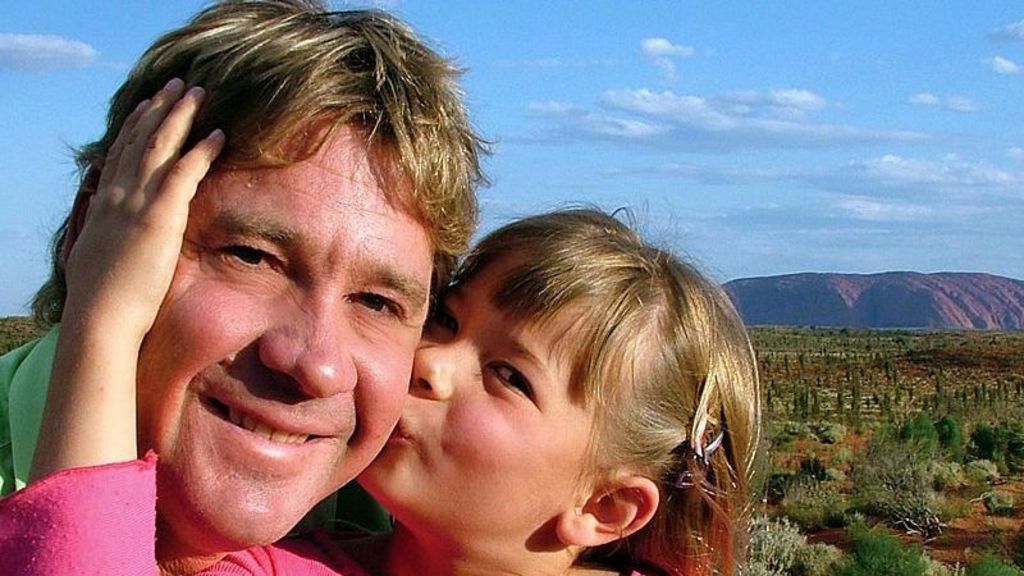
Steve Irwin’s family celebrates ‘superhero’ dad, 20 years after shock death
Twenty years after iconic wildlife conservationist Steve Irwin — known globally as the Crocodile Hunter — lost his life in a tragic accident at Australia’s Great Barrier Reef, his family is honoring his memory with heartfelt tributes that highlight the far-reaching impact he left behind. On September 4, 2006, the 44-year-old TV personality died after a stingray’s barb pierced his chest while he filmed an underwater documentary, shocking fans and conservation communities around the world.
Now 28, Bindi Irwin, Steve’s oldest child who was just 8 years old when he died, shared a moving public tribute on Instagram that has resonated with millions. She reflected on two decades of walking alongside grief, noting that for 20 years, she has stood with her family as the world joined them in mourning the loss of a man who changed how millions connected to wildlife.
“ I always thought that my dad’s legacy is wildlife conservation; it turns out, his legacy is love. For our planet and for each other,” she wrote in her post. Bindi opened up about the loss the family has carried: her mother Terri, Steve’s widow, lost the love of her life, while she and her younger brother Robert lost the best father they could have asked for. “Grief never truly leaves us; we walk alongside it every day,” she added.
Bindi also shared a sweet, touching detail about how her own 5-year-old daughter has built a connection with the grandfather she never got to meet. Every morning, the young girl watches Steve’s old documentaries, and already feels the warm, joyful love of the man she calls “grandpa crocodile” despite never having been held by him.
In the years since Steve’s death, the entire Irwin family has remained committed to carrying forward his life’s work, continuing to run Australia Zoo in Queensland, the wildlife sanctuary Steve and Terri built into a global hub for conservation and education. Bindi emphasized that her father’s influence will extend for generations, writing that his impact remains so profound that it deserves celebration, not just mourning. She closed her tribute by calling Steve her family’s guardian angel, and signing off with “I love you with my whole heart.”
Terri Irwin also joined in marking the 20th anniversary, sharing a vintage interview that revealed a little-known detail about Bindi’s name that many fans had not heard before. In the clip, the ever-enthusiastic Steve, dressed in his signature khaki, recalled the moment Bindi was born — calling it the most incredible wildlife encounter of his entire life. When he first held his newborn daughter, the inspiration for her name struck instantly. “I was flabbergasted and it was then that her name evolved. I’ve gone, ‘Bindi!’ after my favourite crocodile, Bindi,” he said in the interview, grinning widely.
22-year-old Robert Irwin, Steve’s son, also shared his own tribute, posting a throwback photo of baby Robert being held by his father, with a simple, powerful caption: “Your legacy is forever.” Most recently, Robert carried on a family tradition last November when he won the Mirrorball Trophy on the U.S. dance competition *Dancing with the Stars* — exactly a decade after his sister Bindi took home the same title.
-
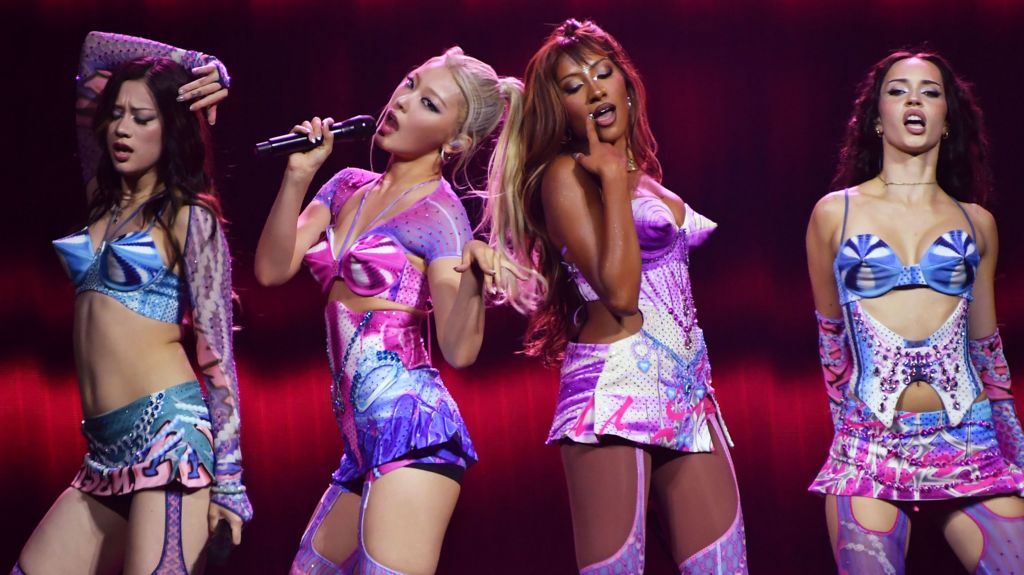
Girl group Katseye are missing two members, but their tour still dazzles
Global pop breakout sensation Katseye turned London’s O2 Arena into a sea of screaming fans this week, delivering a high-energy sold-out performance that cemented their status as one of pop music’s most exciting new acts – even with two founding members absent on health-related hiatus. Only four of the group’s six original members – Megan Skiendiel, Yoonchae Jeong, Lara Raj and Daniela Avanzini – made it to the UK capital, but the missing personnel did nothing to dampen the crowd’s roaring enthusiasm.
Long before the four women stepped into the spotlight under a cascade of laser lights to open their set with the Brazilian funk-infused hit *Hootie Frutti*, fans filled the arena and erupted into deafening screams as the group’s music videos played on the venue’s giant screens. That electric energy barely dipped over the three-hour performance, marking Katseye’s first full UK concert and only the second stop on their debut headline Wildworld world tour. With chart-topping streams that have made them the most listened-to act on YouTube UK right now, the O2 show proved that the multinational group’s star power remains undimmed despite the temporary departures of singers Manon Bannerman and Sophia Laforteza.
While the stage did feel noticeably emptier without the two missing members, the remaining four worked tirelessly to cover the gaps, whipping the crowd into a frenzy with a string of bass-driven pop anthems intercut with jaw-dropping choreographed dance breaks. After launching into their opening number, Yoonchae, the band’s youngest member, asked the crowd: “Are you happy to see us?” – a question that had already been answered by the non-stop cheers that greeted the group’s entrance. “I think you guys are our loudest crowd ever, literally,” marveled Megan Skiendiel mid-set, with Lara Raj adding, “This crowd is unbelievable.”
The depth of the band’s connection with fans was on full display throughout the night. Even though the tour is only two dates old, every lyric, dance step and stage moment was already familiar to the audience, thanks to pre-show teases and content shared across social media. The crowd even erupted in a cheer of relief when Daniela Avanzini nailed a difficult lift during the choreography for *Gabriela* – a moment that carried extra weight after her dance partner dropped her during the tour’s opening night in Dublin. Daniela walked away from the Dublin incident without any injuries, and her flawless execution in London was met with celebration from fans.
For Katseye, this rapid rise to global adoration and intense public scrutiny has come in an extraordinarily short timeframe. Formed in Los Angeles in 2023 through the online reality competition *The Debut: Dream Academy*, a joint project between South Korean entertainment giant Hybe – the company behind global supergroups BTS and Le Sserafim – and U.S. label Geffen Records, home to Olivia Rodrigo and The Rolling Stones, the group was selected from more than 120,000 initial applicants, with just six contestants making the final line-up. Trained under the rigorous, performance-focused K-pop system, the group broke through in 2025, first with their high-energy electro hit *Gnarly*, then following it up with the smooth, soulful ballad *Gabriela* that showcased Daniela’s Cuban-Venezuelan heritage.
London’s O2 audience skewed heavily young, with lines for candy concessions stretching longer than those for the bar, and dozens of fans screaming when Megan asked how many were attending their very first live concert. Fans waved branded lightsticks in unison, mirrored every one of the group’s choreographed moves, and many even dressed up to show their dedication to the band. Many attendees wore bindis, a nod to Lara’s intentional celebration of her South Asian heritage through her public aesthetic, while one fan dressed as a courgette – a playful reference to a viral offbeat line from the group’s track *Internet Girl*, “Eat zucchini.” The contagious energy of the crowd extended even to the parents accompanying their children, with many grown-up fans just as engaged in the performance as the teen and young adult audience. Even pop legend Melanie C of the Spice Girls is an open fan, having hosted a Q&A with the group during their first UK visit last October, and praising them to the BBC earlier this summer: “They’re incredible girls. They’ve got great music, they’ve got a great work ethic, and they’re really beautiful, you know? Obviously, they’ve had a little drama, as happens with all bands, but they work so goddamn hard.”
That “drama” of course refers to the back-to-back hiatus announcements that sidelined two of the group’s founding members this year. The turbulence began in February, when Swiss-Ghanaian singer Manon announced she would step back from the group to “focus on her health and wellbeing.” The announcement came after Manon revealed to BBC News that the group had been targeted with racist abuse and death threats, while many fans also pointed to the group’s grueling touring and recording schedule, raising concerns that the members were being overworked. Manon shared an update with fans in April saying she was having “positive conversations” with the group’s management, though not before removing all references to Katseye from her Instagram biography.
Just a few months after Manon stepped back, group leader Sophia Laforteza announced her own hiatus to protect her “mental health and wellness.” “You can’t pour from an empty cup,” she shared in a social media post. “It’s important to care for yourself.” While fans had hoped Sophia would be able to return in time for the European leg of the Wildworld tour, that did not come to fruition. Her mother has publicly reassured fans that the break is only temporary: “Don’t worry, this is for her own good,” she told ABS-CBN News. “This is what I love about her management. They realise when the girls are tired. It’s a good thing that she is resting so that she’s stronger when she comes back.”
Temporary health-related hiatuses for K-pop idol groups are not without precedent, as the intense training and non-stop performance schedule of the industry often takes a toll on member well-being. In 2023 and 2024, Lia of popular girl group Itzy took more than a year off to receive treatment for extreme anxiety, while Moka of Hybe labelmates Illit is currently on an extended break for the same reason. In a nod to both members and K-pop tradition, Katseye retained Manon and Sophia’s place in the London performance: Sophia’s pre-recorded vocals were kept in tracks including *Mean Girls* and *Pinky Up*, while Manon’s lyrics were split among the remaining four performing members, as her pre-dates the current tour’s production and rehearsal cycle.
The opening night in Dublin also brought controversy, after fans accused the entire group of lip-syncing the entire set. But the London performance put those rumors to rest: all four members performed with live microphones throughout the entire show, with a backing track to reinforce vocals during high-energy dance numbers, a standard practice for large-scale pop shows. On slower, more stripped-back tracks like *Tonight I Might* and *My Way*, the group proved they hold their own as live vocalists. Lara’s solo performance of *unloveu* – introduced proudly as the first Katseye track written by a member of the group – balanced raw power and emotional vulnerability, hinting that the group has far more artistic range than their signature catchy, accessible pop hits.
Other standout moments of the set included Daniela’s gravity-defying aerial split dance break leading into *Gabriela*, and Megan’s high-energy techno-inspired closer for *Pinky Up*. For Yoonchae, the night’s highlight was *Time Lapse*, which gave her the chance to sing in her native Korean while interacting with fans in the pit – a moment that was only slightly interrupted by Lara’s quick safety warning: “Keep your hands to yourselves and don’t throw any gifts on the stage for our safety.”
The show closed on a defiant, high-energy note, with *Iconic By Mistake* – the group’s response to a widespread online hate campaign – followed by an extended, reimagined leather-studded rock remix of their breakout hit *Gnarly*. All in all, the performance was a stunning display of confidence and poise from a group that could have easily been thrown off course by two unexpected member departures. As the group waved goodbye to the London crowd, Yoonchae promised fans: “This is not a goodbye. We’ll come back.” After a performance like this, the iconic Pyramid Stage at Glastonbury Festival would be a more than fitting next stop for the rising pop stars.
Following their second London show, Katseye will continue the Wildworld tour across the UK, stopping in Manchester before moving on to mainland European dates, currently scheduled to run through the end of 2026. The group was also nominated for Best New Artist at the 2026 Grammy Awards, capping off their rapid rise to global stardom.
-
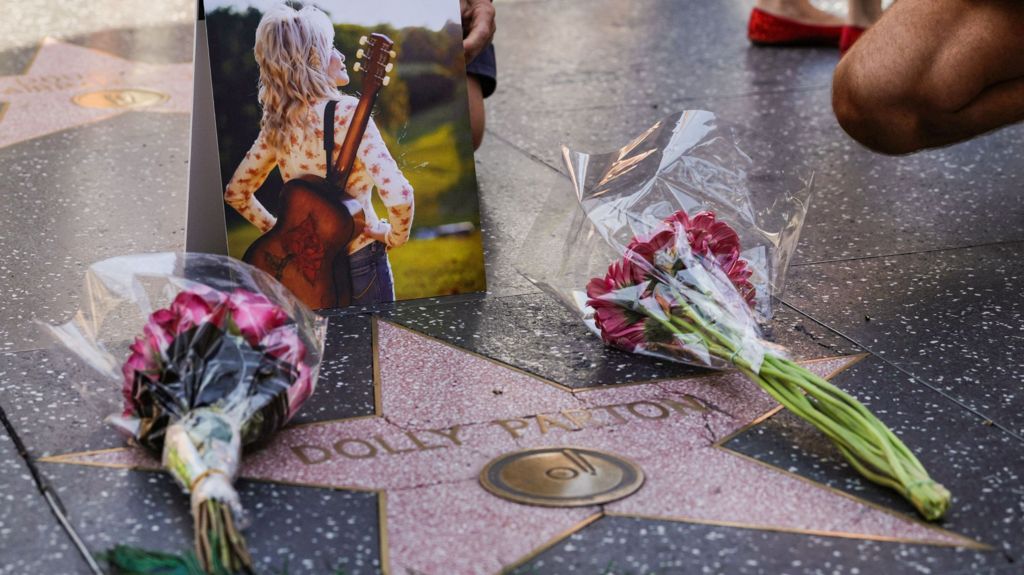
Dolly Parton gets new star on Hollywood Walk of Fame after vandalism
The global entertainment community is still mourning the passing of iconic country music legend Dolly Parton, who died last week at the age of 80, leaving behind a decades-long legacy of art, philanthropy and cultural impact. In the wake of her death, an act of vandalism targeting her 40-year-old star on the Hollywood Walk of Fame has prompted a swift, respectful replacement to honor her memory.
Parton first received her star on the Los Angeles landmark in 1984, in recognition of her decades of contributions to entertainment across music, film and theme park development. In the days after her death was announced, grieving fans flocked to the star to lay tributes: bouquets of fresh flowers, glowing candles, and personal photos that reflected the joy she had brought to millions of lives around the world. That peace was broken earlier this week, when vandals scratched Parton’s name, leaving the plaque heavily defaced.
Local officials confirmed that repairs had already been scheduled to address pre-existing cracks in the original star before the vandalism occurred. All fan tributes were carefully cleared from the site ahead of construction work, which wrapped up on Wednesday. The Hollywood Historic Trust, which manages the iconic 2,800-star Walk of Fame, announced the replacement in an official Instagram post this week.
“The Hollywood Historic Trust and Hollywood Chamber of Commerce are proud to honour the legacy of Dolly Parton with a replacement of her star,” the statement read, confirming that the new plaque will be open for public viewing starting Friday. Photographs taken after the repair work show the star temporarily covered ahead of its official unveiling.
As tributes continue to pour in from across the music industry and beyond, Parton was laid to rest last Friday in a private family funeral in Nashville, where she was buried beside her late husband Carl Dean. The following evening, her niece Jada Star took the stage at the Grand Ole Opry House — widely known as the home of country music — as part of a public tribute concert celebrating her aunt’s life and career.
At Dollywood, Parton’s beloved Tennessee theme park that draws 4 million annual visitors, new permanent additions are being planned to honor her title as the park’s “dreamer-in-chief”. Parton purchased the then-failing park in 1982, reimagining it as a people-focused counterpart to California’s Disneyland, and grew it into the most visited ticketed tourist attraction in the state. New upgrades will include a tranquil waterfall built outside the park’s chapel, designed to give guests a quiet space to pause, reflect and connect with the natural landscape Parton loved. The chapel will also add custom stained-glass windows inscribed with Parton’s favorite Bible verse: “For everything there is a season, and a time for every matter under heaven.” Next year, the park will also introduce a new character called the Dream Maker, a tribute to Parton’s lifelong commitment to children and her Imagination Library, a global program that has donated millions of free books to young readers across the world.
For decades, Parton built her reputation as one of country music’s most enduring stars, thanks to chart-topping hits including *Jolene* and 9 to 5, and became a beloved cultural figure far beyond the music industry for her generosity, wit and commitment to public good. Her death has sparked an outpouring of love that continues to take shape in tributes across the United States, from the Hollywood hills to the hills of East Tennessee.
-
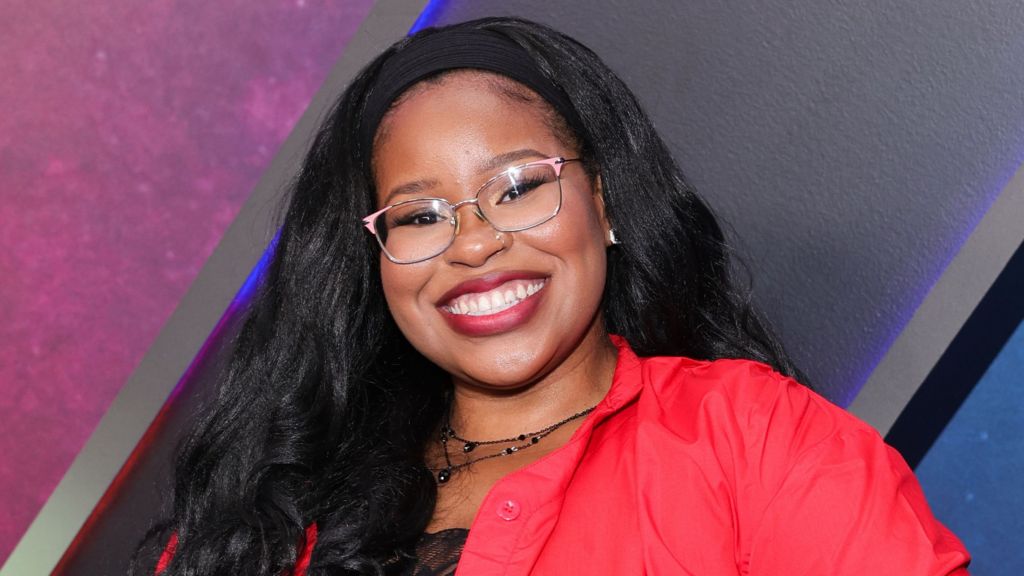
‘Beautiful, vibrant’ Disney star Carla Jeffery dies at 33
Carla Jeffery, the United States actress best known for her breakout role across Disney Channel’s beloved *Zombies* film franchise, has passed away at 33. No details surrounding the cause of her death have been released to the public as of this reporting.
Jeffery first earned widespread recognition for her portrayal of Bree, a warm-hearted high school cheerleader, in Disney’s 2018 original movie *Zombies*, and went on to reprise the fan-favorite role in the franchise’s 2020 and 2022 sequels. Before her rise to fame with Disney, she held a recurring role on the hit comedy series *Curb Your Enthusiasm*, where she appeared as a member of the Black family that moved in with protagonist Larry David in the aftermath of Hurricane Katrina.
The news of Jeffery’s passing was first confirmed by her agent, Carla Alexander, who remembered the young star as a deeply gifted and joy-filled presence. “She was a beautiful, vibrant and incredibly talented woman whose radiant smile could light up any room,” Alexander said in a statement.
Her talent management firm, Alexanders Talent, shared an official public tribute on Instagram that expressed the team’s profound grief. “Our hearts are broken as we mourn the loss of our beloved Carla Jeffery,” the post read. “For more than 20 years, Carla was part of the Alexanders Talent Management family, and watching her grow from a talented young girl into the beautiful, vibrant woman and actress she became was an incredible privilege.”
The statement added: “We will remember her infectious smile, her laughter, her talent, and the beautiful light she carried everywhere she went. Our deepest love and condolences are with Carla’s family and loved ones. We ask that their privacy be respected during this incredibly difficult time. Rest beautifully, Carla. You will be deeply missed and forever loved.”
Jeffery’s twin brother, Carlon Jeffery – himself also a working actor – shared the management team’s statement to his own social media, alongside additional personal tributes: a candid clip of the actress enjoying time on a beach, and a screenshot of an undated text message he had sent her. “Hey Sis, call me back when you get this. I was just calling to see how your day went! I love you to the moon & back sis,” the text opened.
It continued: “I just want you to know how proud I am of you. Your resilience, your grace, your infectious smile that lights up a room. You are truly a light that shines bright. Don’t let anyone dim that light, even yourself. The light you carry is special and must be protected at all times. You are the best sister a brother could ask for. Pray we continue to grow closer to one another along this journey. I got your back in this life and the next.”
Jeffery’s *Zombies* co-stars also opened up about their grief and shared heartfelt remembrances of the actress. Chandler Kinney, who portrayed Willa in the franchise, wrote that the news of Jeffery’s death “doesn’t feel real.” “Carla. The sweetest, most sparkly gal. You made every day better and brighter with your infectious positivity,” Kinney said. “I think part of why you brought such effervescence to Bree (aside from your immense talent) is because that’s really who you were in your heart; a bubbly, vivacious heart-of-gold cheerleader who loved nothing more than to uplift those around her.”
Milo Manheim, who led the franchise as zombie football player Zed, shared a carousel of personal photos of the pair alongside a short, tender caption: “Love you Carlaboo, the sweetest, kindest, most loving person.”
-
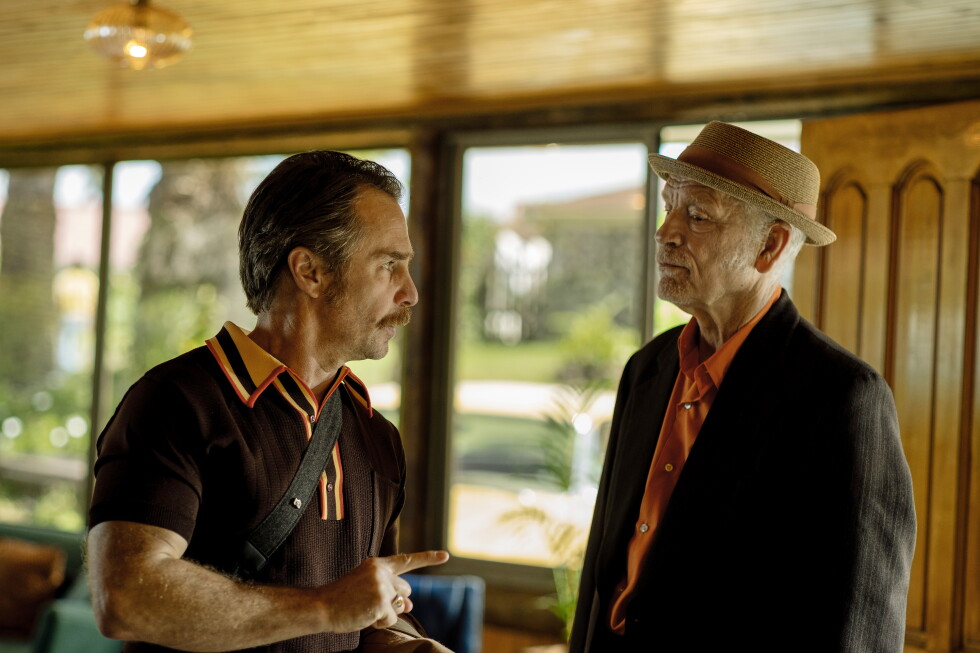
Venice Film Festival heats up with McDonagh’s ‘Wild Horse Nine’ and Herzog’s ‘Bucking Fastard’
As the 83rd Venice Film Festival hits its stride on the Venetian Lido, two highly anticipated feature films from world-renowned directors made their global debut on Thursday evening, kicking off a fresh wave of industry buzz around this year’s race for the coveted Golden Lion.
The first of the two premieres was *Wild Horse Nine*, a sharp dark comedy centered on the CIA, written and directed by acclaimed Irish filmmaker Martin McDonagh. Carrying a reputation as one of the most high-profile entries in this year’s official competition lineup, the film pairs A-list actors Sam Rockwell and John Malkovich as two intelligence agents sent on assignment to Easter Island in the lead-up to the 1973 Chilean coup d’état. The movie is scheduled to hit cinemas across North America and Europe later this fall, and industry observers have already flagged it as an early contender for major awards season recognition. This prediction is not unfounded: McDonagh’s last two feature films, *Three Billboards Outside Ebbing, Missouri* and *The Banshees of Inisherin*, both held their world premieres on the Lido before going on to earn multiple Academy Award nominations, including nods for the industry’s top prize, Best Picture. *Three Billboards* ultimately took home two Oscars, one of which went to Rockwell for Best Supporting Actor.
The evening’s second premiere was *Bucking Fastard*, a tightly crafted drama from iconic German filmmaker Werner Herzog that remains one of the most enigmatic entries in this year’s competition. The film stars Rooney Mara and Kate Mara as twin sisters bound by intense physical and emotional codependency, a relationship that grows into a source of widespread public obsession. Official plot details outline a story where the pair speak in unison, share affection for the same man, and experience identical dreams, creating a haunting exploration of identity and connection.
*Wild Horse Nine* and *Bucking Fastard* join a competitive field of 20-some films vying for the festival’s top honor, the Golden Lion. Other notable entries include Danny Boyle’s *Ink*, a biographical drama examining the life and career of media mogul Rupert Murdoch, and *NAZA*, a hard-hitting documentary centered on the ongoing humanitarian crisis in the Gaza Strip. A jury led by American filmmaker Maggie Gyllenhaal will deliberate over the course of the festival, with all award winners set to be announced during a formal ceremony on September 12.
This year’s festival opened earlier this week with the world premiere of Boyle’s *Ink*, alongside a special career achievement honor for Hollywood star George Clooney, and has already drawn major attention for its timely programming that intersects with ongoing global geopolitical conversations. Movie fans, industry executives, and film critics from across the world have gathered on the Lido for the 11-day event, which remains one of the most high-profile launch pads for awards-contending films on the international calendar.