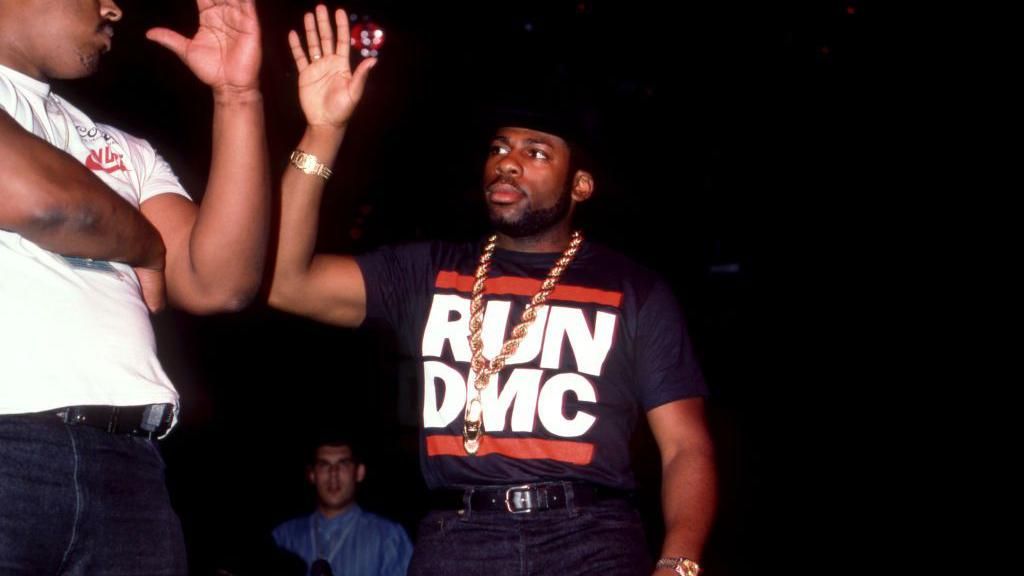
It has been 21 years since one of hip-hop’s most iconic pioneers was gunned down in a Queens recording studio, and the long-running legal saga over his killing has taken a major turn. On Monday, 52-year-old Jay Bryant entered a guilty plea to a murder charge in connection with the 2002 ambush shooting of Jason “Jam Master Jay” Mizell, the legendary DJ of groundbreaking rap group Run-DMC.
Bryant’s plea reversal marks a major development in a case that stumped investigators for nearly two decades. According to court proceedings, Bryant admitted to federal magistrates in New York that he aided the two co-defendants who planned the killing by helping them sneak into the studio building undetected. Prosecutors allege Bryant unlocked a back fire door to let the gunmen enter, avoiding the standard studio buzz-in system that would have alerted Mizell to their arrival. Crucially, Bryant acknowledged he knew the pair intended to use a gun to kill the 37-year-old rapper that day, and he issued an apology in court, per US media reports. He stopped short of naming any additional co-conspirators in the killing.
DNA evidence linked Bryant to the crime scene: investigators found his genetic profile on a hat left inside the recording studio shortly after the shooting. Bryant originally pleaded not guilty when he was formally indicted in 2023, and court documents filed late last week were the first public signal that he planned to reverse his plea as part of an ongoing negotiation deal with federal prosecutors.
The killing of Jam Master Jay has a tangled procedural history. In 2002, Mizell was shot in the head inside his Queens recording studio, a killing that sent immediate shockwaves through the global music industry. As a founding member of Run-DMC — the genre-shaping group that produced 1980s hits including *It’s Tricky*, *It’s Like That*, and the genre-bending Aerosmith collaboration *Walk This Way* that brought hip-hop to mainstream American audiences — Mizell’s death cut short a transformative career and pushed the iconic group to disband. The case went cold for nearly 20 years, before federal prosecutors finally brought charges against three men: Bryant, Mizell’s godson Karl Jordan Jr., and Mizell’s childhood friend Ronald Washington.
In 2024, both Jordan and Washington were convicted of murder by a jury. Prosecutors argued the pair planned the “execution-style” killing as an act of revenge, after Mizell cut them out of a nearly $200,000 drug deal, framing the murder as driven by greed and vengeance. Both men have always denied any involvement in the killing. Last year, a judge threw out Jordan’s conviction, ruling that prosecutors had failed to sufficiently prove the alleged motive that was central to their case. Washington has also filed a legal challenge to overturn his own conviction.
Bryant, who was accused of acting solely as an accomplice to Jordan and Washington, now faces a sentence of 15 to 20 years in prison. This sentence accounts for both the murder charge and separate, unrelated weapons and drug offenses he is also charged with. Hip-hop communities and music industry observers have continued to follow the case closely for decades, as the slow unraveling of the 20-year-old mystery brings the closest thing to closure for Mizell’s legacy, 21 years after his sudden death.