分类: business

  • Australian sharemarket records strongest day in a year on peace talk hopes

    Australian sharemarket records strongest day in a year on peace talk hopes

    Australia’s financial markets experienced their most robust single-day performance in nearly a year, propelled by dual catalysts of geopolitical optimism and favorable economic indicators. The benchmark ASX 200 surged dramatically by 154.90 points (1.85%) to close at 8534.30, while the All Ordinaries index advanced 174 points (2.03%) to settle at 8745.30.

    The rally gained momentum from emerging reports of Middle East peace negotiations, including a potential 15-point resolution framework, alongside February inflation data that registered a modest decline to 3.7%. Despite remaining above the Reserve Bank’s target range, this inflationary cooldown provided temporary relief to investors.

    Market performance showed broad-based strength with eight of eleven sectors finishing positively. Materials sector led the charge with a remarkable 4.29% gain, driven by reduced fuel costs. Mining giants BHP (3.30%), Fortescue (1.83%), and Rio Tinto (1.59%) all posted significant advances, the latter additionally buoyed by a $2 billion government subsidy for its Boyne aluminium smelter operations.

    Financial institutions contributed substantially to the market upswing, with Commonwealth Bank (0.61%), Westpac (1.66%), and ANZ (1.21%) all closing higher. Healthcare stocks similarly joined the rally, with CSL (1.15%), Sigma Healthcare (1.92%), and ResMed (1.66%) recording solid gains.

    Conversely, energy producers faced substantial headwinds as Brent crude prices plummeted 5% below $100 per barrel. Woodside Energy (-3.20%), Santos (-2.30%), and Ampol (-2.45%) all declined sharply amid easing geopolitical tensions that typically support oil valuations.

    Market analysts cautioned that the February inflation data might represent a temporary respite rather than a sustained trend, noting that subsequent Middle East escalations and supply chain disruptions through critical channels like the Strait of Hormuz could reintroduce inflationary pressures affecting both energy and agricultural markets.

    Additional market movements included significant gains for Pepper Money (5.36%) and Challenger (3.66%) following a rejected acquisition proposal, demonstrating ongoing corporate activity alongside macroeconomic influences.

  • ‘Smashed by suppliers’: Servo on pristine tourist destination explains ‘reality’ of fuel crisis after prices soar to $4.25-a-litre

    ‘Smashed by suppliers’: Servo on pristine tourist destination explains ‘reality’ of fuel crisis after prices soar to $4.25-a-litre

    A remote fuel station operator on Queensland’s pristine K’gari island (formerly Fraser Island) has publicly defended charging A$4.25 per liter for diesel following social media criticism, citing severe supply chain challenges and supplier costs.

    The controversy emerged when 4WD influencer Matthew Baker, founder of The Explore Life with over 313,000 Instagram followers, highlighted Orchid Beach Trading Post and Driftwood Bar as having ‘the worst fuel price in Australia’ in a viral video. The post triggered widespread backlash against the small business.

    In response, co-owner Nicky issued a detailed explanation on Facebook, emphasizing the economic realities facing independent fuel retailers in remote locations. The station operates completely off-grid using generator power and lacks large storage capacity for fuel reserves. Notably, the business no longer receives previously included free delivery services to their Rainbow shed location, with these additional costs being passed through pricing.

    ‘No one likes high prices, including me,’ Nicky stated. ‘I’ve done everything I can to keep my margin at a fair level, but we’re getting absolutely smashed by suppliers.’ She emphasized her commitment to maintaining essential services in a challenging operational environment rather than taking advantage of customers.

    Following the explanation, Baker clarified that his post wasn’t intended to shame the business but rather to critique government policies affecting fuel prices. He encouraged support for remote small businesses facing logistical challenges, particularly during current fuel supply uncertainties.

  • Australian businesses face ‘unprecedented’ failure rate amid dire oil shock warning

    Australian businesses face ‘unprecedented’ failure rate amid dire oil shock warning

    Australia’s economic landscape is confronting severe headwinds as escalating oil prices threaten to trigger widespread business failures across the nation’s most critical sectors. According to alarming new data from credit reporting agency CreditorWatch, business insolvencies have reached unprecedented levels and are projected to worsen significantly if current fuel market conditions persist.

    The ongoing Middle East conflict has propelled oil prices from approximately $56 USD per barrel to nearly $100 USD, creating what economists describe as a 50-70% price shock. CreditorWatch Chief Economist Ivan Colhoun warns that should prices stabilize between $120-$150 USD per barrel, the economic impact would mirror the devastating effects experienced during COVID-19 lockdowns. Historical data indicates that sustained oil price increases of this magnitude over six to twelve months have frequently preceded global recessions.

    Fuel-intensive industries including agriculture, mining, manufacturing, and road transport face particularly acute vulnerability. The transportation sector already demonstrates concerning stress signals, with CreditorWatch’s Business Risk Index revealing that 7.1% of road freight businesses ceased operations in the past year—a significant increase from 6.2% the previous year. Rising fuel costs continue to erode profit margins throughout these essential supply chain components.

    Agricultural operations confront additional pressures due to their heavy reliance on diesel for machinery, irrigation systems, and product transportation. Compounding these challenges, natural gas restrictions have driven fertilizer costs higher, creating a multi-faceted cost crisis for farmers. While the agricultural sector currently maintains relatively low insolvency rates due to minimal leverage and consistent food demand, experts anticipate increased failures if high fuel costs persist beyond the next quarter.

    The economic deterioration is already materializing according to recent PMI data from S&P Global. Australia’s composite PMI registered at 47 in March, indicating contracting economic activity for the first time in eighteen months. S&P Global economist Eleanor Dennison noted that input costs have surged to their highest level in over three years, while business optimism has declined amid slowing demand and supply chain disruptions.

    The timeline for recovery remains uncertain. CreditorWatch suggests that if Middle East tensions de-escalate by mid-2026, fuel prices may retreat sufficiently to allow operational recovery. However, even in this optimistic scenario, elevated insolvency rates are expected to persist through the first half of the calendar year. Alternatively, prolonged oil prices above $120 USD would likely trigger additional business failures, particularly among small and mid-sized enterprises with limited financial buffers.

  • Mike Cannon-Brookes’ fortune slashed as rival AI threatens Atlassian

    Mike Cannon-Brookes’ fortune slashed as rival AI threatens Atlassian

    Australian technology billionaire Mike Cannon-Brookes experienced a significant financial setback this week as shares of his company Atlassian plummeted dramatically during Tuesday’s trading session on Wall Street. The sharp decline, which saw shares fall by 8.4%, resulted in approximately $1 billion being erased from Cannon-Brookes’ personal fortune within a single day of trading.

    The substantial sell-off was triggered by growing investor concerns that emerging artificial intelligence technologies from industry giants Amazon and Anthropic could potentially render many white-collar positions obsolete. This development has amplified existing anxieties within the technology sector, particularly affecting software-as-a-service (SaaS) companies like Atlassian that provide collaboration and productivity tools.

    This recent market turbulence compounds an already challenging year for the Australian-American software corporation. Atlassian’s share price has experienced a staggering 70% decline over the past twelve months, dramatically impacting the wealth of both co-founders. Cannon-Brookes and his counterpart Scott Farquhar, who each maintain 20% ownership stakes in the company, have collectively seen their combined fortunes diminish by approximately $35 billion this year, causing both to drop out of Australia’s top-ten wealth rankings.

    The immediate catalyst for the latest investor apprehension appears to be Amazon Web Services’ development of an AI agent designed for sales and business development functions. Concurrently, Anthropic’s Claude AI has introduced capabilities that allow the AI agent to assume control of users’ computers, enabling it to open applications, navigate the web, complete spreadsheet tasks, and perform various other automated functions.

    Earlier this month, Atlassian initiated a significant workforce reduction, eliminating 1,600 positions globally, which represented roughly 10% of its total workforce. Cannon-Brookes cited the company’s strategic pivot toward AI integration as a primary factor behind these layoffs, indicating that freed capital would be redirected toward artificial intelligence investments.

    The human impact of these corporate decisions is becoming increasingly evident through public disclosures from former senior staff members. Andre Serna, previously Senior Vice-President of Engineering, announced his departure after 13 years with the company, describing his journey as having “skidded to a halt.” Serna has since been compiling a spreadsheet of affected employees to assist them in securing new employment opportunities, publicly advocating for their professional capabilities.

    Notably, even high-ranking executives were not spared from the restructuring, with Chief Technology Officer Rajeev Rajan among those departing. Rajan expressed gratitude to the company’s founders while simultaneously expressing excitement about the evolving technological landscape and the opportunities presented by AI advancements.

    Atlassian, known for its flagship products including the Jira workflow management system and Confluence collaboration platform, now faces the dual challenge of navigating both market pressures and technological disruption. The company’s current struggles stand in stark contrast to its position in 2021, when it committed to constructing the Atlassian Tower in central Sydney while operating at a market capitalization nearly four times its present valuation.

  • Oil at $150 will trigger global recession, says boss of financial giant BlackRock

    Oil at $150 will trigger global recession, says boss of financial giant BlackRock

    Larry Fink, Chairman and CEO of BlackRock, has issued a stark warning that sustained geopolitical tensions involving Iran could keep oil prices elevated above $100 per barrel for years, potentially reaching $150 and triggering a global economic downturn. In an exclusive interview with BBC, the head of the world’s largest asset manager outlined two extreme scenarios for energy markets amid current Middle East conflicts.

    Fink emphasized that should Iran remain an international pariah, the world could face prolonged periods of oil prices hovering near $150 per barrel, creating ‘profound implications’ for the global economy including a ‘stark and steep recession.’ Conversely, if diplomatic resolutions emerge and Iran reintegrates with the international community, oil prices could retreat below pre-conflict levels.

    The financial titan, whose firm oversees $14 trillion in assets, addressed multiple critical economic issues during the comprehensive interview. He dismissed concerns about an AI investment bubble despite massive capital inflows into artificial intelligence technologies. ‘I do not believe we have a bubble at all,’ Fink stated, while acknowledging potential isolated failures within the sector.

    Energy affordability emerged as a central theme in Fink’s analysis. He characterized rising energy costs as ‘a very regressive tax’ that disproportionately affects lower-income populations. The BlackRock chief advocated for pragmatic energy policies that utilize all available resources while aggressively pursuing alternative energy sources. He predicted that sustained high oil prices would accelerate global transitions toward solar and wind energy solutions.

    Regarding financial stability, Fink firmly rejected comparisons between current market conditions and the 2007-08 financial crisis. ‘I don’t see any similarities at all. Zero,’ he asserted, citing stronger financial institutions and limited contagion risks from recent fund withdrawal limitations.

    Fink also addressed workforce implications of technological transformation, suggesting that AI development will create substantial employment opportunities in skilled trades rather than eliminating jobs overall. He criticized the overemphasis on university education in recent decades, advocating for renewed respect for vocational training and hands-on professions like electrical work, welding, and plumbing.

    The BlackRock leader framed AI development as a geopolitical imperative, stating: ‘I believe there’s a race for technology dominance. I believe that if we do not invest more, China wins.’ He identified energy costs as the primary constraint on AI expansion in Western nations, urging accelerated investment in affordable power generation to maintain competitive advantages.

  • Singapore Airlines to operate daily flights to Hangzhou

    Singapore Airlines to operate daily flights to Hangzhou

    Hangzhou Xiaoshan International Airport has announced that Singapore Airlines will inaugurate a new daily round-trip service to Hangzhou commencing June 2026. This strategic expansion marks a significant enhancement to air connectivity between China’s Yangtze River Delta region and Southeast Asia.

    The Hangzhou-Singapore route, previously serviced by four carriers including Loong Air, China Eastern Airlines, Xiamen Airlines, and Scoot, has demonstrated robust growth with passenger traffic reaching 85,000 passengers year-to-date, representing an 11.9% year-on-year increase. This performance positions it as the airport’s second busiest international route.

    Singapore Airlines’ entry into this market is projected to substantially improve transit efficiency through leveraging its extensive global network. Airport data reveals that as of March 22, the transit passenger volume had reached 230,300, including 52,600 international travelers. This connectivity is further strengthened through intercontinental routes linking to major Asian hubs such as Seoul, Tokyo, and Bangkok.

    In preparation for increased passenger flow, the airport has implemented an advanced smart transit platform. According to Zhao Yijing, Transit Business Manager at the airport’s ground service department, the system enables remote security and customs inspections, entrusted handling of irregular baggage, and intelligent transfer operations.

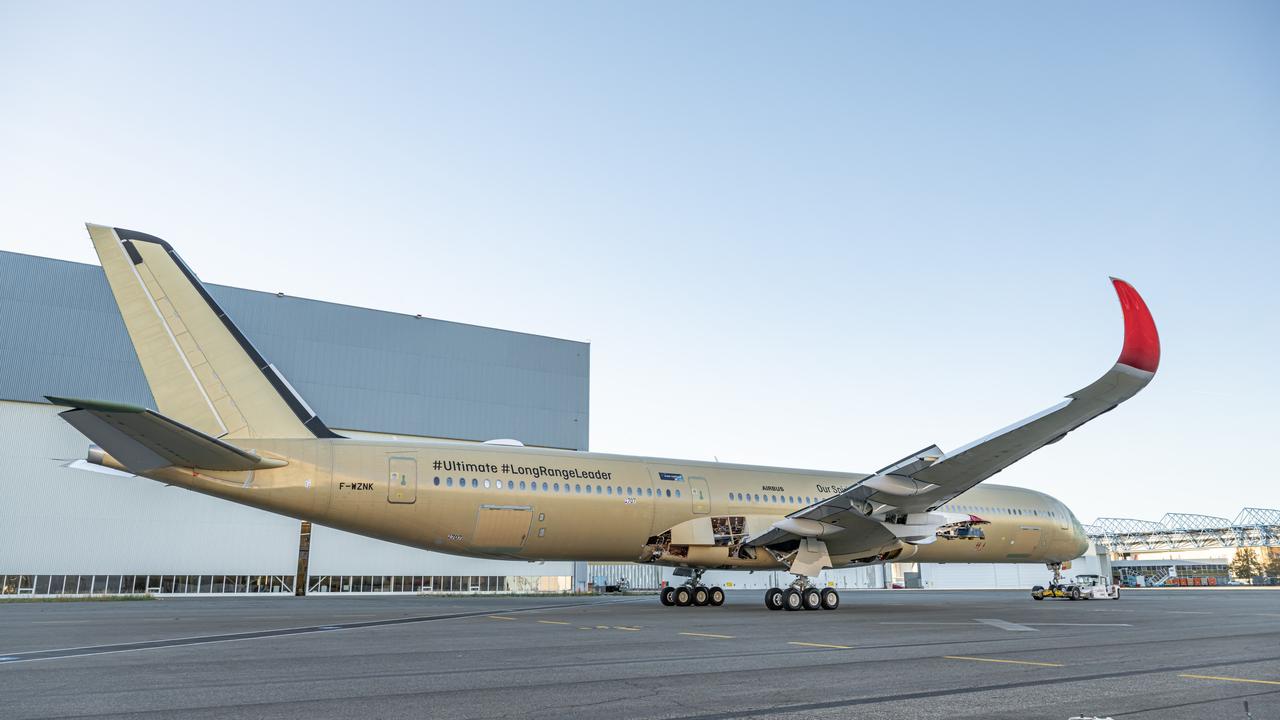
    The new service will be operated utilizing an Airbus A350-900 aircraft, with the inaugural flight scheduled to depart Singapore on June 1. This expansion will increase weekly flights between Hangzhou and Singapore to 26, creating enhanced travel options and strengthened economic ties between the two regions.

  • Israeli press review: Expanding wars spark concerns over economy and air defence capacities

    Israeli press review: Expanding wars spark concerns over economy and air defence capacities

    The Bank of Israel has submitted its comprehensive 2025 annual report to the Israeli government and Knesset, presenting a dual narrative of economic resilience and substantial war-related deterioration. Governor Amir Yaron’s disclosure highlights both encouraging indicators and profound structural challenges facing the nation’s economy.

    While the report notes accelerated growth, moderated inflation within target ranges, record-low unemployment, and robust capital market performance, it simultaneously reveals an 8.6% GDP contraction equivalent to approximately 175 billion shekels ($55.95 billion) since October 2023. When accounting for security expenditures and international manufacturer payments, this economic damage escalates to roughly 375 billion shekels.

    Israel’s fiscal health shows concerning trends with a 2025 deficit at 4.7% of GDP and a debt-to-GDP ratio climbing over 8% since October 2023 to 68.5%, exceeding OECD median levels. Security expenses totaling 350 billion shekels have been the primary driver of deficit expansion.

    The defense industry emerged as a significant economic component, accounting for 10% of goods and services exports between 2019-2024 at $14.8 billion. However, per capita income has declined substantially, with each citizen losing approximately 35,000 shekels ($11,220) in potential earnings.

    Critical labor supply constraints have hampered growth, primarily due to reservist mobilization and the exclusion of Palestinian workers since October 2023. The economy has additionally suffered from negative immigration trends, losing an average of 9,000 workers annually during 2024-2025.

    The ongoing conflict with Iran has generated severe economic disruptions, with the Finance Ministry estimating weekly losses of 1.25 billion shekels due to educational system closures. Since the February 28th emergency declaration, approximately 170,000 workers have been placed on unpaid leave, with projections indicating further increases as hostilities continue.

    Air defense capabilities reveal concerning disparities in civilian protection. The layered defense system allocates resources based on algorithmic categorization considering population density, protective infrastructure, and strategic sensitivity. This results in unequal protection between economic centers like Tel Aviv and peripheral regions such as Dimona and Arad, where recent direct missile hits occurred.

    Interceptor inventory limitations present additional concerns, with reports indicating finite stocks and lengthy replenishment timelines. Despite current defensive capabilities, economic normalization remains improbable while conflict persists.

    In parallel developments, the Knesset approved controversial legislation expanding religious court jurisdiction to civil arbitration. The Israel Democracy Institute criticized the move as unprecedented in democratic nations, raising concerns about equality, judicial integrity, and women’s rights. Opposition leader Yair Lapid declared the legislation effectively ended Israel’s traditional religion-state status quo, moving toward a halachic state model.

  • Traditional Chinese medicinal ingredients are finding their way into trendy beverages

    Traditional Chinese medicinal ingredients are finding their way into trendy beverages

    A remarkable transformation is underway in China’s beverage sector as time-honored Traditional Chinese Medicine (TCM) brands innovate with wellness-infused drinks that appeal to contemporary consumers. Established TCM companies are strategically reinventing their product portfolios by incorporating medicinal herbs like ginseng, astragalus, and goji berries into trendy milk teas, lattes, and bottled beverages.

    This innovative approach stems from the ancient TCM philosophy that ‘food and medicine share the same origin,’ blending therapeutic benefits with enjoyable consumption experiences. The movement represents a strategic bridge between traditional wellness practices and modern consumer preferences, particularly among health-conscious younger demographics who seek functional benefits in their daily beverages.

    Market analysts observe that these TCM-inspired drinks are gaining substantial traction, creating a new niche within the competitive beverage market. The products typically feature adaptogenic herbs known in TCM for their balancing and restorative properties, offering consumers perceived health advantages alongside refreshment.

    Industry experts note that this trend reflects broader shifts in consumer behavior toward preventive healthcare and holistic wellness solutions. The successful integration of TCM elements into mainstream beverages demonstrates how traditional knowledge can find renewed relevance in contemporary markets, potentially creating new growth avenues for both TCM manufacturers and beverage companies.

    The phenomenon also highlights how cultural heritage can drive commercial innovation, with these beverages serving as accessible entry points for consumers exploring traditional wellness practices through modern consumption formats.

  • Business council leaders highlight Dubai’s resilience, investor confidence amid global developments

    Business council leaders highlight Dubai’s resilience, investor confidence amid global developments

    Dubai has solidified its reputation as a paradigm of economic resilience and strategic agility, according to leaders of multiple international business councils operating under the Dubai Chamber of Commerce. These executives, representing diverse global business communities, unanimously attribute the emirate’s sustained competitiveness to its integrated economic framework that combines visionary leadership, progressive government policies, and robust public-private sector collaboration.

    Business council chairpersons from India, Britain, Turkey, Malaysia, Belgium, Austria, Kuwait, Sri Lanka, Philippines, and Pakistan emphasized Dubai’s distinctive advantages including economic diversification, world-class infrastructure, and institutional preparedness. These elements collectively foster an environment where international businesses can confidently convert global challenges into growth opportunities.

    Siddharth Balachandran of the Indian Business Council highlighted the security Dubai provides investors, noting his recent high-value banking sector acquisition as evidence of his confidence in the emirate’s macroeconomic fundamentals. He emphasized that Dubai’s exceptional policy implementation and continuous monitoring distinguish its economic model.

    British Business Group CEO Katy Keenan pointed to Dubai’s sector-specific business groups and international chambers as comprehensive platforms that amplify the business community’s voice. She noted that maintained growth momentum depends on sustained infrastructure investment, foreign direct investment, and strong trade relationships.

    Turkish Business Council Chairman Kanat Kutluk observed that Dubai consistently provides a stable, dynamic environment for global businesses despite international uncertainties. He highlighted the expanding trade and investment opportunities between UAE and Turkey as evidence of this resilience.

    Multiple council leaders emphasized Dubai’s effective crisis management during the COVID-19 pandemic and current regional challenges, citing transparent government communication, business continuity surveys, and rapid adaptation as key factors. The emirate’s proactive approach to stakeholder engagement and feedback implementation received particular praise.

    Belgian Business Council Chairwoman Peggy Scherpenberg noted that sectors including trade, logistics, finance, technology, hospitality, and advanced manufacturing continue operating effectively during difficult periods. She cited Emirates Airlines’ rapid operational recovery as exemplifying Dubai’s adaptive capabilities.

    The business leaders consistently identified Dubai’s public-private partnership model, cultural diversity, long-term vision, and institutional stability as foundational to its economic success. These elements collectively position Dubai as a trusted global hub for trade, investment, and innovation capable of navigating international developments while sustaining growth momentum.

  • DJI drone ban disrupting US construction sector

    DJI drone ban disrupting US construction sector

    The American construction sector is confronting significant operational challenges following recent federal restrictions on DJI, the Chinese drone manufacturer that commands over 90% of the construction drone market. Industry professionals report widespread uncertainty as they grapple with the implications of being unable to access DJI’s latest drone models, which have become indispensable for modern construction workflows.

    Construction companies nationwide have integrated drone technology into essential operations including site surveying, progress monitoring, and safety inspections. These aerial systems have demonstrated substantial benefits in cost reduction, operational efficiency, and improved decision-making processes. The current regulatory environment has left many operators seeking alternatives while advocating for their industry’s technological needs.

    Nino Efendic, president of drone service provider Aerial Prospex LLC, emphasized that the restrictions specifically target newer DJI models not yet released in the US market. His company, which operates a fleet of 42 DJI drones, is actively working to educate stakeholders about the practical applications and necessities of these systems within the construction industry.

    The import restrictions have generated considerable concern across the sector, according to Colin Guinn, CEO of engineering consultancy Guinn Partners. During a recent address at North America’s largest construction trade show, Guinn fielded numerous questions from industry professionals who had grounded their entire DJI fleets and were seeking guidance on future operations.

    Guinn highlighted DJI’s technological dominance over the past decade, noting the company’s solutions for critical challenges including link reliability, flight control systems, vision technology, and the integration of real-time kinematic positioning—a high-precision geolocation technology essential for professional survey work.

    The consultancy executive challenged suggestions that domestic alternatives could readily replace DJI’s systems, explaining that comparable capabilities would require solving numerous complex technological challenges. Construction applications demand survey-grade data standards involving ground control points, high-quality telemetry, accurate metadata, and precise image alignment—specifications that current alternatives struggle to meet.

    According to analysis by ABJ Drone Academy, non-DJI alternatives cost between two to ten times more for similar capabilities. One Florida police department reportedly spent $25,000 on a single Skydio drone to replace DJI units that had cost approximately $5,000 each.

    A February white paper from the Oregon Department of Aviation, incorporating responses from 25 states, confirmed that federal restrictions on DJI have triggered widespread disruption across multiple industries. The document identified interruptions to survey, mapping, and construction workflows, along with near-term funding gaps for procuring compliant replacement equipment.

    The regulatory situation stems from December 2024 legislation that provided US national security agencies one year to conduct formal security audits of DJI. When no agency volunteered to perform the audit by the December 2025 deadline, DJI’s new models became subject to import restrictions. The company has challenged the FCC’s decision in court, arguing the agency exceeded its statutory authority and produced no evidence of actual national security threats.

    Industry experts note that the construction sector’s transition from two-dimensional blueprints to three-dimensional digital models will increasingly rely on drone technology. However, current US drone innovation and funding remains predominantly focused on defense applications rather than commercial sectors like construction and agriculture, potentially delaying meaningful alternatives to DJI’s established systems.