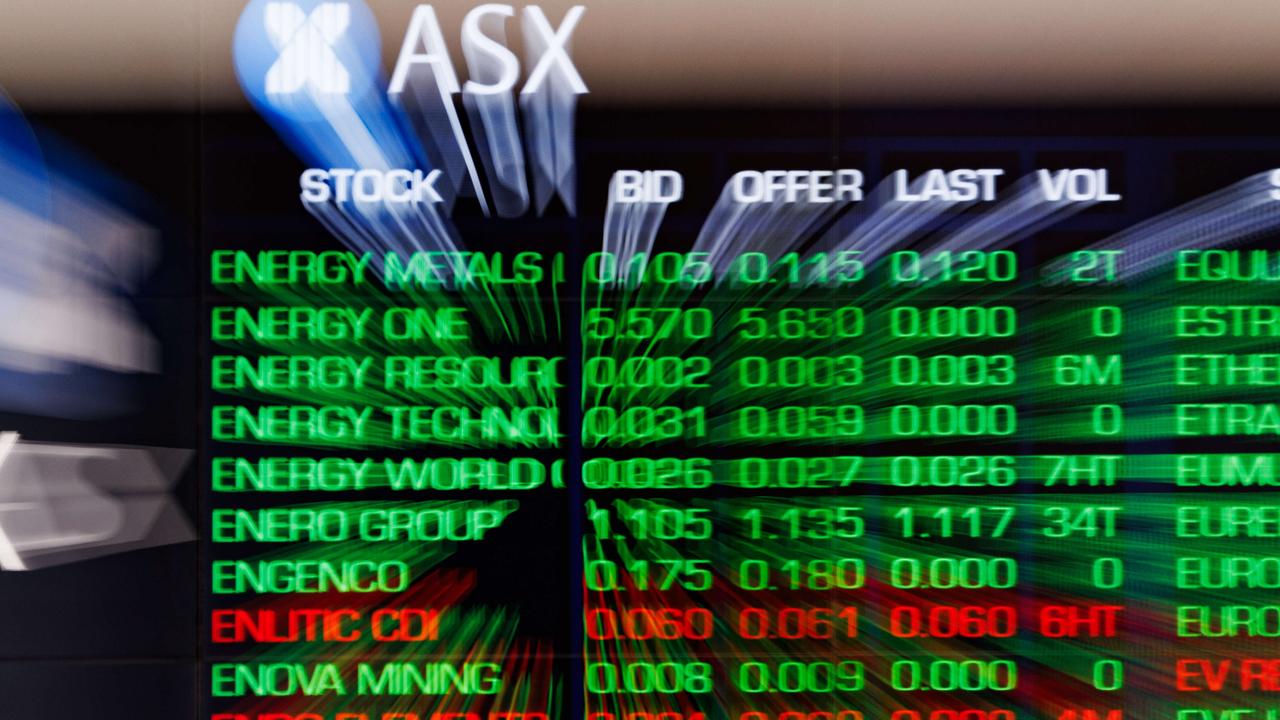
Australia’s financial markets experienced their most robust single-day performance in nearly a year, propelled by dual catalysts of geopolitical optimism and favorable economic indicators. The benchmark ASX 200 surged dramatically by 154.90 points (1.85%) to close at 8534.30, while the All Ordinaries index advanced 174 points (2.03%) to settle at 8745.30.
The rally gained momentum from emerging reports of Middle East peace negotiations, including a potential 15-point resolution framework, alongside February inflation data that registered a modest decline to 3.7%. Despite remaining above the Reserve Bank’s target range, this inflationary cooldown provided temporary relief to investors.
Market performance showed broad-based strength with eight of eleven sectors finishing positively. Materials sector led the charge with a remarkable 4.29% gain, driven by reduced fuel costs. Mining giants BHP (3.30%), Fortescue (1.83%), and Rio Tinto (1.59%) all posted significant advances, the latter additionally buoyed by a $2 billion government subsidy for its Boyne aluminium smelter operations.
Financial institutions contributed substantially to the market upswing, with Commonwealth Bank (0.61%), Westpac (1.66%), and ANZ (1.21%) all closing higher. Healthcare stocks similarly joined the rally, with CSL (1.15%), Sigma Healthcare (1.92%), and ResMed (1.66%) recording solid gains.
Conversely, energy producers faced substantial headwinds as Brent crude prices plummeted 5% below $100 per barrel. Woodside Energy (-3.20%), Santos (-2.30%), and Ampol (-2.45%) all declined sharply amid easing geopolitical tensions that typically support oil valuations.
Market analysts cautioned that the February inflation data might represent a temporary respite rather than a sustained trend, noting that subsequent Middle East escalations and supply chain disruptions through critical channels like the Strait of Hormuz could reintroduce inflationary pressures affecting both energy and agricultural markets.
Additional market movements included significant gains for Pepper Money (5.36%) and Challenger (3.66%) following a rejected acquisition proposal, demonstrating ongoing corporate activity alongside macroeconomic influences.