分类: business

  • Elon Musk’s Starlink blocked from operating in Namibia

    Elon Musk’s Starlink blocked from operating in Namibia

    Elon Musk’s satellite internet venture Starlink has encountered another regulatory obstacle in southern Africa after Namibian authorities denied its application to operate within the country. The Communications Regulatory Authority of Namibia (CRAN) formally rejected the license request without providing specific justification, though it highlighted that Starlink’s local subsidiary failed to meet national ownership requirements.

    Under Namibian telecommunications law, all service providers must maintain at least 51% local ownership through either citizen shareholders or domestic entities. This policy framework originates from Namibia’s post-independence era following its liberation from South Africa’s white-minority regime in 1990, designed to promote economic inclusion and address historical racial inequalities.

    Starlink, which currently operates in approximately 25 African nations, has faced similar regulatory challenges across the region. South Africa has similarly blocked Starlink’s entry due to ownership regulations, prompting Musk to publicly characterize these policies as ‘racist ownership laws’ in social media statements last year.

    The Namibian regulator noted that Starlink may petition for reconsideration within a 90-day window, either through self-initiated review or formal appeal. This decision follows a 2024 cease-and-desist order issued against Starlink for allegedly operating without proper authorization, accompanied by public warnings against purchasing Starlink equipment or services.

    Despite these setbacks, Starlink maintains on its official platform that it has established a local corporate entity intending to partner with Namibian firms and generate employment opportunities. The service targets remote communities lacking reliable high-speed internet connectivity through its extensive satellite network.

    The broader context reveals ongoing tension between foreign technology investments and local empowerment policies across southern Africa. South African officials have countered Musk’s criticisms by noting that numerous international corporations, including Microsoft, operate successfully while complying with ownership requirements mandating 30% stakes for black-owned businesses.

  • Chinese autos move up ranks in Australia

    Chinese autos move up ranks in Australia

    In a historic market shift, Chinese automotive manufacturers have overtaken Japan to become Australia’s primary source of new vehicles, ending nearly three decades of Japanese dominance in the sector. February sales data from the Australian Automotive Dealer Association (AADA) reveals China supplied over 22,000 units, propelled by competitive pricing, advanced technology, and compelling design offerings.

    The broader Australian vehicle market experienced a slight contraction with 94,131 units sold in February compared to the same period last year. However, this overall softening masks a significant transformation in consumer preferences, with battery electric vehicles (EVs) now constituting over 11% of monthly sales—a trend accelerated by global economic pressures.

    Speaking at an AADA event in Sydney, Australian Prime Minister Anthony Albanese connected the automotive market dynamics to broader geopolitical tensions. He noted that recent Middle East conflicts, including U.S. and Israeli operations against Iran, are disrupting global supply chains, driving fuel prices upward, and exacerbating inflationary pressures worldwide. “Even if this is a relatively short conflict, it will have a long economic tail,” Albanese stated, outlining government measures to enhance fuel security and accessibility.

    The automotive sector remains a cornerstone of the Australian economy, with AADA figures showing 3,868 dealerships generating A$21.5 billion in economic activity and employing over 64,000 individuals, including thousands of apprentices.

    Chinese brands Chery, GWM, and BYD are recording substantial gains, with EV manufacturers particularly benefiting from rising fuel costs. David Smitherman, CEO of EVDealer Group (Australia’s largest BYD network), reported a more than 50% increase in customer inquiries. “Some consumers have been thinking about transitioning to an EV and the additional costs have tipped them over the edge,” he observed, noting strong customer satisfaction with the technology, design, safety, and performance of Chinese EVs, supported by robust supply chains.

    The Electric Vehicle Council has intensified calls for maintaining Australia’s electric car discount policy, arguing that global oil market volatility underscores the need for energy independence. CEO Julie Delvecchio emphasized that EVs shield households from global oil shocks since their ‘fuel’ comes from electricity—often available at lower off-peak rates or free through rooftop solar installations.

  • Kenya eyes export surge through zero-tariff access

    Kenya eyes export surge through zero-tariff access

    NAIROBI—Kenyan officials and industry leaders are formulating comprehensive strategies to capitalize on China’s groundbreaking zero-tariff initiative, anticipating a substantial surge in exports to the world’s second-largest economy. The development emerged during a high-level business forum convened by China Council for the Promotion of International Trade and Kenya Export Promotion and Branding Agency on Monday.

    Deputy President Kithure Kindiki characterized China’s decision to grant duty-free access to African exports, effective May 1, as a transformative catalyst that could fundamentally reshape trade dynamics and industrial cooperation between the nations. “China’s vast consumer market of over 1.4 billion presents unprecedented opportunities for Kenyan exporters,” Kindiki emphasized, outlining governmental efforts to encourage movement up the value chain through processed agricultural exports including coffee, tea, and floral products.

    The policy extension, which China will implement across all 53 African nations with which it maintains diplomatic relations, has been widely acknowledged as a pivotal measure to enhance African market access and export capabilities. Chinese Vice-President Han Zheng, addressing forum participants, framed the initiative as demonstrating China’s “resolve and sincerity in promoting Global South development for common prosperity.”

    Kenya’s strategic approach focuses on value-added transformation, with Trade Principal Secretary Regina Ombam highlighting the shift from raw commodity exports to processed goods such as avocado oil. This methodology aims to simultaneously increase foreign exchange earnings, strengthen domestic enterprises, and generate employment opportunities.

    Industry representatives acknowledged operational challenges in meeting export demands. Erick Rutto, President of the Kenya National Chamber of Commerce and Industry, stressed the necessity for producers to organize collectively to supply larger volumes while adhering to international standards. Meanwhile, Macadamia Nut Association Chairperson Pally Muthathai detailed innovative approaches including cooperative structures, contract farming, and digital platforms to coordinate over 200,000 farmers within complex value chains.

    Complementing these efforts, Cabinet Secretary Lee Kinyanjui confirmed that government agencies are actively collaborating with exporters to ensure certification compliance and facilitate connections with Chinese buyers. Financial institutions are simultaneously exploring partnership models to provide export financing solutions and support production scaling.

  • ‘Productive talks’: Miners lead cautious ASX rally but experts warn of major oil risks

    ‘Productive talks’: Miners lead cautious ASX rally but experts warn of major oil risks

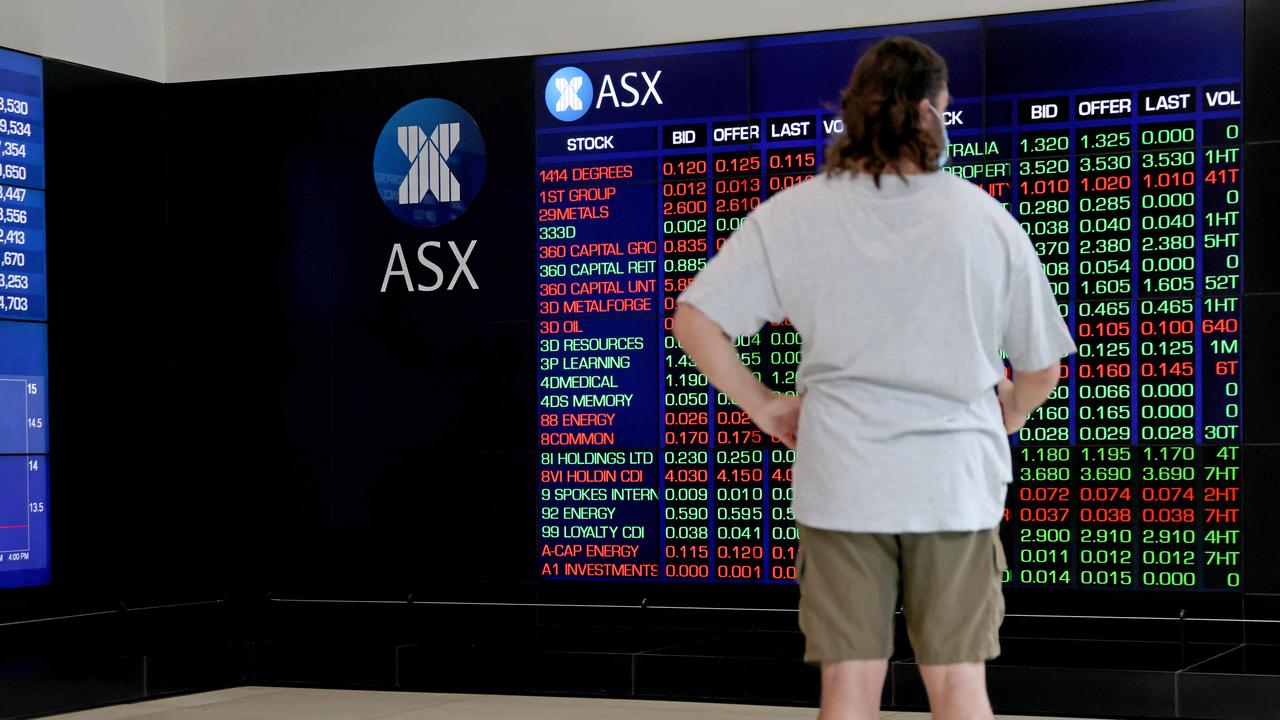
    Australian equities staged a cautious recovery on Tuesday following Monday’s significant sell-off, propelled by renewed market optimism stemming from diplomatic developments between the United States and Iran. The benchmark ASX 200 climbed 13.50 points (0.16%) to close at 8379.40, while the broader All Ordinaries index advanced 18.70 points (0.22%) to 8571.30.

    The market turnaround was triggered by comments from former US President Donald Trump indicating that Washington and Tehran had engaged in “productive talks” to de-escalate regional hostilities. This diplomatic optimism immediately impacted global energy markets, with oil prices briefly retreating below the psychologically significant $100 per barrel threshold before stabilizing during Asian trading sessions.

    Resource sector stocks emerged as primary beneficiaries of the tempered oil price environment. Mining giant BHP recorded substantial gains of 2.99% to reach $48.52, while Fortescue Metals Group advanced 3.36% to $19.69. Rio Tinto similarly climbed 2.18% to $147.56 as investors recalibrated their outlook on energy-sensitive commodities.

    However, the financial sector presented a contrasting narrative, with three of Australia’s four major banks experiencing notable declines. Commonwealth Bank retreated 1.80% to $171.12, Westpac fell 1.56% to $39.72, and NAB plunged significantly by 4.45% to $42.75. ANZ constituted the sole exception among the major lenders, posting modest gains of 0.50% to $36.45.

    Market analysts expressed cautious optimism while emphasizing underlying vulnerabilities. Kyle Rodda, Senior Financial Market Analyst at Capital.com, noted that while immediate escalation risks had diminished, fundamental challenges persist. “The Strait of Hormuz remains effectively blocked,” Rodda observed. “Iran’s strategy continues to target maritime traffic through this critical chokepoint, with demands that appear unrealistic for Western nations to accommodate.”

    Currency markets reflected ongoing uncertainties, with the Australian dollar declining 0.47% to 69.73 US cents. Commonwealth Bank Associate Director Carol Kong warned that current conditions have already triggered the most substantial oil price spike in modern history, exceeding disruptions witnessed during both the 1990 Gulf War and the 2022 Russia-Ukraine conflict. Kong projected a high probability of oil prices ascending to the $120-$150 per barrel range from current levels around $104.

    Corporate performances varied significantly across sectors. Department store retailer Myer maintained stable share prices despite reporting robust financial results, including a 35.1% surge in operating gross profit to $886 million for the half-year ending December. Mexican fast-food chain Guzman y Gomez declined 4.86% to $16.45 following announced share repurchases, while telecommunications provider Aussie Broadband gained 1.26% to $4.82 amid executive restructuring.

    KMD Brands witnessed a 3.23% ascent to $0.16 after rejecting a proposed demerger of its Ripcurl division and subsequent merger with competing surfwear entity Stokehouse. Market participants continue monitoring geopolitical developments and energy market dynamics for indications of sustained stability or renewed volatility.

  • Explosion at Texas oil refinery creates huge smoke plume

    Explosion at Texas oil refinery creates huge smoke plume

    An industrial incident at a Valero Energy Corporation refinery in Texas resulted in a significant emission event, generating a massive plume of smoke visible across the region. The company confirmed through an official statement that no personnel injuries occurred as a result of the operational anomaly.

    The emergency response was immediately activated following the incident, with local authorities and plant emergency teams coordinating to assess the situation. Valero’s operational safety protocols were promptly implemented to contain the situation and minimize any potential environmental impact.

    While the exact cause of the emission event remains under thorough investigation by the company’s technical team, preliminary assessments indicate it involved operational equipment within the refining complex. The facility’s flare system successfully managed the operational excess, a standard safety measure in petroleum refining operations.

    Market analysts are monitoring the situation for potential impacts on regional energy infrastructure and fuel production capabilities. The Texas Commission on Environmental Quality has been notified and is coordinating with Valero officials to evaluate any environmental considerations.

    This incident occurs amid heightened scrutiny of industrial safety protocols in energy infrastructure nationwide, though Valero’s prompt response and absence of injuries demonstrate effective emergency preparedness measures.

  • China dials back on fuel price hikes to ‘reduce burden’ on drivers

    China dials back on fuel price hikes to ‘reduce burden’ on drivers

    In an unprecedented move to alleviate economic pressure on consumers, China has significantly scaled back planned fuel price increases as global energy markets reel from the ongoing conflict in Iran. The National Development and Reform Commission (NDRC) announced Monday that originally scheduled hikes of 2,205 yuan per tonne for gasoline and 2,120 yuan for diesel would be nearly halved to 1,160 yuan and 1,115 yuan respectively, effective Tuesday.

    The decision comes as Brent crude oil surged past $100 per barrel this week, with petroleum prices experiencing approximately 20% inflation since Iran’s effective closure of the Strait of Hormuz—one of the world’s most critical oil shipping corridors. This strategic waterway disruption has created supply chain chaos throughout Asia, particularly affecting nations like Japan and South Korea that depend heavily on Middle Eastern energy imports.

    China’s intervention reflects both the magnitude of the crisis and Beijing’s strategic positioning. According to commodity analysts, China has methodically built one of the planet’s largest petroleum reserves, estimated at approximately 900 million barrels, leveraging years of favorable pricing and abundant Gulf state supplies. Customs data reveals a 16% year-over-year increase in crude purchases during January-February, with Iran—despite U.S. sanctions—remaining a crucial supplier of discounted oil to Chinese markets.

    The government’s price moderation strategy extends beyond direct intervention. Reports indicate Chinese authorities have instructed domestic refineries to temporarily suspend fuel exports to stabilize local markets, while state media emphasizes the deployment of “temporary regulatory measures to mitigate the impact of abnormal international oil price increases.”

    Across Asia, governments are implementing extraordinary measures to address the energy crisis. The Philippines has transitioned to a four-day workweek for government employees, while Sri Lanka has declared weekly Wednesday holidays for public institutions. Thailand and Vietnam have promoted widespread remote work policies, with Thai civil servants additionally instructed to suspend international travel and adopt energy-conscious workplace behaviors. Transport strikes have erupted in both Sri Lanka and the Philippines as operators demand fare revisions to compensate for soaring operational costs.

    The situation remains particularly dire in Japan, where gasoline prices reached record highs of 191 yen per liter this week, and in South Korea, where President Lee Jae Myung has canceled international engagements to personally oversee emergency economic response measures.

  • Israel’s second-largest airline moves its operations to Jordan and Egypt

    Israel’s second-largest airline moves its operations to Jordan and Egypt

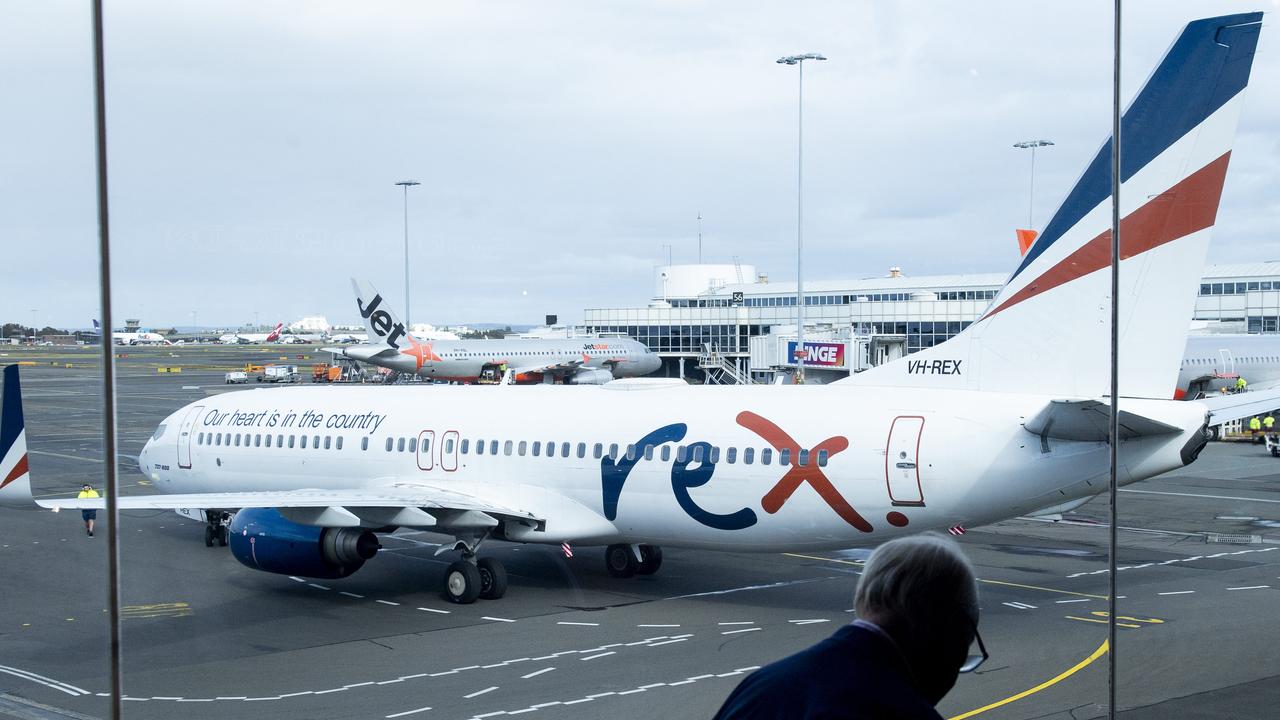
    In a significant operational shift prompted by wartime aviation restrictions, Israeli airline Arkia is transferring the majority of its flight operations to neighboring Jordan and Egypt. This decision comes exactly four weeks into the intensified military engagement between the United States, Israel, and Iran.

    The airline’s Chief Executive Officer, Oz Berlowitz, confirmed that effective immediately, Arkia flights will primarily depart from airports in Aqaba, Jordan and Taba, Egypt. This strategic relocation responds to stringent Israeli government restrictions currently capping flight capacity at just 50 passengers per aircraft—a policy Berlowitz described as effectively closing Israel’s commercial airspace.

    Ben Gurion International Airport near Tel Aviv will maintain minimal operations for specific humanitarian purposes. The limited flights still operating from Israel will serve routes to Larenaca, Cyprus and Athens, Greece—critical connections for thousands of Israeli citizens currently stranded abroad and unable to return home amid the conflict.

    This is not the first time Arkia has implemented emergency measures during regional conflicts. During the twelve-day military engagement with Iran the previous year, the airline developed specialized flight schedules to repatriate Israeli citizens from abroad.

    Berlowitz emphasized the airline’s commitment to passenger safety and operational creativity during this challenging period, stating that normal aviation operations have become impossible within Israel’s current regulatory framework. The airline has committed to honoring all previously purchased tickets despite the operational changes.

    The relocation occurs amid potential ownership changes for the carrier. Recent reports from The Jerusalem Post indicate interest from a U.S. investor and cannabis pharmaceutical company owner in acquiring the approximately $50 million valued airline. Any potential acquisition would require Israeli partnership due to the nation’s restrictions on foreign ownership of domestic airlines.

  • More Australian beef headed for Europe under new EU trade deal

    More Australian beef headed for Europe under new EU trade deal

    After eight years of intensive negotiations, the European Union and Australia have finalized a landmark free trade agreement that significantly reduces trade barriers between the two economies. The deal, valued at approximately A$10 billion (US$7 billion), was formally signed on Tuesday by European Commission President Ursula von der Leyen and Australian Prime Minister Anthony Albanese, who both characterized the agreement as mutually beneficial.

    The comprehensive pact eliminates nearly all EU tariffs on Australian agricultural exports, including wine, fruits, vegetables, olive oil, seafood, most dairy products, and grains. This tariff reduction is expected to save Australian wine producers and exporters an estimated A$37 million annually. Conversely, Australian consumers will gain access to more affordable European products including wines, spirits, biscuits, chocolates, and pasta.

    A particularly sensitive aspect of the negotiations involved geographical indications and naming rights for food products. The agreement permits Australian producers to continue using names such as parmesan domestically, while establishing lengthy phase-out periods for certain terms like feta. Notably, Australia has become the only country outside Italy to secure EU permission to use the name prosecco for its sparkling wines, with a 10-year transition period for exports.

    Prime Minister Albanese emphasized Australia’s multicultural heritage in addressing the naming rights issue: ‘Our modern history was built on migrants. That’s why whether it’s Greeks coming here and creating feta, or Italians coming and doing parmesan or people from Eastern Europe doing kransky sausages – it’s a connection with Europe.’

    While the agricultural provisions were broadly welcomed, the meat export component drew criticism from Australian producers. The agreement allows for approximately 30,000 tonnes of beef exports annually, significantly below the 50,000 tonnes sought by Australian farmers and industry representatives. Andrew McDonald of Meat and Livestock Australia called this ‘unquestionably a missed opportunity for Australia’s red meat producers, processors and exporters.’

    Beyond trade, the two parties signed a new security and defense partnership enhancing cooperation in defense industries, counter-terrorism, space exploration, and maritime security. Von der Leyen described the agreements as focusing on ‘collective resilience’ in a rapidly changing global landscape where ‘trust matters more than transactions.’

    The partnership also extends to critical minerals collaboration, with von der Leyen announcing expanded cooperation on lithium and tungsten projects. She additionally praised Australia’s pioneering social media policy that prohibits under-16s from having accounts on ten platforms, highlighting the broader strategic alignment between the partners.

  • New European Union trade deal ‘constrains’ Australian meat exports, industry warns

    New European Union trade deal ‘constrains’ Australian meat exports, industry warns

    In a landmark move eight years in the making, Australia and the European Union have formally signed a historic free-trade agreement projected to boost Australia’s GDP by $10 billion. While the Albanese government hails the pact as a significant economic achievement, Australia’s meat industry has responded with fierce opposition, labeling the arrangement a devastating blow.

    The agreement, signed by Prime Minister Anthony Albanese and European Commission President Ursula von der Leyen, eliminates 98% of EU tariffs on Australian goods, providing substantial benefits for sectors including wine, nuts, fruits, vegetables, honey, olive oil, dairy, grains, and seafood. The government emphasizes that this opens access to a market of 450 million people in the world’s second-largest economy.

    However, the Australian Meat Industry Council (AMIC) has condemned the deal’s provisions for red meat exports. Chief Executive Tim Ryan characterized the outcome as ‘a kick in the guts,’ asserting that the negotiated terms fall severely short of industry expectations and lag behind concessions granted to Australia’s international competitors.

    Critical points of contention include a beef quota capped at just 10,200 tonnes for the first five years—approximately 30,600 tonnes less than the volume allocated to competitors, who can export up to 50,000 tonnes. Similarly, the sheep and goat meat quota of 25,000 tonnes is deemed inadequate, with AMIC citing 67,000 tonnes as the minimum acceptable threshold. This pales in comparison to New Zealand’s allocation of 125,000 tonnes under its separate EU agreement.

    Ryan criticized the deal for restricting rather than promoting trade, noting it fails to reflect the red meat sector’s substantial contribution to Australia’s export economy. The agreement arrives during a period of heightened pressure for the industry, which has recently faced significant geopolitical challenges, including reduced meat imports by China and restrictive licensing arrangements imposed by Indonesia.

    Opposition trade spokesman Matt Canavan expressed skepticism about the deal’s immediate benefits, acknowledging that initial details ‘don’t sound all that attractive.’ The agreement represents a complex balancing act between broad economic gains and specific sectoral disadvantages, highlighting the challenges of negotiating multinational trade partnerships.

  • Global shares mostly rebound after Trump hints at a possible end to the Iran war

    Global shares mostly rebound after Trump hints at a possible end to the Iran war

    Financial markets worldwide exhibited a notable recovery on Tuesday, buoyed by cautious optimism following diplomatic developments between the United States and Iran. The positive sentiment emerged after former President Donald Trump announced that Washington had engaged in discussions with Tehran aimed at resolving ongoing hostilities in the Middle East.

    European indices opened with modest gains, with France’s CAC 40 climbing 0.4% to 7,759.97 and Germany’s DAX advancing 0.2% to 22,695.54. Britain’s FTSE 100 remained nearly flat, inching up less than 0.1% to 9,899.12. U.S. futures indicated a stable opening, with Dow futures rising marginally to 46,536.00 and S&P 500 futures showing minimal change at 6,634.50.

    Asian markets demonstrated particularly strong performance, with Japan’s Nikkei 225 surging 1.4% to close at 52,252.28, recouping previous losses. The rally was further supported by Toyota Motor Corporation’s announcement of a $1 billion investment in its Kentucky and Indiana manufacturing facilities, part of a broader $10 billion U.S. investment strategy unveiled last November. This development underscores Japanese manufacturers’ continued commitment to American economic growth and job creation.

    Other Asian markets followed the upward trend, with Australia’s S&P/ASX 200 gaining 0.2% to 8,379.40, South Korea’s Kospi advancing 2.7% to 5,553.92, and Hong Kong’s Hang Seng jumping 2.8% to 25,063.71. Shanghai Composite added 1.8% to reach 3,881.28.

    The market recovery comes after weeks of volatility driven by concerns over Middle Eastern tensions, particularly affecting Asian economies dependent on energy shipments through the strategically vital Strait of Hormuz. Energy markets responded positively, with benchmark U.S. crude rising $1.34 to $89.47 per barrel and Brent crude increasing $1.00 to $100.94.

    However, the diplomatic situation remains complex, as Iranian officials promptly denied the occurrence of any talks with the United States. Iranian Parliament Speaker Mohammad Bagher Qalibaf characterized the reports as ‘fakenews’ designed to manipulate financial and oil markets in a social media post.

    Market analysts expressed cautious optimism despite the contradictory statements. Michael Brown, senior research strategist at Pepperstone, noted that while significant progress toward a ceasefire remains distant, the developments represent a potential first step toward conflict resolution.

    Currency markets showed minimal movement, with the U.S. dollar strengthening slightly against the Japanese yen to 158.55, while the euro dipped marginally to $1.15941.