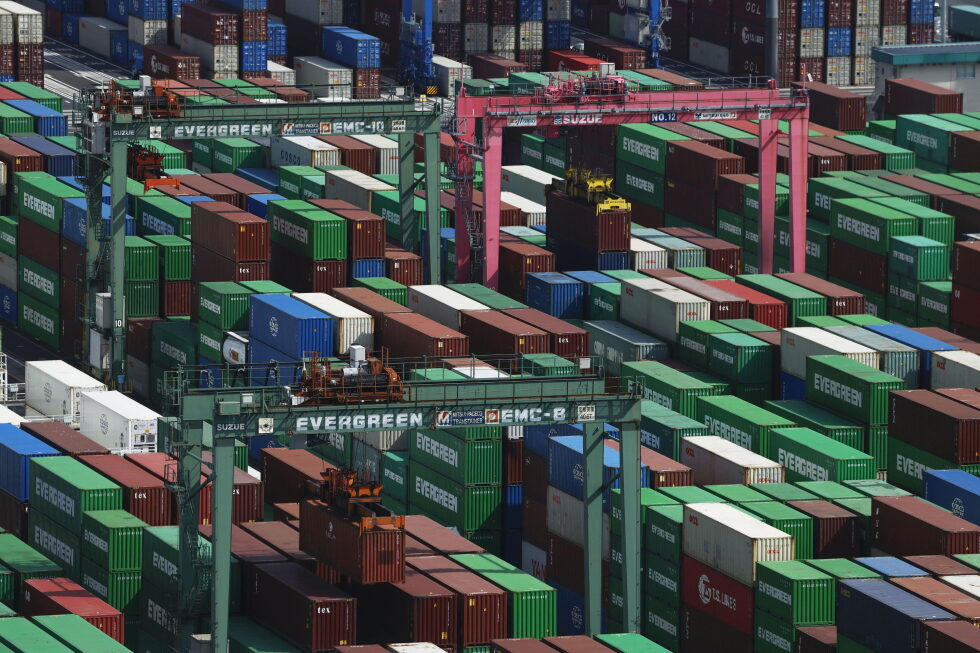
TOKYO – Fresh government data released Wednesday by Japan’s Finance Ministry reveals that the world’s fourth-largest trading economy has logged its first monthly trade deficit in four months for May, as soaring demand for AI-related technology pushed up imports enough to offset double-digit growth in outbound shipments. Preliminary calculations show that Japan’s total exports climbed 17% year-on-year to 9.51 trillion yen, equivalent to roughly $59.4 billion, while total imports jumped 12.5% over the same period to 9.89 trillion yen ($61.8 billion). The gap between inbound and outbound trade left the country with a 378.6 billion yen ($2.4 billion) trade deficit.
分类: business
-
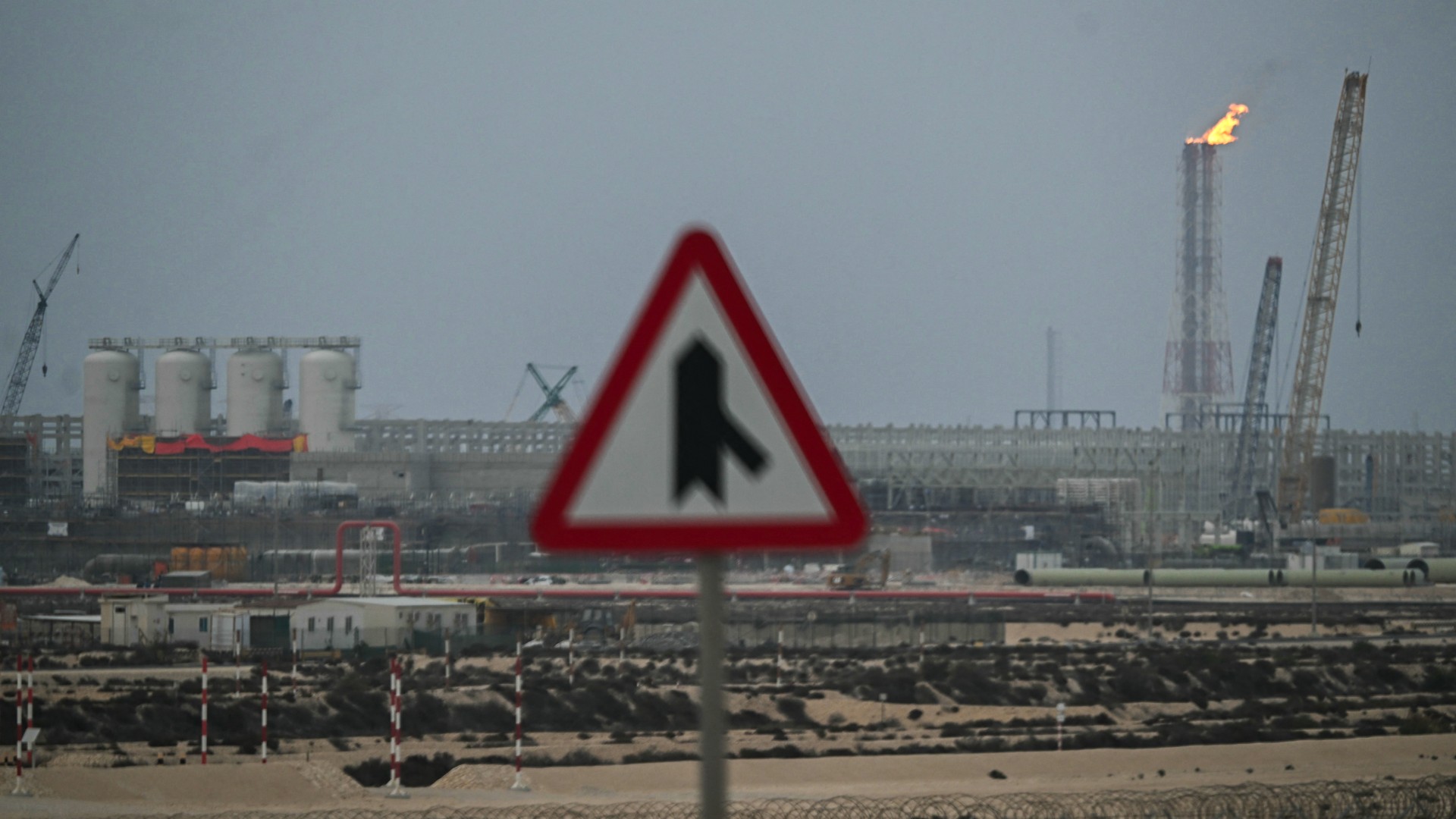
Qatar looks to rapidly restart LNG exports once Hormuz reopens: Report
Global energy markets are bracing for a gradual but faster-than-expected rebound in Qatari liquefied natural gas (LNG) supplies after a week that saw diplomatic breakthroughs aimed at de-escalating tensions in the Persian Gulf. In reports published Tuesday, two leading global news outlets outlined QatarEnergy’s accelerated recovery timeline for its export infrastructure, damaged in March Iranian missile strikes that disrupted roughly one-fifth of the world’s total LNG supply.
Multiple sources familiar with QatarEnergy’s plans told Bloomberg the state-owned energy giant expects to restore nearly 80 percent of its full LNG export capacity within two months of the Strait of Hormuz reopening to safe commercial transit. The company will ramp up output incrementally, hitting 50 percent of total capacity within the first month, a recovery pace that outpaces earlier projections from market analysts and energy traders. The remaining 20 percent of capacity, which sustained severe damage in the March strikes, will require years of complex repairs, Bloomberg’s sources confirmed.
Reuters, citing its own anonymous source familiar with logistics operations, added that shipping and transport coordination remain the primary near-term bottleneck: the company will need to rapidly coordinate vessel arrivals, inspections, and loading operations as soon as the strait is reopened to unimpeded traffic.This planned recovery comes ahead of a landmark diplomatic breakthrough set to take place Friday, when U.S. and Iranian officials will sign a formal memorandum of understanding (MoU) in Switzerland aimed at ending ongoing hostilities across the region. While full terms of the agreement have not been publicly released, former U.S. President Donald Trump gave public assurances Tuesday that the Strait of Hormuz, the world’s most critical energy chokepoint through which roughly a fifth of global oil and LNG trade passes, will be “completely open” to commercial traffic by Friday.
Qatari Foreign Ministry officials expressed cautious optimism that the deal will clear the way for LNG exports to resume, but cautioned that deep-rooted disagreements between Washington and Tehran will not be resolved in a matter of days. European allies of the U.S. share similar reservations about the timeline for a full return to normal trade. Italian Prime Minister Giorgia Meloni, a right-wing leader, added that her government’s support for the diplomatic process is conditional on a full ceasefire to Israel’s ongoing military campaign in Lebanon.The damage to Qatari LNG infrastructure dates back to March 19, when Iran launched retaliatory missile strikes following joint U.S.-Israeli strikes on Iranian territory that have killed more than 1,265 people in Tehran since the outbreak of the wider regional conflict. Nearly all of Qatar’s LNG output is processed at the Ras Laffan industrial complex, the site that sustained the majority of the damage. Immediately after the strikes, QatarEnergy CEO Saad al-Kaabi told Reuters the attack wiped out 17 percent of the complex’s operating capacity, with full repairs expected to take up to five years and cost an estimated $26 billion. The company shuttered the entire facility shortly after the attack and notified long-term buyers it may be forced to invoke force majeure clauses, waiving liability for missed deliveries while reconstruction work proceeded.
As the world’s second-largest LNG exporter, Qatar accounts for roughly 20 percent of global supplies. With no immediate alternative sources available to replace the disrupted volumes, energy analysts have warned that sustained supply cuts would hit consumer energy prices hardest in import-dependent markets across Asia and Europe.
Shortly after the strikes, Qatari Prime Minister Sheikh Mohammed bin Abdulrahman al-Thani became the only major Gulf energy producer to call for an immediate, unconditional end to the U.S.-Israeli military campaign in Iran, breaking with other regional nations that only issued condemnations of Iran’s retaliatory strike. “Everyone knows who the main beneficiary of this war is, and dragging the whole region into this conflict is,” the prime minister stated at the time.
Despite the ongoing damage and diplomatic uncertainty, Bloomberg reported in April that QatarEnergy has already taken preliminary steps to prepare for a resumption of full operations, running several production trains at reduced capacity to deliver small shipments to neighboring states while positioning the facility to ramp up output as soon as transit through the strait is restored. -

Is China sleepwalking down Japan’s zombie economy path?
Decades after Japan’s 1990 asset bubble collapse left a legacy of unprofitable “zombie” firms propped up by cheap bank lending, mounting economic data suggests China could be walking down a very similar path after its 2021 real estate slowdown. While broad comparisons between 1990s Japan and 2020s China often overlook critical structural differences between the two economies, experts say the pattern of debt evergreening that dragged Japan into decades of stagnation is now visible in China’s financial system.
The case of Japan’s Daiei, once the nation’s top retail giant, illustrates how the zombie company cycle plays out. After the bubble burst, Daiei slipped into sustained unprofitability, but Japanese major banks including UFJ kept the firm afloat with repeated below-market-rate loans. This practice, dubbed “evergreening”, let banks avoid classifying outstanding debt as non-performing (NPL), hiding bad assets from regulators and the public to meet capital requirements and avoid public backlash. Eventually acquired by rival Aeon, Daiei’s brand is set to be fully phased out in the coming years, decades after it first became insolvent.
A landmark 2008 paper by economists Caballero, Hoshi, and Kashyap found that this widespread evergreening dragged down Japan’s entire economy for decades. When the bubble burst, hundreds of profitable firms across construction, retail, and trade became unprofitable. Rather than force these firms into bankruptcy and accept their own losses, banks extended new cheap loans to let unprofitable firms pay off old debt, reclassifying bad debt as performing. This locked up scarce capital, labor, and other resources in unproductive firms, blocking healthy new companies from accessing the resources they needed to grow. Even with government backing to keep lending alive, the misallocation of resources left Japan stuck in long-term productivity stagnation.
Japanese policymakers chose this path for clear sociopolitical reasons: at the time, the country had a strong norm of lifetime job security, and widespread corporate failures would have thrown millions out of work, raising the risk of social unrest. Bank bailouts were also deeply unpopular, so regulators chose regulatory forbearance and capital injections for banks rather than forcing them to clean up their balance sheets by cutting off zombie borrowers.
Today, China faces a similar post-bubble moment. After the 2021 correction in its overheated real estate sector, the country has seen a broad economic slowdown that is deeper than official figures indicate, and a sharp rise in the share of loss-making firms across real estate-linked sectors. Multiple independent analyses show signs of widespread debt evergreening that mirror 1990s Japan.
Data from the Rhodium Group shows that despite a rising share of unprofitable firms since 2021, the official share of non-performing loans has actually fallen. A 2025 audit from China’s National Audit Office found that 16 out of 43 audited Chinese banks had actual non-performing loan levels double their officially reported figures. Loan rollovers to avoid NPL classification are pervasive, with the Chinese financial system acting as a shock absorber to keep unprofitable firms afloat and prevent widespread defaults. Rhodium Group data also shows the share of bank loans issued below benchmark interest rates has risen sharply since 2021, even as benchmark rates have fallen, and analysis from the Federal Reserve Bank of Dallas confirms that a growing share of Chinese firms, particularly in real estate, do not earn enough to cover their loan interest payments.
Critics argue that unlike market-based Japan, China’s state-directed banking system can avoid the downsides of zombie lending, since bad debt is effectively backed by the central government, which can order banks to keep lending indefinitely. But analysts point out this does not solve the core resource misallocation problem that hurt Japan, and China’s own government already took similar actions to Japan’s in the wake of the bust: supporting banks and encouraging them to keep lending to unprofitable firms to avoid unrest.
Even if the government can avoid a financial crisis, zombie firms still lock up critical resources that healthy firms could use. They compete for skilled labor, raw materials, land, and energy, driving up costs and crowding out innovative new entrants. For example, 1990s Japan’s Daiei was able to underprice new competitors thanks to cheap bank loans, blocking retail sector innovation for decades. In China today, this dynamic may be driving widespread industrial involution: after the real estate slowdown, the Chinese government directed banks to increase lending to manufacturing and green tech sectors as part of its industrial policy strategy. While many of these firms are efficient and globally competitive, as much as 30% of listed firms in high-priority sectors including electric vehicles, solar panels, and batteries are zombies that cannot service their debt, kept alive by loan rollovers and local government subsidies to preserve jobs and tax revenue. These unprofitable firms cut prices to below production cost to hold market share, crushing profit margins across the entire sector for even the most efficient competitors.
While this flood of cheap exports has helped China gain global market share in key industrial sectors, it comes at a long-term cost to domestic productivity growth. Over time, persistent resource misallocation could erode China’s long-term competitiveness, rather than strengthen it. The practice may also be adding to fiscal risks: just as Japan’s zombie lending left the country with unsustainable government debt that is now causing currency weakness and inflation, China’s evergreening practice pushes the cost of unproductive firms onto taxpayers and domestic bondholders, creating long-term fiscal pressures that the government will eventually have to address.
In an update addressing reader questions about geopolitical differences between Japan and China, author Noah Smith notes that China’s government shares Japan’s core motivation for zombie lending: fear of social unrest from widespread unemployment, which has remained a top policy priority in China after the end of rapid growth. While China’s goal of reshaping global supply chains means it will continue to support unprofitable firms in strategic sectors, this will only deepen the productivity trap over time. Ultimately, while many structural differences separate the two economies, the parallel of zombie lending and debt evergreening is clear — and so far, China’s government appears to be stepping into the same long-term trap that stunted Japan’s growth for decades.
-
Struggling Pizza Hut chain to be sold for $2.7bn
After years of sliding sales and mounting competitive pressure in the global pizza market, Yum! Brands has finalized a $2.7 billion deal to offload its underperforming Pizza Hut brand, splitting the acquisition between two separate buyers.
Private equity firm LongRange Capital will take over Pizza Hut operations outside of mainland China for $1.5 billion, while Yum China Holdings, an independent affiliate of Yum! Brands, will acquire the chain’s mainland Chinese business for an additional $1.2 billion. Notably, Yum! Brands will retain ownership of UK-based Pizza Hut locations, which it only took back into direct control less than a year ago.
In a statement announcing the deal, Yum! Brands Chief Executive Chris Turner expressed confidence that the new ownership structure would set Pizza Hut up for a successful turnaround. “Under LongRange and Yum China, Pizza Hut will be well positioned for future growth with ownership that brings deep expertise in the restaurant industry,” Turner said, adding that the iconic brand has played an foundational role in Yum! Brands’ corporate history.
The sale comes after more than a year of strategic review, following multiple consecutive quarters of falling same-store sales in Pizza Hut’s largest market, the United States. The U.S. accounts for 40% of the chain’s total international sales, making its weak performance there a major drag on Yum! Brands’ overall results. Yum! first publicly confirmed it was exploring a potential sale of the brand in November 2025.
Pizza Hut’s declining market share stems from multiple overlapping challenges that have reshaped the competitive landscape, widely referred to as the modern “pizza wars.” Intensifying competition from major national rivals including Domino’s, Papa John’s, and Little Caesars has eaten into Pizza Hut’s customer base, with competitors using aggressive discounting to attract budget-conscious shoppers at a time of persistent sticky inflation. Beyond the big national chains, smaller, more agile mid-sized regional pizza brands have also chipped away at Pizza Hut’s market share by adapting more quickly to shifting consumer preferences for crust styles, toppings, and ordering experiences. The explosive growth of third-party food delivery apps has also flooded the market with new competitors, eroding the brand advantage Pizza Hut held for decades in delivery and takeout.
Founded in 1958 by two brothers in Wichita, Kansas, Pizza Hut has a long history under corporate ownership. It was first acquired by PepsiCo in 1977, before being spun off along with KFC and Taco Bell to form what is now Yum! Brands in 1997.
The decision to retain UK operations follows a collapse of the previous franchisee last year. In October 2025, DC London Pie, the operator of UK Pizza Hut dine-in locations, entered administration, forcing the immediate closure of 68 outlets and putting more than 1,200 jobs at risk. Yum! Brands stepped in to acquire the assets, saving 64 locations and most of the at-risk positions in a rescue deal.
For Yum! Brands, the divestment of most global Pizza Hut operations is part of a broader strategic shift to streamline its business and redirect corporate resources to its higher-performing core brands: KFC and Taco Bell.
Both transactions are expected to be finalized in the third quarter of 2026, pending completion of standard regulatory approval processes.
-
Struggling Pizza Hut restaurant chain will be sold for $2.7 billion
After months of strategic review and years of underperformance, global restaurant conglomerate Yum Brands has finalized a $2.7 billion deal to sell its iconic pizza chain Pizza Hut, splitting the brand between a private equity firm and its former spin-off Yum China Holdings. The agreement, announced Tuesday, carves out Pizza Hut’s global operations excluding mainland China for a $1.5 billion purchase by private equity group LongRange Capital, while Yum China will acquire the China market Pizza Hut business for roughly $1.2 billion.
The sale caps a years-long stretch of struggle for the 66-year-old pizza brand, which has faced mounting pressure from industry competitors and held back by a large footprint of outdated, underinvested locations. Yum Brands first signaled it was exploring a sale of the chain back in February, after confirming it would shutter 250 underperforming U.S. locations to stem losses. At that time, the chain had already reported sustained declines in same-store sales that pushed the brand to become the lowest-performing holding in Yum’s brand portfolio.
Founded in 1958 in Wichita, Kansas, Pizza Hut has changed corporate hands several times over its history. Food and beverage giant PepsiCo purchased the chain in 1977, before spinning off its entire restaurant division in 1997 to form the independent Yum Brands, which also counted KFC and Taco Bell among its core holdings. For more than a decade, Pizza Hut lagged behind its sister brands in growth, as new competitors in the fast-casual and delivery pizza space eroded its market share.
Industry analysts have broadly framed the sale as a logical move for Yum Brands, which will now be able to redirect capital and leadership focus to its faster-growing portfolio brands. “Pizza Hut has long been the weak link in Yum’s portfolio,” explained Neil Saunders, managing director of industry research firm GlobalData. “Despite efforts to revitalize the brand and shut underperforming locations, it has become increasingly clear that pushing the division back into growth will require a level of investment and patience that Yum is just not prepared to commit to.” Saunders added that the divestiture will allow Yum to prioritize its higher-performing concepts with stronger sales trajectories.
Yum Brands CEO Chris Turner expressed confidence in the new owners’ ability to turn around the brand’s performance. “Under LongRange and Yum China, Pizza Hut will be well positioned for future growth with ownership that brings deep expertise in the restaurant industry,” Turner said in an official statement announcing the deal.
Yum China, which already operates KFC and Pizza Hut locations across mainland China as an independent franchisee, is well positioned to leverage local market knowledge to expand the brand’s footprint in the world’s second largest economy, while LongRange Capital brings specialized restaurant industry investment experience to the global operations. Both transactions are on track to close in the third quarter of the current year, per Yum Brands’ timeline. Ahead of the deal’s announcement, Yum Brands’ stock registered a small decline in pre-market trading.
-

Musk’s SpaceX buys AI coding start-up for $60bn days after IPO
In a blockbuster deal that underscores the booming demand for generative artificial intelligence tools across tech and aerospace industries, Elon Musk’s SpaceX has entered into a definitive agreement to acquire AI coding startup Anysphere – creator of the popular AI coding agent Cursor – for $60 billion, just four trading days after the rocket firm closed its historic initial public offering.
The acquisition, which is set to close by the end of the third quarter of 2026, was pre-negotiated under a partnership deal first struck between the two companies in April 2025. Under that earlier agreement, SpaceX secured an option to either purchase the startup outright for $60 billion or pay $10 billion for the joint development work the teams had completed together. Cursor shareholders will receive the full purchase price in newly issued SpaceX public stock, under the terms of the deal.
The move comes on the heels of SpaceX’s landmark listing on the New York Nasdaq stock exchange, which went down as the largest initial public offering in global history. The IPO valued the company at more than $2 trillion, and raised a staggering $85.7 billion in fresh capital for the firm. Since its debut, SpaceX shares have surged nearly 50% from the $135 per share IPO offer price, pushing up the net worth of majority owner Elon Musk past the $1 trillion mark, making him the first person ever to reach that personal wealth milestone.
Cursor has emerged as one of the fastest-growing players in the red-hot AI coding space, a segment where firms like OpenAI and Anthropic have also built popular tools that automate core parts of the software development workflow. The startup’s product is already in use at major technology firms including Stripe, Adobe and Nvidia, where Nvidia CEO Jensen Huang has publicly hailed Cursor as his “favourite enterprise AI service”.
For SpaceX, the acquisition is a strategic move to accelerate the growth of its in-house artificial intelligence division, xAI – the firm behind the controversial chatbot Grok, which Musk brought into SpaceX following an acquisition earlier this year. When the partnership was first announced in April 2025, SpaceX framed the combination of Cursor’s strengths and its own computing infrastructure as a path to building industry-leading AI models. “The combination of Cursor’s leading product and distribution to expert software engineers with SpaceX’s million H100 equivalent Colossus training supercomputer will allow us to build the world’s most useful models,” the company said in its original April statement.
But the blockbuster deal and SpaceX’s record valuation have also sparked ongoing debate about market exuberance and wealth inequality. Unlike mature public companies, SpaceX’s $2 trillion valuation is almost entirely tied to investor optimism about its future earnings potential, rather than proven consistent profitability. Financial filings show SpaceX has remained unprofitable, racking up more than $9 billion in operating losses across 2025 and the first half of 2026, driven by massive capital outlays for AI infrastructure and rocket development programs.
Founded as a commercial rocket firm focused on developing reusable launch vehicles, SpaceX has expanded its footprint over the past decade to include the Starlink satellite internet constellation, which now serves millions of customers globally. Its entry into the artificial intelligence race via the xAI acquisition, followed by the Cursor purchase, marks the company’s most aggressive push yet to diversify beyond its core aerospace operations and compete with top AI players that have commanded sky-high valuations in public markets.
-
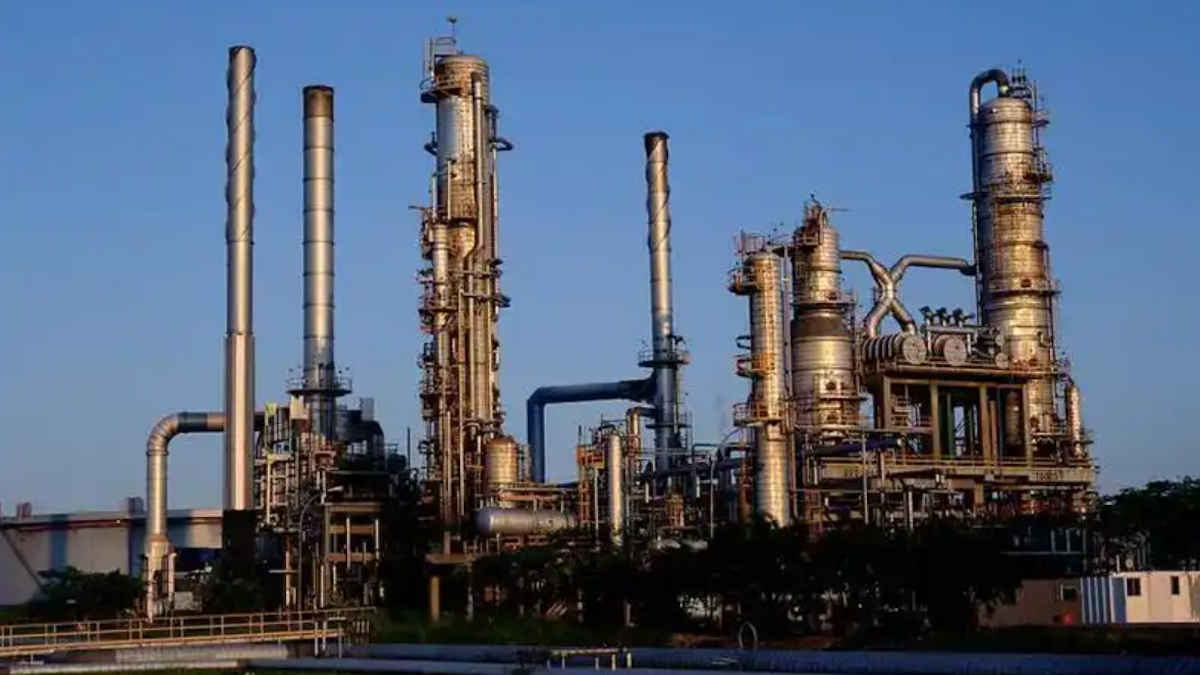
US-Iran peace deal rattles China’s energy strategy, geopolitics
Following the weekend announcement of a US-Iran peace agreement, Beijing has formally welcomed the deal, pinning hopes that the planned reopening of the Strait of Hormuz will resolve months of oil supply disruptions that have roiled China’s domestic fuel markets and strained its refining industry. But behind official statements, Chinese policy and energy commentators have voiced a far more nuanced, uneven set of perspectives on what the deal means for the world’s largest crude importer.
On one hand, analysts broadly agree that the reopening of the critical Strait of Hormuz will open new opportunities for China: it will be able to replenish depleted strategic crude reserves, while lower global oil prices will ease widespread cost pressures across the economy. Even some independent Chinese “teapot” refiners that have faced US sanctions over Iranian crude imports could see some relief from the diplomatic thaw.
On the other hand, the deal also strips away the unique advantages China carved out during years of sanctions on Tehran. For years, China bought discounted Iranian crude via a shadow fleet operating outside formal sanctions frameworks, a benefit that will disappear once Western governments unfreeze Iranian assets and allow Tehran to resume legal crude exports to the global market.
As Sichuan-based commentator Fanyuzhi, a pseudonymous columnist, put it: the US-Iran detente and resulting lower oil prices are a double-edged sword for China. In the near term, softer crude costs will cut logistics expenses across all sectors and help tame persistent domestic inflation. Over the longer horizon, however, cheap fossil fuels could slow China’s aggressive push to scale up renewable energy and electric vehicles, while erasing the privileged, exclusive access China built with Iran during the sanctions era. Once Tehran fully reopens its oil sector to global markets, Fanyuzhi noted, energy firms from Europe, Japan and South Korea will quickly reenter the market to compete for the crude supplies China previously secured largely on its own.
Even with these downsides, Fanyuzhi acknowledged that a more stable Middle East aligns with China’s long-term geopolitical goals through its Belt and Road Initiative. Beijing brokered the landmark 2023 Saudi-Iran detente and played an unpublicized behind-the-scenes role in recent US-Iran talks, a track record that has clearly boosted China’s regional influence. More Middle Eastern nations are now increasingly leaning toward Beijing when balancing their relationships with major global powers, he added. Still, he cautioned against overestimating the durability of the new peace deal, comparing it to two exhausted boxers taking a mandated break between rounds: hostilities could easily reignite once both sides have regained their strength.
The months-long conflict between the US and Iran, which began on February 28, has hit China’s gasoline market on two separate fronts, according to regional media. Disruptions to crude shipments through the Strait of Hormuz drove up global crude price expectations, squeezing profit margins for Chinese refiners of all sizes. At the same time, persistent fuel price volatility accelerated a already ongoing shift toward electric vehicles among Chinese consumers, eroding domestic gasoline demand and piling enormous pressure on independent “teapot” refiners to cut production.
While additional US sanctions targeting some teapot refiners added to industry stress, the impact was less severe than many analysts initially predicted, thanks to China’s large holdings of strategic crude reserves that allowed Beijing to stabilize domestic fuel supplies without over-reliance on sanctioned imports.
Customs data bears out the scope of the supply shock: China’s crude oil imports fell 20% year-on-year in April 2026 to 9.25 million barrels per day, the lowest monthly volume since July 2022. The decline deepened in May, when imports dropped to roughly 7.8 million barrels per day, a 29% year-on-year drop. For the first five months of 2026, total crude imports are down 4.8% from the same period in 2025, while refined fuel imports have plummeted even faster, with May volumes falling 58% year-on-year.
“When crude shipments through the Strait of Hormuz were first halted in March, Chinese regulators ordered independent refiners to maintain high output of gasoline and diesel even if it meant operating at a loss, warning that any cuts to capacity utilization could result in reduced crude import quotas,” explained All About Energy, a pseudonymous Beijing-based energy analyst. It was only after Beijing observed a clear slowdown in domestic gasoline demand that loss-making teapot refiners were permitted to scale back output, he added.
“China’s gasoline demand has been declining steadily since the Iran war disrupted Hormuz crude shipments,” All About Energy said. “Rising fuel prices have discouraged driving of combustion engine vehicles, particularly in Chinese cities where electric vehicles are already more convenient and cheaper to operate. This year’s drop in gasoline demand is now on track to exceed earlier industry forecasts.”
Shandong-based columnist Xie Duiren noted that April 2026 marked a major turning point in China’s transition away from gasoline-powered vehicles: for the first time, new energy vehicles made up more than 60% of all domestic passenger car retail sales, with Chinese domestic brands capturing more than 80% of that new energy market. As more consumers shift to EVs, gasoline-powered cars have lost their residual value protection in the second-hand market, creating a downward price spiral.
“Electric vehicles are improving rapidly in technology and holding their value far better than they did even two years ago, steadily crowding out used combustion-engine cars from the market,” Xie said. “Once a gasoline-powered car goes from being an asset to a financial liability, there is little incentive for consumers to hold onto one.”
On June 2, Reuters reported that China’s National Development and Reform Commission, the country’s top economic planner, had authorized independent refiners in Shandong – China’s top refining hub – to cut output starting in June, capping production at no lower than 80% of 2025’s monthly average.
Chinese analysts also point out that the end of the Iran war has significantly expanded Washington’s leverage over global energy markets, giving the Trump administration more room to refocus its political and military attention on the Indo-Pacific. Earlier this year, US special forces arrested Venezuelan President Nicolas Maduro in Caracas and flew him to New York to face drug trafficking and narco-terrorism charges, with the Trump administration announcing it would oversee Venezuelan operations for an indefinite period, giving Washington direct control over the country’s massive crude reserves. The end of the Iran war and the reopening of the Strait of Hormuz on terms heavily shaped by Washington extends that dominance further.
One military affairs commentator writing for Chinese portal Sina.com noted that while global attention was fixed on the Iran negotiations, reports emerged that the Trump administration was in talks to purchase the Chagos Islands from Mauritius, bypassing the United Kingdom to secure direct control of the strategic Diego Garcia naval base. Diego Garcia forms the southwestern anchor of Washington’s Indo-Pacific strategy, working alongside the US’s island chain alliance network and India to create a multi-layered defense network that can constrain China’s commercial and military sea lanes, the commentator said. The base, which hosts roughly 2,400 military and civilian personnel and supports strategic bomber operations and large-scale naval deployments, has served as a critical logistics hub for US operations across the Indo-Pacific for decades, including most recently during the Iran war. With the Iran conflict wrapping up, the commentator stressed, China must remain vigilant and closely monitor every shift in Washington’s regional strategy.
In Beijing’s official response to the deal, Chinese Foreign Ministry spokesman Lin Jian said Monday that Beijing welcomes the first-stage memorandum of understanding between Washington and Tehran, and commended Pakistan’s mediation efforts. Lin called on both sides to complete the formal signing as scheduled on June 19, and said China stands ready to work with the international community to support long-term peace and stability in the Middle East and Gulf region.
“The Strait of Hormuz is a critical waterway for international navigation. Restoring stability in the Strait serves the common interests of all regional states and the entire global community,” Lin said. “We hope the Strait will once again be open and safe for free navigation at an early date. China stands ready to maintain close communication with regional countries and the broader international community on all relevant issues.”
US President Donald Trump announced the deal after more than 100 days of open military conflict with Iran, saying the agreement with Tehran was “now complete” and ordering the immediate lifting of the US naval blockade on Iranian ports. Pakistan and Qatar co-mediated the negotiations, with a formal signing ceremony scheduled for Geneva on June 19.
The 14-point first-stage MOU outlines a permanent ceasefire across all active fronts including Lebanon, the full lifting of the naval blockade within 30 days, the full reopening of the Strait of Hormuz, and a temporary suspension of sanctions on Iranian oil exports. It also includes a plan to release $24 billion in frozen Iranian assets over a 60-day negotiation period, after which a final permanent agreement covering Iran’s nuclear program will be finalized.
-
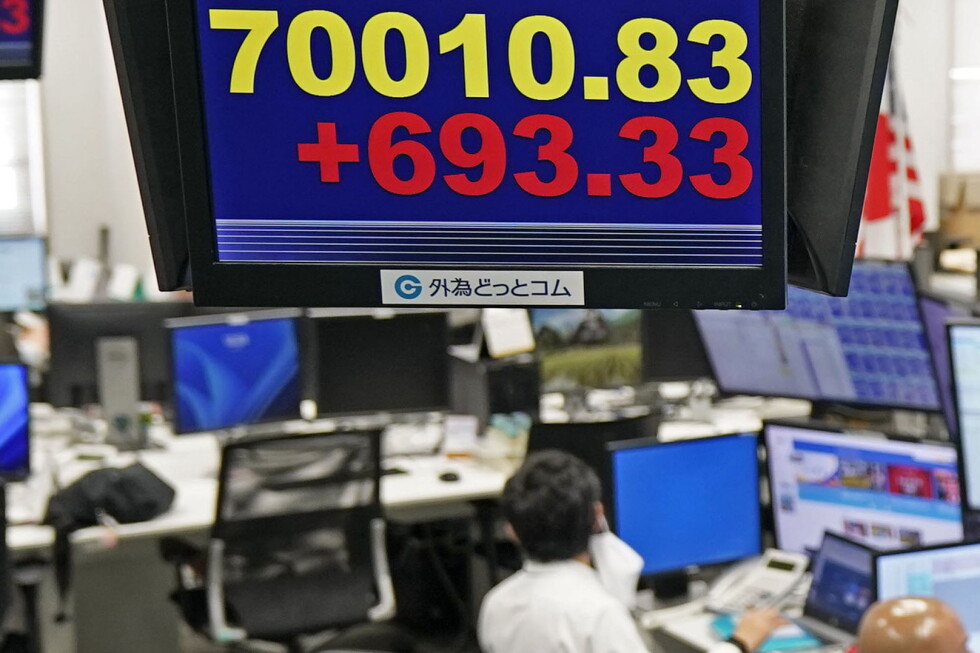
Asian shares are mostly higher and Japan’s Nikkei tops 70,000 before BOJ rate hike
In a historic trading session on Tuesday, most Asian equity markets logged gains, with Japan’s benchmark Nikkei 225 briefly crossing the 70,000 threshold for the first time ever before paring its early advances. The milestone came moments after the Bank of Japan (BOJ) announced it would lift its key interest rate by a quarter percentage point to 1%, bringing borrowing costs in the country to their highest level in 30 years.
By mid-afternoon Tokyo trading, the Nikkei 225 held onto moderate gains, rising 0.6% to settle at 69,713.05. South Korea’s Kospi outperformed regional peers, jumping 2.1% to push further into uncharted record territory at 8,721.64. Mainland China’s Shanghai Composite inched up less than 0.1% to 4,100.53, while Taiwan’s Taiex added 0.6% and India’s Sensex gained 0.5%. The only major losses in the region were recorded in Australia and Hong Kong: Australia’s S&P/ASX 200 slipped 0.3% to 8,892.10, and Hong Kong’s Hang Seng dropped 1.3% to 24,533.35.
The positive momentum across Asian markets followed a broad global rally on Monday, triggered by news that the United States and Iran had reached a tentative agreement to restore steady global crude oil exports. The deal raised hopes that shipping through the Strait of Hormuz, a critical chokepoint that supplies much of Asia’s oil imports, will soon reopen. On Monday, Wall Street posted strong gains: the S&P 500 climbed 1.7%, the Dow Jones Industrial Average gained 0.9% to hit a new all-time high, and the Nasdaq composite surged 3.1%.
International benchmark Brent crude fell 4.8% on Monday in response to the deal, and prices continued to trend downward early Tuesday. By early Asian trading, Brent crude slipped 24 cents to $82.93 per barrel, while U.S. benchmark crude fell 9 cents to $80.66 per barrel. Oil prices have fallen sharply from triple-digit levels recorded just a few weeks ago, when geopolitical tensions pushed costs up; before the recent conflict, crude traded at roughly $70 per barrel.
While the market has reacted positively to the tentative agreement, many energy analysts have urged caution, noting that multiple core issues remain unresolved. Negotiations between the two parties are set to continue over the next 60 days. Even if the Strait of Hormuz reopens as scheduled on Friday, industry experts warn it will likely take several months for global energy supply chains to return to full operational capacity.
On Wall Street Monday, artificial intelligence (AI)-focused stocks led the market rally. Micron Technology jumped 10.8%, Advanced Micro Devices gained 7%, and Nvidia rose 3.5% — the largest single contribution to the S&P 500’s gain, as the AI chipmaker holds the title of the most valuable company on Wall Street, giving it outsized weight in the index. SpaceX, Elon Musk’s aerospace firm that also controls AI startup xAI, rose 19.6% in just its second day of public trading on U.S. exchanges.
In the bond market, U.S. Treasury yields edged lower, as investors bet that cooling oil prices will reduce pressure on central banks to implement further interest rate hikes. The yield on the 10-year Treasury slipped to 4.47%, down from 4.48% recorded late last week. In currency markets, the U.S. dollar held nearly steady against the Japanese yen early Tuesday, trading at 160.33 yen, while the euro dipped slightly to $1.1580, down from $1.1592 in previous trading.
-
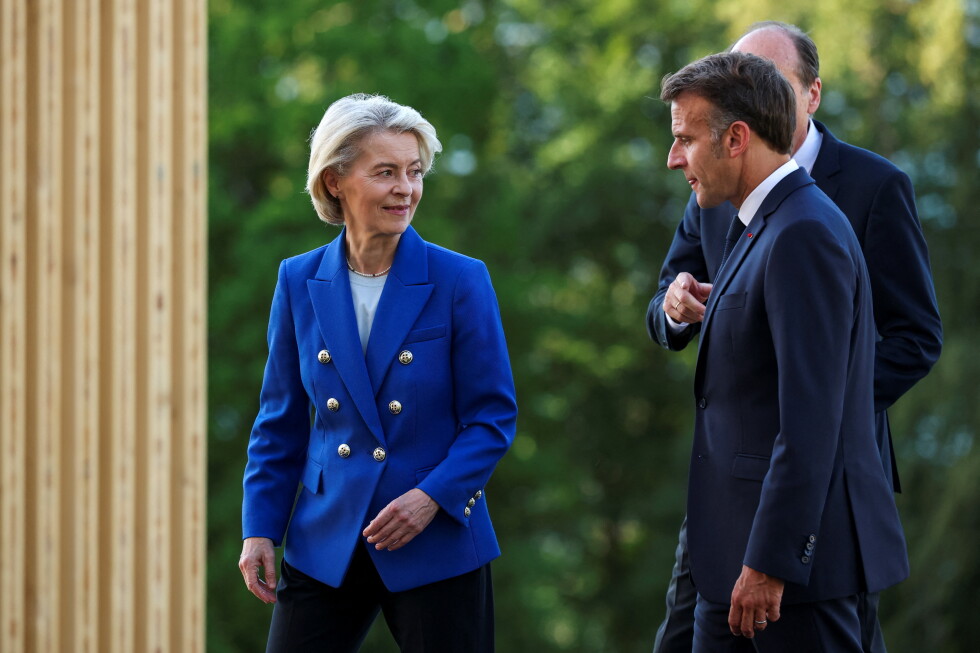
China Shock 2.0: Surging Chinese exports threaten Europe’s economy, raising concern at G7 summit
For nearly a decade, the United States has maintained sweeping tariffs on Chinese imported goods, launching an aggressive economic campaign that was meant to curb China’s industrial and export growth. But eight years on, the policy has failed to weaken China’s manufacturing dominance — instead, it has simply redirected the flow of Chinese exports away from the U.S. and toward open markets across Europe and Asia, setting the stage for a new era of global trade friction.\n\nLast year, despite sweeping U.S. sanctions and tariffs, China notched a staggering $1.2 trillion global trade surplus, a record high that underscores its unshaken position as the world’s top exporter. Chinese goods that once flooded American store shelves and manufacturing facilities are now heading east and west to other major economies, a shift that economists are warning could spark a repeat of the 2000s “China Shock” that gutted hundreds of thousands of U.S. manufacturing jobs and fueled the political upheaval that carried Donald Trump to the White House twice.\n\nEuropean leaders have already sounded the alarm. Earlier this year, French President Emmanuel Macron openly acknowledged that surging cheap Chinese exports are “literally killing a large part of the European industry”, admitting the bloc was slow to recognize the growing risk. That risk will top the agenda when G7 leaders gather this week in the French alpine resort of Évian-les-Bains, with French officials indicating ahead of the summit that they aim to finalize a coordinated plan to address the challenge of unbalanced Chinese trade.\n\nOne of the most likely outcomes of the summit is a push for the European Union and other aligned economies to follow the U.S. example and erect higher trade barriers against Chinese imports. Currently, the EU adheres to relatively low baseline tariffs on Chinese goods under World Trade Organization rules, though it has already imposed targeted higher levies on specific products, reaching up to 35% on Chinese electric vehicles. That limited action could soon expand to broader tariffs if leaders agree on a unified front this week.\n\nThe warnings of coming friction are widespread among top trade economists. “China’s export surge, unless its leaders rein it in, will provoke a protectionist wave against Chinese imports worldwide,” said Maurice Obstfeld, senior fellow at the Peterson Institute for International Economics and former chief economist of the International Monetary Fund. “All the more so if the current disruptions around the Iran war persist and cause a sharper global slowdown.”\n\nHSBC economist Taylor Wang echoed that concern this month, noting that a full-blown China-EU trade dispute would hit a critical segment of Chinese exports: Europe is one of the largest markets for Chinese electric vehicles, solar panels, and lithium-ion batteries, all of which have seen explosive export growth in recent years. European leaders are also hoping to convince Trump to drop his punitive tariffs on U.S. allies including the EU and Canada, and instead build a coordinated transatlantic bloc to counter Chinese trade practices.\n\nExperts say this new “China Shock 2.0” is far different — and far more disruptive — than the wave of Chinese import competition that hit the U.S. in the 2000s. The first shock came after China joined the WTO in 2001, gaining low-tariff access to Western markets and flooding the U.S. and Europe with low-cost textiles, furniture, and basic electronics. A landmark study by economists David Autor, David Dorn, and Gordon Hanson found that first China Shock eliminated 2.4 million American manufacturing jobs alone.\n\nToday’s version of the shock unfolds against a vastly changed global trade landscape. In 2000, China held just 4% of global goods exports; today, that share has jumped to 16%, the largest of any country in the world, making Beijing’s trade policies far more impactful across the global economy. Unlike 20 years ago, when China was still an emerging manufacturing power, China now dominates global manufacturing across every tier, from low-cost basic goods to high-value advanced technology that directly competes with the core industries of wealthy Western economies.\n\nFed research published last month found that Chinese exports now compete with nearly 58% of all exports from the 21 Eurozone countries, up from just 46% in 2000. “The second China shock is characterized by its companies running the board on manufacturing exports — from low-tech, low-wage to high-tech high value-added industries,” said Cornell University economist Eswar Prasad. “This is directly hitting advanced economies where it now hurts the most — high tech industries such as EVs and high-end robotics that many countries had been counting on for a manufacturing revival.”\n\nGermany, long Europe’s industrial powerhouse and export giant, has already felt the sharpest pain. For decades, German automakers and industrial firms grew rapidly on demand from Chinese consumers; today, the trade balance has flipped: China now exports more goods to Germany than Germany exports to China, and German firms are struggling to compete with Chinese rivals in core sectors including industrial machinery, construction equipment, automobiles, and chemicals. That competition has been a key factor dragging Germany’s economy into stagnation, with the country contracting in both 2023 and 2024 and posting just 0.2% growth last year.\n\nFor the U.S., the risk of the new China Shock is far lower than it was two decades ago. Trump’s eight years of tariffs have already blocked a large share of Chinese goods from entering the U.S. market: U.S. Commerce Department data shows Chinese goods exports to the U.S. dropped 37% between January and April of this year, compared to the same period in 2025. The U.S. is also better positioned economically: it is energy independent, unlike the EU and Japan, and is currently enjoying a boom in productivity and investment driven by artificial intelligence.\n\nEven with falling sales to the U.S., China has still managed strong export growth thanks to surging global demand for its low-cost electric vehicles, and booming AI investment worldwide that has driven up sales of Chinese-made electrical components and data center machinery. Between January and May of this year, Chinese exports to the 27-nation EU climbed 16.4% year-over-year, pushing France’s trade deficit with China up to $5.3 billion from $3.3 billion just a year earlier, according to Chinese customs data.\n\nEconomists point to long-standing Chinese domestic policies as the root of the global overcapacity problem. State-owned Chinese banks offer artificially low-interest loans to state-backed manufacturing firms, encouraging overproduction, while a underdeveloped social safety net pushes Chinese households to save heavily instead of spending on domestic goods and services. These policies are designed to keep factories operating and unemployment low, but they create a massive excess of domestic manufacturing supply that must be dumped onto global export markets at cutthroat prices.\n\nBeijing has also fostered intense domestic competition between manufacturing firms, creating highly efficient, low-cost exporters that Western markets are ill-prepared to compete against. “The rest of the world is ill prepared to compete with these apex predators,” Autor and Hanson wrote in a 2024 New York Times column.\n\nFor decades, China has promised Western leaders that it would reform these policies, cutting overproduction and boosting domestic consumer spending — a shift that would reduce China’s reliance on exports, raise living standards for Chinese households, and open up a larger market for Western exports to China. But experts say Beijing has been slow to follow through on those promises. “The leadership has long said this is a goal,” Obstfeld said, “but they have been slow to act as if they mean it.”\n\n“Beijing has been relying on the rest of the world to address its overcapacity problem,” said Wendy Cutler, a former U.S. trade negotiator now serving as senior vice president at the Asia Society Policy Institute. “However, this unsustainable situation may soon change if the EU and others take steps to halt Chinese imports, following the U.S. lead.”
-
Japan raises interest rate to highest since 1995
In a landmark shift that marks the end of decades of ultra-loose monetary policy, Japan’s central bank has raised its benchmark policy rate to 1%, the highest level the country has seen since 1995. The 25 basis point hike, announced on Tuesday, comes amid mounting global inflationary pressures driven by skyrocketing energy costs linked to ongoing geopolitical tensions in the Middle East.
Japan’s journey to this rate adjustment stretches back more than 30 years. After a massive collapse in property and equity asset prices in the early 1990s, the Bank of Japan (BOJ) slashed interest rates aggressively to counter economic fallout. For nearly two decades, rates held near zero as the country grappled with persistent deflation and stagnant economic growth. It was not until March 2024 that the BOJ initiated its first rate hike in 17 years, kicking off a gradual process of policy normalization that continues today.
“After twenty years of deflation, Japan is now in an inflationary upcycle,” Jesper Koll, a veteran Japan economist, told the BBC. “Emergency/crisis management monetary policy is no longer needed and the BOJ wants to get back to a normal monetary policy.”
The push for higher rates has been fueled largely by surging global energy prices, which have hit Japan particularly hard as a nation heavily reliant on imported oil and gas from the Middle East. Data shows Japan’s wholesale prices jumped more than 6% year-on-year in May, marking the fastest pace of increase in three years. Curiously, though, the country’s core consumer inflation rate stands at 1.4% as of April, still below the BOJ’s official 2% inflation target.
This dynamic leaves the central bank navigating a delicate balancing act. While raising interest rates can help cool overheating inflationary pressures, higher borrowing costs also create new burdens for the Japanese government and private businesses, which have grown accustomed to decades of cheap credit. Adding an unusual element to this week’s decision, BOJ Governor Kazuo Ueda – the leading architect of the bank’s recent policy shifts – was absent from the monetary policy meeting as he recovers from treatment for an infected liver cyst in hospital.
Despite his absence, Ueda has already signaled his support for incremental rate hikes in recent public remarks. Earlier this month, he noted that if upside risks to inflation were judged to outweigh downside risks to economic growth – even amid an uncertain outlook – policymakers would need to thoroughly debate the merits of raising the policy rate. Ueda and other BOJ leaders have increasingly backed higher rates in recent months.
The adjustment also puts the central bank at a quiet crossroads with Prime Minister Sanae Takaichi, a leader who has campaigned for continued expansionary government spending and previously opposed rate hikes. Though Takaichi faces growing public pressure to rein in rising living costs, she has not publicly criticized the BOJ’s policy shift since taking office last year. This latest rate increase is the second since Takaichi assumed office, following a December 2025 hike that brought rates to 0.75% – a move that had already signaled the BOJ’s intention to continue tightening.
Another key driver behind the decision is the BOJ’s goal of stabilizing the Japanese yen, which has faced sustained downward pressure against major global currencies including the U.S. dollar and euro. “There has been a sense that the yen is too cheap and that raising its currency will not hurt,” explained Ulrike Schaede, a business professor at the University of California San Diego.
Even after the latest hike, Japan’s 1% policy rate remains far lower than interest rates in other major advanced economies. For context, both the U.S. Federal Reserve and the Bank of England currently hold rates above 3%, though both central banks are widely expected to hold rates steady at their upcoming policy meetings this week. Still, Schaede argues that Japan’s gradual shift away from ultra-loose policy could signal a broader realignment in global monetary conditions.
“What we are seeing could signal a slow global realignment,” Schaede said.