分类: business

  • New strategy aims to boost Kenyan tea

    New strategy aims to boost Kenyan tea

    Kenya, the world’s top exporter of black tea, is breaking new ground across the African continent with an ambitious initiative: the launch of the first low-carbon tea certification system, designed to future-proof one of the nation’s most critical agricultural exports and carve out a new premium niche in the competitive global tea market.

    The initiative, which is still in its early pilot phase, targets carbon emission reductions across every link of the tea value chain — from smallholder farm cultivation and leaf transportation to factory processing and final packaging. Crucially, the project aims to deliver these sustainability gains without compromising the high productivity and signature quality that have cemented Kenya’s global market leadership.

    Piloting the program are two factories based in Nyamira County, western Kenya — a longstanding region celebrated for its abundant, high-quality tea yields: the established Nyansiongo Tea Factory and its newer satellite facility, Matunwa Tea Factory. Both operations are rolling out a suite of climate-friendly production practices to earn low-carbon accreditation, positioning them to capture growing demand from global buyers that now prioritize verifiable sustainability credentials when sourcing agricultural goods.

    The three-party triangular cooperation project is backed by funding from China and Germany, and implemented by the United Nations Food and Agriculture Organization (FAO) in partnership with the Kenya Tea Development Agency (KTDA). Its core mission is to support the Kenyan tea sector’s transition to low-carbon production by scaling energy-efficient technologies and普及 climate-smart agricultural methods.

    Low-carbon production, defined as practices that cut carbon dioxide emissions — the primary greenhouse gas driving human-caused climate change — addresses an urgent threat to Kenya’s tea industry already facing tangible climate impacts. “Global warming is already affecting tea-growing areas. If we do not take action now, the area under tea could reduce significantly,” explained Daniel Machara, chief executive officer of both Nyansiongo and Matunwa factories. Machara noted that rising average temperatures and increasingly erratic rainfall patterns have gradually shrunk the land suitable for tea cultivation, dragging down yields and pushing up production costs.

    Collectively, Kenyan tea supports more than 6 million livelihoods across the country and generates billions of dollars in annual foreign exchange revenue, making this low-carbon transition both an economic and climate priority. Machara framed the certification push as a long-term strategic move that could not only secure the industry’s future but also double Kenya’s tea export earnings over time. The two pilot factories aim to complete their low-carbon certification within the next two years.

    Nyansiongo, commissioned in 1974, has grown into one of western Kenya’s leading tea processors, scaling annual green leaf intake from roughly 8 million kilograms in its early years to 25 million kilograms today, a growth Machara credits to ongoing operational efficiency gains, improved farm management and early adoption of new technologies. The facility produces widely traded CTC black tea, while Matunwa — launched in 2021 — specializes in orthodox tea, a premium product growing in popularity across high-end global markets.

    Shifting consumer demand for verifiably sustainable products has driven the factories’ adoption of a series of innovative eco-friendly changes. One of the most impactful adjustments has been the introduction of co-firing boilers, which replace 80 percent of traditional firewood with biomass briquettes manufactured from compressed agricultural waste and sawmill byproducts. Production manager Erick Moturi noted this shift has cut pressure on local forests by an estimated 80 percent, with plans to reduce firewood reliance even further to prevent environmental degradation.

    Additional decarbonization measures are already in the pipeline: starting in December 2026, the factories will begin phasing out their aging fleet of diesel-powered green tea leaf transport vehicles, replacing them with electric models as diesel units reach the end of their seven-year operational lifecycle. The transition draws on technical expertise from China, which has already built extensive experience integrating electric vehicles into tea production supply chains. The factories have also installed an on-site effluent treatment system that recycles wastewater from processing lines for reuse, cutting pollution discharge, and implemented proactive machinery maintenance to improve energy efficiency and reduce emissions.

    Farmers supplying the factories are also receiving training and support to adapt their growing practices. Factory management encourages adoption of drought-resistant, climate-smart tea varieties, trains smallholders to minimize chemical input use, and supports income diversification by encouraging farmers to interplant tea with alternative crops such as avocados to build resilience against climate shocks.

    China and Germany are providing free technical support and skills training for both farmers and factory staff, equipping them to adopt climate-smart technologies and practices that boost climate resilience and ultimately increase household incomes. Machara noted that producers are eager to participate in exchange programs to gain on-the-ground experience in China and Germany, bringing back advanced sustainable agricultural expertise to benefit Kenyan smallholders and processors alike.

    Monica Orwochi, chairperson of Nyansiongo Tea Factory’s management board, emphasized that the project aligns productivity growth with environmental stewardship: “We educate farmers on proper farming methods so they can produce high-quality tea while protecting the planet.”

  • Century-old Tianjin skincare brand breaks ground on industrial park

    Century-old Tianjin skincare brand breaks ground on industrial park

    A century-old heritage skincare brand rooted in Tianjin, China, has cemented its remarkable market comeback with the groundbreaking of a cutting-edge new industrial park, marking one of the most successful revitalization stories for China’s time-honored local consumer brands in recent years.

    Wanzi Qianhong, the 115-year-old skincare label, launched construction on the integrated facility in Tianjin’s Xiqing District this month. The milestone comes on the heels of three straight years of 100% annual online sales growth, a staggering expansion that has pulled the once-forgotten brand back into the national spotlight.

    Designed to integrate multiple core functions under one roof, the new industrial park will house scaled production lines, dedicated livestreaming e-commerce hubs, and public cultural exhibition spaces. Beyond its operational role, the site will also be added as an official stop on Tianjin’s developing industrial tourism route, offering visitors a chance to explore the brand’s long history and modern manufacturing processes.

    The brand’s dramatic resurgence is no accident: it stems from a customer-centric innovation strategy that company leaders call “listening-style research and development.” Rather than relying solely on in-house design, Wanzi Qianhong has centered its product updates on the evolving preferences of young Chinese consumers, the largest demographic driving today’s domestic skincare market. When widespread customer feedback noted the brand’s classic cream felt too heavy for daily use, the development team quickly rolled out a lighter, non-greasy formulation. When shoppers asked for more travel-friendly packaging, the brand launched a convenient portable pouch version. As consumer demand for diversified facial care routines grew, the label expanded its catalog to include entirely new product lines tailored to modern needs.

    “Our fans share their wishes, and we work to make them come true,” explained Kuang Huaqin, Wanzi Qianhong’s deputy general manager, in outlining the brand’s core philosophy.

    Founded in 1911, Wanzi Qianhong rose to become a household name across northern China for its trusted, affordable skincare products, but gradually faded from public view amid rising competition from international and domestic new brands in the 1990s. The turning point for its comeback came in 2023, when a viral livestream appearance led to the entire available inventory selling out in just a few hours, catapulting the brand back into mainstream consciousness.

    Today, the beloved “Great-Grandma brand,” as it is affectionately called by Chinese consumers, is setting its sights beyond China’s borders. Company leaders are preparing to expand into North American and European markets, bringing a century of Chinese skincare heritage to global consumers.

    The success story of Wanzi Qianhong offers a compelling case study for how legacy consumer brands can remain relevant and thrive in the modern market: by embracing evolution and aligning product development with changing customer needs, heritage does not have to mean outdated. For this iconic century-old label, growth is just getting started.

  • Macao airport reports Q1 passenger growth, steady holiday traffic

    Macao airport reports Q1 passenger growth, steady holiday traffic

    Macau International Airport (MIA) has announced solid performance gains for the first quarter of 2026, with double-digit growth in both passenger volumes and aircraft operations, driven largely by strong travel demand across Greater China. In an official press statement released Wednesday, the airport authority reported that total passenger throughput reached 2,117,427 between January and March, marking a roughly 15% increase compared to the same period last year. Aircraft takeoffs and landings, a key metric of airport operational activity, also climbed 10% year-on-year to hit 15,952 movements for the quarter. Breaking down passenger demographics, travelers from mainland China made up the largest single segment, accounting for 41% of all Q1 passengers, while visitors from Taiwan region represented 19% of total traffic. International travel continues its steady recovery as well: the airport recorded 224,000 international passenger arrivals and departures in the first two months of 2026, representing an 11% year-on-year uptick. The robust growth trend held steady during the recent back-to-back Easter and Qingming Festival holiday travel window, which ran from last Friday through Tuesday. Over the five-day holiday period, MIA handled 115,000 total passengers and 856 aircraft movements, representing year-on-year increases of 2.6% and 9.1% respectively. Looking ahead to the peak summer travel season, MIA says it is actively accelerating efforts to broaden its regional and international route network. Airport officials confirmed they are working closely with partner airline carriers to launch new scheduled services connecting Macau to additional destinations across mainland China and Northeast Asia, positioning the hub to capture further growth in travel demand in the coming months.

  • Asian airlines trim flights as fuel supplies tighten

    Asian airlines trim flights as fuel supplies tighten

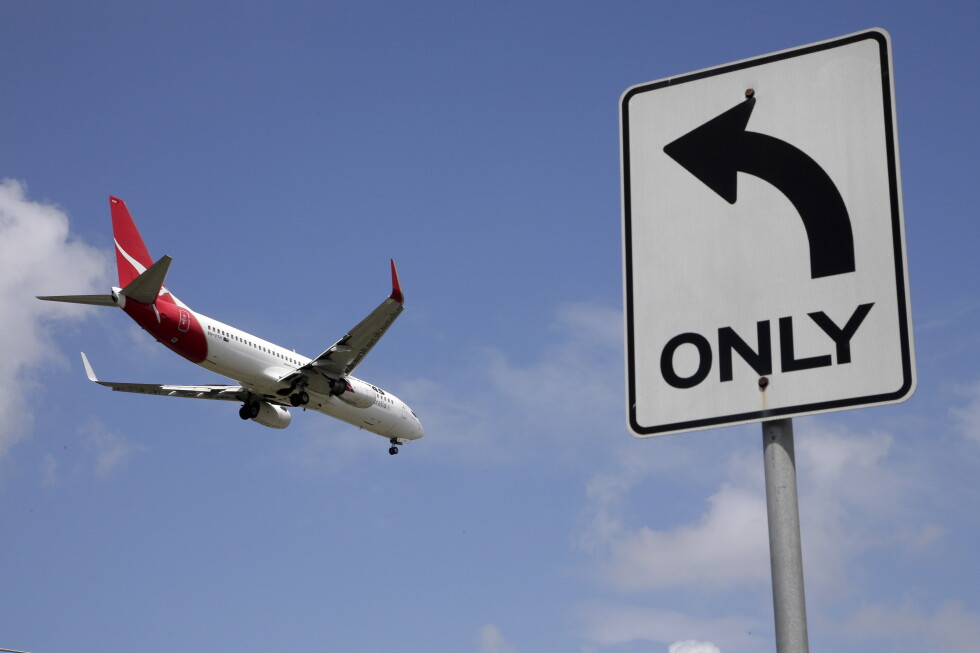
    The ongoing Middle East conflict, centered on tensions that led to the temporary closure of the Strait of Hormuz, has triggered an unprecedented jet fuel supply crunch across Asia, forcing regional carriers to slash flight schedules, adopt costly fuel-carrying workarounds, and raise ticket prices to weather the unfolding crisis.

    According to trade data platform Kpler, Iran’s closure of the strategic Strait of Hormuz — a chokepoint through which roughly 20% of the world’s seaborne jet fuel transits daily — removed nearly one-fifth of global seaborne jet fuel supply from the market. While Iran, the United States, and Israel announced a tentative two-week ceasefire on Wednesday, uncertainties about the durability of the truce and the reopening of the strait persist. Iran has maintained it will assert full control over waterway access, impose transit fees on passing vessels, and continue its uranium enrichment program, leaving global energy markets on edge.

    Unlike past oil market shocks that primarily drove up commodity prices, this crisis has created both pricing spikes and acute physical supply shortages, pushing governments, airport operators and airlines to contingency planning that includes fuel rationing. Aviation industry analysts note that Asia is far more vulnerable to the supply squeeze than other regions due to its thinner strategic fuel reserves and heavier reliance on energy exports that pass through the Strait of Hormuz. Within Asia, lower-income nations that depend almost entirely on jet fuel imports, such as Vietnam, Myanmar, and Pakistan, have seen the worst disruptions so far.

    Carriers have already deployed a range of emergency measures to manage limited fuel access. One of the most common workarounds is “tankering” — the practice of loading up on extra fuel at an airline’s home airport before flying to destinations with restricted fuel supplies. AirAsia X CEO Bo Lingam confirmed that the long-haul budget carrier now carries extra fuel from Malaysia for all flights to Vietnamese airports, as local fuel providers cap the volume they sell to foreign carriers. Air India has also added a mandatory refueling stop in Kolkata on its Yangon-to-Delhi route, due to persistent fuel shortages at Myanmar’s main Yangon International Airport. While tankering resolves supply uncertainty, it is an expensive solution: carrying extra weight increases the jet fuel an aircraft burns in flight, eroding carrier profit margins.

    For prolonged shortages, deep capacity cuts have become the go-to response for many airlines. Vietnam’s national aviation authority confirmed that Vietnam Airlines has cut 23 domestic flights every week to conserve limited fuel stocks. Myanmar’s transport ministry reported that local carriers suspended multiple domestic services for much of March amid total fuel shortfalls, and aviation data provider Cirium shows several Myanmar airlines have continued trimming capacity through April. Batik Air Malaysia, one of the region’s largest budget carriers, has gone even further, slashing 36% of its domestic capacity to mitigate risk. CEO Chandran Rama Muthy framed the cuts as a necessary proactive step, noting that continuing full operations would expose the airline to unacceptable operational and financial volatility amid the “crisis-mode” market environment.

    Industry insiders warn that the uncertainty stretching far beyond the current two-week ceasefire is adding to already crippling pressure on an industry that has not fully recovered from post-pandemic demand shifts. “In my conversations with airlines, they are very concerned about what the future looks like, because we do not know when the war will end and we don’t know when the supply chain, the feedstock, will come from the Gulf area,” said Shukor Yusof, founder of Malaysia-based aviation consultancy Endau Analytics.

    Brendan Sobie, an independent aviation analyst based in Singapore, explained that fuel access restrictions have a cascading effect across the region. “Some countries are in better shape than others. Some may be limiting (fuel for) foreign airlines, which then leads to tankering. This could be proactive as some countries fear they could run out,” he said.

    European carriers are now bracing for similar disruptions, as the supply crunch spreads beyond Asian markets. Since the conflict began, jet fuel prices have more than doubled, prompting airlines that have not cut capacity to raise ticket fares and add new fuel surcharges to pass higher costs on to consumers. While the ceasefire has offered a brief reprieve for markets, the unresolved standoff over the Strait of Hormuz means widespread volatility in jet fuel supply and pricing is likely to continue for the foreseeable future.

  • Australia’s drugmakers brace for new US tariffs

    Australia’s drugmakers brace for new US tariffs

    Australia’s $1.32 billion annual pharmaceutical export sector faces unprecedented uncertainty after the Trump administration imposed a sweeping 100 percent tariff on all imported patented pharmaceuticals, a policy designed to force global drugmakers to shift manufacturing operations to U.S. soil. Announced in late March 2026, the new levy only applies to patented medications produced outside U.S. borders, though the administration has offered a steep reduction to 20 percent for any company that relocates its production facilities to the United States.

    The tariff announcement marks the latest escalation in a series of trade restrictions the Trump administration has rolled out targeting Australian goods over the past 12 months, following a 10 percent baseline tariff on most Australian imports and a 50 percent levy on Australian steel and aluminum implemented last year. In justifying the new policy, U.S. President Donald Trump claimed the importation of foreign-made pharmaceuticals and active ingredients posed an unacceptable threat to U.S. national security and economic stability.

    Australian officials have slammed the new measures as a betrayal of decades of mutually beneficial free trade between the two nations. Speaking to reporters on April 3, Australian Health Minister Mark Butler described the tariff as deeply disappointing and out of step with the two countries’ long-standing friendly trade relationship. “For more than 20 years, we have shared free and fair trade in pharmaceutical products that flows both ways, delivering benefits to our mutual economies and to patients on both sides of the Pacific,” Butler said. “We are now working closely with Australian pharmaceutical exporters that serve the U.S. market, and we remain deeply concerned about the potential impact on their businesses and the thousands of Australian jobs they support.”

    Butler noted that one of Australia’s largest pharmaceutical exporters, biotech giant CSL, which is a leading supplier of blood plasma products to the U.S., does not expect a material impact on its operations in 2026, as the company has already invested heavily in expanding U.S.-based production capacity in recent years.

    Industry groups representing Australian drugmakers have issued firm opposition to the new tariff regime. Medicines Australia, the leading trade association representing the nation’s research-driven pharmaceutical sector, released a statement reaffirming its commitment to free, fair and open global trade and rejecting the new levies on Australian patented and branded drug exports to the U.S.

    Liz de Somer, chief executive officer of Medicines Australia, explained that the tariffs will disproportionately harm smaller Australian firms that are still working to break into the U.S. market, rather than large established players with existing U.S. production footprints. Data from the Australian government cited by the organization shows Australia already runs a pharmaceutical trade deficit with the U.S., exporting roughly A$1.91 billion ($1.32 billion) in pharmaceutical products annually while importing A$3.34 billion from U.S. manufacturers.

    De Somer added that the new tariff is not the only policy causing alarm for the Australian sector. The U.S. has also proposed a reference pricing benchmark that could undermine Australia’s long-standing Pharmaceutical Benefits Scheme (PBS), a public program that lets the federal government negotiate lower drug prices for Australian patients. U.S. trade lobbyists have repeatedly criticized the PBS as an unfair trade practice, and a U.S. reference policy could pressure Australia to raise drug prices, which currently sit far lower than prices in other wealthy nations. De Somer noted that other developed nations including the United Kingdom and Japan have already entered negotiations with the Trump administration to address both the tariff and reference pricing proposals, adding that “We must now consider the consequences of not addressing these global developments.”

    Economic analysts echo the concern that small and mid-sized Australian exporters face the greatest risk from the new policy. Ben Udy, lead economist at Oxford Economics Australia, told reporters that around 45 percent of all Australian pharmaceutical exports are destined for the U.S. market, with the vast majority of those shipments consisting of blood and plasma products. Udy explained that the “area of greatest uncertainty” created by the new tariffs centers on smaller exporters of patented branded medicines that do not qualify for any exemptions from the new levies. For these firms, Udy said, there are only two viable paths forward: lobbying the U.S. administration for individual tariff relief, or shifting their export focus to other alternative global markets.

  • ASX 200 closes higher as oil prices surge on escalating Middle East tensions

    ASX 200 closes higher as oil prices surge on escalating Middle East tensions

    Even as fragile ceasefire efforts in the Middle East unraveled just 24 hours after they were struck, Australia’s benchmark share market managed to hold onto a mild upward trajectory in Thursday’s trading session. New cross-border strikes against Lebanon renewed geopolitical uncertainty across global markets, but the Australian Securities Exchange (ASX) still closed out the day with small incremental gains, bucking fears of a broader downturn.

    The benchmark ASX 200 index added 21.4 points, or 0.24 percent, to close at 8,973.20, while the wider All Ordinaries index edged up 3.2 points to finish at 9,168.90. Of the 11 major industry sectors tracked on the exchange, only four closed with positive gains, led by a massive 2.58 percent surge in the energy sector. On the opposite end of the spectrum, the information technology sector recorded a steep 6.46 percent drop, erasing most of the prior day’s strong rally.

    Market analyst Tony Sycamore of IG explained that a rebound in global crude oil prices triggered the sharp pullback in tech stocks. “The rebound in crude oil prices has weighed heavily on the ASX200 Tech sector, which has given back almost all of yesterday’s impressive 7.31% gain,” Sycamore noted. Global benchmark oil prices climbed 2.4 percent to settle at $US97.06 a barrel, reversing the previous day’s downward movement as geopolitical instability in the oil-rich Middle East erased hopes of falling energy costs.

    The day’s biggest losing stock was logistics tech firm WiseTech Global, which plummeted 10.9 percent to close at $38.62 per share. By contrast, major Australian energy firms posted robust double-digit and single-digit gains. Woodside Energy rose 3.96 percent to $33.33, while Santos gained 2.45 percent to $7.95. Refiners and retailers Ampol and Viva Energy closed up 3.46 percent and 3.31 percent respectively, boosted by a federal government announcement that Export Finance Australia had finalized terms to support increased fuel imports into Australia.

    Regional lender Bendigo and Adelaide Bank emerged as one of the top-performing financial stocks of the day, jumping 8.41 percent after announcing two new partnerships with tech firms that will cut annual operating costs by $65 million via workforce reductions. The bank also reported stronger-than-expected cash profits for the March 2025 quarter, coming in $138 million above analyst consensus forecasts. Australia’s big four retail banks also posted mild positive growth: National Australia Bank led the group with a 2.18 percent gain to $45.50, ANZ climbed 1.07 percent to $38.75, Westpac added 1.67 percent to $42.65, and Commonwealth Bank rose 1.29 percent to $182.53.

    Against the US dollar, the Australian dollar held steady through the session’s volatility, ending trading flat at 70.3 US cents.

  • China’s first 180,000-cubic-meter LNG carrier completed in Jiangsu

    China’s first 180,000-cubic-meter LNG carrier completed in Jiangsu

    In a landmark leap for China’s high-value shipbuilding sector, the country’s first 180,000-cubic-meter liquefied natural gas (LNG) carrier, fully designed and constructed by domestic Chinese enterprises, was finalized for delivery on Wednesday at the China Merchants Heavy Industry Haimen Base in Nantong, Jiangsu Province, state broadcaster China Central Television has confirmed.

    Measuring 298.8 meters in overall length with a molded breadth of 48 meters, the newly completed vessel incorporates a cutting-edge low-speed dual-fuel propulsion system. It is engineered to deliver standout operational performance, including an extremely low boil-off rate for stored LNG and industry-leading environmental compatibility, addressing key priorities for clean energy transportation globally.

    As the largest LNG carrier ever fully built and completed in China to date, the vessel represents a critical technical breakthrough for Chinese shipbuilders in the segment of large-scale clean energy transport vessels. LNG carriers are highly specialized ships purpose-built to carry liquefied natural gas stored at an ultra-cold temperature of -163 degrees Celsius. Widely nicknamed the “crown jewel of the global shipbuilding industry”, these vessels require extraordinarily complex design and manufacturing expertise that only a small number of shipyards around the world have managed to master. Prior to this delivery, only four Chinese shipyards held the capacity to deliver completed LNG carriers; with the launch of this new vessel, China now counts five domestic shipyards with this advanced capability, expanding the country’s production capacity for high-value specialized vessels.

    This milestone underscores China’s rapid advancement in moving up the global shipbuilding value chain, turning a once highly restricted niche market into a new strength for domestic manufacturing.

  • Beijing targets 4.5-5 percent annual GDP growth through 2030

    Beijing targets 4.5-5 percent annual GDP growth through 2030

    Beijing has laid out an ambitious yet pragmatic economic roadmap for the second half of the 2020s, announcing an average annual GDP growth target of 4.5 to 5 percent for the 2026 to 2030 period as part of its newly released 15th Five-Year Plan. Unveiled to the public on Wednesday, the blueprint projects that this growth trajectory will expand the Chinese capital’s overall economic output by more than 1 trillion yuan, equivalent to approximately $147 billion, over the five-year window.

    The target builds on a strong track record of steady expansion from the previous planning cycle. Over the past five years, Beijing recorded an average annual GDP growth rate of 5.2 percent, pushing the city’s total annual GDP to 5.2 trillion yuan by the end of 2025.

    Officials from the Beijing Commission of Development and Reform noted that the new growth range was formulated after a careful balancing of long-term development needs and practical economic feasibility. The target is aligned with Beijing’s overarching 2035 vision to roughly double the city’s 2020 economic output, while intentionally building flexibility into growth projections to accommodate ongoing structural economic adjustment, deepening reform efforts, and a continued shift toward higher-quality, sustainable growth rather than sheer expansion.

    Of the 13 sector-focused chapters in the plan, the first five are dedicated to reinforcing Beijing’s core role as China’s national capital, with particular focus placed on strengthening its standing as a leading international exchange hub and a national center for scientific and technological innovation.

    On the front of international openness, the plan sets a clear target to raise Beijing’s share of the country’s total cross-border passenger flows from 3.08 percent in 2025 to roughly 3.8 percent by 2030. City planners aim to achieve this by upgrading targeted service improvements designed to position Beijing as the preferred entry point for international travelers visiting China.

    For scientific and technological advancement, Beijing plans to ramp up research and development investment to more than 6 percent of its total annual GDP. Leveraging its existing innovation ecosystem— which currently hosts 145 national key laboratories, accounting for 28 percent of all such facilities across China, alongside a dense network of top-tier research institutions and industry-leading technology companies— the city is positioned to generate a wave of new original scientific and technological breakthroughs in the coming years.

    Beyond economic and innovation goals, the plan identifies expanded social support for elderly and child care as a top policy priority for the 2026-2030 period. As of 2024, Beijing was home to more than 687,000 residents aged 80 or older. To meet growing demand for elder care services, the city aims to build a fully accessible, inclusive care network that will see regional elderly care service centers cover 80 percent of all urban subdistricts and rural townships by the end of the planning period.

    The comprehensive five-year blueprint also includes detailed targets and policy roadmaps for childcare provision, K-12 and higher education, public healthcare improvements, coordinated regional development across the Beijing-Tianjin-Hebei corridor, urban renewal projects, and public safety infrastructure upgrades.

  • DCT Abu Dhabi posts record performance across culture, tourism in 2025

    DCT Abu Dhabi posts record performance across culture, tourism in 2025

    The Department of Culture and Tourism – Abu Dhabi (DCT Abu Dhabi) has announced landmark, all-time high performance across its culture and tourism sectors in 2025, capping a year of double-digit growth that solidifies the emirate’s standing as a top-tier global cultural and travel destination. DCT Abu Dhabi’s 2025 annual report, released April 8, 2026, confirms the emirate drew 26.6 million total visitors last year, a milestone that underscores its expanding international pull and progress toward long-term, sustainable economic growth driven by cultural tourism.

    Across key performance indicators, every core segment posted strong year-on-year gains. Hotel revenue surged 19.5% to hit 9.1 billion AED, while attendance at cultural and leisure events rose 20% to 4.2 million, and the number of MICE (Meetings, Incentives, Conferences, and Exhibitions) delegates jumped 40% to 2.2 million. The emirate’s cultural attractions and libraries anchored this growth, welcoming more than 8.6 million total visitors throughout the year, with the historic Qasr Al Hosn site recording a 22% annual increase in foot traffic.

    “With a strong foundation of cultural engagement and robust tourism performance, Abu Dhabi continues to grow as a world-leading destination that offers exceptional experiences,” said Saood Abdulaziz Al Hosani, Undersecretary of DCT Abu Dhabi. “Landmark attractions and the continued expansion of Saadiyat Cultural District have strengthened Abu Dhabi’s global distinctiveness, while strong hotel performance reinforces long-term sustainable economic impact. Our double-digit growth in 2025 reflects the clarity of our vision and the collective efforts of the wider tourism ecosystem. This performance underscores the strength of Abu Dhabi’s culture and tourism fundamentals and our ability to adapt, innovate and grow sustainably.”

    International arrivals to the emirate rose 10% year-over-year, reaching 5.9 million hotel guests, with India leading key source markets with a dramatic 22% surge in visitor volumes compared to 2024. Gains were driven by expanded air connectivity, including three new IndiGo routes and one new Air India Express route connecting India to Abu Dhabi. By the end of 2025, India accounted for 13% of all hotel guests, totaling 436,124 visitors. Other top source markets included Russia (257,200 guests), the United Kingdom (250,906 guests), China (248,494 guests), and Saudi Arabia (200,652 guests). Chinese visitor stays saw a notable 13% annual increase, outpacing growth in many other markets.

    The 2025 event calendar delivered a record 252 cultural and leisure offerings across the emirate, headlined by the multi-region MOTN Festival that drew more than 252,000 attendees. Other high-demand major events included Coldplay’s four sold-out shows at Zayed Sports City, which welcomed 193,470 concertgoers, the Abu Dhabi T10 cricket tournament with roughly 100,000 attendees, and Liwa Village, the centerpiece of the Liwa International Festival, that hosted more than 159,000 guests. Popular heritage-focused festivals including the Al Hosn Festival, Traditional Handicrafts Festival and Maritime Heritage Festival collectively drew more than 608,000 local and international visitors.

    The MICE sector outpaced even leisure growth, with total events climbing 37% to 6,600 and delegate numbers rising 40% to 2.2 million. Large-scale industry gatherings such as IDEX/NAVDEX, Make it in the Emirates, Abu Dhabi Sustainability Week, and the inaugural Bridge Summit were the primary growth drivers, with the Abu Dhabi Convention and Exhibition Bureau’s Advantage Abu Dhabi programme supporting 175 events that attracted 464,000 delegates, a 28% annual increase.

    Cultural development remained at the core of Abu Dhabi’s 2025 growth strategy, with major institutional milestones expanding the emirate’s global cultural footprint. The Louvre Abu Dhabi retained its status as one of the emirate’s most visited cultural sites, welcoming 1.4 million guests in 2025, while Qasr Al Hosn posted 22% growth to host more than 843,000 visitors. DCT Abu Dhabi also activated more than 20 cultural sites and libraries across Abu Dhabi’s three regions in 2025, growing the emirate’s diverse network of museums, historic landmarks, archaeological sites, and art centres. Key milestone openings and reopenings included the Al Maqta’a Museum, Al Ain Museum, the new Natural History Museum Abu Dhabi, and the Zayed National Museum, the UAE’s national cultural institution that tells the story of the nation’s land and people. A total of 115 public and visitor programmes spanning heritage, performing arts, education, youth and family engagement reinforced culture’s role as both a tourism draw and a community anchor.

    On the accommodation side, Abu Dhabi welcomed 5.9 million hotel guests (a 2.2% annual increase) plus an additional 338,000 guests across holiday homes and glamping sites. Overall hotel occupancy rose three percentage points to 81%, while the Average Daily Rate (ADR) climbed 19% and Revenue Per Available Room (RevPAR) jumped 23%, translating to the 19.5% annual growth in total hotel revenue. The average length of stay across all accommodation types hit 2.9 nights, a 3% annual increase, with visitors from Russia, the UK, Germany, and Italy recording the longest average stays, at 4.3, 4.2, 4.1, and 3.4 nights respectively. Globally, inbound air seat capacity to Abu Dhabi rose 11% for the year, while load factor improved two percentage points to 89%, reflecting strong demand that has kept pace with expanded travel access.

    Regional growth also accelerated across the emirate’s less urbanized areas. Al Ain Region welcomed 473,100 guests, a 9% annual increase, with hotel occupancy rising 9 percentage points driven primarily by leisure travel. Al Dhafra Region hosted 147,900 guests, a 3% increase, while hotel occupancy surged 19 percentage points, also fueled by leisure tourism. A dedicated regional growth strategy for Al Dhafra is scheduled for launch in 2026.

    DCT Abu Dhabi’s 2025 results put the emirate firmly on track to meet the goals of Tourism Strategy 2030, the ambitious long-term blueprint that has guided a new era of strategic expansion and sustainable development for Abu Dhabi’s travel and cultural sectors.

  • Iran truce spurs hopes for world economy, but recovery will be rocky

    Iran truce spurs hopes for world economy, but recovery will be rocky

    The recent ceasefire agreement between Iran and the United States has sparked cautious optimism across global markets, offering a much-needed respite for a world economy sent into turmoil after the outbreak of hostilities in late February. However, industry analysts and economic experts warn that a full, balanced recovery will be uneven, with multiple sectors facing persistent headwinds that could delay a return to pre-conflict stability for months.

    One of the most immediate market reactions to the truce was a sharp drop in global oil prices, with leading international crude contracts falling below the psychologically significant $100 per barrel threshold. This pullback is set to bring direct relief to consumers around the world, who have grappled with skyrocketing retail fuel prices over recent weeks. In response to the surge, many national governments were forced to implement emergency consumption reduction measures and targeted support programs to protect low-income households from energy cost shocks. In France, for example, fuel prices could drop between 5 and 10 euro cents per litre “very quickly” according to Olivier Gantois, president of the French Union of Petroleum Industries (Ufip), in an interview with AFP.

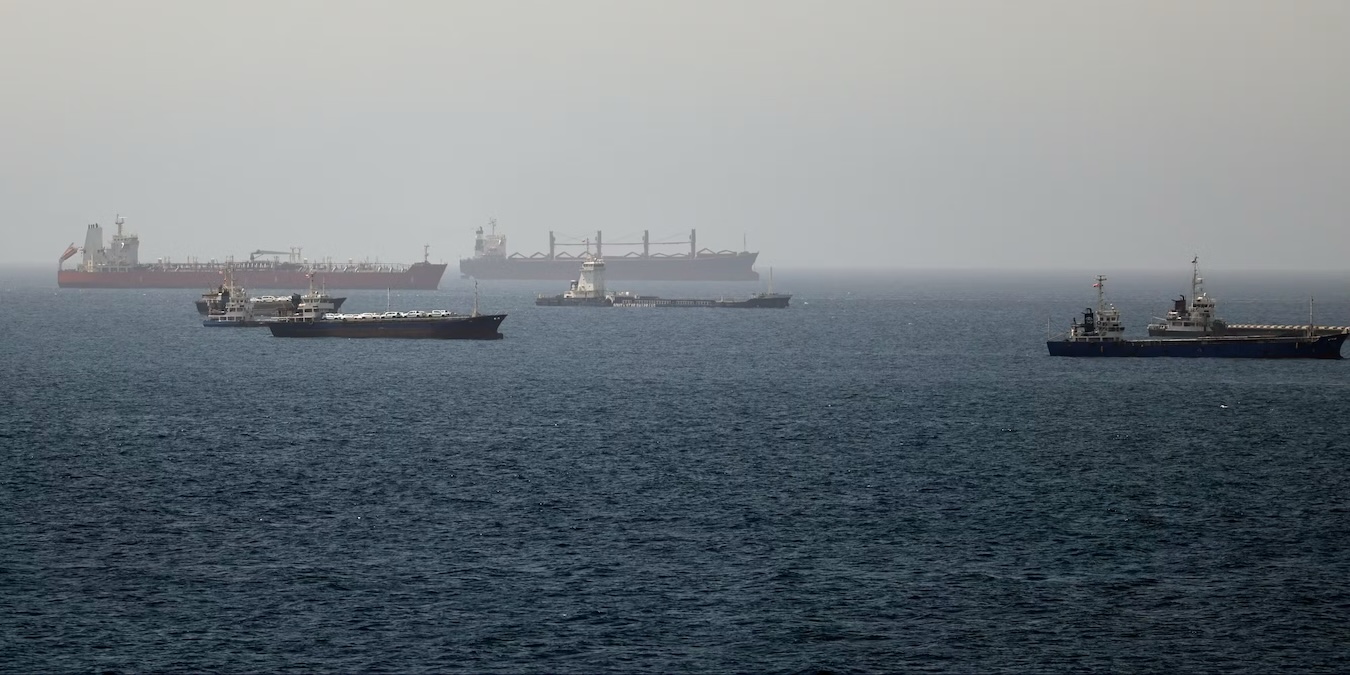
    The truce also led to the reopening of the Strait of Hormuz, the strategic chokepoint that carries roughly 20 percent of the world’s daily crude oil and liquefied natural gas shipments. Already, two commercial vessels — one Greek-owned and another flagged in Liberia — have completed transits of the waterway since the agreement was reached. Despite this milestone, risk management firm Vanguard cautioned that the Strait “remains subject to coordination with Iranian armed forces, suggesting continued Iranian control and influence.” This ongoing oversight means shipping conditions will likely remain controlled and potentially restrictive for the foreseeable future. Niels Rasmussen, chief analyst for global shipping association Bimco, added that he does not expect a sudden flood of vessels returning to the Gulf. “Many ships have already sailed to other regions and they do not want to risk being trapped after the two-week window closes,” Rasmussen explained.

    Aviation, one of the sectors hit hardest by the regional conflict and subsequent energy market volatility, is also set for a slow return to normal operations. To date, only Iraq has announced a full reopening of its airspace to all commercial traffic. Major aviation hubs in the United Arab Emirates and Qatar — including Dubai, Abu Dhabi and Doha, which handle a large share of global long-haul flight traffic — still maintain extensive flight restrictions. Beyond airspace access, the International Air Transport Association (IATA), the global industry body for airlines, warns that restoring normal jet fuel supplies will take several months due to widespread disruptions to Gulf refining capacity. As a result, the trade group notes that “the most immediate lever” for airlines to protect their operating margins remains passing higher energy costs through to consumers via elevated ticket prices.

    Even with the ceasefire in place and oil prices trending downward, experts warn that meaningful increases in physical energy supply will not materialize quickly. Widespread damage to oil and gas infrastructure across the Gulf region has left output capacity severely constrained, and rebuilding will be a gradual process. “Restarting oilfields and fixing damaged infrastructure is a gradual process, and producers will be cautious about ramping up output without reliable export routes,” said Simone Tagliapietra, a fellow at Brussels-based think tank Bruegel. International Energy Agency (IEA) executive director Fatih Birol echoed this assessment in an interview with French newspaper Le Figaro published Tuesday, noting: “Seventy-five energy plants have been attacked and damaged and more than a third of them are seriously or very seriously affected. Recovery will take a long time.”

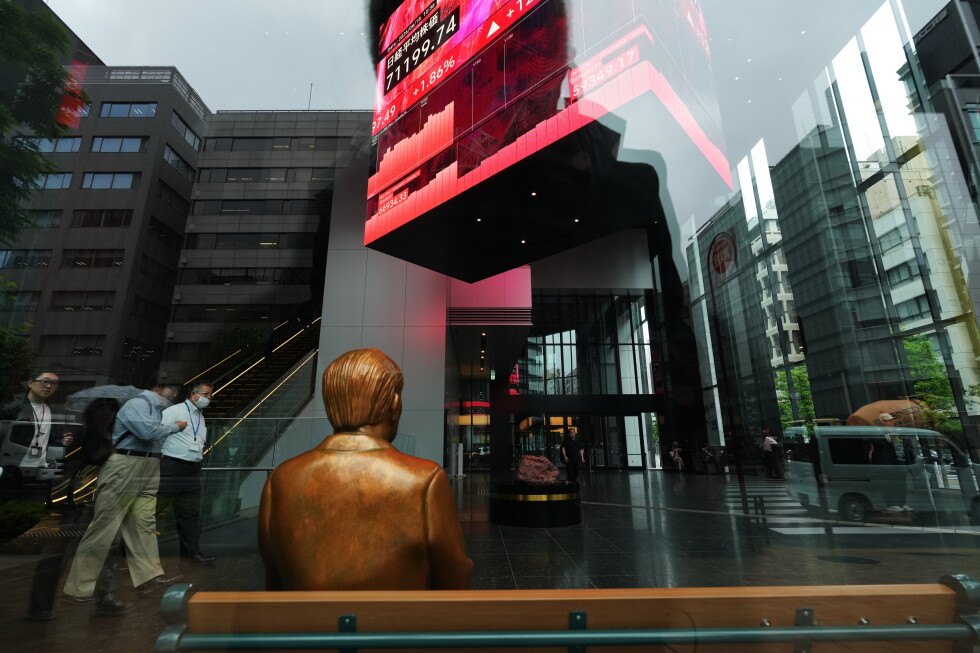
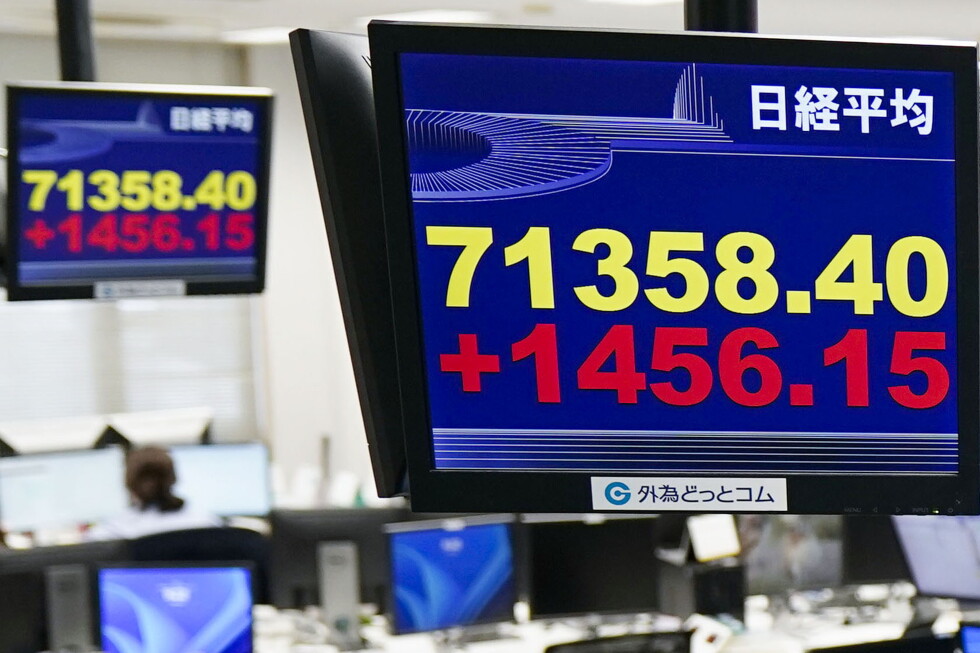
    Global financial markets reacted positively to the ceasefire news, with major stock indices posting strong gains and European government borrowing costs falling sharply. Claudia Panseri, chief investment officer at UBS Wealth Management France, told AFP that the long-term macroeconomic impact of the conflict will depend entirely on the durability of the truce. “If we quickly return to February levels, the macroeconomic impact and the impact on budgets won’t be very significant, I’d say almost negligible,” Panseri said. But she cautioned that if the agreement collapses within the next two weeks, and oil prices climb back above $100 per barrel while natural gas prices remain elevated, the knock-on effects for global inflation and economic growth will be far more severe.