A last-minute two-week ceasefire brokered by Pakistan between the United States, Israel and Iran has triggered a massive upswing across Australian financial markets, after the agreement reopened the strategically critical Strait of Hormuz shipping lane that had been a flashpoint for global energy instability.
The truce came together just two hours before a previously set bombing deadline, when former US President Donald Trump announced the suspension of military operations via social media. Pakistan negotiated the deal after appealing to Trump to extend his original deadline, creating a 14-day window that clears the way for commercial shipping to resume transit through the strait, a key chokepoint for 20% of the world’s daily oil supply.
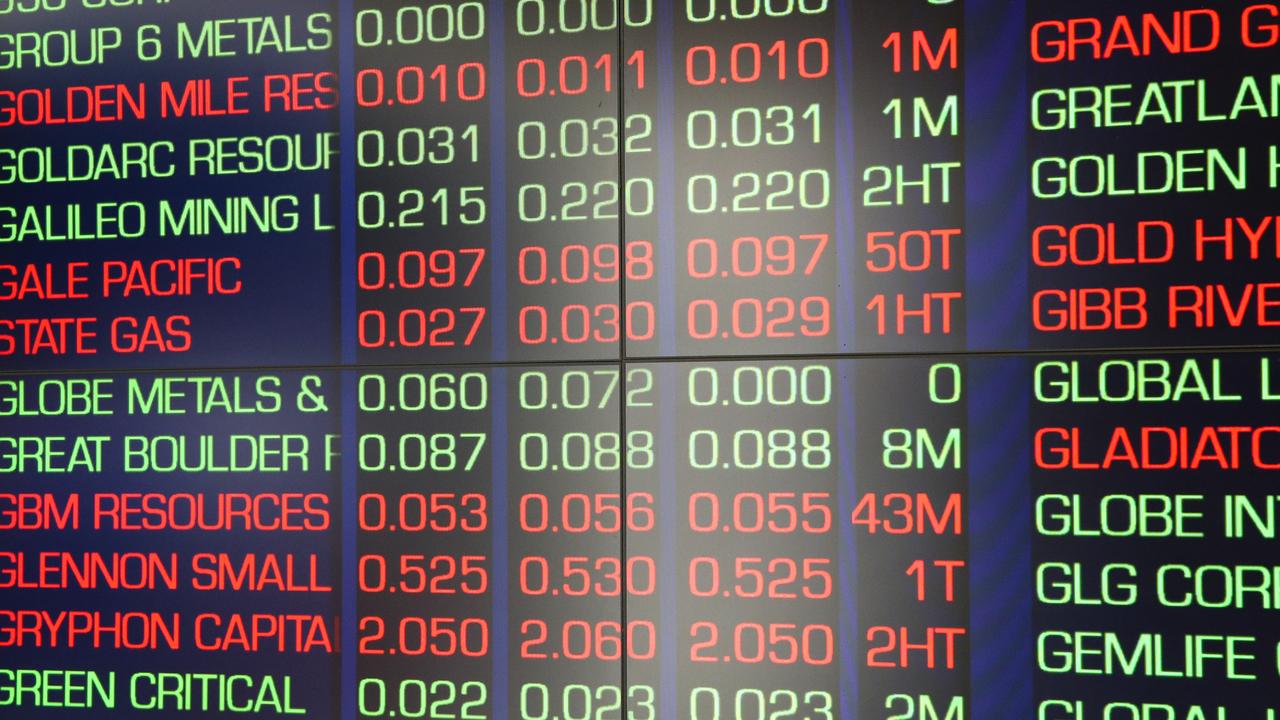
News of the ceasefire sent the Australian Securities Exchange surging Wednesday, with benchmark indexes logging their largest single-day gains in months. The benchmark ASX 200 jumped 228.80 points, a 2.62% increase that closed the index at 8957.60, while the broader All Ordinaries gained 249.5 points, or 2.8%, to finish at 9170.70. The rally pushed the ASX 200 within striking distance of its all-time closing high of 9202 points set on March 11, hitting a fresh 20-day high in the session. Eight of the exchange’s 11 sectors ended the day in positive territory, with only consumer staples, utilities and energy closing lower.
Market analysts note the sharp market movement was largely predictable, as weeks of rising tensions had dragged valuations lower heading into the deadline. “The moves have been large and predictable,” said Kyle Rodda, a market analyst at financial trading platform Capital.com. Still, Rodda warned that underlying geopolitical risks remain unresolved. “The risks haven’t disappeared entirely. There’s a chance the ceasefire collapses or a permanent deal doesn’t materialise before the two-week deadline. If either happens, we could see the strait closed again and markets could plunge back into crisis,” he explained.
Beyond equities, the ceasefire triggered major shifts across commodity and currency markets. For the energy sector, the end of the strait closure eliminated fears of widespread supply shortages that had driven prices sharply higher between February and March. Brent crude oil plunged 14.07% to settle at $US93.89 per barrel, while West Texas Intermediate crude fell 15.15% to $US95.84 a barrel.
Precious metals, by contrast, rebounded sharply after heavy sell-offs during the height of regional tensions. Gold climbed 2.49% to hit $US4825.40 per ounce, while silver surged 5.88% to $US77.23 an ounce. Mining giant BHP recorded a more than 3% gain in local trading, while major Australian banks all posted solid upswings as investors bought back shares that had been sold off during March’s tension-fueled dip. National Australia Bank led the banking rally with a 3.85% gain to close at $44.53, while ANZ rose 2.9% to $38.34, Westpac gained 2.82% to $41.95, and Commonwealth Bank added 1.85% to finish at $180.21.
The Australian dollar also hit its highest level against the US dollar since mid-March, climbing more than 1% to hit 70.7 US cents — marking the greenback’s weakest level against the Aussie in a full month.