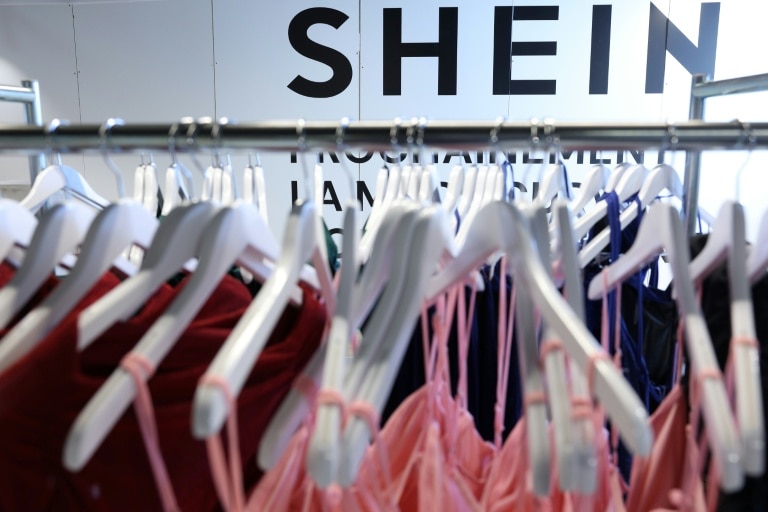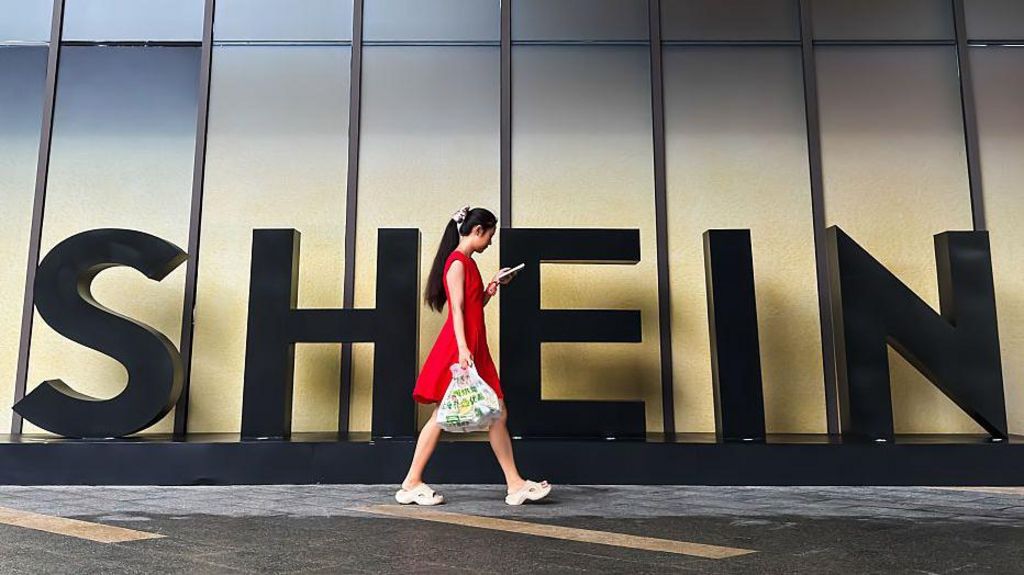
Global fast-fashion powerhouse Shein has formally locked in September 1 as the launch date for its long-awaited initial public offering (IPO) on the Hong Kong Stock Exchange, with plans to raise up to HK$13.86 billion (equivalent to approximately £1.3 billion or $1.77 billion), the company confirmed in a regulatory filing released Monday.
Under the terms of the offering, Shein will issue nearly 280 million new shares, priced in a range between HK$47.60 and HK$49.50 per share. At the upper end of this pricing band, the China-founded, Singapore-headquartered retailer would carry a total market valuation of roughly $27 billion. This figure marks a sharp 73% drop from the $100 billion valuation the company achieved during a 2022 private fundraising round, a decline that mirrors broader industry headwinds including slowing sales growth and soaring operating costs across the retail sector.
This Hong Kong listing comes after two failed attempts to launch IPOs in the United States and the United Kingdom, derailed by heightened regulatory scrutiny and geopolitical tensions tied to the company’s origins and operational practices. The offering is underwritten by three of Wall Street’s most prominent investment banks: Goldman Sachs, Morgan Stanley, and JP Morgan, signaling major institutional backing for the listing despite ongoing challenges.
Shein’s path to public markets has been complicated by a series of recent financial setbacks. In July, the company disclosed it had swung to a net loss of $99 million in the first quarter of 2026, a reversal from the $395 million net profit it recorded in the same period one year earlier. The retailer attributed the poor results largely to the elimination of a longstanding US import duty exemption for small packages by former President Donald Trump, which drastically increased its cost of doing business in its largest market.
“In response to the increased duties and taxes, we are pursuing a wide range of options, including increasing our prices in the US market to offset a portion of the increased costs,” the company stated in its July financial update. Uncertainty around the ongoing, currently paused US-China tit-for-tat tariff war has also created long-term headwinds for the retailer, which relies heavily on Chinese manufacturing for its core supply chain. Shein added that the ongoing Iran conflict has further disrupted operations, pushing up logistics costs, delaying deliveries to key regional markets, and softening consumer demand in affected regions.
The company noted that roughly $328 million of the first-quarter loss stems from a non-cash accounting adjustment related to special investor shares, which will convert to ordinary stock following the IPO and are subject to valuation shifts before listing.
Founded in 2008, Shein has grown from a small online apparel retailer to one of the world’s largest fast-fashion players, serving a active customer base across more than 150 countries. The company’s disruptive business model leverages a vast network of Chinese manufacturing partners to deliver ultra-cheap, trend-driven apparel to consumers at speeds far outpacing traditional retail rivals like H&M and Zara. Its annual revenue has already outstripped both legacy competitors, cementing its position as the global leader in fast-fashion e-commerce. As of the end of March 2026, Shein counted 281 million active customers, a 16% year-over-year increase, with customers placing more than one billion orders in the 12-month period.
Despite its rapid growth, Shein has faced persistent criticism on multiple fronts. Environmental activists have repeatedly raised alarms about the company’s contribution to textile waste and carbon emissions, a core critique of the fast-fashion industry as a whole. The company has also faced repeated allegations of forced labor in its Chinese supply chains, claims Shein has repeatedly denied, telling the BBC it maintains a “zero tolerance for forced labor” policy across all supplier partners. Its attempted London IPO collapsed in 2024 after regulators and investors called for greater transparency around supply chain practices, which Shein declined to provide at the time.