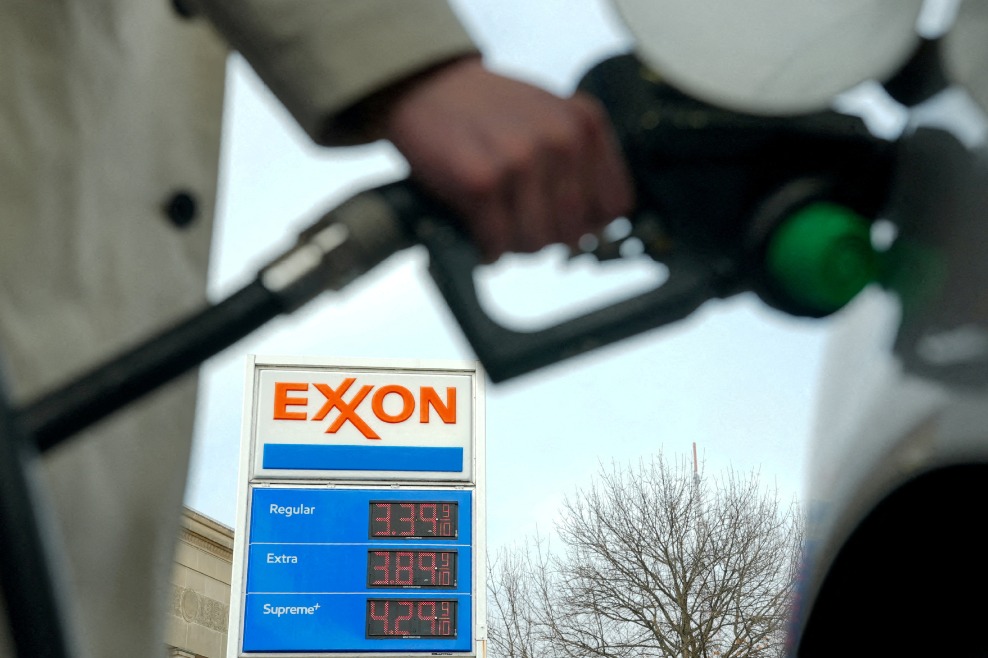
A month-long ongoing conflict in Iran has sent shockwaves through global energy markets, and the ripple effects have pushed U.S. retail sales to a surprisingly sharp gain in March — a jump that economists warn hides serious pain for American consumers, according to fresh data from the U.S. Department of Commerce released Tuesday.
The official data shows that overall national retail sales climbed 1.7% month-over-month in March, with the entire gain driven by an unprecedented surge in gas station sales. Fuel sales skyrocketed 15.5% last month, marking the steepest single-month increase since the federal government began tracking this retail category in 1992.
While solid retail sales growth is typically interpreted as a sign of a strong, expanding economy, this particular spike is tied entirely to inflated energy costs triggered by the Iran conflict, which broke out on February 28. The fighting has severely disrupted commercial shipping through the Strait of Hormuz, the critical global chokepoint through which approximately 20% of the world’s daily oil supplies pass. The supply disruption has sent global crude prices soaring, passing through directly to pump prices for U.S. consumers.
For most American households, which rely heavily on personal passenger vehicles for daily commuting and everyday travel, sustained high energy prices are eroding disposable incomes that would otherwise go toward non-energy spending. Economists warn that if the conflict drags on, further energy price hikes could drag overall consumer spending into contraction, a major headwind for the world’s largest economy.
“If the situation with Iran is not resolved quickly, oil and gas prices will rise further,” Dean Baker, co-founder of the Center for Economic and Policy Research, told Xinhua News Agency. “This will seriously dampen consumer spending, if not actually push it into negative territory.”
Top U.S. energy officials have already signaled that elevated prices could persist for months. U.S. Energy Secretary Chris Wright told CNN’s *State of the Union* on Sunday that average U.S. gasoline prices may not drop back below $3 per gallon until 2027, as the conflict continues to roil global energy markets. “I don’t know, that could happen later this year, that might not happen until next year, but prices have likely peaked,” Wright said, adding that energy prices would almost certainly decline if a diplomatic resolution to the conflict is reached.
Parallel to the energy market volatility, diplomatic efforts to end the conflict hit a snag this week. On Tuesday, U.S. President Donald Trump announced he would extend a temporary two-week ceasefire with the Islamic Republic of Iran, claiming the Iranian government remains “seriously fractured” internally. The ceasefire was originally set to expire Wednesday, and Trump said the pause in hostilities will remain in place until Tehran presents a “unified proposal” to end full-scale fighting.
The president’s announcement comes on the heels of multiple setbacks for peace talks. A scheduled second round of peace negotiations that was to be led by U.S. Vice President JD Vance in Pakistan has been postponed. Separately, Iran’s semi-official Tasnim News Agency reported this week that Iranian negotiators have informed the U.S. government via an intermediary that they will not participate in any further talks at this time. The United Nations has nonetheless publicly voiced hope that talks will resume in the near future.
As of Tuesday, data from the American Automobile Association puts the national average U.S. gas price at roughly $4 per gallon — a full dollar higher than the average price recorded at the same time in 2025. Global benchmark crude prices have also surged, hovering above $90 per barrel on Tuesday, up sharply from the pre-conflict average of around $65 per barrel recorded before fighting began in late February.