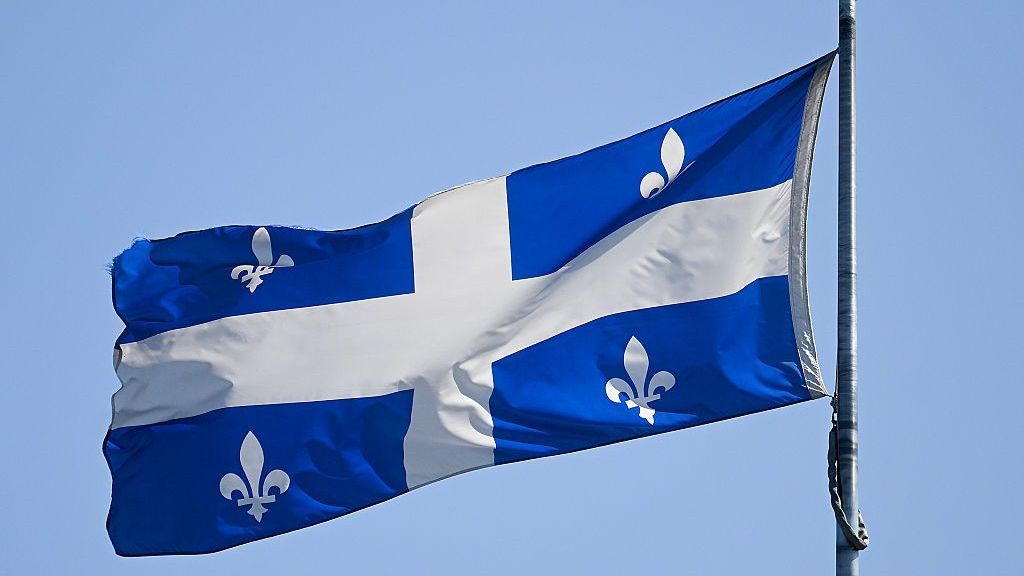
In a landmark, widely anticipated ruling that has reverberated across Canadian legal and social circles, the Supreme Court of Canada has delivered its final verdict on Quebec’s divisive 2019 Bill 21, upholding nearly all of the provincial legislation that prohibits public sector employees from wearing overt religious symbols while on duty. The contested law, which applies to a broad swath of public workers including K-12 teachers, civil servants, and law enforcement personnel, bans visible religious attire ranging from Muslim hijabs and Sikh turbans to Christian crosses and Jewish kippahs. For years, the statute has been the target of high-profile legal challenges brought by marginalized religious groups, individual educators, and civil liberties organizations, which argued that the rule violates core Charter-guaranteed freedoms of religion, expression, and equal treatment under the law. Quebec’s provincial government originally passed Bill 21 by invoking the rarely used “notwithstanding clause” embedded in Canada’s 1982 Constitution Act, a unique legal mechanism that allows provincial and federal legislatures to temporarily opt out of certain protections enshrined in the Canadian Charter of Rights and Freedoms. The high-stakes case drew nationwide attention for its potential to reshape the boundaries of religious freedom, provincial jurisdiction, and constitutional checks and balances across the country. In its 7-2 majority ruling released Friday, the top court confirmed that Quebec’s invocation of the notwithstanding clause to shield the vast majority of Bill 21’s provisions from Charter scrutiny was legally valid. However, justices struck down one narrow, separate clause of the law that would have barred elected provincial legislators from wearing any face covering while performing their official duties. The court explained that this specific provision directly contravenes Section 3 of the Canadian Charter, which enshrines all citizens’ fundamental democratic right to run for public office and cast a ballot — a category of rights explicitly excluded from the scope of the notwithstanding clause. The panel further clarified a long-unresolved point of Canadian constitutional jurisprudence, ruling that federal and provincial courts retain the authority to review and assess the Charter compliance of any piece of legislation even when a government has activated the notwithstanding clause, though the majority declined to exercise that oversight power to strike down the rest of Bill 21 in this particular case. The ruling is already sparking fierce debate across Quebec and the rest of Canada, with religious advocacy groups decrying the decision as a setback for minority rights, while Quebec’s provincial government has hailed the verdict as a full validation of its authority to set secular public service norms under the province’s distinct cultural framework.
Canada’s top court largely upholds Quebec ban on religious symbols for public servants