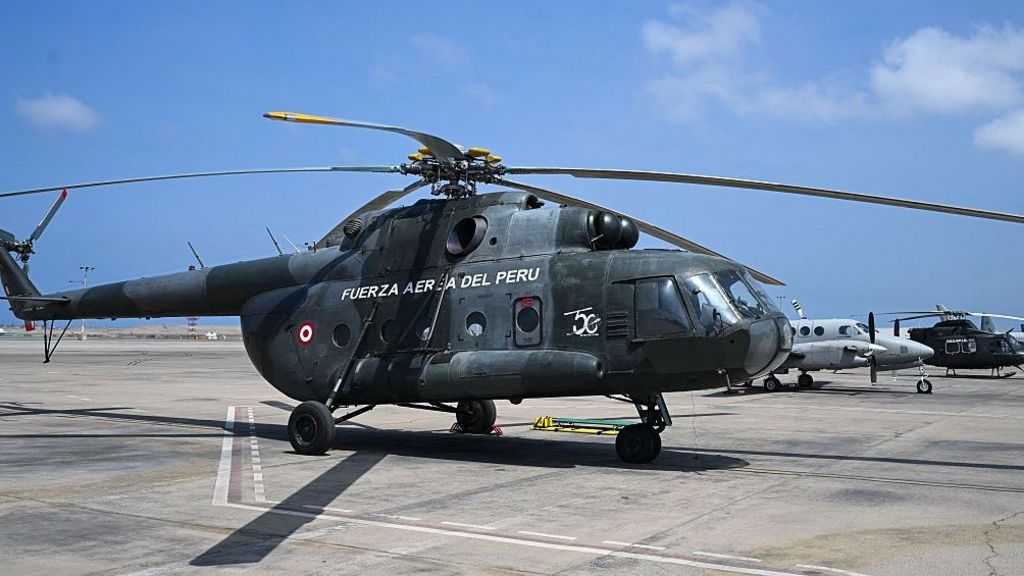
A Peruvian military helicopter conducting an evacuation mission in the remote, coca-dominated VRAEM (Apurimac, Ene and Mantaro River Valleys) region crashed, leaving eight service members dead and only the pilot surviving, the country’s Ministry of Defence confirmed on Friday. The aircraft went missing late Thursday after successfully extracting three stranded army patrol members from the rugged, lawless terrain widely known as “Cocaine Valley”, a long-time hub for coca cultivation, transnational drug trafficking operations, and residual activity by remnants of the former Shining Path insurgent group. Search teams scouring the isolated mountainous zone later located the downed craft and all nine military personnel on board. The sole survivor, identified as pilot Enzo Espinoza Roque, was airlifted to the capital Lima immediately for specialized, round-the-clock medical care, though no additional details on his condition have been publicly released. The three patrol members the helicopter had been dispatched to rescue were among the eight fatalities, defence officials confirmed, declining to share further context on why the unit required emergency evacuation in the first place. Peru’s Armed Forces Joint Command published an official public tribute online, extending its “deepest condolences to the family members, friends, and comrades-in-arms of the members of our VRAEM Special Command who lost their lives while carrying out a military mission. May God keep them in His glory.” The exact root cause of the crash remains under active investigation, with authorities ruling out no potential factors as of the initial announcement. The incident marks the second fatal military helicopter disaster in Peru in less than six months: back in February, a MI-17 military transport craft crashed in the country’s southern highlands, killing all 15 personnel on board. According to data from the United Nations, Peru ranks alongside Colombia as one of the world’s top two largest producers of coca leaf and refined cocaine, with the VRAEM region accounting for the vast majority of the nation’s illegal coca output.