作者: admin

  • Thousands celebrate open-air Mass with Pope Leo in Cameroon – in pictures

    Thousands celebrate open-air Mass with Pope Leo in Cameroon – in pictures

    An estimated 120,000 worshippers and onlookers packed into Douala’s Japoma Stadium on Friday to join Pope Leo XIV for an open-air Mass, marking the largest gathering of his 11-day pan-African apostolic journey. The event comes on the heels of the pontiff’s Thursday visit to Cameroon’s restive Anglophone region, where a separatist insurgency has gripped the area for more than a decade.

    Jubilant crowds lined the route to the stadium as Pope Leo XIV traveled through the crowd in the Popemobile, greeting the throngs of waiting devotees with warm waves. Many attendees had gone to extraordinary lengths to secure a good vantage point, with some camping outside the stadium grounds as early as Thursday night – waiting more than 24 hours in total to see the pontiff. Despite sweltering tropical temperatures, devotees of all generations, including dozens of local clergy, turned out to participate in the historic occasion.

    During his address at the Mass, Pope Leo centered his remarks on spiritual guidance for Cameroon’s youth, urging young people to nurture diverse talents and invest in the well-being of their local communities. “Reject every form of abuse or violence, which deceives by promising easy gains but hardens the heart and makes it insensitive,” he told the crowd. “Do not let yourselves be corrupted by temptations that waste your energies and do not serve the progress of society,” he added.

    Many attendees who spoke to media after the service shared that they felt profound joy at the opportunity to see and hear from the Pope, reflecting widespread hope among Cameroonians that his visit will help advance peace efforts across the conflict-affected nation. Photographs from the event show worshippers adapting to the harsh heat: some held up umbrellas or books to block the harsh sun, while others wiped sweat from their brows throughout the service. Devotion took many forms across the packed crowd, with some clasping hands in quiet prayer and others prostrating themselves to honor the pontiff’s visit.

    The Douala Mass falls on the fifth day of Pope Leo’s 11-day Africa tour, and his third full day in Cameroon. Before arriving in the Central African nation, the Pope launched his journey in Algeria, marking the first time any sitting Pope has visited the majority-Muslim North African country. Following his time in Cameroon, Pope Leo will travel to Angola on Saturday, before concluding his continental trip in Equatorial Guinea. Beyond the public Mass, the pontiff also made a pastoral visit to Douala’s St Paul Catholic Hospital during his time in the coastal economic hub.

  • International students bridge China and world

    International students bridge China and world

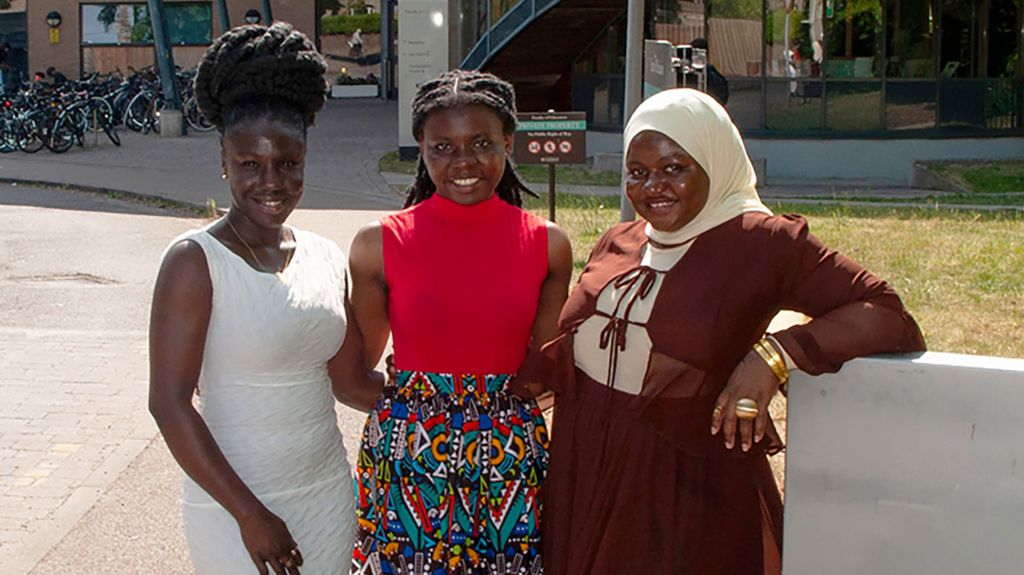
    Against the backdrop of deepening global people-to-people exchanges, a rising cohort of international students studying across China have developed deep personal connections to the country, many describing it as a welcoming “home away from home” that has exceeded their initial expectations.

    Many of these students have highlighted the seamless integration of digital innovation into daily Chinese life as one of their most striking positive experiences. From quick in-store purchases to transit fare payments, the widespread accessibility and convenience of mobile payment systems have left a lasting impression on visitors accustomed to different financial infrastructure.

    What began as a period of immersive personal experience in China has evolved into a mission for many of these international learners. Leveraging their firsthand insights, unique cross-cultural perspectives, professional expertise and genuine enthusiasm for the country, they are taking active steps to share authentic stories of modern China with their home communities and global networks.

    In an era often marked by misinformation and cultural divides, these international students serve as informal, trusted bridges that connect China with the rest of the world, fostering mutual understanding, breaking down long-held stereotypes, and building people-to-people ties that complement formal diplomatic and economic cooperation.

  • Free health checkups reach high-altitude communities in Xizang

    Free health checkups reach high-altitude communities in Xizang

    On a clear, cool morning in mid-April, residents and religious practitioners in Namling County of the Xizang Autonomous Region came together at their local community activity center, ready to take part in a routine health screening that has become a cornerstone of public care across the region’s high-altitude landscapes. Standing at over 4,100 meters above sea level, this remote gathering is just one of hundreds of stopovers for the mobile medical teams that traverse Xizang’s rugged terrain each year, delivering a full suite of preventive care services that include blood pressure monitoring, ultrasound diagnostics, and comprehensive chronic disease screenings that would otherwise be out of reach for many isolated communities.

    This groundbreaking free health checkup initiative, first rolled out region-wide in 2013, has grown from a targeted pilot project to a near-universal public health infrastructure that prioritizes equity for all residents of Xizang, regardless of their geographic location. Funded through annual government per-capita subsidies, the program began with an allocation of 100 yuan (approximately 14 USD) per resident, and over more than a decade of operation, has facilitated a total of 22.41 million free checkups that cover nearly the entire population of the region.

    By 2025, growing policy commitment and increased public investment have lifted the annual per-capita subsidy to 164 yuan, with additional earmarked funding to expand the fleet of mobile diagnostic vehicles and upgrade local clinic facilities in the most hard-to-reach mountainous and high-altitude areas. To address the greater health needs of aging residents, the subsidy for adults aged 65 and older is even higher, reaching 200 yuan per person annually to support more comprehensive, detailed screenings.

    At its core, the program is designed to prioritize early detection and proactive management of common health conditions that disproportionately affect high-altitude populations, including hypertension, diabetes, and a range of altitude-related illnesses. Tailored screening and care pathways for vulnerable groups — including the elderly, women of reproductive age, and children — have already delivered measurable public health gains: regional data shows consistent reductions in maternal mortality, alongside marked improvements in long-term management of chronic conditions across communities.

    The reach of the initiative extends beyond rural villages to include religious communities, with mobile teams regularly conducting checkups at local monasteries. For Phurbu, a monk at Dragkar Monastery, the program has transformed his approach to personal health. “Regular screenings allowed me to detect and manage hypertension early,” he explained, noting that consistent access to free preventive care has significantly improved his overall quality of life.

    Health policy experts note that Xizang’s decade-long investment in this proactive, community-focused public health program underscores the regional government’s sustained commitment to delivering equitable, accessible healthcare to all residents, even in the world’s most challenging high-altitude environments. As subsidies and infrastructure continue to expand, the program is set to further reduce health disparities and improve long-term well-being for millions across the region.

  • Trump signals Iran deal near, hails ‘brilliant day for world’

    Trump signals Iran deal near, hails ‘brilliant day for world’

    In a flurry of posts on his Truth Social platform Friday, former and current U.S. President Donald Trump sent a clear signal that a landmark peace deal with Iran is within reach, celebrating breakthrough agreements on two critical sticking points: the status of the Strait of Hormuz and Iran’s nuclear program.

    Without formally issuing a formal announcement of a finalized accord, Trump opened his series of posts by declaring the day a “GREAT AND BRILLIANT DAY FOR THE WORLD!” He extended public gratitude to Pakistan, the neutral broker that hosted U.S.-Iran talks last weekend, as well as key Gulf Cooperation Council allies that have supported the negotiations, while launching a sharp public rebuke of NATO, telling the alliance to “STAY AWAY” after it offered assistance to secure the strategically vital waterway.

    The latest flurry of optimism comes after Iran confirmed earlier this week it would reopen the Strait of Hormuz—a critical global oil chokepoint through which roughly 20% of the world’s daily oil supplies transited—for the duration of a wider Middle East ceasefire. In his post, Trump went further, asserting Iran has committed to permanently keeping the strait open, ending its history of using closure threats as a geopolitical tool. “Iran has agreed to never close the Strait of Hormuz again. It will no longer be used as a weapon against the World,” he wrote. He added that Tehran is already in the process of clearing sea mines from the strait, with technical support from the United States, while noting that the existing American naval blockade of Iranian ports will remain fully in place until a final deal is signed.

    Negotiations have progressed rapidly following an initial round of talks led by U.S. Vice President JD Vance in Islamabad last weekend. While that first round of negotiations did not yield a final agreement, Trump has steadily leaked details of breakthroughs in recent days. On Thursday, he confirmed Iran had agreed to surrender its entire stockpile of enriched uranium, and announced a second round of talks would be held in the Pakistani capital, adding he may travel to Islamabad personally to sign the final accord if negotiations hold.

    On Friday, he pushed back against a recent Axios report that claimed the U.S. was offering $20 billion in unfrozen Iranian assets in exchange for Tehran’s uranium stockpile, explicitly denying any financial transfer would take place. “The U.S.A. will get all Nuclear ‘Dust,’ created by our great B2 Bombers – No money will exchange hands in any way, shape, or form,” he wrote, contradicting reporting that outlined a cash-for-uranium swap that would see Washington release billions in assets held in foreign banks.

    Beyond the nuclear and strait agreements, Trump also doubled down on his announcement of a 10-day ceasefire between Israel and Lebanon, saying the U.S. has formally prohibited Israel from conducting further airstrikes on Lebanese territory. The cross-border conflict erupted after the Iran-backed militant group Hezbollah launched strikes on Israel in response to the U.S.-Israeli military operation against Iran that began on February 28, and it had been widely seen as a major barrier to advancing any broader Iran peace deal. Trump emphasized that while the ceasefire is not formally linked to the Iran negotiations, he is committed to stabilizing the small Middle Eastern nation. “This deal is not tied, in any way, to Lebanon, but we will, MAKE LEBANON GREAT AGAIN!” he wrote.

    Trump reserved special praise for Pakistan’s leadership, thanking Prime Minister Shehbaz Sharif, whom he called “fantastic,” and army chief Asim Munir for their work brokering the backchannel negotiations between Washington and Tehran. He also extended gratitude to Saudi Arabia, the United Arab Emirates, and Qatar for their cooperation amid Iranian strikes on the region that followed the launch of the U.S.-Israeli operation.

    The sharpest criticism of the day was reserved for NATO, which has refused to join the U.S.-led conflict against Iran or deploy forces to the Strait of Hormuz while active hostilities continued. Trump said he received a formal request from the alliance to assist with securing the strait following the reopening, and he rejected the offer outright. “Now that the Hormuz Strait situation is over, I received a call from NATO asking if we would need some help. I TOLD THEM TO STAY AWAY, UNLESS THEY JUST WANT TO LOAD UP THEIR SHIPS WITH OIL,” he wrote. “They were useless when needed, a Paper Tiger!”

    Trump’s rejection of NATO assistance comes shortly after British Prime Minister Keir Starmer and French President Emmanuel Macron announced following a bilateral meeting that the two European powers would lead a multinational naval mission to the strait as soon as security conditions permit.

  • India Parliament blocks Modi’s bid to redraw voting boundaries alongside seat quota for women

    India Parliament blocks Modi’s bid to redraw voting boundaries alongside seat quota for women

    NEW DELHI – A sweeping, decades-in-the-making proposal to reshape India’s political landscape by guaranteeing 33 percent female representation in national and state legislatures collapsed Friday in the country’s parliamentary lower house, derailed by bitter partisan conflict over a tied constituency redrawing plan that critics argued would skew power toward Prime Minister Narendra Modi’s ruling party. The defeat of the bill marked a stunning end to two days of tense debate during a special three-day parliamentary session called by the Modi government, and left one of the most ambitious proposed political reforms since India’s 1947 independence from British colonial rule deadlocked for the foreseeable future.

    The core of the legislation was designed to address a longstanding gender gap in India’s political institutions, where women have remained drastically underrepresented despite making up nearly half of the country’s population. By mandating that one out of every three seats in Parliament and state legislative assemblies be reserved for female candidates, supporters framed the bill as a transformative step toward equal political participation for women across India. But from its introduction, the gender quota was inextricably linked to a separate, highly contentious proposal to redraw national voting boundaries, known as delimitation, and expand the total size of the lower house of Parliament.

    Under the delimitation plan, the number of lower house seats would have jumped from the current 543 to roughly 850 ahead of the 2029 national elections, with boundaries redrawn using 2011 population census data. This framework sparked immediate pushback from opposition parties, which raised two overlapping sets of objections. First, opposition leaders argued that basing seat allocations on 2011 population figures would shift political power away from India’s southern states, which have seen slower population growth in recent decades, toward the faster-growing northern states where the ruling Bharatiya Janata Party (BJP) maintains its strongest base of support. Second, opponents warned that the entire restructuring would alter the national political balance to deliver a structural advantage to the BJP, a claim the government has forcefully denied.

    To secure passage, both bills were required to win approval from a two-thirds majority of sitting lawmakers. When the votes were counted, the linked legislation failed to hit that threshold, prompting the Modi government to withdraw the delimitation proposal entirely and leaving the women’s quota bill without the tied provision it was paired with, resulting in its defeat.

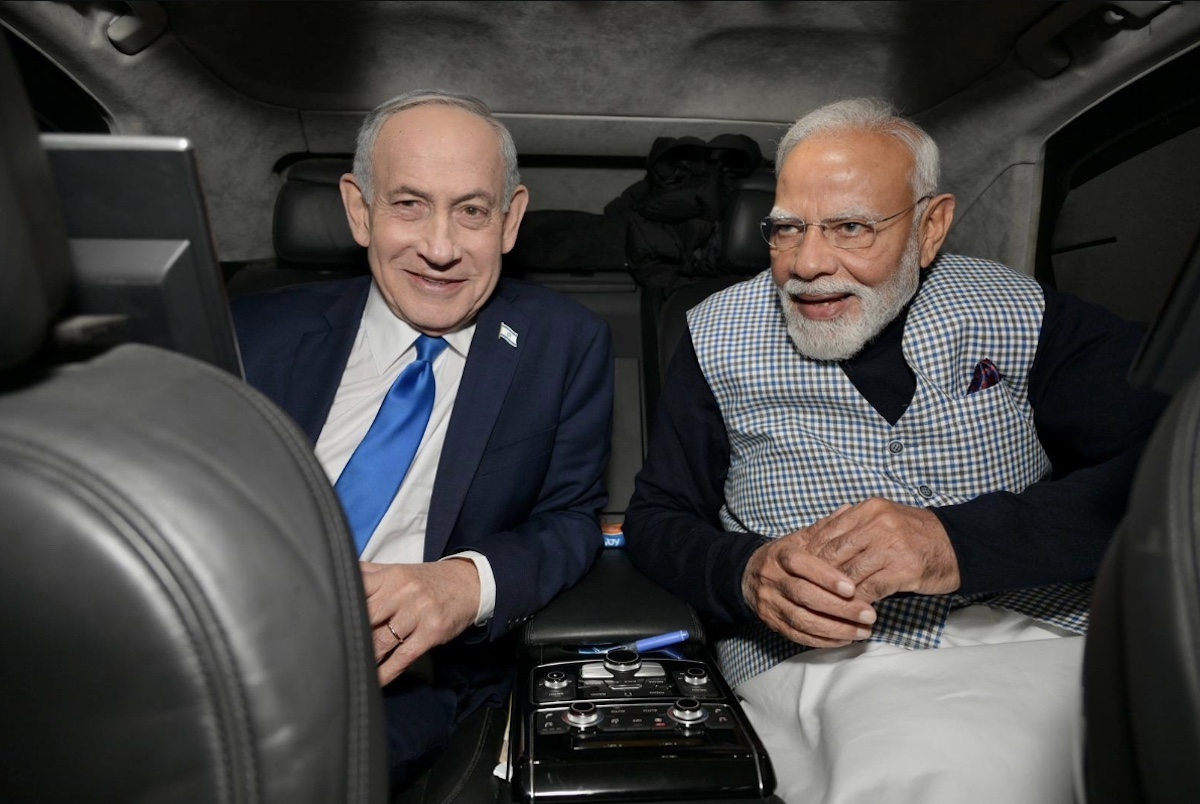
    Modi defended the government’s proposal in a post on X hours ahead of the vote, claiming that all stakeholder concerns had been addressed and that “misconceptions surrounding the legislation” had been debunked with factual evidence and logical reasoning. The government also sought to ease opposition worries by stating the plan would mandate a uniform 50 percent increase in seats across all Indian states to preserve proportional representation at the national level. But critics quickly pointed out that this guarantee was not explicitly written into the draft legislation, leaving it unenforceable.

    Top opposition leaders remained steadfast in their rejection of the paired bills in the lead-up to the vote. Rahul Gandhi, leader of the main opposition Congress party, characterized the entire proposal as “an attempt to change the electoral map of India” to benefit the ruling party. While there was broad cross-party consensus in favor of increasing women’s political representation, the deep partisan divisions over the delimitation provision ultimately derailed the entire reform package, leaving the future of gender quota reform in India uncertain as the country heads into a national election cycle.

  • Former head of national TCM administration indicted for bribery

    Former head of national TCM administration indicted for bribery

    China’s top prosecutorial body announced Friday that Yu Wenming, the former director of the National Administration of Traditional Chinese Medicine (NATCM), has been formally indicted for alleged bribery by prosecutors in the northern Chinese city of Tianjin.

    The case against Yu follows a full investigation conducted by the National Commission of Supervision, China’s top anti-corruption watchdog. After investigators concluded their probe, the case was transferred to prosecutorial organs for formal review and indictment proceedings. The central authority assigned Tianjin’s prosecuting team to handle the case, and legal documents were recently filed with the Tianjin No. 1 Intermediate People’s Court to move the trial process forward.

    According to the indictment filed by Tianjin prosecutors, Yu abused his authority during his tenure as deputy head of the NATCM to secure improper benefits for multiple individuals and entities. In exchange for these favors, the former official accepted substantial sums of money and high-value valuables, prosecutors allege.

    Prosecutorial officials confirmed that the legal process has adhered to all required criminal procedures: Yu has been formally notified of his full legal rights throughout the review and prosecution stage, and legal representatives have accepted and reviewed arguments submitted by Yu’s defense team.

    A 62-year-old native of East China’s Shandong Province, Yu has a decades-long career rooted in the medical and pharmaceutical sectors. He began his professional career in August 1988, and joined the NATCM’s leadership as deputy director in April 2004. He was promoted to head of the national TCM administration in 2018, and was first placed under formal corruption investigation by supervisory authorities in June 2025. Yu is a member of the Chinese Peasants and Workers Democratic Party, one of China’s eight non-communist political parties that participate in state governance consultation.

    The indictment marks a key milestone in China’s ongoing national anti-corruption campaign, which has targeted officials across all sectors of government, including public health and regulatory agencies, since it was launched in 2012.

  • U2 and Moya Brennan’s sister Enya among mourners at star’s funeral

    U2 and Moya Brennan’s sister Enya among mourners at star’s funeral

    One of the most influential figures in Celtic music, Moya Brennan, the longtime lead vocalist of the legendary Irish folk band Clannad, has been laid to rest in her home county of Donegal, with hundreds of mourners — including some of the biggest names in Irish music — gathering to celebrate her extraordinary life and career.

    Brennan, a 73-year-old married mother of two, passed away earlier this week, leaving behind a decades-long legacy that redefined global perceptions of Irish traditional music. Among those who gathered at St Patrick’s Church in the small village of Meenaweal, Crolly, for her Requiem Mass were all four current and founding members of world-famous rock band U2: Bono, the Edge, Adam Clayton, and Larry Mullen Jr. Also in attendance was Brennan’s younger sister, iconic new-age musician Enya, alongside other prominent Irish music figures including country star Daniel O’Donnell and The Corrs’ Andrea Corr.

    The small church was filled to capacity as community members, loved ones, and peers came together to mourn the loss of a artist who touched millions of lives across the globe. Gweedore Parish Priest Fr Brian O’Fearraigh opened the service by acknowledging the collective grief of those assembled, while also calling for gratitude for the gift of Brennan’s life and music.

    “On that Monday night when Moya died, it seemed as if a sacred silence had descended for a while,” Father O’Fearraigh told the congregation. “The music stood still and her beautiful harp stood silently in the corner of her room as though keeping its own quiet vigil of respect and honour. It was as if the silence itself seemed to sing Moya into eternity and home to heaven.”

    He added that the stillness that followed Brennan’s passing had given way to a fitting celebration: “a musical celebration of a kind and well-lived life.” Within the church, symbolic items that defined different chapters of Brennan’s life were displayed during the service, including her beloved harp, a traditional Irish bodhrán drum, a personal prayer book, a portrait of her immediate family, and a jersey for Donegal’s Gaelic Athletic Association team, honoring her deep roots in the county.

    Born and raised in the Irish-speaking Gaeltacht region of Gweedore in Donegal, Brennan built a five-decade career that reshaped Celtic folk for a global audience. As the lead singer of Clannad, the family band she co-founded in 1968 (with Enya joining the group in the early 1980s before launching her own solo career), Brennan recorded more than 25 albums that combined traditional Irish sounds with contemporary folk and new-age influences, selling millions of copies worldwide. The band’s commercial and critical breakthrough came in 1982, when their ethereal theme track for the British political drama *Harry’s Game*, set during the Troubles in Northern Ireland, topped charts across Europe and introduced their unique sound to international audiences.

    Long before Clannad’s rise to global fame, Brennan cut her teeth performing at Leo’s Tavern, the family pub in Gweedore that remains a beloved venue for emerging Irish musicians. Throughout her career, she continued to return to the tavern, where she regularly made time to support and mentor young artists starting out in the industry.

    Widely known by her honorific title, the “Queen of Celtic Music” (also referred to as the First Lady of Celtic Music), Brennan earned tributes from Ireland’s highest political leaders in the days following her passing. Irish President Michael D. Higgins (shared through his representative Catherine Connolly) noted that Brennan had left an exceptional body of work that would be cherished by listeners for generations to come. Taoiseach Micheál Martin, Ireland’s head of government, echoed those remarks, calling Brennan an iconic, irreplaceable Irish voice.

    Brennan is survived by her husband Tim Jarvis, their daughter Aisling, and son Paul, who grieve alongside her extended family, friends, and millions of fans around the world who discovered a love of Celtic music through her work.

  • Conservative US town grapples with potential ICE detention centre

    Conservative US town grapples with potential ICE detention centre

    Nestled in rural Georgia, the traditionally conservative small community of Social Circle finds itself united in uncommon opposition to a federal proposal that has divided communities across the United States for years. The U.S. Department of Homeland Security has recently floated a plan to repurpose a long-vacant local warehouse into a new Immigration and Customs Enforcement (ICE) detention facility, a project that has sparked immediate pushback from across the local political spectrum.

    What makes this resistance particularly notable is that it crosses longstanding party lines. In a town where conservative politics have long dominated local elections and voter preferences, both Republican-leaning and Democratic-leaning residents have come together to reject the federal government’s plan. Neighbors who often disagree on national policy issues have found common ground in their concern over what the detention center would mean for their tight-knit community.

    Local residents have raised a host of concerns about the proposal, from the impact on property values and local infrastructure to broader questions about the role of the small town in the national immigration enforcement system. Many long-term residents say the quiet, close community they have built would be fundamentally altered by housing a large detention facility, bringing with it increased security activity and a shift in the town’s identity that most are not willing to accept.

    The proposal comes amid ongoing national debate over U.S. immigration policy and the expansion of immigration detention capacity across the country. As federal officials continue to search for locations to house detainees amid rising numbers of border crossings, small towns like Social Circle are increasingly being asked to host these facilities – and in this case, the community has delivered a clear, bipartisan rebuke.

  • Colombia’s environment minister says Middle East crisis should speed energy transition

    Colombia’s environment minister says Middle East crisis should speed energy transition

    BOGOTA, Colombia — As roughly 50 nations prepare to gather for landmark talks focused on phasing out carbon-intensive fossil fuels, Colombia’s top environment official is framing new geopolitical turmoil in the Middle East as a urgent catalyst to speed up the global shift to renewable energy sources including solar, wind and geothermal power.

    In an exclusive Thursday interview with The Associated Press, Environment Minister Irene Vélez Torres argued that ongoing market volatility sparked by the Iran conflict demonstrates the critical risks of lingering dependence on oil, gas and coal. Instead of allowing instability to slow decarbonization efforts, Vélez says global leaders should use the crisis as motivation to double down on ambitious climate action.

    “The war in the Middle East has triggered a full global energy crisis,” Vélez stated. “This turmoil should not push our transition off schedule — it should speed it up. I firmly believe we need to radicalize the global green agenda and accelerate this energy transition now.”

    The upcoming summit, co-hosted by Colombia and the Netherlands, is scheduled to run April 24-29 in the coastal Caribbean city of Santa Marta. Unlike formal UN climate negotiating sessions that seek binding international commitments, this gathering is designed as an open political space to advance long-stalled conversations about moving beyond fossil fuels — a topic that has consistently deadlocked formal global climate talks for decades.

    “We are not here to demand that countries sign on to binding commitments,” Vélez clarified. “Our goal is to move the global debate forward on an issue that has remained gridlocked for far too long.”

    Three decades of UN-led Conference of the Parties (COP) climate negotiations have failed to deliver a widespread global agreement on phasing out oil, gas and coal. Critics have labeled this lack of progress a major failure of the formal climate process, and that stalemate was a core motivation for organizing the independent Santa Marta summit.

    Colombia itself faces a unique balancing act between economic realities and ambitious climate goals. As one of Latin America’s largest oil producers, the country relies heavily on crude exports to generate government revenue and foreign exchange, with oil and coal still accounting for a large share of public funding for social programs and infrastructure spending. At the same time, Colombia sits at the heart of the Amazon rainforest, a critical global ecosystem that regulates planetary temperatures, but faces ongoing pressure from deforestation, illegal mining and armed activity across large swathes of its territory.

    Under President Gustavo Petro’s administration, Colombia has positioned itself as a global leader in climate action, pledging to halt all new oil exploration and calling for a coordinated global phaseout of fossil fuel production. Vélez noted that under Petro’s term, the share of non-hydropower renewables like solar and onshore wind in Colombia’s national electricity mix has jumped from just 1% to 16% — a major expansion that demonstrates the feasibility of a fast transition even for major fossil fuel producers.

    The summit convenes at a moment of unprecedented global geopolitical instability that is already reshaping energy policy around the world. The ongoing Iran conflict has disrupted shipping through the Strait of Hormuz, the critical chokepoint through which roughly 20% of the world’s global oil supplies pass. This disruption has pushed international oil prices higher and created pressure on many governments to expand short-term fossil fuel production to shore up energy security, even as they maintain long-term pledges to cut carbon emissions.

    This divide is on clear display between the Colombian and U.S. governments. Under current President Donald Trump, the U.S. has pulled back from international climate commitments and centered its energy policy on expanding domestic oil production. Trump has repeatedly dismissed climate change as a false claim and attacked the global energy transition as what he calls a “Green New Scam,” doubling down on his signature “drill, baby, drill” policy of expanded drilling. Public clashes between Petro and Trump over trade and counternarcotics policy in recent months have underscored these deep divides over climate and energy priorities.

    Major divisions are also visible among global oil producers. Saudi Arabia, the world’s largest oil exporter, will not send representatives to the Santa Marta summit. Vélez noted that Colombian officials have engaged with Saudi leadership during past UN climate talks, but the kingdom’s deep economic dependence on oil exports leaves it uninterested in discussions of a fossil fuel phaseout. Saudi Arabia has consistently resisted efforts to add stronger language on fossil fuel phaseouts to UN climate agreements, highlighting the persistent rift between major producing nations and countries pushing for a faster transition.

    While the Santa Marta summit is being held outside the formal UN climate negotiation framework, Vélez says its outcomes will feed into upcoming global talks, including COP31 scheduled to take place in Turkey later this year.

    The Associated Press’ climate and environmental reporting is supported by funding from multiple private foundations. AP maintains full editorial control over all content. Details of AP’s standards for philanthropic partnerships, a full list of supporters, and descriptions of funded coverage areas are available at AP.org.

  • Tickner starts late Bangladesh collapse for New Zealand to win first ODI

    Tickner starts late Bangladesh collapse for New Zealand to win first ODI

    In the opening fixture of a three-match One Day International series hosted in Mirpur, Bangladesh, New Zealand’s fast bowling unit delivered a clinical, match-winning performance under oppressive high humidity on Friday to secure a 26-run victory over the home side.

    After winning the toss and electing to bat first on a slow, challenging pitch, New Zealand compiled a competitive total of 247 runs for the loss of eight wickets. The innings was anchored by opener Henry Nicholls’ patient 68 runs, and boosted by a quick-fire 59 from all-rounder Dean Foxcroft, who would later claim player of the match honors for his contributions with both bat and ball. Nicholls shared a 73-run stand for the second wicket with Will Young, who scored 30, as the pair weathered a devastating opening spell from Bangladesh pacer Shoriful Islam. Shoriful, making his first ODI appearance since December 2024 after stepping in for injured star Mustafizur Rahman, turned in an impressive outing, finishing with 2 wickets for just 27 runs from his full 10 overs.

    Foxcroft acknowledged after the match that his side viewed 247 as an attainable target for Bangladesh, meaning consistent pressure with the ball would be critical to securing a win. “It’s not an easy place to come here and win games. It was extremely hot and we’re not used to it. It’s winter in New Zealand now,” Foxcroft noted of the challenging conditions the visiting side overcame.

    Bangladesh’s chase got off to a disastrous start, with New Zealand pacer Nathan Smith striking early to dismiss top-order batters Tanzid Hasan Tamim and Najmul Hossain Shanto on consecutive deliveries, leaving the home side reeling at 21 runs for the loss of two wickets. A 93-run third-wicket partnership between Saif Hassan and Litton Das pulled Bangladesh back into the contest, putting their chase firmly on track. Will O’Rourke broke the stand by dismissing Saif, who top-scored for Bangladesh with 57 runs, before Foxcroft removed Litton for 46. Lower-order batters Towhid Hridoy and Afif Hossain built a new resistance partnership, which left-arm spinner Jayden Lennox interrupted by sending Afif back to the pavilion for 27, leaving Hridoy to hold the innings together at 194 for 5 in the 44th over, with Bangladesh still well on course to reach the target.

    That was when seamer Blair Tickner produced a devastating match-winning collapse. In a legendary late spell, Tickner claimed four wickets for just five runs, starting with the key dismissal of Bangladesh captain Mehidy Hasan Miraz, who nicked a catch behind the stumps for six runs. Tickner, who had been relatively erratic in his earlier overs, found his rhythm to clean up Bangladesh’s tail, claiming all four of his wickets in his final four overs to finish with figures of 4 for 40. Smith closed out the innings by dismissing Hridoy for 55, finishing with 3 for 45 as Bangladesh was bowled all out for 221 in 48.3 overs.

    Reflecting on the match, Saif Hassan noted that the pitch had unique challenges for batters. “The wicket was a bit challenging from the beginning but once a batter got set it became easier. It was tougher for new batters. If I could have stayed longer, things might have been easier for the team,” he said.

    The two sides will return to the field for the second ODI of the series on Monday, with Bangladesh looking to level the fixture and New Zealand aiming to extend their early lead.