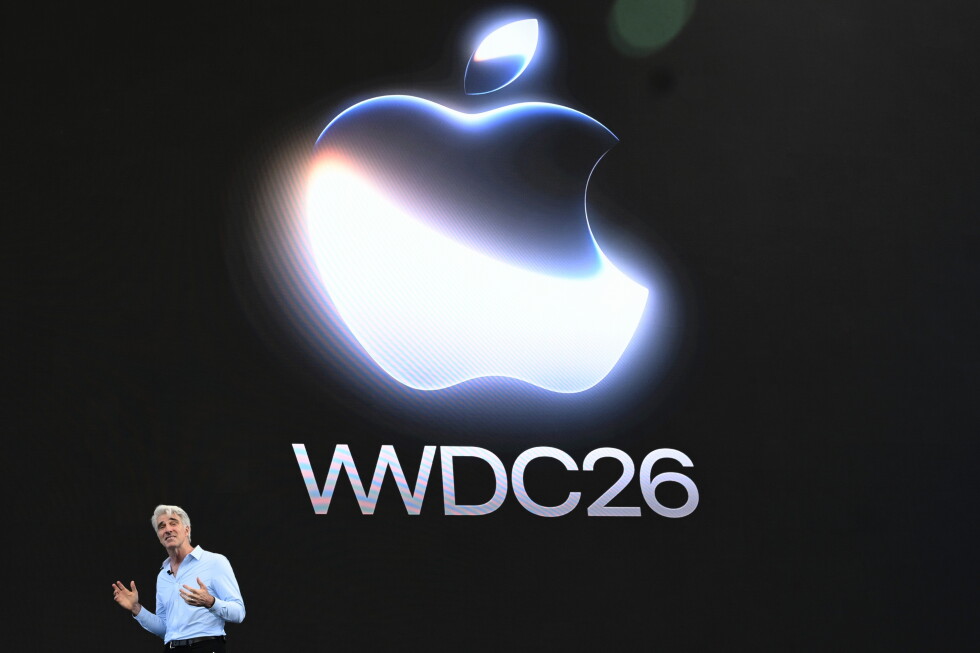
A public dispute has erupted between Apple and the European Commission over who is responsible for the delayed rollout of Apple’s highly anticipated AI-powered Siri upgrade to European users, with both sides trading sharply conflicting accounts of the impasse. The standoff centers on the European Union’s landmark Digital Markets Act (DMA), a sweeping regulatory framework designed to curb anti-competitive behavior by large Big Tech “gatekeepers” and open up their platforms to rival services. The controversy unfolded just one day after Apple unveiled its updated AI-enhanced Siri at its annual worldwide developers conference, where the company announced the tool would not be available to iPhone and iPad users in the EU when it launches later this year, offering no firm timeline for a regional launch. In its public statements following the announcement, Apple pinned the delay squarely on the DMA. The tech giant claimed that the European Commission’s “extreme interpretation” of the regulation would force it to grant competing virtual assistants unfiltered “direct access” to user data, eliminating critical privacy protections that Apple built into its systems. Apple added that it had developed a proposed workaround and a gradual 18-month rollout plan to address regulatory concerns, but the commission rejected this proposal out of hand. But European Commission spokesman Thomas Regnier pushed back forcefully against Apple’s narrative during a regular press briefing in Brussels on Tuesday, seeking to set what he called the “record straight” on the delay. Regnier emphasized that the decision to withhold Siri AI from the EU market rests entirely with Apple, arguing that no provision of the DMA blocks the company from rolling out new products and services to European consumers. Contrary to Apple’s account, Regnier said Apple did not present a workable compliant solution to regulators — instead, the company simply requested an 18-month full exemption from DMA requirements for the new Siri AI tool. Regnier rejected that request as incompatible with the core goals of the regulation, noting that an exemption would give Siri AI an unfair competitive advantage over rival AI agents, including those developed by Google, by denying equal opportunity for European iPhone users to choose between competing services. Drawing a sharp comparison to underscore the commission’s stance, Regnier framed the DMA as non-negotiable, comparing the rejection of an exemption to a police officer not allowing a driver to ignore posted speed limits. The clash highlights growing tensions between major U.S. Big Tech firms and European regulators as the DMA, one of the world’s most stringent tech regulations, comes into full force, forcing firms to make major adjustments to their operating models to comply with new open market and competition rules.
Apple and Brussels blame each other for delaying European Union rollout of Siri AI