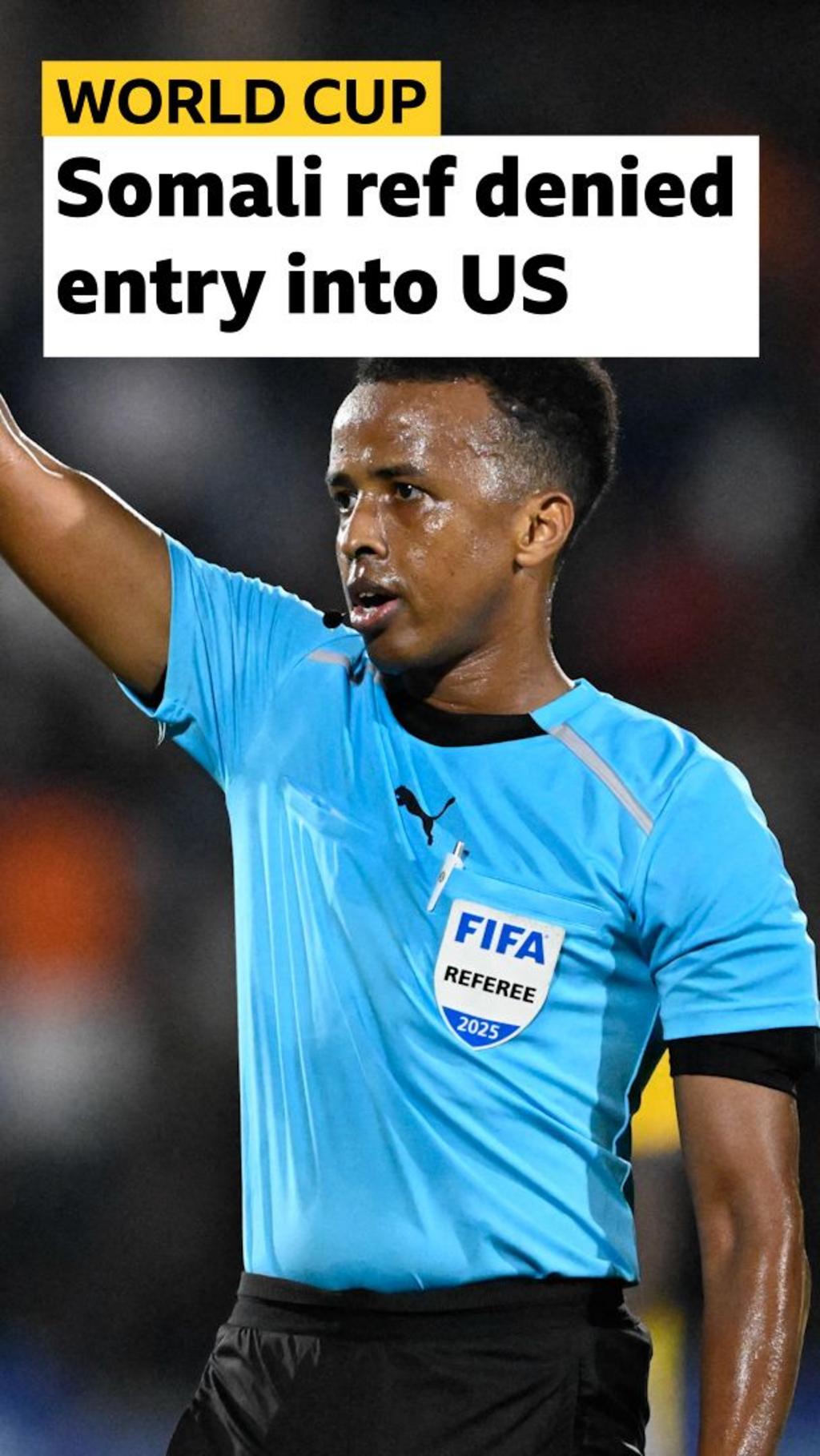
A historic milestone in global soccer officiating has fallen through at the last minute, after Omar Artan — the Somali referee set to make history as the first official from his country to work at a men’s World Cup finals — was removed from the tournament’s official roster of match officials. The sudden shakeup comes directly after U.S. border authorities denied Artan entry into the country, derailing his preparations for the high-profile global competition. The development was first reported 59 minutes ago under Africa Sport coverage, leaving the international soccer community surprised by the unforeseen barrier that blocked Artan’s once-in-a-lifetime opportunity. No further details on the specific reason for the entry denial or whether a replacement referee has been named have been released as of the latest update.
作者: admin
-
Zelenskyy arrives in Estonia to attend Nordic-Baltic summit
In a high-stakes diplomatic visit that underscores continued regional and global support for Ukraine amid its ongoing full-scale war with Russia, Ukrainian President Volodymyr Zelenskyy touched down in Tallinn, the capital of Estonia, on Tuesday. Accompanied by First Lady Olena Zelenska, the trip centers on his participation in a gathering of Nordic and Baltic leaders hosted by Estonia, which currently holds the rotating presidency of the NB8 cooperation bloc. The grouping brings together five Nordic nations and three Baltic states, with this session bringing together the bloc’s national prime ministers alongside Zelenskyy to address issues tied to the war. Estonia’s Foreign Ministry formally welcomed the first lady in an official post shared to the social platform X, marking the warm official reception for the Ukrainian delegation.
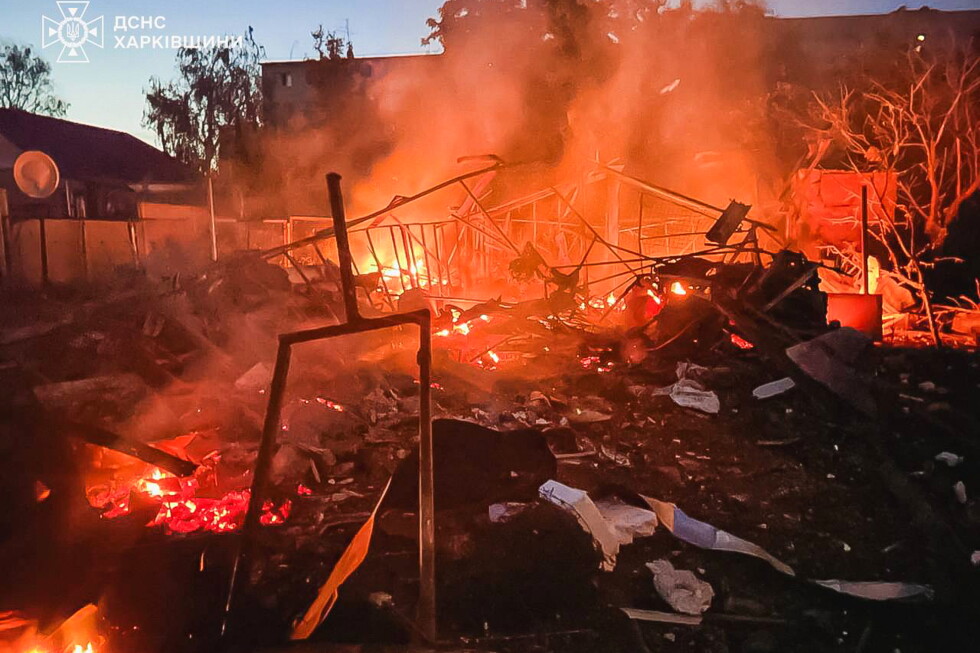
This visit unfolds against a backdrop of growing cross-border friction, as Ukrainian drones have repeatedly drifted into Baltic territory in recent months. The unintended incursions stem from Kyiv’s stepped-up campaign of strikes against Russian-controlled Baltic Sea ports that Moscow relies on for oil exports, a key part of Ukraine’s strategy to raise the economic pressure on the Kremlin for its invasion. Even as Zelenskyy holds diplomatic talks in Tallinn, deadly violence continues to unfold across Ukraine: Russian forces launched a massive wave of overnight airstrikes, sending 166 long-range attack drones and two precision-guided missiles toward Ukrainian targets. Ukraine’s Air Force reports that its air defense systems successfully intercepted and destroyed 146 of the inbound drones. On the ground, the human cost of the latest assault has been steep. In Ukraine’s northeastern Kharkiv region, regional governor Oleh Syniehubov confirmed that three people were killed and 25 more, including three children, were wounded in Russian attacks over the preceding 24 hours. Further south, in the Dnipropetrovsk region, overnight strikes targeting multiple districts left three people injured, according to regional administration head Oleksandr Hanzha.
The exchange of fire extended across the border into Russian territory as well. Russia’s Defense Ministry claimed that its own air defenses downed 140 Ukrainian drones overnight. In Russia’s Belgorod region, local emergency officials confirmed one civilian woman was killed when a stray Ukrainian drone struck a residential apartment building.
Alongside Zelenskyy’s summit participation, Ukrainian Foreign Minister Andrii Sybiha also joined the delegation in Tallinn for bilateral talks with his Estonian counterpart, Margus Tsahkna. The two diplomats covered three core priorities: Ukraine’s ongoing security needs, new strategies to increase international pressure on Russia, and Kyiv’s progress in its bid to join the European Union. Tsahkna reaffirmed Estonia’s unwavering commitment to Ukraine in a post on X, writing, “Estonia will continue to stand by Ukraine for as long as it takes. As Putin intensifies his attacks and shows no sign of abandoning his imperial ambitions, our responsibility is to increase pressure, not offer concessions.” This stance aligns with comments Tsahkna made in May, when he confirmed Estonia’s full support for Ukraine’s EU accession process and called for the bloc to accelerate negotiations.
Ahead of his arrival in Estonia, Zelenskyy made headlines on Monday for unexpected talks with two U.S. envoys, Steve Witkoff and Jared Kushner, during a refueling stopover in Chișinău, the capital of Moldova. Zelenskyy described the discussions as positive, noting the talks centered on pathways to end the ongoing war. The Ukrainian leader added that the two sides explored diplomatic opportunities ahead of the upcoming Group of Seven summit scheduled for later this month, and that he shared Ukraine’s full intelligence assessment of Russian strategic intentions with the U.S. delegation.
-

Black bear caught in Japan after days of sightings
Japan is grappling with an unprecedented surge in human-bear conflicts that has pushed annual attacks to record highs, leaving authorities scrambling to contain two rogue bruins that have terrorized populated areas near Tokyo in recent days.
In Utsunomiya, a city of 500,000 located roughly 100 kilometers north of Tokyo, law enforcement and wildlife officials successfully captured an approximately 100-kilogram black bear on Tuesday, concluding a days-long search that disrupted daily life for the entire community. The operation, which took 1 hour and 40 minutes after the bear’s position was confirmed 2.5 kilometers south of the city’s main railway station, was far from straightforward: a veterinarian’s first tranquilizer shot missed the target, and two additional doses fired 15 minutes apart were required to subdue the animal. Since the bear was first spotted on Saturday, local residents reported more than 20 sightings across residential and public spaces, including near family homes, elementary schools, urban parks, a local river where the bear was seen swimming, and backyards where it scaled privacy fences. The repeated, unprecedented close encounters prompted city officials to close all 94 public primary and middle schools in Utsunomiya as a precaution, and warnings were issued that a second bear may still be roaming the area, urging locals to lock all exterior doors and windows day and night.
Some 100 kilometers north of Utsunomiya in Fukushima Prefecture, a second bear described by local officials as “extremely intelligent” remains at large after injuring four people in a residential neighborhood last week. Multiple attempts to tranquilize the animal have failed, and it has repeatedly outmaneuvered search teams. In one notable incident, the bruin broke into an electronics factory, then surprised surrounding police officers by unlocking a window and escaping the surrounded building. Fukushima’s mayor added that search teams have even observed the bear drinking from a public water tap, suggesting it may have figured out how to turn the tap handle on its own, cementing the animal’s reputation for unusual cunning. Authorities have now launched a large-scale aerial search using surveillance drones to track the bear across the region’s mixed residential and forested terrain.
This pair of high-profile incidents comes as Japan faces a growing public safety crisis around bear encounters. Data from Japan’s Ministry of the Environment shows that bear attacks hit an all-time record in 2025, with 238 people injured and 13 killed across the country in encounters with wild bears. In response to the rising casualty numbers, the Japanese national government launched a coordinated response earlier this year, establishing a cross-ministerial task force and rolling out new emergency response protocols to reduce harm to residents. Local governments and private firms are increasingly turning to cutting-edge technology to address the problem, as traditional bear management strategies struggle to keep pace with growing conflicts. One small village in Fukushima Prefecture is currently testing an AI-powered image analysis system that can automatically identify bears in footage from remote trail cameras, cutting down on the time wildlife teams spend reviewing footage. Telecom firm KDDI SmartDrone has developed an unmanned aerial system equipped with thermal imaging cameras that can track bears through thick woodland without requiring specialized training for local operators, allowing teams to follow animals until hunters or police can arrive on scene. Other firms have developed creative non-lethal deterrent tools: Ohta Seiki, a manufacturing company, launched the “Super Monster Wolf” back in 2016, a solar-powered robotic wolf designed to scare off bears and other unwanted wildlife by mimicking the predator’s appearance and calls. The company reports that it has already received dozens of orders for the device in 2026, far exceeding the typical annual demand for the product.
-
Fifa drops Somali referee from World Cup after US denies entry
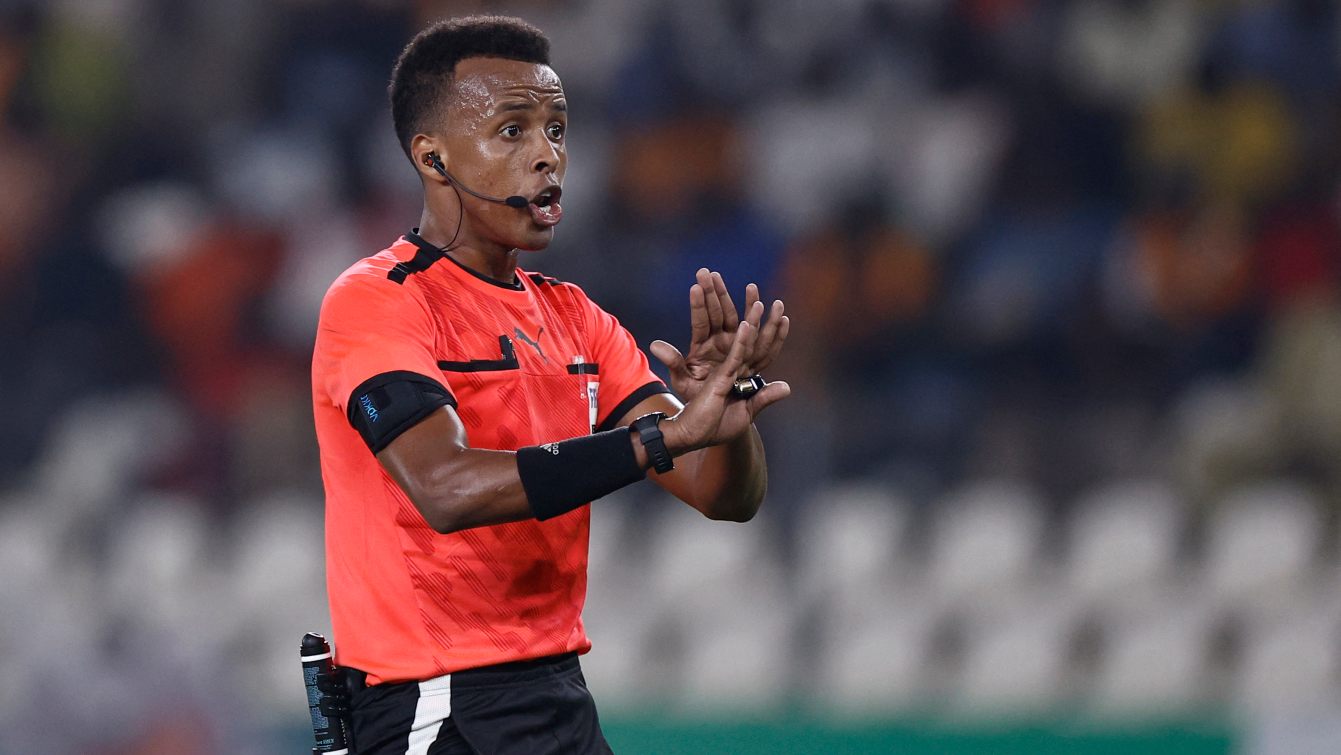
A historic milestone for Somali football has been abruptly cut short, after global football governing body FIFA confirmed that top Somali referee Omar Abdulkadir Artan will not take part in the 2026 FIFA World Cup co-hosted by the United States, Canada and Mexico, following an entry denial from U.S. immigration authorities.
Artan, who was named the Confederation of African Football’s Men’s Referee of the Year for 2025, was blocked from entering the U.S. upon arrival at Miami International Airport. He has since traveled to Turkey, where he remains currently. U.S. immigration officials have not released any public explanation for their decision to bar his entry.
In an official statement shared this week, FIFA confirmed that after consultations with U.S. authorities, the referee would no longer be able to train or officiate at the upcoming June-July tournament. The governing body emphasized that it holds no authority over immigration processes in host nations, noting that as is standard for all FIFA events, host governments retain full control over visa approvals and entry decisions. FIFA added that U.S. officials have informed the organization Artan’s denied entry status will not be reversed in the near term.
Selected as one of just 52 referees for the 2026 World Cup, Artan has a well-established international officiating resume. He has held FIFA referee credentials since 2018, and has overseen matches at the Africa Cup of Nations as well as top-tier domestic competitions in his home country. Somalia is among the Muslim-majority nations that have been subject to strict travel restrictions imposed by the current Trump administration, a policy that dates back to Trump’s first term in office.
According to reporting from the BBC, a senior advisor for Somalia’s Ministry of Youth and Sports confirmed the entry denial, and stressed that Artan was traveling with all required, valid travel documentation. A Somali embassy official based in Nairobi added that Artan had been issued a diplomatic passport specifically to smooth his travel after he faced prior visa-related complications. The Somali Football Federation has since reached out to FIFA to request urgent clarification on the situation, the BBC reported.
Andrew Giuliani, who leads the White House Task Force for the 2026 World Cup, defended the decision in comments to BBC World Service, saying “While I can’t go into the derog [derogatory information] on that I can tell you it was the right decision by customs and border patrol and I support that decision.” The entry denial comes months after Giuliani stated the Trump administration could not guarantee non-U.S. citizens would be safe from U.S. Immigration and Customs Enforcement (ICE) raids at World Cup match venues.
Artan’s exclusion is the latest in a string of visa denials affecting football officials from regions with tense political relationships with the U.S. and its allies in recent months. In April, The Guardian reported that Palestine Football Association (PFA) president Jibril Rajoub and two other PFA officials were denied entry to Canada for the annual FIFA Congress held in Vancouver. Rajoub had been scheduled to address the congress over FIFA’s handling of Israeli football matches held in the Israeli-occupied West Bank, a territory the United Nations recognizes as illegally occupied.
Following an investigation launched after a 2024 complaint, FIFA issued a ruling that the final legal status of the West Bank remains a complex, unresolved matter under international law, and declined to take any disciplinary action against Israel. In February, multiple pro-Palestinian and human rights groups filed a 120-page complaint with the International Criminal Court against FIFA president Gianni Infantino and UEFA president Aleksander Ceferin, accusing the pair of aiding war crimes through their refusal to suspend Israel from international football competition.
-
Australia ‘ready to provide humanitarian assistance’ after Philippines smashed by earthquake
A massive 7.8-magnitude earthquake that tore through the restive southern Philippine region of Mindanao on Monday has left at least 35 people dead, sparked widespread damage, and triggered urgent disaster response efforts from both the Philippine government and regional neighbor Australia.
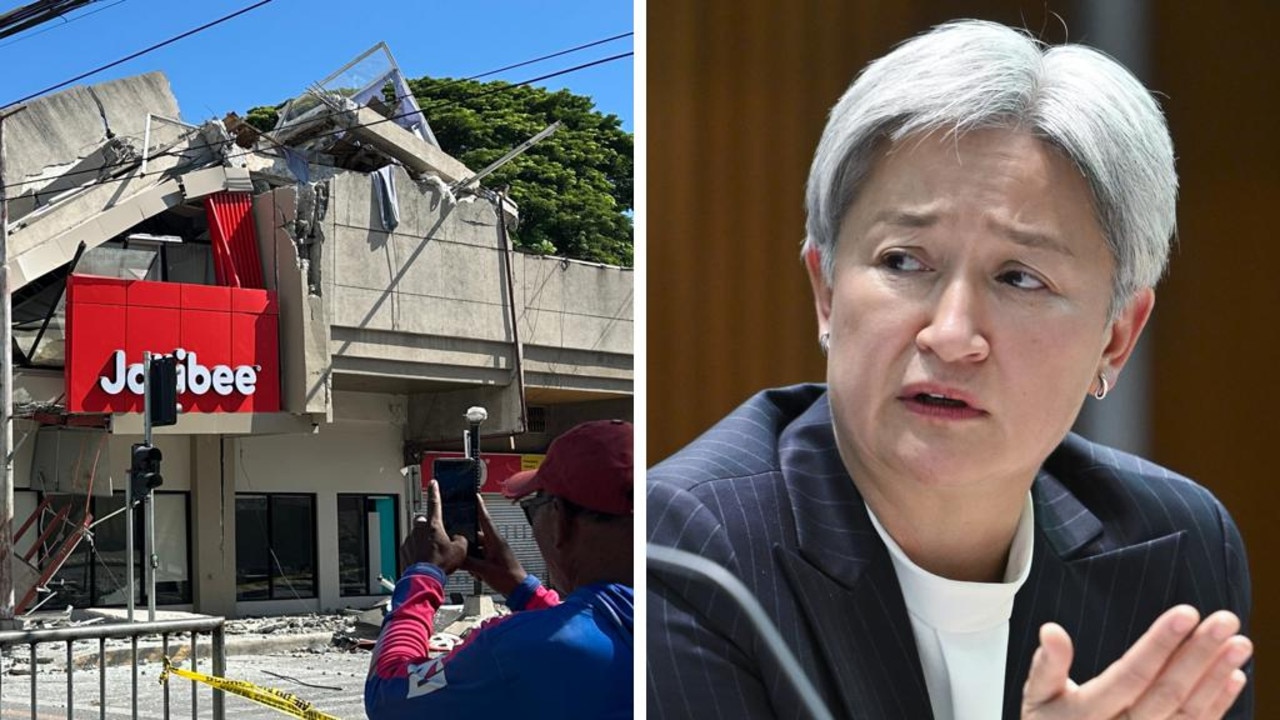
The powerful tremor caused a building housing popular local fast-food chain Jollibee to collapse, sent terrified schoolchildren fleeing for safety across the Soccsksargen region, and prompted immediate tsunami warnings across the island archipelago. As of Wednesday, emergency search and rescue teams were still working through piles of rubble to recover victims, with at least 12 people remaining unaccounted for.
In an official statement released shortly after the disaster, Australia’s Minister for Foreign Affairs Penny Wong confirmed the country stands ready to deploy humanitarian assistance to the Philippines should Manila request support. “Our thoughts are with the Australian-Filipino community, the people of the Philippines, and all those affected by the earthquake near Mindanao,” Wong said. “We stand with our close friends at this time of great difficulty.” Wong is currently in Berlin for scheduled bilateral talks with European leaders focused on the ongoing conflict in Ukraine and efforts to reopen the strategically critical Strait of Hormuz.
Philippine President Ferdinand Marcos Jr. has moved quickly to coordinate a national response, directing all relevant government agencies to deploy resources to affected areas and suspending all classes across Mindanao until further notice. In a social media update addressed to the public, Marcos Jr. said he remains in constant contact with regional disaster teams and local government leaders on the ground. “The national government is moving and we will not leave Mindanao behind,” he emphasized.
Mindanao, the southernmost major island of the Philippines that shares a maritime border with Malaysia, has a long history of recurring security and humanitarian crises. For decades, the Moro Islamic Liberation Front (MILF) waged an armed separatist insurgency against the Philippine central government, while the jihadist criminal network Abu Sayyaf Group has also maintained a persistent presence in the region. In 2017, the Philippine military launched a months-long campaign to liberate the city of Marawi from Islamic State-affiliated militant groups that had seized control of large swathes of the urban area. More recently, the two men accused of carrying out the 2024 Bondi Beach shooting in Sydney are alleged to have traveled to Davao City, Mindanao’s largest urban center, in 2025.
-
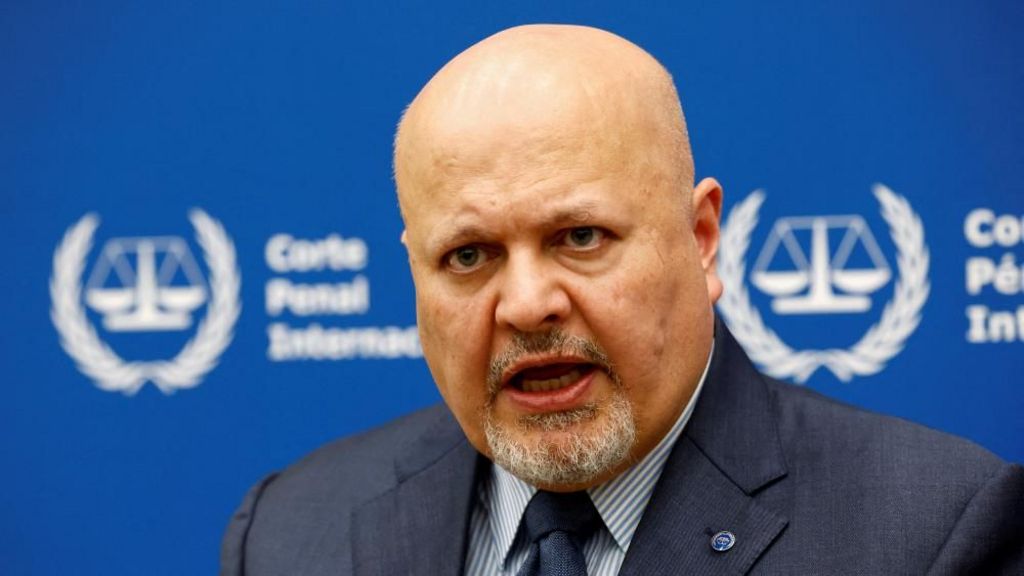
ICC suspends top prosecutor after investigating misconduct allegations
The International Criminal Court (ICC), the world’s permanent tribunal for prosecuting genocide, war crimes, and crimes against humanity, has announced the immediate suspension of its chief prosecutor Karim Khan amid a prolonged investigation into formal allegations of misconduct. The unprecedented step was taken by the Bureau of the Assembly of States Parties (ASP), the ICC’s top management oversight body, which has formally referred the entire case to the court’s 125 member nations for a final vote on Khan’s future. A special session of member states will be assembled as quickly as possible to deliberate on the outcome, with oversight officials emphasizing that the temporary suspension does not predetermine the final findings of the investigation.
Khan, a prominent British lawyer who has led the ICC’s prosecutorial division since 2021, has consistently denied every accusation of sexual misconduct leveled against him. His legal team has publicly decried the suspension decision as “unlawful, procedurally unfair and unsupported by evidence,” rejecting the findings that led to the action. Unconfirmed prior media reports have outlined the core accusations, which include claims of unwanted sexual touching and abuse of professional authority.
The controversy surrounding Khan stretches back more than a year, marking a period of prolonged institutional upheaval for the already strained ICC. The first formal allegations of sexual misconduct involving a female ICC staff member were submitted to the court by an anonymous third party in May 2024. The court’s Independent Oversight Mechanism (IOM) launched an initial probe, but the investigation was quickly closed after the alleged victim declined to participate in the process. The handling of this first inquiry drew heavy criticism from observers who argued the investigation was mismanaged, eroding public trust in the IOM’s ability to conduct a fair probe. Investigators ultimately concluded there was insufficient evidence to support the claims, closing the first case.
A second formal referral of the allegations was submitted in October 2024, prompting the ICC to transfer the matter to the United Nations Office of Internal Oversight Services (OIOS) for an independent, broader inquiry into claims of both sexual misconduct and abuse of authority. OIOS investigators carried out their probe between November 2024 and December 2025, collecting more than 5,000 pages of evidence and witness testimony over the 14-month investigation. The OIOS findings were then reviewed by an independent panel of three external judges, who were tasked with advising the ASP Bureau on whether Khan’s actions constituted serious misconduct, minor misconduct, or no misconduct at all, leading to the suspension decision announced this week.
Khan has already been on voluntary administrative leave since May 2025 as he worked to combat the allegations against him. Under ASP rules, upholding a finding of serious misconduct will require a two-thirds majority vote of the court’s 125 member states, followed by a separate standalone vote on whether to remove Khan from his position permanently.
The unfolding controversy has put the ICC under unprecedented global scrutiny at a moment when the institution is already facing extraordinary external and internal pressures. Within the Office of the Prosecutor, current staff members have publicly warned that allowing Khan to return to his role would cause irreversible damage to public confidence in the ICC, while also raising serious concerns about potential retaliation against staff members who spoke out during the investigation. On the other side of the debate, Khan’s supporters maintain that the multi-year investigation has failed to produce concrete evidence to substantiate any of the allegations against him, framing the process as a politically motivated smear campaign.
The controversy has also overlapped with already heightened geopolitical tensions surrounding the ICC, particularly in the wake of Khan’s high-profile decision to pursue arrest warrants for Israeli Prime Minister Benjamin Netanyahu and former Israeli Defense Minister Yoav Gallant over alleged war crimes committed during the ongoing conflict in Gaza. In response to that announcement, the United States imposed harsh economic sanctions on Khan, later expanding the penalties to include two of his deputy prosecutors, eight sitting ICC judges, the UN Special Rapporteur on the Occupied Palestinian Territories, and multiple Palestinian organizations that submitted evidence to the court supporting the arrest warrant application. It is important to note that the United States, Russia, and Israel are not member states of the ICC, though the court retains jurisdiction over crimes committed by the nationals of non-member states that occur on the territory of any ICC member nation.
Even if the Assembly of States Parties votes to remove Khan from office, legal analysts note the process is far from over. Khan has the right to challenge any removal decision before the Administrative Tribunal of the International Labour Organization (ILOAT), the independent body that hears employment-related appeals for all ICC staff. A legal challenge would almost certainly extend the process for months or even years, and if the tribunal finds that the disciplinary process against Khan was procedurally flawed, it could order his reinstatement to the position of chief prosecutor and award him significant financial compensation. Regardless of the final outcome of the vote and any subsequent legal battles, the controversy is widely expected to continue roiling the ICC for the foreseeable future, deepening existing divisions and testing the institution’s ability to uphold its mandate amid internal and external pressure.
-
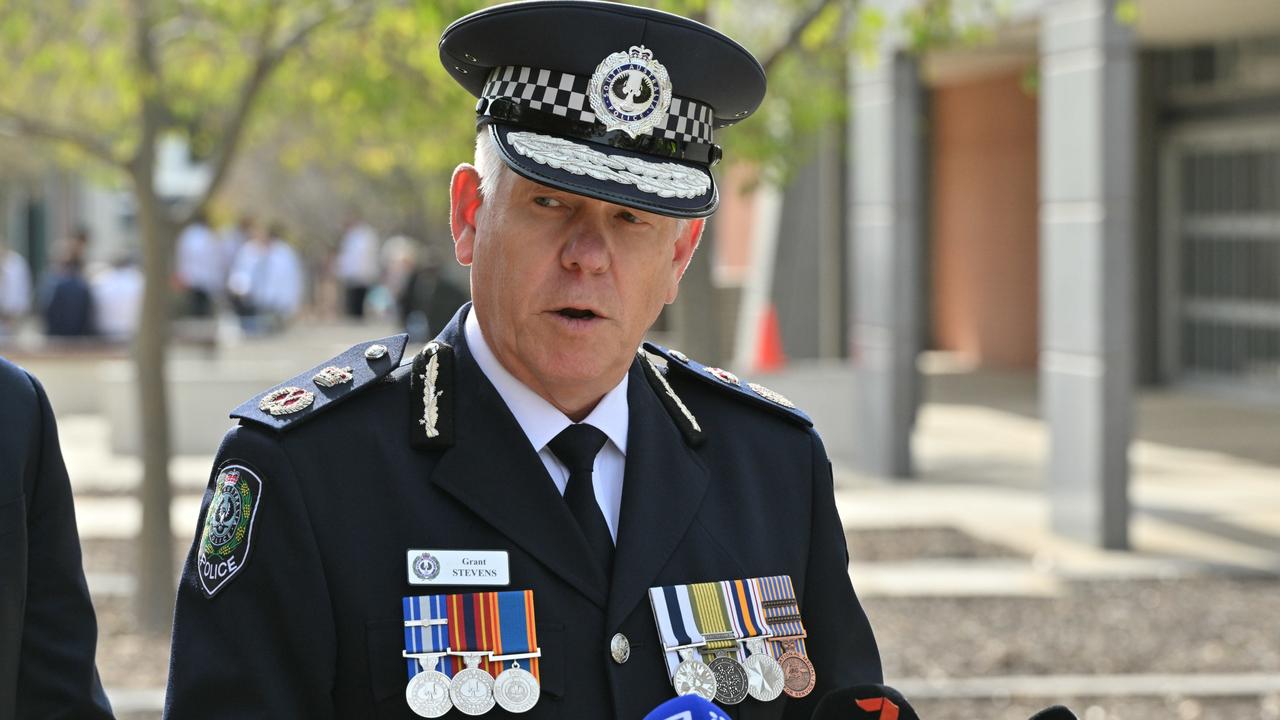
‘Acted appropriately’: SA Police Commissioner defends decision to use taser after man’s death in Clare
A fatal confrontation in the regional South Australian town of Clare has prompted formal investigations and reignited public discussion over police use of force, after a 44-year-old man died following the deployment of a taser by responding officers.
The incident unfolded on Opie Street in Clare, where the 44-year-old was reportedly behaving erratically: he was armed with a metal pole, damaging local property, and issuing violent threats to bystanders. Among those threatened were an elderly couple, according to senior police officials. To de-escalate the situation and take the man into custody, officers made the call to deploy a conducted energy device, more commonly known as a taser.
Immediately after the taser was used, the man became unresponsive. First responding officers administered emergency first aid on scene, and paramedics rushed to provide advanced care — but their efforts were unsuccessful, and the man was pronounced dead at the location of the incident.
In his first public comments since the Sunday incident, South Australia Police Commissioner Grant Stevens broke his silence Tuesday, defending the responding officers’ actions after reviewing the body-worn camera footage captured during the confrontation. “I am satisfied that a preliminary view of the body worn video shows that the officers acted appropriately and within general orders,” Stevens told reporters. “Having viewed the body worn video, it is clear the responding officers were confronted by an agitated man behaving in a threatening and aggressive manner. This person was also threatening an elderly man and woman.”
Stevens also praised law enforcement for their response to the dangerous situation, noting that the footage underscores both their professionalism and courage in working to protect everyone present, including the man causing the disruption. He additionally recognized a member of the public who stepped in to assist officers with restraining the 44-year-old.
The death will now trigger two formal probes: an investigation by the state’s police standards unit, and a separate public inquiry led by the Police Commissioner itself. A full case file will also be compiled and submitted to the South Australian Coroner for a formal inquest into the death. As of Tuesday, the case has not been referred to the Office for Public Integrity or the independent Commissioner Against Corruption, according to SA Police spokesperson.
Local community leaders have voiced deep concern over the fatal outcome. Allan Aughey, mayor of the Clare and Gilbert Valleys Council, told the Australian Broadcasting Corporation that he felt “very troubled” by the incident, which has sent shockwaves through the small regional community.
-

Australian shares fight back from sharp falls as retailers rally against miners
After a volatile, stomach-churning opening drop that sent the Australian benchmark index down 134 points at Tuesday’s opening bell, Australia’s sharemarket staged a remarkable afternoon recovery, driven by shifting investor sentiment around Middle East tensions and growing expectations of an Australian interest rate cut. While both the benchmark ASX 200 and broader All Ordinaries still closed in negative territory by session end, the partial rebound erased much of the early session’s steep losses that followed widespread global market downturns over the prior two trading days. The ASX 200 finished the day down just 0.24% (20.90 points) to settle at 8604.20, while the All Ordinaries closed 0.35% lower (31.10 points) at 8824.80, a far better outcome than the catastrophic opening numbers had forecast. The Australian dollar also gained ground against the U.S. dollar, rising 0.25% to hit 70.54 U.S. cents by market close.
-
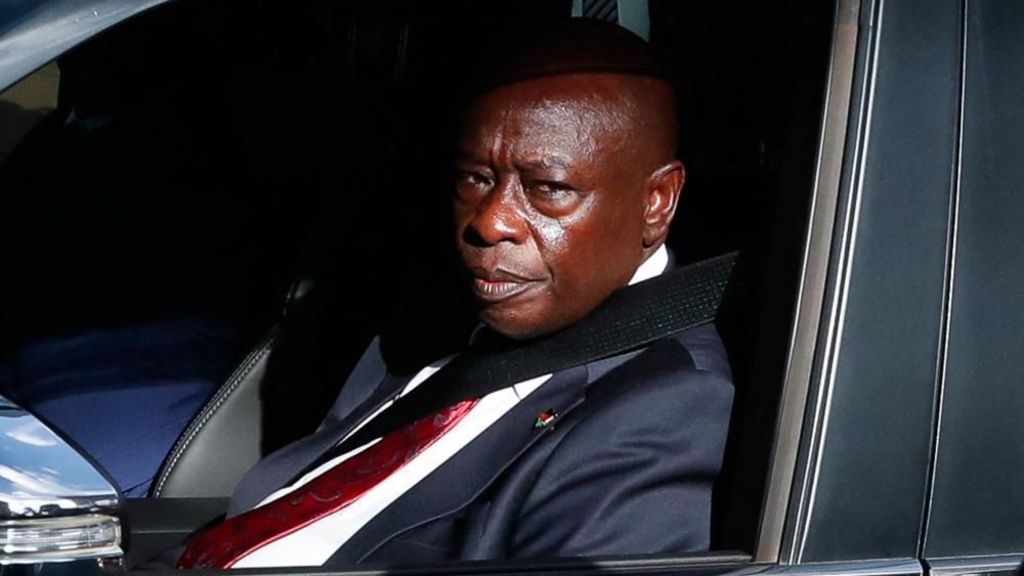
Blow for Kenya’s ex-deputy president as court upholds his impeachment
In a landmark ruling that reshapes Kenya’s political landscape months ahead of a general election, the country’s High Court has formally upheld the 2024 impeachment of former Deputy President Rigathi Gachagua, permanently barring him from holding any public office. The decision comes after months of legal wrangling following Gachagua’s dramatic ouster, which capped a bitter public falling out with his former political ally, President William Ruto.
Three presiding High Court judges rejected all of Gachagua’s legal challenges to his impeachment, including his core claim that the entire removal process was driven by political bias and manufactured to sideline him. While the court did acknowledge a procedural violation—finding Kenya’s Senate had infringed on Gachagua’s right to due process when it refused to adjourn impeachment proceedings after he fell ill mid-hearing—judges ruled this error did not rise to the level of invalidating the final removal result. As partial redress for the rights violation, the court awarded Gachagua 50 million Kenyan shillings, equivalent to roughly $386,000, in damages.
Gachagua, who once ran alongside Ruto on a winning joint election ticket in 2022, had been expected to attend the 350-page ruling’s public release but was absent from court. His legal team has already announced plans to appeal the decision, framing the outcome as a politically motivated miscarriage of justice.
The impeachment of Gachagua followed a rapid and public collapse of his political partnership with Ruto, just two years after the pair won the presidency by leveraging Gachagua’s deep popularity in Mount Kenya, the traditional political heartland of the Kikuyu ethnic community, Kenya’s largest voting bloc. After splitting from Ruto, Gachagua reemerged as one of the president’s fiercest public critics, building a large and loyal grassroots following in his home region and repeatedly rallying opposition to Ruto’s administration. Kenya’s Senate voted by an overwhelming majority to remove Gachagua from office last year, advancing charges of corruption, incitement of ethnic conflict, and sabotage of government operations. Gachagua has repeatedly denied all accusations, calling them baseless, politically motivated attempts to end his career.
Alongside upholding Gachagua’s removal, the court’s ruling on Monday formally confirmed the appointment of Kithure Kindiki, Gachagua’s replacement as deputy president, cementing the executive branch’s new leadership structure ahead of 2027 general elections. For Gachagua, the ruling delivers a major blow to his long-rumored ambition to run for president in next year’s election, as the lifetime ban on holding public office rules out a presidential candidacy.
Ahead of the verdict, Gachagua publicly urged his supporters to avoid unrest, saying he was prepared for any outcome and hoped the court would deliver justice both for him and his millions of supporters across the country. He also signaled his intent to continue challenging Ruto through the electoral process, telling followers to prepare to “express their anger at the ballot box” when Kenya heads to the polls next year.
Gachagua’s impeachment last year took place against a backdrop of growing public unrest across Kenya. Months before his ouster, widespread anti-government protests rocked the country, triggered by unpopular new tax hikes that the Ruto administration ultimately was forced to roll back. Protesters breached parliamentary security and set part of the building on fire during the demonstrations, and a subsequent crackdown by security forces left dozens of protesters dead. Public discontent with the administration has persisted in the months since, with new large-scale demonstrations held just last month to protest skyrocketing fuel prices.
-
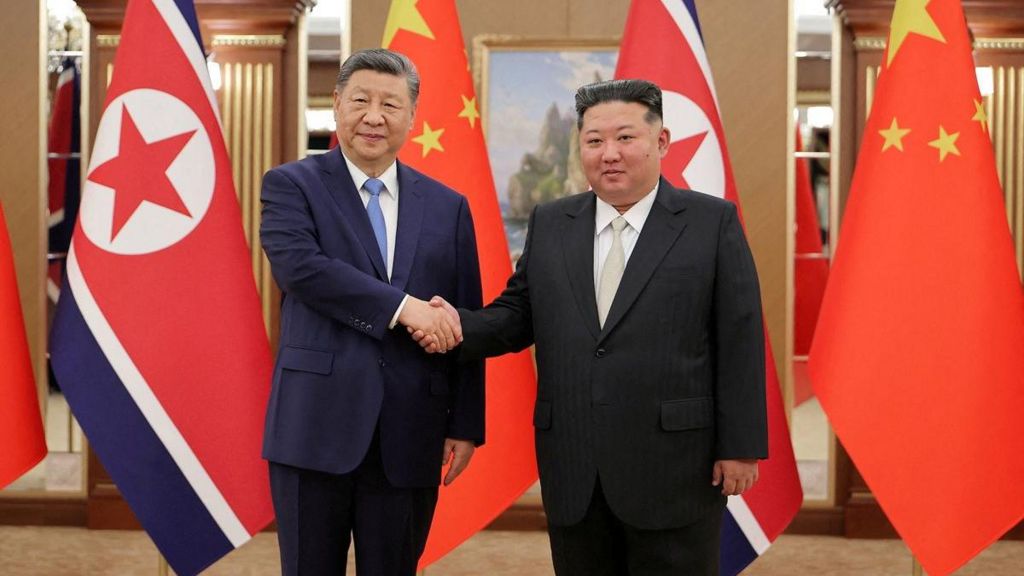
Xi Jinping and Kim Jong Un vow stronger ties as North Korea visit wraps up
After a seven-year gap since his last official trip to North Korea, Chinese President Xi Jinping has concluded a high-profile two-day state visit to Pyongyang, an encounter that has underscored the complex, long-standing alliance between the two neighboring socialist nations amid evolving global power shifts.
North Korean leader Kim Jong Un extended an exceptionally warm welcome to Xi following his arrival on Monday, rolling out the ceremonial red carpet and staging elaborate acrobatic performances to honor the visiting head of state. While no binding, concrete policy agreements were announced publicly after the closed-door talks, both leaders emphasized the symbolic weight of the meeting, according to reports from North Korea’s state-run news outlet KCNA. Kim framed Xi’s selection of Pyongyang as his first state visit of the year as clear evidence of the “utmost importance” Beijing places on the bilateral relationship.
The visit comes at a moment of growing strategic repositioning for Beijing: as North Korea has deepened its diplomatic and military ties with Moscow in recent years, China has moved to reassert its influence over its strategically critical, often unpredictable neighbor. Analysts note the trip allows Xi to reinforce a core message for Pyongyang: that China remains North Korea’s primary political and economic benefactor, a lifeline that has sustained the country through decades of harsh international sanctions imposed over its nuclear weapons program. For Kim, hosting a major global leader like Xi just weeks after Xi held separate summits with U.S. President Donald Trump and Russian President Vladimir Putin serves as a high-profile demonstration that North Korea maintains influential international partnerships despite its continued isolation over its nuclear program.
In remarks carried by China’s state news agency Xinhua during an official state banquet on Monday evening, Xi emphasized the deep geographic and historical bonds between the two nations, noting that “China and North Korea are linked by mountains and rivers and share a common destiny.” Kim echoed the sentiment, affirming that North Korea will continue to prioritize its friendship with Beijing and reaffirming Pyongyang’s unwavering support for China’s One China principle. Against a backdrop of widespread global geopolitical upheaval, Kim stressed that the visit serves as a reminder of the enduring strength of the two countries’ friendship. Xi added that the two leaders reached “important consensus” on advancing high-level diplomatic exchanges and expanding people-to-people connections to align with shifting global trends.
The 2026 visit also marks a notable milestone: this year celebrates the 65th anniversary of the China-North Korea defense pact, the only active mutual defense agreement China holds with any nation globally. Beyond diplomatic rhetoric, the trip also included symbolic gestures honoring the shared history of the two countries. On Tuesday, Xi and Kim traveled to Pyongyang’s Friendship Tower, a monument honoring Chinese soldiers who fought alongside North Korean forces during the Korean War. They also visited the country’s top leadership training academy, where the two leaders planted a fir tree to represent what both sides described as an evergreen, enduring friendship between the two nations. Throughout his stay, Xi was hosted at Pyongyang’s exclusive Kumsusan State Guest House, a purpose-built facility completed in 2019 ahead of Xi’s last visit to the capital that has since hosted other visiting global leaders including Russian President Vladimir Putin and Belarusian President Alexander Lukashenko.
Notably absent from all official state media readouts of the talks was any public discussion of North Korea’s nuclear program and the longstanding goal of Korean Peninsula denuclearization — an omission that observers say was entirely expected. In recent years, China has significantly softened its public calls for denuclearization, rarely raising the issue in official joint statements with North Korean leadership.
Xi was accompanied by a high-powered delegation of top Chinese officials, including his closest political advisor Cai Qi, Defense Minister Dong Jun, Foreign Minister Wang Yi, and Commerce Minister Wang Wentao, signaling the high priority Beijing placed on the engagement.
Despite the lavish displays of shared friendship and solidarity, underlying strategic and ideological differences between the two countries remain visible in the official readouts of the visit. In his public remarks, Xi referenced working together to open “a brighter future for the socialist cause of both countries” — a nod to a longstanding point of friction between Beijing and Pyongyang. For decades, China has encouraged North Korea to adopt Beijing’s own model of socialist development: maintaining rigid one-party rule while opening its markets to foreign trade and investment. Sydney Seiler, Korea Chair at the Center for Strategic and International Studies, noted on social platform X that key details in Chinese official reports suggest Xi may hold frustration over Pyongyang’s rejection of this path. “North Korea still refuses to learn from China’s developmental experience,” Seiler wrote, pointing to the complete absence of any reference to economic reform in Kim’s public remarks during the visit.