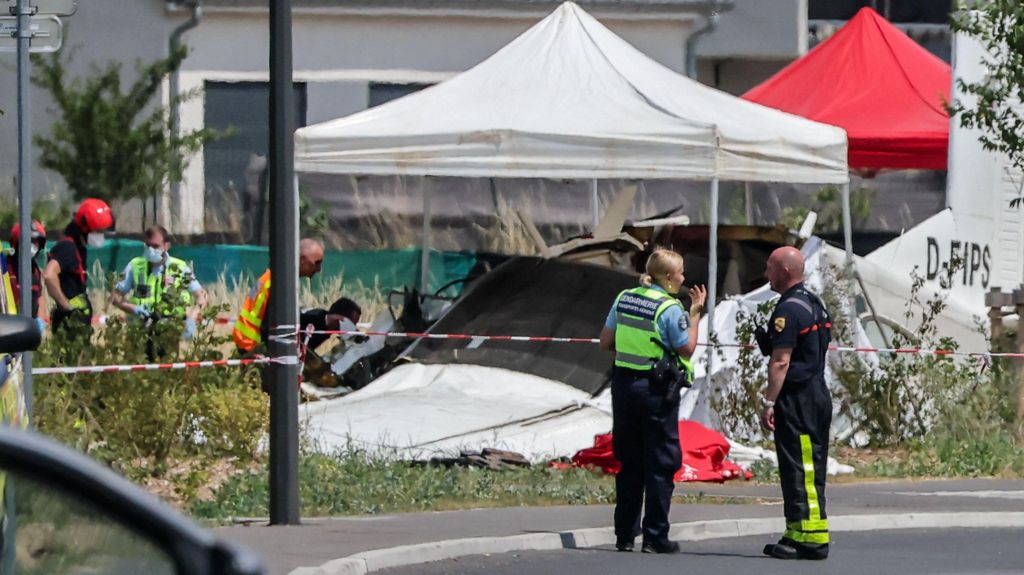
A devastating aviation disaster has claimed 11 lives in eastern France after a small civilian aircraft carrying skydivers crashed Sunday in the town of Tomblaine, local authorities have confirmed. All people on board — the pilot and all 10 passengers — perished in the crash. Among the passengers were five student skydivers and five experienced instructors, according to local government officials. The aircraft was operated by a local parachuting school and had just departed from nearby Nancy-Essey Airport when the accident occurred, regional media outlets reported. Local law enforcement has issued an urgent public advisory, urging all non-emergency personnel to stay clear of the crash zone located in France’s Meurthe-et-Moselle department. Officials confirmed that no bystanders on the ground were hurt during the incident, Meurthe-et-Moselle Prefect Yves Seguy told Agence France-Presse. In a grim twist, multiple relatives of the crash victims were already waiting at the airfield to greet the skydivers when the accident unfolded, local administrative leaders shared. The French Interior Ministry announced shortly after the crash that Interior Minister was traveling to the accident site to lead the initial response and oversee the upcoming investigation. This is a developing breaking news story. Authorities have not yet released information on the potential cause of the crash, and updates will be shared as more details become available. Audiences can access real-time updates on this incident via the BBC News mobile application or by following the official @BBCBreaking account on X for instant alerts.
作者: admin
-
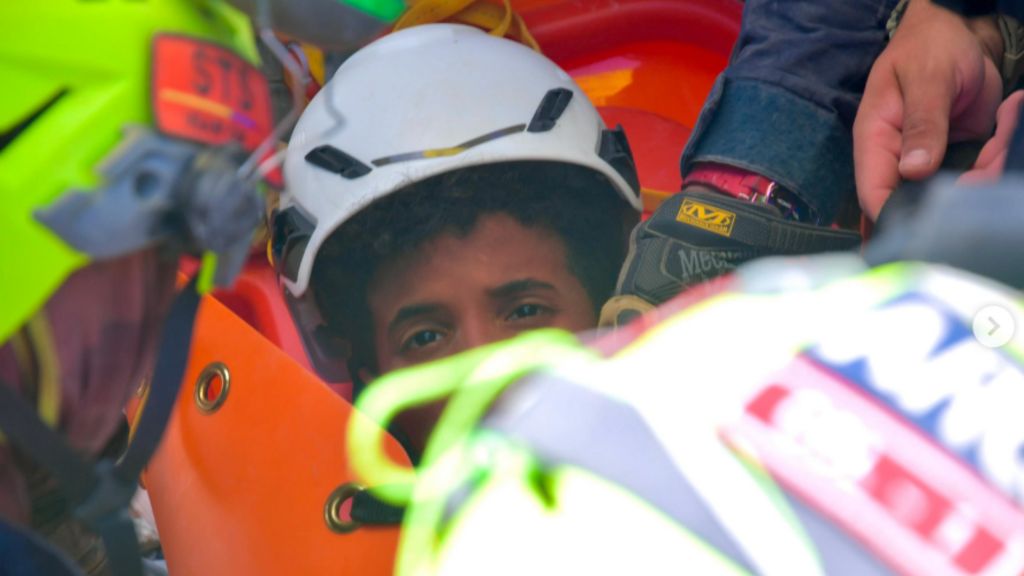
Two boys rescued from Venezuela earthquake rubble after days of being trapped
Just days after a pair of powerful back-to-back earthquakes devastated large swathes of coastal Venezuela, two 11-year-old boys have been pulled alive from the rubble of collapsed buildings, separated by only hours in dramatic rescue operations that have reignited hope across the disaster zone.
The first child, identified as Moises, was extracted from roughly 3 meters of compacted debris on Saturday following six hours of meticulous, high-risk work by rescue teams, Colombia’s National Unit for Disaster Risk Management confirmed. Video of the rescue captured the moment Moises was lifted from twisted concrete and metal beams, his eyes covered to shield them from sudden sunlight, as onlooking rescuers erupted in applause. Reuters reported that the boy was located close to the bodies of his mother and sister, who did not survive the disaster.
Within hours of Moises’ rescue, Venezuela’s interim President Delcy Rodríguez announced that a second 11-year-old boy had been pulled from wreckage in the hard-hit coastal town of Caraballeda. Rodríguez shared a video of the operation on X, showing the child carried on a stretcher down a towering mound of rubble. “In these hours, every life is hope for Venezuela,” she wrote in the accompanying post.
The twin disasters, registering magnitude 7.2 and 7.5, struck just 39 seconds apart last Wednesday, reducing hundreds of structures to rubble and leaving untold numbers trapped beneath. As of Sunday, official reports have confirmed at least 1,430 deaths, with tens of thousands more still unaccounted for. More than 85 hours have passed since the initial quake, but rescue teams have refused to abandon search efforts, saying survivors can still hold on if they have access to water and food under the debris.
Desperate family members have led informal search efforts alongside professional teams, digging through wreckage by hand when heavy equipment has not arrived. Multiple survivors told the BBC they can hear calls for help from trapped people, but are unable to move heavy concrete slabs on their own.
La Guaira state, the coastal region home to Caraballeda, has suffered the worst damage. Rescue operations have been slowed by ongoing aftershocks, which have added to the terror of displaced residents. “To be honest, it makes you feel kind of nervous. Any little noise… horrible,” 64-year-old bus driver Jesús Andueza told BBC Mundo.
Thousands of people left homeless by the quakes have taken shelter in open spaces, sleeping in their cars or setting up informal camps at local sites including the state airport and Caraballeda’s 18-hole golf course. What was once a carefully maintained recreational space has now been transformed into the main hub of the region’s emergency response: its manicured fairgrounds host a makeshift hospital, a centralized donation sorting center, and a helicopter landing pad that receives supplies and rescue personnel from across Venezuela and around the world. Near the small course lagoon, displaced survivors sift through stacks of donated clothing and boxes of food and medicine to meet their basic needs.
Milagros González, a resident of the badly damaged Caribe neighborhood whose apartment building escaped full collapse, fled to the golf course immediately after the quakes with her two young daughters and two elderly relatives. “I left with my two young daughters and my two elderly relatives. But thank God we got out alive. The building can’t be lived in. But we’re alive, which is what matters,” she said. Like many other survivors, González continues to struggle with psychological aftereffects: every time she lies down, she wakes up dizzy, convinced another quake is starting. “A psychologist just told me that it’s part of the process,” she explained, as her daughters played with dolls on a mattress spread across the grass.
In a Sunday video address, Rodríguez confirmed that a second large emergency hub has been set up at the José María Vargas sports complex in La Guaira, where armed forces are organizing the distribution of relief supplies. “everything is functioning as well as possible during these terrible moments, these terrible hours, that our people are enduring,” she said. “Let them know that no one here is alone, not a single family or individual need feel alone. Our people and our state are here, the social protection system is here, and international solidarity is here.”
Despite official reassurances, frustration has mounted among survivors and local residents, who criticize the government’s initial response as slow and inefficient. Entire neighborhoods in the worst-hit areas of Caribe and Tanaguarena have not yet seen any debris removal work begin, days after the disaster.
In recent days, international rescue teams from Mexico, Spain, Qatar, the United States, and the United Kingdom have arrived to reinforce local search efforts. Tom Fletcher, representing the United Nations, said Saturday that 39 search and rescue teams totaling almost 2,000 personnel and 111 search dogs have been deployed across the disaster zone, alongside specialized medical teams. High-tech tools including small “cockroach drones” are being used to locate signs of life deep in collapsed buildings, boosting the chances of pulling more survivors out alive more than three days after the quakes hit.
-

Sooryavanshi, 15, made to wait for India debut after being left out of T20 against Ireland
BELFAST, Northern Ireland — One of cricket’s most anticipated teenage prospects will have to wait a little longer for his senior international breakthrough. Vaibhav Sooryavanshi, the 15-year-old Indian batting sensation who finished as the highest run-getter in the 2025 Indian Premier League, was once again left out of India’s playing XI for the second and decisive T20I against Ireland in Belfast.
This omission marks the second consecutive match the young prodigy has missed out on, after he did not feature in the series opener on Friday. That first match ended in a historic 34-run victory for Ireland, the first time the nation has beaten India in any format of international cricket.
If given his cap in the upcoming five-match T20 series against England, which kicks off next Wednesday, Sooryavanshi — who will be 15 years and 93 days old on the date of the first match — will break the long-standing record for the youngest male player to debut in top-tier men’s T20 internationals. The current record belongs to Ireland’s own Joshua Little, who was 16 years and 309 days old when he made his first T20I appearance.
A debut for Sooryavanshi would also etch his name into Indian cricket history as the youngest player to ever represent the men’s senior national team. The legendary Sachin Tendulkar, widely regarded as one of the greatest batters of all time, holds the current record for India, having made his Test debut at 16 years and 205 days back in 1989, with his ODI debut following 33 days later.
Across all formats of men’s international cricket, the record for the youngest debutant still belongs to Pakistan’s Hasan Raza, who stepped out for his Test debut in 1996 at just 14 years and 227 days old, a mark that has stood unchallenged for nearly 30 years.
In the second T20I at Belfast’s Stormont ground on Sunday, India captain Shreyas Iyer won the pre-match coin toss and elected to bowl first against the hosts. India handed out senior debuts to two other young prospects: all-rounder Suryansh Shedge and 24-year-old fast bowler Prince Yadav.
National selectors opted to retain the established top-order batting trio of Sanju Samson, Abhishek Sharma and Ishan Kishan, choosing experience over the chance to introduce the teenage prodigy to the international stage on this tour.
Full Playing XI:
Ireland: Tim Tector, Ross Adair, Harry Tector, Lorcan Tucker (captain), Ben Calitz, Gareth Delany, George Dockrell, Matthew Humphreys, Matt Hollard, Liam McCarthy, Jai Moondra
India: Sanju Samson, Abhishek Sharma, Ishan Kishan, Shreyas Iyer (captain), Tilak Varma, Suryansh Shedge, Shivam Dube, Axar Patel, Arshdeep Singh, Harshit Rana, Prince Yadav -
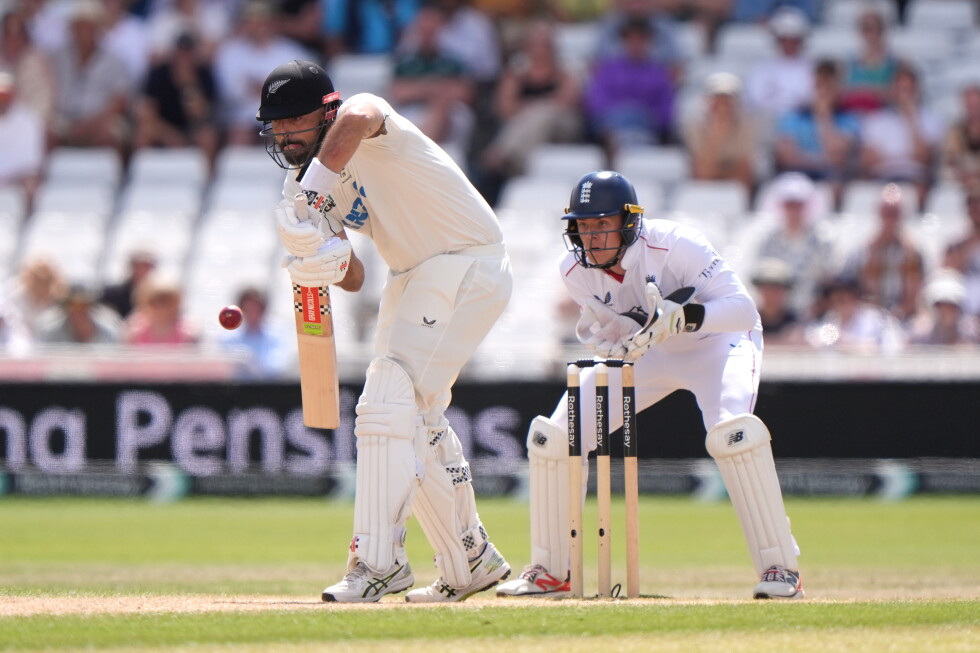
New Zealand digs in and becomes a strong favorite to beat England in series-deciding 3rd test
On Sunday at Trent Bridge in Nottingham, New Zealand seized firm control of the third and series-deciding Test match against England, closing the first session of Day 4 at 180 for four wickets. That score gave the side an unassailable 264-run lead heading into the middle period of the day, with young all-rounder Rachin Ravindra falling agonizingly short of a sixth international century just before the lunch break.
Resuming the morning at 120-3, Ravindra and veteran batsman Daryl Mitchell faced a challenging pitch that was producing increasingly inconsistent bounce, yet the pair managed to build a solid, match-changing partnership. Their 129-run stand for the fourth wicket came together when New Zealand was in a precarious position at 51-3 on Day 3, pulling the side out of early trouble to turn the tide of the match.
Ravindra, who had looked in imperious form throughout his innings, was finally trapped leg before wicket by England off-spinner Shoaib Bashir when he was just six runs away from a well-deserved century, ending his knock at 94. At the end of the opening session, Mitchell remained unbeaten on 47, while wicket-keeper Tom Blundell had not yet scored, sitting on 0 not out. Through 25 overs of tightly contested play, New Zealand added 60 runs to their overnight total.
Beyond the day’s play, the series itself carries historic stakes for both sides. New Zealand has not won a multi-Test series of three matches or more on English soil since 1999, a drought the side is keen to end on this tour. For England, the pressure is mounting: the side has not dropped a home multi-Test series since 2012, but a defeat here would heap significant additional scrutiny on the team’s leadership.
That pressure already builds after a humiliating 4-1 Ashes defeat to Australia last year, and ongoing questions about the squad’s culture and professionalism have lingered following the controversial disciplinary dropping of star all-rounder Ben Stokes and fast bowler Gus Atkinson ahead of the second Test of this series. With New Zealand firmly in the driver’s seat, England faces an uphill battle to avoid a historic home series loss.
-
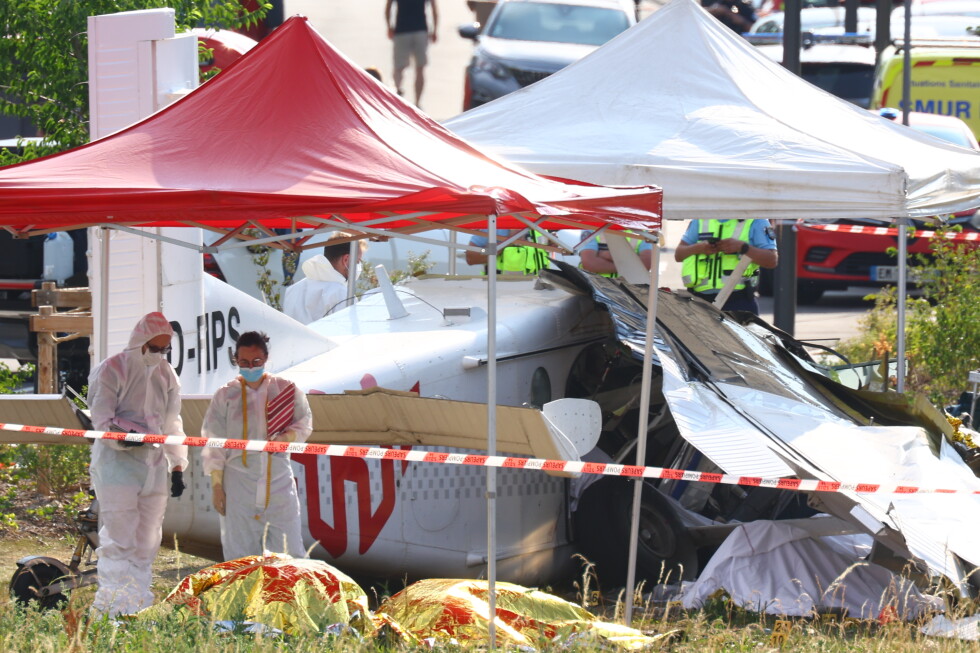
A skydiving plane crashes in northeastern France, killing all 11 people on board
On a Sunday morning that was supposed to bring excitement and lifelong memories for first-time skydivers, a catastrophic aviation disaster unfolded in northeastern France, leaving a community in mourning and families reeling from sudden, devastating loss. All 11 people aboard a skydiving sightseeing plane died when the aircraft crashed shortly after takeoff, an incident that official have confirmed is the deadliest skydiving-related aviation accident the country has seen in three decades.
French Interior Minister Laurent Nunez confirmed the identities of the victims: five experienced skydiving instructors, five first-time tandem jumpers, and the plane’s pilot. In a haunting detail that adds to the tragedy, many of the victims’ waiting family members were at the nearby Nancy-Essey airfield and watched the plane plummet to the ground directly in front of them. “Some of the victims’ families witnessed the aircraft falling with their own eyes. So there is tremendous emotion and an even greater psychological trauma,” Nunez told reporters in the aftermath of the crash.
According to officials, the crash occurred mere moments after the plane departed the airfield located on the outskirts of Nancy. The aircraft went down approximately 300 meters from the active runway, after suffering what local regional prefect Yves Séguy described as a sudden in-flight malfunction. “It fell almost vertically,” Séguy said, noting that the crash site narrowly avoided a nearby residential neighborhood. “Had it occurred just a few dozen meters away, the accident could have caused collateral casualties,” he added, a small stroke of fortune that prevented an even higher death toll.
Data from flight tracking service Flightradar24 aligns with official accounts, showing the plane banked sharply to the left immediately after lifting off, hitting the ground less than 60 seconds after departure. Investigators have confirmed the plane was a single-engine Pilatus PC-6, a model commonly used to transport skydivers, passengers and light cargo. Nancy Mayor Mathieu Klein confirmed that all five novice skydivers were scheduled to complete tandem jumps, the common introductory skydiving format that pairs a first-time jumper with a certified instructor strapped to the same parachute system.
Local resident John Curaku, speaking to French broadcaster BFM-TV, described the chilling moments he experienced from his nearby home. He told reporters he was in his yard when he heard the distinctive sound of an engine cutting out, followed immediately by a deafening impact. Rushing to the crash site to offer help, Curaku said he found no signs of life among the wreckage, with two of the victims’ bodies thrown several meters from the crumpled fuselage.
First responder and emergency services teams arrived at the scene within minutes, securing the wreckage and cordoning off the area to preserve evidence for the ongoing investigation. Local authorities have also deployed crisis counselors to provide immediate mental health support for traumatized family members and first responders who responded to the crash. France’s Paris prosecutor’s office has taken the lead on the official investigation into the cause of the disaster. While officials have not ruled out any potential causes, Nunez emphasized that investigators would not speculate on what led to the crash before preliminary forensic and technical analysis is complete.
-
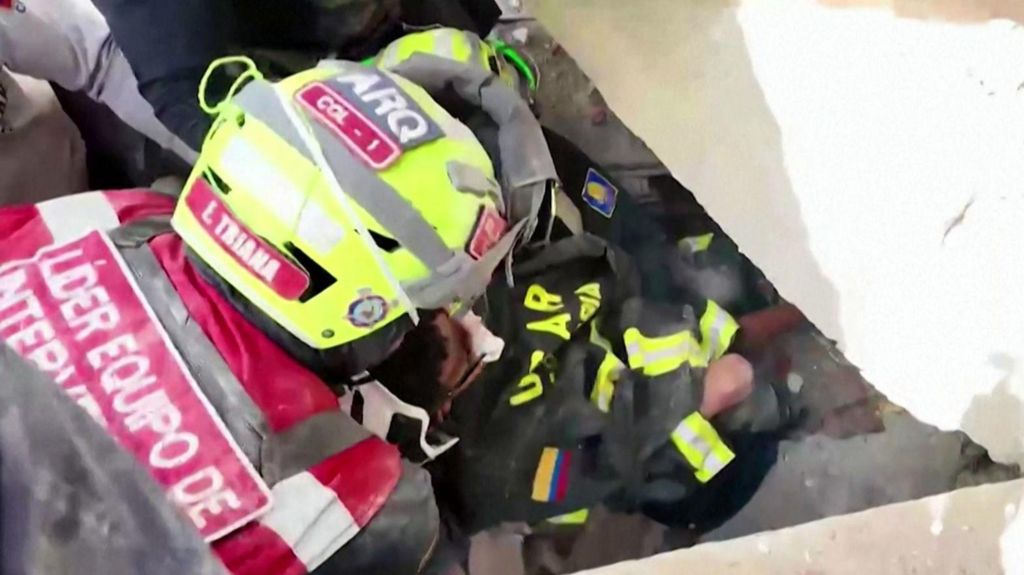
Eleven-year-old boy rescued after days trapped beneath rubble
A remarkable story of survival has emerged from the devastation wrought by two consecutive major earthquakes that shook Venezuela this Wednesday, bringing with it a note of hope amid overwhelming tragedy. As rescue teams sifted through piles of collapsed concrete and twisted debris in the days following the seismic events, they made a stunning discovery: an 11-year-old boy, trapped beneath the rubble for multiple days, was found alive and pulled to safety.
The double seismic shocks, which hit the South American nation in quick succession, have triggered one of the worst natural disasters the country has faced in recent memory. Official government updates have confirmed that the death toll from the quakes has now climbed to at least 1,430, with hundreds more still reported missing and thousands left homeless as entire communities were reduced to ruins.
Rescue operations have been ongoing around the clock since the earthquakes struck, with first responders, international aid teams, and local volunteers working tirelessly to locate and extract any survivors trapped under destroyed infrastructure. The rescue of the 11-year-old has been hailed as a rare miracle in the aftermath of the catastrophe, boosting the morale of exhausted rescue workers who continue to comb through rubble even as hopes of finding more survivors fade for many missing people.
Infrastructure across the affected region has been left decimated, with homes, hospitals, roads, and public buildings destroyed or damaged beyond repair. Local authorities are now working to coordinate emergency aid, including food, water, shelter, and medical supplies for the tens of thousands of people displaced by the quakes, while the government launches a long-term assessment of the total damage and plans for reconstruction.
-

France records around 1,000 additional deaths amid extreme heat wave leading to European records
A historic, all-time heat wave sweeping across Europe has left a trail of tragedy, disruption, and urgent warnings about the accelerating impacts of human-caused climate change, with new official data confirming over 1,000 excess deaths in France alone at the event’s peak.
France’s national public health agency announced Sunday that the sharp, deadly uptick in mortality occurred between Wednesday and Friday of last week, when much of the country was trapped under unprecedented high temperatures. In the months leading up to the heat wave, France recorded an average of 900 to 1,000 daily deaths. But at the height of the extreme heat, that number jumped to more than 1,200 deaths on Wednesday, and climbed to over 1,400 deaths on both Thursday and Friday. The agency confirmed a minimum of 1,000 additional deaths across those three days, noting that the final toll is expected to rise as data on at-home fatalities is fully processed. Eighty-five percent of the excess deaths involved people aged 65 or older, with the steepest increases concentrated in the three-quarters of French territory placed under extreme heat red alerts.
As the heat dome shifted eastward across the European continent over the weekend, multiple nations toppled decades-old temperature records. In Germany, preliminary data from the German Weather Service (DWD) shows that a new all-time high nighttime temperature was set Sunday in the eastern Saxony community of Kubschütz, where temperatures never dropped below 29.4°C (84.9°F). That record came just hours after Möckern-Drewitz in Saxony-Anhalt set a new daytime high of 41.5°C (106.7°F), breaking a record that had been set just one day prior.
The extreme heat has also sparked dangerous wildfires across Germany, with two major blazes breaking out in forested areas still contaminated with unexploded World War II ammunition — turning routine firefighting into a deadly high-risk operation. In Gohrischheide in eastern Germany, one of the blazes ignited in a large forest still laced with leftover ordnance. Near the southwestern town of Traisen, a second large wildfire also broke out in an area contaminated with unexploded bombs and shells. Operations had to be paused after explosions rocked the fire zone, and specialized ordnance disposal teams were deployed to continuously evaluate risk for firefighters.
Across German population centers, emergency services were stretched far beyond normal capacity. Berlin fire department reported 500 additional ambulance dispatches on Saturday, nearly all tied to heat-related health emergencies. In a creative effort to cool overheated residents and tourists, Berlin police deployed two water cannons — typically used for crowd management during protests — in front of the city’s iconic Brandenburg Gate, spraying cooling water over crowds who gathered to beat the heat.
The extreme heat also inflicted widespread damage to German transportation infrastructure. High temperatures caused the joint sealant on tram tracks and switches across Leipzig to melt and clump, forcing a full suspension of all tram service through early Monday. National rail operator Deutsche Bahn issued an urgent weekend advisory urging passengers to cancel all non-essential travel, as highway concrete surfaces buckled and cracked across the country under sustained high temperatures.
The current heat wave extends across the continent, with other nations also facing major risks. Greece’s civil protection authority issued a “very high fire risk” warning for five regions on Sunday. The country, which has a dry, mountainous mainland and more than 100 populated islands that make wildfire containment particularly challenging, has recently adopted new satellite technology to speed up wildfire detection and response. In northern Europe, Denmark, which set new national temperature records on Saturday, was hit by severe thunderstorms in the wake of the extreme heat, with public broadcaster DR recording 1,156 lightning strikes across the country by Sunday morning.
A new rapid analysis from the World Weather Attribution, a network of international climate scientists based in Europe, released Friday confirmed that the record-shattering heat and humidity across the continent would not have been possible without human-induced climate change. The study found that this level of extreme heat would have been effectively impossible to occur just 50 years ago, and current temperatures are at least 200 times more likely to occur today than they were just two decades ago.
-

The lowdown on England’s next opponents
Ahead of England’s crucial World Cup Round of 32 fixture against DR Congo this Wednesday, BBC Sport has announced it will deliver comprehensive pre-match coverage, including all key details fans need to prepare for the contest. The preview coverage, rolled out under the outlet’s England Men’s national team section, was published just one hour before this report, making the latest updates available to football supporters around the globe. As fans gear up for the knockout stage clash, the platform is also highlighting additional World Cup video content to give audiences deeper insight into both teams, their form heading into the match, and what is at stake for either side when they step onto the pitch. Viewers can access the full coverage, share the preview with other football fans via link sharing or social media, and access supplementary on-demand video content to enhance their pre-match experience.
-
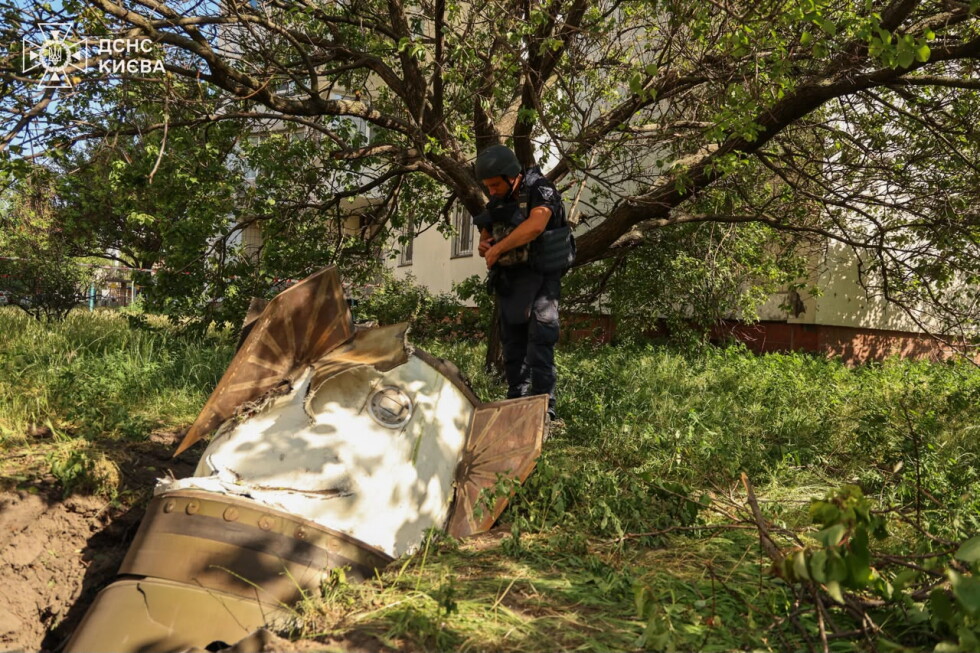
Ukrainian strike sets fire to an oil refinery in southern Russia
On Sunday, Russian authorities confirmed that Ukraine had continued its intensifying campaign of long-range drone attacks across Russian territory, igniting a major blaze at a key southern oil refinery and leaving at least two civilians dead.
This latest wave of strikes forms part of Kyiv’s expanding strategic campaign targeting Russian fuel logistics and military supply chains, a push Ukrainian officials frame as a deliberate effort to force the Kremlin to engage in meaningful peace negotiations. According to Veniamin Kondratyev, governor of Russia’s Krasnodar Krai—located east of Moscow-occupied Crimea—falling debris from intercepted Ukrainian drones sparked the fire at the Slavyansk-na-Kubani refinery. Regional officials confirmed one fatality in Slavyansk-na-Kubani itself, with a second person injured in a neighboring rural settlement. Visuals shared across Russian social media platforms showed thick plumes of black smoke billowing from the facility, though the Associated Press has not yet been able to independently verify the authenticity of these images.
Ukrainian President Volodymyr Zelenskyy publicly claimed responsibility for the coordinated strikes, confirming that a second Russian refinery in the Yaroslavl region, roughly 430 miles northeast of the Ukrainian border, was also hit in the overnight operation. In a post on the Telegram messaging platform, Zelenskyy framed the attacks as part of what he calls Ukraine’s “long-range sanctions” campaign against Russian war capacity. “Each strike means a reduction in the resources that fuel the Russian war machine, and another step toward peace,” he wrote.
Over the past several months, Ukraine has dramatically ramped up the frequency and scale of long-range strikes targeting Russian military industrial sites and energy infrastructure. The strategic goal of this campaign is twofold: to cut into Moscow’s revenue generated from energy exports that fund its full-scale invasion, now in its third year, and to bring the realities of the war home to the Russian public. Western officials familiar with the battlefield situation note that the campaign has already helped slow Russian offensive momentum on front lines in Ukraine and put sustained domestic and international pressure on the Kremlin.
The Slavyansk-na-Kubani refinery ranks among the largest oil processing facilities in southern Russia, with an annual crude processing capacity of nearly 4 million tons, per data published by its operating company. It also serves as a critical hub for petroleum product exports bound for global markets through Russian Black Sea ports, supplying fuel oil, naphtha, and marine fuel to international buyers.
Russian officials have not yet released any official confirmation of damage to the Yaroslavl region refinery. However, regional governor Mikhail Evraev announced Sunday morning that multiple key highways connecting Moscow to the regional capital city of Yaroslavl were temporarily shut down in response to what he described as “an enemy attack by Ukrainian drones.” Russia’s federal civil aviation authority also confirmed that Yaroslavl’s main airport temporarily suspended operations overnight, joining a number of other airports across southern and western Russia that implemented temporary flight ground stops during the assault.
The strikes were not limited to energy infrastructure deep inside Russian territory. In Russia’s Belgorod region, which shares a border with northeastern Ukraine, acting governor Alexander Shuvayev confirmed Sunday that a separate Ukrainian drone strike killed one civilian and injured a second.
Russia’s Defense Ministry claimed that its air defense systems intercepted and destroyed 213 Ukrainian drones launched during the overnight wave of attacks, with intercepts reported over Russian mainland territory, occupied Crimea, and the Black and Azov seas. In a reciprocal escalation, the Ukrainian Air Force reported that Russia launched its own massive overnight assault on Ukraine, deploying 142 long-range attack drones and eight short- and long-range missiles. Ukrainian air defenses successfully intercepted 125 of the drones and seven of the missiles, the service confirmed.
Coverage of the ongoing Russia-Ukraine conflict is updated continuously on the Associated Press’ dedicated hub.
-
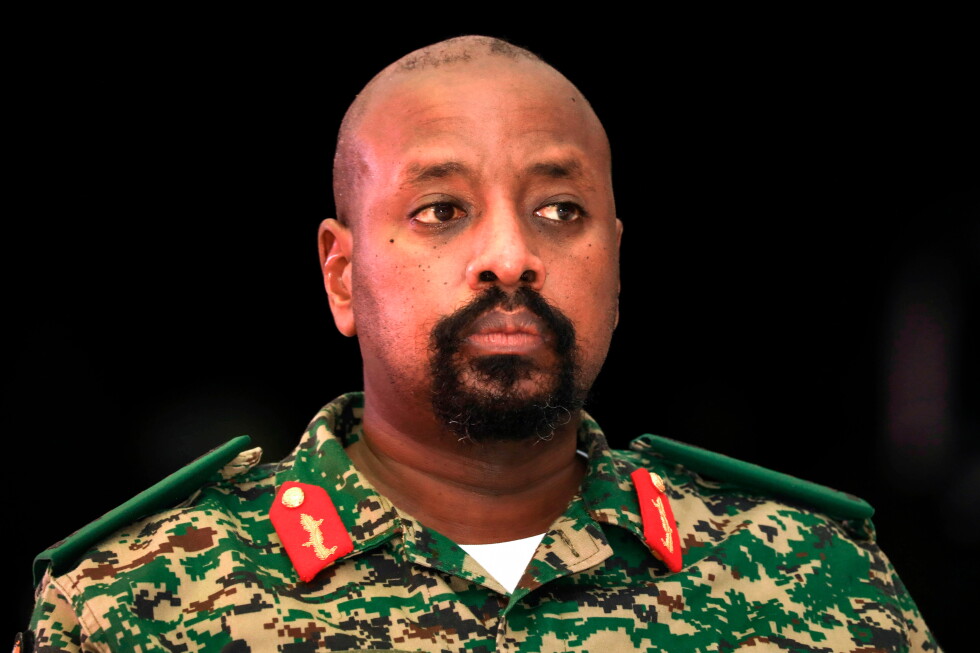
Ugandan army chief orders the closure of a major news platform
In a stark demonstration of expanding authoritarian power in East Africa, Uganda’s top military commander Gen. Muhoozi Kainerugaba — eldest son of long-serving President Yoweri Museveni — has ordered the closure of multiple prominent media outlets operated by Kenya-based Nation Media Group, marking a sharp escalation in his consolidation of control over the country just weeks after Museveni was sworn in for a seventh consecutive presidential term.
Sunday’s crackdown targeted two of the most high-profile outlets in the nation: the *Daily Monitor* newspaper, Uganda’s leading independent daily, and local television broadcaster NTV. By the end of the day, the National Association of Broadcasters confirmed that all six Nation Media Group-affiliated publishing and broadcasting operations across Uganda had been shut down, with armed soldiers deployed to secure the entrance of *Daily Monitor*’s Kampala headquarters to enforce the order.
Kainerugaba, who was appointed to the post of top military commander in 2024, made no attempt to hide his use of military authority to silence media, announcing the move publicly on his social media platform X, his primary communication channel. “I have the power in Uganda to shut down ANY media house I want to,” the general wrote in a public post. “I have had this power since 2017. This power was given to me by my great father.” He added a blunt warning for all independent media operating in the country: “From now on ALL media in Uganda will follow the rules.”
The media crackdown is the latest in a string of aggressive power moves from Kainerugaba, who has openly stated his intention to succeed his 81-year-old father as president. Political analysts widely view the succession as increasingly likely, as Museveni — who has held uninterrupted control of Uganda since 1986 — has grown increasingly reliant on his son’s military backing to maintain regime stability, and faces no viable internal opposition within the ruling party.
Just earlier this month, Kainerugaba launched retaliatory action against prominent attorney Erias Lukwago, who represents imprisoned opposition leader Kizza Besigye. Besigye, who was abducted by Ugandan forces in Nairobi in 2024, is currently being held on treason charges that he and his supporters describe as politically motivated. Lukwago, who had challenged Kainerugaba over his alleged role in human rights violations against Besigye, was forcibly taken from his home and subsequently charged with concealing treason.
The National Association of Broadcasters issued an official statement Sunday expressing alarm over the unprecedented media shutdown. “We are deeply concerned about this action and its impact on the media ecosystem,” the organization said, highlighting the systemic threat to press freedom posed by the military’s interference in independent journalism.
Supporters of Kainerugaba, including close associates, frame him as a disciplined, reform-minded leader who rejects the lavish corruption common among many Ugandan political elites, and has vowed to crack down on graft if he assumes the presidency. A graduate of elite military academies in both the United States and the United Kingdom, Kainerugaba worked his way through the ranks to command the presidential guard unit, which he later expanded into a powerful elite special forces division. Beyond his military career, he also founded the Patriotic League of Uganda, a pro-government political activist group that draws support from across the ruling party establishment, including the speaker of parliament and multiple sitting cabinet ministers.
Museveni has not publicly announced a timeline for his retirement, leaving the official succession unconfirmed. But many political observers agree that the Ugandan military, now firmly led by Kainerugaba, will ultimately control the process of selecting the country’s next leader.