The British Foreign Office has shut down a specialized unit tasked with tracking potential violations of international law by Israeli forces in Gaza, a move that has sparked sharp criticism from human rights groups amid contradictory government messaging about its commitment to upholding global legal standards.
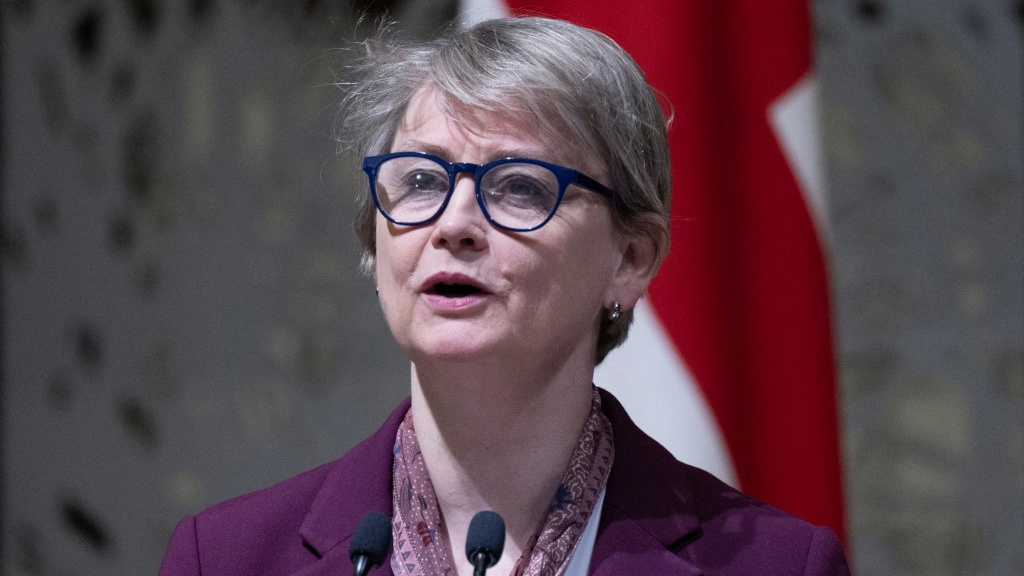
The closure comes just weeks after new Foreign Secretary Yvette Cooper positioned respect for international law as a core pillar of the Labour government’s foreign policy agenda during her landmark annual address in early April. The decision to disband the unit stems from department-wide budget cuts that will terminate funding for the Conflict and Security Monitoring Project, an initiative run in partnership with the independent non-profit Centre for Information Resilience (CIR).
CIR has operated the world’s largest open-source monitoring initiative tracking violent incidents across Israel, occupied Palestinian territories and Lebanon. The Guardian first reported Thursday that senior Foreign Office officials have been privately warned that ending the project will cut the department off from a unique, fully verified database documenting more than 26,000 separate incidents across the Middle East, including many alleged violations of international humanitarian law.
In an official statement released Friday, a Foreign Office spokesperson pushed back against criticism, saying the government continues to devote significant resources and expertise to conflict prevention and resolution efforts, including ongoing monitoring of international humanitarian law in Gaza. The spokesperson framed the change as part of a routine internal restructuring, noting that work previously handled by the dedicated monitoring unit has been transferred to an existing internal team within the department. The spokesperson also confirmed that the Foreign Office retains full access to all CIR research funded by UK tax dollars, and added that CIR’s findings are just one of multiple sources used to inform the government’s policy assessments on international humanitarian law issues.
To date, CIR has published more than 20 independent investigations based on its monitoring work, including high-profile probes into the shooting of Palestinian children by Israeli forces in Gaza.
The unit’s shutdown follows the new Labour government’s controversial decision earlier this year to cut the UK’s official overseas aid budget to 0.3% of gross national income, down from the longstanding 0.7% target enshrined in law. The internal review that led to the closure was ordered by Oliver Robbins, the Foreign Office’s recently ousted permanent secretary. Robbins was dismissed by Prime Minister Keir Starmer last week amid fallout from the Peter Mandelson lobbying scandal, adding another layer of political controversy to the monitoring unit’s closure.
Human rights organizations have condemned the move as a clear departure from the government’s stated commitment to upholding international law. Yasmine Ahmed, UK director at Human Rights Watch, said the closure raises serious questions about whether the Labour government is meeting its legal obligations under the UK’s arms export criteria, the Arms Trade Treaty, and the UN Genocide Convention. Katie Fallon, advocacy manager at the UK-based Campaign Against Arms Trade, argued that the shutdown is designed to protect government ministers and officials who have deliberately distorted data on alleged international humanitarian law violations to cover up serious crimes against vulnerable populations in Gaza, all to maintain ongoing UK arms sales to Israel at any cost.
The UK has maintained extensive military cooperation with Israel throughout the ongoing conflict in Gaza, most notably through the sharing of intelligence gathered from surveillance flights operating over the enclave with the Israeli military. The two countries first signed a classified bilateral defence partnership agreement in 2020, which aimed to formalize and deepen security and military cooperation between the two states. The full text of the agreement has never been released to the public: former Conservative defence minister James Heappey noted in 2021 that the deal would streamline planning for joint UK-Israeli military activity, while sitting Labour defence minister Luke Pollard confirmed in 2024 that the text remains classified at the highest level. The UK Ministry of Defence also confirmed last October that the agreement is still in full force, according to reporting from independent outlet Declassified UK.
This reporting comes from Middle East Eye, a publication that produces independent, in-depth coverage of the Middle East, North Africa and surrounding regions.