作者: admin

  • Congo rallies to a 3-1 win against Uzbekistan to seal place in the World Cup knockouts

    Congo rallies to a 3-1 win against Uzbekistan to seal place in the World Cup knockouts

    For more than half a century, the Democratic Republic of Congo carried only one painful memory from its brief appearance on soccer’s global grandest stage: a demoralizing 9-0 thrashing at the hands of Yugoslavia during its only prior World Cup run, when the nation competed under the name Zaire in 1974. That outdated, humiliating legacy has been permanently rewritten by a bold new generation of Congolese talent, who etched their names into the country’s history books by sealing a first-ever trip to the World Cup knockout round, setting up an eagerly awaited round of 32 matchup against England.

    Saturday’s night’s decisive group stage clash against tournament debutants Uzbekistan looked to be heading the wrong way for Congo early on. Just 10 minutes into the fixture, striker Eldor Shomurodov put Fabio Cannavaro’s side ahead with a clever lobbed finish, putting Sébastien Desabre’s squad on the brink of elimination — a draw would not be enough to send them through, meaning a win was the only acceptable outcome.

    The turning point came in the 68th minute, when striker Yoane Wissa, who would end the night as his side’s hero, was fouled in the box by defender Abdukodir Khusanov to earn a penalty. Wissa stepped up to the spot himself, sending goalkeeper Abduvohid Nematov the wrong direction with a calm roll into the bottom corner to level the score, unlocking a late flurry of game-changing goals.

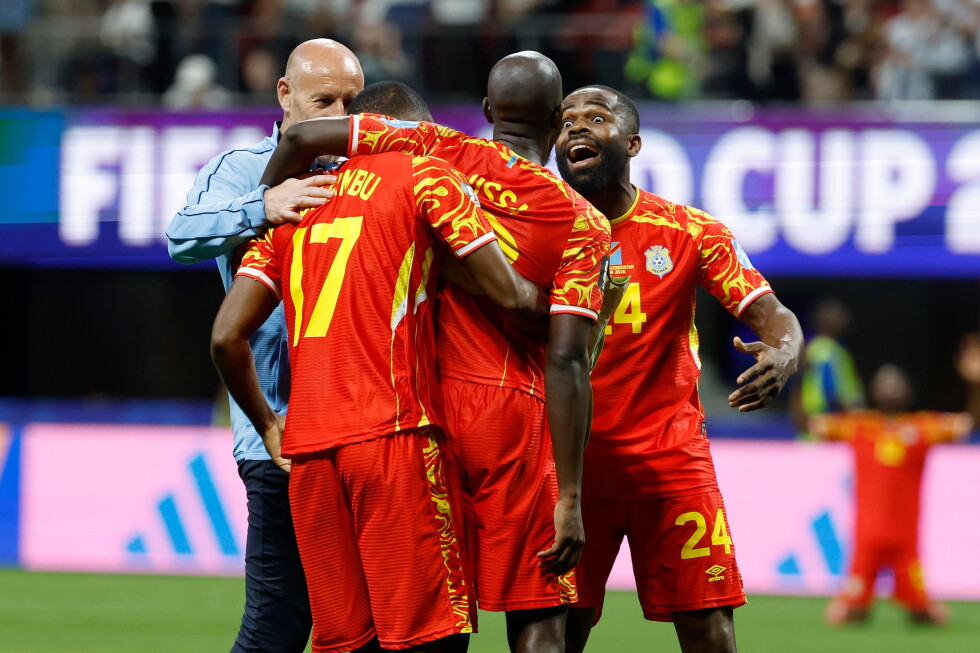
    Ten minutes after the equalizer, substitute Fiston Mayele put Congo in front, flicking a finish past Nematov at the near post. The goal sparked chaotic, jubilant celebrations, with substitute players sprinting off the bench and across the pitch to mob their match-winning teammate. Wissa put the result beyond all doubt in stoppage time, curling a precise strike into the bottom corner to seal a 3-1 comeback win, sending Congo into the knockout round alongside Cape Verde as one of the tournament’s biggest surprise packages.

    This historic result follows an earlier shocking upset for the Congolese side, which held Cristiano Ronaldo’s star-studded Portugal to a 1-1 draw earlier in the group stage — the nation’s first ever World Cup point. Saturday’s win marked Congo’s first ever victory at the tournament, enough to advance as one of the best third-placed teams, and made it the eighth African nation to progress to the knockout round at this year’s tournament.

    Speaking after the final whistle, Wissa reflected on the magnitude of the moment, noting the heavy expectations the squad carried heading into the fixture. “The weight on our shoulders was hard to bear,” he said. “We told ourselves we can’t give up, we have to get that win because getting a tie would kick us out. So we got that win.” Head coach Desabre highlighted his side’s characteristic resilience, adding: “We’re a team that knows how to respond when we concede a goal; we keep fighting with determination.”

    Wissa emphasized the national significance of the achievement, saying: “We’re going to savor this moment because it’s been tough. All the guys — the substitutes, those who’ve worn the jersey before, and those who’ll wear it tomorrow — we should be proud. Thank you to all the Congolese people; it’s for moments like these that we do what we do. We did it!”

    For Uzbekistan, the first World Cup appearance in the nation’s history ended in disappointment with three consecutive losses. Cannavaro, the former World Cup-winning captain with Italy, framed the campaign as a foundational experience for his young side. “I hope this tournament will give us big experience. I hope this experience will give us more motivation for the future,” he said.

  • Colombia wins Group K after 0-0 draw with Portugal; both squads already into World Cup knockouts

    Colombia wins Group K after 0-0 draw with Portugal; both squads already into World Cup knockouts

    MIAMI GARDENS, Florida – The final match of Group K play at the expanded 48-team World Cup delivered a tense, action-packed stalemate Saturday night, with Colombia securing first place in the group following a 0-0 draw against Portugal at Hard Rock Stadium, the home of the NFL’s Miami Dolphins.

    Both nations had already locked their places in the tournament’s knockout round heading into the final group fixture, with the result only serving to set their next opponents in the knockout bracket. Colombia, who missed out on qualification for the 2022 Qatar World Cup, will face Ghana in the round of 16, while Portugal, one of the pre-tournament favorites to lift the trophy, will go up against Croatia. Ghana dropped a 2-1 defeat to Croatia earlier the same day.

    Despite the fact that knockout progression was already guaranteed for both sides, neither team took the match lightly, producing a lively, competitive 90 minutes of play. In the first half, Portugal playmaker Bruno Fernandes nearly broke the deadlock to put his side ahead, but a standout save from Colombian goalkeeper Camilo Vargas kept the sheet clean. At the opposite end of the pitch, Portuguese keeper Diogo Costa turned in an exceptional performance, notching six saves – more than he recorded in Portugal’s first two group matches combined. Just one minute into second-half stoppage time, Colombian defender Davinson Sanchez thought he had snatched a late winning goal with a header at the back post, but the offside flag negated the effort, leaving the scoreline level at full time.

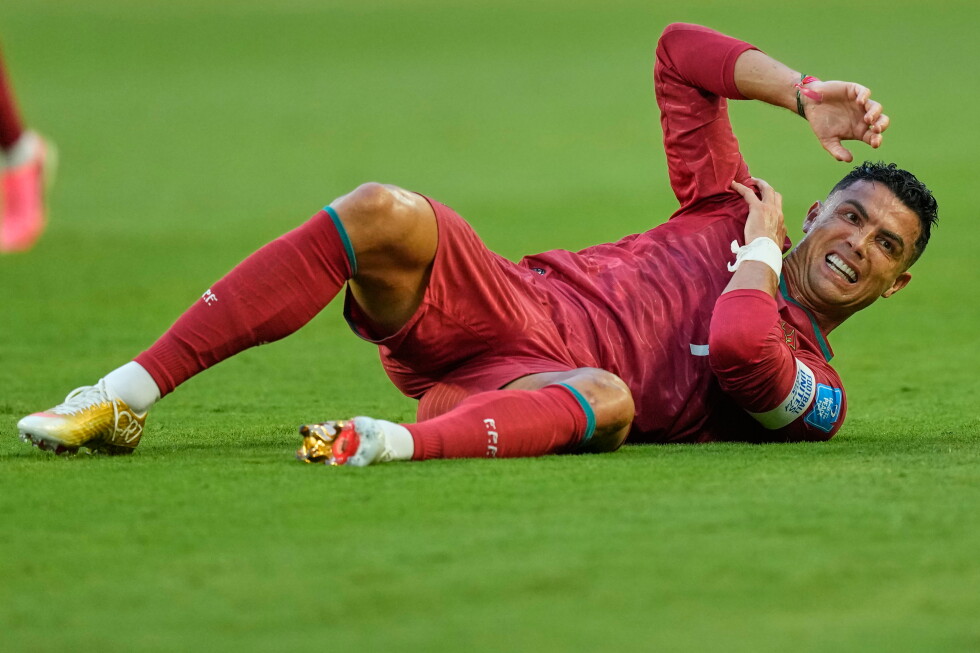
    For Portugal, the result capped off an uneven group stage for Cristiano Ronaldo’s side, who entered the tournament chasing their first-ever World Cup title. Portugal opened group play with an unexpected 1-1 draw against Congo, drawing criticism to Ronaldo after he failed to find the back of the net in that fixture. He responded emphatically in the second match, becoming the first player in history to score at six consecutive World Cup tournaments, notching two goals in a dominant 5-0 rout of Uzbekistan.

    Colombia’s road to the top of Group K followed a strong run of form in their opening two fixtures: they opened with a 3-1 win over Uzbekistan, then secured a 1-0 victory over Congo to lock in their knockout spot early.

    Saturday’s high-profile clash drew a sold-out crowd of 64,478 fans to Hard Rock Stadium, with a star-studded guest list in attendance. Notable spectators included legendary former Colombian playmaker Carlos Valderrama, FIFA President Gianni Infantino (who watched from a private suite alongside FBI Director Kash Patel and U.S. Secretary of State Marco Rubio), NFL quarterback Jameis Winston, Miami Heat NBA star Jimmy Butler, Hollywood actor Matt Damon, and former NFL wide receiver Chad Johnson. Demand for tickets was so high that local organizers hosted multiple public watch parties across South Florida for fans unable to secure entry to the stadium, including one gathering that drew thousands of attendees at the BB&T Center, home arena of the NHL’s Florida Panthers.

  • Messi is out of the starting lineup but could play in Argentina’s group finale against Jordan

    Messi is out of the starting lineup but could play in Argentina’s group finale against Jordan

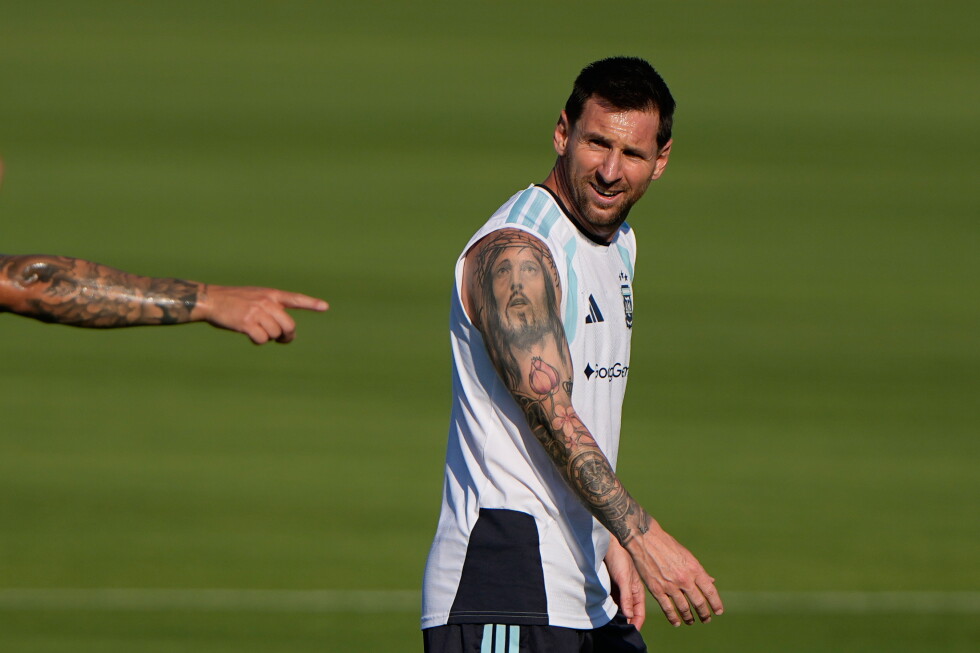
    ARLINGTON, Texas — With Group J’s top spot already locked in and Jordan eliminated from knockout round contention, Lionel Messi was predictably left out of Argentina’s starting 11 for their final group stage matchup at AT&T Stadium on Saturday night. The international soccer icon, who celebrated his 39th birthday just three days prior, may still see action off the bench, per head coach Lionel Scaloni.

    The match brings a major rotation for Argentina, with nine fresh starters taking the field compared to the squad’s 2-0 win over Austria earlier in the group stage. Among the new starting players is Nicolás Paz, who made his World Cup debut as a late substitute for Messi in Argentina’s opening 3-0 victory against Algeria.

    This tournament has already cemented Messi’s place as one of the greatest World Cup players in history. Entering the final group match, the Argentine captain holds the tournament’s leading goal tally with five strikes, all of Argentina’s goals so far. He notched his first-ever World Cup hat trick against Algeria, then bagged his fifth goal of the competition in late stoppage time against Austria.

    That fifth goal against Austria pushed Messi’s all-time World Cup goal total to 18, breaking the previous record of 16 that he had shared with Germany’s legendary striker Miroslav Klose. This marks Messi’s sixth World Cup appearance, having first competed in the tournament more than two decades ago. Klose, who played in four World Cups between 2002 and 2014, scored his record-breaking final goal against Argentina in the 2014 World Cup final, handing Germany a 1-0 win over Messi’s side.

    Messi’s historic run also includes a six-game consecutive World Cup goal scoring streak, a feat only achieved by two other players in men’s World Cup history: France’s Just Fontaine and Brazil’s iconic Jairzinho. Across his entire international career, Messi has now earned 201 caps for Argentina, 28 of which have come at the World Cup — a new FIFA record for men’s tournament appearances.

    Just hours after Messi broke Klose’s all-time scoring record, France’s star striker Kylian Mbappé matched the old benchmark of 16 goals with a brace in France’s 3-0 win over Iraq. Mbappé currently sits second in this tournament’s goal rankings with four goals, one behind Messi, and did not add to his tally in France’s final group match against Norway, which ended in a 4-1 French win.

    As Group J’s winners, Argentina will advance to the round of 32, where they will face Cape Verde, a tiny island nation making its first ever World Cup qualifying appearance. The knockout round match is scheduled to take place next Friday in Miami, the home city of Messi’s current MLS club Inter Miami.

  • US launches strikes on Iran after second shipping attack

    US launches strikes on Iran after second shipping attack

    Escalating tensions in the Persian Gulf have spiked sharply after the United States launched a second round of targeted strikes on Iranian military infrastructure within 24 hours, launching the most serious confrontation between the two nations since a June 17 ceasefire agreement collapsed.

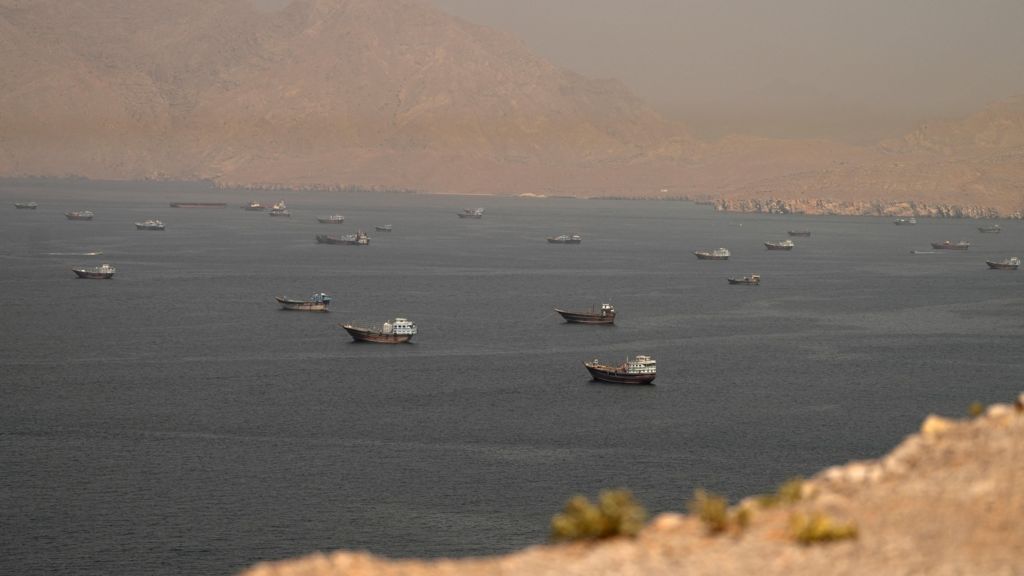
    The latest U.S. military action came in direct response to a drone attack Saturday that struck the Panama-flagged commercial tanker MT Kiku in the strategically critical Strait of Hormuz, according to U.S. Central Command (Centcom). The airstrikes hit a range of Iranian assets including military equipment stockpiles, command and communication networks, air defense installations, and drone storage facilities. Centcom officials emphasized the operation was a direct retaliation for what it calls sustained Iranian aggression against international commercial shipping transiting the waterway.

    “Iran was given a chance to honor the ceasefire agreement but elected not to when its forces launched a one-way attack drone that hit MT Kiku,” Centcom said in an official statement, adding that international commercial shipping operations continue through the strait despite the upsurge in violence.

    U.S. President Donald Trump quickly addressed the escalation on his social platform Truth Social, doubling down on hardline rhetoric against Tehran. Trump argued the strikes were a justified response to repeated Iranian violations of the June ceasefire deal, warning that continued Iranian noncompliance could force a far more drastic American military response. “There may come a point when we are no longer able to be reasonable, and will be forced to militarily complete the job that we very successfully started,” he wrote Saturday evening. “If that happens, the Islamic Republic of Iran will no longer exist!” he added. He also suggested that it remained “very possible” that Tehran would “never learn” to respect the terms of negotiated peace.

    In the hours following the U.S. strikes, two Gulf Arab neighbors – Kuwait and Bahrain – triggered their national air defense systems in response to incoming hostile threats. The Kuwaiti Armed Forces confirmed via X that its defenses were actively engaging incoming missiles and drones, urging the public to follow official emergency security protocols. Bahrain’s Ministry of Interior similarly issued a public alert asking citizens to remain calm and seek shelter at the nearest designated safe location.

    Saturday’s strikes follow just one day after the U.S. conducted an initial round of retaliatory strikes against Iran, a response to a June 25 drone attack that damaged the Singapore-flagged cargo vessel MV Ever Lovely. Centcom framed that first strike as a “powerful response” to unprovoked aggression that explicitly violated the ceasefire framework.

    Tehran has pushed back against U.S. claims, rejecting accusations of ceasefire violations and framing its actions as a legitimate response to unauthorized shipping activity in its territorial waters. Iran says the MV Ever Lovely attacked last week was targeted for transiting the Gulf waterway via an unapproved route, and has labeled the initial U.S. retaliatory strikes as the actual breach of the June truce. On Saturday morning, Iran’s foreign ministry released a statement accusing the “treaty-breaking U.S. regime” of orchestrating the crisis, and confirmed it had launched additional retaliatory strikes against targets linked to U.S. forces in the region. Iran has not yet issued an official comment on Saturday’s fresh U.S. strikes as of publication.

    The current escalation marks a complete collapse of the 14-point ceasefire memorandum of understanding reached between Washington and Tehran on June 17. That deal was intended to end two months of hostilities and required Iran to deploy its “best efforts” to guarantee unimpeded, toll-free safe passage for all commercial vessels through the strait for a 60-day period.

    As one of the world’s most critical maritime chokepoints, the Strait of Hormuz handles roughly a fifth of global oil and liquefied natural gas shipments, plus large volumes of other key commodities including agricultural fertiliser. After the U.S. and Israel launched joint military strikes against Iran in late February, Tehran effectively closed the strait to commercial traffic, triggering an immediate spike in global energy prices and disrupting global supply chains for essential goods.

    Until just days ago, the Trump administration had repeatedly claimed ceasefire negotiations were progressing smoothly, saying Iran had formally abandoned any plans to impose transit fees on vessels passing through the strait. In a Truth Social post Wednesday, Trump said Iran had given the U.S. formal assurances that “there would be ‘no tolls, no insurance costs and no other charges of any kind being sought or received’”, adding “If this is false information, negotiations would end, immediately.” The U.S. has long maintained that any Iranian tolling system for the strait violates international maritime law.

    Just this week, Iranian and Omani officials held talks in Muscat, Oman’s capital, to discuss long-term navigation management in the strait. Omani Foreign Minister Badr Al-Busaidi said both sides reaffirmed their commitment to “toll-free safe passage” for commercial shipping. However, Iranian chief negotiator Mohammed Bagher Ghalibaf told Iranian state media that “everyone should know that the administration of the Strait of Hormuz will never go back to the way it was before the war”, signaling Tehran’s intention to assert greater long-term control over the waterway.

  • 117 dead dogs found at California ‘no-kill’ animal rescue – many with gunshot wounds

    117 dead dogs found at California ‘no-kill’ animal rescue – many with gunshot wounds

    In a sprawling two-month criminal investigation that has sent shockwaves through the northern California animal welfare community, law enforcement officials have uncovered the remains of 117 dogs on the property of a self-described “no-kill” animal sanctuary, with most showing evidence of fatal gunshot wounds. The Humboldt County Sheriff’s Office launched the probe into Fortuna-based Miranda’s Rescue Animal Sanctuary back in April, after receiving a credible tip alleging felony animal abuse, cruelty, fraud and conspiracy connected to the facility.

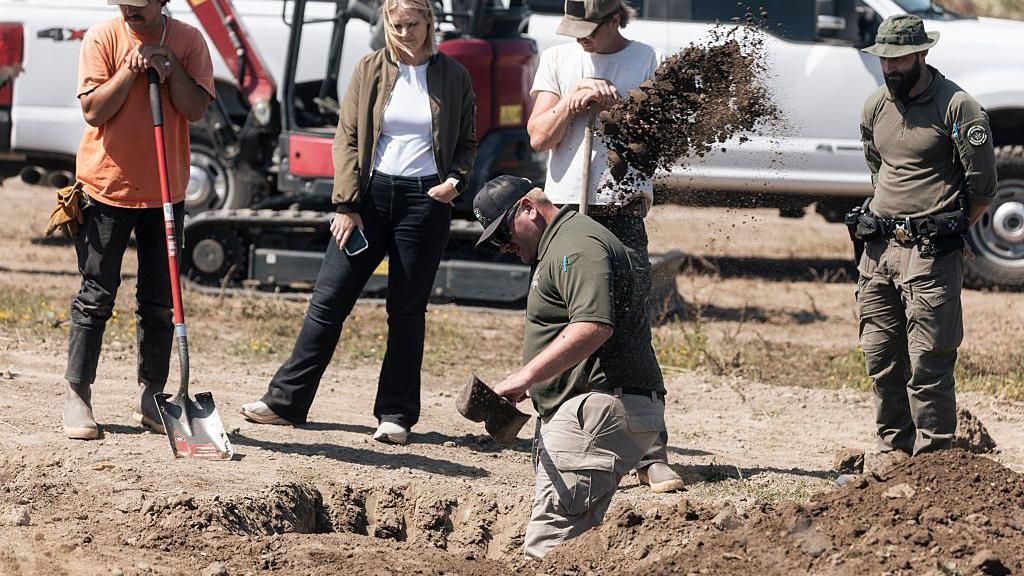
    The investigation gained an early breakthrough when a local neighbor, who had entered the private 50-acre property without authorization, dug up remains they believed belonged to buried dogs, prompting authorities to launch a full excavation of open fields on the site, where they suspected mass animal graves were located. As diggers sifted through the soil, the grim scope of the discovery began to unfold: alongside the 117 intact canine remains found across two excavation zones, teams found 21 separate dog skulls, hundreds of additional unassociated bones, roughly 600 dog collars, and six loose microchips near the primary burial sites.

    Further forensic analysis of 70 of the recovered remains via X-ray confirmed the presence of bullet fragments in each, leading lead investigators to conclude that a large share of the dead dogs died from gunshot wounds. Authorities also identified an on-site barn that they believe was used as the location where the animals were killed. Most of the recovered remains carried microchips, and forensic analysts are currently working through chip data to formally identify each animal and cross-reference their records with the shelter’s intake logs.

    Humboldt County Sheriff William Honsal outlined the staggering discrepancy between the facility’s animal intake and adoption records that investigators uncovered early in the probe: since the start of 2025, the rescue took in roughly 900 dogs and other animals, but only documented 116 adoptions, leaving more than 700 animals unaccounted for.

    Shannon Miranda, the owner and operator of the sanctuary, has pushed back against the allegations, maintaining that his facility remains a true no-kill operation. In a public statement released before the most recent findings of human remains were announced, Miranda argued that existing media coverage and official commentary have painted an incomplete and inaccurate picture of his work. He noted that his rescue often accepts hard-to-place animals that other established shelters turn away as a last resort, and confirmed that the shelter only approves euthanasia in extremely rare cases – specifically when an animal suffers from a terminal, painful condition or poses an unavoidable, severe threat to humans or other animals. He has asked the general public to withhold judgment until all facts related to the investigation are made public.

    As of the latest update from the sheriff’s office, no criminal charges have been filed against Miranda or any other person connected to the facility. Law enforcement has stressed that the ongoing investigation is highly complex, with a massive volume of forensic evidence still awaiting processing, and has asked the public for patience as the work continues. Officials confirmed that if investigators collect sufficient evidence to prove violations of animal cruelty, fraud or other state laws, the full case will be forwarded to the county prosecution team for formal review and potential criminal charges. The BBC has attempted to contact Miranda for additional comment following the announcement of the latest discovery, but has not yet received a response.

  • What news reports from 1600s tell us about life in Mughal India

    What news reports from 1600s tell us about life in Mughal India

    Long before European printing presses turned newspapers into a mass information medium, the sprawling Mughal Empire of South Asia built one of the early modern world’s most sophisticated, far-reaching news networks. From the late 1500s onward, armies of trained scribes, court agents, and administrative secretaries produced regular documents called *akhbarat* — handwritten Persian bulletins that captured everything from royal court intrigue and military campaigns to official appointments, treasury updates, and even elite gossip.

    Drafted quickly on fragile paper, these hybrid documents served multiple purposes at once: they functioned as internal intelligence briefings, official government circulars, and public news bulletins rolled into one. On any given day, hundreds, and possibly thousands, of these reports circulated between the imperial court in Delhi and provincial administrative hubs across the subcontinent. For a empire that, at its 17th century peak, controlled most of South Asia and ruled nearly a quarter of the global population, this network was the glue that held its sprawling territories together. Many reports were read aloud to gathered local officials, carrying updates from the emperor’s court to the most distant corners of his domain.

    For decades, tens of thousands of pages of these *akhbarat*, along with complementary administrative orders and records, have rested dormant in archives and libraries across India and the United Kingdom. While the historical community has long been aware of their existence, very few scholars have ever committed to deep dives into these unindexed, massive collections. That changed when University of California, Berkeley historian Munis D. Faruqui dedicated nearly 20 years of his academic career to untangling the stories held within these documents.

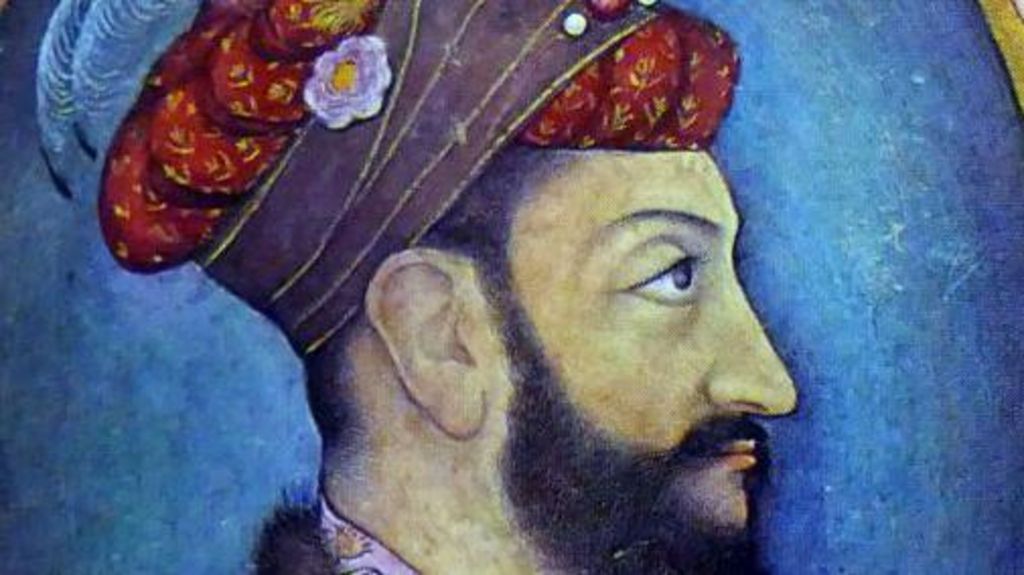
    Faruqui began his work in 2007, diving into the *Akhbarat-i Darbar-i Mualla* (Newsletters of the Exalted Court), a massive collection split across archival institutions in both India and the UK. Working through more than 6,500 pages held at Kolkata’s National Library alone, Faruqui traced the lives of princes, military generals, court advisors, royal women, imperial eunuchs, and other lesser-known historical figures across tens of thousands of individual entries. The product of this decades-long work is an upcoming new history of Mughal emperor Aurangzeb — also known by his regnal title Alamgir — and the Mughal state during the late 17th century that promises to rewrite long-held assumptions about both the emperor and how his empire actually functioned.

    Today, four major collections of these *akhbarat* are confirmed to exist, held in London, Bikaner, Sitamau, and Kolkata, though historians suspect additional caches may be held in private collections. One large set of documents was stored for decades in bundles in the cool, dry basement of Jaipur Fort. In the early 1800s, James Tod, an East India Company official and early antiquarian, borrowed a large portion of these reports, but failed to return them when he departed for Britain in 1823. He later donated the entire collection to the library of the Royal Asiatic Society of Great Britain and Ireland, where it remains today.

    The most extensive surviving collection is held at Kolkata’s National Library, which holds 21 full volumes of *akhbarat* specifically documenting the reign of Aurangzeb, who ruled the Mughal Empire from 1658 to 1707 as its last great expansionist emperor. These volumes were once part of the personal archive of Sir Jadunath Sarkar, the pioneering Indian historian and Aurangzeb’s most influential 20th century biographer.

    At first glance, the content of the reports can seem overwhelmingly mundane. Most entries focus on routine administrative details: new official appointments, local land disputes, troop movements, ceremonial gift exchanges, reports of royal illnesses, and endless granular administrative updates. But when read as a whole, Faruqui argues, these documents create something extraordinarily rare: an almost uninterrupted record of an empire monitoring its own day-to-day operations.

    Archival coverage of Aurangzeb’s first 20 years on the throne is spotty, but surviving material from the early 1680s onward is remarkably extensive, providing an almost daily record of court and empire life for years at a time. All together, the documents shed new light on roughly a third of Aurangzeb’s 49-year reign.

    Faruqui, who has spent his entire academic career studying late 17th century Mughal India — a period when the empire was at its territorial peak, but already showing early signs of the decline that would eventually open the door for British colonial rule — says the *akhbarat* have completely reshaped his understanding of the era. “My whole experience of working with the akhbarat has been one big eureka moment after another!” he explained in an interview. “It never ceases to amaze me how the density of the informational ecosystem was at the time.”

    The reports Faruqui studied were originally created for the Raja of Jaipur, but hundreds of other regional nobles, princes, and high officials almost certainly received similar regular updates from their own agents stationed across the empire. This created a connected information ecosystem that was remarkably advanced for the pre-modern world. “I am floored when I think about the ecosystem that spawned such rich knowledge gathering and transference,” Faruqui added.

    The sheer volume of information flowing through the network confirms that, by pre-modern standards, the Mughal state maintained a surprisingly detailed awareness of events across its vast territories. While Faruqui notes the state’s ability to act on this information was inconsistent, the network’s reach shaped the lives of tens of millions of people, for better and for worse.

    Time and again, the contents of the *akhbarat* upended long-held historical assumptions that Faruqui had accepted early in his career. For example, he found very little evidence in the reports of the widespread forced religious conversions that have long been closely associated with Aurangzeb’s rule. The research also revealed that the imperial harem and the corps of imperial eunuchs wielded far more political influence than most modern historians have recognized.

    Aurangzeb himself comes off as less distant and coldly austere than popular and historical narratives have often portrayed him. Faruqui also found far fewer hostile references to Sikh communities and leaders than he expected, a finding that contradicts a long-standing Sikh historical tradition that holds Aurangzeb responsible for the persecution of Sikh communities and spiritual leaders as early as 1711.

    Many of Faruqui’s most important discoveries came not from dramatic single revelations, but from noticing repeated patterns across hundreds of entries. One name that appeared again and again throughout the newsletters was Zinat-un-Nisa, Aurangzeb’s daughter. While historians have long known of her existence, almost nothing had been written about her actual role in Aurangzeb’s court. But entry after entry placed her at the center of key political events.

    Within weeks of starting his research, Faruqui realized Zinat-un-Nisa was far from a minor royal figure. He found she was a powerful political actor in her own right, and an “extraordinarily influential and important political bulwark for her ageing and politically vulnerable” father during the final years of his reign. She will now feature prominently in Faruqui’s new discussion of the political role of the Mughal imperial harem.

    Each new discovery forced Faruqui to rethink decades of established scholarship. “Many of the stories I had been telling myself since the 1990s [when I first heard about the akhbarat] required rethinking,” he said. The *akhbarat*, he argues, offer historians a once-in-a-generation chance to reassess not just Aurangzeb’s legacy, but the entire structure and function of the Mughal Empire.

    So why have most historians avoided working with these vast collections? Faruqui says he understands the hesitation. Early in his own career, he spent seven frustrating weeks working through another massive unindexed Mughal archive before ultimately abandoning the project. That experience left him wary of large, unorganized collections for nearly a decade.

    The *akhbarat* present exactly the same challenge. “Searching for anything in it is like hunting for a needle in a haystack,” he says. With no central index and tens of thousands of unorganized entries, working through the archive requires extraordinary patience, stamina, and a willingness to read hundreds of pages just to identify subtle patterns and critical information.

    Faruqui notes that Aurangzeb has remained one of the most debated figures in Indian history in part because of the sheer volume of surviving documentary evidence from his reign. While the surviving record for earlier Mughal emperors is relatively sparse, by Aurangzeb’s rule the documentary trail expands dramatically: administrative archives, private correspondence, regional court histories, biographical collections, poetry, European trading company records, and traveller accounts are all abundant.

    For Faruqui’s research, the *akhbarat* were irreplaceable, but they are only one small part of a much larger body of underused Mughal archival material. “Dozens of books, if not more, can be written based on all the materials that are out there waiting for intrepid historians to come along and utilise them,” he says.

    When Faruqui first opened the Kolkata collection nearly 20 years ago, he had no idea how transformative the material would be. “Upon turning the very first page of the first volume, I realised what an extraordinary resource this collection is,” he recalls. “I immediately saw storylines that had been long ignored or barely touched.”

    His upcoming book only explores a small fraction of the new historical narratives held in the collection. “There are so many, many others that remain to be explored by others,” he says.
  • Palantir: How a US spy-tech firm with links to Israel’s genocide infiltrated the British state

    Palantir: How a US spy-tech firm with links to Israel’s genocide infiltrated the British state

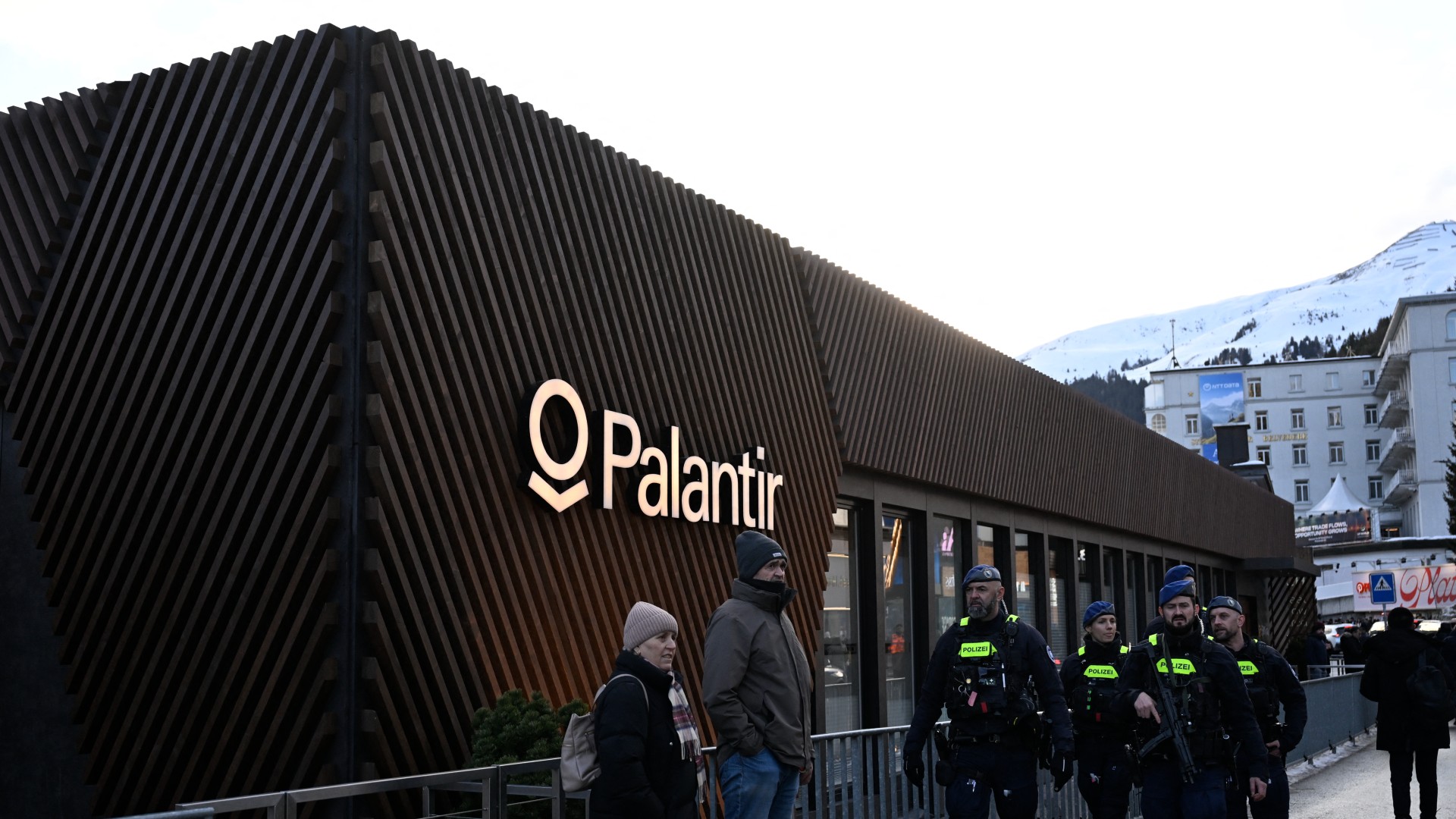
    Palantir Technologies, the U.S.-based data surveillance firm long mired in controversy over its ties to human rights violations in occupied Palestinian territories, has secured more than £670 million in public sector contracts across the United Kingdom’s civilian and defence industries since 2020, triggering fierce debate over both ethical accountability and national security risks from lawmakers and advocacy groups.

    The largest of these agreements include a £330 million data platform contract with the UK’s National Health Service (NHS), a £240 million military AI deal with the Ministry of Defence (MoD), and a £15 million contract linked to Britain’s national nuclear deterrent programme. Transparency advocates have documented at least 34 additional Palantir contracts across UK public sectors, including law enforcement, child social care, refugee resettlement initiatives, and environmental management, with many details of the agreements undisclosed to the public.

    International scrutiny of Palantir’s activities intensified after the company announced a partnership with Israel’s Ministry of Defence in January 2024 to deploy its technology for “war-related missions” in Gaza, where Israeli drone strikes using targeted technology have killed hundreds of civilian non-combatants, including journalists and humanitarian aid workers. When confronted with accusations that his company’s tools facilitated the deaths of Palestinian civilians in Gaza earlier this year, Palantir CEO Alex Karp publicly responded, “mostly terrorists, that’s true”.

    United Nations Special Rapporteur Francesca Albanese concluded that Karp’s comment confirms the company has “executive-level knowledge and purpose vis-a-vis the unlawful use of force by Israel” in occupied Palestinian territories. Separately, the U.S. Pentagon has launched an investigation into whether Palantir’s AI-powered targeting system Maven was involved in a February U.S. double-tap missile strike on an Iranian girls’ school that killed more than 170 people, the majority of whom were children.

    Human rights campaigners have condemned Palantir’s expanding footprint in UK public life. “Palantir’s software has been used to support Israel’s ongoing genocide and apartheid in occupied Gaza… a company profiting from human rights abuses should have no place in British public services, including in our NHS,” said Kristyan Benedict, crisis response manager at Amnesty International UK. “The contracts should be terminated and replaced with providers that are not contributing to genocide, apartheid and other international crimes.”

    Beyond its role in the Middle East conflict, Palantir has faced repeated criticism for its extreme ideological positioning. In a 22-point public manifesto outlining the company’s core goals, Palantir was widely condemned for promoting ethnic supremacist rhetoric, claiming that “Some cultures have produced vital advances; others remain dysfunctional and regressive” and asserting “No other country in the history of the world has advanced progressive values more than [the US]”. The manifesto also openly embraced the development of AI-powered autonomous weapons.

    Founded by right-wing U.S. tech billionaire Peter Thiel, with initial partial funding from the Central Intelligence Agency, Palantir is deeply tied to far-right U.S. political networks. Thiel, who once famously declared “I no longer believe that freedom and democracy are compatible”, is a top donor to the Republican Party and hosted a lavish celebration for Donald Trump’s 2025 presidential inauguration at his Washington D.C. home, attended by Vice President JD Vance and leading tech CEOs including Meta’s Mark Zuckerberg and OpenAI’s Sam Altman. Recent leaked documents have also exposed Thiel’s secretive annual “Dialog” retreats for 200 of the world’s wealthiest and most powerful figures, which have hosted panels on cult-building, extreme political preparation for World War III, and exploitative gender dynamics.

    Newly unsealed records from the Jeffrey Epstein investigation have also revealed unreported historical ties between Palantir’s leadership and the convicted sex offender. Epstein was the one who first introduced former Israeli Prime Minister Ehud Barak to Thiel in 2013 and advised Barak to invest in or partner with Palantir. The records also confirm close ties between Epstein and disgraced former British ambassador to the U.S. Peter Mandelson, whose lobbying firm Global Counsel has long counted Palantir as a key client. Mandelson accompanied UK Prime Minister Keir Starmer on a visit to Palantir’s Washington D.C. headquarters in February 2025, and no meeting minutes have been released to the public, despite repeated Freedom of Information requests from independent media outlets including Middle East Eye.

    Just months after the Washington visit, in December 2025, Palantir secured its £240 million no-bid strategic partnership with the MoD to “boost military AI” and develop an integrated battlefield “kill chain” to improve attack lethality, a deal three times larger than a 2022 contract for similar work. When questioned about the non-disclosure of the 2025 Palantir briefing, Starmer described it as a “routine meeting”, while Mandelson called the subsequent US-UK Technology Prosperity Deal that included the Palantir partnership “my personal pride and joy”.

    Critics warn that Palantir’s penetration of the UK’s most sensitive national security systems, including its nuclear deterrent programme, creates unacceptable risks for the country, particularly given the UK government’s ongoing intelligence and military support for Israel’s military campaign in Gaza. “The British government is already deeply complicit in the genocide in Gaza. In making public services dependent on Palantir’s proprietary technology, successive UK governments will be less able to break free from this sordid company, and from its alignment with US foreign policy and militarism more broadly,” said Sam Perlo-Freedman, research coordinator at the Campaign Against the Arms Trade (CAAT). “The willingness of the British government to embrace Palantir shows their prioritisation of the interests of the arms industry, and of corporate power more generally.”

    In a statement to Middle East Eye, an MoD spokesperson defended the contracting process, saying, “There are robust processes in place to ensure government contracts are awarded fairly and transparently, including for the direct award of contracts. Commercial decisions are a matter for individual departments made based on their individual needs.” Palantir UK CEO Louis Mosley has maintained that none of the Israeli military systems publicly reported to be conducting targeting operations in Gaza use Palantir software, though he has acknowledged the company does supply software to the Israeli military.

    One of the most contentious of Palantir’s UK contracts is its 2023 £330 million agreement to build a centralised patient data platform for NHS England, which is up for renewal in 2027. Thiel has a long history of open hostility to the UK’s public health system, once saying the NHS “makes people sick” and describing British public support for the service as “Stockholm syndrome”. In early June 2025, cross-party MPs on the Science, Innovation and Technology Committee called on the government to exercise the 2027 break clause in the contract and replace Palantir with an in-house UK-developed alternative, warning that growing public sector reliance on Palantir creates an “unacceptable point of weakness” that could leave critical services “at the mercy” of foreign actors.

    Palantir first secured its foothold in the NHS during the Covid-19 pandemic, when it offered a struggling, cash-poor NHS an initial £1 contract to test its technology. Then-Health Secretary Matt Hancock used special ministerial powers to bypass national patient confidentiality rules to allow Palantir to process patient data. A 2023 report from the National Audit Office highlighted that the government’s chief commercial officer warned Palantir’s low-cost initial offer to gain a market foothold violated public procurement rules requiring open competition.

    Donald Campbell, director of advocacy at UK tech campaign group Foxglove, described this as a deliberate “land and expand” strategy, similar to a free-trial subscription model that locks public bodies into long-term reliance on Palantir’s services and allows the company to raise prices over time. “This might seem like a good deal, but with Big Tech there’s no such thing as a free lunch,” Campbell said. The strategy has already been called into question over a lobbying scandal: earlier this year, the Department for Health and Social Care’s permanent secretary Samantha Jones was forced to apologise for failing to declare past consultancy work with a Palantir partner firm while overseeing the awarding of the NHS contract. A DHSC spokesperson said Jones had no involvement in the contracting process and stepped down from all private sector roles before taking her position. NHS England maintains the contract was awarded through a “rigorous, competitive” tender process.

    Mosley has accused critics of prioritising “ideology over patient safety”, but multiple NHS hospital trusts have rejected Palantir’s technology, saying it would reduce rather than improve digital functionality. Campbell argues the ideological alignment of the company cannot be separated from the contract. “Ultimately, if Palantir is embedded across our vital public services, and the UK’s defence and security, and one day Trump decides he wants to exert some pressure by threatening to pull the plug, who are they going to listen to?”

    Concerns have also been raised over unregulated cross-sector data sharing between Palantir’s civilian and military systems. The company recently signed a $30 million contract with U.S. Immigration and Customs Enforcement (ICE), and independent tech outlet 404 Media uncovered that Palantir is developing a tool called “Elite” that pulls data from U.S. Department of Health and Human Services records to locate undocumented people for deportation. The Doctors’ Association UK has warned that Palantir’s NHS data platform Foundry could be linked to Gotham, Palantir’s military-grade targeting software, creating unacceptable risks for patient confidentiality.

    Palantir’s growing presence extends to UK local government as well. In May 2025, Labour-run Coventry City Council renewed a £750,000 contract for Palantir to provide AI tools to summarise social worker notes for children’s services, despite opposition from councillors and trade unions who raised “serious ethical questions” about the partnership. A council spokesperson said the decision followed a “comprehensive strategic review” and that “strong safeguards are in place” to protect resident data, with no automated decision-making about individual cases.

    Financial questions have also been raised about the cost of Palantir’s contracts to UK taxpayers. Palantir initially provided its services for the UK government’s Homes for Ukraine refugee hosting programme for free for six months, before securing subsequent 12-month contracts that rose from £4.5 million to £5.5 million year-over-year. In 2026, a UK government department confirmed it saved millions of pounds after replacing Palantir’s system with an in-house built alternative. Additionally, Palantir paid an effective tax rate of just 8% on its £25.3 million in pre-tax UK profits in 2024, far below the 25% statutory rate for large businesses.

    In law enforcement, London Mayor Sadiq Khan initially blocked a proposed £50 million Metropolitan Police contract with Palantir in May 2025, citing clear, serious violations of procurement rules and noting the deal failed to demonstrate value for money, as well as his own “concerns about using public money to support firms who act contrary to London’s values”. But Khan reversed his decision after Palantir launched legal action against the veto, approving a 12-month pilot project with an option for extension. A 2025 investigation by Liberty Investigates found that a Palantir contract with East of England police forces will build a mass surveillance network that pulls together sensitive personal data including citizens’ political opinions, religious beliefs, health records, trade union membership, sexual orientation, and race. When the Good Law Project, a UK legal advocacy and campaign group, sent freedom of information requests to all 45 UK police forces, three quarters refused to confirm or deny whether they hold a contract with Palantir, deepening transparency concerns.

    Multiple human rights and open government advocates warn that Palantir’s expanding UK surveillance operations pose a fundamental threat to civil liberties, particularly amid the rise of far-right political forces in the UK. “A world where all the governments want hyper surveillance is a world where Palantir is super profitable,” said Duncan McCann, head of tech and data at the Good Law Project. McCann noted that the core risk is not that Palantir will sell public data, but that it enables governments to use mass surveillance for authoritarian ends, a dynamic that is particularly dangerous as the far-right Reform Party pushes for mass deportation programmes. “Ultimately, surveillance works well with the new far right, and it works really well for Palantir, and that is why they seem such great bedfellows. This is why it has evolved into a firm which is turbocharging fascism and authoritarianism.”

  • Why Kim Jong Un never talks about his mother – or her controversial bloodline

    Why Kim Jong Un never talks about his mother – or her controversial bloodline

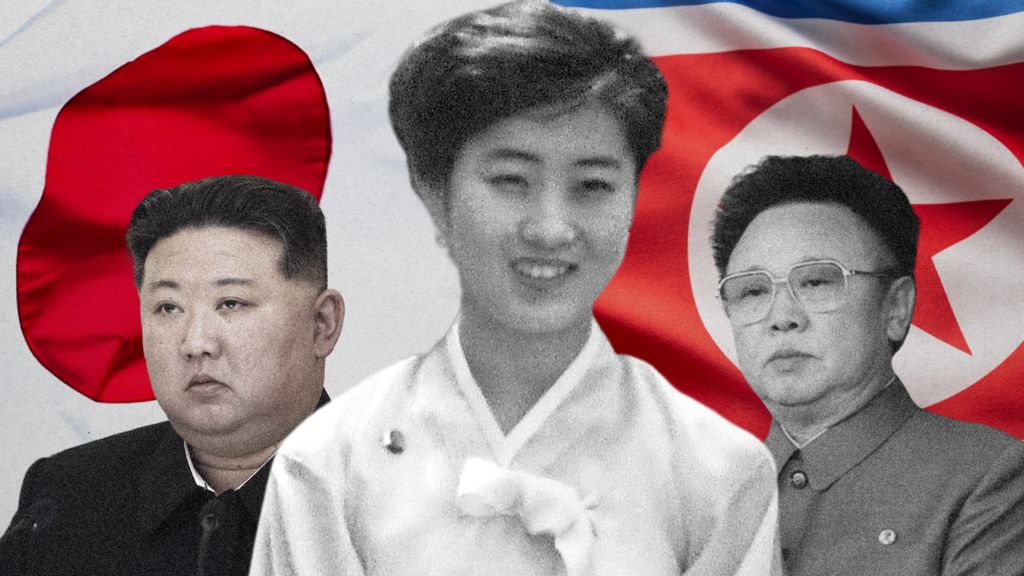
    For 15 years of leadership under Kim Jong Un, one secret has remained among the most tightly guarded in the isolated authoritarian state: the public identity of his mother. Within North Korea’s ruling ideology, the legitimacy of the Kim family’s dynastic rule hinges entirely on the mythologized “Mount Paektu bloodline”—a lineage tied to Dangun, the legendary founder of the Korean people, and cultivated for decades to frame the Kims as inherently entitled to power. But the truth of Kim Jong Un’s maternal heritage directly undermines this foundational narrative, making his mother’s identity not just a state secret, but a potential existential threat to the regime.

    Mount Paektu, the volcanic peak straddling the China-North Korea border, has long been central to the Kim dynasty’s legitimacy-building. Myth holds it is the birthplace of Dangun, founder of Korea’s first ancient kingdom. Centuries later, North Korea’s founding leader Kim Il Sung framed the mountain as his guerrilla hideout during Japan’s colonial occupation of the Korean Peninsula, while his son and successor Kim Jong Il was officially proclaimed to have been born on the mountain’s sacred slopes—despite widespread evidence of his actual birth in the Soviet Union. As former exiled North Korean diplomat Ryu Hyun-woo noted in his book *Kim Jong Un’s Secret Vault*, Kim Jong Un’s rise to power as an untested man in his 20s was enabled solely by this carefully constructed Paektu bloodline narrative.

    The reality of Kim’s maternal origins tells a far different story. Historians and biographers have documented that Kim Jong Un’s mother, Ko Yong Hui, was born in 1952 in Osaka, Japan, to ethnic Korean parents originally from Jeju Island, off the southern coast of modern-day South Korea. Ko’s family were Zainichi Koreans—ethnic Koreans who resided in Japan during its 1910–1945 colonial rule of Korea. When Ko was around 10 years old, her family joined an estimated 93,000 Zainichi Koreans who resettled in North Korea between 1959 and 1984, lured by state promises of free healthcare, education, and stable employment.

    While early Zainichi migrants were initially envied for the cash, clothing, and appliances they brought from Japan, they were quickly labeled “jjaepo”—a derogatory term for people deemed contaminated by foreign capitalist ideologies. Under North Korea’s strict hierarchical social classification system called songbun, jjaepo fall into the “wavering class,” positioned between the regime’s trusted core class and the marginalized hostile class. They face constant state surveillance and are routinely barred from elite universities and high-level government positions. This stands in stark contradiction to the regime’s narrative of pure, sacred Paektu bloodline. “The [regime’s] Paektu bloodline is seen as sacred,” explains Kim Hyung-su of the Northern Research Association. “So the idea of the leader being a jjaepo’s son is unimaginable.”

    Unlike most Zainichi Korean migrants, Ko avoided the lower-caste fate of her community after catching the attention of Kim Jong Il, who was already being groomed as Kim Il Sung’s successor. At the time, Kim Jong Il was already in an arranged political marriage to Kim Young Sook, daughter of a high-ranking military official, and had two other known mistresses. But Ko, a performer with the elite Mansudae Art Troupe, won Kim Jong Il’s attention through her natural beauty and dancing skill, according to Japanese journalist Yoji Gomi, who published a book on Ko in 2025. The pair went on to have three children together, though their relationship was never officially recognized by the North Korean regime.

    Because children born outside of official wedlock carry severe social stigma in North Korea, Ko and her children were sequestered in the coastal town of Wonsan, 130 miles outside of Pyongyang, where Kim Jong Il’s official wife resided. Even so, Gomi notes Ko lived what he describes as a “Cinderella-like life” of elite privilege hidden from public view. Still, she was never publicly recognized as Kim Il Sung’s daughter-in-law, and the founding leader never appeared in public with Ko’s children. Dr. Cheong Seong-chang of the Sejong Institute notes that if Ko had won Kim Il Sung’s approval, photos of him with his grandchildren would have been widely distributed to the public.

    After Kim Il Sung’s death in 1994, Kim Jong Il took power, and Ko became the de facto first lady of North Korea. She accompanied Kim on military inspections, built close ties to his inner circle, and even was consulted on policy decisions before they were finalized, according to Kenji Fujimoto, Kim Jong Il’s former personal chef. A 2011 state documentary included footage of Ko joining Kim on local tours, but it never named her or disclosed her social background. The film was only screened for senior party officials in 2012 before it was leaked, spreading to ordinary citizens via smuggled USB drives. “As it spread… people’s curiosity about Ko Yong Hui skyrocketed, so the regime quickly recalled [the documentary],” Dr. Cheong explains, adding that her background could directly call the regime’s legitimacy into question. Ko died of breast cancer at a Paris hospital in 2004, and her death was never acknowledged or reported by North Korean state media.

    The question of how Kim Jong Un, the second son of an unacknowledged mistress, ultimately inherited power begins with the elimination of other potential heirs. Kim Jong Il’s official wife only had daughters, who were barred from succession under the dynasty’s patriarchal norms. His first son with another mistress, Kim Jong Nam, was long considered a potential candidate until he fell out of favor: Gomi, who corresponded with Kim Jong Nam for years, notes that he openly questioned North Korea’s hereditary system and advocated for political reform, and gained a reputation for a jet-setting, party-focused lifestyle that included frequent trips to foreign casinos. After years in exile in Macau, Kim Jong Nam was assassinated with a lethal nerve agent at a Malaysian airport in 2017. Kim Jong Un’s older brother Kim Jong Chul was also ruled out, with former diplomat Ryu reporting that he was disqualified due to a severe opium addiction.

    Ko, aware that her family would face peril if her son did not take power, actively pushed to position Kim Jong Un as the next heir on the advice of her own sister, according to journalist Anna Fifield in her book *The Great Successor: The Secret Rise and Rule of Kim Jong Un*. Kim Jong Un quickly became his father’s favorite, with analysts citing his strong leadership demeanor and competitive nature. Though he briefly studied in Switzerland as a teenager, he remained far more isolated from foreign influence than his older half-brother Kim Jong Nam. When Kim Jong Il died in 2011, 27-year-old Kim Jong Un secured his position as the third supreme leader of North Korea, and has since elevated his sister Kim Yo Jong to a senior role leading the country’s powerful propaganda department, according to South Korea’s Unification Ministry.

    Even after more than a decade in power, the secret of his mother’s origins continues to shape the North Korean leader’s public behavior. Analysts point to the fact that Kim Jong Un’s birthday has never been declared a national holiday, unlike the birthdays of his grandfather and father—drawing attention to his birth would inevitably raise uncomfortable questions about his mother and his childhood sequestration outside Pyongyang. Experts also argue that his decision to publicly introduce his wife Ri Sol Ju early in his rule was shaped by this secrecy: unlike Ko, Ri comes from an upper-middle class Pyongyang family with a solid songbun status, a former singer with an elite performance troupe who studied classical music in China, per South Korean intelligence.

    “The sense of illegitimacy and resentment Kim Jong Un experienced because of his mother’s background paradoxically became a powerful motivation for him to publicly reveal his wife Ri Sol Ju and daughter Ju Ae at an early stage,” Gomi says, adding these public displays stem from a “perceived ‘deficiency’” surrounding Ko’s origins. For the North Korean regime, the risk of this secret coming to light is catastrophic. Ryu argues that if Ko’s Japanese-born Zainichi Korean origins became widely known to the North Korean public, “it would not only shake his legitimacy but also destabilise the hereditary system at its roots. It would have the impact of a nuclear bomb on North Korean society.”

  • Colombia-Portugal World Cup match draws sky-high ticket prices, some fans make financial sacrifices

    Colombia-Portugal World Cup match draws sky-high ticket prices, some fans make financial sacrifices

    MIAMI GARDENS, Florida — When the 2026 FIFA World Cup group stage draw locked in a matchup between Colombia and Portugal at Miami’s Hard Rock Stadium, football fans across the globe immediately marked the contest as a can’t-miss event. Few understood just how high demand would climb, not even Portugal’s head coach Roberto Martínez, who secured his family’s seats months in advance, long before most fans even tried to purchase entry. What makes Martínez’s story stand out? As the Portuguese national team manager, he had one of the easiest paths to a ticket — a privilege nearly no other fan in the sold-out crowd of 64,000 could claim.

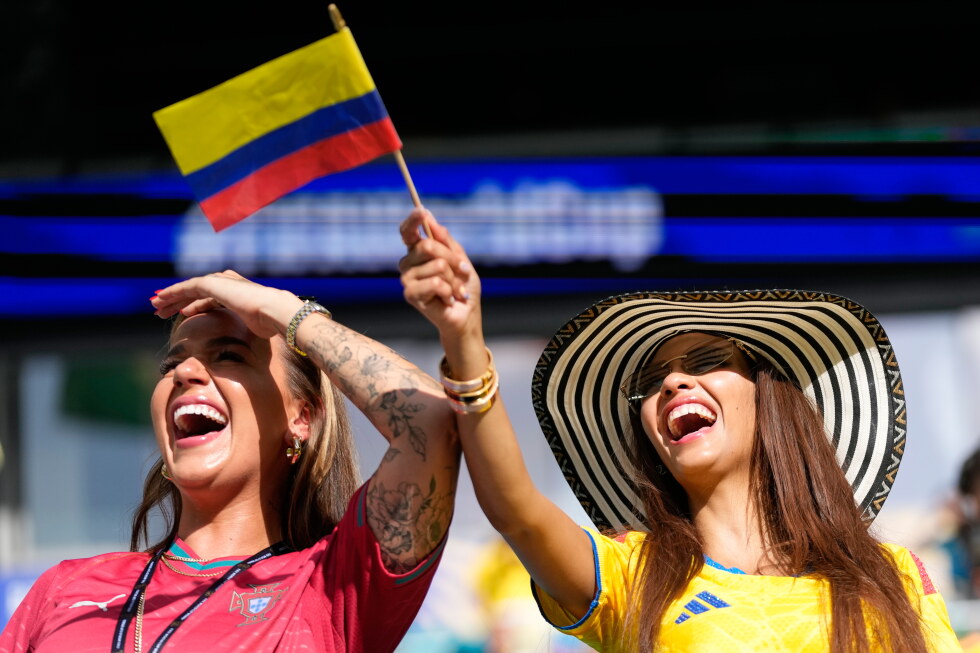
    By kickoff on Saturday, the scale of fan demand had sent resale market prices soaring to unprecedented levels for a group-stage World Cup match. Early Saturday, the cheapest available entry hovered around $3,500 per seat, and data from major ticketing platform StubHub showed prices ranging from $2,676 to more than $22,000 on the day before the match. Even with those exorbitant costs, nearly every attendee interviewed said the experience was well worth the investment, with many traveling thousands of miles and saving for months just to be in the stands.

    For many fans, the draw of the match came down to one historic factor: this could be one of the final World Cup appearances of Portuguese football legend Cristiano Ronaldo, who at 41 continues to compete at the highest level of international football. Pablo Ceballos, a 40-year-old Mexico native and lifelong Ronaldo supporter, dropped $3,000 on a single ticket for his first ever World Cup match, calling the opportunity a decades-long dream. “I am old — 40 — and this is the last time I will get to see Cristiano,” Ceballos said. “I cried when I stepped in the stadium. Forty years for this, that’s why I paid that.”

    Brothers Juan and Felipe Ramirez, Colombian expats living in Europe, made a multi-day trip to Miami specifically for the match, paying $2,400 per ticket. They framed the expense as an investment in a once-in-a-lifetime experience they would never get again. For lifelong Colombian supporter Gustova Borda and his wife, the match carried extra personal meaning: Miami is the city where she received breast cancer treatment two years prior, making the trip to watch their national team a meaningful celebration of her recovery. The pair paid $8,300 total for their two tickets, and Borda said every dollar was worth it.

    Even fans who paid lower prices described getting a deal worth celebrating. Colombian supporter Gina Barrios paid $1,500 per ticket through a family friend, a price she called a bargain compared to public resale rates. “This is my country … so I was very excited to see them here again,” she said.

    Martínez, who got to watch the match from the sidelines rather than the stands, said the outpouring of passion from fans of both nations reinforced the unifying power of global football at a time of widespread uncertainty around the world. “I think it’s fascinating, the passion of the game in a difficult moment in the world,” Martínez said. “Football still brings unity, it brings passion, it brings inspiration for the kids, all the values that you want to see in a human being. It makes me extremely proud.”

    FIFA confirmed that this matchup was one of the most sought-after group-stage matches in the entire tournament during initial ticket sales, cementing its status as a must-see event even before the first ball was kicked.

  • One Extraordinary Photo: Capturing the physicality of the Spain-Uruguay match

    One Extraordinary Photo: Capturing the physicality of the Spain-Uruguay match

    GUADALAJARA, Mexico — For Ricardo Mazalan, the Associated Press’ deputy director of storytelling and photography for Latin America, FIFA World Cup coverage is nothing new. The seasoned photojournalist has documented every iteration of the world’s biggest soccer tournament since the 1998 competition hosted by France, and he has also brought his lens to multiple Olympic Games across his decades-long career.

    In a behind-the-scenes reflection, Mazalan opened up about the creative process and narrative power of one standout photograph he captured during a recent World Cup group stage encounter between two historic champions, Spain and Uruguay.

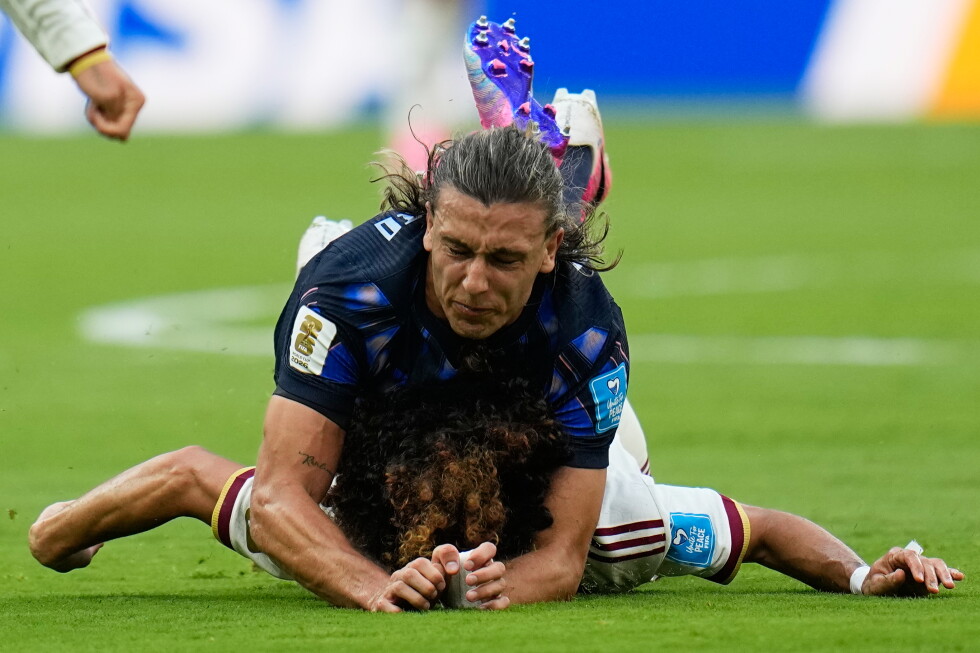
    This matchup carried unique stakes: it was the only opening-round game that pitted two prior World Cup winners against one another, making it one of the most highly anticipated fixtures of the tournament’s early slate. With Uruguay’s hopes of advancing to the knockout stage hanging in the balance, Mazalan went into the match expecting a tightly contested, physically grueling battle. He set out not just to capture generic on-pitch action, but to create images that distilled the raw emotion and unforgiving physicality that defined the high-stakes contest. The moment he landed on — a hard challenge for the ball between Uruguay’s Agustin Canobbio and Spain’s Marc Cucurella — perfectly encapsulated just how intense the 90 minutes would become.

    Mazalan emphasizes that the final, powerful image was not a product of his work alone. One of the greatest advantages of covering global elite sporting events for a major news agency is the opportunity to collaborate with seasoned, respected editors who shape work into its strongest form. For photographers, there is always a quiet thrill mixed with anticipation when a veteran photo editor or top agency photographer reviews your shots. That excitement becomes even more rewarding when an editor immediately sees the same narrative in a frame that the photographer spotted through the viewfinder. For Mazalan, the partnership between photographer and editor has always mirrored a tango: one partner feels the moment in real time, the other identifies and interprets that energy, and together they craft a story neither could create independently.

    So what makes this particular image resonate more than countless other match snapshots? It succeeds because it captures far more than a routine tackle — it captures the entire soul of the match. Early in the first half, as Canobbio and Cucurella collided and fell to the turf, Mazalan knew the moment summed up the entire contest that was unfolding. What was supposed to be a showcase of fluid attacking soccer devolved into a gritty, physical battle, and by the final whistle, the outcome matched that scrappy energy: Uruguay had been eliminated from the tournament, and Canobbio had been shown a red card and ejected from the match. Mazalan notes that iconic sports photography rarely hinges on capturing the winning goal or a game-saving stop. More often than not, one quiet, visceral moment can reveal the full unwritten story of a match long before the final whistle blows.