作者: admin

  • Jordan achieves a try-scoring record as New Zealand beats Italy 47-17 in the Nations Championship

    Jordan achieves a try-scoring record as New Zealand beats Italy 47-17 in the Nations Championship

    WELLINGTON, New Zealand — New Zealand’s national rugby union team, the legendary All Blacks, secured their second consecutive victory at the inaugural Nations Championship on Saturday, grinding out a 47-17 win over Italy after a shaky opening half that exposed persistent flaws in their game plan. Though the final scoreline was lopsided, the match highlighted a growing gap between the team’s high offensive ambitions and their inconsistent on-field execution, leaving questions ahead of their much-anticipated next matchup against Ireland in Auckland.

    From the opening whistle, repeated errors from the All Blacks handed Italy an early advantage. Just days after a narrow 34-32 win over France that was also marred by unforced mistakes in handling, aerial defense, and discipline, the All Blacks gifted Italy the opening try. Italian center Tommaso Menoncello crossed the line after capitalizing on an All Blacks turnover, putting the visitors out to an early lead.

    The All Blacks responded within five minutes to narrow the score, with lock Sam Darry touching down for his first try of the match. But Italy’s tight defense denied New Zealand both space and possession, holding the All Blacks to a 14-10 lead at the halftime break.

    The turning point of the first half came in the 30th minute, when Will Jordan scored his first try of the match against the run of play. The try, set up by a perfectly placed chip kick from Jordie Barrett and a deft offload from Leroy Carter, gave the All Blacks their first lead of the game. More importantly, it marked the first of three tries that would cement Jordan’s place in All Blacks history.

    Two debutants made the most of their opportunities after coming off the bench to turn the tide of the match in the second half. Winger Josh Moorby made his first test appearance on his 26th birthday, entering the game in the 31st minute before lighting up the pitch after halftime. Backrower Anton Segner, the first Germany-born player ever selected for the All Blacks, also made his debut coming off the bench at the start of the second half, with his parents flying in from Frankfurt to witness the historic moment.

    Moorby was the star of the second half, playing a key role in three of the All Blacks’ five second-half tries that turned a narrow deficit into a comfortable win. Just two minutes after the resumption of play, he broke down the left wing and combined with his Hurricanes teammate Cam Roigard to score. He then won an intercept that nearly put him over the line before prop Ethan de Groot crashed over for a try in his 42nd test. Finally, he outpaced Italy’s cover defense to set up Jordan’s second try of the match, which equaled the All Blacks’ all-time test try record of 49 set by Doug Howlett.

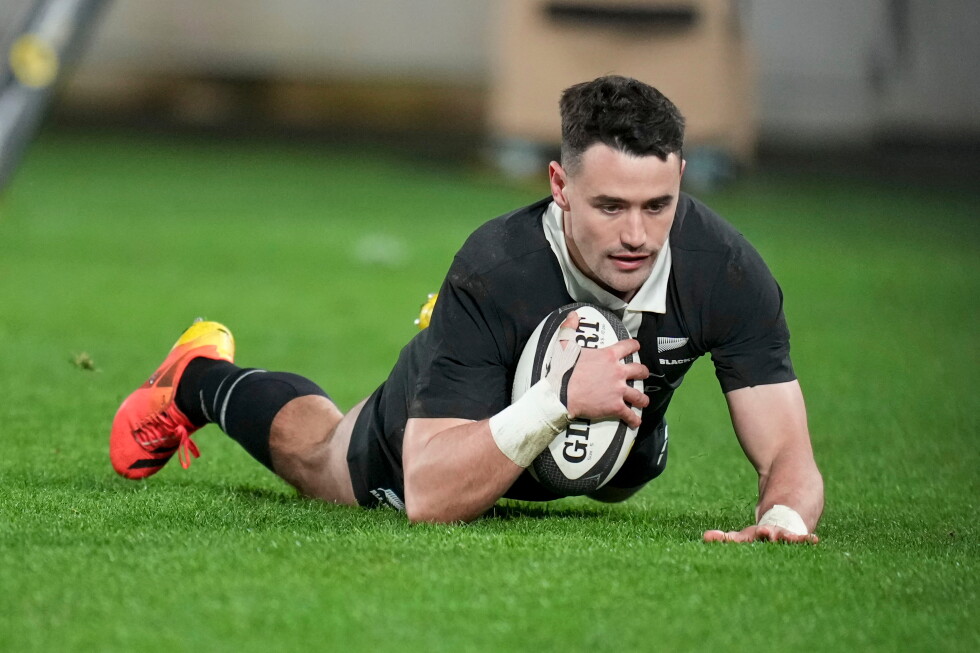
    Just 10 minutes later, Jordan claimed the record outright when he scored his third try, created by a quick-tapped penalty from Jordie Barrett. Jordan finished the match with 50 career test tries from just 56 appearances, a new milestone for New Zealand rugby. Reflecting on the record after the match, Jordan called the achievement humbling. “I think back to when I was a kid practicing my chip and chase in the back yard. To think I’d be here today, it’s hugely humbling,” he said. “I guess as a winger on the end of the chain I’ve been part of some great teams over the last seven years.”

    Italy captain Michele Lamaro acknowledged that his side could not match the All Blacks’ second-half intensity, after a strong opening 40 minutes put the world-famous side on the back foot. “I think we started really well and we were putting them under pressure,” Lamaro said. “They were trying to compete around the breakdown and we were really strong in that area. They came back on the field after halftime with another gear and we couldn’t hold them.”

    Italy was forced to play most of the final quarter with 14 men, after a yellow card given to Niccolo Cannone for an attempted head butt on Roigard was upgraded to a red card. Despite being a man down, Italy still crossed for a second try through Leonardo Marin in the 57th minute. The All Blacks were also reduced to 14 men late in the match, when flyhalf Ruben Love was sin-binned for a deliberate knock-on in the 71st minute, his second yellow card in two matches.

    Italy entered the match still reeling from an opening-round loss to Japan in Tokyo, leaving them winless after two rounds of the new tournament. For the All Blacks, while the win keeps their tournament record unbeaten at 2-0, head coach Dave Rennie will likely have plenty to address ahead of next weekend’s clash with world number one ranked Ireland. Persistent unforced errors at both ends of the pitch throughout the match have emerged as a worrying pattern for the side after similar problems plagued their opening win over France.

  • Will Trump Accounts deliver for American children?

    Will Trump Accounts deliver for American children?

    A new national children’s savings initiative, dubbed Trump Accounts, officially launched this week with a historic ceremony that rang the iconic Wall Street opening bell directly from the Oval Office, marking one of the most high-profile domestic policy rollouts of the current administration ahead of November’s midterm elections.

    Designed to cultivate long-term investing habits and give younger generations a foothold in the U.S. financial system, the program is open to all American children under the age of 18 with a valid Social Security number. Infants born between 2025 and 2028 qualify for an automatic $1,000 government seed contribution to kickstart their savings, and parents can open an account through a simple mobile app download. Third parties, including family members, friends, and employers, are permitted to contribute up to $5,000 per child annually, and account holders gain full access to their funds once they turn 18.

    By legislative requirement, all funds must be held in low-cost index funds structured for long-term growth. While account balances grow tax-free, withdrawals made before the account holder turns 59.5 incur income taxes and a potential 10% penalty unless the funds are used for approved expenses: higher education costs, the purchase or construction of a first home, or qualifying personal emergencies. The program adds a new option to the existing landscape of U.S. tax-advantaged savings tools, complementing existing products such as individual retirement accounts (IRAs) for retirement planning and 529 plans for education savings. A congressional analysis classifies Trump Accounts as a modified iteration of traditional IRAs, with distinct eligibility and withdrawal rules unique to the program.

    The White House has framed the initiative as a solution to the longstanding uneven distribution of stock ownership across the U.S., arguing that millions of younger and lower-income households currently hold little to no exposure to financial markets. “This program gives every child in America a stake in our country’s economic future,” a senior administration official said in comments ahead of the launch.

    But reaction across policy and financial circles has been deeply split, with critics arguing the program’s complexity will leave low-income families behind and fail to live up to administration hype amid ongoing widespread concerns over rising cost of living. Will McBride, chief economist at nonpartisan think tank the Tax Foundation, argues the onboarding process is unnecessarily convoluted, meaning only a small minority of eligible families will actually benefit. “The households that will actually take advantage of this are those that are already well-informed, well-off, and organized about their finances,” McBride explained.

    Other analysts have acknowledged the program’s core goal of expanding investment access is worthwhile, but warn it falls short of solving structural barriers to savings for low-income groups. Adam Michel, director of tax policy studies at the Cato Institute, noted that the $1,000 starting subsidy is the program’s biggest benefit, but most families would be better served by existing tax-advantaged savings products. Michel also pointed to the early withdrawal penalty as a critical unaddressed flaw: lower-income young adults who turn 18 may be forced to withdraw funds to cover immediate living costs, leaving them stuck paying the 10% penalty that the program does nothing to eliminate. “Trump Accounts do not fix that problem,” Michel emphasized.

    Supporters, however, argue the initiative removes a key barrier to entry for new savers. Andy Blocker, head of policy, regulatory and government relations at major financial services firm Edward Jones, said the $1,000 automatic contribution for eligible infants eliminates the most common barrier for new families: “not having anything to start with.” “If by the end of the year, more American families have a clear pathway to start building financial security for their children, that counts as a success,” Blocker said.

    Preliminary uptake data shows that around six million families opened accounts ahead of the program’s July 4 launch, a figure that represents only a small fraction of the tens of millions of children eligible nationwide. As of Monday, the White House confirmed that the $1,000 starting subsidy has already been deposited into more than 500,000 accounts for newborns, aligned with provisional U.S. birth data that recorded roughly 3.6 million births in 2025. By the end of the first week post-launch, total contributions across all Trump Accounts from private sources had reached nearly $125 million, per administration figures.

    Program projections based on historical average returns from the S&P 500 estimate that the $1,000 starting seed could grow to as much as $6,000 by the time a child turns 18 even with no additional contributions, though projections note actual returns are not guaranteed. If families contribute an average of $250 per year, the balance could reach roughly $19,000 by age 18; with the maximum annual $5,000 contribution from family or employers, that balance could climb to as high as $271,000 by the time the child reaches adulthood.

    The initiative has secured backing from major players in the U.S. corporate and financial sectors. Global investment giant BlackRock has publicly supported the program, noting that nearly 40% of all Americans hold no investments in financial markets. Major U.S. firms including payment processing leader Visa and technology conglomerate Dell have also pledged formal support for the rollout.

  • UK police release man arrested over killing of former politician Ann Widdecombe

    UK police release man arrested over killing of former politician Ann Widdecombe

    LONDON – Just two days after taking a 26-year-old man into custody in connection with the fatal killing of veteran British politician and media personality Ann Widdecombe, Devon and Cornwall Police announced Saturday that the individual has been released from custody and is no longer a target of the investigation.

    The 78-year-old Widdecombe, whose decades-long career spanned frontline British politics and mainstream reality television, was discovered dead Thursday at her secluded rural property located on the outskirts of Dartmoor National Park in southwest England. Investigators took the 26-year-old suspect into custody a day later, during a raid in a nearby town just a few miles from Widdecombe’s home.

    In an official statement following the suspect’s release, the police force emphasized that the investigation into Widdecombe’s death remains active. “Detectives continue to carry out numerous enquiries as part of the ongoing investigation and we remain committed to establishing the full circumstances surrounding the incident,” the statement read.

    Early investigative assessments have already ruled out two key potential motives: law enforcement have confirmed the killing is not believed to be an act of terrorism, and there is no current evidence to suggest the attack was politically motivated.

    Widdecombe’s death has sent ripples of shock across the United Kingdom’s political landscape, where she established herself as one of the Conservative Party’s most prominent and unapologetic right-wing voices over a generation. She served as a Member of Parliament in the House of Commons from 1987 to 2010, and held a cabinet position as Prisons Minister during Prime Minister John Major’s Conservative administration in the 1990s.

    After stepping down from parliamentary office, Widdecombe reinvented her public profile, finding new mainstream fame as a contestant on two hit UK reality TV shows: *Strictly Come Dancing* and *Celebrity Big Brother*. She never left politics entirely, however, later joining the pro-Brexit Brexit Party before ultimately becoming a spokesperson for Reform UK, the right-wing anti-immigration political party.

  • One runner gored in the face at Spain’s San Fermin bull run festival

    One runner gored in the face at Spain’s San Fermin bull run festival

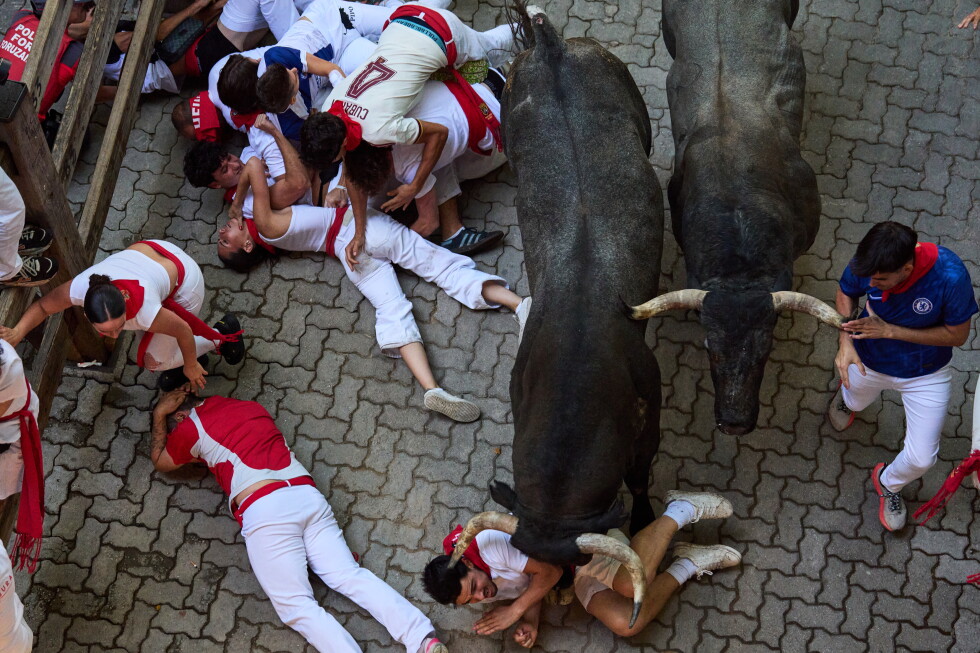
    PAMPLONA, Spain – The iconic yet dangerous annual San Fermin festival saw a chaotic fifth morning bull run on Saturday, leaving one thrill-seeking runner with a severe facial goring and a dozen more needing emergency medical care for injuries sustained during the 875-meter dash through Pamplona’s historic narrow streets. This year’s event carries a special milestone, marking a full century since the release of Ernest Hemingway’s *The Sun Also Rises* — the novel that catapulted this regional Spanish celebration to global notoriety, drawing thousands of first-time participants and international tourists every year.

    During the two-and-a-half-minute run, six fighting bulls and their guiding steers charged through tightly packed crowds that lined the cobblestone course from the holding pen to the city’s bullring, where the animals will be killed by professional bullfighters later the same day. The confined space and panicked movement of participants created multiple dangerous pileups, with dozens of runners knocked off balance as the massive animals surged through. What made the incident even more unpredictable was an early breakaway: a black bull separated from the main pack just moments into the run and charged directly into a clustered group of runners, striking one participant in the side of the face with its horn. While officials have not confirmed this breakaway charge was the exact moment the facial goring occurred, it was the most high-risk incident of the day.

    Officials from the University of Navarra Hospital confirmed that one runner suffered a horn penetration to the face, while 12 additional people sought treatment for minor bruises, scrapes, and other impact injuries from the rush. Witness accounts note that many inexperienced participants failed to notice how close the bulls were until the animals were mere feet behind them; surprisingly, several bulls did not attempt to gore runners and instead simply pushed people out of their path to continue along the course.

    This year’s eight-day festival has drawn extra attention for its centennial connection to Hemingway’s work, which introduced the adrenaline-fueled tradition to audiences across the globe. While the sport carries inherent risk, major fatalities have been rare: the last death recorded during a San Fermin bull run dates back to 2009. Even so, non-fatal injuries including gorings and broken bones remain a regular occurrence, a trend experts attribute to the growing mix of novice runners and international tourists with little experience navigating the high-stakes course alongside more practiced local participants.

  • Taiwan and eastern China brace for Typhoon Bavi as winds and rain hit Japan’s southern islands

    Taiwan and eastern China brace for Typhoon Bavi as winds and rain hit Japan’s southern islands

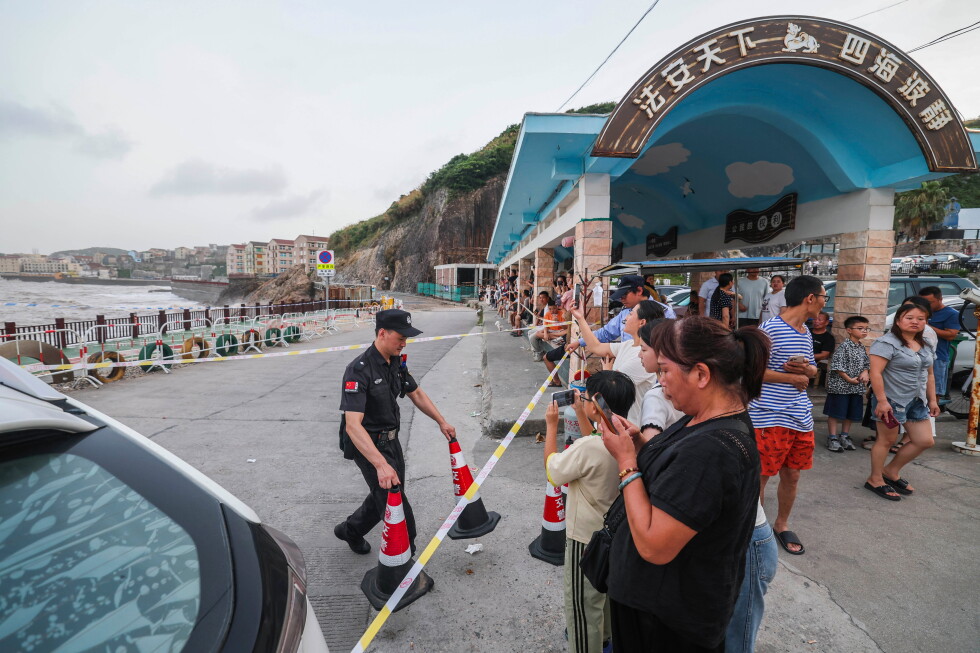
    Across East Asia, communities are on high alert and grappling with early disruptions as powerful Typhoon Bavi churns through the region, leaving a trail of canceled travel, closed workplaces and schools, and dozens of injuries in its wake, with a projected landfall on China’s eastern coast this weekend.

    According to Taiwan’s Central Weather Administration, the storm carries maximum sustained winds of 144 kilometers per hour (89 mph) around its center. Forecasters project it will pass to the north of Taiwan on Saturday, before tracking toward the eastern Chinese province of Zhejiang, where it is expected to make landfall in the early hours of Sunday, per updates from China’s National Meteorological Center.

    Japan’s southern Okinawa prefecture has already felt the storm’s force. Local officials issued urgent warnings for life-threatening high waves, gale-force winds, and dangerous storm surges across the island chain, with reports of heavy rain and strong gusts battering Ishigaki and other nearby islands. Japan’s public broadcaster NHK reports that more than 200 regional flights have been canceled up to this point, stranding hundreds of travelers.

    In Taiwan, the storm has already caused tangible harm to residents. As of 8 a.m. Saturday, Taiwan’s Central Emergency Operation Center confirmed at least 36 people have been injured by storm-related incidents. Most of those hurt were involved in motorcycle accidents on rain-slick, wind-swept roads, where low visibility and slippery pavement created hazardous travel conditions.

    By Saturday morning, more than 14,200 Taiwanese residents had been evacuated from high-risk areas across the island, including low-lying and mountainous zones in the eastern county of Hualien and the central city of Taichung. Officials have also suspended classes and non-essential office operations across most of the island for Saturday to reduce unnecessary risk to the public.

    As the storm advances toward China’s southeastern coast, local authorities have mobilized massive emergency response efforts to minimize potential damage. In Ningde, a coastal city in Fujian province located just south of the projected landfall zone, official state news agency Xinhua reports that more than 3,700 people had been moved out of high-risk onshore areas by Friday evening. Across Fujian, over 17,000 dedicated emergency rescue workers have been placed on standby to respond to floodings, structural damage, and other storm-related emergencies.

    China’s National Meteorological Center has issued an orange typhoon alert, the second-highest warning level on the country’s four-tier alert system, in preparation for the storm’s arrival. In line with the alert, many local governments across coastal eastern China have suspended school classes and halted inter-island ferry services. Hundreds of commercial flights have been grounded, and segments of high-speed railway lines have also paused operations to prevent accidents.

    In an update Saturday, China’s state broadcaster CCTV confirmed that the National Meteorological Center has also issued the country’s first red rainstorm alert of 2025, signaling an extreme risk of severe flooding and hazardous weather conditions across the region as the typhoon makes landfall.

  • England battle Norway as Argentina face Swiss in World Cup last eight

    England battle Norway as Argentina face Swiss in World Cup last eight

    The final stretch of the men’s World Cup has reached its most anticipated phase, with four teams set to lock horns this weekend in the last-eight ties that will determine which sides advance to the tournament’s semi-finals. Friday’s build-up has centered on the explosive quarter-final between England and Norway, a matchup that brings two of the world’s deadliest attackers together on soccer’s biggest stage, as 2026 World Cup action continues across the United States.

    At Hard Rock Stadium in Miami on Saturday, England captain Harry Kane will go head-to-head with Norway’s superstar center-forward Erling Haaland in what fans have dubbed a battle for the title of the world’s best striker. Both forwards have carried their nations’ deep runs into the knockout stage: Kane, 32-year-old Bayern Munich star, has notched six tournament goals so far, and delivered a heroic performance in England’s draining 3-2 last-16 win over Mexico at the iconic Estadio Azteca. That win came despite England having a player sent off early, forcing Kane to drag his side through 80 minutes of attritional play to secure the quarter-final spot.

    For Norway, Haaland has been equally unstoppable, scoring seven goals to push his country to the furthest stage in World Cup history – a run that already includes a massive upset win to eliminate pre-tournament favorites Brazil. Off the pitch, the Norwegian’s laidback, confident energy has endeared him to fans across the U.S., while the team’s supporters have turned every venue into a raucous celebration, with their viral rowing celebration transforming crowd stands into giant human Viking ships.

    Ahead of kickoff, Kane praised his rival, calling 25-year-old Manchester City star Haaland “a beast” while noting the two strikers have distinct playing styles. “I see myself as a different player, although I score the same goals,” Kane told reporters on Friday. “I like to maybe touch the ball a little bit more, be involved with the play a little bit more, but also can play as maybe the out-and-out number nine. I don’t think it’s one to compare ourselves. I respect him a lot as a player and as a professional. Obviously, I’m hoping he has a quiet day tomorrow, but I think his overall performance is very good.”

    England received a major boost ahead of the tie, with key trio Declan Rice, Marc Guehi and Reece James returning to full training on Friday after recovering from minor injury and illness issues. England manager Thomas Tuchel called their return “the best news” for the side, adding that the team remains focused on the task ahead: “We took a big step in our last match, but it was only a step. The next step is to win a quarter-final. The important thing is to look up at what is ahead of us.”

    One wild card for the Miami matchup is the extreme late-spring heat, with forecasts predicting game-day temperatures will climb above 40 degrees Celsius (104 degrees Fahrenheit), which could force players to manage fatigue over the full 90 minutes.

    The winner of the England-Norway clash will advance to the semi-finals to face the winner of the second quarter-final, which sees defending champions Argentina take on surprise underdogs Switzerland at Kansas City’s Arrowhead Stadium on Saturday.

    Argentina is bidding to make history as the first national team to win back-to-back World Cup titles since Brazil in 1962, but the side has already been pushed to the brink in the knockout stage, after hard-fought narrow wins over debutants Cape Verde and then Egypt. Questions have grown around whether age and fatigue will catch up to the defending champions, especially talisman Lionel Messi, who turned 39 during the group phase. Despite his age, Messi has once again been Argentina’s match-winner, pulling the side out of multiple tight spots en route to the quarter-finals, and he will enter Saturday’s tie having already set a new all-time record of 21 World Cup goals across six tournament appearances.

    For Switzerland, the well-organized side led by defensive anchor Granit Xhaka has flown under the radar to reach the last eight, and many analysts believe the European side is well-positioned to exploit any Argentine fatigue to pull off an upset. Speaking to reporters on Friday, Argentina manager Lionel Scaloni acknowledged the challenge his side faces: “They have very experienced players. They are strong. So it will be a tough opponent, that is for sure.”

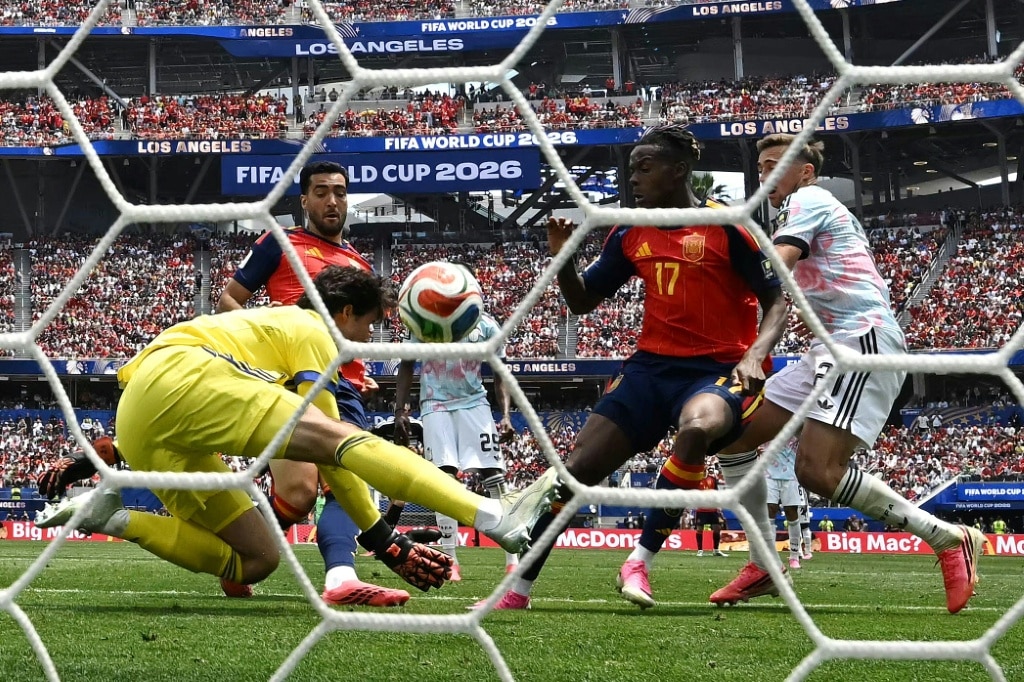
    On Friday, the first quarter-final was completed, when Spain scored a late 88th-minute winner to beat Belgium 2-1 in Los Angeles, booking their spot in a blockbuster semi-final against France. The winning goal came from an uncharacteristic mistake from Belgian goalkeeper Senne Lammens, who spilled a long-range shot into the path of Spain’s Mikel Merino, who converted from close range to secure the win. The result means European champions Spain – who conceded their first goal of the entire tournament in the match against Belgium – will face France in Arlington, Texas next Tuesday. Spanish manager Luis de la Fuente described the upcoming matchup as “a final before the final”, a nod to the elite quality of both sides that will compete for a spot in the World Cup final.

  • Small plane crash in Bahamas kills 10 people

    Small plane crash in Bahamas kills 10 people

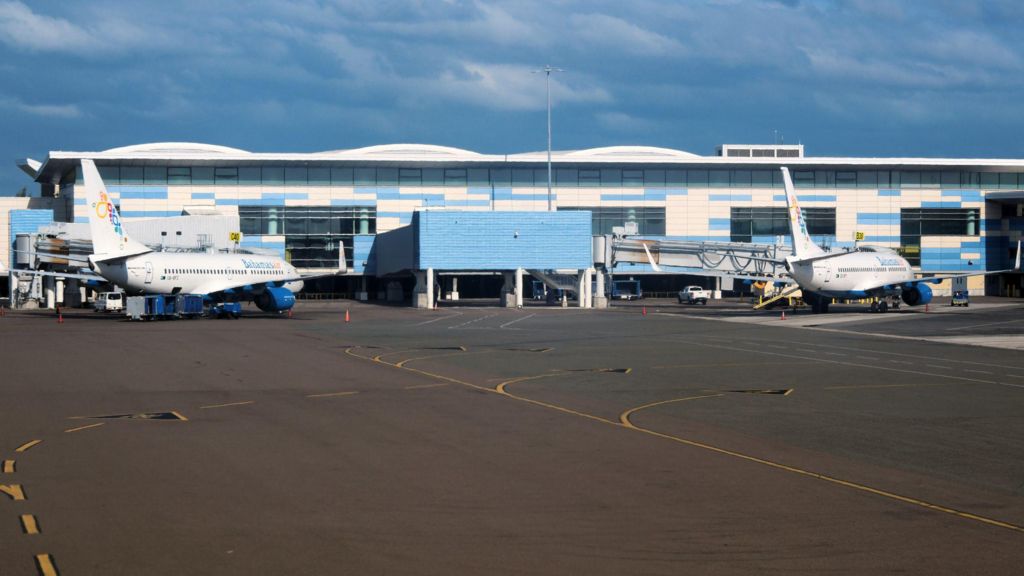
    A devastating aviation tragedy has shaken the Caribbean nation of the Bahamas, leaving 10 people dead after a small passenger plane crashed on the country’s 53rd Independence Day, according to official statements. The Cessna 402 model aircraft, operated by local Bahamas-based carrier Flamingo Air, departed from Lynden Pindling International Airport located just outside the capital city of Nassau for a short domestic flight to San Andros Airport.

    The Bahamas Aircraft Accident Investigation Authority reported that the flight crew encountered unexpected difficulties mid-flight before the aircraft crashed into a dense bushy area while it was attempting to approach the destination airport for landing. What was supposed to be a day of national celebration turned into a period of national grief, Prime Minister Philip Davis confirmed during an emergency press briefing shortly after the incident.

    “Today is a day of celebration but it has become a day of mourning,” Davis told reporters. “Once again, a chapter in our nation’s story has been marked by tragedy.” Initially, officials believed there was one survivor pulled from the wreckage, but Davis confirmed several hours later that the injured passenger had succumbed to their injuries, bringing the final death toll to 10, including nine passengers and the pilot. As of the latest update, no personal details of those on board, including full names, ages or nationalities, have been released to the public as authorities work to notify next of kin.

    In a precautionary safety move following the crash, the Bahamas Ministry of Aviation announced it has temporarily suspended Flamingo Air’s air operator certificate, halting all of the carrier’s commercial operations pending investigation. The ministry clarified that this temporary grounding is not classified as an adverse compliance action against the airline, noting that the decision was made after two separate safety incidents involving the carrier were recorded on the same Friday.

    According to CBS News, the BBC’s U.S. news partner, aviation minister JoBeth Coleby-Davis confirmed that an earlier Flamingo Air flight was forced to turn back to Nassau after the pilot reported a mechanical issue mid-flight. After the plane landed safely and all passengers had disembarked, an onboard fire broke out on that aircraft. No injuries were reported in that earlier incident.

    The BBC has reached out directly to Flamingo Air for additional comment and more details on the incidents. In an initial statement to local Bahamian media, the airline said that it is currently collecting information and confirming details related to the crash, and that it will fully cooperate with all relevant national authorities as investigations move forward. The crash is currently under full investigation to determine the root cause of the fatal accident.

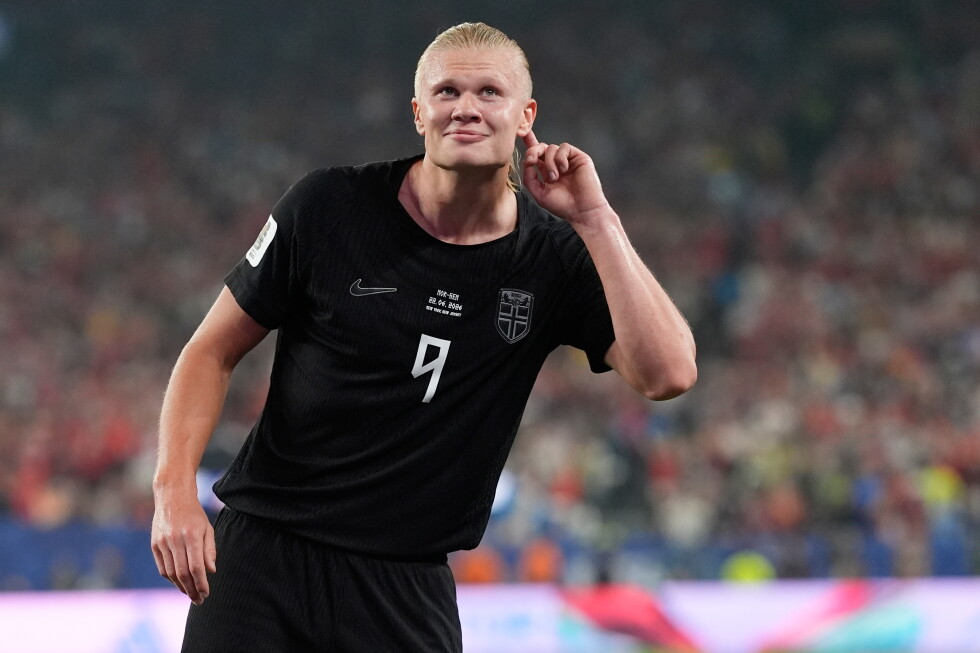
  • Erling Haaland is Norway’s World Cup machine — and the internet’s babygirl

    Erling Haaland is Norway’s World Cup machine — and the internet’s babygirl

    Standing 6 foot 5 inches tall and boasting elite scoring prowess that has outmatched every defender he has faced at the 2026 FIFA World Cup, Erling Haaland has long been known as a seemingly unstoppable on-pitch machine. But to a rapidly growing legion of new, loyal fans across social media, the Norwegian star is far more than just a top striker — he is their beloved “babygirl” and “pretty Norwegian princess.” Haaland’s unprecedented cross-over fame, which has turned casual sports observers and even soccer newcomers into diehard fans, is reshaping how modern athletes connect with global audiences, proving that personality off the pitch can amplify stardom as much as skill on it.

    Haaland’s viral appeal stems from a striking contrast that fans cannot get enough of: his imposing physical dominance and clinical finishing as the Premier League’s all-time top scorer collide with an unexpectedly goofy, unfiltered online persona that feels deeply relatable to young audiences. From his signature flowing blond mane and matching color-coordinated hair ties to playful, off-the-cuff social media content, Haaland has leaned into internet culture in a way few elite athletes have before. One of his most famous posts is a Snapchat-filtered selfie where he dubbed animated character Shrek his “twin,” a moment that quickly spread across TikTok, Instagram, and X. This contrast between fierce on-pitch competitiveness and a softer, playful off-pitch presence is what has earned Haaland the internet’s “babygirl” label — a fan slang term used for endearing male public figures who read as warm, approachable, and even unexpectedly vulnerable.

    As Haaland leads Norway into a World Cup quarterfinal match against England, his fame has reached a fever pitch that extends far beyond traditional soccer circles. Sarah Wilson, a 31-year-old baseball content creator based in New York, is one of the many new fans who caught “Haaland fever” in recent weeks. Her viral TikTok declaring her love for the star, where she called him both a stunning “pretty Norwegian princess” and one of the best strikers in the world, racked up millions of views and resonated with thousands of new fans like herself. Wilson told the Associated Press that Haaland’s mass appeal boils down to two core pillars: unmatched talent and unapologetically Gen Z energy. “Him being really, really talented — that’s the first pillar of it all. And then you find out that he’s 25 years old and he’s probably the most Gen Z athlete in the World Cup,” she explained, pointing to his regular use of playful Snapchat filters, casual self-posted content, and willingness to joke about himself.

    Haaland has actively leaned into his viral fame rather than shying away from it, constantly interacting with fans and leaning into the meme culture that has grown up around him. After scoring two goals to knock Brazil out of the tournament, he posted a cheeky, smug locker room selfie to Instagram with the simple caption: “Well well well.” When an Instagram video with nearly 100 million views joked that his silhouette and hair made him look like a green onion, Haaland commented on the post with a viral side-eyeing dog GIF, playing along with the joke. When Google added an interactive Viking row animation to Haaland’s search results (a nod to a popular Norwegian team tradition), he shared the discovery on X with a winking emoji, encouraging his followers to check it out. In a press conference ahead of the quarterfinal, Haaland said he has enjoyed the overwhelming warm reception he has received in the United States during the tournament. “I think it’s a good thing because I like the Americans. I think they are kind of hilarious as well. They are funny. I like the way they are,” he said. “I think it’s just good and honestly, on every single thing, the World Cup so far here has been amazing.”

    Scholars who study athlete-fan dynamics say Haaland’s cross-over success reflects a larger shift in how sports and pop culture intersect in the social media era. Jeffrey Kassing, an Arizona State University professor who researches athlete social media use, noted that sports have long functioned as a powerful cultural force on par with politics and religion, making it natural for top athletes to break into mainstream pop culture. What makes Haaland’s moment unique, he explained, is how much control modern athletes have over their own public image, a stark change from decades past when athletes only interacted with the public through formal press conferences and managed media interviews. “There used to be a whole lot of gatekeeping that would happen with athletes; you would only ever hear from athletes maybe in an interview or in a press conference,” Kassing said. Haaland, he added, is clear evidence of how much more autonomy players have to shape their own public image today.

    This increased access to athletes has fostered what academics call parasocial relationships, where fans feel a deep, personal connection to public figures even though the connection is one-way. Gayle Stever, a professor at Empire State University who has studied celebrity-fan dynamics for decades, noted that the vast majority of these relationships are positive, healthy, and normal, with only a small share of fans taking interactions to an unhealthy extreme. Skyla Clarke, a 19-year-old sports management student in Brisbane, Australia and lifelong soccer fan, says she has seen the darker side of modern fan culture: unprompted harassment of players after poor performances, and even targeted abuse of athletes’ family members, is an all-too-common occurrence. Haaland himself has spoken out about the risks of unregulated AI-generated deepfake content targeting players, calling it “bit scary.” But he also framed the widespread viral attention around his team and their traditions as a net positive, noting that widespread interest is usually a sign that a team and a country are succeeding on the global stage.

    Haaland is not the only top player to receive this affectionate, playful rebranding from internet fans. Croatian star Luka Modrić, who is widely expected to play his final World Cup match this tournament, has also been dubbed a “babygirl” by fans, who often describe feeling a protective, maternal pull toward him. Modrić’s well-documented difficult childhood growing up amid the dissolution of Yugoslavia has deepened this fan connection, with creators like Clarke sharing childhood photos of the star to help new fans connect with his story. One of Clarke’s TikTok videos about Modrić’s potential retirement gained hundreds of thousands of views in just a few days. Even with Modrić’s much more reserved social media presence, Kassing notes that fans often take it upon themselves to shape the public perception of athletes they feel connected to, often adding playful edits like bows and heart emojis to their photos.\n\nAhead of Haaland’s quarterfinal match against England, fans have also latched onto his longstanding friendship with former teammate Jude Bellingham, the English star, with many fans “shipping” the pair and creating viral fan edits of the two celebrating together. Fans have even dubbed the pairing “heated Haalandry,” a playful reference to the popular romantic drama *Heated Rivalry*, which centers on a relationship between two opposing pro hockey players. For fans like Nulara Ratwatté, a 19-year-old art student at the University of Melbourne, the affection for Haaland transcends soccer skill — even for fans who do not follow the sport regularly. Ratwatté, who went viral for her own videos gushing about the Norwegian star, says she once considered herself outside of soccer culture, but has fully embraced Haaland fandom. She describes him as a “big, friendly giant,” and now tunes into every Norway match to cheer him on. “Truly, from the bottom of my heart,” she said, “I love him.”

  • Iraq’s new PM wants business deals with Trump, but militias cloud visit

    Iraq’s new PM wants business deals with Trump, but militias cloud visit

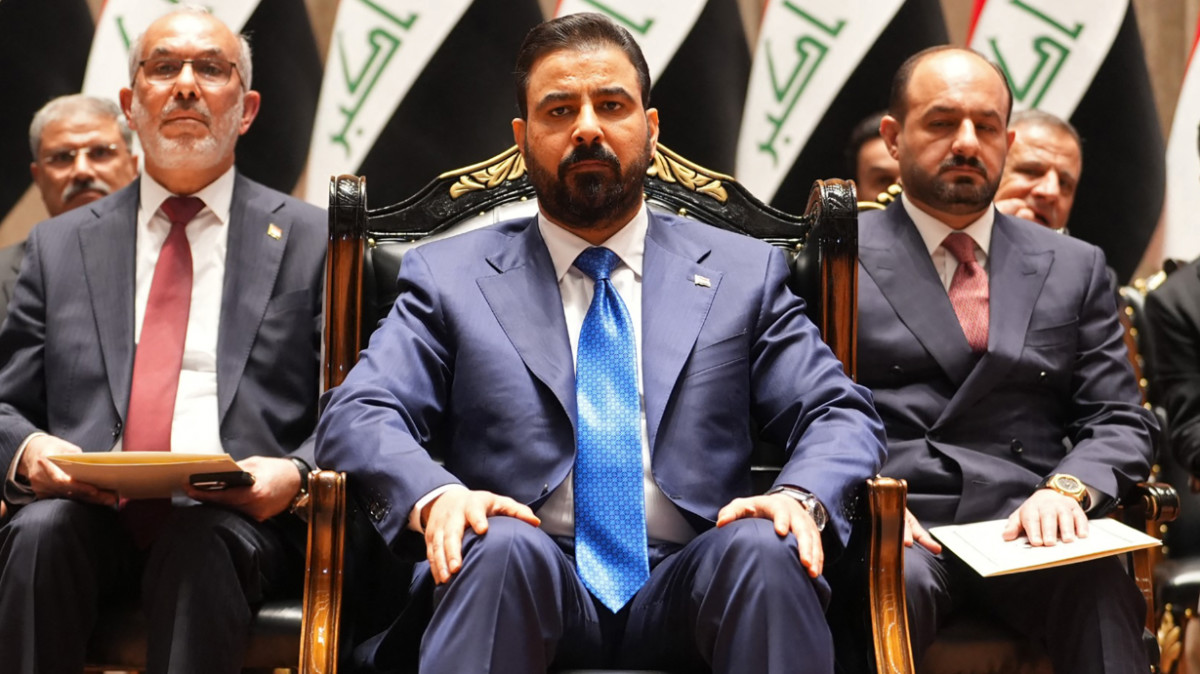
    When Ali al-Zaidi secured his nomination as Iraq’s new Prime Minister back in April, a senior Iraqi diplomat speaking privately to Middle East Eye expressed open relief, placing a congratulatory call to the newly tapped leader immediately. “This was Trump’s pick. He is an Iraqi Trump, a businessman,” the official remarked at the time. “Now, the funds will flow again.”

    That prediction has quickly come to fruition. Last Thursday, Baghdad confirmed that the United States has restarted air shipments of Iraqi oil revenues held at the Federal Reserve Bank of New York, a move timed perfectly for Zaidi’s high-stakes, landmark visit to the White House next week. A second senior Iraqi official, speaking to MEE on condition of anonymity, confirmed that the entire trip will center on commercial and energy agreements, with multiple deals ready for signing during Zaidi’s meeting with former President Donald Trump.

    As part of the upcoming agreements, the Iraqi prime minister will finalize expansion of a preliminary deal that allows US energy giant Chevron to develop a major oil field in the southern province of Basra. Another US energy firm will also scale up its operational footprint at the Akkas gas field in western Anbar province, according to the official. A third major pact will see Washington and Baghdad partner on the rehabilitation of the 50-year-old Kirkuk Baniyas pipeline, which historically linked Iraq’s northern oil fields to Syria’s Mediterranean coastline.

    Tom Barrack, Trump’s appointed ambassador to Turkey and special envoy for Syria and Iraq, has spent weeks pushing to lock in these preliminary agreements ahead of Zaidi’s visit, as part of a broader US strategy to reduce Iran’s regional influence and leverage over the Strait of Hormuz. “Trump and Zaidi come from a business background. Iraq is coming to the US with deals,” the senior Iraqi official noted.

    For Zaidi, the focus on advancing economic and energy ties with Washington is also a calculated strategic move to buy time for his top domestic priority: disarming Iranian-aligned militias that joined Tehran in attacking US forces and Gulf Arab allies during the recent US-Israeli military campaign against Iran.

    Renad Mansour, director of the Iraq Initiative at London-based think tank Chatham House, told MEE that Zaidi is closely studying the playbook of other regional leaders who have built productive working relationships with Trump, particularly Syrian President Ahmed al-Sharaa. “He knows the key is to establish a personal rapport,” Mansour explained.

    The saga of Iraq’s frozen oil revenues underscores just how critical this visit is for Baghdad, which remains heavily dependent on Washington even years after the formal US military withdrawal. The US pulled all remaining combat troops from Iraq’s federal territory at the start of this year, leaving roughly 2,000 troops deployed only in the semi-autonomous Kurdistan region. But more than two decades after the 2003 US invasion, Washington still retains outsized leverage over the Iraqi government through its control of the country’s key oil income held in US financial institutions.

    The Trump administration froze access to these funds back in April, with the official justification being retaliation for attacks on US assets in Iraq and neighboring countries. But behind the scenes, the freeze was also part of an aggressive lobbying campaign to push Iraqi political factions to select a prime minister aligned with US interests. Earlier this year, Trump publicly took the unprecedented step of tweeting his opposition to the nomination of Nouri al-Maliki, a two-time former prime minister with long-standing close ties to Tehran who oversaw the formation of Shia militias to combat the Islamic State a decade earlier.

    “Zaidi enjoys obvious support in Washington,” Abbas Kadhim, director of the Iraq program at the Arab Gulf States Institute in Washington, told MEE. “His nomination was unprecedented in US-Iraq relations. He was endorsed by the US before there was even a vote to confirm the cabinet. The US always tried to negotiate behind closed doors on the PM’s selection. This was the most overt a president has ever been. There was no camouflage.”

    Diplomats and analysts describe Zaidi as a carefully crafted compromise candidate. His acceptability to Washington was brokered by Faiq Zaidan, the powerful head of Iraq’s influential Judicial Council. Once a close ally of Iran and a disciple of Qassem Soleimani, the late commander of Iran’s Quds Force, Zaidan has shifted his alignment sharply toward the US in recent years, clearing the path for Zaidi’s nomination.

    Even so, Zaidi ultimately relied on support from the Coordination Framework, an alliance of Shia political parties dominated by factions close to Tehran, which acts as the de facto kingmaker in Iraqi politics. Under Iraq’s unwritten power-sharing agreement, the prime minister’s post is reserved for a Shia politician, the presidency goes to a Kurd, and the speaker of parliament is selected from the Sunni community.

    A wealthy self-made businessman with holdings spanning real estate, banking, and logistics, Zaidi’s own financial history underscores the delicate balancing act he must maintain: his Al Janoob Islamic Bank was sanctioned by the US in 2024 over allegations of ties to Iranian-backed militias.

    Zaidi’s rise to power highlights the constant tightrope walk that Iraq’s ruling elite must navigate between two competing powers: the United States, which controls Baghdad’s financial lifeline through its hold on oil revenues, and neighboring Iran, which backs dozens of armed militias that wield massive political and military influence across the country.

    The Popular Mobilisation Forces (PMF), a mostly Shia coalition of militias formed to fight the Islamic State more than a decade ago, has since become deeply embedded in Iraq’s state institutions. Today, the PMF fields more than 150,000 fighters, maintains sprawling patronage networks, and is partially integrated into Iraq’s official security apparatus, with the Iraqi government covering the salaries of its fighters. The group has repeatedly been accused of kidnappings, targeted assassinations, and violent suppression of peaceful anti-government protests.

    Successive US administrations have pressured Baghdad to disband the militias, but multiple previous Iraqi prime ministers have avoided direct confrontation out of fear of the PMF’s military strength and deep infiltration of state institutions. The Trump administration has already pressed Zaidi’s government to cut off salary payments to PMF factions aligned with Iran.

    Shortly after taking office, Zaidi launched a high-profile anti-corruption crackdown last month that targeted political figures from both Shia and Sunni backgrounds, including allies of his predecessor Mohammed Shia Sudani. Several senior officials with close ties to the PMF were among those targeted in the raids. He also set a firm September 30 deadline for all militias to surrender their heavy weapons to the state and disband. While a small number of smaller factions have announced they will comply with the order, the most powerful Iranian-aligned groups, including Kataib Hezbollah, have flatly refused to disarm.

    “The US wants Iranian-linked armed groups reined in, and economic links to Iran reduced. It also wants attacks to stop against the US’s interests and partners, particularly the Gulf states,” Sarhang Hamasaeed, an independent Iraqi analyst based in Baghdad, told MEE.

    Unlike Lebanese Hezbollah and Yemen’s Houthi movement, most of Iraq’s Iran-aligned militias avoided open participation in the Gaza war that followed the October 7, 2023, Hamas attack on southern Israel. A brief flare-up of clashes in late 2024 led to retaliatory US airstrikes, but after the US-Israeli military attack on Iran in February of this year, Iraqi militias openly joined the fighting.

    US forces based in Iraqi Kurdistan came under repeated attack from multiple militia factions, but most of the attacks were directed at Gulf Arab states including Saudi Arabia and Kuwait, according to senior Arab Gulf and US officials who spoke to MEE. Analysts note that Baghdad’s relations with Kuwait and the United Arab Emirates have been severely damaged by the Iraqi government’s failure to prevent these attacks.

    Regional experts warn that the recent regional conflict has made Zaidi’s goal of disarming the militias far more difficult to achieve. “It is difficult to take the September 30 deadline very seriously at this stage. There are no indications that the hardline, Iran-aligned militias, such as Kataib Hezbollah and Harakat al-Nujaba, are willing to relinquish their heavy weapons, nor is there any sign that Tehran is prepared to accept such a move,” Harith Hasan, an Iraq expert at the Doha Institute for Graduate Studies, told MEE. “So far, the measures taken have been largely cosmetic and implemented by groups that have not been deeply involved in attacks,” he added.

    Despite heavy US and Israeli military strikes against Iranian targets across the region, Iran is widely viewed as having emerged from the conflict with increased regional influence and greater confidence. Tehran has moved aggressively to assert its control over the Strait of Hormuz, and rallied public and military support to Hezbollah in Lebanon, refusing to accept a US-brokered ceasefire extension until Israel agreed to halt attacks on its ally.

    “The armed groups [in Iraq] came out in a more direct way in solidarity with Iran during the war. That makes Baghdad’s ability to manoeuvre harder,” Hamasaeed said. “These groups now feel stronger. They have fought directly with Iran, and Iran has shown it supports its allies.”

    Mansour, from Chatham House, added: “The Islamic Revolutionary Guard Corps is doubling down on the militias. So they are getting significant support and direction from the IRGC. The Iranians aren’t going to stand down.”

    For Iraq, which is facing deep economic crisis, Zaidi is betting that a focus on lucrative energy and business deals will appease the Trump administration and keep the flow of Iraqi oil revenues moving. Iraq relies on oil exports for roughly 90 percent of its total government budget, and unlike some Iranian-aligned actors, Iraqi oil shipments receive no preferential treatment in the Strait of Hormuz, where Iran has recently resumed attacking commercial vessels. Iraq also depends on the strait for nearly all of its critical imports of food and industrial goods.

    “Unlike after 7 October [2023], when Iraq managed to insulate itself from regional conflict. This war has put Iraq in the crossfire,” Kadhim noted.

  • Spain battles to contain one of its deadliest wildfires as at least 12 killed

    Spain battles to contain one of its deadliest wildfires as at least 12 killed

    One of the deadliest wildfires in recorded Spanish history continues to burn across Almería province in southeastern Spain, leaving 12 people dead and 23 others unaccounted for, as emergency crews race to contain lingering flare-ups amid a region-wide heatwave amplified by human-caused climate change.

    Spanish authorities confirmed four of the fatalities are British nationals, found dead inside a burned-out vehicle with a right-hand steering wheel, consistent with UK vehicle standards. Local officials in the Los Gallardos area, where the fire originated, have warned the death toll could climb further, with fears additional foreign nationals may be among the unaccounted for. Andalusia’s Health and Emergencies Minister Antonio Sanz noted that most — if not all — of the victims may come from the large expat community that owns homes and resides in the region.

    Belgian Foreign Minister Maxime Prévot confirmed consular teams are working to contact dozens of Belgian citizens with second homes in the area who have not checked in with authorities. Neither Spanish officials nor the UK Foreign, Commonwealth & Development Office have released the identities of the deceased as of Saturday.

    Eyewitnesses described a rapid, chaotic spread of the blaze that caught many off guard on Thursday afternoon. Lucinda Curtois, a British tourist who arrived in the area for a family holiday the same day the fire broke out, recounted her harrowing escape from the village of Bedar, the epicenter of the fire response. Curtois told the BBC the sky turned dark with a massive plume of smoke that resembled a nuclear mushroom cloud, saying “it was like a bomb had gone off.” She added she fears at least two more UK nationals who ignored evacuation warnings and left their rural homes on foot have been killed.

    Local officials in Bedar confirmed some of the victims did not follow official recommended evacuation routes, though it remains unclear how effectively that guidance was communicated to residents and visitors. The fire spread with unusual speed thanks to a combination of extreme 40-degree Celsius (104 Fahrenheit) heat, months of parched dry vegetation, and gusty high winds that pushed flames across the landscape rapidly. While Spanish authorities have identified the cause as a fallen power line, local electricity providers have formally disputed this account, and no official final determination has been released.

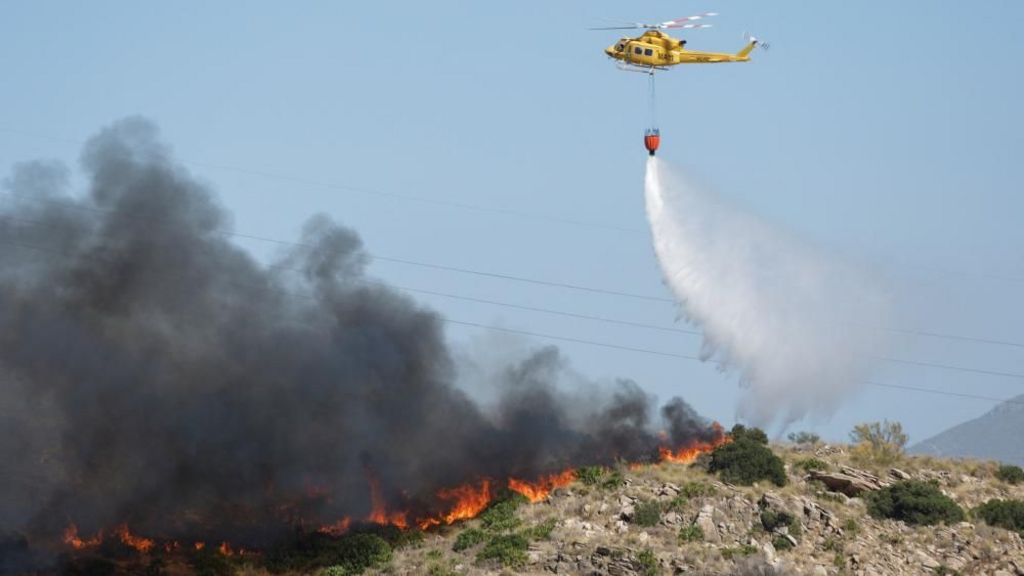
    As of Saturday, more than 300 firefighters and specialized fire suppression personnel have been deployed to the area, with helicopter crews conducting air drops of water to contain remaining pockets of fire. The Andalusian division of Spain’s national weather agency AEMET forecast slightly more favorable conditions for fire containment on Saturday, with cooler temperatures and moderate winds expected to slow the spread of flames.

    This wildfire already ranks among the five deadliest in Spanish modern history. In 1979, 21 people including nine children died in a major blaze near Lloret de Mar in northeastern Spain, and a 1984 fire on the Canary Island of La Gomera killed 20 people.

    The disaster comes amid a broader pattern of extreme wildfire risk across Southern Europe, where an extended summer heatwave has sparked major blazes in France, Portugal, and Spain. Data from the European Copernicus Climate Change Service confirms Europe is warming twice as fast as the global average, a trend driven by anthropogenic climate change. This rapid warming has led to more frequent, longer, and more intense summer heatwaves, increased strain on regional water supplies, and a dramatic rise in the frequency and severity of extreme wildfire events across the continent.