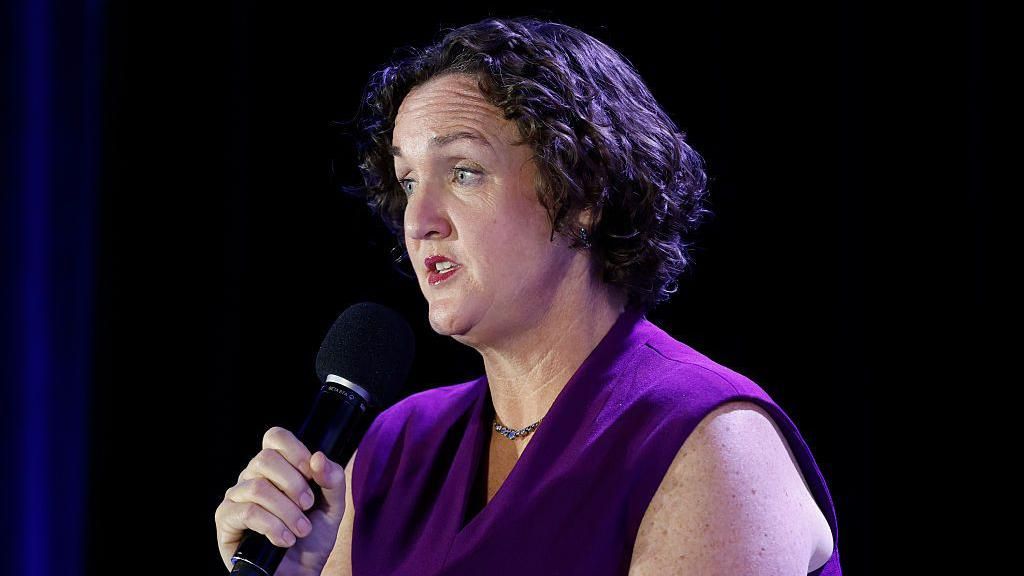
Katie Porter, a prominent Democratic candidate vying to become California’s next governor, has issued a public apology following the circulation of videos depicting her aggressive interactions with a news reporter and a former staff member. In her first remarks since the videos went viral, Porter acknowledged that she “fell short” and expressed regret for her conduct. Despite her apology, the incident has cast a shadow over her campaign, with some within her party questioning her suitability for the role of governor. Porter, who is widely regarded as a frontrunner in the race to succeed Gavin Newsom, has received minimal support from fellow Democrats, with critics suggesting her behavior raises concerns about her temperament. The controversy emerged just months ahead of the June 2026 primary vote, which will determine the final two candidates in the gubernatorial race. During an appearance on the Inside California Politics program, Porter was directly questioned about her ability to lead the state. She used the opportunity to address the viral footage, stating, “When I look at those videos, I want people to know that I understand that I could have handled things better.” Porter emphasized her commitment to her staff and her determination to continue her campaign, vowing to fight for California’s future. The first video, shared online last week, captured Porter threatening to walk out of an interview with a local CBS reporter and laughing at a question. The second video, dating back to 2021, showed her shouting at a staffer and using explicit language. Porter rose to national prominence during her tenure in the U.S. House of Representatives from 2019 to 2025, where she was known for her incisive questioning and use of a whiteboard during congressional hearings. Her campaign gained momentum after former Vice President Kamala Harris announced she would not run for governor. However, with the primary still months away, other potential candidates, including California Senator Alex Padilla, are being urged to enter the race.
作者: admin
-
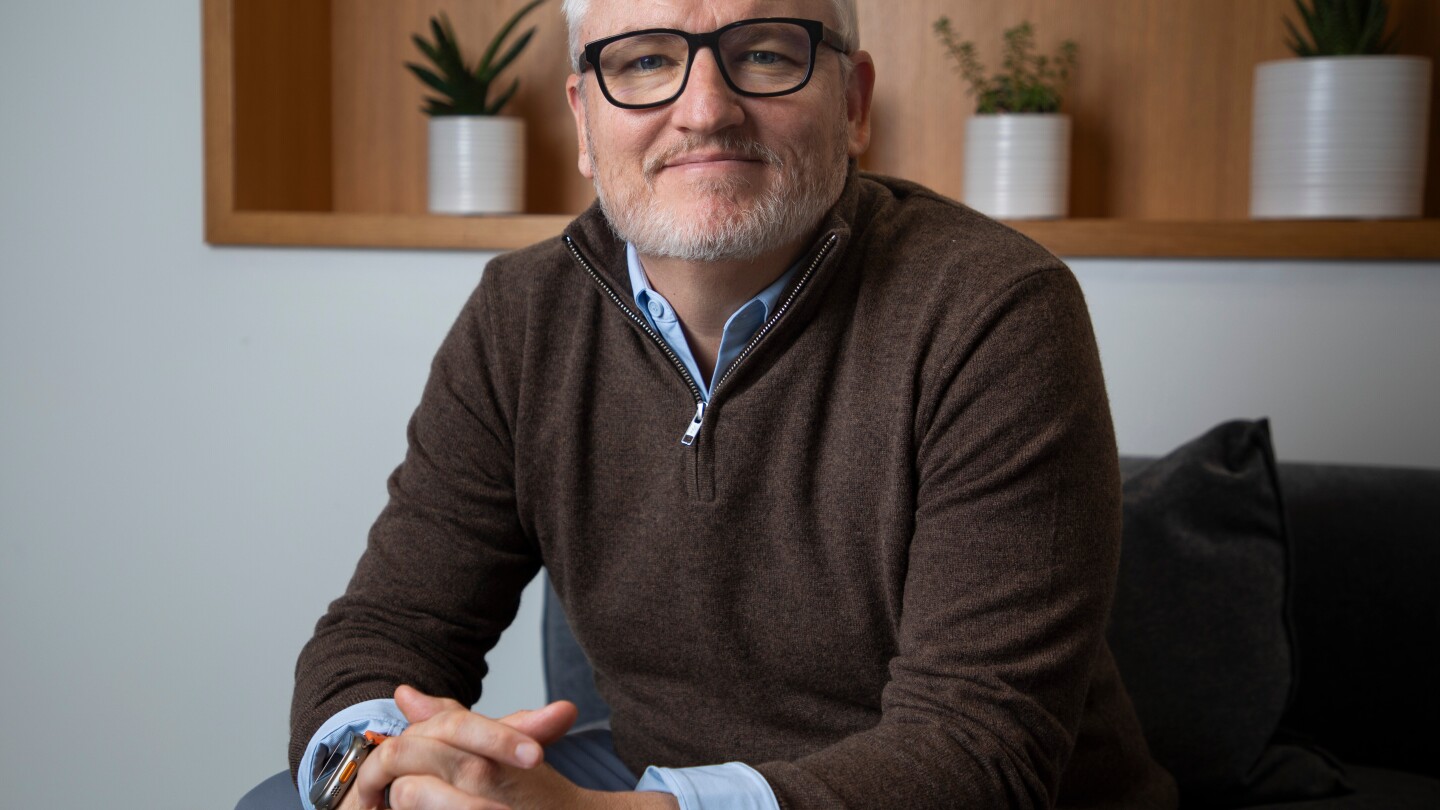
How Promote Giving, a new investment model, will raise millions for charities
Joel Holsinger, an investment manager and partner at Ares Management Corp., has launched Promote Giving, a groundbreaking initiative aimed at encouraging investment managers to integrate charitable donations into their business models. This initiative stems from Holsinger’s transformative experience during a 2019 visit to Dharavi, India’s largest slum, where he witnessed the impact of a tuberculosis prevention program hindered by funding shortages. Inspired to bridge the gap between profit and purpose, Holsinger created the Pathfinder family of funds, which donates at least 5% of performance fees to charities. Since its inception, the initiative has raised over $10 billion in investments and pledged more than $40 million to charitable causes. Promote Giving, launched with participation from nine firms including Ares Management, Pantheon, and Pretium, represents $35 billion in assets and could generate up to $250 million in donations over the next decade. Unlike ESG or impact investing, Promote Giving focuses on maximizing financial returns while allocating a portion of management fees to charities after investors receive their promised returns. This model addresses the funding challenges faced by nonprofits, particularly in the wake of cuts to U.S. foreign aid and the dismantling of USAID. Kammerle Schneider of PATH and Sal Khan of Khan Academy have praised the initiative for its potential to provide stable, long-term funding for critical global health and education programs. Holsinger envisions Promote Growing into a movement akin to the Giving Pledge, encouraging industries to embed philanthropy into their core operations. Research from Chief Executives for Corporate Purpose supports this approach, showing that companies with purpose-driven missions achieve higher revenue growth and employee engagement. Holsinger believes that by channeling more capital to nonprofits, Promote Giving can help solve global challenges that lack not solutions but funding.
-

Dubai’s VARA: Regulating the future of virtual assets
Dubai has solidified its position as a global leader in digital finance by establishing the Virtual Assets Regulatory Authority (VARA), the world’s first dedicated regulator for virtual assets. Since its inception in 2022, VARA has been at the forefront of shaping a regulatory framework that balances innovation, investor protection, and market integrity. Under the leadership of CEO Matthew White, VARA has evolved into a full-scale authority overseeing one of the most dynamic virtual asset markets globally.
VARA’s approach is rooted in principles rather than rigid prescriptions, ensuring flexibility and clarity for market participants. The framework emphasizes activity-specific requirements, data-driven supervision, and global alignment. White highlights the importance of leveraging technology-enabled supervision, scaling innovation through sandboxes, and fostering cross-border cooperation. Collaborations with entities like the UAE Securities and Commodities Authority further strengthen Dubai’s unified national framework.
Innovation remains a cornerstone of VARA’s strategy, but not at the expense of accountability. White asserts that compliance and innovation are complementary, benefiting investors, consumers, and innovators alike. The authority’s principles-based framework sets clear guardrails while allowing Virtual Asset Service Providers (VASPs) the flexibility to meet standards. Strict enforcement mechanisms, including fines up to Dh10 million, underscore VARA’s commitment to compliance.
Engagement with the industry is central to VARA’s operations. Regular consultations with VASPs, tech experts, and investors ensure that regulations remain relevant and effective. Workshops and participation in major events like GITEX and TOKEN2049 further enhance VARA’s connection with the ecosystem. Dubai’s appeal as a virtual asset hub is bolstered by its world-class infrastructure, business-friendly policies, and lifestyle advantages, attracting institutional investors and major players in the industry.
VARA is also pioneering the tokenization of real-world assets and exploring AI-powered Web3 platforms. The Dubai Land Department’s Property Token Ownership Certificate exemplifies this shift, linking tokenized assets to the land registry. Successful projects, such as Prypco Mint’s tokenized real estate, demonstrate the potential of these innovations. Additionally, VARA’s Pilot Framework allows for the safe testing of new products, ensuring responsible innovation.
Looking ahead, VARA is preparing for the next generation of digital assets, focusing on robust governance and tech oversight. The Technology & Information Rulebook ensures firms meet stringent cybersecurity and data protection standards. White envisions Dubai as a global hub for virtual assets, driving economic growth, creating jobs, and competing on the international stage.
-
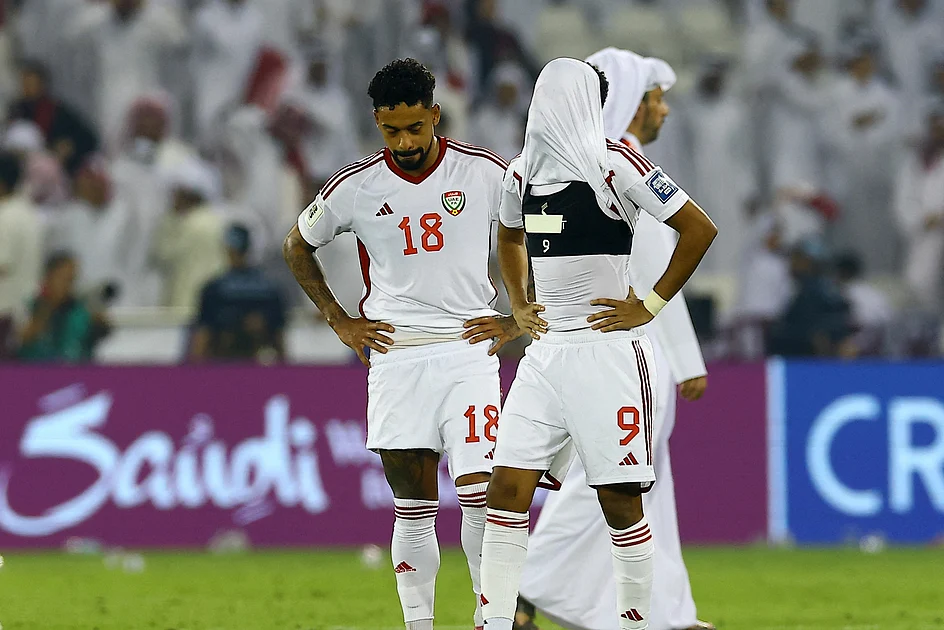
‘We shouldn’t have lost’: UAE fans unite in support despite heartbreaking Qatar defeat
The UAE’s dream of securing a spot in the 2026 FIFA World Cup was dashed in a dramatic 2-1 defeat to Qatar at Jassim bin Hamad Stadium. Despite the heartbreaking loss, the match became a symbol of national unity as fans across the Emirates rallied behind their team in unprecedented fashion. From bustling malls to cinema screens broadcasting the game live, the UAE came together in a remarkable display of solidarity. Families, students, and elders filled venues like Cinema City and VOX Cinemas, pausing their daily lives to share in the collective hope of World Cup qualification. The atmosphere was electric, with fans of all ages cheering for the national team, affectionately known as ‘the whites.’ The match ended in disappointment as Qatar’s Boualem Khoukhi and Ró-Ró scored, with Sultan Adil Alamiri’s late goal offering a glimmer of hope. Despite the loss, UAE supporters remain optimistic about their team’s future. ‘The 35-year wait continues, but it’s not over—it’s just longer,’ said Yousef AlNaqbi, reflecting the resilience of the fanbase. The game sparked debates over officiating decisions, with many fans questioning key moments on social media. Yet, amid the frustration, there was also respect for Qatar’s victory and a recognition of the rivalry’s role in pushing both nations forward. As fans left screenings and turned off their TVs, the prevailing sentiment was one of pride in the team’s effort and belief in their potential. ‘The dream isn’t over,’ AlNaqbi added. ‘It’s just taking the long road home.’
-

The smart lens that could replace your phone: Inside XPANCEO’s $250 million vision for the future
In a groundbreaking leap for wearable technology, Dubai-based deep tech startup XPANCEO is pioneering the development of the world’s first invisible, AI-powered smart contact lens. This innovative device seamlessly integrates augmented reality (AR), biosensing, and human vision into a single interface, potentially revolutionizing how we interact with technology. Recently, XPANCEO secured a staggering $250 million in Series A funding, valuing the company at $1.35 billion — the largest such round in the UAE and Mena region and among the top three globally in AR/VR and wearables. Roman Axelrod, XPANCEO’s founder, envisions this technology as more than a mere advancement; it’s a paradigm shift in human-tech interaction. Unlike smartphones or wearables, which often disrupt our engagement with the world, smart contact lenses merge directly with our senses, offering a seamless and intuitive experience. Over the next decade, XPANCEO aims to transition these lenses from lab prototypes to practical tools, with initial applications in healthcare, advanced manufacturing, and mobility. The company’s minimalist approach sets it apart from tech giants like Apple and Meta, focusing on consolidating devices rather than adding to them. XPANCEO has already developed 20 working prototypes, featuring integrated microbatteries, biosensors, and AR displays. By 2026, the company plans to merge these components into a unified lens, paving the way for pre-clinical and human trials. With a strong emphasis on privacy, security, and ethics, XPANCEO is committed to ensuring its lenses meet the highest medical and regulatory standards. The company will showcase its vision at GITEX GLOBAL 2025 in Dubai, offering a glimpse into the future of personal technology.
-
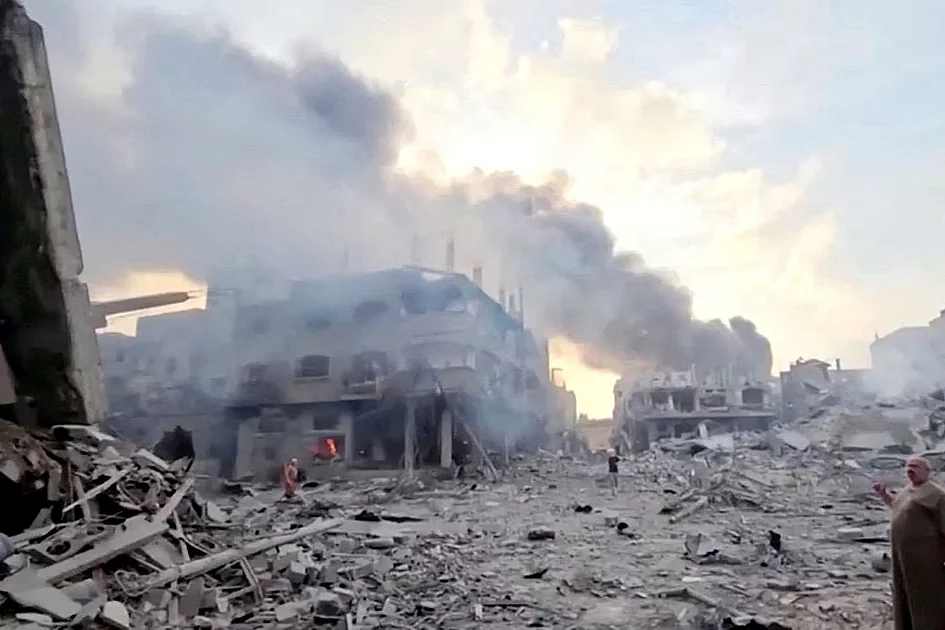
Hamas launches Gaza crackdown as Trump vows to disarm group
In a dramatic escalation of tensions, Hamas has tightened its control over Gaza, launching a severe crackdown on alleged collaborators and outlaws. The group released a video on its official channel depicting the street execution of eight blindfolded and kneeling suspects, branding them as traitors. This comes as US President Donald Trump vowed to disarm Hamas, emphasizing a swift and potentially violent approach if the group fails to comply. The executions occurred amidst ongoing armed clashes between Hamas security units and Palestinian clans, even as a US-brokered truce with Israel entered its fifth day. Meanwhile, Israeli forces withdrew from Gaza City, and Hamas’s black-masked police resumed patrols, aiming to restore order. Trump’s 20-point plan, endorsed by world powers, calls for Gaza’s demilitarization and excludes Hamas from any future leadership role. For many Palestinians, the presence of Hamas forces has brought a sense of security after the recent conflict. However, Israeli families continue to demand the return of the remains of deceased hostages still held in Gaza. The military has identified some of the returned bodies, including Israeli nationals and a Nepalese student, as families seek closure. In Tel Aviv, celebrations for the release of living hostages were tempered by concerns over the unresolved fate of the deceased.
-
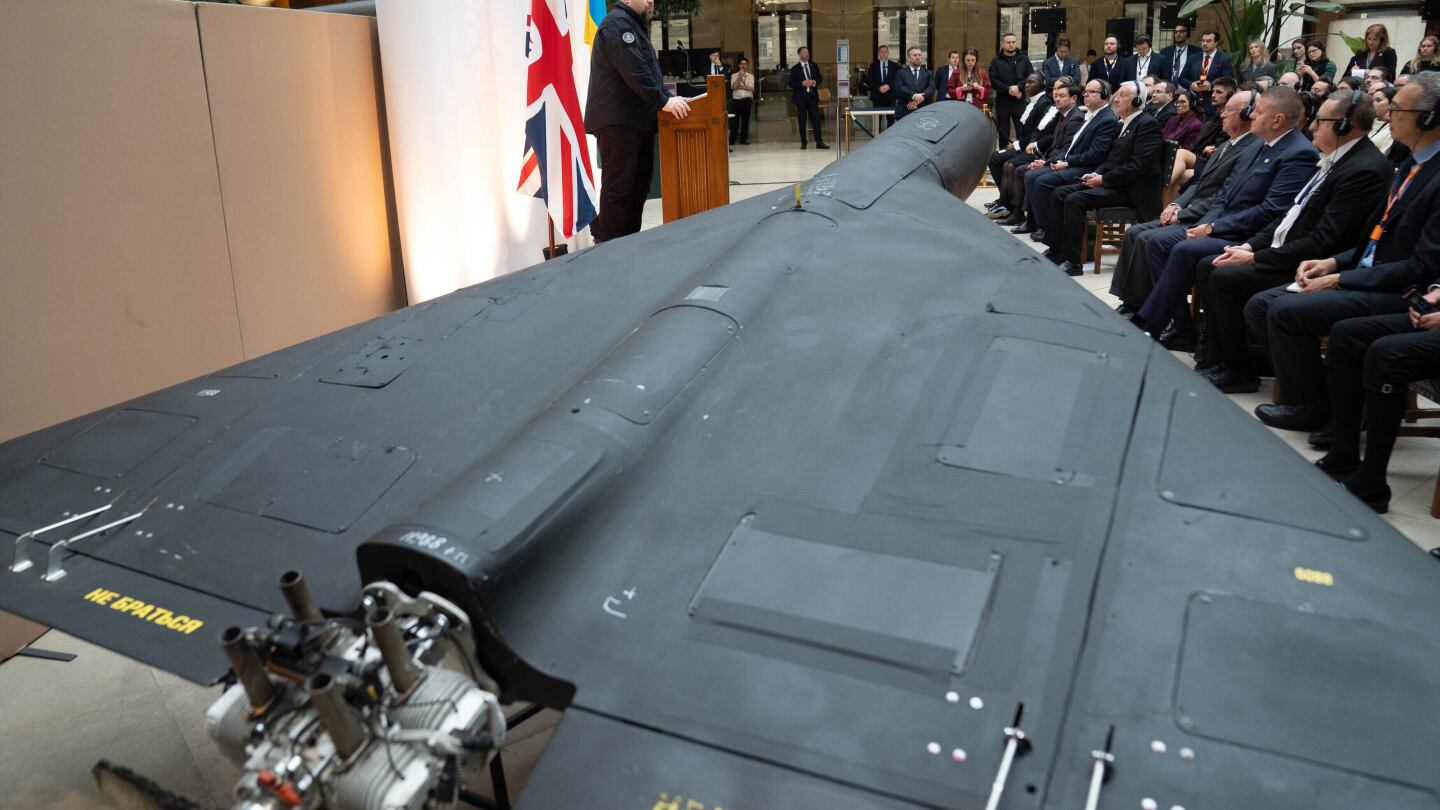
Ukrainian officials meet with US weapons manufacturers before Trump-Zelenskyy talks
In a significant diplomatic and strategic move, a high-level Ukrainian delegation has engaged with leading U.S. defense contractors during a visit to the United States. The delegation, led by Andrii Yermak, head of the Ukrainian president’s office, and Prime Minister Yuliia Svyrydenko, met with representatives from Lockheed Martin and Raytheon. While specifics of the discussions remain undisclosed, Yermak emphasized the growing collaboration between Ukraine and these defense giants as Kyiv seeks advanced weaponry to counter Russia’s ongoing aggression, which began on February 24, 2022. Mykhailo Podolyak, a senior adviser to Yermak, revealed that Ukraine is particularly interested in acquiring cruise missiles, air defense systems, and joint drone production agreements. Raytheon’s Patriot air defense systems and Tomahawk cruise missiles are of particular interest, as they could enable Ukraine to strike deep into Russian territory, including Moscow, with precision and significant impact. Lockheed Martin’s advanced weapon systems also hold strategic value for Ukraine’s defense efforts. The visit precedes Ukrainian President Volodymyr Zelenskyy’s anticipated meeting with U.S. President Donald Trump at the White House, where Zelenskyy is expected to seek approval for the procurement of Tomahawk missiles. However, Washington has expressed reservations, fearing such a move could escalate the conflict and strain U.S.-Russia relations. Trump has warned Russia that the U.S. may supply Tomahawks if Moscow does not soon end its war in Ukraine, potentially using this as leverage to pressure Russian President Vladimir Putin. U.S. Defense Secretary Pete Hegseth reiterated the U.S. commitment to supporting Ukraine, stating that if peace efforts fail, the U.S. and its allies will impose significant costs on Russia. Meanwhile, Russian Foreign Minister Sergey Lavrov cautioned that supplying Tomahawks to Ukraine would severely damage U.S.-Russia relations. In parallel, Ukraine and the U.S. are finalizing the U.S.-Ukraine Reinvestment Fund, which grants American access to Ukraine’s mineral resources, with potential projects in critical minerals, energy, and infrastructure sectors taking shape. Amid these developments, both nations continue to target each other’s energy assets, with Ukraine striking a Russian oil terminal in Crimea and Russia attacking Ukrainian power infrastructure, causing blackouts in multiple regions.
-

Tributes pour in for former Kenyan prime minister Raila Odinga, who has died at 80
NAIROBI, Kenya — The political landscape of Kenya and the broader African continent is in mourning following the passing of Raila Odinga, a former prime minister and a towering figure in Kenyan politics. Odinga, affectionately known as ‘Baba’ by his supporters, died on Wednesday in India after suffering a heart attack. He was 80 years old. Despite never ascending to the presidency, Odinga’s influence on Kenyan politics was profound, having contested the presidency five times over three decades. His legacy as a champion of democracy, good governance, and people-centered development has left an indelible mark on Kenya and beyond. Tributes have poured in from across the globe, highlighting his unwavering commitment to justice, pluralism, and democratic reform. African Union Commission Chairperson Mahmoud Ali Youssouf described Odinga as a ‘towering figure’ who inspired generations of leaders. Indian Prime Minister Narendra Modi recalled Odinga’s special affection for India and his efforts to strengthen bilateral ties. Former Kenyan President Uhuru Kenyatta, who supported Odinga in the 2022 election, hailed him as a ‘father to the nation’ and a ‘steadfast champion for the people.’ Tanzanian President Samia Suluhu and Somali President Hassan Sheikh Mohamud also expressed their condolences, emphasizing Odinga’s regional and continental impact. South African President Cyril Ramaphosa noted Odinga’s role in advancing peace and development in Africa, particularly through his work with the African Union. Kalonzo Musyoka, a former vice president of Kenya, reflected on Odinga’s resilience and sacrifices in the struggle for multiparty democracy. Odinga’s legacy is one of courage, resilience, and an unwavering belief in the power of dialogue and democratic institutions. His passing marks the end of an era for Kenyan politics, but his influence will continue to shape the nation’s future.
-

One dead after vehicle explodes outside Ecuador shopping mall
A deadly explosion rocked the bustling city of Guayaquil, Ecuador, on Tuesday evening, claiming at least one life and injuring several others. The incident occurred when a pick-up truck packed with explosives detonated outside Mall del Sol, a prominent shopping center in the northern part of the port city. Witnesses reported seeing the vehicle engulfed in flames before it exploded, scattering debris and causing widespread panic. Among the victims was a taxi driver parked nearby, who tragically lost his life. Ecuador’s Interior Minister, John Reimberg, confirmed that police discovered multiple explosive devices within the remains of the truck. Authorities also conducted a controlled detonation of a second vehicle found to contain explosives in the vicinity. Reimberg attributed the attack to criminal gangs, stating on social media platform X that the devices were ‘professionally manufactured by criminal groups aiming to sow chaos.’ The blast follows a recent incident where police defused a gas cylinder rigged with explosives outside Litoral prison, a facility notorious for housing powerful drug-trafficking gangs. Guayaquil Mayor Aquiles Álvarez linked the explosion to previous attempted attacks, suggesting that the perpetrators aimed to pressure authorities into releasing jailed gang members. President Daniel Noboa’s government has declared Ecuador in a state of ‘internal armed conflict’ and designated several gangs as terrorist organizations. The incident underscores the escalating violence fueled by drug trafficking, which has contributed to Ecuador’s soaring crime rates.
-
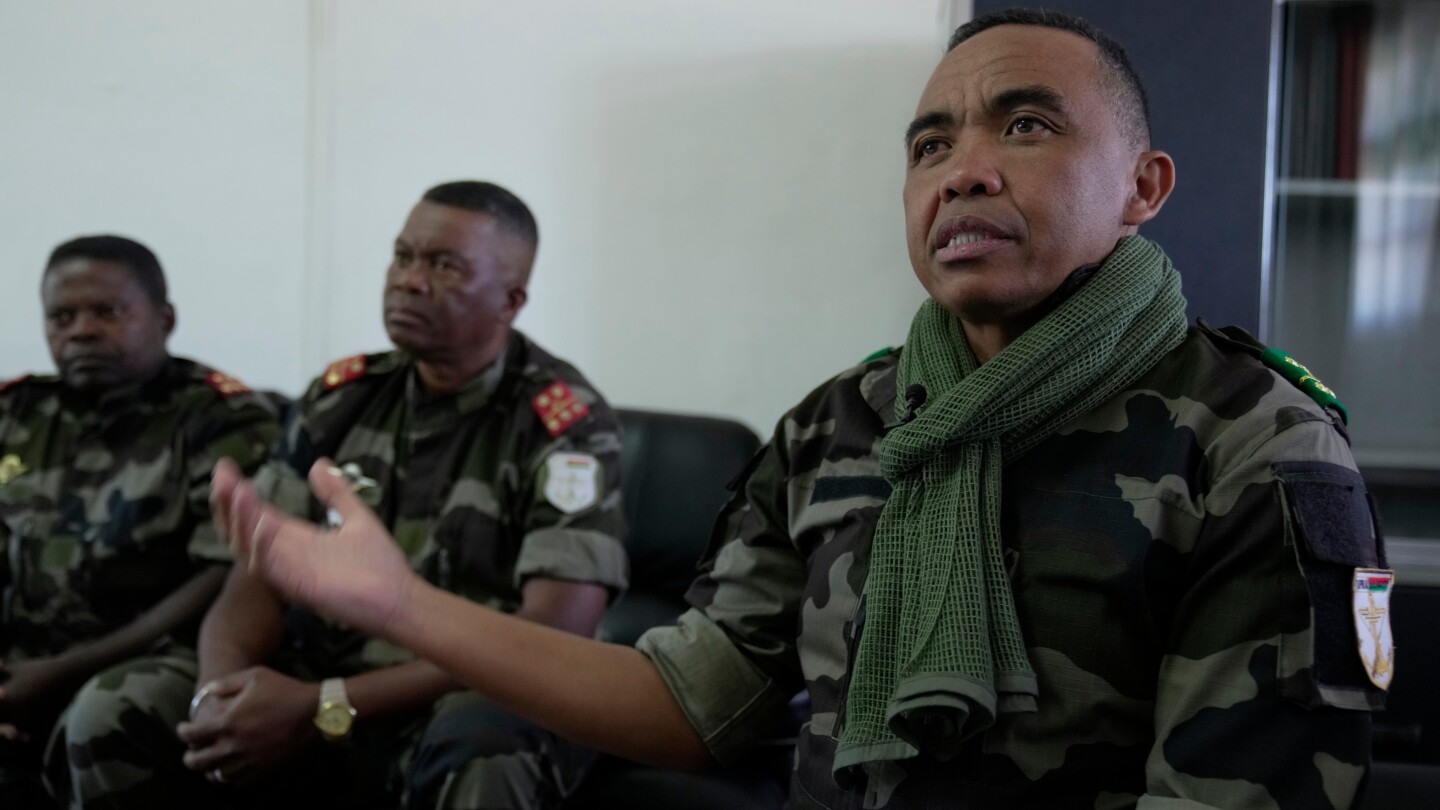
Leader of Madagascar’s military coup tells AP he is ‘taking the position of president’
In a dramatic turn of events, Madagascar’s military has assumed control of the African island nation following weeks of youth-led protests against President Andry Rajoelina’s government. Colonel Michael Randrianirina, the leader of the coup, declared in an exclusive interview with The Associated Press that he is “taking the position of president” and expects to be officially sworn in within days. The military plans to govern for up to two years before holding elections, aiming to stabilize the country amid widespread discontent. Randrianirina emphasized that the takeover was necessary to address the nation’s crises, citing the absence of leadership after Rajoelina fled the country fearing for his life. The coup leader claimed legitimacy through an order from Madagascar’s High Constitutional Court, though this has been disputed by Rajoelina’s office, which alleges judicial coercion. The African Union swiftly suspended Madagascar’s membership, condemning the unconstitutional change of power. Meanwhile, United Nations Secretary-General António Guterres expressed deep concern and urged stakeholders to work toward a peaceful resolution. The protests, led by youth groups known as “Gen Z Madagascar,” highlighted grievances over chronic water and electricity shortages, limited access to education, government corruption, and widespread poverty. While some demonstrators welcomed the military’s intervention, analysts warn that a military-led resolution undermines the civil society uprising. Madagascar, a nation of 30 million people and the world’s leading vanilla producer, has a history of political instability since gaining independence from France in 1960. The current crisis underscores the challenges of governance in a country grappling with systemic issues and a disillusioned youth population.